Quick take: Pack a hospital bag for mom checklist that balances comfort, practicality, and a few personal touches. Aim for two days of clothing, essential toiletries, snacks for labor, and newborn basics. Tailor the list if you’re having a C‑section, twins, or a high‑risk pregnancy, and keep a printable PDF copy handy for last‑minute tweaks.
It’s 2 a.m., the water has broken, and you’re half‑asleep when a text pings: “Did you remember the bag?” The panic that follows is real, but you don’t have to scramble. A well‑planned hospital bag for mom checklist takes the guesswork out of the moment, letting you focus on the birth instead of the bag.
Many women say they felt overwhelmed by the sheer number of “must‑haves” they read online. We’ve gathered those concerns, consulted with obstetric nurses, and distilled the essentials into one clear guide. Whether you’re headed for a natural birth, a C‑section, or a high‑risk stay, this article walks you through every item, how many you need, and why it matters.
Below you’ll find a step‑by‑step breakdown, printable PDF options, budget‑friendly swaps, and even snack ideas to keep your energy up during labor. Let’s unpack the perfect hospital bag for mom checklist, so you can breathe easy when the big day arrives.
What items should I pack in my hospital bag for a natural birth?
A natural birth often means a shorter labor and a quicker recovery, but comfort is still key. Your hospital bag for mom checklist should focus on items that support mobility, relaxation, and skin‑to‑skin bonding right after delivery.
Clothing and comfort
- Nightgown or loose‑fit shirt – choose front‑opening for easy nursing.
- Supportive nursing bra – preferably a front‑clip or wireless style.
- Soft socks or slippers – hospitals can be chilly.
- Flip‑flops – for shower use.
- Two sets of comfortable underwear – high‑waist, breathable cotton.
- Disposable or reusable pads – postpartum bleeding can be heavy.
Toiletries and personal care
- Gentle facial cleanser, toothbrush, toothpaste.
- Hairbrush and hair ties (silk ties are soothing).
- Moisturizer and lip balm (hospital air can dry skin).
- Perineal spray or witch hazel pads (if you prefer).
- Travel‑size body wash and shampoo (some hospitals provide but bring your favorite).
Newborn basics
- Two newborn onesies (size 0 or 1).
- Soft blanket or swaddle.
- Newborn hat and mittens.
- Diapers (the hospital usually supplies, but a few of your own can be comforting).
Documents and paperwork
- Insurance card and photo ID.
- Birth plan (if you have one).
- List of emergency contacts.
- Any hospital‑specific admission forms.
Electronics and entertainment
- Phone and charger (a portable power bank is a plus).
- Headphones or earbuds.
- Tablet or e‑reader loaded with books, podcasts, or shows.
Comfort items
- Small pillow with a washable cover (hospital pillows can be thin).
- Eye mask and earplugs for better sleep.
- Massage roller or tennis ball for back relief.
Snacks and hydration
- Protein bars, dried fruit, nuts, and electrolyte tablets.
- Ginger chews or tea bags (helpful for nausea).
- Water bottle with a straw for easy sipping.
Even for a natural birth, it’s wise to bring a few extra items—especially snacks and personal toiletries—because hospital supplies vary by location.

Hospital bag checklist for a mom having a C‑section
A C‑section involves surgery, so recovery takes longer and you’ll need additional supplies for pain management and mobility. Your hospital bag for mom checklist should reflect the extra days you’ll spend in the hospital and the specific needs of a post‑operative stay.
Additional clothing items
- Loose‑fit, front‑opening nightgown or a maternity robe (easy to change without bending).
- High‑waist, breathable underwear (consider disposable options for the first 24‑48 hours).
- Compression socks (help reduce swelling and improve circulation).
- Extra pair of slippers with non‑slip soles.
Post‑operative toiletries
- Peri‑bottle for gentle cleaning of the incision site.
- Healing ointment or silicone scar gel (ask your surgeon for recommendations).
- Disposable pads with a higher absorbency rating.
Medical documents
- Copy of your surgical consent and any anesthesia notes.
- List of medications you’re currently taking (including prenatal vitamins).
Comfort and mobility aids
- Portable lumbar support pillow for sitting up.
- Grab bar or bedside strap (many hospitals provide; bring a small one if you prefer).
- Reading glasses if you need them.
Snacks for a longer stay
- High‑protein snacks like Greek yogurt, cheese sticks, or boiled eggs.
- Complex carbs such as whole‑grain crackers or oatmeal packets.
- Hydration options: coconut water, herbal tea, or low‑sugar sports drinks.
Because a C‑section typically adds an extra day or two to your hospital stay, aim for three sets of clothing and a larger snack stash. The hospital bag for mom checklist for a C‑section should be slightly bulkier, but still manageable.
How to pack a hospital bag for a postpartum stay with a newborn
After delivery, the focus shifts from your own comfort to caring for the newborn. A well‑packed hospital bag for mom checklist helps you transition smoothly from labor to life with your baby.
Clothing for the postpartum period
- Two comfortable nightgowns or oversized T‑shirts (easy for breastfeeding).
- Three pairs of breathable underwear (including at least one disposable pair).
- Two supportive nursing bras.
- Soft socks, slippers, and a pair of flip‑flops for showers.
Newborn essentials
- Four newborn onesies (size 0 or 1).
- Two swaddle blankets.
- Newborn hat, mittens, and socks.
- Diapers (the hospital usually supplies the first few, but having a small pack can ease anxiety).
- Gentle baby wipes (hypoallergenic).
Personal care for mom
- Perineal spray or witch hazel pads.
- Disposable or washable breast pads.
- Lanolin cream (helps soothe sore nipples).
- Moisturizer and lip balm.
Feeding supplies
- Breast pump (if you plan to pump).
- Milk storage bags or containers.
- Water bottle (staying hydrated is crucial for milk production).
Entertainment and support
- Phone charger and headphones.
- Book or e‑reader (short chapters are perfect for quick breaks).
- Notebook and pen for tracking feeding and diaper changes.
Snacks and hydration
- Easy‑to‑grab snacks like granola bars, fruit slices, and nut butter packets.
- Electrolyte tablets to keep you hydrated while nursing.
Pack these items in a sturdy duffel or tote that’s easy to lift and carry. The hospital bag for mom checklist for a postpartum stay should be organized by category (clothing, newborn, personal care) so you can locate items quickly, even when you’re sleep‑deprived.
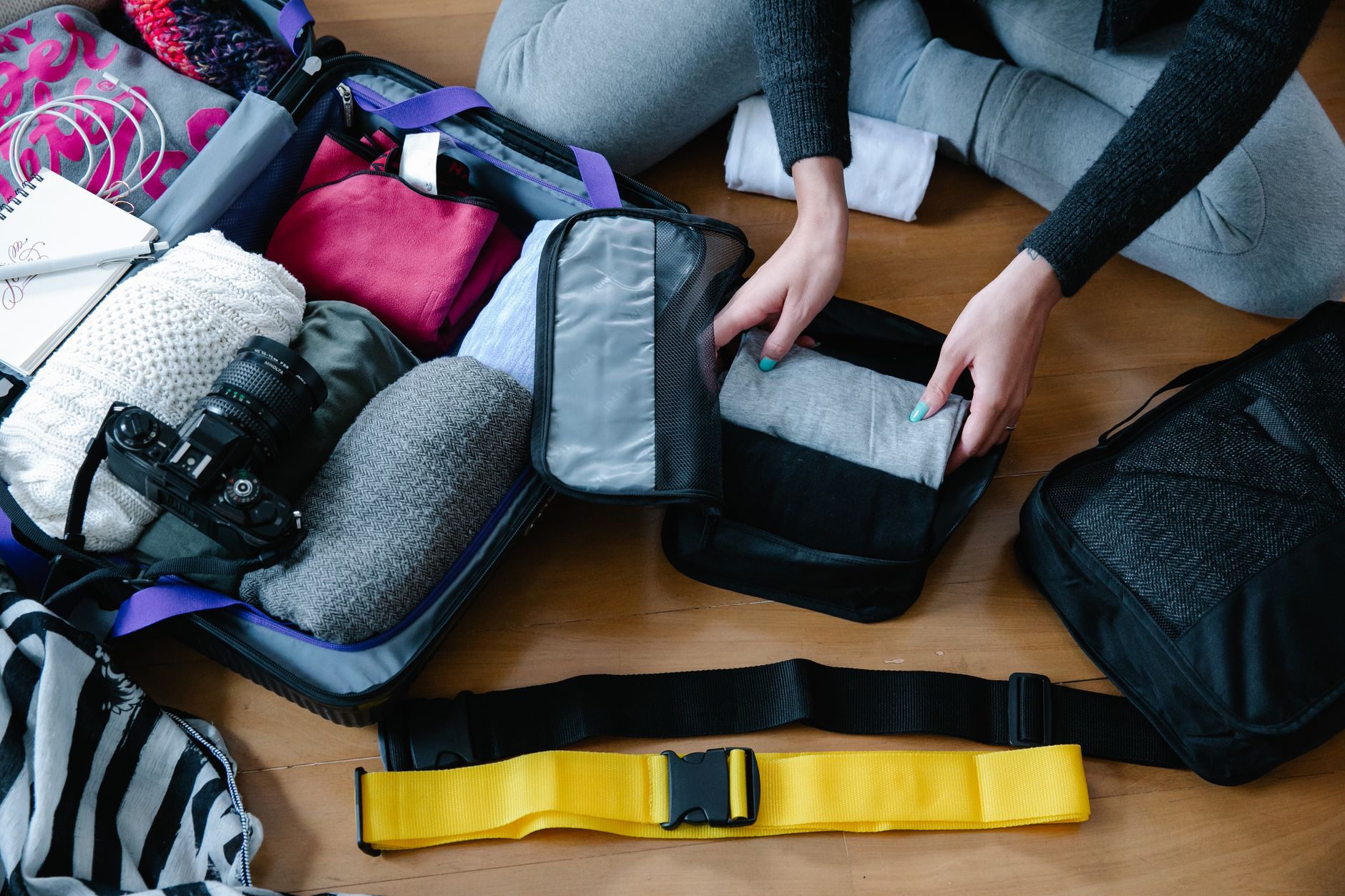
Best hospital bag essentials for breastfeeding moms
Breastfeeding adds a few specialized items to your hospital bag for mom checklist, but the goal remains the same: make feeding as comfortable and stress‑free as possible.
Key breastfeeding supplies
- Nursing bras – front‑clip or wire‑free for easy access.
- Breast pads – disposable or washable, to protect clothing.
- Lactation support – lanolin cream, nipple ointment, and a small bottle of nipple shield if recommended.
- Portable breast pump – a manual or battery‑operated pump for occasional pumping.
- Water bottle – staying hydrated is essential for milk supply.
Comfort items that help with nursing
- Soft pillow (can be used for side‑lying nursing).
- Massage ball or roller for sore back and shoulders.
- Heat pack (microwavable) for relieving engorgement.
Snacks that boost lactation
- Oatmeal packets (oats are linked to increased milk production).
- Almonds or nut mixes.
- Dark chocolate (a modest caffeine boost without jitters).
Even if the hospital provides a breast pump, having your own can save time and ensure a familiar routine. Include these items in your hospital bag for mom checklist, and keep them within easy reach on the nightstand.
What to bring for a hospital stay during a high‑risk pregnancy?
High‑risk pregnancies—whether due to hypertension, gestational diabetes, or a previous preterm birth—often require a longer hospital stay and additional monitoring. Your hospital bag for mom checklist should anticipate extra medical needs while still prioritizing comfort.
Medical documentation
- Full list of medications, including dosages.
- Recent lab results and ultrasound images (if not already in the hospital record).
- Copy of your high‑risk pregnancy care plan.
- Insurance information and a list of covered services.
Clothing and personal items
- Three nightgowns or loose‑fit shirts (you may stay longer than expected).
- Extra pair of compression socks (to reduce swelling).
- Comfortable shoes with non‑slip soles.
- Reusable water bottle with a straw.
Specialized toiletries
- Hypoallergenic, fragrance‑free skin care (sensitive skin is common).
- Moisturizing hand cream (frequent hand washing can dry skin).
Snacks and hydration for extended labor
- Low‑sugar, high‑protein snacks (e.g., turkey jerky, protein bars).
- Electrolyte tablets or powders (helpful if you’re on IV fluids).
- Ginger chews for nausea control.
Comfort and coping items
- Portable white‑noise machine or a playlist of calming sounds.
- Essential oil roll‑on (check hospital policy first).
- Notebook for tracking vitals, medications, and questions for your care team.
Because high‑risk stays can be unpredictable, aim for a flexible hospital bag for mom checklist that can be expanded or reduced based on your provider’s advice.
Hospital bag packing list for a mom with twins
Expecting twins multiplies the basics—twice the diapers, twice the outfits, and often a longer stay. A focused hospital bag for mom checklist helps you stay organized without overpacking.
Clothing for you
- Two nightgowns or oversized shirts (easy for nursing two babies).
- Three pairs of breathable underwear.
- Two supportive nursing bras.
- Soft socks, slippers, and flip‑flops.
Newborn essentials (per baby)
Feeding supplies
- Two breast pumps (or one pump with a dual‑flange adapter).
- Milk storage bags (double the quantity).
- High‑protein snacks for extra energy.
Additional items
- Separate small tote for each baby’s belongings.
- Extra pillow for each infant’s side‑lying position.
- One extra charger for your phone (you’ll be using it a lot).
Even though twins increase the volume, you can keep the hospital bag for mom checklist manageable by using lightweight, multi‑purpose items—like a single large diaper bag that holds both babies’ supplies.
Budget‑friendly hospital bag items for new moms
Preparing for birth doesn’t have to break the bank. Below are cost‑saving alternatives that still meet the core of a hospital bag for mom checklist.
Clothing hacks
- Borrow a nightgown from a friend or use a soft, oversized T‑shirt you already own.
- Purchase a multipack of basic cotton bras online—look for sales or discount codes.
- Reusable slippers can be bought at discount retailers; a simple pair of house socks works too.
Toiletries on a budget
- Travel‑size packs from drugstores are inexpensive and often come in multi‑packs.
- Use a small, reusable bottle for shampoo and body wash—fill it from home bottles.
- DIY perineal spray: mix distilled water, witch hazel, and a few drops of lavender essential oil (if allowed).
Snacks without the premium price
- Buy bulk nuts and portion them into zip‑lock bags.
- Make your own granola bars with oats, honey, and dried fruit.
- Store‑bought crackers and peanut butter packets are cheap and energizing.
Newborn basics
- Second‑hand baby clothing can be gently washed and is perfectly safe for newborns.
- Many hospitals provide the first few diapers; you only need a small pack for peace of mind.
- Use a soft blanket you already own instead of a specialty swaddle.
By focusing on versatile, multi‑use items, your hospital bag for mom checklist stays lean, functional, and affordable.
Hospital bag checklist printable PDF 2026
Sometimes you just need a quick visual reference. Below is a printable PDF version of the complete hospital bag for mom checklist, updated for 2026 guidelines. You can download, print, and tick off items as you pack.
How to use the PDF
- Open the PDF on your phone or tablet while you’re packing.
- Check each box as you place the item in your bag.
- Print a copy for your partner or support person to double‑check.
What’s inside the PDF
- Categories: Clothing, Toiletries, Newborn, Documents, Snacks, Comfort.
- Space for notes (e.g., “Ask hospital if they provide pillow”).
- Check boxes for “Essentials,” “Optional,” and “High‑risk add‑ons.”
Having a printable reference reduces last‑minute stress, especially if labor starts early. Keep the PDF saved in your cloud storage so you can access it from any device.
Must‑have snacks for a hospital stay during labor
Labor can last many hours, and hospital food isn’t always available when you need it. Stock your hospital bag for mom checklist with snacks that sustain energy, are easy to eat, and won’t upset your stomach.
Top snack choices
- Protein bars – look for low‑sugar, high‑protein options.
- Dried fruit and nut mixes – provide quick carbs and healthy fats. li>
- Whole‑grain crackers – pair with cheese slices for a balanced bite.
- Ginger chews or tea bags – help with nausea.
- Electrolyte tablets – dissolve in water to stay hydrated.
Snack storage tips
- Pack snacks in resealable bags to keep them fresh.
- Bring a small insulated container if you prefer your food chilled.
- Label each snack with a brief “Eat if hungry” note to remind yourself.
These items fit neatly into a hospital bag for mom checklist without taking up much space, and they’re easy to share with a partner or doula.
How many outfits should I bring for my hospital stay?
The answer depends on the expected length of stay and whether you’ll have a C‑section or natural birth. A practical rule of thumb is to pack enough clothing for each full day plus one extra set.
General guideline
- Natural birth – two nightgowns or oversized shirts, two pairs of underwear, and two nursing bras.
- C‑section – three nightgowns (you’ll likely stay 2–3 days), three pairs of underwear, and three nursing bras.
- Twins or high‑risk – add an additional nightgown and underwear set for each extra day you anticipate.
Spills, leaks, or unexpected bleeding can happen, especially after surgery. Having a clean set ready means you won’t have to scramble for laundry services early on.
Quick‑pack tip
Fold each outfit in a “file” style and place them in separate zip‑lock bags. This keeps them organized and makes it easy to grab a fresh set without rummaging.
Hospital bag items that hospitals provide vs you need to bring
Knowing what the hospital already supplies can shave a few items from your hospital bag for mom checklist, saving space and money.
What hospitals typically provide
- Disposable gowns and hospital‑issued nightgowns (though many women prefer their own).
- Basic newborn clothing (one‑size‑fits‑all onesie and hat).
- Diapers for the first 24 hours.
- Standard toiletries like soap and shampoo (often generic).
- Crib or bassinet for the baby.
What you should still bring
- Personal nightgown or comfortable shirt (for style and comfort).
- Supportive nursing bras and underwear.
- Personal toiletries (toothbrush, toothpaste, moisturizer).
- Snacks and hydration for labor.
- Any specific medical supplies (e.g., perineal spray, compression socks).
When in doubt, call the hospital’s maternity unit a week before your due date. They can confirm which items are stocked, allowing you to adjust your hospital bag for mom checklist accordingly.
What toiletries are allowed in the hospital delivery room?
Hospital policies vary, but most allow a limited selection of personal care items. Here’s a concise list to keep you within the rules while still feeling fresh.
Allowed toiletries
- Toothbrush and toothpaste.
- Hairbrush or comb (silicone brushes are gentle).
- Travel‑size shampoo, conditioner, and body wash.
- Moisturizer, lip balm, and hand cream.
- Disposable facial wipes (alcohol‑free).
Items usually restricted
- Aerosol sprays (including hairspray) – can be a fire hazard.
- Strongly scented products – may bother other patients.
- Large bottles of liquids – often limited to 100 ml for safety.
Tips for compliance
Transfer your favorite products into travel‑size containers (under 100 ml) and label them clearly. This keeps you within hospital limits while still using the products you love.
Packing a hospital bag for a mom with a medical condition
Women managing chronic conditions such as thyroid disease, hypertension, or autoimmune disorders need a few extra items in their hospital bag for mom checklist. These additions ensure you have the necessary tools and information to stay comfortable and safe.
Medical documentation
- Latest lab results and medication list.
- Doctor’s note outlining any special accommodations (e.g., need for IV fluids, medication timing).
- Copy of your health insurance card and any pre‑authorization letters.
Medication supplies
- Small, clearly labeled pill organizer with your daily meds (if allowed; check hospital policy).
- Any rescue inhaler, insulin pen, or thyroid tablets you need.
- List of allergies and a brief description of your condition for the nursing staff.
Comfort and monitoring items
- Portable blood pressure cuff (if you monitor at home).
- Compression stockings (especially for hypertension or clotting disorders).
- Extra pillow or lumbar support for added comfort.
Snacks tailored to your condition
- Low‑sugar, high‑protein options if you have gestational diabetes.
- Gluten‑free snacks for celiac disease.
- Electrolyte drinks without added sugars for kidney concerns.
Discuss your specific needs with your obstetrician during prenatal visits. They can help you refine this hospital bag for mom checklist so nothing essential is missed.
Last‑minute hospital bag checklist for labor that starts early
Sometimes labor begins unexpectedly, and you have only minutes to grab your bag. A streamlined version of the hospital bag for mom checklist can be a lifesaver.
Essential grab‑and‑go items
- Phone, charger, and a small power bank.
- One nightgown or oversized shirt.
- Two nursing bras and two pairs of underwear.
- Travel‑size toothbrush and toothpaste.
- One pack of high‑protein snack (e.g., a protein bar).
- Insurance card and ID.
- Birth plan (if you have one).
How to keep it ready
Store these items in a small duffel or tote near the front door. Keep a “Labor Ready” tag on the bag so you can locate it instantly.
Even if you only have a few minutes, this pared‑down hospital bag for mom checklist ensures you have the basics covered while the hospital staff prepares the delivery suite.
Myth vs. fact
Myth: You need to bring a full wardrobe of outfits for a short hospital stay.
Fact: Two to three comfortable sets are sufficient; hospitals provide gowns and basic clothing if needed.
Myth: Hospitals will supply all newborn items, so you don’t need to pack anything for the baby.
Fact: While many hospitals provide a onesie and blanket, bringing your own preferred items helps you feel more prepared and can reduce stress.
Myth: You can’t bring any snacks into the delivery room.
Fact: Most hospitals allow small, non‑messy snacks and drinks in the labor area. Check your hospital’s policy, but having a few energy‑boosting bites is generally permissible.
Key takeaways
- Pack two to three comfortable outfits, supportive nursing bras, and slippers for a typical postpartum stay.
- Include essential newborn items—onesies, blankets, and a small diaper pack—even if the hospital provides some basics.
- Bring personal toiletries, snacks, and hydration supplies to stay comfortable during labor.
- Adjust your hospital bag for mom checklist for C‑sections, twins, high‑risk pregnancies, or medical conditions with extra clothing, compression socks, and medication.
- Use a printable PDF checklist to stay organized and reduce last‑minute stress.
- Know which items hospitals provide and which you must bring, especially toiletries and personal comfort items.
Frequently asked questions
What should I pack in my hospital bag for labor?
Focus on comfort and practicality: a nightgown or loose shirt, supportive nursing bras, breathable underwear, slippers, basic toiletries, phone charger, snacks, and a few newborn essentials like a onesie and blanket. A printable PDF checklist can help you verify each item.
Do I need to bring my own pillow to the hospital?
Many hospitals provide a thin pillow, but a personal pillow with a washable cover can improve sleep quality. If space permits, add a small pillow to your hospital bag for mom checklist.
How many days of clothes should I bring for my postpartum stay?
Plan for two full days of clothing: two nightgowns or oversized shirts, three pairs of underwear, and two nursing bras. If you anticipate a longer stay (e.g., C‑section or high‑risk), add an extra set.
Can I bring my own snacks into the delivery room?
Yes—most hospitals allow small, non‑messy snacks and drinks in the labor area. Pack protein bars, dried fruit, nuts, and electrolyte tablets for sustained energy.
What items are prohibited in the hospital delivery suite?
Aerosol sprays, strong fragrances, large liquid containers (over 100 ml), and any items that could pose a fire risk are typically restricted. Stick to travel‑size, fragrance‑free toiletries.
Do I need a separate bag for my baby’s items?
Having a dedicated, smaller bag for newborn essentials—onesies, blankets, and diapers—helps keep everything organized and makes it easy for staff to locate baby items quickly.
How can I make sure I don’t forget anything if labor starts early?
Keep a “Labor Ready” tote near your front door with the essential grab‑and‑go items listed in the last‑minute hospital bag checklist. Review the printable PDF checklist each night leading up to your due date.
When to see a doctor / specialist
If you notice any of the following during labor or postpartum, contact your OB/GYN or go to the nearest emergency department:
- Severe, unrelenting pain that isn’t alleviated by medication.
- Heavy bleeding (soaking a pad in less than an hour) after delivery.
- Fever above 100.4 °F (38 °C) that persists.
- Signs of infection at the incision site (redness, swelling, pus).
- Sudden shortness of breath or chest pain.
This article is for informational purposes only and does not replace personalized medical advice. Always discuss your specific needs with your health care provider.
References
- American College of Obstetricians and Gynecologists (ACOG). “Hospital Stay After Delivery.” 2023.
- World Health Organization (WHO). “Intrapartum Care for a Positive Childbirth Experience.” 2022.
- National Institute of Child Health and Human Development (NICHD). “Twin Pregnancy Care.” 2021.
- American Academy of Nutrition and Dietetics. “Nutrition During Labor and Delivery.” 2023.
- Centers for Disease Control and Prevention (CDC). “Hospital Guidelines for Births.” 2022.
- National Center for Biotechnology Information (NCBI). “Maternal Nutrition and Labor Outcomes.” 2022.
- Society of Maternal-Fetal Medicine (SMFM). “High‑Risk Pregnancy Management.” 2023.
- Harvard T.H. Chan School of Public Health. “Snacks for Active Labor.” 2024.
- American Board of Obstetrics and Gynecology (ABOG). “Post‑C‑section Recovery.” 2023.



