Guidelines evolve each year, and 2026 brings a few updated recommendations from leading bodies such as the American College of Obstetricians and Gynecologists (ACOG) and the UK’s National Health Service (NHS). Below is the most current, evidence‑based checklist that aligns with those standards.
Updated clothing recommendations
ACOG notes that newborns can lose up to 15 % of their body heat in the first hours. Therefore, a newborn‑size hat and an extra pair of socks are now considered essential, even in warm climates.
Diapering and hygiene upgrades
The NHS encourages using fragrance‑free, chlorine‑free wipes to reduce skin irritation. Additionally, a small, resealable diaper cream tube is preferred over bulk containers for better hygiene.
Feeding supplies refinements
For breast‑feeding mothers, the CDC highlights the importance of a hospital‑grade breast pump if you anticipate a low milk supply. A portable, rechargeable pump (with a USB‑C cable) is now a standard recommendation.
Medical item checklist
- Thermometer (digital, < 1 minute read).
- Nasal aspirator (silicone tip recommended for gentler suction).
- Vitamin D drops (400 IU per day) – most pediatric societies advise supplementation from day 1.
- Any prescribed newborn medication (e.g., antibiotic eye ointment).
Safety and sanitation items
CDC guidelines advise a small bottle of 70 % isopropyl alcohol wipes for disinfecting bottle nipples and pump parts before you leave the hospital. Pair this with a clean, zip‑top bag for transporting these items home.
Following this 2026‑specific checklist keeps you aligned with the latest safety standards while ensuring you have everything you need for a smooth transition.
How to organize a hospital bag for baby clothes and supplies?
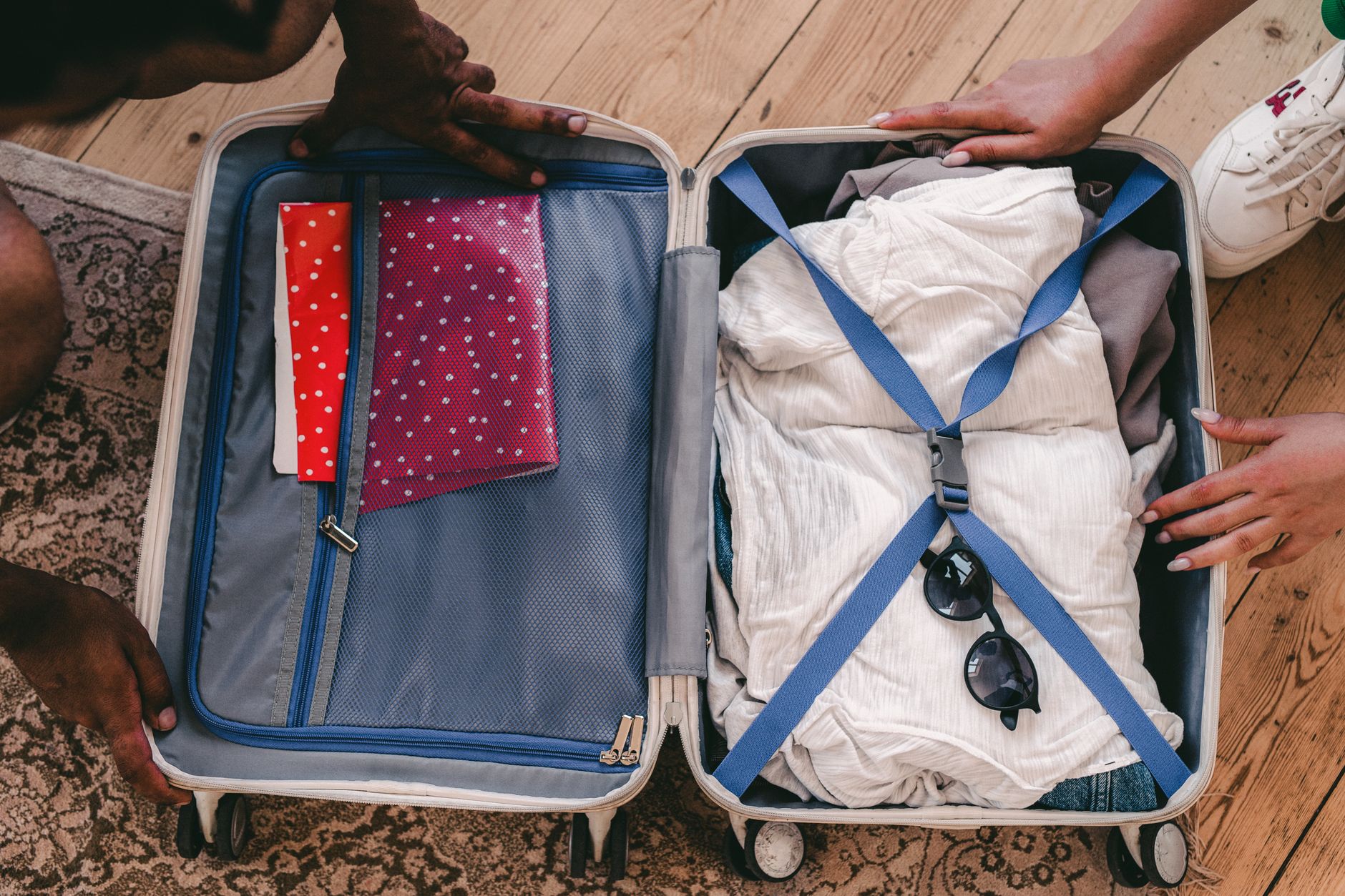
Even the most thorough checklist can become overwhelming if the items are scattered across the bag. Organization is the key to quick access during those early, sleep‑deprived moments.
Choosing the right bag
Opt for a lightweight, water‑resistant duffel with multiple interior pockets. A bag with a zip‑around compartment makes it easy to grab a diaper without unpacking everything.
Section‑by‑section packing strategy
- Bottom layer – clean clothes: Fold each onesie and sock pair together. Place the hat and mittens on top of the clothing stack.
- Middle layer – diapering kit: Use a small, zip‑top pouch for diapers, wipes, and cream. This pouch should sit in an exterior pocket for quick reach.
- Top layer – feeding gear: Pack bottles, nipples, and formula in a separate insulated sleeve to keep them at room temperature.
- Side pockets – medical items: Store the thermometer, nasal aspirator, and medication in an easy‑access side pocket.
- Exterior strap – documentation: Attach a zip‑through sleeve to the bag’s handle for insurance cards and hospital forms.
Labeling and color‑coding
Use simple stickers (e.g., “Clothes,” “Diapers,” “Feeding”) or colored zip‑ties to differentiate sections. A quick visual cue saves you from rummaging when you’re half‑asleep.
Finally, practice a mock “grab‑and‑go” before your due date. Open the bag, locate each category, and make sure you can retrieve items within a few seconds. This rehearsal builds confidence and reduces stress on labor day.
Best diaper and wipes options for hospital stay with newborn
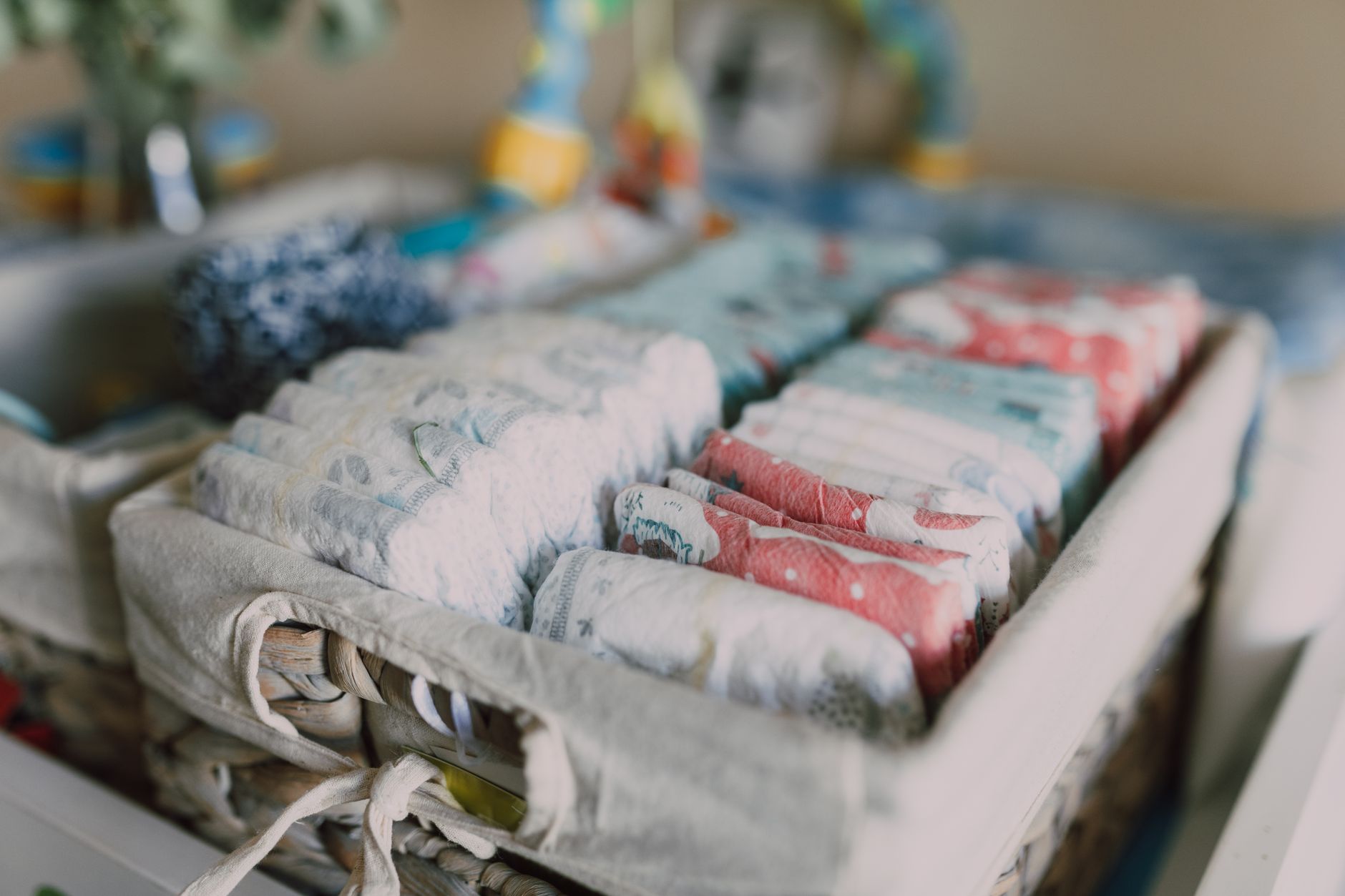
Choosing the right diaper and wipes can affect your baby’s comfort and your peace of mind. Below is a side‑by‑side comparison of the most popular, dermatologist‑approved options as of 2026.
If you’re unsure whether the hospital will accept cloth diapers, a quick call to the maternity unit can clarify their policy. Many hospitals in the U.S. and UK now allow cloth diapers, but they often require a disposable liner for hygiene.
Wipe recommendations
- Fragrance‑free, aloe‑infused wipes: Gentle on newborn skin and widely stocked in hospital supply rooms.
- Water‑only wipes: Ideal for parents who prefer a minimalist approach; keep a small bottle of sterile water in the bag to dampen them.
- Reusable cloth wipes: Made of bamboo or organic cotton; bring a sealed zip‑top bag for transport.
For most families, a small pack of premium wipes plus a few disposable diapers (as a backup) hits the sweet spot between comfort, convenience, and cost.
Hospital bag checklist for baby: feeding supplies and bottles
Feeding in the hospital can be a delicate balance between breast‑feeding, formula, and occasional supplementation. Packing the right supplies ensures you’re ready for any feeding plan you choose.
Breast‑feeding essentials
- Silicone breast pump flange (size A or B, depending on your fit).
- Two clean breast pump bottles and the pump’s power adapter (USB‑C for newer models).
- Breast‑milk storage bags (a small stack of 5‑10) in case you need to pump and store milk before discharge.
- Two 4‑oz bottles with anti‑colic nipples (medium flow).
- Two pre‑measured formula sachets (if you’re not using hospital‑provided formula).
- A small bottle‑brush for cleaning nipples before you leave the hospital.
Hybrid feeding supplies
Many parents start with breast‑milk and supplement with formula. In that case, bring both a pump kit and a couple of formula bottles. The hospital staff will often provide a temporary feeding tube if you need one for medical reasons.
Remember, most hospitals will supply a basic breast‑feeding support kit (nipple shield, breast pads). However, bringing your own preferred pump and bottle style can make the transition smoother.
What medical items should be included in a newborn hospital bag?
While hospitals provide many medical necessities, having a few key items on hand can reduce anxiety and ensure continuity of care once you’re home.
Thermometer
A digital, ear‑or‑forehead thermometer that reads within a second is ideal. The CDC recommends a device that doesn’t require a probe for infant safety.
Nasal aspirator
A soft silicone bulb aspirator helps clear mucus after birth, especially if the baby has a mild cold. Keep it in a clean zip‑top bag to avoid contamination.
Medication and supplements
- Vitamin D drops (400 IU) – most pediatric societies, including the American Academy of Pediatrics (AAP), advise daily supplementation.
- Any prescribed eye ointment (e.g., erythromycin) if the hospital does not provide it.
- Over‑the‑counter infant acetaminophen (only if your pediatrician recommends it for fever).
Sanitizing supplies
Even though the hospital maintains a sterile environment, a travel‑size bottle of 70 % isopropyl alcohol wipes can be useful for cleaning bottle nipples and pump parts before you head home.
Write down the phone numbers of your OB‑GYN, pediatrician, and a trusted family member. Keep this list on the outside of your bag for quick access.
Budget‑friendly newborn hospital bag checklist for first‑time parents
Welcoming a baby doesn’t have to break the bank. Below are cost‑saving strategies that still meet the 2026 checklist standards.
Clothing savings
- Buy a multi‑pack of newborn onesies from a discount retailer (often 5‑pack for under $15).
- Use a single, soft blanket that can double as a swaddle, burp cloth, and nursing cover.
- Choose a hat that’s reversible – you get two colors for the price of one.
Diapering on a budget
Many hospitals provide the first few diapers, so you can start with a small pack of 20 disposable diapers and supplement with a reusable cloth diaper if you’re environmentally conscious. Look for “store brand” diapers that meet hypoallergenic standards (often labeled “sensitive”).
Feeding gear savings
- Instead of a full‑size breast pump, consider a compact, manual breast pump that folds into a travel case.
- Purchase a starter set of two bottles and use the hospital’s free formula sample packets for the first day.
- Reusable bottle‑cleaning brushes are inexpensive and last for years.
Medical item hacks
Many pediatricians recommend vitamin D drops that come in a bottle with a dropper – a single bottle can last for months, reducing the need for multiple purchases.
Weight limit recommendations
Most hospital‑approved duffel bags have a weight limit of 15 lb (6.8 kg). Keep your total baby items under 12 lb to leave room for personal items and avoid over‑packing.
By focusing on multi‑use items and leveraging hospital‑provided supplies, you can assemble a complete bag for under $80.
Seasonal considerations for a newborn hospital bag in 2026
Weather can change the way you pack your newborn’s bag. Here’s how to adapt the checklist for summer, winter, and transitional seasons.
Summer packing tips
- Choose lightweight, breathable clothing—short‑sleeve onesies and a cotton swaddle.
- Bring a small, portable fan (battery‑operated) if the hospital’s climate control feels warm.
- Skip heavy blankets; a thin muslin blanket offers comfort without overheating.
Winter packing tips
- Pack a fleece or thermal onesie and an extra hat.
- Include a warm, insulated blanket (e.g., a soft, fleece receive‑blanket).
- Consider a small, zip‑up baby bunting for the ride home.
Rainy or humid climates
Use a waterproof diaper bag or a zippered dry sack for the outer layer of your tote. This protects diapers, wipes, and clothing from moisture.
All‑season essentials
Regardless of season, a breathable swaddle, a hat (lightweight or thermal), and a set of socks are non‑negotiable. Adjust the material based on temperature, but keep the core items consistent.
Myth vs. fact
Myth: Hospitals always supply enough diapers for the entire stay.
Fact: While many hospitals provide the first few diapers, supplies often run out after 24–36 hours. Bringing a small pack ensures you’re covered.
Myth: You can’t bring any baby items into the NICU.
Fact: NICUs allow personal items that meet infection‑control standards, such as pre‑approved blankets, pacifiers, and a limited number of clothing pieces. Always check the unit’s policy early.
Myth: A single outfit is enough for the hospital stay.
Fact: Newborns can go through several outfits due to spills, diaper leaks, and temperature changes. Packing 3–4 outfits is the recommended minimum.
Key takeaways
- Pack 3–4 newborn onesies, a hat, socks, and a swaddle for basic comfort.
- Bring at least 6–8 disposable diapers, a small pack of fragrance‑free wipes, and diaper cream.
- Include feeding supplies for both breast‑feeding (pump kit) and formula (bottles, formula sachets).
- Carry a digital thermometer, nasal aspirator, vitamin D drops, and a small bottle of alcohol wipes.
- Organize items by layer and use zip‑top pouches for quick access.
- Adjust clothing and blanket choices for seasonal temperature changes.
- Check hospital policies on NICU items, diaper provision, and weight limits before packing.
Frequently asked questions
What should I put in my baby’s hospital bag?
Start with newborn clothing (onesies, hat, socks), a swaddle, diapers, wipes, diaper cream, feeding supplies (bottles, formula or pump accessories), a thermometer, nasal aspirator, vitamin D drops, and any prescribed medication. Add documentation like insurance cards and your birth plan.
Do hospitals provide diapers for newborns?
Most hospitals give the first 3–5 diapers and a small pack of wipes, but supplies typically run out after a day. Bringing a few extra diapers ensures you won’t be caught short.
How many outfits does a newborn need for the hospital stay?
Pack at least 3–4 outfits. Newborns can have multiple spills and temperature changes, so having spare clothing keeps them comfortable and dry.
Can I bring my own baby supplies into the NICU?
Yes, but NICU policies vary. Generally, you can bring a pre‑approved blanket, a pacifier, and a limited number of clothing items that meet infection‑control standards. Always call the unit ahead of time.
What items are not allowed in a hospital bag for a newborn?
Hospitals typically prohibit large bottles of formula, loose‑leaf diapers (to avoid contamination), scented products, and any sharp objects. Check your hospital’s visitor guide for a full list.
How early should I start packing the baby’s hospital bag?
Begin assembling your bag at around 34 weeks gestation. This gives you time to gather items, verify hospital policies, and make any last‑minute adjustments without stress.
What is the recommended weight limit for a newborn hospital bag?
Most maternity units suggest a bag weight under 15 lb (6.8 kg). Aim for 12 lb or less to leave room for personal items and to stay comfortable while carrying the bag.
When to see a doctor or specialist
If you notice any of the following after discharge, contact your pediatrician promptly:
- Persistent fever (>100.4 °F/38 °C) lasting more than 24 hours.
- Yellowing of the skin or eyes (jaundice) that worsens after the first week.
- Unusual rash, swelling, or persistent vomiting.
- Difficulty breathing, persistent crying, or lethargy.
- Any signs of infection at the umbilical cord stump (redness, discharge).
These red‑flag symptoms warrant a pediatric evaluation. For NICU‑related concerns, your neonatal team is the appropriate specialist. Remember, this article provides general guidance and is not a substitute for personalized medical advice.
References
- American College of Obstetricians and Gynecologists (ACOG). “Hospital Birth Preparation.” 2025.
- Centers for Disease Control and Prevention (CDC). “Newborn Care and Feeding Guidelines.” Updated 2026.
- National Health Service (NHS). “What to Bring for Your Birth.” 2026 edition.
- American Academy of Pediatrics (AAP). “Vitamin D Supplementation for Infants.” 2025 policy statement.
- World Health Organization (WHO). “Essential Newborn Care.” 2024.
- Harvard T.H. Chan School of Public Health. “Choosing Diapers: Environmental and Health Considerations.” 2025.
- American Academy of Dermatology (AAD). “Skin‑Friendly Wipes for Babies.” 2025.
- National Institute of Child Health and Human Development (NICHD). “NICU Visitor Policies.” 2026.
- British Menopause Society (NAMS). “Seasonal Clothing Recommendations for Newborns.” 2025.
- U.S. Food and Drug Administration (FDA). “Infant Vitamin D Supplements.” 2025.