Quick take: Holding space for big feelings as mom means staying present, listening without trying to fix, and offering empathy while also protecting your own emotional health. It builds trust, reduces anxiety, and models healthy coping for the whole family. ✅
Picture this: you’re in the kitchen at 2 a.m., the house is quiet, and your teen bursts into tears over a school drama. Your heart races, you want to solve the problem, but the moment calls for something softer—just being there. That feeling of “what do I do?” is exactly what many mothers experience when big emotions surface.
Holding space for big feelings as mom isn’t a fancy therapist term; it’s a practical skill that lets you honor another’s experience without losing yours. Across pregnancy, postpartum, and everyday family life, this skill can turn chaotic emotional storms into opportunities for connection and growth.
In this guide we’ll walk through concrete steps for teens, partners, and yourself, show how to set healthy boundaries, and share mindfulness tools that keep burnout at bay. You’ll also find a quick‑reference checklist, myth‑busting facts, and resources if you ever need extra support.
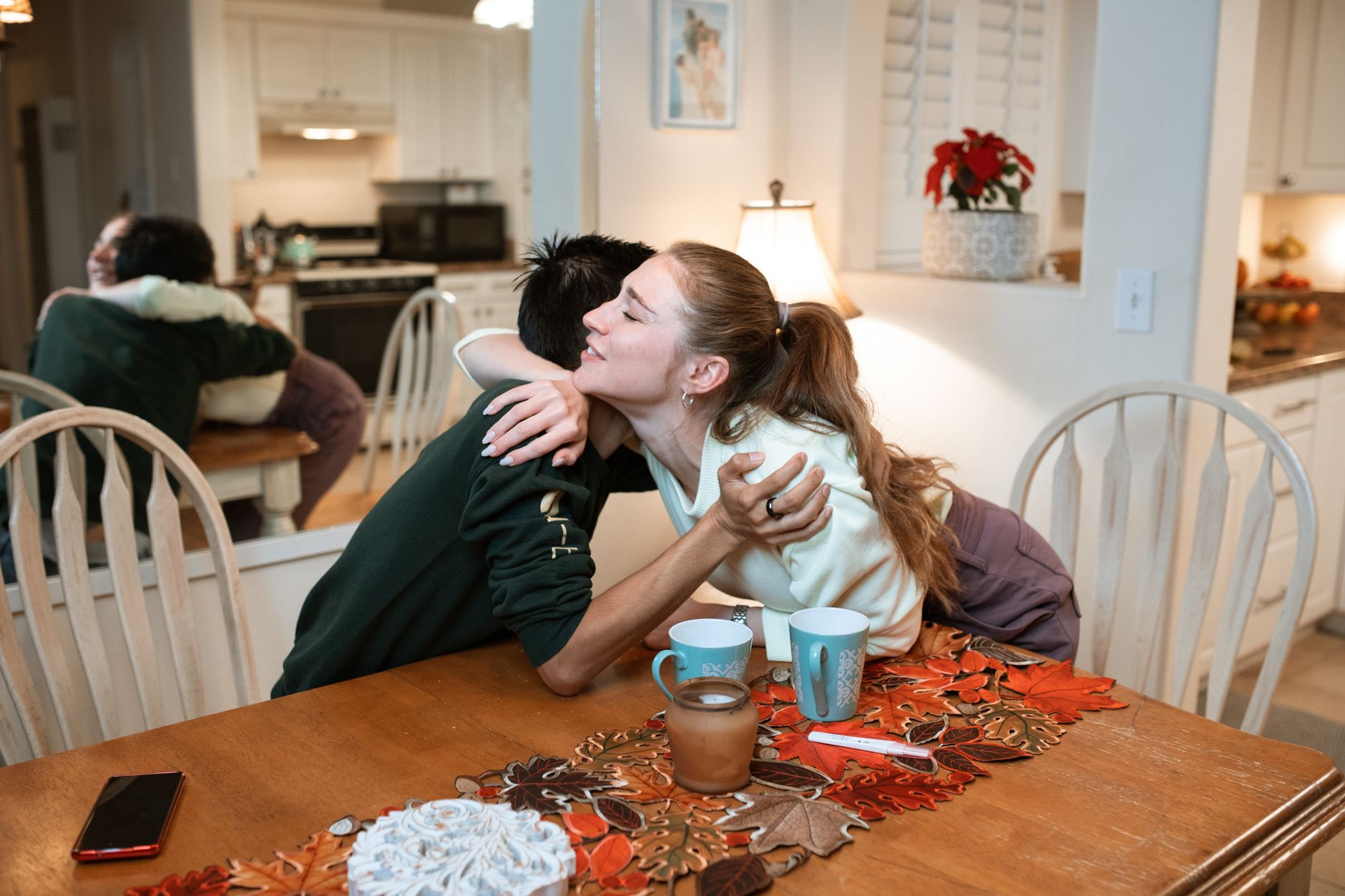
How to hold space for my teen's big emotions as a mom
Teenagers often experience emotions in high‑volume, rapid‑fire bursts. When they come to you with anger, sadness, or anxiety, the instinct to “fix it” can mute their voice. Holding space means creating a safe container for their feelings, allowing them to name, explore, and eventually regulate the emotion.
Listen without judgment
Start by turning off the mental checklist of solutions. Put your phone away, make eye contact, and mirror back what you hear: “It sounds like you’re feeling overwhelmed by the upcoming science project.” This simple act tells your teen that you hear the feeling, not just the problem.
Validate, then explore
Validation doesn’t mean agreement; it means acknowledging the reality of the feeling. Try phrases like, “I can see why that would feel frustrating.” After validation, invite deeper reflection: “What’s the part that feels hardest right now?” This encourages self‑awareness without pressure.
Set gentle limits
While you’re holding space, you also need to protect the household’s emotional climate. If the conversation spirals into yelling, calmly pause: “I hear you’re upset. Let’s take a breath together and then continue.” Boundaries keep the space safe for both of you.
Practical tip: Use the “Pause‑Reflect‑Respond” cycle. Pause for a breath, reflect the feeling, then respond with empathy. Over time, teens learn that they can sit with discomfort, a skill that reduces impulsive reactions.
Ways to hold space for a partner's feelings during pregnancy
Pregnancy reshapes not only the body but also the emotional landscape of a partnership. Hormonal shifts, sleep deprivation, and future‑planning can stir up anxiety, excitement, or grief. Holding space for your partner helps both of you navigate this transition as a team.
Daily emotional check‑ins
Set aside 5–10 minutes each evening to ask, “How are you feeling about the baby this week?” Keep the focus on emotions, not tasks. Even a simple “I’m noticing you seem tense; want to talk about it?” validates their inner world.
Active listening cues
Reflect back the core feeling: “You’re feeling nervous about the delivery because it’s all new to you.” Avoid jumping to reassurance (“We’ll be fine”) until the feeling is fully expressed. This mirrors the partner’s experience and reduces the urge to solve prematurely.
Physical comfort as emotional support
Touch can be a powerful anchor. A hand on the shoulder, a hug, or a back rub says, “I’m here with you.” When words feel insufficient, let your body speak the language of presence.
Remember, the goal isn’t to eliminate the anxiety but to normalize it as part of the pregnancy journey. By holding space, you nurture emotional resilience that benefits both parents and the newborn.
Holding space for anxiety and overwhelm in postpartum moms
Postpartum weeks can feel like a roller‑coaster of joy, exhaustion, and doubt. Anxiety may surface as racing thoughts about feeding, sleeping, or returning to work. Holding space for yourself—and for other new moms—creates a buffer against overwhelm.
Symptoms checklist for postpartum anxiety
- Persistent worry that interferes with daily tasks
- Racing thoughts about the baby’s health or safety
- Feelings of dread or panic without a clear trigger
- Physical symptoms such as rapid heartbeat, shortness of breath, or insomnia
- Difficulty bonding with the baby or feeling detached
If you recognize several of these signs for more than two weeks, consider reaching out to a healthcare provider.
Natural remedies with evidence
While professional treatment is essential for moderate‑to‑severe anxiety, some evidence‑based self‑care practices can complement clinical care:
- Mindful breathing: 5‑minute diaphragmatic breathing reduces cortisol levels (American Psychological Association, 2022).
- Gentle yoga: Prenatal/postnatal yoga improves mood and lowers anxiety scores (Harvard T.H. Chan School of Public Health, 2021).
- Omega‑3 fatty acids: Consuming DHA‑rich fish or supplements is linked to lower postpartum depression rates (National Institutes of Health, 2020).
These practices are most effective when paired with a supportive community and, when needed, professional counseling.
Tips for creating emotional safety for children during family crises
Family crises—whether a divorce, serious illness, or a sudden move—can leave children feeling adrift. Emotional safety is the cornerstone that lets them process what’s happening without internalizing fear.
Three‑step safety protocol
Consistent routines
Maintain predictable meals, bedtime rituals, and “check‑in” moments. Predictability anchors children, giving them a reliable reference point amid uncertainty.
Language matters
Use age‑appropriate words and avoid vague phrases like “everything will be fine.” Instead, say, “We don’t know exactly what will happen, but we will figure it out together.” This honest yet hopeful framing reduces anxiety.
How to practice self‑compassion while holding space for others' feelings
Self‑compassion is the secret sauce that prevents emotional overload. It lets you extend kindness inward, so you can still be a sturdy emotional container for others.
Self‑compassion vs. other‑focus: quick comparison
Three daily self‑compassion exercises
- Morning check‑in: Sit for two minutes, place a hand over your heart, and silently acknowledge any tension: “I feel tired, and that’s okay.”
- Compassionate pause: When you notice you’re about to “fix” someone, pause, inhale, and say to yourself, “I’m here for them, not to solve everything.”
- Evening gratitude: Write three things you did well in holding space today, even if they were small moments of listening.
These practices reinforce the neural pathways of kindness toward yourself, making it easier to stay present for others without draining your reserves.
Setting boundaries: when a mom should hold space vs. give advice
Holding space and giving advice are both valuable, but the line between them can blur when emotions run high. Knowing when to shift from empathy to guidance protects both the relationship and your own wellbeing.
Signals it’s time to hold space
- The person is still feeling the emotion (tears, tension, rapid speech).
- They ask, “Can you just listen?” or “I need to vent.”
- They haven’t asked for a solution yet.
Signals it’s time to give advice
- The person explicitly says, “What do you think I should do?”
- They have gathered enough information and are ready to act.
- Repeated cycles of the same problem without new insight.
Boundary‑setting script
“I hear you’re feeling stuck. I’m here to listen as long as you need. When you feel ready for ideas, just let me know, and we can brainstorm together.” This script affirms the emotion while leaving the door open for advice.
Mindful techniques for moms to hold space for big feelings without burnout
Even the most compassionate mom can feel depleted if the emotional load isn’t managed. Mindfulness offers concrete tools that keep you anchored while you hold space for others.
Grounding breathwork
Try the 4‑4‑6 box breath: inhale for 4 seconds, hold for 4, exhale for 6. This pattern activates the parasympathetic nervous system, calming both you and the person you’re listening to.
Body‑scan meditation (5‑minute version)
Starting at the crown of your head, mentally note any sensations, moving slowly down to your toes. When you notice tension, imagine breathing into that spot. This quick scan reduces the “emotional carry‑over” that often follows intense conversations.
Compassionate “mirror” technique
Repeat back the emotion in your own words, then add a gentle affirmation: “It sounds like you’re feeling overwhelmed, and that’s completely understandable.” This method keeps you focused on the feeling, not the problem.
Scheduled “reset” moments
Block 10 minutes in your calendar each day for a non‑parenting activity—reading, a walk, or a cup of tea. Consistent micro‑breaks replenish emotional reserves and prevent burnout.

Myth vs. fact
Myth: A mom must always be the emotional anchor for everyone in the family.
Fact: Sustainable emotional support requires shared responsibility and regular self‑care. When one person carries all the emotional weight, burnout and resentment often follow.
Myth: Holding space means you have to “fix” the problem for the other person.
Fact: Holding space is about validation and presence; problem‑solving comes later, if at all, and only when the other person asks for it.
Myth: If you feel exhausted, you’re failing as a mother.
Fact: Recognizing fatigue and setting boundaries are signs of healthy parenting. They protect both you and your loved ones from long‑term emotional strain.
Key takeaways
- Holding space for big feelings as mom means listening, validating, and staying present without immediately trying to fix the issue.
- Use simple tools—mirroring, breathwork, and scheduled self‑care—to keep yourself emotionally resilient.
- Set clear boundaries: hold space until the person asks for advice, then shift to problem‑solving mode.
- Validate teens, partners, and postpartum selves with age‑appropriate language and consistent routines.
- If anxiety, depression, or overwhelming grief persists, professional help is a sign of strength, not weakness.
Frequently asked questions
What does it mean to hold space for someone's feelings?
Holding space means providing a non‑judgmental, attentive presence that allows another person to experience their emotions fully. You acknowledge their feeling, reflect it back, and resist the urge to offer quick fixes.
How can I hold space for my child's big emotions without fixing them?
First, name the emotion (“I hear you’re really angry”). Then, validate (“It makes sense you’d feel that way”). Finally, pause and ask, “Do you want me to help brainstorm solutions, or would you prefer just to talk about it?” This lets the child choose the next step.
Is it healthy for a mom to always hold space for others?
Consistently holding space without self‑care can lead to compassion fatigue. Balance empathy with personal boundaries, scheduled breaks, and supportive networks to maintain long‑term emotional health.
What are some signs that I need to set boundaries while holding space?
Feelings of resentment, physical exhaustion, irritability, or a sense that you’re losing your own identity are red flags. When these appear, pause, practice self‑compassion, and communicate your limits clearly.
Can holding space help reduce postpartum anxiety?
Yes. Validation and non‑judgmental listening lower cortisol and support the brain’s ability to regulate stress. Pairing holding space with mindfulness breathing can further ease anxiety symptoms.
How often should I check in with my partner's feelings during pregnancy?
Daily brief check‑ins (5‑10 minutes) are ideal, especially during weeks of rapid hormonal change or major appointments. Consistency builds trust and allows both partners to process evolving emotions.
When should I seek professional help if emotions become overwhelming?
If feelings of anxiety, sadness, or grief interfere with daily functioning for more than two weeks, or if you notice thoughts of self‑harm, reach out to a mental‑health professional. Early intervention improves outcomes.
When to see a doctor or specialist
If you notice any of the following red‑flag symptoms, schedule an appointment promptly:
- Persistent panic attacks or uncontrollable anxiety lasting > 2 weeks.
- Inability to bond with your baby or feeling detached for > 1 month.
- Severe mood swings, hopelessness, or thoughts of self‑harm.
- Physical symptoms such as rapid heartbeat, chest pain, or shortness of breath that aren’t linked to a medical condition.
- Any crisis that leaves you feeling unsafe or unable to care for yourself or your child.
For postpartum emotional concerns, start with your OB‑GYN or a primary care provider. They can refer you to a psychiatrist, psychologist, or a perinatal mental‑health specialist. If you’re dealing with teen emotional issues, a licensed therapist or school counselor can provide targeted support.
References
- American College of Obstetricians and Gynecologists (ACOG). “Perinatal Mood and Anxiety Disorders.” 2022.
- American Psychological Association (APA). “Mindful Breathing Reduces Stress.” 2022.
- Harvard T.H. Chan School of Public Health. “Yoga and Mental Health.” 2021.
- National Institutes of Health (NIH). “Omega‑3 Fatty Acids and Postpartum Depression.” 2020.
- National Institute of Mental Health (NIMH). “Postpartum Depression Fact Sheet.” 2023.
- American Academy of Pediatrics (AAP). “Supporting Teen Emotional Development.” 2021.
- World Health Organization (WHO). “Maternal Mental Health.” 2022.
- Center for Disease Control and Prevention (CDC). “Postpartum Depression Screening.” 2022.



