Quick take: It’s common for hips to feel wider or a bit sore after giving birth, thanks to hormonal, ligament, and weight‑related changes. Most women see the biggest shift in the first few months, and with gentle strengthening, stretching, and supportive footwear, hips often settle back toward pre‑pregnancy size within a year. If pain is sharp, worsening, or limits daily activities, see a provider.
Congratulations on your new bundle of joy! While you’re busy learning the art of one‑handed diaper changes, you might have noticed that your hips feel different—perhaps a little wider, more tender, or just “off.” You’re not alone. Many moms wonder, “Are these changes normal?” This guide walks you through the science behind hip changes after having a baby, what to expect, safe ways to support your hips, and clear signs that merit a professional check‑in.
We’ll explore why hips widen, how long it typically takes to return to pre‑pregnancy measurements, exercises that tighten and stabilize the area, and practical tips—from shoes to clothing to diet. By the end, you’ll have a roadmap that feels manageable, evidence‑based, and reassuring.
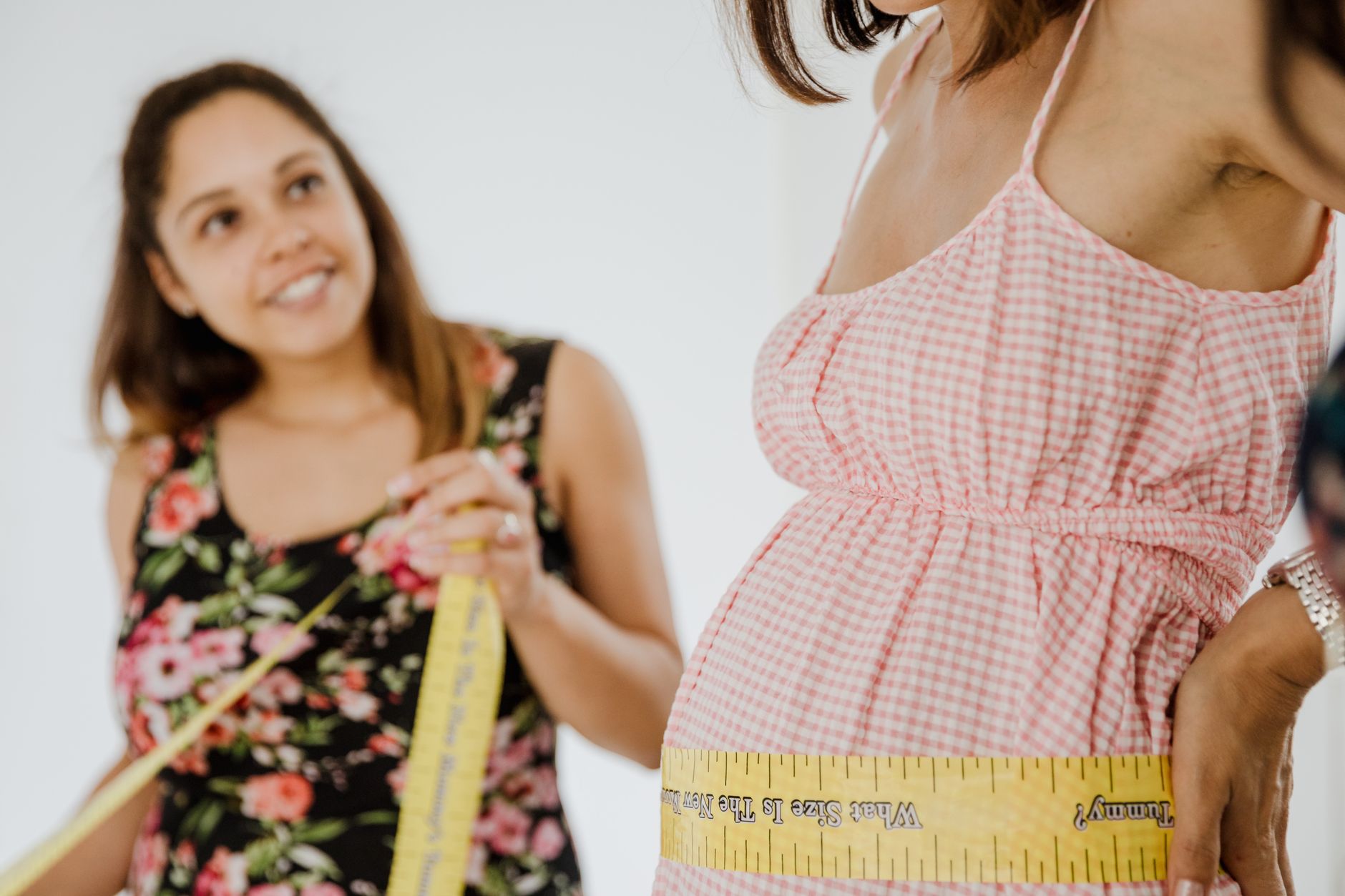
Why does my hip widen after pregnancy?
During pregnancy, your body releases a cocktail of hormones—most notably relaxin, estrogen, and progesterone. Relaxin softens the ligaments and cartilage of the pelvis to allow the baby’s head to pass through the birth canal. This ligamentous laxity also lets the iliac bones of the pelvis shift slightly outward, creating a modest increase in hip width.
In addition to hormonal effects, the extra weight you gain (often 25–35 lb, according to the CDC) adds pressure to the hips and lower back. Fat stores accumulate in the hips, thighs, and buttocks as a natural energy reserve for breastfeeding and infant care. The combination of widened pelvic joints and increased soft‑tissue volume explains why many new moms notice a broader hip silhouette.
Most women experience a measurable change of 1–2 cm (about 0.4–0.8 inches). A 2020 study in the Journal of Orthopaedic & Sports Physical Therapy reported that roughly 65 % of postpartum participants observed a temporary hip width increase, with the greatest change occurring by the third trimester.
How long does it take for hips to return to pre‑pregnancy size?
The timeline varies, but the majority of hip widening is most pronounced in the last trimester and the first six weeks after birth. As relaxin levels drop sharply after delivery, the ligaments begin to tighten again. For most moms, hip measurements start to shrink back toward baseline within three to six months.
Complete reversal—meaning you regain your exact pre‑pregnancy hip width—can take up to a year, especially if you retained some postpartum weight or if you’re still breastfeeding, which modestly increases overall caloric needs. Consistent core and glute strengthening, along with good posture, accelerates the process.
Remember, “returning to pre‑pregnancy size” isn’t a medical necessity. Your hips may settle at a slightly different measurement, and that’s perfectly normal as long as you’re comfortable and pain‑free.
Exercises to tighten hips after having a baby
Strengthening the muscles around the hips—glutes, hip abductors, and core stabilizers—helps lock the pelvis in a neutral position, reducing the appearance of widening and alleviating discomfort. Below are three categories of safe, postpartum‑friendly workouts, each with a sample routine.
Best postpartum hip strengthening workouts
- Clamshells: Lie on your side with knees bent. Keeping feet together, lift the top knee 10‑15 cm, then lower. Perform 3 sets of 12‑15 reps per side.
- Bridge lifts: Supine, knees bent, feet hip‑width. Press through heels, lift hips to a straight line, squeeze glutes, hold 2 seconds, lower. 3 sets of 10‑12 reps.
- Standing hip abduction: Stand tall, support on a wall if needed. Lift one leg straight to the side, keep pelvis level. 3 sets of 12 reps each leg.
Hip mobility stretches for new moms
- Pigeon pose (modified): From a tabletop position, bring one knee forward, slide the opposite leg straight back. Hold 30 seconds, switch sides. Helps release tight hip rotators.
- Figure‑four stretch: Sit with one ankle crossed over opposite knee, gently press down on the raised knee. Hold 30 seconds.
- Hip flexor stretch: Kneel on one knee, other foot forward, gently tuck pelvis under. Hold 30 seconds each side.
Sample 15‑minute postpartum hip routine
- Warm‑up: March in place (2 minutes).
- Clamshells – 2 minutes.
- Bridge lifts – 2 minutes.
- Standing hip abduction – 2 minutes.
- Pigeon pose – 2 minutes.
- Figure‑four stretch – 2 minutes.
- Cool‑down: Deep breathing & gentle pelvic tilts – 3 minutes.
Perform this routine 3‑4 times per week. As strength builds, you can add resistance bands or light ankle weights, but always listen to your body and avoid sharp pain.
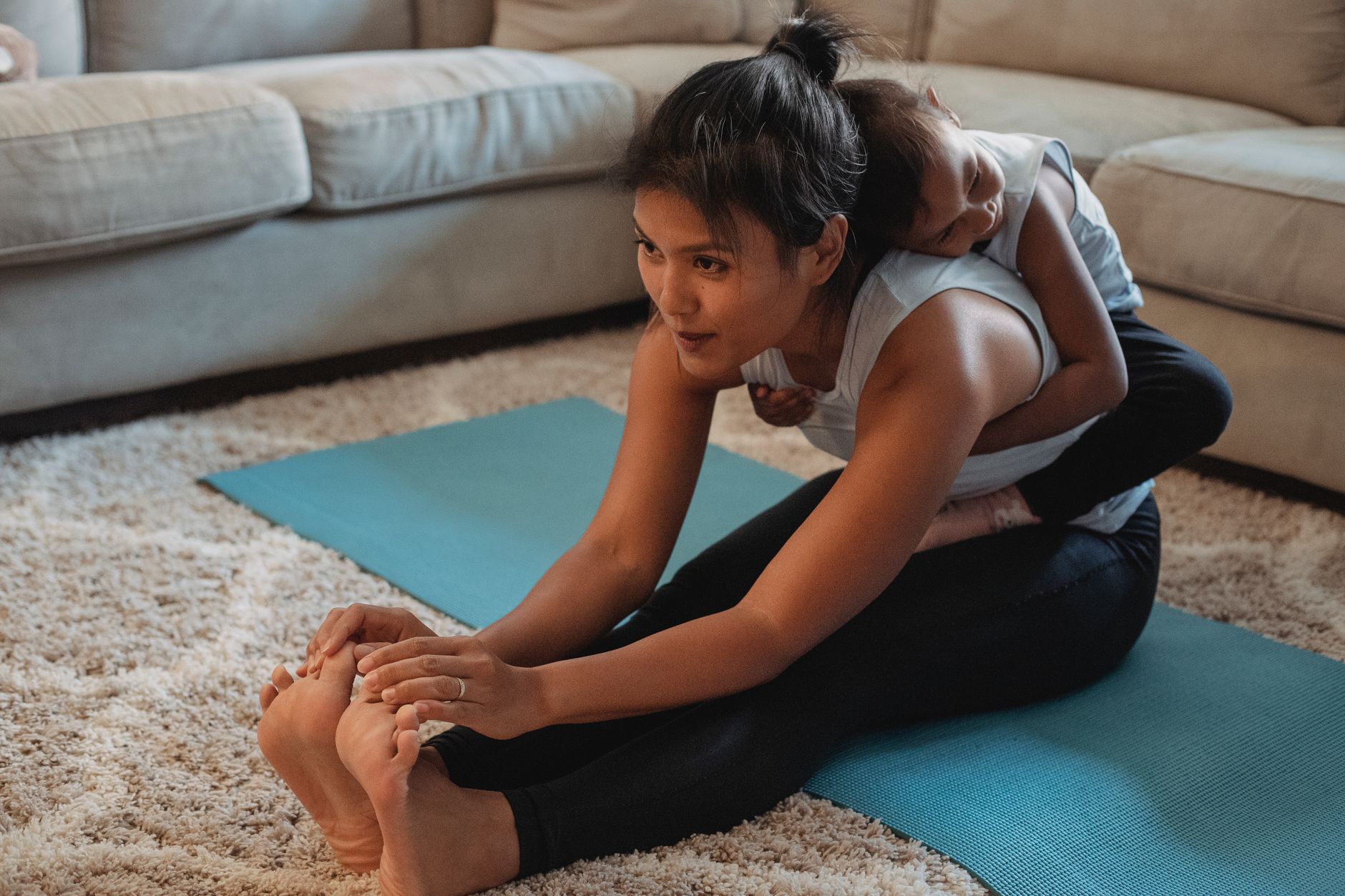
Can hip pain be normal after childbirth?
Yes—some degree of hip soreness is expected as your pelvis and surrounding muscles adapt. Common, benign complaints include:
- Dull ache in the lower hip or groin, especially after prolonged standing.
- Sensitivity around the sacroiliac (SI) joint that eases with gentle movement.
- Occasional “locking” feeling when you shift weight.
These sensations typically improve with rest, gentle stretching, and gradual strengthening. However, certain red‑flag symptoms require prompt medical attention:
- Sharp, stabbing pain that radiates down the leg.
- Sudden swelling, redness, or warmth around the hip joint.
- Difficulty bearing weight or a noticeable limp that doesn’t improve with rest.
- Persistent pain beyond three months that interferes with daily activities.
If any of these appear, contact your OB‑GYN, a physical therapist specialized in women's health, or an orthopedist.
Difference between hip changes and pelvic tilt postpartum
Hip widening and pelvic tilt are related but distinct phenomena. Hip changes refer mainly to the outward spread of the pelvic bones and added soft‑tissue volume. Pelvic tilt describes the angle of the pelvis relative to the spine—either anterior (forward tilt) or posterior (backward tilt).
Relaxin can cause the pelvis to tip forward (anterior tilt), often accompanied by a slight arch in the lower back. This tilt can make the hips look more pronounced and may contribute to low‑back discomfort. Core weakness, especially in the deep abdominal muscles (transverse abdominis), can exacerbate an anterior tilt.
Addressing pelvic tilt involves:
- Re‑educating core activation through diaphragmatic breathing and pelvic floor cues.
- Strengthening the glutes and hamstrings to pull the pelvis back into alignment.
- Practicing neutral‑spine postures while sitting and standing.
Understanding the distinction helps you target the right exercises—hip‑specific strengthening for widening, and core‑focused work for tilt.
How to choose supportive shoes for postpartum hips
Footwear plays a surprisingly big role in hip comfort. Shoes that provide proper arch support, cushioning, and stability reduce the stress transmitted up the kinetic chain to the hips.
When shopping, consider these criteria:
- Arch support: Look for shoes with a contoured footbed or add orthotic insoles.
- Cushioning: A responsive midsole (e.g., EVA or foam) absorbs impact during walking or light jogging.
- Heel height: Aim for a modest heel (≤ 1 inch) to promote a neutral pelvis; extremely high heels push the pelvis forward.
- Fit: Ensure a snug heel cup and enough room in the toe box to avoid squeezing.
Brands that often meet these standards include Brooks, New Balance, and ASICS. For those who prefer flats, look for “supportive” labels and consider adding a gel insole.
Impact of breastfeeding on hip shape
Breastfeeding itself does not directly alter hip width, but the associated hormonal milieu can influence tissue composition. Prolactin, the hormone that drives milk production, also promotes the storage of body fat—often in the hips and thighs. Moreover, many breastfeeding mothers experience a modest weight gain of 1–4 lb, which can add a little extra volume around the hips.
That said, the effect is usually subtle. A systematic review by the National Institutes of Health (NIH) found that breastfeeding was linked to a slight increase in hip circumference (average 0.5 cm) during the first six months postpartum, but the change was not statistically significant in most populations.
Maintaining a balanced diet and staying active—through gentle walks, baby‑carrying, or postpartum workouts—helps manage any extra hip swelling while supporting milk supply.
Clothing tips for wider hips after baby
Flattering your new silhouette can boost confidence while you wait for your hips to settle. Here are practical fashion hacks:
- High‑waisted leggings or trousers: They smooth the waist‑to‑hip transition and avoid a “cheeky” look.
- A‑line skirts and dresses: The slight flare balances hip width without adding bulk.
- Dark, solid colors on the bottom: Visual slimming effect; pair with brighter tops to draw the eye upward.
- Structured jackets: A well‑tailored blazer cinches at the waist, creating an hourglass shape.
- Supportive shapewear: Light‑compression briefs can smooth the hip area, but avoid overly tight garments that restrict circulation.
Pair these tips with a diet focused on anti‑inflammatory foods—think leafy greens, berries, omega‑3‑rich fish, and plenty of water—to reduce any residual swelling. Limiting excess sodium and processed sugars also helps keep fluid retention in check.
When to see a doctor for hip problems after delivery
While most hip changes are benign, certain signs signal that professional evaluation is warranted:
- Severe, persistent pain that worsens after rest.
- Swelling, redness, or warmth around the hip joint.
- Inability to bear weight on the affected side.
- Sudden loss of range of motion or a “locked” feeling that doesn’t improve with stretching.
- Visible deformity or asymmetry that concerns you.
If you notice any of these red flags, schedule an appointment with your OB‑GYN first. They can refer you to a physical therapist specialized in postpartum care or an orthopedist for imaging if needed. Early intervention often prevents chronic issues.
Myth vs. fact
Myth: All women’s hips permanently widen after pregnancy.
Fact: Most women experience a temporary increase of 1–2 cm, which often diminishes within months, though a small amount of residual change can remain.
Myth: You should avoid all weight‑bearing activity to protect your hips.
Fact: Gentle, weight‑bearing exercises—like walking, squats, and targeted hip work—promote ligament strengthening and help restore alignment.
Myth: Breastfeeding will dramatically enlarge your hips.
Fact: Breastfeeding may cause a modest, temporary increase in hip circumference due to hormonal effects, but it’s usually minimal and not permanent.
Key takeaways
- Hip widening after pregnancy is driven by relaxin‑induced ligament laxity and added soft‑tissue volume.
- Most hips return close to pre‑pregnancy measurements within 3‑6 months; full resolution can take up to a year.
- Strengthening glutes, hip abductors, and core muscles, plus regular mobility stretches, support a healthy hip alignment.
- Supportive footwear and mindful posture reduce strain on the hips.
- Breastfeeding may add a slight, temporary increase in hip size, but it’s generally modest.
- Seek medical care for sharp pain, swelling, or functional limitations.
Frequently asked questions
Is it normal for hips to get wider after pregnancy?
Yes. Hormonal relaxin and weight gain cause a temporary increase of about 1–2 cm in most women. The change usually peaks in the third trimester and gradually diminishes within the first few months postpartum.
How many weeks after delivery do hips return to normal?
Most mothers notice a noticeable reduction by 12‑16 weeks, with many reaching near‑baseline measurements by six months. Full resolution can extend to 12 months, especially if additional weight is retained.
What causes hip pain after giving birth?
Hip pain often stems from ligament laxity, altered pelvic alignment, and weakened supporting muscles. Overuse, poor posture, or a sudden increase in activity can exacerbate discomfort. Red‑flag symptoms—sharp pain, swelling, or inability to bear weight—should prompt a medical visit.
Can breastfeeding affect hip size?
Breastfeeding can lead to a modest, temporary increase in hip circumference due to hormonal influences and the slight weight gain many mothers experience while nursing. The effect is usually small (around 0.5 cm) and resolves as hormone levels stabilize.
Should I be concerned about a tilted pelvis postpartum?
A mild anterior pelvic tilt is common after pregnancy because of relaxed ligaments and weakened core muscles. If the tilt causes persistent low‑back pain or uneven hip height, targeted core and glute exercises can help. Persistent or severe tilt should be evaluated by a physical therapist.
What are the best exercises to tighten hips after pregnancy?
Clamshells, bridge lifts, standing hip abductions, and modified pigeon poses are safe, effective moves that strengthen the glutes and hip abductors while improving mobility. Aim for 3‑4 sessions per week, progressing gradually.
When should I see a doctor for hip problems after delivery?
Seek care if you experience sharp, worsening pain; swelling, redness, or warmth; inability to put weight on the leg; or a limp that doesn’t improve with rest and gentle stretching.
References
- American College of Obstetricians and Gynecologists. “Relaxin and Pregnancy.” ACOG Committee Opinion, 2021.
- Centers for Disease Control and Prevention. “Weight Gain During Pregnancy.” CDC Pregnancy Data, 2022.
- Journal of Orthopaedic & Sports Physical Therapy. “Postpartum Changes in Hip Width and Pelvic Alignment.” 2020;50(4):235‑242.
- National Institutes of Health. “Breastfeeding and Maternal Body Composition.” NIH Research Review, 2019.
- American Physical Therapy Association. “Postpartum Physical Therapy Guidelines.” APTA Clinical Practice Recommendations, 2023.
- Harvard T.H. Chan School of Public Health. “Nutrition During Lactation.” Harvard Nutrition Source, 2021.
- American Academy of Orthopaedic Surgeons. “Hip Pain in Adults.” AAOS Patient Education, 2022.



