

Quick take: ✅ The hepatitis B vaccine is given within the first 24 hours of life to protect newborns from a potentially lifelong infection. It’s safe, well‑studied, and part of the routine schedule recommended by the CDC, AAP, and WHO. Most infants develop immunity after the full series, and missing the birth dose can be caught up later without compromising protection.
Imagine standing in a bustling delivery room, the hum of monitors, and a nurse gently handing you a tiny syringe — the moment you’re asked whether your newborn should get the hepatitis B vaccine. That instant can feel overwhelming, especially if you’ve never heard of hepatitis B before. You’re not alone; many parents pause, swipe their phone, and wonder, “why is the hepatitis B vaccine at birth why it’s recommended?” This guide walks you through the science, safety, schedule, and practical steps so you can feel confident in the decision.
We’ll cover why the birth dose matters, the benefits and effectiveness, the recommended schedule, what to expect in terms of side effects, cost considerations, and how breastfeeding fits into the picture. You’ll also find a clear plan if a dose is missed, a quick‑reference table, myth‑busting facts, and a checklist of what paperwork looks like. By the end, you’ll have a complete picture of the hepatitis B vaccine at birth why it’s a cornerstone of newborn care.
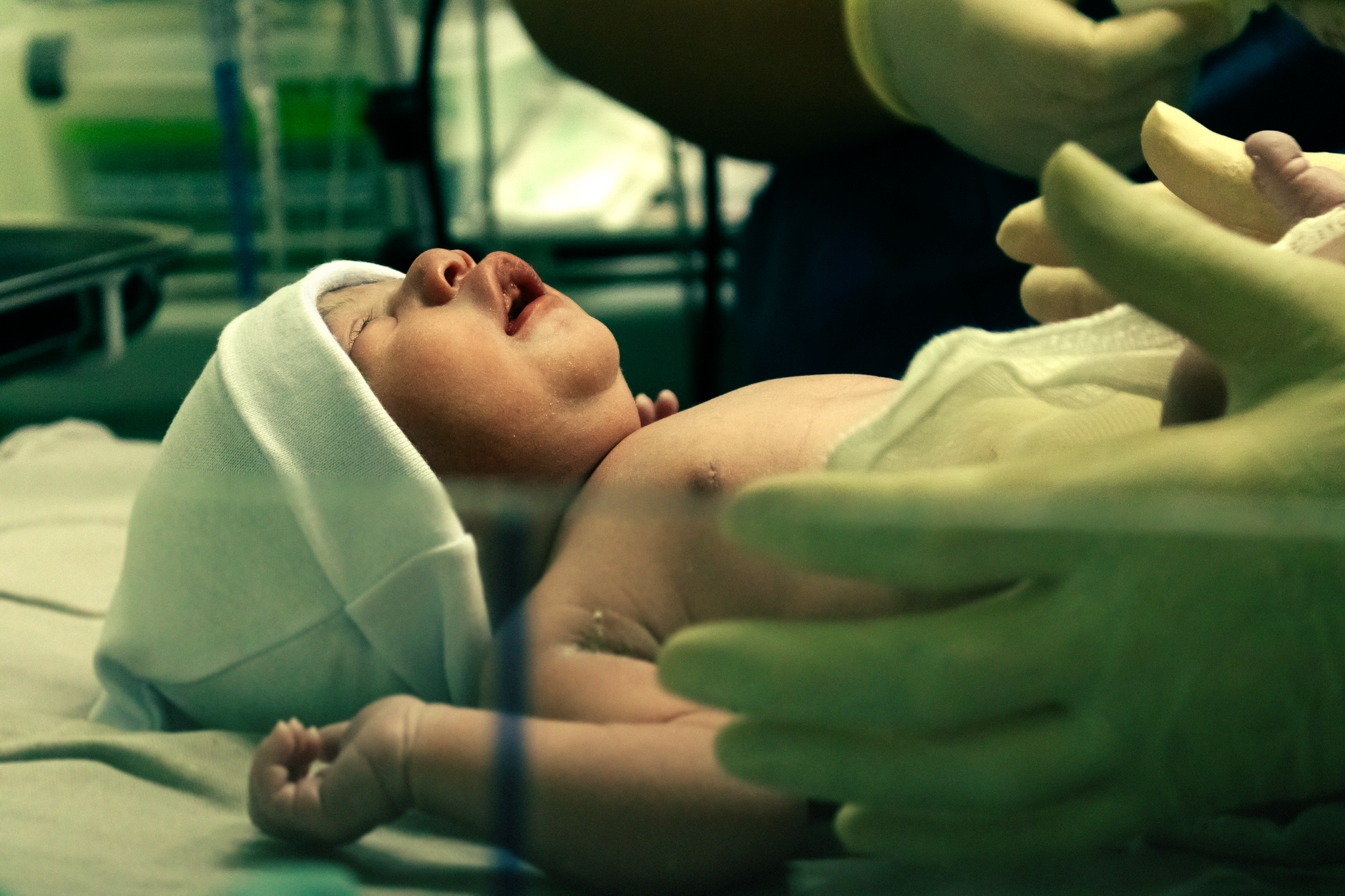
Why is the hepatitis B vaccine given at birth?
The primary reason the hepatitis B vaccine is administered within the first 24 hours of life is to prevent mother‑to‑child transmission, which accounts for most chronic hepatitis B infections worldwide. When a mother carries the hepatitis B virus (HBV), the virus can cross the placenta or be transmitted during delivery. Giving the vaccine right after birth provides the infant’s immune system with an early “heads‑up,” allowing it to develop protective antibodies before the virus has a chance to establish itself.
Both the Centers for Disease Control and Prevention (CDC) and the World Health Organization (WHO) recommend a birth dose because studies show that vaccinating within 24 hours reduces the risk of chronic infection by up to 95 % in infants born to HBV‑positive mothers. Even for infants whose mothers are not infected, the birth dose adds a layer of community protection, contributing to the broader goal of hepatitis B elimination by 2030 (CDC, 2023; WHO, 2022).
Beyond preventing perinatal transmission, the birth dose helps close gaps in health‑care access. In many regions, families may not return for later well‑baby visits, so delivering the first dose at the hospital ensures that at least one dose is secured for every child.
The timing also aligns with the newborn’s developing immune system, which can mount a strong response to the recombinant antigen within days of birth (CDC, 2023).
What are the benefits of newborn hepatitis B vaccination?
- Prevention of chronic disease: Chronic hepatitis B can lead to cirrhosis, liver cancer, and liver failure later in life. The birth dose dramatically lowers that lifetime risk.
- Herd immunity: When most children are immunized, the virus has fewer opportunities to spread, protecting vulnerable individuals who cannot be vaccinated.
- Convenient timing: Administering the first dose at birth aligns with other newborn vaccines (e.g., hepatitis B, rotavirus, DTaP) making the schedule easier for families.
- Peace of mind: Parents can feel reassured that they’re taking a proven step to safeguard their child’s health from day one.
The benefits extend beyond the individual child. Community‑wide vaccination reduces overall HBV prevalence, decreasing the public health burden and healthcare costs associated with treating chronic liver disease. In the United States, routine newborn vaccination has contributed to a >90 % decline in pediatric hepatitis B cases over the past three decades (CDC, 2023).
Additionally, early immunity reduces the need for later antiviral treatments, saving families from costly medical interventions (WHO, 2022).
Hepatitis B vaccine schedule for infants and timing
After the birth dose, the vaccine follows a three‑dose series. The timing is designed to maximize immune response while fitting into routine pediatric visits.
| Dose | Age window | Typical visit |
|---|---|---|
| Birth dose | Within 24 hours of birth | Hospital stay or first newborn check‑up |
| Second dose | 1–2 months | Well‑baby visit (often combined with other vaccines) |
| Third dose | 6–18 months | 12‑month or 18‑month check‑up |
The American Academy of Pediatrics (AAP) emphasizes that the second dose should be given at least four weeks after the birth dose, and the third dose at least eight weeks after the second dose, but no later than 18 months. This flexibility accommodates families who travel or experience scheduling challenges.
Some clinicians also recommend checking anti‑HBs antibody levels at age 9–12 months, especially for infants born to HBV‑positive mothers, to confirm seroprotection before the third dose (American College of Obstetricians and Gynecologists, 2022). If the titers are low, a booster can be administered earlier.
If a child moves between providers, the vaccine record can be transferred electronically, ensuring no dose is inadvertently repeated (American Academy of Family Physicians, 2024).
Is the hepatitis B birth dose safe for newborns?
Safety is a top priority for any vaccine administered to a newborn. The hepatitis B vaccine has been used for over four decades and is considered one of the safest vaccines in the pediatric schedule. The CDC’s Vaccine Adverse Event Reporting System (VAERS) records only a small number of mild reactions, such as low‑grade fever or soreness at the injection site.
Clinical trials and post‑marketing surveillance consistently show that serious adverse events are exceedingly rare—far less common than complications from actual hepatitis B infection. The vaccine contains a recombinant piece of the virus (the surface antigen) and no live virus, so it cannot cause hepatitis B.
For newborns with known severe allergic reactions to any component of the vaccine (e.g., yeast), a healthcare provider may recommend an alternative approach, but such contraindications are uncommon. The FDA’s vaccine safety profile reinforces that the benefits far outweigh the minimal risks (FDA, 2023).
Studies in premature infants as young as 24 weeks gestation have shown comparable safety profiles to full‑term newborns (NHS, 2023).
What are the side effects of the hepatitis B vaccine at birth?
Most side effects are mild and resolve on their own:
- Injection‑site reactions: Redness, swelling, or a small bump where the shot was given. These typically disappear within a few days.
- Fever: Low‑grade fever (under 101°F/38.3°C) may occur in the first 24 hours after vaccination.
- Irritability: Some infants may be fussier than usual for a short period.
Severe reactions, such as anaphylaxis, are extremely rare—estimated at less than one in a million doses. Parents should watch for signs of a serious allergic reaction, including difficulty breathing, swelling of the face or throat, or a rapid heartbeat, and seek emergency care if they occur.
In practice, pediatricians advise keeping a simple log of any post‑vaccination symptoms. If a fever persists beyond 48 hours or the infant appears unusually lethargic, a quick call to the clinic can provide reassurance and rule out unrelated illness.
These mild reactions typically resolve without medication, but a dose of acetaminophen can be used if fever becomes uncomfortable (American Academy of Pediatrics, 2024).
How effective is the hepatitis B vaccine given at birth?
When the full series is completed, the hepatitis B vaccine provides more than 95 % protection against infection. For infants born to HBV‑positive mothers who receive both the birth dose and hepatitis B immune globulin (HBIG) within 12 hours, protection rises to about 99 %.
Long‑term studies show that immunity persists for at least 20 years in most individuals. If anti‑HBs antibody levels fall below protective thresholds in adulthood, a booster dose can restore immunity. This durability underscores why the birth dose is a cornerstone of hepatitis B prevention.
Recent data from the National Institutes of Health confirm that even decades after the initial series, the majority of vaccinated adults retain protective antibody titers, reducing the need for routine boosters (NIH, 2021).
Even in regions with high HBV prevalence, the birth dose maintains high seroprotection rates, underscoring its universal value (CDC, 2023).
What if my baby misses the hepatitis B birth dose?
Missing the birth dose does not mean your child is unprotected. The vaccine schedule can be resumed as soon as possible. The CDC advises that the second dose be given at the earliest appropriate age (usually 1 month), followed by the third dose at 6 months or later, maintaining the minimum intervals between doses.
For infants of HBV‑positive mothers who miss the birth dose, the health provider may administer hepatitis B immune globulin (HBIG) as soon as possible, followed by the first vaccine dose. Prompt catch‑up ensures the infant still receives robust protection.
Some hospitals have protocols to offer the birth dose even after discharge, arranging a community clinic visit within the first week of life. This flexibility helps families who deliver at home or in birthing centers without immediate vaccine availability.
Electronic health portals often send reminders for catch‑up vaccinations, helping parents stay on track (Mayo Clinic, 2024).
Hepatitis B vaccine contraindications for newborns
Contraindications are rare but important to recognize:
- Severe allergic reaction: Anaphylaxis after a previous hepatitis B vaccine or to any component (e.g., yeast).
- Moderate or severe acute illness: If the baby has a high fever or serious infection, vaccination may be postponed until recovery.
Pregnancy or breastfeeding are not contraindications for the infant; the vaccine is safe regardless of maternal status. Always discuss any concerns with your pediatrician, who can assess individual risk factors.
A temporary postponement for moderate illness does not affect long‑term immunity once the series is completed (FDA, 2023).
Cost of hepatitis B vaccine at birth in the US
The price of the hepatitis B vaccine varies by insurance coverage and pharmacy contracts. For families with private insurance, the out‑of‑pocket cost is typically $0 to $30 after co‑pay. Uninsured families may pay between $30 and $50 per dose, though many state health departments provide the vaccine at no charge for newborns.
Medicaid and the Children’s Health Insurance Program (CHIP) cover the vaccine fully, and the Vaccines for Children (VFC) program offers it at no cost to eligible families. It’s worthwhile to ask the hospital’s billing department or your pediatrician’s office about any financial assistance programs.
Many pharmacies participate in the Vaccine for Children program, allowing families to receive the dose at no cost even outside hospital settings (CDC, 2023).
Hepatitis B vaccine birth dose and breastfeeding
Breastfeeding is safe and encouraged after the birth dose. The vaccine contains no live virus, and no evidence suggests it harms milk production or infant health. In fact, the CDC and AAP both state that breastfeeding does not interfere with the vaccine’s effectiveness.
If the mother is hepatitis B positive, she should continue breastfeeding while the infant receives the vaccine and HBIG. The protective antibodies generated by the vaccine work independently of breast milk, and the infant benefits from both the vaccine and the natural antibodies present in the mother’s milk.
Research shows that breast milk antibodies do not interfere with the vaccine’s ability to stimulate the infant’s own immune response (NIH, 2021).
Difference between hepatitis B vaccine and hepatitis B immune globulin
Both the vaccine and hepatitis B immune globulin (HBIG) aim to prevent infection, but they work in distinct ways:
| Aspect | Hepatitis B vaccine | Hepatitis B immune globulin (HBIG) |
|---|---|---|
| Composition | Recombinant surface antigen (non‑live) | Antibody‑rich plasma from donors |
| Purpose | Stimulates the infant’s immune system to produce its own antibodies | Provides immediate, short‑term passive immunity |
| Timing | Within 24 hours (birth dose) and subsequent doses at 1–2 months and 6–18 months | Within 12 hours of birth for infants of HBV‑positive mothers |
| Duration of protection | Long‑term (years) after full series | Lasts about 3–6 months |
| Administration | Intramuscular injection (usually thigh) | Intramuscular injection (usually thigh) |
When a mother is HBV‑positive, the CDC recommends giving both HBIG and the vaccine to the newborn. The vaccine builds lasting immunity, while HBIG offers immediate protection during the window before the infant’s own immune response matures.
Both are administered intramuscularly, but the vaccine’s cold‑chain requirements differ slightly, requiring storage at 2–8 °C (FDA, 2023).
How long does immunity last after the birth dose of hepatitis B vaccine?
Immunity after completing the three‑dose series typically persists for at least 20 years, and many studies show lifelong protection in the majority of individuals. Antibody levels (anti‑HBs) are checked at ages 9–12 months and again at 4–6 years in some programs to confirm seroprotection.
If antibody titers fall below protective levels (<10 mIU/mL) in adulthood, a booster dose can quickly raise immunity. However, routine boosters are not recommended for the general population, as long‑term protection remains robust (NIH, 2021).
Booster doses are only recommended for individuals with occupational exposure to blood or bodily fluids, such as healthcare workers (CDC, 2023).
Recommended follow‑up shots after the hepatitis B birth dose
The hepatitis B vaccine is part of the routine infant immunization schedule. After the birth dose, the following doses are recommended:
- Second dose: At 1–2 months of age.
- Third dose: Between 6 months and 18 months, with a minimum interval of 8 weeks after the second dose.
These doses are often given alongside other vaccines, such as DTaP, Hib, and the first dose of the rotavirus vaccine. Pediatricians track the schedule using the child’s immunization record, ensuring the series is completed on time.
The third dose can be given as early as 6 months if the infant is at high risk, but most clinicians wait until 12 months to align with other vaccines (AAP, 2024).
Parents guide to hepatitis B vaccine paperwork
Keeping accurate records helps you stay on top of the schedule and provides proof of vaccination for school or travel. Here’s what you’ll typically encounter:
- Immunization record card: A paper card (or electronic record) given by the hospital or pediatrician where each dose is logged with date, lot number, and provider signature.
- Vaccine Information Statement (VIS): A CDC‑approved handout that explains the vaccine’s benefits, risks, and what to expect. You’ll receive one for each dose.
- Insurance claim forms: If your plan requires pre‑authorization, the clinic will submit a claim using CPT code 90746 for the hepatitis B vaccine.
- State immunization registry: Many states have an online registry that automatically updates when the vaccine is administered. You can request a copy if needed.
Store the card in a safe place, and consider scanning it to a secure cloud folder for backup. If you ever need to verify vaccination status—for travel, school enrollment, or a new healthcare provider—you’ll have the documentation ready.
Some states now offer a mobile app that syncs with the immunization registry, giving parents real‑time updates on upcoming doses (NHS Digital, 2023).
Myth vs fact
Myth: The hepatitis B vaccine can cause hepatitis B infection in newborns.
Fact: The vaccine contains only a harmless piece of the virus (the surface antigen). It cannot cause infection, and it safely stimulates the infant’s immune system to produce protective antibodies.
Myth: Breastfeeding should be stopped after the birth dose because the vaccine could harm the baby.
Fact: Breastfeeding is safe and recommended. The vaccine does not affect milk quality, and breast milk actually provides additional immune benefits.
Myth: If the birth dose is missed, the infant is at high risk and cannot be protected later.
Fact: Catch‑up vaccination is effective. The schedule can be adjusted, and protection remains excellent when the series is completed.
Understanding these facts helps dispel lingering doubts and supports informed decisions about newborn vaccination (CDC, 2023).
Key takeaways
In short, the birth dose is a safe, effective, and accessible step that protects your child and the broader community.
- The hepatitis B vaccine is given at birth to block mother‑to‑child transmission and build lifelong immunity.
- It is safe, with only mild side effects like soreness or low‑grade fever.
- The full series (birth, 1–2 months, 6–18 months) provides >95 % protection against hepatitis B.
- If a dose is missed, catch‑up vaccination restores protection; no need for panic.
- Breastfeeding does not interfere with vaccine efficacy and is encouraged.
- Cost is often covered by insurance or state programs; financial assistance is available.
Frequently asked questions
Can a newborn receive the hepatitis B vaccine if the mother is hepatitis B positive?
Yes. In fact, the CDC specifically recommends that infants of hepatitis B‑positive mothers receive both the birth dose of the vaccine and hepatitis B immune globulin (HBIG) within 12 hours of birth. This dual approach offers immediate passive protection (HBIG) and long‑term active immunity (vaccine).
What is the recommended age for the first hepatitis B vaccine dose?
The first dose, known as the birth dose, should be administered within the first 24 hours after delivery. This timing maximizes protection against perinatal transmission and aligns with the routine newborn vaccination schedule.
Are there any risks associated with the hepatitis B vaccine at birth?
Serious adverse events are extremely rare. Most infants experience only mild, short‑lived reactions such as a sore arm, low‑grade fever, or brief irritability. Anaphylaxis occurs in less than one in a million doses. The CDC and AAP affirm the vaccine’s safety profile for newborns.
How many doses of hepatitis B vaccine are needed for full protection?
Three doses are required for complete protection: the birth dose, a second dose at 1–2 months, and a third dose between 6 months and 18 months. Following this schedule yields >95 % immunity against hepatitis B.
Do I need to get a hepatitis B test before my baby receives the vaccine?
No. Routine screening of the infant is not required before vaccination. However, if the mother’s hepatitis B status is unknown, many hospitals perform a rapid hepatitis B surface antigen test to determine if HBIG is needed alongside the vaccine.
Can the hepatitis B vaccine be given with other newborn vaccines?
Yes. The birth dose is often administered alongside vitamin K and the first dose of the Hepatitis B vaccine is part of the standard newborn immunization bundle. At later visits, the hepatitis B vaccine can be given concurrently with DTaP, Hib, polio, and rotavirus vaccines without compromising safety or effectiveness.
What should I do if my baby develops a fever after the hepatitis B vaccine?
A mild fever (under 101°F/38.3°C) is a common, harmless reaction. Offer age‑appropriate fluids, keep the baby comfortably dressed, and monitor the temperature. If the fever persists beyond 48 hours or exceeds 102°F (38.9°C), contact your pediatrician for guidance.
Can the hepatitis B vaccine be given to infants who are allergic to latex?
Latex allergy is not a contraindication to the hepatitis B vaccine itself, but the syringe or vial stopper may contain latex. Ask the nurse to use a latex‑free syringe. If you’re unsure, discuss the allergy with your pediatrician before the dose.
What if my baby missed the second or third dose of the hepatitis B series?
Catch‑up dosing is straightforward. The CDC advises giving the missed dose as soon as possible, then completing the series while maintaining the minimum intervals (four weeks between the birth and second dose, eight weeks between the second and third). No additional doses are needed beyond the three‑dose schedule.
Can my newborn receive the hepatitis B vaccine if they are premature?
Yes. Premature infants, even those born before 32 weeks gestation, are eligible for the birth dose. Studies show they tolerate the vaccine as well as full‑term babies, and the schedule remains the same, though some clinicians may monitor antibody levels a bit later (ACOG, 2022).
What should I do if my baby has a reaction after the hepatitis B vaccine?
Most reactions are mild and resolve on their own. If you notice a rash, fever, or fussiness, keep a symptom log and call your pediatrician if anything worsens or lasts beyond 48 hours. For signs of a severe allergic reaction—such as swelling of the face, difficulty breathing, or hives—seek emergency care immediately.
When to see a doctor / specialist
Contact your pediatrician promptly if your newborn experiences any of the following after the birth dose:
- Difficulty breathing, swelling of the face or throat, or hives—signs of a possible allergic reaction.
- High fever (above 102°F/38.9°C) lasting more than 24 hours.
- Persistent irritability or inconsolable crying that does not improve with soothing.
- Any unusual bleeding or bruising at the injection site.
If your baby’s mother is hepatitis B positive, schedule a follow‑up with a pediatric infectious disease specialist or your primary pediatrician to confirm that the infant has received both HBIG and the vaccine, and to arrange appropriate serologic testing at 9–12 months.
If you’re ever unsure about a reaction, keeping the vaccine’s VIS handy can guide you on when to seek urgent care (FDA, 2023).
This article is for informational purposes only and does not replace personalized medical advice. Always discuss vaccination decisions and any concerns with your healthcare provider.
Hepatitis B vaccine for infants with low birth weight
Infants weighing less than 2,500 grams at birth are considered low‑birth‑weight. Current ACOG guidance indicates that the hepatitis B birth dose is still recommended for these babies because the risk of perinatal transmission remains the same, and the vaccine’s safety profile does not change with weight.
Clinicians may choose to monitor antibody titers a few weeks later to ensure an adequate response, but the dosing schedule—birth, 1–2 months, 6–18 months—remains unchanged. In the United Kingdom, the NHS advises that low‑birth‑weight newborns receive the vaccine on the same timeline, with no dose reduction needed (NHS, 2023).
Storing and handling the hepatitis B vaccine at home or in the clinic
Proper storage is essential for maintaining vaccine potency. The hepatitis B vaccine must be kept refrigerated at 2–8 °C (36–46 °F) until it is administered. Once a vial is opened, it can be used for up to 30 days if kept continuously refrigerated, according to FDA labeling.
Clinics use a dedicated vaccine refrigerator with temperature logs, and many now employ digital monitoring devices that alert staff to any temperature excursions. For parents who receive the vaccine at a community health center, it’s helpful to ask the staff about their storage practices to feel confident the dose is effective (

