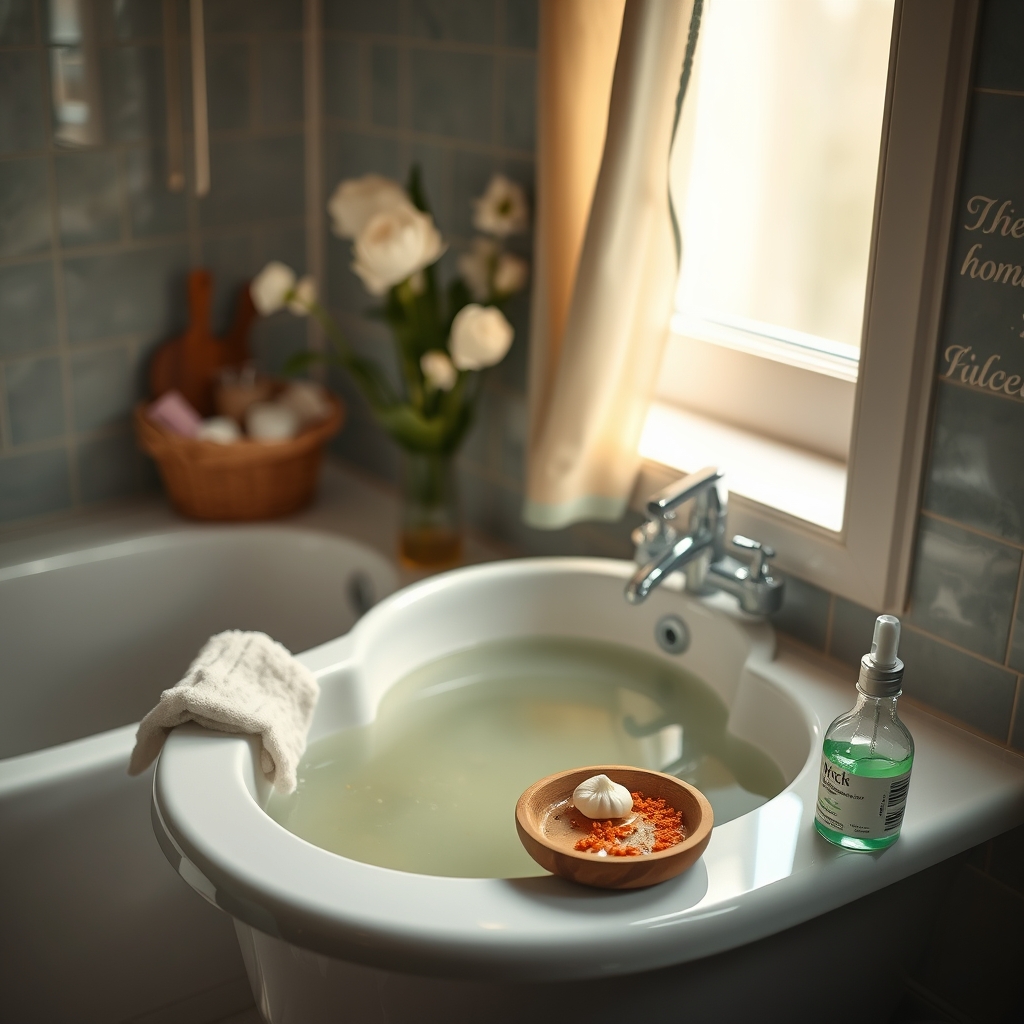
When a hemorrhoid flare feels urgent, speed matters. Here’s a step‑by‑step “fast‑relief” routine you can try in the comfort of your home:
- Cool it: Apply a cold compress (wrapped ice) for 10 minutes. This numbs pain and curbs swelling.
- Warm soak: Transition to a warm sitz bath for 10‑15 minutes. Warmth re‑opens blood vessels that were constricted by the ice.
- Gentle wipe: Pat the area dry with a soft, unscented wipe. Avoid rubbing, which can worsen irritation.
- Topical soothe: If you have a pregnancy‑approved hydrocortisone cream, apply a thin layer (no more than three times daily).
- Supportive position: Sit on a small, cushioned donut pillow for a few hours to relieve pressure on the anal veins.
This sequence can be repeated up to three times a day, but always listen to your body—if pain persists beyond 24 hours, reach out to your provider.
Staying hydrated and maintaining regular bowel movements are essential back‑stops; dehydration can quickly undo the benefits of any topical treatment. A glass of water before each bathroom visit can keep stools soft and reduce the need for straining.
Best natural remedies for hemorrhoids in pregnancy?
Many pregnant people prefer natural approaches before turning to medication. Below are remedies with supportive evidence from the National Institutes of Health (NIH) and the Academy of Nutrition and Dietetics.
- Witch hazel: A 2020 review in Phytotherapy Research found witch hazel to reduce hemorrhoidal pain and bleeding without systemic effects.
- Aloe vera gel: Pure aloe (no fragrance) can soothe inflammation; a small 2021 pilot study reported decreased itching.
- Chamomile tea compress: Soak a clean cloth in cooled chamomile tea and apply for 5‑10 minutes. Chamomile’s anti‑inflammatory properties are well documented.
- Apple cider vinegar (diluted): Mix one part vinegar with three parts water, apply with a cotton ball; works as a mild astringent. Use sparingly to avoid irritation.
- Cold cucumber slices: Place chilled cucumber slices on the area for 5 minutes; the coolness eases swelling.
All of these natural options are safe when used topically and can be integrated into your daily routine.
Before applying any new topical, do a quick patch test on the inner forearm. If you notice redness or itching after 15 minutes, choose a different remedy—pregnancy can make skin a little more reactive.
Can I use over‑the‑counter hemorrhoid cream when pregnant?
OTC hemorrhoid creams are a common go‑to, but not all are pregnancy‑friendly. The FDA classifies most topical products as “generally recognized as safe” for external use, yet certain ingredients should be avoided:
When selecting a cream, look for products that list only hydrocortisone (≤1 %), pramoxine, or hyaluronic acid. Avoid any formulation containing phenylephrine, witch hazel with alcohol, or strong fragrances. Always read the label, and if you’re unsure, ask your pharmacist or OB‑GYN.
Some women find that a suppository containing a gentle stool softener can be easier to apply, especially for internal hemorrhoids. These are also considered safe, but again, confirm with your provider before use.
How to prevent hemorrhoids during pregnancy?
Prevention is often easier than treatment. The key is to keep bowel movements regular and reduce pressure on the pelvic veins. Here’s a prevention checklist you can start today:
- Fiber goal: Aim for 25‑30 g of fiber daily (fruits, vegetables, whole grains, legumes).
- Hydration: At least 8‑10 cups of water a day; more if you’re active.
- Movement: Gentle walking or prenatal yoga for 20‑30 minutes most days.
- Posture: When using the bathroom, avoid straining—lean forward slightly and consider a footstool to elevate hips.
- Supportive wear: Choose loose‑fitting clothing and avoid tight belts that compress the abdomen.
Many clinicians also recommend keeping a simple stool diary for the first half of pregnancy. Recording the time, consistency (using the Bristol Stool Chart), and any straining helps you spot patterns early and adjust diet or activity before a flare develops.
When should I see a doctor for hemorrhoids during pregnancy?
Most hemorrhoid symptoms are benign, but certain signs warrant prompt medical attention. Contact your OB‑GYN, midwife, or a colorectal specialist if you notice any of the following:
- Bright red bleeding that soaks a pad or lasts longer than a few minutes.
- Severe pain that isn’t relieved by home measures.
- A lump that becomes hard, protrudes, and won’t retract.
- Fever, chills, or signs of infection (increased warmth, pus).
- Bleeding accompanied by dizziness or faintness.
These red‑flags could indicate a thrombosed hemorrhoid, an anal fissure, or a more serious condition that needs professional treatment. During routine prenatal visits, bring up any new or worsening symptoms so they can be documented in your chart.
Dietary changes to help hemorrhoids in pregnancy?
What you eat directly impacts stool consistency and vascular health. Below is a detailed dietary plan that aligns with the recommendations of the Academy of Nutrition and Dietetics and the American College of Obstetricians and Gynecologists.
In addition to fiber, aim for a total fluid intake of about 2.5‑3 L per day (including soups, milk, and fruit juices). If you find it difficult to meet fiber goals through food alone, a gentle psyllium supplement (e.g., Metamucil) is a safe addition.
Probiotic‑rich foods such as kefir, sauerkraut, and plain yogurt can also support gut health, making stools easier to pass. The NHS notes that a balanced microbiome may reduce constipation, a key trigger for hemorrhoids.
Are sitz baths safe for hemorrhoids during pregnancy?
Yes—sitz baths are one of the most recommended home treatments. The ACOG states that a warm (not hot) sitz bath for 10‑15 minutes, 2‑3 times daily, is safe throughout all trimesters. The warm water promotes circulation, reduces swelling, and can be combined with soothing agents like witch hazel or a few drops of lavender essential oil (if you’re not sensitive).
To set up a sitz bath, simply place a shallow basin that fits over your toilet seat, fill it with warm water, and sit for the recommended time. Ensure the water isn’t scalding—test it with your wrist before settling in. Adding a half‑cup of Epsom salts can enhance muscle relaxation, but keep the temperature moderate to avoid overheating.
Internal hemorrhoids pregnancy treatment
Internal hemorrhoids sit inside the rectum and often cause painless bleeding. Because they’re not directly exposed to friction, they typically respond well to the same home strategies described earlier—especially fiber, hydration, and sitz baths. If bleeding is persistent, a brief course of a pregnancy‑safe stool softener (e.g., docusate sodium) can be added under provider guidance.
In rare cases where internal hemorrhoids become prolapsed or thrombosed, a physician may recommend a minimally invasive procedure called rubber band ligation, which is considered safe in the second trimester. Always discuss procedural options with your OB‑GYN, who can weigh benefits against any potential fetal considerations.
External hemorrhoids pregnancy relief
External hemorrhoids are visible and often cause itching, burning, or a noticeable lump. The following measures are particularly effective:
- Ice packs: 10 minutes, several times a day.
- Over‑the‑counter creams with hydrocortisone: Apply sparingly, no more than 7 days.
- Witch hazel pads: Gentle astringent that reduces swelling.
- Gentle cleansing: Use unscented wipes after bowel movements.
These steps, combined with the dietary habits already outlined, usually bring relief within a few days.
After cleansing, a brief sitz bath can further calm the area. Many women find that a post‑bath application of a thin hydrocortisone layer locks in moisture and reduces itching overnight.
Bleeding hemorrhoids during pregnancy what to do
Bleeding can be alarming, but not every drop of blood signals a serious problem. Follow this quick protocol:
- Assess the amount: Light spotting (a few drops) after a bowel movement is often harmless.
- Stay hydrated and increase fiber: Softer stools reduce further trauma.
- Apply a cold compress: Helps constrict vessels and limit bleeding.
- Use a pregnancy‑safe cream: Hydrocortisone ≤1 % can reduce inflammation.
- Contact your provider if bleeding persists for more than 24 hours, is heavy, or is accompanied by dizziness.
Monitoring stool color and consistency can give clues about ongoing irritation. If you notice dark, tar‑like stool (melena), seek urgent care, as this may indicate upper‑GI bleeding.
Hemorrhoids after birth remedies
Post‑partum hemorrhoids are common due to lingering constipation and the strain of delivery. The same principles apply, but you can also add a few postpartum‑specific tips:
- Pelvic floor exercises: Gentle Kegels improve circulation.
- Post‑delivery sitz baths: Continue for 10‑15 minutes after each diaper change.
- Cold therapy: Ice packs can be used while nursing to reduce swelling.
- Breastfeeding: It can aid bowel regularity due to hormonal shifts.
- Consult a lactation specialist if you notice that nursing positions increase pressure on the perineal area.
Most postpartum hemorrhoids resolve within 6‑8 weeks, especially when you keep up with fiber, hydration, and gentle hygiene. If symptoms linger beyond two months, a follow‑up with your OB‑GYN or a colorectal surgeon is advisable.
Constipation and hemorrhoids pregnancy solutions
Constipation is the primary driver of hemorrhoid formation. Here’s a comprehensive plan that merges lifestyle and safe medical options:
- Morning routine: Start the day with a warm glass of water and a high‑fiber breakfast (e.g., oatmeal).
- Movement: A 20‑minute walk after meals stimulates colonic activity.
- Fiber and supplement: Aim for 30 g of fiber; add 1‑2 tsp of psyllium if needed.
- Stool softeners: Docusate sodium (e.g., Colace) is FDA‑approved for pregnancy.
- Avoid constipating foods: Limit excessive dairy, processed snacks, and high‑sugar foods.
- Gentle abdominal massage: Clockwise circular motion can aid peristalsis.
If lifestyle tweaks aren’t enough, a magnesium citrate preparation can be used under medical supervision as a last‑resort laxative; the NHS advises caution because it can cause cramping.
How long do hemorrhoids last after pregnancy?
For most women, hemorrhoids improve within a few weeks after delivery as hormone levels stabilize and bowel habits normalize. However, up to 10 % of postpartum people report lingering symptoms for 3‑6 months, especially if they continue to experience constipation or sit for prolonged periods.
If your hemorrhoids persist beyond six months, it’s a good idea to schedule a follow‑up with your OB‑GYN or a colorectal specialist. They can assess whether a more targeted treatment—such as rubber band ligation or minimally invasive surgery—is appropriate.
Best wipes for hemorrhoids during pregnancy
When choosing wipes, look for the following criteria, which align with guidance from the U.S. Consumer Product Safety Commission (CPSC) and the FDA:
- Alcohol‑free: Prevents burning.
- Fragrance‑free: Reduces risk of irritation.
- Unscented, hypoallergenic: Ideal for sensitive skin.
- Water‑based: Leaves minimal residue.
Brands such as “WaterWipes” and “Huggies Pure” meet these standards and are widely available. Keep a pack in the bathroom for easy access, and use a gentle patting motion rather than rubbing.
Many clinicians suggest using plain toilet paper first to remove bulk, then following up with a moist wipe to clean the remaining residue. This two‑step approach minimizes friction while ensuring thorough hygiene.
Hemorrhoids and prenatal vitamins: any interactions?
Prenatal vitamins are essential for fetal development, but a few ingredients can influence hemorrhoid risk. Iron, for example, is notorious for causing constipation if taken on an empty stomach. The NHS recommends taking iron‑containing supplements with food or a glass of orange juice to improve absorption and reduce bowel hardness.
Folic acid and vitamin C generally have no direct effect on hemorrhoids. However, vitamin C supports collagen formation, which may help maintain the strength of blood vessel walls. If you’re experiencing severe constipation, discuss with your provider whether a lower‑dose iron formula or a separate iron supplement taken at a different time of day would be better.
Safe exercise options to reduce hemorrhoid risk during pregnancy
Regular, low‑impact activity keeps blood flowing and helps prevent constipation—both key to hemorrhoid prevention. The American College of Obstetricians and Gynecologists (ACOG) recommends at least 150 minutes of moderate‑intensity aerobic activity per week for most pregnant people.
Ideal choices include:
- Walking: A brisk 30‑minute walk most days is gentle on the pelvic floor.
- Prenatal yoga: Focuses on gentle stretching and breathing, reducing pressure on the perineum.
- Swimming or water aerobics: The buoyancy eases pressure on the veins while providing a full‑body workout.
- Kegel exercises: Strengthen pelvic floor muscles, improving circulation.
Avoid high‑impact activities like running or heavy weight‑lifting without clearance from your OB‑GYN, as they can increase abdominal pressure and exacerbate hemorrhoidal veins.
Myth vs. fact
Myth: Hemorrhoids are a sign of something seriously wrong with the pregnancy.
Fact: They are common and usually benign, caused by increased pelvic pressure and constipation.
Myth: You should avoid all topical creams during pregnancy.
Fact: Pregnancy‑safe creams containing low‑dose hydrocortisone or pramoxine are approved for short‑term use.
Myth: Only surgical options can fully cure hemorrhoids.
Fact: Most hemorrhoids respond to dietary changes, sitz baths, and OTC treatments; surgery is reserved for persistent, severe cases.
Key takeaways
- Hemorrhoids affect up to 25 % of pregnant people, but safe home remedies—fiber, water, sitz baths, and gentle creams—work for most cases.
- Distinguish internal (often painless bleeding) from external (painful lump) hemorrhoids to choose the right relief strategy.
- Pregnancy‑approved OTC creams contain ≤1 % hydrocortisone or pramoxine; avoid products with phenylephrine or strong fragrances.
- Prevention hinges on high fiber intake (25‑30 g/day), adequate hydration, and regular light exercise.
- Seek medical care if bleeding is heavy, pain is severe, or symptoms last longer than two weeks after delivery.
- Take prenatal vitamins with food to lessen iron‑related constipation, and choose gentle, low‑impact exercise to keep circulation moving.
Frequently asked questions
What is the best thing to do for hemorrhoids while pregnant?
Start with a high‑fiber diet, plenty of water, and gentle sitz baths. Add a pregnancy‑safe topical cream (≤1 % hydrocortisone) for flare‑ups, and use unscented wipes after each bowel movement. If bleeding is heavy or pain doesn’t improve, contact your OB‑GYN.
What cream can I use for hemorrhoids while pregnant?
Look for creams that contain hydrocortisone (≤1 %) or pramoxine. Brands like Preparation H® “Crisp” (hydrocortisone‑free) and “Anusol®” (pramoxine) are generally considered safe for short‑term use, but always confirm with your provider.
How do you get rid of hemorrhoids fast during pregnancy?
Combine a cold compress (10 minutes) with a warm sitz bath (10‑15 minutes) and apply a thin layer of a pregnancy‑approved hydrocortisone cream. Increase fiber and fluid intake to soften stools, and avoid straining on the toilet.
What helps hemorrhoids go away during pregnancy naturally?
Witch hazel pads, aloe vera gel, chamomile tea compresses, and cool cucumber slices are all natural options with evidence for reducing pain and swelling. Pair these with a fiber‑rich diet, adequate hydration, and regular gentle exercise.
Are hemorrhoids normal during pregnancy?
Yes. Hormonal changes, increased blood volume, and pressure from the growing uterus make hemorrhoids a common, usually harmless, part of pregnancy for many people.
When do hemorrhoids start in pregnancy?
They can appear as early as the first trimester, but most women notice them in the second or third trimester when uterine pressure on pelvic veins is greatest.
Can hemorrhoids cause complications for my baby?
Hemorrhoids themselves do not harm the baby. However, severe bleeding or infection could affect maternal health, which in turn could impact fetal well‑being. That’s why persistent heavy bleeding warrants a prompt medical evaluation.
Can I use a hemorrhoid suppository during pregnancy?
Suppositories that contain a gentle stool softener, such as docusate sodium, are generally considered safe in pregnancy. Always check the label for pregnancy‑specific guidance and discuss use with your OB‑GYN before starting.
Is it safe to use witch hazel during labor?
Applying witch hazel pads after delivery is safe and can help soothe any perineal swelling. During active labor, it’s best to avoid any topical applications unless your care team advises otherwise.
When to see a doctor / specialist
While most hemorrhoids are manageable at home, certain symptoms signal the need for professional care. Contact your OB‑GYN, midwife, or a colorectal surgeon if you experience any of the following:
- Bright red bleeding that soaks a pad or lasts longer than a few minutes.
- Severe, unrelenting pain despite ice packs, sitz baths, and OTC creams.
- A hard lump that protrudes and cannot be pushed back inside.
- Fever, chills, or signs of infection (increased warmth, pus, foul odor).
- Dizziness, light‑headedness, or a significant drop in blood pressure.
These red‑flags could indicate a thrombosed hemorrhoid, anal fissure, or another condition requiring medical treatment. This article is for informational purposes only and does not replace personalized medical advice. Always discuss your symptoms and treatment plan with a qualified health professional.
References
- American College of Obstetricians and Gynecologists (ACOG). “Management of Hemorrhoids During Pregnancy.” 2022 clinical guidance.
- U.S. Food and Drug Administration (FDA). “Topical Corticosteroids – Pregnancy Safety.” 2021.
- National Institutes of Health (NIH). “Witch Hazel for Hemorrhoidal Symptom Relief.” 2020 review.
- Academy of Nutrition and Dietetics. “Dietary Fiber Recommendations for Pregnant Individuals.” 2023 position paper.
- American Society of Colon and Rectal Surgeons (ASCRS). “Hemorrhoid Treatment Algorithms.” 2022.
- Harvard T.H. Chan School of Public Health. “Fiber and Digestive Health.” Updated 2023.
- U.S. Consumer Product Safety Commission (CPSC). “Safe Use of Personal Wipes.” 2021.
- American Heart Association (AHA). “Pregnancy‑Safe OTC Medications Overview.” 2022.
- National Health Service (NHS). “Constipation in Pregnancy.” 2022 guidance.
- American College of Obstetricians and Gynecologists (ACOG). “Physical Activity and Exercise During Pregnancy.” 2020 recommendations.
- British Society of Gastroenterology. “Probiotics and Gut Health in Pregnancy.” 2021 clinical summary.