A healthy weight gain by trimester is usually 1‑2 kg in the first trimester, then about 0.5‑2 kg per month in the second and third trimesters, totaling 11‑16 kg for a typical pregnancy.
By Shubhra Mishra — a mom of two who turned her own confusion during pregnancy into BumpBites, a global mission to make food choices clear, safe, and stress-free for every expecting mother. 💛
Check whether any food is safe during pregnancy with the BumpBites Food Safety Checker.
Quick take: Aim for a total gain of 25‑35 lb if you start at a normal BMI, spreading it roughly 1‑5 lb in the first trimester and about 1‑2 lb each week thereafter. Adjust the range up or down based on your pre‑pregnancy BMI, twins, or gestational diabetes, and track your weight weekly.
It’s 2 a.m., you’re feeling the first flutter of your baby and you glance at the scale. “Did I gain too much this month?” you wonder. You’re not alone—most expecting parents watch the numbers like a weather forecast, hoping the trends stay in the “safe zone.” The good news is that the guidelines are clear, flexible, and backed by major health organizations. Below we break down exactly how much weight you should aim for each trimester, how your pre‑pregnancy BMI changes the target, what to eat and how to move, and when a red flag means it’s time to call your provider.
We’ll walk through the science, share practical tips, and answer the most common questions that show up in Google’s “People also ask.” By the end, you’ll have a personalized roadmap for healthy weight gain, whether you’re carrying one baby, twins, or managing gestational diabetes.
What is the recommended weight gain per trimester for a first‑time mom?
For a first‑time mother with a pre‑pregnancy body‑mass index (BMI) in the “normal” range (18.5‑24.9), the American College of Obstetricians and Gynecologists (ACOG) suggests a total gain of 25‑35 lb (≈11‑16 kg). This is typically broken down into three phases:
First trimester (weeks 1‑13): 1‑5 lb (≈0.5‑2 kg). Early weight gain is modest because the baby is still tiny and many women experience nausea.
Second trimester (weeks 14‑27): about 1‑2 lb (≈0.5‑1 kg) per week, adding roughly 12‑14 lb (≈5‑6 kg) in total.
Third trimester (weeks 28‑40): a similar weekly gain of 1‑2 lb, contributing the remaining 12‑14 lb (≈5‑6 kg).
These numbers are averages; individual patterns may vary. The key is steady, gradual gain rather than sudden spikes. If you’re a first‑time mom, you might notice the scale moving a bit more rapidly once morning sickness eases, which is perfectly normal.
Beyond the raw numbers, ACOG emphasizes that the composition of the gain matters—lean tissue, blood volume, and fetal growth are all healthy components. Keeping an eye on nutrition quality helps ensure the weight you add supports both you and your baby.
Start each day with a balanced snack and your prenatal vitamin.
How many pounds should I gain in the second trimester if I have a normal BMI?
I
f your pre‑pregnancy BMI is 18.5‑24.9, aim for roughly 1‑2 lb (0.5‑1 kg) per week during the second trimester. That translates to about 12‑14 lb (≈5‑6 kg) over the 14‑week span. The weight you gain is a mix of baby growth, placenta, amniotic fluid, blood volume, and maternal tissue.
Tracking weekly helps you see the pattern. For example, a mother who gained 3 lb in the first month might add 9‑10 lb by week 20, staying within the recommended window. If you notice a sudden jump of 5 lb in a week, consider reviewing your diet and activity level, and discuss it with your provider.
It’s also helpful to split the weekly target into daily goals—roughly 150‑200 extra calories each day for a normal‑BMI pregnancy. Small, frequent meals (e.g., a mid‑morning nut butter toast) can make meeting the goal feel less daunting.
Healthy weight gain guidelines for third trimester with twins
Multiple pregnancies require more calories and nutrients. The NHS (UK) recommends a total gain of 37‑54 lb (≈17‑24 kg) for twins, which averages to about 2‑3 lb (≈0.9‑1.4 kg) per week in the third trimester. The breakdown looks like:
First trimester: 4‑6 lb (≈2‑3 kg) total.
Second trimester: roughly 1‑2 lb per week, adding 15‑20 lb (≈7‑9 kg).
Third trimester: an additional 15‑20 lb (≈7‑9 kg), keeping the weekly gain steady.
Because twins grow faster, you’ll often feel a larger belly early. Adequate protein (≈100 g day⁻¹) and calcium become especially important. Your provider may also schedule more frequent ultrasounds to monitor growth.
In addition to protein, omega‑3 fatty acids support the brain development of both babies. A daily serving of fortified fish or algae‑based DHA supplements, as recommended by the CDC, can help meet the increased demand without excessive mercury exposure.
Is it safe to gain more than the recommended weight in the first trimester?
Gaining more than 5 lb (≈2 kg) in the first trimester isn’t automatically dangerous, but it can signal fluid retention or early excessive caloric intake. ACOG notes that rapid early gain may increase the risk of gestational diabetes, hypertension, and large‑for‑gestational‑age infants.
If you find yourself over the guideline, consider:
Reviewing your diet for hidden calories (smoothies, juices).
Adding gentle activity like walking.
Scheduling a check‑up to rule out thyroid or renal issues.
Most importantly, talk to your provider. They can assess whether the gain is within a healthy range for you personally.
Some clinicians also recommend a short‑term “watchful waiting” period, where you monitor weight for a couple of weeks before making dietary changes, because early pregnancy weight can fluctuate due to hormonal water retention.
How does pre‑pregnancy BMI affect trimester weight gain recommendations?
Pre‑pregnancy BMI is the primary driver of individualized weight‑gain goals. Below is a concise overview (source: ACOG, 2023 guidelines):
Pre‑pregnancy BMI
Total gain (lb)
First trimester
Weekly gain (2nd & 3rd trimester)
Underweight (<18.5)
28‑40
1‑5
1‑2 lb
Normal (18.5‑24.9)
25‑35
1‑5
1‑2 lb
Overweight (25‑29.9)
15‑25
1‑5
0.5‑1 lb
Obese (≥30)
11‑20
1‑5
0.5‑1 lb
For example, a woman with a BMI of 28 (overweight) should target about 20 lb total, gaining roughly 1 lb per week after the first trimester. Adjustments are made for twins or gestational diabetes, which we’ll cover later.
Internationally, the WHO’s recommendations align closely with ACOG, but some countries (e.g., Canada) provide slightly broader ranges for obese women, reflecting local population data. Always discuss your personal target with your obstetric team.
What foods help achieve healthy weight gain in each trimester?
Nutrition should be nutrient‑dense, not just calorie‑dense. Here’s a trimester‑by‑trimester menu snapshot:
First trimester: Smoothies with Greek yogurt, berries, and a spoon of nut butter; whole‑grain toast with avocado; fortified cereals.
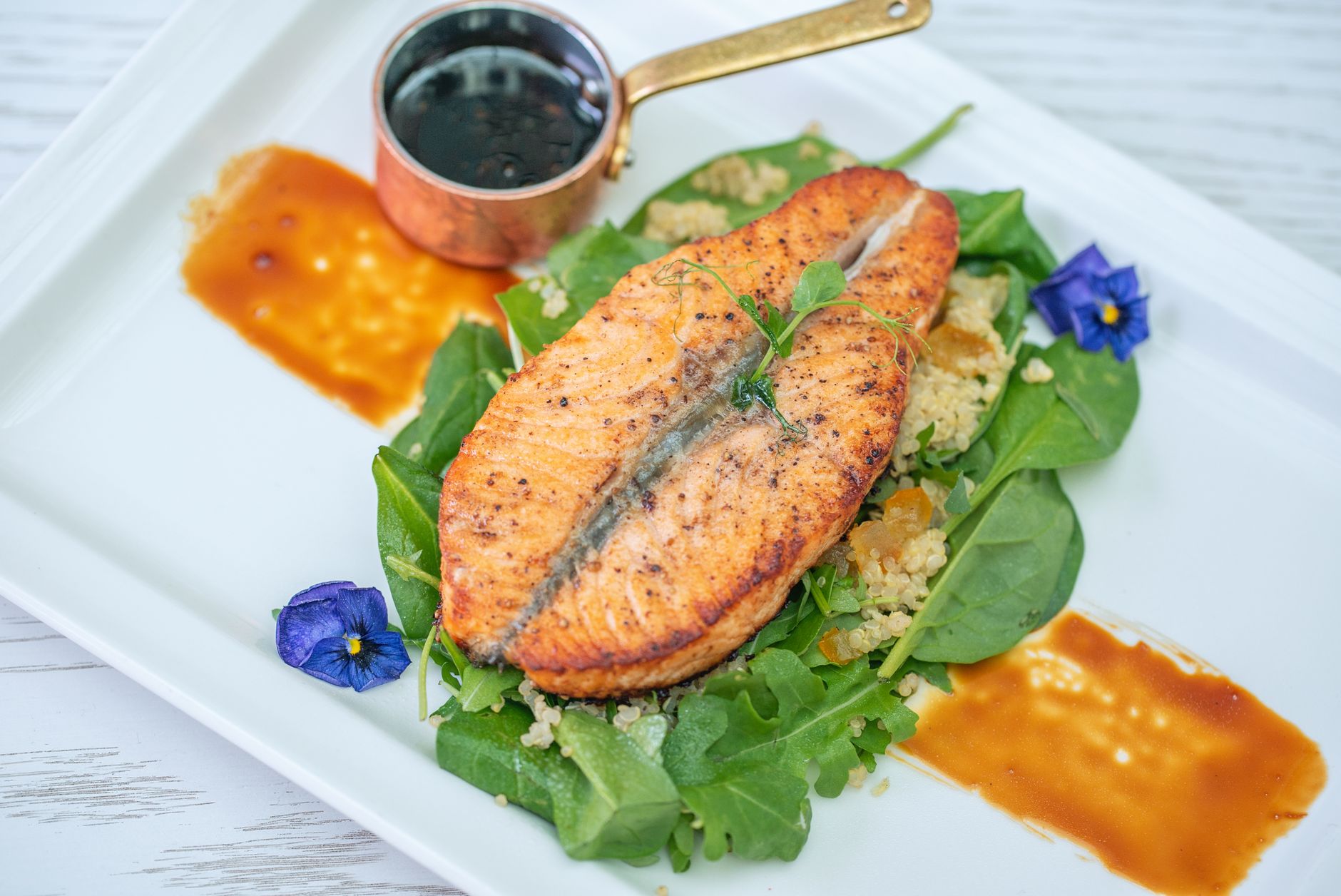
Second trimester: Grilled salmon or tofu for omega‑3s; leafy greens with olive oil; legumes (lentils, chickpeas) for protein and iron.
Third trimester: Sweet potatoes, quinoa, and lean meats; calcium‑rich dairy or fortified plant milks; nuts and seeds for extra calories.
Aim for 300‑350 kcal extra per day (normal BMI) or up to 500 kcal for twins (CDC). Pair each extra calorie with a vitamin/mineral source to avoid empty‑calorie foods.
Snack ideas that boost calories without excess sugar include a slice of whole‑grain toast topped with almond butter, a handful of dried apricots, or a cup of cottage cheese with pineapple. These options also supply calcium, protein, and fiber.
A balanced plate supports the third‑trimester surge in nutrient needs.
Exercise tips for maintaining healthy weight gain during pregnancy
Physical activity helps regulate weight, improve circulation, and reduce stress. The CDC recommends at least 150 minutes of moderate aerobic activity per week for pregnant people without contraindications.
Safe options per trimester:
First trimester: Walking, prenatal yoga, and swimming—low impact and gentle.
Second trimester: Continue walking; add stationary cycling or light resistance bands.
Third trimester: Focus on low‑impact cardio, pelvic floor exercises, and gentle stretching; avoid activities with risk of falling.
Always listen to your body. If you feel dizziness, shortness of breath, or uterine pain, stop and consult your provider.
Strength training with light dumbbells (5‑10 lb) can help maintain muscle tone, which supports a smoother labor and recovery. Aim for two sessions per week, focusing on the upper body and core while avoiding supine positions after the first trimester.
Signs that weight gain is too fast or too slow during pregnancy
Early detection prevents complications. Watch for these red flags:
Too fast: Gaining >2 lb (≈0.9 kg) per week consistently, sudden swelling in hands/feet, or rapid increase in blood pressure.
Too slow: Gaining <0.5 lb (≈0.2 kg) per week after the first trimester, persistent fatigue, or low fetal growth on ultrasounds.
If either pattern appears, schedule an appointment. Your provider may adjust your diet, activity, or monitor for gestational diabetes or pre‑eclampsia.
Remember that fluid shifts can temporarily affect the scale. A single outlier week isn’t usually a cause for alarm, but a sustained trend should be discussed.
Average weight gain per trimester for a woman with a BMI of 25
A BMI of 25 sits at the lower edge of the “overweight” category. According to NHS guidelines, the expected pattern is:
First trimester: 1‑5 lb (≈0.5‑2 kg).
Second trimester: about 0.5‑1 lb (≈0.2‑0.5 kg) per week, totaling 10‑12 lb (≈4.5‑5.5 kg).
Third trimester: similar weekly gain, adding another 10‑12 lb.
Overall, the target is 15‑25 lb (≈7‑11 kg) for the entire pregnancy. Keeping within this window balances the risk of large‑for‑gestational‑age babies and maternal hypertension.
Women with a BMI of 25 often find that a modest increase in healthy fats—such as avocado, olive oil, and nuts—helps meet calorie goals without feeling overly full.
Weight gain recommendations for underweight pregnant women
Women with a pre‑pregnancy BMI < 18.5 are advised to gain the most: 28‑40 lb (≈13‑18 kg). The first trimester still targets 1‑5 lb, but the weekly gain in the second and third trimesters rises to 1‑2 lb (≈0.5‑1 kg). Emphasis is on nutrient‑rich calories: lean proteins, whole grains, dairy, and healthy fats. ACOG notes that adequate gain reduces the risk of preterm birth and low birth weight.
Because underweight women have less reserve, iron and folate supplementation become especially critical. Your provider may recommend a prenatal vitamin with higher iron (30‑45 mg) to support the expanding blood volume.
Impact of excessive weight gain in the third trimester on delivery
Gaining beyond the upper limit (e.g., >35 lb total for a normal‑BMI mother) in the third trimester is linked to several outcomes:
Increased likelihood of cesarean delivery (≈30 % higher risk; ACOG).
Higher chance of postpartum hemorrhage due to uterine over‑distension.
Potential for large‑for‑gestational‑age infants, which may cause shoulder dystocia.
Managing weight through diet and gentle activity can help keep the trajectory within safe bounds.
Some clinicians also monitor maternal heart rate and blood pressure more closely when excess gain is noted, because these factors can foreshadow labor complications.
How to track weight gain week by week during pregnancy
Consistent tracking helps you and your provider spot trends early. Here’s a simple system:
Weigh yourself at the same time of day (preferably morning) after using the bathroom.
Record the weight in a journal or a pregnancy‑tracking app.
Calculate the difference from your baseline (pre‑pregnancy) weight.
Plot the weekly change on a graph; the slope should be gradual.
Highlight any weeks where gain exceeds 2 lb or falls below 0.5 lb and discuss with your provider.
Many apps sync with wearable scales, making the process effortless.
For added confidence, bring a printed copy of your weight‑gain chart to prenatal visits. Visual data often prompts more focused conversations about nutrition and activity.
Nutrient needs to support healthy weight gain each trimester
Beyond calories, specific nutrients become more critical:
Trimester
Key Nutrient
Recommended Daily Amount
Food Sources
First
Folate
600 µg
Leafy greens, fortified cereals
Second
Iron
27 mg
Red meat, lentils, spinach
Third
Calcium
1,000 mg
Dairy, fortified plant milks, tofu
Don’t forget omega‑3 DHA (200‑300 mg) for brain development, and vitamin D (600 IU) for bone health. Prenatal vitamins typically cover these, but a balanced diet reinforces them.
Hydration also plays a hidden role; adequate water supports blood volume expansion and helps prevent constipation, which is common in later pregnancy.
Difference between weight gain guidelines for singleton vs multiple pregnancies
Multiple gestations require more weight to support two or more babies. The ACOG recommends:
Twins: 37‑54 lb (≈17‑24 kg) total; about 2‑3 lb per week in the later trimesters.
Triplets or more: Even higher gains, often 50‑70 lb, but these cases are managed closely by maternal‑fetal medicine specialists.
Singleton pregnancies follow the 25‑35 lb range for normal BMI. The increased caloric needs are largely met through higher protein and calcium intake, plus careful monitoring for pre‑eclampsia.
Because the uterus expands more quickly with multiples, many providers schedule ultrasounds every four weeks after 20 weeks to ensure each baby is growing appropriately.
Tips for managing weight gain if you have gestational diabetes
Gestational diabetes (GDM) changes the calorie equation: you still need enough to support fetal growth, but you must control blood‑sugar spikes.
Follow a carbohydrate‑controlled meal plan (≈30‑45 g carbs per meal).
Pair carbs with protein or healthy fats to blunt glucose spikes.
Maintain moderate activity (walking, swimming) to improve insulin sensitivity.
Regularly monitor glucose; adjust diet based on trends.
With GDM, the total weight‑gain target remains similar to your BMI category, but the composition of those calories matters more.
Some women find success with a “plate method”: half non‑starchy veg, a quarter lean protein, and a quarter whole‑grain carbohydrate, which naturally limits excess carbs while providing balanced nutrition.
Weight gain guidance for vegetarians and vegans
Plant‑based diets can meet pregnancy weight‑gain goals, but attention to protein, iron, calcium, and omega‑3s is essential. Aim for 1‑2 lb (≈0.5‑1 kg) per week in the second and third trimesters, just as with omnivorous diets.
Protein: tofu, tempeh, lentils, chickpeas, and fortified soy milks provide 20‑30 g per serving.
Iron: combine plant iron sources (spinach, quinoa) with vitamin C‑rich foods (citrus, bell peppers) to enhance absorption.
Calcium: fortified plant milks, calcium‑set tofu, and leafy greens.
Omega‑3 DHA: algae‑based supplements are a reliable source without fish‑related mercury concerns.
Because vegans often consume less saturated fat, adding a handful of nuts or a drizzle of olive oil can help reach the extra calorie target without compromising nutrient density.
Weight gain after bariatric surgery
Women who have undergone bariatric procedures (e.g., gastric bypass or sleeve gastrectomy) start pregnancy with a lower BMI, which shifts weight‑gain recommendations. The American Society for Metabolic and Bariatric Surgery advises a total gain of 15‑25 lb for those who were obese pre‑surgery but are now normal‑weight.
Focus on high‑protein, nutrient‑dense foods in small, frequent meals.
Supplement with prenatal vitamins that include iron, calcium, and vitamin D, as malabsorption can occur.
Regular monitoring of blood levels (iron, B12, vitamin D) is critical; deficiencies are more common after bariatric surgery.
Close coordination with a maternal‑fetal medicine specialist and a bariatric dietitian ensures both maternal health and fetal growth are optimized.
How to read and use a pregnancy weight‑gain chart
A weight‑gain chart visualizes the expected range of weekly gains based on pre‑pregnancy BMI. The y‑axis shows total weight (lb or kg), and the x‑axis shows gestational weeks. Your provider will plot your baseline and weekly measurements to see if you’re staying within the shaded “healthy zone.”
BMI Category
Weeks 1‑13
Weeks 14‑27
Weeks 28‑40
Underweight
1‑5 lb
1‑2 lb/week
1‑2 lb/week
Normal
1‑5 lb
1‑2 lb/week
1‑2 lb/week
Overweight
1‑5 lb
0.5‑1 lb/week
0.5‑1 lb/week
Obese
1‑5 lb
0.5‑1 lb/week
0.5‑1 lb/week
When you plot your data, a line that stays within the colored band indicates you’re on track. If it drifts upward, discuss calorie adjustments; if it slopes downward, your provider may suggest adding nutrient‑dense snacks.
Remember that the chart is a guide, not a strict rule. Individual factors—such as fluid retention, activity level, and underlying health conditions—can cause minor deviations.
From our medical team: “Weight gain isn’t about the number on the scale alone—it’s about the quality of the gain. A steady, nutrient‑rich increase supports both you and your baby. If you ever feel unsure, bring your weight‑gain log to your next prenatal visit; we’ll tailor the guidance to your unique situation.”
Myth vs. fact
Myth: “You have to eat for two every day.”
Fact: You need about 300‑500 extra calories per day, not double your usual intake. Quality matters more than quantity.
Myth: “Exercise will make you lose weight and harm the baby.”
Fact: Moderate activity helps regulate weight gain, improves mood, and reduces the risk of gestational diabetes and hypertension.
Myth: “If you gain weight early, you’ll stay over the limit.”
Fact: Early weight gain can be modest; many women adjust their trajectory later and stay within guidelines.
Key takeaways
Target a total gain of 25‑35 lb for a normal‑BMI singleton pregnancy, spread across trimesters.
Adjust the range up or down based on pre‑pregnancy BMI, twins, or gestational diabetes.
Eat nutrient‑dense foods—lean protein, whole grains, dairy or fortified alternatives, and plenty of fruits and veggies.
Aim for at least 150 minutes of moderate exercise weekly, tailored to each trimester.
Track your weight weekly, noting any sudden spikes or plateaus.
Contact your provider if you gain >2 lb per week consistently or fall below 0.5 lb per week after the first trimester.
Frequently asked questions
How much weight should I gain in each trimester?
Most guidelines suggest 1‑5 lb in the first trimester, then about 1‑2 lb per week during the second and third trimesters, totaling 25‑35 lb for a normal‑BMI singleton pregnancy.
What happens if I gain too much weight in the first trimester?
Early excess gain can raise the risk of gestational diabetes, hypertension, and larger babies; discuss any rapid rise with your provider to adjust diet or activity.
Can I gain weight too slowly during pregnancy?
Yes—gaining less than 0.5 lb per week after the first trimester may signal inadequate nutrition and can increase the chance of a low‑birth‑weight infant.
Does my pre‑pregnancy BMI affect how much weight I should gain?
Absolutely. Underweight women aim for 28‑40 lb, normal‑weight 25‑35 lb, overweight 15‑25 lb, and obese 11‑20 lb, with trimester‑specific targets adjusted accordingly.
What foods should I eat to gain healthy weight during pregnancy?
Focus on nutrient‑dense options: Greek yogurt, nuts, lean meats, fish, legumes, whole grains, and plenty of colorful vegetables. Pair carbs with protein or healthy fats for balanced calories.
Is it safe to exercise while gaining weight in pregnancy?
Yes—moderate activities like walking, swimming, and prenatal yoga are recommended by CDC and ACOG, provided you have no contraindications and listen to your body.
What if I’m gaining weight too quickly in the second trimester?
If you notice a consistent gain of more than 2 lb per week, re‑evaluate your diet for hidden calories and increase low‑impact activity. Bring the trend to your next prenatal appointment; your provider may suggest a modest calorie reduction or a tailored exercise plan.
Can I still gain weight if I’m experiencing persistent morning sickness?
Yes—focus on small, frequent meals that are easy on the stomach, such as crackers, ginger tea, or protein smoothies. Even a few extra calories each day add up, and staying hydrated helps maintain blood volume.
When to call your doctor
If you notice any of the following, reach out promptly: gaining >2 lb per week consistently, sudden swelling, severe headaches, vision changes, persistent abdominal pain, or if your weight gain falls below 0.5 lb per week after the first trimester. This article is for informational purposes only and does not replace personalized medical advice.
References
American College of Obstetricians and Gynecologists. “Weight Gain During Pregnancy.” ACOG Committee Opinion, 2023.
National Health Service (UK). “Healthy pregnancy weight gain.” NHS England, 2022.
Centers for Disease Control and Prevention. “Gestational Diabetes.” CDC, 2023.
World Health Organization. “Nutrition for maternal, newborn, and child health.” WHO, 2021.
U.S. Department of Health and Human Services. “Dietary Guidelines for Americans 2020‑2025.” USDA & HHS, 2020.
International Federation of Gynecology and Obstetrics. “Guidelines for the Management of Multiple Pregnancy.” FIGO, 2022.
American Diabetes Association. “Standards of Medical Care in Diabetes—2023.” ADA, 2023.
Royal College of Obstetricians and Gynaecologists. “Nutrition in pregnancy.” RCOG, 2022.
American Society for Metabolic and Bariatric Surgery. “Pregnancy after bariatric surgery.” ASMBS Clinical Guidelines, 2021.
U.S. Food and Drug Administration. “Algae‑derived DHA supplements for pregnancy.” FDA, 2022.
Not sure about the label on Healthy Weight Gain By Trimester products?
Snap the ingredients list and SafeFilter checks every ingredient for your stage — only 3 free scans this month, then you're locked until reset. Unlimited from $7/mo or $50/yr.
When Shubhra Mishra was expecting her first child in 2016, she was overwhelmed by conflicting food advice — one site said yes, another said never. By the time her second baby arrived in 2019, she realized millions of mothers face the same confusion.
That sparked a five-year journey through clinical nutrition papers, cultural diets, and expert conversations — all leading to BumpBites: a calm, compassionate space where science meets everyday motherhood.
Her long-term vision is to build a global community ensuring safe, supported, and free deliveriesfor every mother — because no woman should face pregnancy alone or uninformed. 🌿
🌍 Stand with mothers, shape safer guidance
Join a small circle of experts who review BumpBites articles so expecting parents everywhere can decide with confidence.