Quick take: Having a baby at 45 is possible, but it comes with higher medical risks, lower natural‑conception odds, and significant financial and emotional considerations. A thorough health assessment, careful lifestyle planning, and often assisted reproductive technology such as IVF are needed. Talk with your OB‑GYN, a reproductive endocrinologist, and a financial planner early to make an informed decision.
When you first saw the pregnancy test line at 45, a flood of emotions—joy, fear, excitement—likely rushed over you. You might have wondered, “Is this safe? How will my body handle a baby now?” You’re not alone. More women are choosing motherhood later in life, and the medical community has updated its guidance to help you navigate this journey. In this guide we’ll walk through the health risks, fertility options, IVF success rates for 2026, body‑preparation tips, financial planning, emotional challenges, prenatal care, and even legal considerations. By the end you’ll have a clear roadmap for having a baby at 45, anchored in the latest evidence from reputable sources like the American College of Obstetricians and Gynecologists (ACOG) and the Society for Assisted Reproductive Technology (SART).
We’ll break down each question you may type into Google, from “can a 45‑year‑old woman get pregnant naturally?” to “what are the legal considerations for older parents in the United States?” Along the way you’ll find practical checklists, a side‑by‑side IVF success table, myth‑busting facts, and a list of red‑flag symptoms that warrant immediate medical attention. Let’s get started.

What are the health risks of having a baby at age 45?
Pregnancy at 45 is classified as advanced maternal age (AMA), a term the ACOG uses for pregnancies that begin at 35 years or older. While many women have healthy pregnancies at this age, the risk profile shifts compared with younger mothers.
Common medical complications
- Gestational diabetes: Women over 40 are about twice as likely to develop gestational diabetes, which can increase the chance of a larger baby and the need for a C‑section.
- Hypertensive disorders: The incidence of preeclampsia rises sharply after 40, affecting roughly 1 in 8 pregnancies at 45.
- Placental problems: Placenta previa and placental abruption occur more frequently, potentially leading to bleeding and early delivery.
- Cesarean delivery: The C‑section rate for mothers aged 45 + is around 55 %, compared with 31 % for women under 30 (CDC, 2024).
These complications are largely related to age‑related changes in vascular health and metabolic regulation. Early detection through routine labs and blood‑pressure monitoring can dramatically reduce the chance of severe outcomes.
Miscarriage and chromosomal risks
Chromosomal abnormalities increase with maternal age. At 45, the chance of a chromosomal miscarriage is roughly 30 %—about three times the rate at age 30. Down syndrome (trisomy 21) risk rises to 1 in 30, and the risk for other trisomies (13 and 18) also climbs. Early ultrasound and non‑invasive prenatal testing (NIPT) can identify many of these issues, giving you and your provider more information to plan for a safe delivery.
Because the majority of chromosomal issues arise from the egg, many clinicians recommend pre‑implantation genetic testing (PGT‑A) when using donor eggs, as it helps filter out embryos with abnormal chromosome numbers before transfer.
Birth complications for mothers aged 45 and older
Older mothers face higher odds of preterm birth (< 12 % vs 8 % in younger cohorts) and low‑birth‑weight infants. Neonatal intensive care unit (NICU) admissions are also more common, though advances in neonatal care have improved outcomes dramatically.
Having a dedicated birth‑team that includes a maternal‑fetal medicine specialist can help anticipate these complications, tailor monitoring schedules, and decide on the optimal timing of delivery.
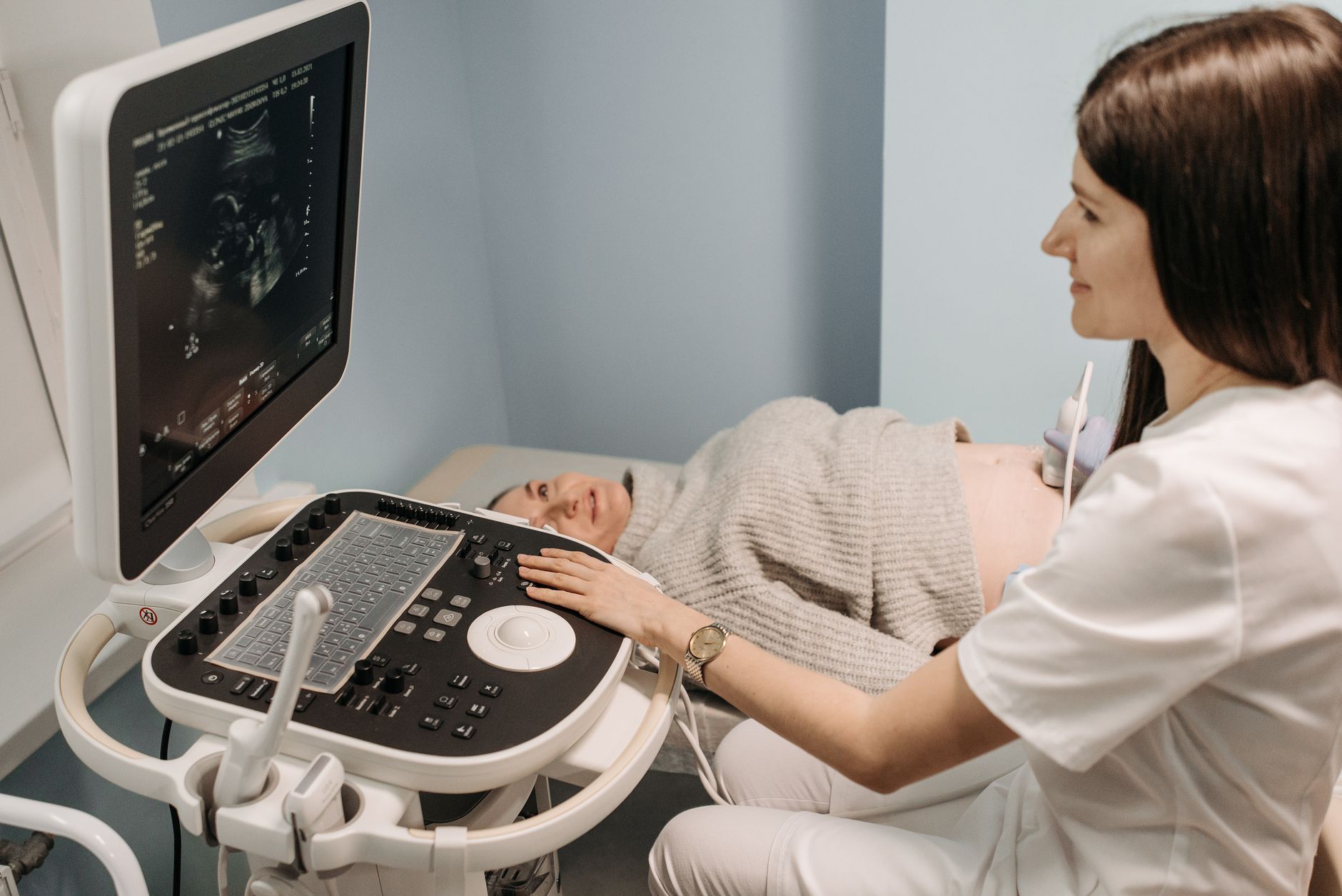
Fertility options for women who are 45 years old
Understanding your chances of conceiving naturally versus using assisted reproductive technologies (ART) helps you set realistic expectations and choose the right path.
Can a 45‑year‑old woman get pregnant naturally?
Natural conception at 45 is possible but uncommon. Studies from the National Institute of Child Health and Human Development (NICHD) show that about 1–2 % of women in this age group conceive without assistance each year. Egg quantity and quality decline sharply after 35, making spontaneous ovulation less reliable. However, if you have regular menstrual cycles and no underlying health issues, a natural pregnancy can still happen.
Even when natural conception occurs, the risk of chromosomal miscarriage remains elevated. Many clinicians therefore recommend early first‑trimester ultrasound and NIPT to confirm fetal health as soon as possible.
Assisted reproductive technologies (ART)
When natural conception odds are low, most women turn to ART. Options include:
- In‑vitro fertilization (IVF) with autologous eggs: Success rates are modest at 45, typically 4–7 % per cycle.
- IVF with donor eggs: Using eggs from a younger donor raises live‑birth rates to 50–60 % per transfer, matching outcomes of women in their 30s.
- Gestational surrogacy: For women with uterine issues, a surrogate can carry the embryo created from donor eggs.
- Ovulation induction medications: Clomiphene citrate or letrozole may help if occasional ovulation still occurs, but they rarely overcome the age‑related decline in egg quality.
Choosing the right option depends on your health, personal values, and budget. A reproductive endocrinologist can run a thorough work‑up—including an antral follicle count (AFC) and anti‑Müllerian hormone (AMH) test—to gauge your ovarian reserve and recommend the most promising approach.
Many clinics now offer “dual‑trigger” protocols that combine a GnRH agonist with hCG to improve egg maturation, a nuance that can be especially helpful for women approaching 45.
IVF success rates for 45‑year‑old mothers in 2026
IVF technology continues to improve, but age remains the dominant factor. The Society for Assisted Reproductive Technology (SART) released its 2026 data showing live‑birth rates per embryo transfer stratified by maternal age and egg source.
Notice the steep drop for autologous eggs after 44, contrasted with the relatively stable success of donor‑egg cycles. In 2026, many clinics recommend donor eggs for women over 44, unless a strong personal preference for using one’s own eggs exists and the couple is prepared for a lower probability of success.
Embryo culture techniques, such as extended blastocyst culture to day 5–6, have also modestly boosted implantation rates across all age groups, but the benefit is most evident when high‑quality embryos are available.
How to prepare your body for pregnancy after 45
Optimizing health before conception can reduce complications and improve outcomes, whether you pursue natural conception or IVF.
Pre‑conception health assessments
Schedule a comprehensive pre‑conception visit with your OB‑GYN and a reproductive endocrinologist. Key evaluations include:
- Hormone panel: FSH, LH, estradiol, and AMH to assess ovarian reserve.
- Thyroid function: TSH and free T4—both are crucial for early pregnancy.
- Blood pressure and glucose: Identify hypertension or pre‑diabetes early.
- Uterine imaging: A hysterosalpingogram (HSG) or saline infusion sonogram checks for fibroids or scar tissue.
- Genetic carrier screening: Detects recessive conditions that could affect the baby.
Document any chronic conditions (e.g., asthma, autoimmune disease) and work with your providers to get them under optimal control before trying to conceive.
For women with a history of endometriosis or pelvic inflammatory disease, a laparoscopy may be recommended to evaluate tubal patency and remove adhesions that could impede implantation.
What lifestyle changes improve fertility at 45?
Even modest adjustments can make a difference.
- Nutrition: Emphasize a Mediterranean‑style diet rich in leafy greens, berries, whole grains, legumes, fish, and olive oil. The Academy of Nutrition and Dietetics highlights its association with better IVF outcomes.
- Weight management: Aim for a BMI between 18.5 and 24.9. Both under‑ and overweight status can impair ovulation and increase miscarriage risk.
- Exercise: Moderate aerobic activity (150 minutes per week) improves insulin sensitivity and cardiovascular health without compromising fertility.
- Sleep: Prioritize 7–9 hours of quality sleep; chronic sleep deprivation can disrupt hormonal balance.
- Stress reduction: Mindfulness, yoga, or counseling can lower cortisol, which may improve ovulatory function.
- Substance avoidance: Quit smoking, limit alcohol to ≤1 drink per week, and avoid recreational drugs—each is linked to lower fertility and higher pregnancy complications.
These changes not only boost the chance of conception but also prepare your body for the increased physiological demands of pregnancy at an older age.
Financial planning tips for having a baby at 45
Having a baby later often means higher medical costs, especially if fertility treatments are involved. A proactive financial plan can reduce stress and keep your focus on health.
Costs of fertility treatments and insurance coverage
IVF cycles in the United States average $12,000–$15,000 per fresh cycle, not including medication (which can add $3,000–$5,000). Donor‑egg IVF adds another $8,000–$12,000 for the donor and legal fees. Many insurers cover only limited IVF attempts, and coverage varies by state.
Key steps:
- Contact your health insurer to confirm coverage limits, pre‑authorization requirements, and any out‑of‑pocket maximums.
- Ask your clinic about a “refund guarantee” or shared‑risk model, which some centers offer for women over 40.
- Explore fertility grants and employer‑based assistance programs—organizations like RESOLVE and the BabyQuest Fund provide partial subsidies.
Budgeting for pregnancy, delivery, and childcare
Beyond fertility, consider the broader costs:
- Prenatal care: Approximately $2,500–$4,000 for routine visits, labs, and ultrasounds.
- Delivery: Vaginal birth averages $9,000–$12,000, while C‑section can exceed $15,000 (including hospital stay).
- Post‑partum care: Pediatrician visits, immunizations, and potential NICU stays add $5,000–$30,000 if complications arise.
- Childcare: Daycare or nanny costs often rise with age, as many older parents work longer hours.
Build a dedicated “baby fund” that includes a buffer for unexpected medical expenses. A high‑yield savings account or a short‑term CD can keep the money accessible yet growing.
Emotional and social challenges of becoming a parent at 45
Parenting at any age is an emotional rollercoaster, but later‑life motherhood introduces unique concerns. You might worry about energy levels, generational gaps with peers, or how your career trajectory will shift.
Common feelings and coping strategies
Many women report a mix of excitement, anxiety, and grief for the “younger self” they may feel they’re missing. Here are proven coping tools:
- Journaling: Write down daily thoughts and gratitude; research from the American Psychological Association shows it reduces stress hormones.
- Peer support groups: Connect with “older mom” communities—both in‑person meet‑ups and online forums like the “45‑plus Moms” Facebook group.
- Professional counseling: A therapist trained in perinatal mental health can address anxiety, depression, or identity shifts.
- Partner communication: Schedule weekly “check‑in” talks to share expectations about parenting duties, work, and self‑care.
Social considerations
Friends may be at different life stages—some still building careers, others dealing with teenage children. It’s normal to feel out of sync. You can mitigate this by:
- Choosing activities that bridge generational gaps, like family-friendly hikes or cooking classes.
- Being transparent about your needs; many people are eager to help once they understand the specifics.
- Celebrating milestones in ways that feel authentic to you, rather than adhering to societal timelines.

Prenatal care recommendations for a 45‑year‑old pregnant woman
Older mothers benefit from a slightly intensified prenatal schedule, with extra screening to catch age‑related complications early.
Detailed prenatal visit schedule
Below is a trimester‑by‑trimester guide, aligned with ACOG recommendations for AMA pregnancies.
Because the risk of preeclampsia rises after 40, many providers add low‑dose aspirin (81 mg) beginning at 12 weeks for women with a prior history of hypertension or a family history of preeclampsia, following ACOG guidance.
Best prenatal vitamins for women over 45
Standard prenatal formulas may not meet the specific needs of older mothers. Look for a supplement that contains:
- 100 µg of folic acid (or 400 µg of methyl‑folate if you have MTHFR polymorphism).
- 1500 mg of calcium and 600 IU of vitamin D for bone health.
- 400 µg of iodine to support fetal brain development.
- 400 µg of vitamin B12—deficiency becomes more common with age.
- Additional iron (27 mg) if you’re anemic, and omega‑3 DHA (200 mg) for neurodevelopment.
Brands such as Nature Made Prenatal Multi and Thorne Research Basic Prenatal are FDA‑registered and meet these criteria, but always confirm with your provider to avoid excess dosing.
Legal considerations for older parents in the United States
Age alone does not affect parental rights, but there are practical legal aspects worth reviewing.
While U.S. law does not restrict custody based on parental age, some state agencies may scrutinize older parents during adoption or foster‑care processes. It’s wise to:
- Maintain up‑to‑date medical records demonstrating fitness to parent.
- Consider a legal “parenting plan” that outlines long‑term care intentions, especially if you anticipate health concerns later in life.
Estate planning and guardianship
Creating or updating a will, establishing a revocable living trust, and designating a guardian for your child are essential steps. At 45, you have ample time to set up these protections, which provide peace of mind for you and your child.
A certified elder‑law attorney can help you draft documents that incorporate:
- Designation of a primary and alternate guardian.
- Provision for a trust fund to cover education, healthcare, and living expenses.
- Power of attorney for medical and financial decisions.
Symptoms checklist for a 45‑year‑old pregnant woman
If you’re pregnant at 45, keep an eye on the following signs. Mark any that apply and discuss them with your OB‑GYN promptly.
- Unexplained weight loss or gain > 5 % of body weight.
- Severe or persistent headache, visual changes, or swelling of hands/face.
- Sudden shortness of breath or chest pain.
- Bleeding or spotting after 20 weeks.
- Decreased fetal movement after 28 weeks.
- Severe abdominal pain or cramping not relieved by rest.
- Persistent nausea/vomiting beyond the first trimester (hyperemesis gravidarum).
Treatment options comparison
When fertility is a concern at 45, you have several pathways. The table below compares the main options, success rates, typical cost, and key considerations.
Natural remedies with evidence for older mothers
While “natural” treatments cannot replace medical care, certain lifestyle interventions have modest evidence for improving outcomes.
- Pre‑implantation genetic testing (PGT‑A): For women 45 + using donor eggs, PGT‑A can reduce the risk of chromosomal abnormalities, though it adds cost.
- Acupuncture: A 2023 systematic review in the Journal of Reproductive Medicine found a small but statistically significant increase in IVF implantation rates when performed before embryo transfer.
- Vitamin D supplementation: Adequate vitamin D levels (≥30 ng/mL) are linked to lower preeclampsia rates, per a meta‑analysis by the Endocrine Society.
- Mind‑body programs: Yoga and mindfulness-based stress reduction have been associated with reduced anxiety scores in pregnant women over 40 (American Journal of Obstetrics & Gynecology, 2022).
These approaches are adjuncts—not replacements—for standard prenatal care.
Postpartum care and recovery for mothers over 45
The weeks after birth are a critical window for both physical healing and emotional adjustment, especially for older mothers who may face unique recovery challenges.
Physical recovery considerations
- Uterine involution: The uterus returns to pre‑pregnancy size more slowly after age 40, so pelvic rest may be recommended for a longer period.
- Hemorrhage risk: Because hypertension is more common, monitor for heavy bleeding beyond the first 24 hours postpartum.
- Bone health: Pregnancy and lactation increase calcium demand. Continue a calcium‑rich diet and consider a vitamin D supplement to protect bone density.
- Pelvic floor therapy: A referral to a pelvic‑floor physical therapist can help prevent urinary incontinence and support core strength.
Emotional well‑being after delivery
Post‑partum depression (PPD) affects roughly 1 in 7 new mothers, with slightly higher rates in women over 40. Screening tools such as the Edinburgh Postnatal Depression Scale are recommended at the 2‑week and 6‑week visits. If you notice persistent sadness, loss of interest, or intrusive thoughts, reach out to a perinatal mental‑health specialist promptly.
Support groups specifically for “older moms” can provide a safe space to share concerns about energy levels, career re‑entry, and social expectations.

Travel safety and pregnancy after 45
Many women wonder whether it’s safe to travel—whether for a family vacation or a work assignment—once they’re pregnant at 45.
General travel guidelines
- Timing: The second trimester (weeks 14‑27) is usually the most comfortable and safest window for travel, as the risk of miscarriage is lower and energy levels are higher.
- Air travel: Most airlines allow pregnant passengers up to 36 weeks, but you’ll need a medical certificate after 28 weeks. Discuss any clotting risk with your provider, as older mothers have a slightly increased chance of deep‑vein thrombosis (DVT).
- Hydration and movement: Drink plenty of water, wear compression stockings, and stand or walk every 1–2 hours to promote circulation.
Precautions for older pregnant travelers
Because the risk of hypertension and preeclampsia rises with age, bring a copy of recent blood‑pressure readings and ensure you have access to a nearby hospital or obstetric clinic at your destination. If you’re traveling internationally, verify that your health insurance covers maternity care abroad or purchase short‑term travel medical insurance that includes obstetric complications.
For long‑haul trips, consider a travel itinerary that allows for a rest day every few days, and avoid destinations with known Zika or other infectious disease outbreaks, as older mothers may have a tougher time fighting infections.
Myth vs. fact
Myth: Women over 45 cannot have a healthy pregnancy.
Fact: While risks increase, many 45‑year‑old mothers deliver healthy babies with proper medical monitoring and lifestyle preparation.
Myth: IVF always works for older women.
Fact: Autologous‑egg IVF success at 45 is low (≈4 %); donor‑egg IVF offers higher odds but still involves a complex process.
Myth: You don’t need a prenatal vitamin if you eat well.
Fact: Even with a balanced diet, older pregnant women often need higher doses of folic acid, vitamin D, and B12, which are best supplied via a prenatal supplement.
Key takeaways
- Pregnancy at 45 carries higher risks for gestational diabetes, hypertension, and chromosomal abnormalities, but many complications are manageable with early screening.
- Natural conception chances are low (≈1–2 %); donor‑egg IVF provides the most reliable path to a live birth.
- Pre‑conception health checks—hormones, thyroid, blood pressure, and uterine imaging—are essential to identify and address issues early.
- Adopt a Mediterranean‑style diet, maintain a healthy weight, and manage stress to improve fertility and pregnancy outcomes.
- Financial planning should account for IVF, delivery, and potential NICU stays; explore insurance benefits and fertility grants.
- Emotional support from partners, counselors, and peer groups helps navigate the unique psychosocial challenges of later‑life motherhood.
- Legal steps like updating a will, establishing a trust, and naming a guardian protect your child’s future.
- Post‑partum recovery may require extra attention to bone health, pelvic‑floor therapy, and mental‑health screening.
Frequently asked questions
Is it safe to have a baby at 45?
Yes, it can be safe, but the risk of gestational diabetes, preeclampsia, and chromosomal abnormalities is higher. Close monitoring by an OB‑GYN and appropriate pre‑conception screening can mitigate many of these risks.
What are the chances of getting pregnant naturally at 45?
Natural conception rates for women at 45 are roughly 1–2 % per year. Regular ovulation and a healthy uterus improve odds, but most women in this age group benefit from assisted reproductive technologies.
How does IVF work for women over 45?
IVF involves stimulating the ovaries, retrieving eggs, fertilizing them with sperm in a lab, and transferring embryos into the uterus. At 45, success with a woman’s own eggs is low (≈4 %); using donor eggs raises live‑birth rates to about 60 % per transfer.
What health screenings are recommended for a 45‑year‑old pregnant woman?
Key screenings include early ultrasound, non‑invasive prenatal testing (NIPT) for chromosomal anomalies, a detailed anatomy scan at 18–20 weeks, glucose tolerance testing, blood pressure monitoring, and thyroid function tests.
Will a 45‑year‑old mother have a higher risk of miscarriage?
Yes. The miscarriage rate at 45 is roughly 30 %, compared with about 10 % for women in their 20s. Chromosomal abnormalities in the egg are the primary driver of this increased risk.
How much does it cost to have a baby at 45?
Costs vary widely. Natural pregnancy may cost $2,500–$4,000 for prenatal care. IVF with donor eggs averages $20,000–$30,000 per cycle, plus medication. Delivery (vaginal or C‑section) ranges from $9,000 to $15,000, with additional NICU expenses if needed.
Can I breastfeed if I become pregnant at 45?
Most women can breastfeed successfully after a later‑age pregnancy. However, if you’re taking certain fertility medications or have a health condition that limits milk production, discuss lactation plans with your OB‑GYN and a lactation consultant.
What are the chances of a healthy baby if I use donor eggs?
Donor‑egg IVF for women 45 + yields live‑birth rates of about 60 % per transfer, and the chromosomal risk is similar to that of a woman in her 20s because the egg comes from a younger donor. Prenatal screening still applies, but the overall chance of a healthy, full‑term baby is markedly higher than with autologous eggs.
When to see a doctor / specialist
If you experience any of the following red‑flag symptoms, contact your OB‑GYN or go to the nearest emergency department immediately:
- Severe abdominal pain or cramping not relieved by rest.
- Heavy vaginal bleeding or spotting after 20 weeks.
- Sudden swelling of hands, face, or sudden rapid weight gain.
- Persistent high blood pressure (≥140/90 mm Hg).
- Decreased fetal movement after 28 weeks.
- Uncontrollable nausea/vomiting leading to dehydration.
For fertility concerns, schedule an appointment with a reproductive endocrinologist. If you need financial guidance, a certified financial planner familiar with medical expenses can help structure a budget and explore insurance options.
References
- American College of Obstetricians and Gynecologists. “Management of Pregnancy in Women Aged 35 and Older.” ACOG Committee Opinion, 2024.
- Society for Assisted Reproductive Technology. “2026 ART Success Rates.” SART Report, 2026.
- Centers for Disease Control and Prevention. “Births: Final Data for 2024.” National Vital Statistics Reports, 2025.
- American Pregnancy Association. “Gestational Diabetes Overview.” 2023.
- Academy of Nutrition and Dietetics. “Mediterranean Diet and Fertility.” Position Paper, 2022.
- Endocrine Society. “Vitamin D and Pregnancy Outcomes.” Clinical Practice Guideline, 2023.
- National Institute of Child Health and Human Development. “Fertility Decline with Age.” NICHD Fact Sheet, 2024.
- American Psychological Association. “Stress Management in Perinatal Period.” APA Journal, 2022.
- RESOLVE: The National Infertility Association. “Financial Assistance for IVF.” 2025.
- American Journal of Obstetrics & Gynecology. “Acupuncture Adjunct to IVF.” Systematic Review, 2023.
- American College of Obstetricians and Gynecologists. “Low‑Dose Aspirin Use in High‑Risk Pregnancy.” Practice Bulletin, 2023.
- National Institute for Health and Care Excellence (NICE). “Postnatal Depression: Recognition



