While discussions often focus on the potential risks of having a baby at 39, there are significant and often overlooked advantages to later motherhood. Many women find this stage of life brings a unique set of strengths to parenting.
Emotional Readiness and Maturity
One of the most frequently cited benefits by women who become mothers later is a greater sense of emotional maturity and readiness. You've likely had more time for personal growth, self-discovery, and understanding your own needs. This can translate into:
- Increased Patience: Life experience often cultivates greater patience, a valuable asset when navigating the demands of parenthood.
- Stronger Sense of Self: You're more likely to be comfortable in your own skin and have a clearer sense of your values, which can guide your parenting style.
- Reduced Stress Over Small Things: Having weathered various life challenges, you might be less likely to become overwhelmed by minor parenting hurdles.
- Deeper Appreciation: Many older mothers express a profound sense of gratitude and appreciation for their baby, having potentially waited longer or overcome challenges to conceive.
One reader shared, "By 39, I felt like I truly knew myself. I wasn't trying to figure out my identity while also figuring out motherhood. That stability made me a much calmer, more present mom."
Financial Stability and Career Foundation
By 39, most women have established their careers and financial footing. This can provide a more secure environment for raising a child:
- Greater Financial Resources: You might have accumulated savings, paid off debts, or be earning a higher income, easing the financial strain of childcare, education, and daily expenses.
- Career Flexibility: An established career might offer more flexibility, such as the option for remote work, reduced hours, or a more understanding employer, allowing for a better work-life balance.
- Better Benefits: You may have better health insurance, paid parental leave, or other company benefits that support new parents.
Stronger Relationships and Support Systems
Later in life, your relationships may have matured and strengthened. You might have a robust network of friends, family, and even colleagues who are ready to offer support. Your partnership, if applicable, has also had more time to grow and solidify, providing a strong foundation for co-parenting.
With life experience comes a greater capacity for research and critical thinking. Older parents are often more likely to delve into parenting philosophies, nutritional guidance, and educational approaches, making informed choices for their children.
The journey of having a baby at 39 is often one of intentionality and preparedness, allowing you to embrace parenthood with a unique blend of wisdom, stability, and joy.

How does fertility change for women trying to conceive at 39?
Understanding the natural changes in female fertility at 39 is crucial for women trying to conceive. While it's certainly possible to get pregnant at this age, it often requires a bit more patience and sometimes, medical assistance.
Ovarian Reserve and Egg Quality
The most significant factor affecting fertility at 39 is the natural decline in ovarian reserve and egg quality. Women are born with all the eggs they will ever have, and their number and quality gradually decrease over time. By 39:
- Decreased Egg Count: Your ovarian reserve, the total number of viable eggs remaining, is significantly lower than in your 20s or early 30s.
- Reduced Egg Quality: The quality of the remaining eggs tends to decline. This means a higher percentage of eggs may have chromosomal abnormalities, making them less likely to fertilize, implant, or result in a healthy, full-term pregnancy. This is a primary reason for the increased risk of miscarriage and chromosomal conditions in babies born to older mothers.
- Follicle Stimulating Hormone (FSH): As ovarian reserve declines, your body may produce higher levels of FSH to stimulate the ovaries, which can be an indicator of reduced ovarian function.
Time to Conceive
Because of these changes, it generally takes longer for women at 39 to conceive naturally. While a woman in her early 20s might conceive within a few months, a 39-year-old might take six months to a year, or even longer. The Centers for Disease Control and Prevention (CDC) highlights that fertility declines significantly after age 35.
If you've been trying to conceive for six months without success, ACOG recommends consulting a fertility specialist. For women under 35, this recommendation is usually after a year of trying.
Increased Risk of Miscarriage
The risk of miscarriage also increases with age, primarily due to the higher incidence of chromosomal abnormalities in eggs. For women at 39, the miscarriage rate can be around 25-30% or higher, compared to 10-15% for women in their 20s.
Fertility Treatment Options for 39-Year-Olds
If natural conception proves challenging, several fertility treatments can help:
- Ovulation Induction: Medications like Clomid or letrozole can stimulate egg production, especially if irregular ovulation is a factor.
- Intrauterine Insemination (IUI): Sperm is directly inserted into the uterus around the time of ovulation.
- In Vitro Fertilization (IVF): This is often the most effective treatment for women over 35. Eggs are retrieved, fertilized in a lab, and then the resulting embryos are transferred to the uterus. IVF success rates at 39 vary but are still considerable, especially with the use of preimplantation genetic testing (PGT) to screen embryos for chromosomal abnormalities.
- Donor Eggs: For some women, especially if egg quality is a significant barrier, using donor eggs from a younger woman can offer a much higher chance of success.
A reproductive endocrinologist can assess your specific situation, including ovarian reserve testing (like AMH levels) and hormonal panels, to recommend the best course of action for you. Many women at 39 successfully conceive with these interventions.
What specialized prenatal care is needed for a 39-year-old pregnant woman?
When you're having a baby at 39, your prenatal care will generally be more intensive and involve additional screenings compared to a younger pregnancy. This enhanced monitoring is designed to proactively identify and manage any potential risks for both you and your baby, ensuring the healthiest possible outcome.
Increased Frequency of Appointments
You can expect to have more frequent prenatal appointments. While the typical schedule for a low-risk pregnancy might be monthly until the third trimester, your doctor might recommend more frequent visits, especially as your pregnancy progresses, to closely monitor blood pressure, growth, and overall health.
Comprehensive Screening and Diagnostic Testing
Due to the increased risk of certain conditions, specialized screenings are a key part of prenatal care at 39. These include:
- Early Ultrasound: An early ultrasound can confirm pregnancy viability, estimate gestational age, and check for multiple pregnancies.
- First Trimester Screening (Nuchal Translucency Scan + Blood Work): This combines an ultrasound to measure the fluid at the back of the baby's neck (nuchal translucency) with blood tests to assess the risk of chromosomal abnormalities like Down syndrome.
- Non-Invasive Prenatal Testing (NIPT): This blood test, usually performed after 10 weeks, analyzes fragments of fetal DNA circulating in the mother's blood. It's highly accurate for screening for common chromosomal conditions and can also determine the baby's sex. NIPT is often recommended for women of advanced maternal age.
- Second Trimester Ultrasound (Anatomy Scan): A detailed ultrasound around 18-22 weeks to thoroughly examine the baby's anatomy for any structural abnormalities.
- Glucose Tolerance Test: Typically performed between 24 and 28 weeks, this test screens for gestational diabetes, which is more common in older mothers.
- Targeted Ultrasounds and Fetal Echocardiograms: If initial screenings raise concerns, or based on your medical history, your provider might recommend more specialized ultrasounds or a fetal echocardiogram to specifically check the baby's heart.
Diagnostic Procedures (Optional)
If screening tests indicate a higher risk for chromosomal abnormalities, your provider may discuss diagnostic procedures that offer a definitive answer:
- Chorionic Villus Sampling (CVS): Performed between 10 and 13 weeks, this involves taking a small sample of tissue from the placenta for genetic analysis.
- Amniocentesis: Typically done between 15 and 20 weeks, this involves collecting a small amount of amniotic fluid surrounding the baby for genetic testing.
These diagnostic tests carry a small risk of miscarriage, and the decision to undergo them is a very personal one, made in consultation with your healthcare team.
Collaboration with Specialists
Depending on your health history or any developments during pregnancy, your care team might expand to include:
- Maternal-Fetal Medicine (MFM) Specialist: An MFM doctor specializes in high-risk pregnancies and can provide co-management or consultations.
- Genetic Counselor: This professional can help you understand the risks of genetic conditions, interpret screening results, and guide you through diagnostic options.
Your OB/GYN or midwife will discuss all these options with you, explaining the benefits and risks of each, so you can make informed choices that feel right for you and your family.
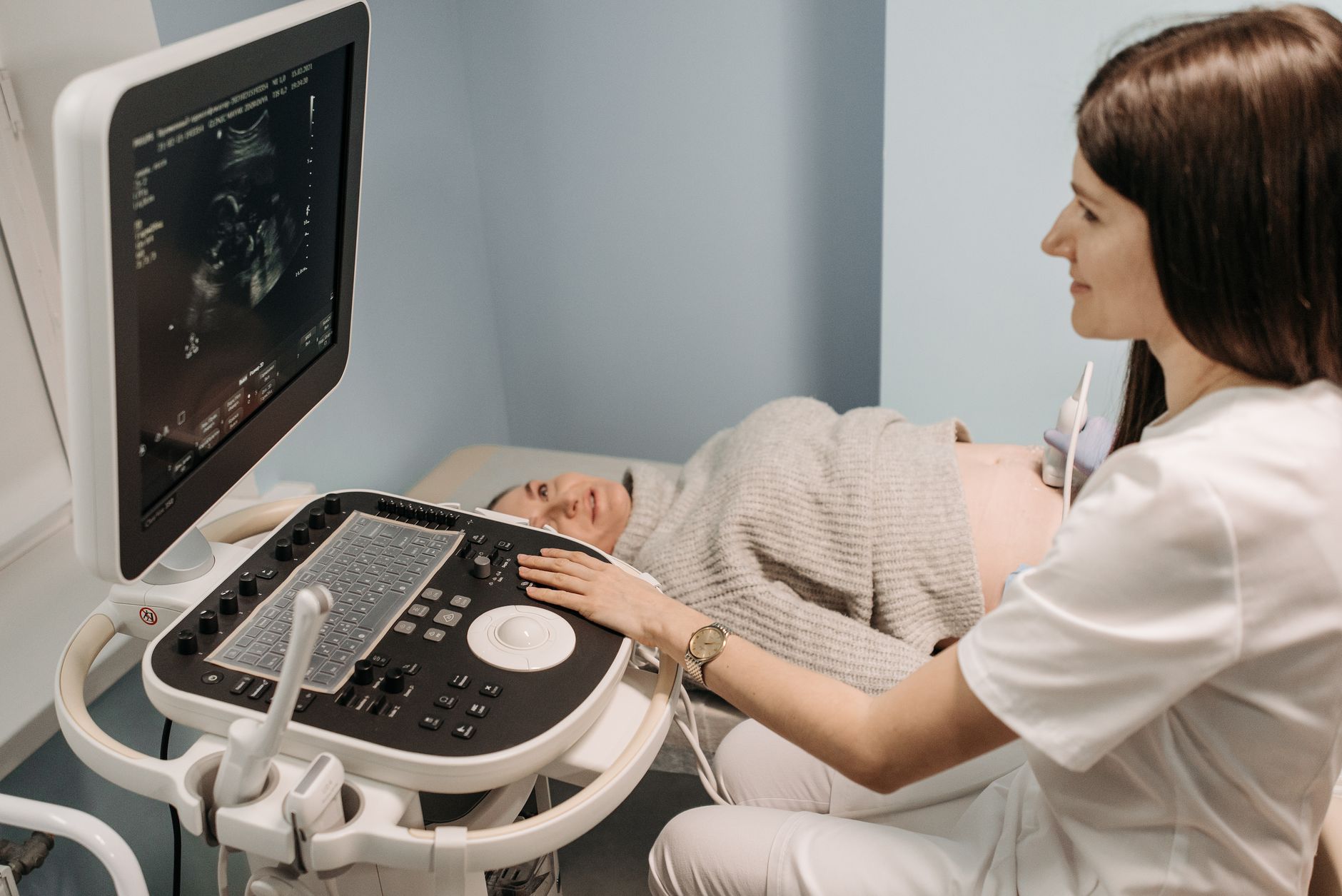
Genetic Screening Options for Advanced Maternal Age at 39
Understanding your options for genetic screening and diagnostic testing is a critical part of prenatal care when you're 39. These tests can provide valuable information about your baby's health and help you prepare for any potential challenges. Here's a breakdown of common options:
What are the chances of a healthy full-term pregnancy at age 39?
The question of having a healthy full-term pregnancy at 39 is a common one, and it's important to approach it with a balanced perspective. While there are increased risks associated with advanced maternal age, the vast majority of women at 39 will have a successful pregnancy and deliver a healthy baby.
Positive Outlook and Statistics
It's easy to get caught up in statistics about increased risks, but let's reframe that. The chance of having a healthy baby at 39 remains very high. For instance, while the risk of Down syndrome increases with age, it's still a relatively small chance: at 39, the risk is approximately 1 in 100, meaning 99 out of 100 babies born to 39-year-old mothers will *not* have Down syndrome. Similarly, while the risk of preeclampsia or gestational diabetes increases, these conditions are treatable and often manageable with good prenatal care.
Many women at 39 successfully carry their pregnancies to full term (37-40 weeks) and experience uncomplicated deliveries. Your overall health, lifestyle, and the quality of your prenatal care play a much larger role than age alone in determining your pregnancy outcome.
Factors Influencing a Healthy Outcome
Several factors can significantly improve your chances of a healthy full-term pregnancy at 39:
- Good Pre-Pregnancy Health: Entering pregnancy in good physical health, with any pre-existing conditions (like high blood pressure or diabetes) well-managed, is a huge advantage.
- Healthy Lifestyle: Maintaining a balanced diet, engaging in regular moderate exercise, avoiding smoking and alcohol, and managing stress are crucial throughout pregnancy.
- Consistent Prenatal Care: Adhering to your recommended prenatal appointment schedule and following your doctor's advice for screenings and monitoring is paramount.
- Early Identification and Management of Complications: The specialized prenatal care you receive at 39 is designed to catch any potential issues early, allowing for timely intervention and management.
- Emotional Well-being: A positive mindset and strong support system can contribute significantly to a healthier pregnancy experience.
Successful Pregnancy at 39 Stories
You'll find countless stories of women who have had wonderful, healthy pregnancies and babies at 39. Many feel more prepared, both emotionally and financially, for motherhood at this stage. One woman shared, "I was a bit worried about my age, but my doctor was so reassuring. I focused on staying healthy, and my baby arrived perfectly on time. I felt more confident as a mom than I ever would have in my twenties." These stories highlight that while age is a factor, it doesn't define your entire pregnancy journey.
The key is to partner closely with your healthcare provider, stay informed, and focus on nurturing your body and mind throughout this exciting time.
What to expect during labor and delivery when giving birth at 39?
While every birth is unique, there are some general considerations for labor and delivery when you're giving birth at 39. It's helpful to be informed about potential differences, but remember that many women at this age have straightforward deliveries.
Potential for Longer Labor
For first-time mothers, labor can sometimes be longer as maternal age increases. This is not a universal rule, but some studies suggest that the cervix may dilate more slowly, or contractions might be less efficient. Patience becomes an even more important virtue during this time.
Increased Likelihood of Medical Interventions
Due to the slightly increased risks associated with advanced maternal age, your healthcare team might be more vigilant and recommend interventions more readily, such as:
- Induction of Labor: If you go past your due date, or if there are concerns about your health or the baby's well-being, your doctor might recommend inducing labor.
- Assisted Delivery: There's a slightly higher chance of needing assistance during delivery, such as forceps or vacuum extraction, if labor stalls or the baby needs help.
- Epidural Use: While a personal choice, a higher percentage of older mothers opt for epidural anesthesia.
Higher Chances of C-Section at 39
The risk of needing a C-section (Cesarean section) does increase with age. This can be due to several factors:
- Labor Dystocia: Labor that doesn't progress as expected.
- Placenta Previa or Placental Abruption: Conditions where the placenta's position or detachment requires surgical delivery.
- Fetal Distress: If the baby shows signs of distress during labor.
- Pre-existing Conditions: Maternal health issues like severe preeclampsia or certain heart conditions might make a C-section safer.
The decision for a C-section is always made with your and your baby's safety as the top priority. While the thought of a C-section can be daunting, it's a safe and common procedure that saves lives.
Postpartum Recovery After 39
Postpartum recovery can sometimes feel a bit more challenging for older mothers, simply because your body may take a little longer to bounce back. You might experience:
- Increased Fatigue: The physical demands of labor combined with sleep deprivation can be more taxing.
- Longer Healing Time: Whether from a vaginal birth or a C-section, tissue healing might be slightly slower.
- Muscle and Joint Aches: Pregnancy puts significant strain on your body, and these aches can linger.
It's crucial to prioritize rest, nutrition, and hydration during the postpartum period. Don't hesitate to ask for help from your partner, family, or friends. Your body has just done an incredible thing, and it deserves ample time and support to recover. Discuss your recovery plan with your doctor or midwife before delivery, especially regarding pain management and physical activity.
Are there higher chances of having twins at 39 naturally?
It's a fascinating biological quirk that women aged 39 do have a slightly higher chance of conceiving twins naturally, compared to younger women. This phenomenon is primarily linked to hormonal changes as you approach perimenopause.
The Role of FSH (Follicle-Stimulating Hormone)
As a woman's ovarian reserve naturally declines with age, her body starts producing more Follicle-Stimulating Hormone (FSH). FSH is responsible for stimulating the growth of ovarian follicles, which contain eggs. When FSH levels rise, there's an increased chance that more than one follicle will mature and release an egg in a single menstrual cycle.
If two eggs are released and both are fertilized, this results in fraternal (non-identical) twins. This is the most common type of twin pregnancy linked to advanced maternal age. Identical (monozygotic) twin rates do not increase with maternal age.
Impact of Fertility Treatments
Beyond natural chances, fertility treatments significantly increase the likelihood of multiple births at any age, including 39. Treatments like:
- Ovulation Induction: Medications that stimulate the ovaries (e.g., Clomid) can lead to the release of multiple eggs.
- In Vitro Fertilization (IVF): When multiple embryos are transferred to the uterus to improve the chances of pregnancy, this can result in twins or even higher-order multiples. While the trend in IVF is now to transfer fewer embryos, the risk of multiples still exists.
So, if you're 39 and trying to conceive, especially with fertility assistance, the possibility of welcoming two babies might be higher than you'd expect. While exciting, twin pregnancies also come with increased risks for both mother and babies (e.g., preterm birth, preeclampsia), so they require even more specialized prenatal care.
What lifestyle adjustments are recommended for pregnancy at 39?
Adopting and maintaining a healthy lifestyle is always important during pregnancy, but it becomes particularly vital when you're having a baby at 39. These adjustments can help mitigate some of the increased risks and support a healthy pregnancy journey.
Prioritize a Nutrient-Rich Diet
A balanced diet provides the essential nutrients for both you and your developing baby. Focus on:
- Folic Acid: Critical for preventing neural tube defects. Start taking a prenatal vitamin with at least 400 micrograms of folic acid at least one month before conception and continue through pregnancy.
- Iron: To prevent anemia, which can be more common in older pregnancies. Good sources include lean meats, beans, lentils, and fortified cereals.
- Calcium and Vitamin D: For bone health for both you and your baby. Dairy products, fortified plant milks, and leafy greens are excellent sources.
- Omega-3 Fatty Acids: Important for fetal brain and eye development. Found in fatty fish (like salmon, low-mercury options), flaxseeds, and walnuts.
- Plenty of Fruits, Vegetables, and Whole Grains: These provide fiber, vitamins, and antioxidants.
- Hydration: Drink plenty of water throughout the day.
Aim for whole, unprocessed foods and limit sugary drinks, excessive caffeine, and highly processed snacks. If you have specific dietary concerns, consult a registered dietitian.
Engage in Regular, Moderate Exercise
Unless advised otherwise by your doctor, continuing or starting a moderate exercise routine can offer numerous benefits:
- Improved Stamina: Helpful for labor and the physical demands of new motherhood.
- Weight Management: Helps prevent excessive weight gain, reducing risks like gestational diabetes.
- Better Mood: Exercise is a great stress reliever.
- Reduced Aches and Pains: Strengthens muscles that support your growing belly.
Activities like walking, swimming, prenatal yoga, and cycling (stationary bike) are excellent choices. Always listen to your body and avoid activities that are high-impact or put you at risk of falling.
Prioritize Rest and Sleep
Fatigue can be more pronounced in pregnancy, and even more so with age. Aim for 7-9 hours of quality sleep each night. Napping during the day can also be beneficial. Create a relaxing bedtime routine to help you wind down.
Manage Stress Effectively
Stress can impact both your physical and emotional well-being. Incorporate stress-reduction techniques into your daily routine:
- Mindfulness and Meditation: Even 10-15 minutes a day can make a difference.
- Deep Breathing Exercises: Simple techniques can calm your nervous system.
- Light Activity: A gentle walk can clear your head.
- Connect with Support Systems: Talk to your partner, friends, or family about your feelings.
- Delegate Tasks: Don't try to do everything yourself. Ask for help when you need it.
Avoid Harmful Substances
This goes without saying for any pregnancy, but it's particularly important to reiterate:
- No Alcohol: There is no safe amount of alcohol during pregnancy.
- No Smoking: Smoking is linked to numerous complications, including preterm birth and low birth weight.
- Limit Caffeine: Generally, limit caffeine intake to 200 mg per day (about one 12-ounce cup of coffee).
- Review Medications: Discuss all medications (prescription, over-the-counter, and herbal supplements) with your doctor to ensure they are safe for pregnancy.
By making these proactive lifestyle choices, you're not only supporting your own health but also giving your baby the best possible start.

Myth vs. Fact: Having a Baby at 39
There's a lot of information and misinformation floating around about pregnancy at 39. Let's clear up some common misconceptions.
Myth: It's nearly impossible to get pregnant naturally at 39.
Fact: While fertility does decline with age, it is absolutely possible to conceive naturally at 39. Many women do. The time it takes to conceive might be longer, and the chances per cycle are lower than in your 20s, but it's far from impossible. If you've been trying for six months without success, it's a good idea to consult a fertility specialist.
Myth: All pregnancies at 39 are automatically considered high-risk and will have complications.
Fact: While pregnancies at 39 are categorized as "advanced maternal age" and do carry an *increased risk* of certain complications, this doesn't mean complications are guaranteed. Most women at 39 have healthy pregnancies and babies. The designation of "high-risk" simply means more vigilant monitoring and care are recommended to proactively manage any potential issues. Your overall health and lifestyle play a huge role.
Myth: If you're 39, you're guaranteed to need a C-section.
Fact: While the likelihood of needing a C-section is slightly higher for women aged 39 compared to younger women, it is by no means a guarantee. Many women at 39 have successful vaginal births. Factors like the baby's position, labor progression, and your overall health during labor are more influential than age alone in determining the mode of delivery.
Key Takeaways
- Having a baby at 39 is increasingly common and often a rewarding experience, with many women feeling more emotionally and financially prepared.
- While fertility naturally declines, conception is very possible, though it may take longer or require fertility assistance.
- There are increased risks for both mother (e.g., gestational diabetes, preeclampsia, C-section) and baby (e.g., chromosomal abnormalities, preterm birth), but these are not certainties.
- Specialized prenatal care, including enhanced screenings like NIPT, is crucial for monitoring and managing potential risks.
- A healthy lifestyle (nutrition, exercise, rest, stress management) is particularly important to support a positive pregnancy outcome.
- Labor and delivery might involve a slightly higher chance of interventions or C-section, and postpartum recovery may take a little longer.
- The chance of having a healthy full-term pregnancy at 39 remains very high for most women, especially with proactive care.
Frequently Asked Questions
Is 39 a good age to have a baby?
Many women find 39 to be an excellent age to have a baby. By this stage, you might have greater emotional maturity, financial stability, and a stronger sense of self, which can contribute to a more confident and prepared parenting journey. While there are some increased medical considerations, the personal readiness and life experience often outweigh these for many mothers.
What are the chances of getting pregnant at 39 naturally?
The chances of getting pregnant naturally at 39 are lower than in your 20s or early 30s, primarily due to a natural decline in egg quality and quantity. On average, the chance of conception per menstrual cycle at 39 is around 5-10%. However, many women do conceive naturally. If you've been trying for six months without success, it's recommended to consult a fertility specialist.
Is pregnancy at 39 considered high risk?
Yes, pregnancy at 39 is generally categorized as "advanced maternal age" by medical professionals, which means it's considered to have a moderately increased risk compared to pregnancies in younger women. This doesn't mean complications are guaranteed, but it does mean your healthcare provider will recommend more frequent and specialized monitoring to proactively identify and manage any potential issues.
What are the common complications of pregnancy after 35?
Common complications that see an increased incidence after age 35 include gestational diabetes, preeclampsia (high blood pressure in pregnancy), higher rates of C-sections, and a slightly increased risk of preterm birth. For the baby, there's also a higher chance of chromosomal abnormalities like Down syndrome, and a small increase in the risk of low birth weight or stillbirth.
How long does it take to conceive at 39?
It can take longer to conceive at 39 compared to earlier ages. While women under 35 are typically advised to try for a year before seeking fertility help, at 39, if you haven't conceived after six months of regular, unprotected intercourse, it's recommended to schedule a consultation with your doctor or a fertility specialist to explore options and assessments.
What is the oldest age a woman can safely give birth?
There isn't a definitive "oldest age" at which a woman can safely give birth, as individual health plays a much larger role than chronological age. With advancements in reproductive medicine and prenatal care, women in their 40s and even early 50s successfully carry pregnancies, often with the help of fertility treatments and donor eggs. However, risks for both mother and baby continue to increase with age, making comprehensive medical guidance essential.
When to See a Doctor or Specialist
If you are 39 and considering pregnancy, or are already pregnant, it's vital to establish early and consistent communication with your healthcare provider. You should schedule a preconception appointment to discuss your health history and any potential risks before trying to conceive. Once pregnant, adhere to all recommended prenatal appointments and screenings.
Call your doctor or OB/GYN immediately if you experience any of the following symptoms during pregnancy, regardless of your age, but especially important for advanced maternal age:
- Severe headache that doesn't go away with medication.
- Vision changes (blurry vision, seeing spots).
- Sudden swelling in your hands, face, or feet.
- Persistent abdominal pain or cramping.
- Vaginal bleeding, even light spotting.
- Severe nausea and vomiting that prevents you from keeping food or fluids down.
- Decreased fetal movement (after your baby starts moving regularly).
- Signs of preterm labor, such as regular contractions, pelvic pressure, or a change in vaginal discharge.
- Any signs of a blood clot, such as pain, swelling, or redness in your leg.
This article is for informational purposes only and does not constitute medical advice. Always consult with a qualified healthcare professional for any health concerns or before making any decisions related to your health or treatment.
References
- American College of Obstetricians and Gynecologists (ACOG). (2020). Having a Baby After Age 35. https://www.acog.org/womens-health/faqs/having-a-baby-after-age-35
- Centers for Disease Control and Prevention (CDC). (2020). Infertility FAQs. https://www.cdc.gov/reproductivehealth/infertility/index.htm
- National Institutes of Health (NIH) - Eunice Kennedy Shriver National Institute of Child Health and Human Development. (2017). What are some common complications of pregnancy? https://www.nichd.nih.gov/health/topics/pregnancy/conditioninfo/complications
- Mayo Clinic. (2023). Pregnancy after 35: Healthy pregnancies, healthy babies. https://www.mayoclinic.org/healthy-lifestyle/pregnancy-week-by-week/in-depth/pregnancy/art-20045754
- The Royal College of Obstetricians and Gynaecologists (RCOG). (2018). Advanced maternal age. https://www.rcog.org.uk/for-the-public/browse-all-leaflets/advanced-maternal-age/
- World Health Organization (WHO). (2022). Maternal mortality. https://www.who.int/news-room/fact-sheets/detail/maternal-mortality
- American Heart Association (AHA). (2022). High Blood Pressure During Pregnancy. https://www.heart.org/en/health-topics/high-blood-pressure/high-blood-pressure-during-pregnancy



