Understanding your fertility at 37 is a common concern for women hoping to conceive. While it's true that fertility naturally declines with age, many women successfully get pregnant at 37, sometimes even without medical intervention. The key factor is your ovarian reserve – the number and quality of eggs remaining in your ovaries.
At birth, women have approximately 1 to 2 million eggs. By puberty, this number drops to around 300,000 to 500,000. By age 37, this reserve has significantly diminished, and the quality of the remaining eggs can also decrease, leading to a higher chance of chromosomal abnormalities. According to the American Society for Reproductive Medicine (ASRM), a woman's chance of conceiving naturally each month is about 20% at age 30, dropping to around 5% by age 40.
At 37, your monthly chance of natural conception typically falls somewhere in between these figures, often around 10-15%. This doesn't mean it's impossible, but it may take a bit longer than it would for someone in their early twenties. Many women trying to conceive at 37 find themselves pregnant within 6 to 12 months of trying. However, if you've been trying for six months or more without success, it's generally recommended to consult a fertility specialist. This is because the medical definition of infertility for women over 35 is typically 6 months of unprotected intercourse without conception, whereas for women under 35, it's 12 months.
Factors Influencing Fertility at 37
- Egg Quality and Quantity: As mentioned, both decline with age.
- Ovulation Disorders: Conditions like Polycystic Ovary Syndrome (PCOS) can affect ovulation, but these can exist at any age and may become more critical to address when egg reserves are lower.
- Endometriosis or Fibroids: These conditions, which can impact fertility, may become more prevalent or symptomatic with age.
- Male Factor Infertility: It’s important to remember that fertility is a partnership. Male fertility also declines with age, though typically at a slower rate than female fertility.
Fertility Treatment Options for Women Over 35
If natural conception is taking longer than expected, or if underlying fertility challenges are identified, several treatment options are available:
Consulting with a reproductive endocrinologist can help you understand your specific fertility profile and determine the best path forward. They can assess your ovarian reserve through blood tests (like AMH, FSH) and ultrasound (antral follicle count).
What Are the Potential Risks of Pregnancy at 37 for Mother and Baby?
While a healthy pregnancy at 37 is very common, it's important to be aware of the potential risks, which are slightly elevated compared to women in their 20s. Being informed allows you and your healthcare provider to monitor for these conditions proactively and manage them if they arise. The American College of Obstetricians and Gynecologists (ACOG) provides comprehensive guidance on these considerations.
Potential Risks for the Mother
- Gestational Diabetes: This condition, where high blood sugar develops during pregnancy, is more common in older mothers. It affects about 7-10% of pregnancies overall, but the risk can increase by 2-3 times for women over 35. If not managed, it can lead to larger babies, C-sections, and even preeclampsia.
- Preeclampsia: A serious condition characterized by high blood pressure and signs of damage to other organ systems (often the kidneys) after 20 weeks of pregnancy. The risk of preeclampsia can double for women over 35. Early detection and management are crucial.
- High Blood Pressure (Chronic Hypertension): Women over 35 are more likely to have pre-existing high blood pressure, which can complicate pregnancy.
- Placenta Previa: This occurs when the placenta partially or completely covers the cervix, potentially leading to severe bleeding during pregnancy or delivery. The risk increases with age.
- Placental Abruption: The placenta separates from the inner wall of the uterus before birth, which can cause heavy bleeding and deprive the baby of oxygen and nutrients. This risk also rises with maternal age.
- Increased Risk of Cesarean Section (C-section): While not always a "risk" in itself, C-section rates are higher for older mothers. This can be due to a combination of factors, including larger babies, longer labors, or other maternal health conditions.
- Preterm Birth: Giving birth before 37 weeks of pregnancy is slightly more common in older mothers.
- Postpartum Hemorrhage: A higher risk of excessive bleeding after delivery has been noted in older women.
Potential Risks for the Baby
- Chromosomal Abnormalities: This is one of the most well-known risks associated with advanced maternal age. The risk of conditions like Down syndrome (Trisomy 21), Edwards syndrome (Trisomy 18), and Patau syndrome (Trisomy 13) increases as a woman ages.
- At age 25, the risk of having a baby with Down syndrome is about 1 in 1,200.
- At age 30, it's about 1 in 900.
- At age 35, it's about 1 in 350.
- At age 37, the risk for Down syndrome is approximately 1 in 200.
- By age 40, it's about 1 in 100.
It's important to remember these are still relatively small probabilities, and the vast majority of babies born to women at 37 do not have chromosomal abnormalities.
- Preterm Birth and Low Birth Weight: As mentioned, older mothers have a slightly increased risk of delivering prematurely, which can lead to low birth weight and other health challenges for the baby.
- Stillbirth: While still rare, the risk of stillbirth (fetal death after 20 weeks of pregnancy) also slightly increases with maternal age.
- Multiple Pregnancies: Older women are more likely to conceive twins or higher-order multiples naturally, and this likelihood is further increased with fertility treatments. Multiple pregnancies carry their own set of risks, including higher rates of preterm birth and low birth weight.
It's vital to discuss these risks with your healthcare provider. They can provide personalized risk assessments based on your individual health history and guide you through available screening and diagnostic tests.
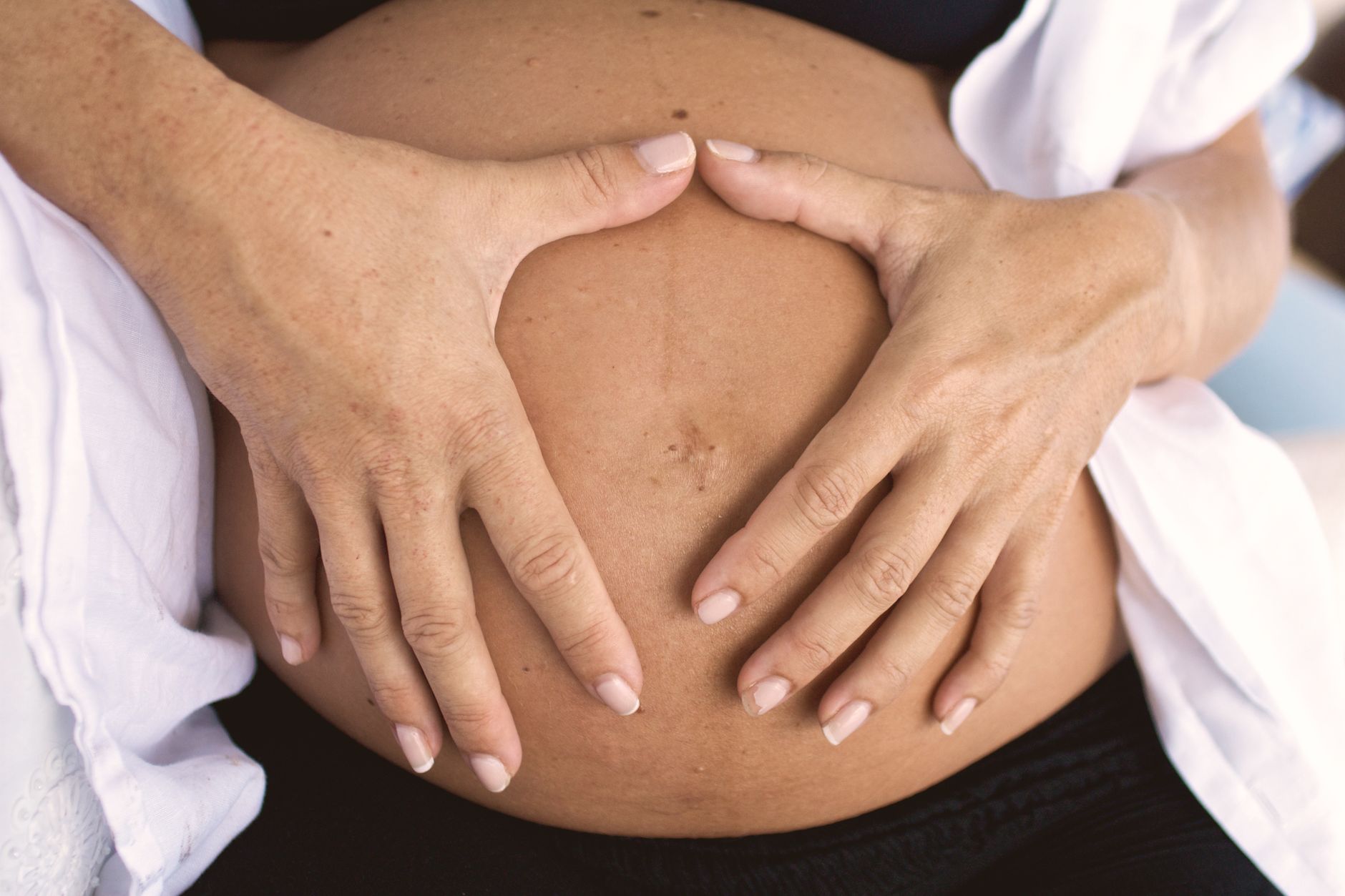
Are There Unique Benefits to Having a Baby at 37?
While medical discussions often focus on the risks associated with "advanced maternal age," it's equally important to acknowledge the significant and often profound benefits of having a baby at 37. Many women find that waiting until their late 30s brings a unique set of advantages that can enrich both their personal lives and their parenting journey.
Emotional Maturity and Patience
One of the most frequently cited benefits is emotional maturity. By 37, you've likely navigated many life experiences, developed stronger coping mechanisms, and gained a deeper understanding of yourself and your relationships. This maturity often translates into greater patience, resilience, and a more calm approach to the challenges of parenthood. Many women tell us they feel better equipped to handle sleepless nights and toddler tantrums with a sense of perspective they wouldn't have had in their 20s.
Financial Stability
For many, their late 30s bring a greater sense of financial security. You might have a more established career, savings, or a stable home environment. This stability can reduce stress related to childcare costs, housing, and providing for a growing family, allowing you to focus more on enjoying your baby.
Stronger Relationships and Support Systems
By 37, you've likely invested time in building strong, supportive relationships, both with your partner and with friends and family. A solid support network is invaluable during pregnancy and early parenthood. You may also have a clearer sense of your priorities and be better able to advocate for your needs and your family's needs.
Career Establishment and Flexibility
Having a baby later in life often means you've had time to establish your career goals, reach certain milestones, and perhaps even gain more flexibility in your work arrangements. This can make the transition to maternity leave and balancing work and family life feel less disruptive or more manageable.
Health and Longevity Benefits (for the mother)
Some interesting studies have even suggested potential health benefits for mothers who have children later in life. Research from the University of Coimbra in Portugal indicated that women who have their last child after age 33 may have a higher chance of living longer. While not a reason to delay childbearing, it's an intriguing finding that speaks to the complex interplay of biology and lifestyle choices.
A Deeper Appreciation for Parenthood
Many older parents express a profound appreciation for the experience of parenthood, having waited longer for it. One reader described, "By 37, I had done so much for myself. Having a baby felt like the most intentional, deeply desired step, and I cherished every moment in a way I'm not sure I would have earlier." This intentionality can lead to a very present and engaged parenting style.
What to Expect During Pregnancy and Delivery When You're 37
Your pregnancy journey at 37 will share many similarities with that of younger women, but there will also be some key differences, primarily centered around increased monitoring and potential discussions about specific interventions. It's a journey that prioritizes vigilance and personalized care to ensure the best outcomes for you and your baby.
The Pregnancy Journey: Increased Monitoring
Because you're considered to be of "advanced maternal age," your healthcare provider will likely recommend more frequent prenatal appointments. This allows them to closely monitor your blood pressure, watch for signs of gestational diabetes, and track your baby's growth and development. You can expect:
- More Frequent Visits: Beyond the standard schedule, your doctor might suggest additional check-ups, especially in the third trimester.
- Early Screening for Gestational Diabetes: While typically screened between 24 and 28 weeks, your provider might recommend an earlier screening or a repeat test due to increased risk.
- Closer Monitoring for Preeclampsia: Regular blood pressure checks and urine tests will be key to detect any early signs.
- Detailed Ultrasounds: You may have more frequent or more detailed ultrasounds to assess fetal growth, placental position, and amniotic fluid levels.
Common Symptoms and Discomforts
While pregnancy symptoms are universal, some women at 37 report feeling the physical toll more acutely, particularly if it's their first pregnancy. You might experience:
- Increased Fatigue: Juggling career, life, and the demands of pregnancy can be exhausting. Prioritizing rest is crucial.
- Aches and Pains: Back pain, joint discomfort, and round ligament pain can be more noticeable.
- Morning Sickness: Can be just as intense, or sometimes even more so, though this varies greatly among individuals.
- Heartburn and Constipation: Common digestive issues that can be managed with diet and lifestyle adjustments.
Remember, every pregnancy is unique, and some women at 37 sail through with minimal discomfort, while others find it more challenging. Listen to your body and communicate openly with your doctor about any concerns.
Labor and Delivery Considerations
When it comes to labor and delivery, there are a few points specific to women at 37 to be aware of:
- Longer Labor: First-time mothers, especially those over 35, may experience longer labors. Your body might take more time to progress.
- Increased Likelihood of Induction: Due to potential risks like preeclampsia or gestational diabetes, or simply to avoid post-term pregnancy, your doctor might discuss inducing labor.
- Higher C-section Rates: As mentioned, C-section rates are somewhat higher for older mothers. This can be due to various factors, including the baby's position, longer labor, or other medical considerations. However, a vaginal birth is absolutely possible and often achieved.
- Postpartum Recovery: While your age doesn't fundamentally change the recovery process, some older mothers report needing a bit more time to bounce back physically from childbirth. Prioritizing rest, nutrition, and accepting help are even more important.
Your birth plan should be a collaborative effort with your healthcare team. Discuss your preferences, concerns, and any specific questions you have about labor and delivery. Being informed and prepared will help you feel more in control as your due date approaches.
What Prenatal Tests and Screenings Are Recommended for Pregnant Women Over 35?
One of the advantages of being pregnant at 37 is the availability of advanced prenatal testing and screening options. These tests offer valuable information about your baby's health and can help you and your healthcare provider prepare for any potential challenges. While many tests are offered to all pregnant women, some are particularly emphasized for those in the advanced maternal age category.
Routine Prenatal Tests for All Pregnancies
- Blood Tests: Early pregnancy blood tests check for blood type, Rh factor, anemia, immunity to rubella and varicella, and screen for infections like syphilis, hepatitis B, and HIV.
- Urine Tests: Regular urine tests check for urinary tract infections, protein (which can be a sign of preeclampsia), and glucose (for gestational diabetes).
- Glucose Screening Test: Typically performed between 24 and 28 weeks, this screens for gestational diabetes. For women at 37, an earlier or additional screening might be recommended.
- Anatomy Scan (Level 2 Ultrasound): A detailed ultrasound performed around 18-22 weeks to thoroughly examine the baby's organs, growth, and development.
Specific Screenings and Diagnostic Tests for Women Over 35
These tests focus on assessing the risk of chromosomal abnormalities and other genetic conditions, which are more common with advanced maternal age. It's important to understand the difference between screening tests (which estimate risk) and diagnostic tests (which provide a definitive answer).
Screening Tests (Non-Invasive)
- First-Trimester Screening: Combines a blood test (for specific hormone levels) and an ultrasound (Nuchal Translucency, NT scan) between 11 and 14 weeks. It screens for the risk of Down syndrome and Trisomy 18.
- Quad Screen / Second-Trimester Screen: A blood test typically done between 15 and 22 weeks that measures four substances in your blood to assess the risk of Down syndrome, Trisomy 18, and neural tube defects.
- Non-Invasive Prenatal Testing (NIPT) / Cell-Free DNA (cfDNA) Screening: This blood test, usually done after 10 weeks of pregnancy, analyzes fragments of your baby's DNA circulating in your blood. It has a high detection rate (over 99%) for Down syndrome, Trisomy 18, and Trisomy 13, and can also determine the baby's sex. NIPT is a highly accurate screening test that is often recommended for women over 35 due to its precision.
Diagnostic Tests (Invasive)
These tests carry a small risk of miscarriage but provide a definitive diagnosis of chromosomal abnormalities.
- Chorionic Villus Sampling (CVS): Performed between 10 and 13 weeks, a small sample of placental tissue is taken for genetic analysis.
- Amniocentesis: Performed after 15 weeks, a small amount of amniotic fluid is withdrawn from around the baby for genetic testing.
The decision to undergo these tests is highly personal. Your healthcare provider will discuss the pros and cons of each, including their accuracy, potential risks, and what the results might mean for you and your family. For instance, a positive NIPT result (a screening test) often leads to a recommendation for a diagnostic test like amniocentesis to confirm the finding. It's okay to ask questions, take your time, and decide what feels right for you.
Practical Tips for a Healthy Pregnancy When You're 37
Embracing a healthy lifestyle is always important during pregnancy, and it becomes even more critical when you're 37. Proactive steps can significantly help manage potential risks and enhance your overall well-being. Think of these tips as your personal toolkit for a thriving pregnancy journey.
Prioritize Pre-Conception Health
If you're still planning to conceive, the months leading up to pregnancy are a golden opportunity to optimize your health. This includes:
- Folic Acid Supplementation: Start taking a prenatal vitamin with at least 400 micrograms (mcg) of folic acid daily at least one month before trying to conceive to reduce the risk of neural tube defects.
- Managing Chronic Conditions: Work with your doctor to ensure any pre-existing conditions like hypertension, diabetes, or thyroid disorders are well-managed before and during pregnancy.
- Healthy Weight: Aim for a healthy body mass index (BMI). Being underweight or overweight can impact fertility and pregnancy outcomes.
- Dental Check-up: Good oral health is linked to healthy pregnancy outcomes.
Nourish Your Body with a Balanced Diet
Focus on a nutrient-rich diet to support both your health and your baby's development. Think of your plate as a rainbow of colors!
- Fruits and Vegetables: Aim for a wide variety to ensure a broad spectrum of vitamins, minerals, and antioxidants.
- Lean Proteins: Include sources like chicken, fish (low mercury), beans, lentils, and tofu for muscle growth and repair.
- Whole Grains: Opt for whole wheat bread, brown rice, oats, and quinoa for sustained energy and fiber.
- Healthy Fats: Avocados, nuts, seeds, and olive oil provide essential fatty acids.
- Calcium and Vitamin D: Important for bone health. Dairy, fortified plant milks, and leafy greens are good sources.
- Iron: Combat fatigue and prevent anemia with iron-rich foods like lean red meat, spinach, and fortified cereals. Pair with Vitamin C for better absorption.
- Hydration: Drink plenty of water throughout the day.
Consult with your healthcare provider or a registered dietitian for personalized dietary advice, especially if you have specific dietary needs or restrictions.
Stay Active (with modifications)
Regular, moderate exercise can boost your mood, improve sleep, reduce back pain, and prepare your body for labor. If you were active before pregnancy, you can likely continue many of your routines with some modifications. If you're new to exercise, start slowly with activities like:
- Walking
- Swimming
- Prenatal yoga or Pilates
- Cycling (stationary bike may be safer as pregnancy progresses)
Always consult your doctor before starting or significantly changing an exercise routine. Listen to your body, avoid overheating, and stay hydrated.
Prioritize Rest and Sleep
Fatigue can be more pronounced in older pregnancies. Aim for 7-9 hours of sleep per night. Take naps if you can, and don't hesitate to decline non-essential commitments if you need to rest. Creating a relaxing bedtime routine can help improve sleep quality.
Manage Stress Effectively
Stress can impact both you and your baby. Find healthy ways to cope, such as:
- Mindfulness and Meditation: Even 10-15 minutes a day can make a difference.
- Gentle Yoga or Stretching: Releases tension and improves flexibility.
- Spending Time in Nature: A calming walk can clear your head.
- Connecting with Loved Ones: Share your feelings and lean on your support system.
- Journaling: Helps process emotions and anxieties.
Avoid Harmful Substances
This is non-negotiable for any pregnancy, but a reminder is always good:
- Alcohol: No amount of alcohol is considered safe during pregnancy.
- Smoking and Vaping: Quit immediately.
- Illicit Drugs: Avoid at all costs.
- Certain Medications: Discuss all medications (prescription and over-the-counter) and supplements with your doctor to ensure they are safe for pregnancy.
Build Your Support System
Connect with other expectant mothers, join prenatal classes, and lean on your partner, friends, and family. Having a strong support network can make a significant difference in your emotional well-being throughout pregnancy and into early parenthood.

Are There Any Benefits to Having a Baby at 37?
Absolutely! While the medical community often highlights the increased risks associated with advanced maternal age, there are numerous, often profound, benefits to having a baby at 37. Many women find that waiting until their late 30s brings a unique set of advantages that can enrich both their personal lives and their parenting journey.
Enhanced Emotional Maturity and Patience
By 37, you've likely navigated many life experiences, developed stronger coping mechanisms, and gained a deeper understanding of yourself and your relationships. This maturity often translates into greater patience, resilience, and a more calm approach to the challenges of parenthood. Many women tell us they feel better equipped to handle sleepless nights and toddler tantrums with a sense of perspective they wouldn't have had in their 20s. You might find yourself less swayed by minor setbacks and more focused on the joy and connection with your child.
Greater Financial Stability
For most, their late 30s bring a greater sense of financial security. You might have a more established career, savings, or a stable home environment. This stability can reduce stress related to childcare costs, housing, and providing for a growing family, allowing you to focus more on enjoying your baby rather than worrying about economic pressures. This can also mean more resources for quality childcare, educational opportunities, or simply more flexibility to enjoy family experiences.
Stronger Relationships and Support Systems
By 37, you've likely invested time in building strong, supportive relationships, both with your partner and with friends and family. A solid support network is invaluable during pregnancy and early parenthood. You may also have a clearer sense of your priorities and be better able to advocate for your needs and your family's needs. Many older parents have cultivated a close-knit group of friends who are also starting families, creating a ready-made community of support.
Career Establishment and Flexibility
Having a baby later in life often means you've had time to establish your career goals, reach certain milestones, and perhaps even gain more flexibility in your work arrangements. This can make the transition to maternity leave and balancing work and family life feel less disruptive or more manageable. Some women have even reached a point where they can negotiate more flexible hours or consider career changes that better align with family life.
A Deeper Appreciation for Parenthood
Many older parents express a profound appreciation for the experience of parenthood, having waited longer for it. One reader described, "By 37, I had done so much for myself. Having a baby felt like the most intentional, deeply desired step, and I cherished every moment in a way I'm not sure I would have earlier. I felt truly ready." This intentionality can lead to a very present and engaged parenting style, where you savor the small moments and approach challenges with a sense of gratitude.
Potential Longevity Benefits (for the mother)
Some intriguing research has suggested potential health benefits for mothers who have children later in life. For example, a study published in the journal *Menopause* indicated that women who have their last child after age 33 may have a higher chance of living longer and experiencing better cognitive function later in life. While not a reason to delay childbearing, it's an interesting finding that speaks to the complex interplay of biology and lifestyle choices. Additionally, some studies suggest that older mothers may be at a lower risk of certain cancers later in life.
Myth vs. Fact
Myth: If you're 37, you'll definitely need fertility treatments to get pregnant.
Fact: While fertility does decline with age, many women at 37 conceive naturally. Your chances are lower than in your 20s, but it's far from impossible. If you haven't conceived after 6 months of trying, it's a good idea to consult a specialist.
Myth: Being 37 means you'll have a C-section.
Fact: C-section rates are slightly higher for women over 35, but the majority still have vaginal births. Factors like your overall health, baby's position, and labor progression influence the mode of delivery more than age alone. Many women at 37 have perfectly healthy vaginal deliveries.
Myth: Your baby will definitely have a chromosomal abnormality if you're 37.
Fact: The risk of chromosomal abnormalities like Down syndrome does increase with maternal age. At 37, the risk for Down syndrome is approximately 1 in 200. However, this still means that 199 out of 200 babies born to women at 37 do NOT have Down syndrome. Most babies born to women in this age group are healthy. Advanced screening and diagnostic tests are available to assess these risks.
Key Takeaways
- Being 37 and pregnant is medically classified as "advanced maternal age," which means increased monitoring but does not preclude a healthy pregnancy.
- While fertility naturally declines, many women at 37 conceive naturally, though it may take longer; fertility treatments are also highly effective.
- There are increased risks for both mother (e.g., gestational diabetes, preeclampsia, C-section) and baby (e.g., chromosomal abnormalities, preterm birth), but these are often manageable with proactive care.
- Significant benefits include emotional maturity, financial stability, established career, and a deeper appreciation for parenthood.
- Increased prenatal screenings like NIPT, CVS, and amniocentesis are often recommended to assess fetal health.
- Prioritizing pre-conception health, a nutritious diet, regular exercise, adequate rest, and stress management are crucial for a healthy pregnancy at 37.
Frequently Asked Questions
Is 37 a good age to have a baby?
For many women, 37 is an excellent age to have a baby. While there are some increased medical considerations, many women at this age feel more emotionally mature, financially stable, and better prepared for the demands of parenthood. The decision ultimately depends on your personal circumstances, readiness, and health, in consultation with your healthcare provider.
What are the chances of getting pregnant at 37 naturally?
At 37, your monthly chance of natural conception is typically around 10-15%. While this is lower than in your 20s, many women still conceive naturally within 6 to 12 months. If you've been trying for six months without success, it's recommended to consult a fertility specialist for an evaluation.
What are the risks of pregnancy at 37 for the mother?
For mothers, risks include a slightly higher chance of gestational diabetes, preeclampsia, high blood pressure, placenta previa, placental abruption, and an increased likelihood of C-section. These risks are typically managed through increased prenatal monitoring and early intervention by your healthcare team.
What are the chances of a healthy baby at 37?
The vast majority of babies born to women at 37 are perfectly healthy. While the risk of chromosomal abnormalities like Down syndrome does increase (to about 1 in 200 at 37), this means 199 out of 200 babies will not have it. Advanced screenings and diagnostic tests are available to assess these risks and provide peace of mind.
Is 37 too old to have a first baby?
No, 37 is not too old to have a first baby. Many women are choosing to have their first child later in life due to career, relationship, or personal readiness. While it's classified as "advanced maternal age" for monitoring purposes, modern medicine supports healthy first pregnancies at 37 with appropriate care and lifestyle choices.
What are the benefits of having a baby later in life?
Having a baby later in life, such as at 37, offers numerous benefits. These often include greater emotional maturity, increased patience, enhanced financial stability, an established career, and stronger relationships. Many older parents also express a deeper appreciation and intentionality for the parenting journey, leading to a very fulfilling experience.
When to See a Doctor or Specialist
Throughout your pregnancy journey at 37, regular communication with your healthcare provider is paramount. While this article is for informational purposes, it is not a substitute for professional medical advice. Always consult your OB/GYN or a maternal-fetal medicine specialist if you experience any of the following:
- Vaginal bleeding: Any amount of bleeding should be reported immediately.
- Severe abdominal pain or cramping: This could indicate a serious complication.
- Sudden swelling in your face, hands, or ankles: A potential sign of preeclampsia.
- Severe or persistent headaches: Especially if accompanied by vision changes or upper abdominal pain.
- Changes in fetal movement: If your baby's movements decrease significantly or stop after 20 weeks.
- Water breaking or leaking fluid: Even if it's a slow trickle.
- Signs of infection: Fever, chills, or unusual vaginal discharge.
- Persistent nausea and vomiting: If you cannot keep food or liquids down.
- Any other concerns that worry you: Trust your instincts. It's always better to call your doctor for reassurance.
For fertility concerns, if you are 37 and have been trying to conceive for six months without success, it's time to consult a reproductive endocrinologist. They can assess your fertility and discuss potential treatment options.
References
- American College of Obstetricians and Gynecologists (ACOG). (2021). Having a Baby After Age 35: FAQs.
- American Society for Reproductive Medicine (ASRM). (2012). Age and Fertility: A Guide for Patients.
- Centers for Disease Control and Prevention (CDC). (2023). Births: Provisional Data for 2022.
- Mayo Clinic. (2023). Pregnancy after 35: Healthy pregnancies, healthy babies.
- The Menopause Society (formerly NAMS). (2020). Cognitive Function in Midlife and Menopause.
- University of Coimbra. (2015). Later Motherhood Linked to Longer Life.