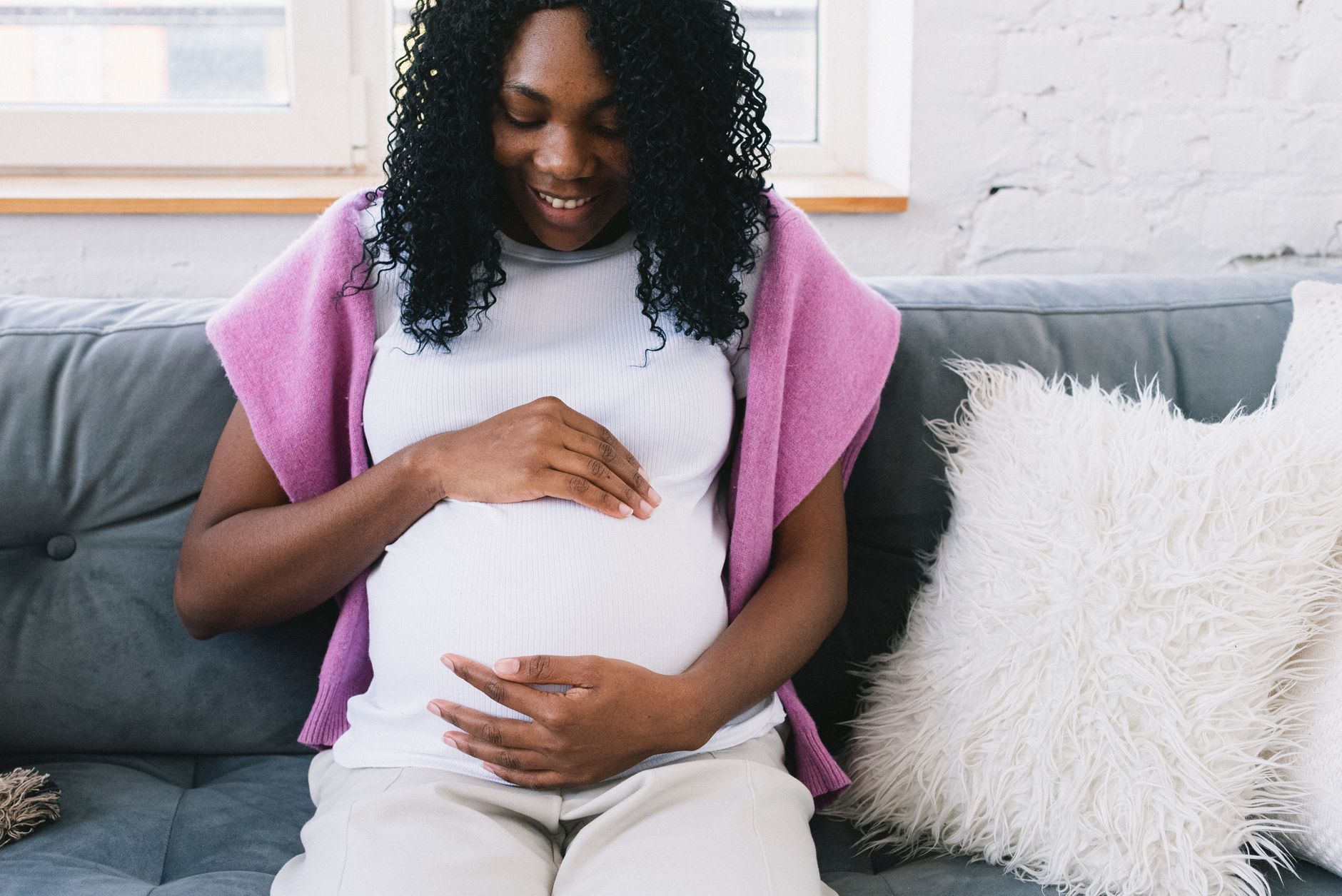
While the statistics about risks are important to understand, focusing solely on them can overshadow the many wonderful advantages of having a baby later in life. For many women, 36 is a time when they feel truly ready and equipped for motherhood, bringing a host of unique benefits.
Emotional Maturity and Readiness
One of the most frequently cited benefits is emotional maturity. By 36, you've likely navigated more life experiences, challenges, and successes. This often translates into a greater sense of self, improved coping mechanisms, and a more patient approach to parenting. You might feel more secure in your identity and less swayed by external pressures, allowing you to parent authentically and confidently. Many women tell us they feel a deeper sense of perspective and resilience, which is invaluable during the demanding early years of parenthood.
Financial Stability and Career Establishment
By your mid-thirties, you've often had time to establish your career, build financial security, and perhaps even purchase a home. This stability can reduce stress related to providing for a family, allowing you to focus more on your baby and less on financial anxieties. Having a solid career foundation can also provide more flexibility for maternity leave or adjusting work schedules, giving you more choices about how you balance work and family life.
Stronger Relationships and Support Systems
Years of life experience often mean you've cultivated a strong, supportive network of friends, family, and potentially a stable partnership. A mature relationship with a partner can provide a robust foundation for co-parenting, offering mutual support and shared responsibility. Your wider social circle may also include friends who are already parents, providing a valuable source of advice, camaraderie, and practical help.
Greater Life Experience and Worldview
Your life experiences, travels, education, and personal growth all contribute to a broader worldview. This can enrich your parenting by allowing you to approach challenges with wisdom, expose your child to diverse perspectives, and instill values based on a deeper understanding of the world. You might feel more confident in making parenting decisions that align with your values, rather than feeling overwhelmed by conflicting advice.
Increased Patience and Confidence
Parenting is a marathon, not a sprint, and it requires immense patience. Many older mothers report feeling more patient and less prone to stress over minor setbacks. This confidence often stems from having faced and overcome various life hurdles, building a self-assurance that translates into a calm and steady presence for your child.
How Does Fertility Change for Women at Age 36?
Understanding the natural changes in female fertility as you age is a crucial part of the conversation about having a baby at 36. While it's certainly possible to conceive naturally, it's also true that fertility begins to decline more noticeably in your mid-thirties.
Ovarian Reserve and Egg Quality
Women are born with all the eggs they will ever have. As you age, both the quantity (ovarian reserve) and quality of these eggs gradually decline. At 36, your ovarian reserve is lower than it was in your twenties, and a higher percentage of your remaining eggs may have chromosomal abnormalities. This is a natural biological process and is the primary reason for the increased risk of chromosomal issues and miscarriage mentioned earlier. The ACOG notes that fertility begins a more rapid decline after age 35.
Chances of Natural Conception at 36
While monthly chances of conception decrease, it doesn't mean it's impossible. On average, a healthy 36-year-old woman has about a 15-20% chance of getting pregnant each month she tries, compared to a 20-25% chance in her late twenties. For many, it simply takes a little longer. One reader described her experience: "We tried for about eight months. Each month that passed, I felt more anxious, but then it happened! It took patience, and I tracked everything, but it was worth the wait."
Fertility Treatment Options at 36
If you've been trying to conceive for six months without success at age 36, it's generally recommended to consult a fertility specialist. This is a shorter timeframe than for younger women (typically a year) due to the age-related decline in fertility. Options might include:
- Ovulation Induction: Medications like Clomid or Letrozole can help stimulate ovulation.
- Intrauterine Insemination (IUI): Sperm is directly placed into the uterus around the time of ovulation.
- In Vitro Fertilization (IVF): Eggs are retrieved, fertilized in a lab, and then the embryo(s) are transferred to the uterus. IVF success rates at 36 are still good, though they do decline with each passing year.
- Egg Freezing: If you're not ready for children but want to preserve your options, egg freezing can be considered, though it's most effective when done at a younger age.
Chances of Twins at 36
Interestingly, the chance of conceiving fraternal (non-identical) twins naturally increases with age, peaking in the late 30s before declining. This is thought to be due to higher levels of follicle-stimulating hormone (FSH) as women age, which can cause more than one egg to be released during ovulation. Fertility treatments, especially ovulation induction and IVF, also significantly increase the chances of multiple pregnancies.
What Prenatal Tests Are Recommended for Pregnancy at 36?
When you're 36 and pregnant, your healthcare provider will offer a range of prenatal tests. Some are standard for all pregnancies, while others are specifically recommended or discussed due to the "advanced maternal age" designation. These tests are designed to monitor your health and your baby's development, helping to identify any potential concerns early on.
Routine Prenatal Screenings
You'll have all the standard tests that any pregnant person would, including:
- Blood tests: To check blood type, Rh factor, iron levels, and screen for infections like rubella, hepatitis B, and syphilis.
- Urine tests: To check for urinary tract infections, protein, and glucose (which can indicate gestational diabetes).
- Blood pressure monitoring: To screen for preeclampsia.
- Ultrasounds: To confirm dating, check fetal development, and monitor growth.
Enhanced Genetic Screening and Diagnostic Tests
Because the risk of chromosomal abnormalities increases with age, you'll be offered more detailed options for genetic screening and diagnostic testing. It's crucial to understand the difference between these:
- Screening tests estimate the risk of your baby having a condition. They are non-invasive and carry no risk to the pregnancy.
- Diagnostic tests can definitively tell you if your baby has a condition. They are invasive and carry a small risk of miscarriage.
Common Screening Tests
- Non-Invasive Prenatal Testing (NIPT): This blood test, typically done after 10 weeks, analyzes fragments of fetal DNA circulating in your blood. It's highly accurate for screening for Down syndrome, Trisomy 18, and Trisomy 13, and can also determine the baby's sex. The ACOG recommends NIPT as a primary screening option for all pregnant women, particularly those with advanced maternal age.
- First Trimester Screen: Combines a blood test (for specific hormone levels) with an ultrasound to measure nuchal translucency (NT) – the fluid at the back of the baby's neck. Done between 11 and 14 weeks.
- Quad Screen (Second Trimester): A blood test done between 15 and 20 weeks that measures four markers in your blood to assess the risk of certain chromosomal conditions and neural tube defects.
Diagnostic Tests (Offered if Screenings Indicate Higher Risk or for Definitive Answers)
- Chorionic Villus Sampling (CVS): Performed between 10 and 13 weeks, this involves taking a small sample of tissue from the placenta for genetic analysis. It has a small risk of miscarriage (about 1 in 450).
- Amniocentesis: Done between 15 and 20 weeks, this procedure involves taking a small sample of amniotic fluid (which contains fetal cells) for genetic analysis. The risk of miscarriage is slightly lower than CVS (about 1 in 900).
Deciding whether to undergo these tests is a very personal choice. Your provider will discuss the pros and cons of each, helping you understand the information they can provide and what the results might mean for your pregnancy and family planning. It's important to weigh your comfort with uncertainty against your desire for definitive answers.
What to Expect During Labor and Delivery at 36?
Labor and delivery are unique for every person, regardless of age. However, when you're 36, there are a few general trends and considerations that you and your healthcare team might keep in mind. The most important thing is to have open conversations with your OB/GYN or midwife about your birth plan and any concerns you have.
Potential for Longer Labor
While not universally true, some studies suggest that first-time mothers over 35 may experience slightly longer labors. This is often due to factors like the elasticity of tissues and the strength of uterine contractions, which can change with age. Patience and good support from your birth team become even more valuable.
Increased Likelihood of Interventions
Due to the slightly elevated risks associated with advanced maternal age, your medical team might be more inclined to recommend certain interventions, such as induction of labor or continuous fetal monitoring. This is often done out of an abundance of caution to ensure the well-being of both mother and baby. It's okay to ask questions about why an intervention is being suggested and to discuss your preferences.
Higher C-section Rates
As mentioned in the risks section, C-section rates are generally higher for women over 35. This can be due to a variety of reasons, including a longer labor that isn't progressing, the baby's position, or other pregnancy complications like preeclampsia or gestational diabetes. It's wise to educate yourself about C-sections, even if you're hoping for a vaginal birth, so you feel prepared for any eventuality. Your provider will discuss the reasons for a C-section if it becomes necessary.
Vaginal Birth After C-section (VBAC) Considerations
If you've had a previous C-section and are hoping for a VBAC, your age might be one factor your provider considers when assessing your suitability. While VBAC can be a safe option for many, individual circumstances and risk profiles are carefully evaluated.
Pain Management Options
Regardless of age, you'll have access to various pain management options during labor, from breathing techniques and massage to epidurals and other medications. Discuss your preferences with your provider and birth partner beforehand to ensure your wishes are understood.
Remember, while these trends exist, many women at 36 have straightforward vaginal births. Preparing for labor involves educating yourself, attending prenatal classes, staying active (if cleared by your doctor), and creating a strong support system. Focus on what you can control: your mindset, your preparation, and your communication with your care team.

What Are the Postpartum Recovery Challenges at 36?
The postpartum period is a unique and often challenging time for all new mothers, regardless of age. However, when you're 36, you might experience some specific nuances in your recovery, both physically and emotionally. It's vital to be prepared and to prioritize your healing and well-being during this demanding phase.
Physical Recovery: A Bit More Time
Your body has just undergone a monumental event, and healing takes time. Some women at 36 report that physical recovery feels a bit slower than it might have in their twenties. This can include healing from a vaginal tear or episiotomy, recovering from a C-section incision, and managing common postpartum discomforts like uterine contractions, soreness, and fatigue. Pelvic floor recovery is also crucial; consider consulting a pelvic floor physical therapist, especially if you experience issues like incontinence or prolapse, as these can be more prevalent with age.
Managing Sleep Deprivation
Sleep deprivation is a universal new-parent experience, but at 36, you might find your body struggles a bit more to bounce back from broken sleep. Prioritizing rest whenever possible – "sleep when the baby sleeps" is not just a cliché – becomes essential. Don't hesitate to ask for help with night feeds or other tasks to maximize your sleep opportunities. Many older parents find they have a greater appreciation for the importance of sleep and are more proactive in seeking solutions.
Hormonal Shifts and Emotional Well-being
The dramatic drop in pregnancy hormones after birth can trigger significant emotional shifts, from the "baby blues" to more serious conditions like postpartum depression (PPD) or anxiety (PPA). While these can affect anyone, older mothers might face unique emotional challenges. You might feel the pressure to "have it all together" or grapple with identity shifts after years of independence and career focus. One reader shared, "I felt like I should be handling everything better because I was older and more experienced, but the exhaustion and emotional swings hit me harder than I expected. Reaching out for help was the best thing I did."
Building a Strong Support System
Having a robust support system is non-negotiable. This means not just your partner, but also friends, family, and perhaps a postpartum doula. Don't be afraid to delegate tasks, accept help with meals, cleaning, or childcare for older children. Many women at 36 have well-established networks they can lean on, which is a significant advantage. The American Psychological Association (APA) emphasizes the importance of social support in mitigating postpartum mental health challenges.
Financial Planning for Baby at 36
While often more financially stable, planning for a new baby still involves significant adjustments. At 36, you might be thinking about college savings, retirement, and potentially caring for aging parents simultaneously. Reviewing your budget, updating insurance, and exploring childcare options well in advance can alleviate financial stress during the postpartum period.
Is 36 Too Old to Have a First Baby?
The short answer is: absolutely not. While the term "advanced maternal age" might make you question your decision, 36 is far from "too old" to embark on motherhood, especially for a first baby. In fact, the average age of first-time mothers has been steadily rising in many developed countries, with more women choosing to delay childbearing until their thirties and even forties.
Challenging Societal Perceptions
Societal norms and expectations about when to have children can be powerful, but they are also evolving. Historically, women were expected to have children younger. Today, women have more educational and career opportunities, leading many to prioritize these before starting a family. This shift means that women becoming mothers in their mid-thirties are increasingly common and well-supported.
Personal Readiness vs. Biological Clock
For many women, 36 represents a sweet spot where personal readiness aligns with biological possibility. You might feel more emotionally mature, have a stronger sense of self, and be more financially stable – all factors that contribute to a positive parenting experience. While the biological clock is a real factor, it doesn't suddenly stop ticking at 35 or 36. Many women conceive naturally and have healthy pregnancies well into their late thirties and early forties.
Focus on Your Individual Health
Instead of fixating on a number, focus on your individual health and circumstances. A healthy 36-year-old with a supportive partner and a good lifestyle may have a much smoother pregnancy journey than a younger woman with significant health challenges or high stress. Your overall well-being and proactive healthcare are far more influential than the number on your birth certificate alone.
Ultimately, the "right" age to have a baby is deeply personal. If you feel ready, stable, and committed to parenthood, and your healthcare provider confirms you are in good health, then 36 is a perfectly valid and often wonderful age to become a mother.
What Are the Chances of Getting Pregnant at 36 Naturally?
Understanding the probabilities of natural conception at age 36 can help manage expectations and inform your family planning decisions. While fertility does decline, many women successfully conceive naturally in their mid-thirties.
Monthly Odds of Conception
For a healthy 36-year-old woman, the average chance of conceiving naturally in any given menstrual cycle is typically estimated to be around 15-20%. This is a decrease from the peak fertility years (early to mid-twenties) when the monthly chance can be as high as 20-25%. This means it might take a few more months of trying compared to someone younger, but it's far from impossible.
Cumulative Chances Over a Year
While monthly odds are lower, the cumulative chance of getting pregnant over a year of trying is still significant. For a 36-year-old, the cumulative probability of conception within 12 months can be around 60-70%. This figure assumes regular unprotected intercourse and no underlying fertility issues in either partner. This is why many experts recommend trying for six months at this age before seeking fertility assistance, as opposed to a full year for younger women, to allow for more proactive intervention if needed.
Impact of Lifestyle Factors
Your lifestyle plays a crucial role in maximizing your chances of natural conception. Factors like maintaining a healthy weight, eating a balanced diet, regular moderate exercise, avoiding smoking and excessive alcohol, and managing stress can all positively influence your fertility. Conversely, an unhealthy lifestyle can further reduce your chances, regardless of age. Ensuring your partner also maintains a healthy lifestyle is important, as male fertility can also be affected by age and lifestyle choices.
When to Seek Help from a Fertility Specialist
The American College of Obstetricians and Gynecologists (ACOG) recommends that women aged 35 and older who have been trying to conceive for six months without success should consult a fertility specialist. This proactive approach allows for earlier identification and treatment of any potential underlying fertility issues, which can be more time-sensitive with advancing maternal age.
Don't let statistics define your personal journey. While the numbers provide a general overview, many individual factors contribute to fertility. Focus on optimizing your health and seeking timely professional advice if you have concerns.
Tips for a Healthy Pregnancy When You're 36
Having a healthy pregnancy at 36 is largely about proactive care and making informed lifestyle choices. Many of the recommendations are universal for all pregnancies, but they become even more important when you're in the "advanced maternal age" category. Here’s how you can set yourself up for the best possible outcome.
Prioritize Preconception Health
If you're planning to conceive, start with a preconception check-up. Your doctor can assess your overall health, address any pre-existing conditions (like high blood pressure or diabetes), and ensure you're up-to-date on vaccinations. Start taking a prenatal vitamin with at least 400 mcg of folic acid at least one month before trying to conceive to prevent neural tube defects, as recommended by the CDC.
Maintain a Balanced and Nutritious Diet
Focus on a diet rich in whole foods: plenty of fruits, vegetables, lean proteins, and whole grains. Limit processed foods, excessive sugar, and unhealthy fats. Key nutrients include iron (to prevent anemia), calcium (for bone health), and omega-3 fatty acids (for fetal brain development). If you have gestational diabetes, a diet plan tailored by a registered dietitian will be crucial.
Stay Active with Moderate Exercise
Unless advised otherwise by your doctor, aim for at least 30 minutes of moderate-intensity exercise most days of the week. Activities like walking, swimming, prenatal yoga, and cycling on a stationary bike are excellent choices. Exercise helps manage weight gain, improves mood, reduces back pain, and can prepare your body for labor. Always listen to your body and adapt your routine as your pregnancy progresses.
Manage Stress and Prioritize Sleep
Pregnancy can be stressful, and stress management is particularly important at 36. Practice relaxation techniques like meditation, deep breathing exercises, or gentle stretching. Ensure you're getting 7-9 hours of quality sleep each night. Create a relaxing bedtime routine, limit screen time before bed, and make your bedroom a calm sanctuary. "I found that even 10 minutes of quiet meditation before bed made a huge difference in my sleep quality," shared one expectant mom.
Avoid Harmful Substances
This is non-negotiable for all pregnancies. Completely avoid alcohol, tobacco products, and illicit drugs. Discuss any prescription or over-the-counter medications with your doctor to ensure they are safe for pregnancy. Limit caffeine intake to 200 mg per day (about one 12-ounce cup of coffee).
Attend All Prenatal Appointments
Regular and consistent prenatal care is your best tool for a healthy pregnancy. Attend all scheduled appointments, undergo recommended screenings and tests, and don't hesitate to ask questions or voice any concerns. Your healthcare team is there to support you and monitor your and your baby's health closely.
Myth vs. Fact: Pregnancy at 36
There are many misconceptions floating around about pregnancy later in life. Let's clear up some common ones.
Myth: All pregnancies at 36 are automatically high-risk and will require a C-section.
Fact: While the risk of certain complications and C-sections is statistically higher at 36, it doesn't mean your pregnancy will automatically be "high-risk" or that a C-section is inevitable. Many women at 36 have healthy pregnancies and vaginal deliveries. The term "advanced maternal age" simply cues your doctor to monitor you more closely and offer additional screenings, not to label your pregnancy as inherently problematic.
Myth: You will definitely need fertility treatments to get pregnant at 36.
Fact: Many women at 36 conceive naturally. While fertility does decline and it might take a bit longer, it's very common to get pregnant without intervention. Fertility treatments are an option if you've been trying for six months without success, but they are not a universal requirement.
Myth: Older mothers are too tired to keep up with young children.
Fact: Energy levels vary greatly among individuals, regardless of age. While sleep deprivation is challenging for everyone, older mothers often bring a different kind of energy to parenting — one rooted in patience, wisdom, and a strong desire to savor every moment. Many find that their life experience helps them manage the demands of parenthood with greater calm and focus.
Key Takeaways
- Having a baby at 36 is increasingly common and brings unique benefits like emotional maturity and financial stability.
- While some medical risks (like gestational diabetes, preeclampsia, and chromosomal abnormalities) are slightly higher, proactive prenatal care can effectively manage them.
- Fertility naturally declines after 35, meaning it might take longer to conceive, but many women get pregnant naturally.
- Enhanced prenatal screenings, such as NIPT, are recommended to monitor for age-related risks, but diagnostic tests are optional.
- Labor and delivery at 36 might involve a slightly higher chance of interventions or C-sections, but many experience vaginal births.
- Prioritize self-care, sleep, and a strong support system for postpartum recovery, which might feel a bit slower.
- Focus on a healthy lifestyle, including nutrition, exercise, and stress management, to support a healthy pregnancy.
Frequently Asked Questions About Having a Baby at 36
Is 36 a good age to have a baby?
Yes, 36 can be an excellent age to have a baby for many women. While there are some increased medical considerations, many women at this age benefit from greater emotional maturity, financial stability, and established support systems, which can contribute to a confident and fulfilling parenting experience. Personal readiness and overall health are often more significant factors than age alone.
What are the chances of getting pregnant at 36?
The monthly chance of natural conception at 36 is typically around 15-20% for a healthy woman. Over a year of trying, the cumulative chance can be 60-70%. While fertility naturally declines with age, many women successfully conceive naturally. If you've been trying for six months without success, it's recommended to consult a fertility specialist.
Is 36 considered a high-risk pregnancy?
At 36, your pregnancy is often categorized as "advanced maternal age," which means your healthcare provider will recommend closer monitoring and offer additional screenings. This designation is a clinical flag, not an automatic judgment of "high-risk." Many women at 36 have healthy, low-complication pregnancies, but the statistical probabilities of certain conditions are slightly elevated.
What are the risks of having a baby at 36?
Risks slightly increase at 36 for conditions like gestational diabetes, preeclampsia, preterm birth, and C-sections. The risk of chromosomal abnormalities, such as Down syndrome, also rises. However, these are probabilities, not certainties, and proactive prenatal care helps manage and mitigate these risks effectively.
How long does it take to get pregnant at 36?
On average, it might take a healthy 36-year-old woman a few more months to conceive compared to someone in their twenties. While some may get pregnant quickly, it's common for it to take 6-12 months. If you've been trying for six months without success, it's generally advised to seek advice from a fertility specialist due to the age-related decline in fertility.
What are the benefits of having a baby later in life?
Having a baby later in life, such as at 36, often comes with significant benefits, including increased emotional maturity, greater financial stability, a more established career, and a stronger, more stable partnership. These factors can lead to a more patient, confident, and well-resourced approach to parenting.
When to See a Doctor or Specialist
Throughout your pregnancy journey at 36, maintaining open communication with your healthcare provider is paramount. Here are specific situations when you should contact your doctor or specialist:
- Before Conception: If you are 36 and planning to conceive, schedule a preconception check-up to discuss your health, any pre-existing conditions, and to start prenatal vitamins. If you've been trying to conceive for six months without success, consult a fertility specialist.
- During Pregnancy:
- Any vaginal bleeding or severe abdominal pain.
- Sudden swelling in your hands, face, or ankles, or a severe headache, which could be signs of preeclampsia.
- Changes in fetal movement (e.g., a significant decrease).
- Signs of infection, such as fever, chills, or painful urination.
- Any concerns about your mental health, including persistent sadness, anxiety, or feelings of being overwhelmed.
- If you have chronic conditions (e.g., diabetes, hypertension), report any unusual symptoms or difficulty managing your condition.
- Postpartum:
- Heavy vaginal bleeding (soaking more than one pad an hour) or passing large clots.
- Fever (over 100.4°F or 38°C).
- Severe pain that isn't relieved by medication, especially in your abdomen or chest.
- Red, swollen, or painful breasts (could indicate mastitis).
- Symptoms of postpartum depression or anxiety that last longer than two weeks or interfere with your daily life.
This article is intended for informational purposes only and does not constitute medical advice. Always consult with a qualified healthcare professional for personalized medical advice, diagnosis, or treatment.
References
- American College of Obstetricians and Gynecologists (ACOG). Screening for Fetal Chromosomal Abnormalities.
- American College of Obstetricians and Gynecologists (ACOG). Infertility: Evaluation and Treatment.
- American Psychological Association (APA). Postpartum Depression.
- Centers for Disease Control and Prevention (CDC). Gestational Diabetes.
- Centers for Disease Control and Prevention (CDC). Folic Acid.
- Mayo Clinic. Pregnancy after 35: Healthy pregnancies, healthy babies.