Fertility naturally declines after the mid‑20s, but at 32 the odds of conceiving each cycle remain robust. The Society for Assisted Reproductive Technology (SART) reports a monthly conception probability of about 20‑25 % for healthy, non‑smoking women aged 30‑34. That translates to roughly a 70‑80 % chance of achieving pregnancy within a year of regular, unprotected intercourse.
Factors that influence individual chances include:
- Ovulatory health: regular 28‑day cycles suggest good ovulation.
- Partner’s sperm quality: a simple semen analysis can rule out male factor issues.
- Body mass index (BMI): a BMI between 18.5‑24.9 is associated with optimal fertility (Harvard T.H. Chan School of Public Health).
- Lifestyle: smoking, excessive alcohol, and high stress can lower odds.
If you’ve been trying for six months without success, or a year if you’re over 35, consider a fertility evaluation. Early assessment can uncover treatable conditions such as polycystic ovary syndrome (PCOS) or thyroid imbalances.
It’s also worth noting that many women in their early 30s benefit from a slightly longer follicular phase, which can make timing intercourse a bit more forgiving. Using ovulation predictor kits or tracking basal body temperature can help you identify your most fertile days without adding stress.
How to prepare for pregnancy at 32
Preparing for pregnancy is a blend of physical readiness, emotional grounding, and logistical planning. Here’s a step‑by‑step roadmap you can start today.
Preconception health check
- Schedule a visit with your OB‑GYN or midwife for a comprehensive preconception exam.
- Ask for a baseline panel: CBC, thyroid‑stimulating hormone (TSH), rubella immunity, and a sexually transmitted infection (STI) screen.
- Update vaccinations if needed (flu, Tdap, COVID‑19).
- Discuss any chronic conditions (e.g., hypertension) and adjust medications under medical guidance.
During this visit, your provider may also screen for vitamin D levels, especially if you live in higher latitudes or have limited sun exposure. Low vitamin D has been linked to both fertility challenges and increased risk of pre‑eclampsia later in pregnancy (National Institutes of Health).
Lifestyle tweaks
- Aim for 150 minutes of moderate‑intensity aerobic activity per week (CDC).
- Swap sugary drinks for water or herbal tea; limit caffeine to <200 mg/day.
- Prioritize sleep: 7‑9 hours nightly supports hormone balance.
- Eliminate smoking and reduce alcohol to ≤1 standard drink per week.
Adding a daily multivitamin that includes iodine can also support thyroid function, which is critical for both fertility and fetal brain development (American Thyroid Association).
Financial and career prep
We’ll dive deeper into money matters below, but start by checking your employer’s parental leave policies and reviewing any flexible‑work options.
Financial planning for a baby when you're 32
Money worries are a common source of anxiety for new parents, especially when you’re balancing a growing career. A 2024 ACOG survey found that 68 % of women aged 30‑34 cite financial readiness as a top factor in deciding when to have children.
Budgeting basics
- Estimate out‑of‑pocket costs: prenatal visits (~$2,000‑$4,000), delivery (~$5,000‑$10,000 depending on insurance), and infant supplies (diapers, clothing, gear).
- Set aside an emergency fund covering 3‑6 months of living expenses.
- Consider a Health Savings Account (HSA) if you have a high‑deductible plan; contributions are tax‑free and can be used for qualified medical expenses.
Don’t forget to factor in the cost of childcare if you plan to return to work within the first year. The average U.S. childcare expense for a full‑time infant is roughly $12,000 per year (Child Care Aware of America). In the UK, while the NHS covers maternity care, childcare fees can still be a major line item.
Insurance coverage
Most U.S. private insurers follow the Affordable Care Act’s requirement to cover prenatal care without cost‑sharing. In the UK, the NHS provides comprehensive maternity services at no charge. Still, verify your plan’s details for potential gaps, such as certain prenatal vitamins or lactation consulting.
Career impact
Many employers offer 12‑week paid parental leave, but the length and pay can vary. Ask HR about:
- Flexible work arrangements (remote days, reduced hours).
- Short‑term disability benefits that cover part of your salary during maternity leave.
- Opportunities for a “return‑to‑work” plan that eases the transition.
Understanding these options early can reduce stress and allow you to negotiate a plan that aligns with both your professional goals and family needs.
What prenatal tests are recommended for a 32‑year‑old mother?
Screening recommendations for a 32‑year‑old align with standard guidelines but may include additional options to address the modestly increased risk of chromosomal abnormalities.
First‑trimester screenings (10‑13 weeks)
- Nuchal translucency ultrasound combined with serum markers (PAPP‑A, ß‑hCG) to calculate risk for Down syndrome and trisomy 18.
- Optional cell‑free DNA (cfDNA) testing (non‑invasive prenatal testing, NIPT) – especially useful for women over 35, but many providers offer it at 32 for added reassurance.
Second‑trimester anatomy scan (18‑22 weeks)
Standard detailed ultrasound to evaluate fetal anatomy, placental position, and growth parameters.
Third‑trimester assessments
- Glucose tolerance test (24‑28 weeks) for gestational diabetes.
- Blood pressure monitoring and proteinuria check for pre‑eclampsia.
- Optional growth ultrasounds if there’s a concern about fetal size.
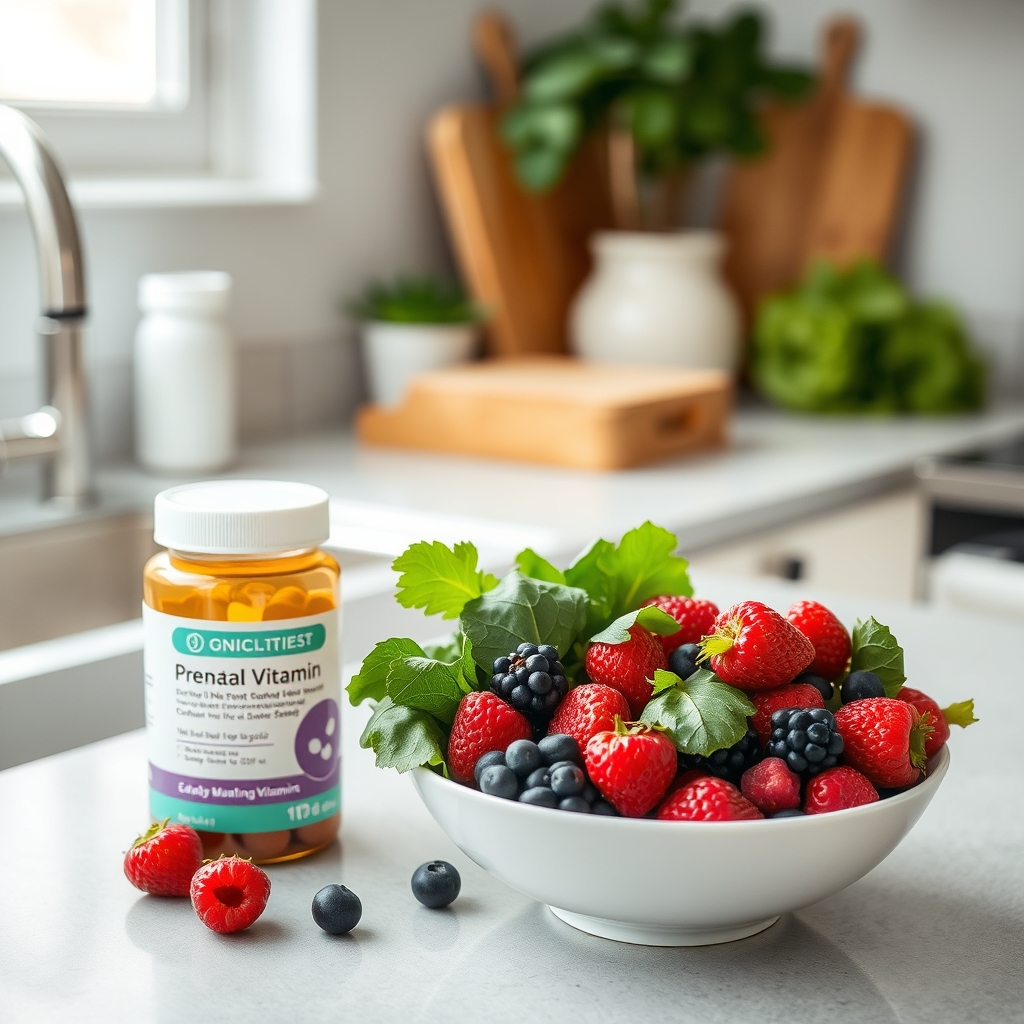
Best prenatal vitamins for 32‑year‑old pregnant women
Some clinicians also recommend a low‑dose aspirin (81 mg) after 12 weeks for women at higher risk of pre‑eclampsia, based on ACOG guidelines (2023). Discuss this with your provider before starting.
How does age 32 affect labor and delivery options?
Age itself does not dictate delivery method, but the slight rise in certain risks can influence the conversation with your provider.
Treatment options comparison
Most 32‑year‑old mothers deliver vaginally, with a C‑section rate only modestly higher than younger cohorts. Discuss your preferences early, and keep an eye on any pregnancy‑related complications that might shift the plan.
Another factor to consider is the availability of midwife‑led birthing centers, which often promote low‑intervention births and can be a good fit for healthy 32‑year‑old mothers who desire a more natural experience. These centers typically have protocols for rapid transfer to a hospital if complications arise, offering a safety net while preserving the birthing environment you prefer.
Diet and lifestyle tips for a healthy pregnancy at 32
Nutrition fuels both your body and your growing baby. At 32, you’re likely past the “quick weight‑gain” phase of early 20s, so focusing on nutrient density is key.
Food groups to prioritize
- Protein: lean meats, poultry, fish (low‑mercury), legumes, and tofu. Aim for 70‑100 g per day.
- Calcium‑rich foods: low‑fat dairy, fortified plant milks, leafy greens. Needed for fetal bone development.
- Fiber: whole grains, fruits, and veggies to prevent constipation.
- Folate‑rich foods: spinach, avocado, citrus fruits; complements prenatal folic acid.
- Healthy fats: nuts, seeds, olive oil, fatty fish for DHA.
In addition to macronutrients, consider micronutrients like iodine (found in seaweed and dairy) and choline (eggs, soy) that support brain development. A well‑rounded diet can reduce the need for supplementation beyond the standard prenatal vitamin.
Lifestyle habits
- Stay active: walking, prenatal yoga, or swimming—avoid high‑impact sports that risk abdominal trauma.
- Hydrate: at least 2.5 L of water daily.
- Limit added sugars and processed snacks; they can spike blood glucose and contribute to excess weight gain.
- Mindful stress reduction: 10‑minute daily breathing exercises (4‑7‑8 pattern) or guided meditation.
Natural remedies with evidence
- Ginger (1 g/day) can reduce nausea; supported by a 2022 systematic review in the Journal of Obstetrics & Gynecology.
- Vitamin B6 (25 mg) helps with morning sickness, per the American College of Obstetricians and Gynecologists.
- Pregnancy-safe probiotics may lower the risk of gestational diabetes, according to a 2021 meta‑analysis (International Journal of Probiotics).
Always discuss any herbal or supplement use with your provider, as some can interact with prescribed medications or affect blood clotting.
What to expect during the second trimester at age 32
The second trimester (weeks 13‑27) is often called the “golden period.” Many women feel a surge of energy and notice the first baby movements.
Physical changes
- Uterine growth: by week 20, the uterus reaches the belly button.
- Weight gain: recommended 0.5‑2 lb per week, totaling about 12‑20 lb for the whole pregnancy.
- Common symptoms: mild swelling, leg cramps, and increased appetite.
Medical milestones
- Mid‑trimester anatomy scan (18‑22 weeks) to assess fetal organs.
- Glucose tolerance test (24‑28 weeks) for gestational diabetes screening.
- Routine blood pressure checks and urine protein tests for pre‑eclampsia.
Emotional landscape
Many women report a “baby‑bounce” feeling of connection, but anxiety about the upcoming birth can also surface. Journaling or joining a prenatal support group can help process these emotions.
It’s also a good time to revisit your birth plan. If you haven’t already, consider attending a hospital tour or a virtual childbirth class to become familiar with the environment and ask specific questions about pain‑relief options.
Average age of first‑time mothers in 2026
According to the U.S. Centers for Disease Control and Prevention (CDC) 2025 report, the average age of first‑time mothers in the United States rose to 27.8 years, while in the United Kingdom it stood at 29.5 years (ONS). At 32, you’re slightly older than the national average, but well within the typical child‑bearing window.
Globally, many high‑income countries have seen a gradual shift toward later parenthood, driven by education, career goals, and access to assisted reproductive technologies. This trend underscores the importance of early preconception planning, especially for women who may be considering fertility preservation or egg‑freezing options.
Baby due date calculator for a 32‑year‑old
Pregnancy length doesn’t change with maternal age. Use the standard Naegele’s rule: add 280 days (40 weeks) to the first day of your last menstrual period (LMP). For example, if your LMP was March 1, 2026, your estimated due date is December 6, 2026. Online calculators often ask for LMP or conception date; they’ll give the same result.
If you have irregular cycles, an early ultrasound can provide a more accurate dating estimate. Most providers will perform a dating scan between 8‑12 weeks precisely to set your gestational age.
How many weeks pregnant at 32 years old?
“Weeks pregnant” refers to gestational age, not maternal age. A 32‑year‑old can be anywhere from 0 to 40 weeks pregnant. The term simply tracks fetal development. Always confirm gestational age with your provider, especially if your menstrual cycles are irregular.
Because the timing of ovulation can vary, many women use home ovulation kits or fertility tracking apps to pinpoint conception. This data can be valuable when you later discuss prenatal testing windows with your care team.
Postpartum recovery tips for women in early 30s
The postpartum period (the first six weeks after birth) is a time of physical healing and emotional adjustment.
Physical recovery
- Gentle pelvic floor exercises (Kegels) start as soon as you feel comfortable.
- Ice packs on perineal stitches reduce swelling.
- Stay hydrated and maintain a protein‑rich diet to support tissue repair.
Mental health
About 1 in 7 new mothers experiences postpartum depression, regardless of age (National Institute of Mental Health). Keep an eye on persistent sadness, loss of interest, or anxiety that interferes with daily life. Reach out to a therapist or your OB‑GYN early—treatment is most effective when started promptly.
Returning to work
Plan a gradual transition: start with a few hours a day, and enlist a trusted caregiver for childcare. Flexibility can reduce stress and improve breastfeeding continuation, if you choose to breastfeed.
Don’t underestimate the power of social support. Even a short weekly check‑in with a friend who has kids or a virtual mom‑group can provide reassurance and practical tips during those hectic first months.
Creating a supportive home environment for a 32‑year‑old parent
Preparing your home for a new baby can feel overwhelming, especially when you’re also managing a career. Break the task into three zones: sleep, feeding, and safety.
- Sleep zone: Invest in a firm crib mattress, blackout curtains, and a white‑noise machine. A consistent sleep environment helps both baby and parent maintain circadian rhythms.
- Feeding zone: Set up a designated nursing or bottle‑feeding station with a comfortable chair, a side table for water and snacks, and a portable breast‑pump if you plan to express milk.
- Safety zone: Install outlet covers, secure heavy furniture to the wall, and keep small objects out of reach. The NHS recommends a home safety checklist before the baby arrives.
Involve your partner or a close family member in the setup process. When they help arrange the nursery, you’ll both feel more confident and less isolated. A tidy, well‑planned space can also reduce the mental load of “everything I need is right there.”

Exercise and fitness guidelines for a healthy pregnancy at 32
Staying active during pregnancy supports cardiovascular health, mood, and labor stamina. The CDC recommends at least 150 minutes of moderate‑intensity aerobic activity per week for pregnant women without contraindications.
Safe activities
- Walking or light jogging on even surfaces.
- Prenatal yoga, which improves flexibility and teaches breathing techniques useful in labor.
- Swimming or water aerobics—water buoyancy reduces joint stress.
- Strength training with light weights or resistance bands, focusing on core stability and pelvic floor strength.
Avoid high‑impact sports, contact activities, or exercises that require lying flat on your back after the first trimester, as these can compromise blood flow to the uterus (American College of Obstetricians and Gynecologists).
Sample weekly routine
- Monday: 30‑minute brisk walk + 15‑minute prenatal yoga.
- Tuesday: Rest or gentle stretching.
- Wednesday: 30‑minute swimming session.
- Thursday: Light resistance‑band strength training (20 minutes).
- Friday: 30‑minute walk + breathing practice.
- Saturday: Family stroll or low‑key activity.
- Sunday: Rest and mindfulness meditation.
Listen to your body. If you experience dizziness, shortness of breath, or uterine contractions, stop and rest. Always discuss new exercise plans with your provider, especially if you have a history of pre‑eclampsia or other complications.
Myth vs. fact
Myth: Women over 30 cannot conceive naturally.
Fact: Fertility remains high at 32, with a 20‑25 % chance of conception each month for healthy couples.
Myth: All pregnancies after 30 require a C‑section.
Fact: Mode of delivery is determined by obstetric indications, not age alone; most 32‑year‑old mothers deliver vaginally.
Myth: Prenatal vitamins are optional if you eat well.
Fact: Folic acid supplementation (400‑800 µg) is essential to prevent neural‑tube defects, even with a nutrient‑dense diet (CDC).
Key takeaways
- Having a baby at 32 is generally safe, with only modest increases in certain risks.
- Fertility at 32 remains strong—about a 70‑80 % chance of pregnancy within a year.
- Start with a preconception health check and a balanced diet rich in protein, calcium, and folate.
- Plan financially: budget for medical costs, build an emergency fund, and understand your insurance coverage.
- Standard prenatal screenings apply, with optional cfDNA testing for added peace of mind.
- Most delivery options remain open; discuss preferences early with your provider.
- Postpartum recovery includes physical care, mental‑health monitoring, and a gradual return to work.
- Prepare your home and stay active to support a smoother pregnancy and transition to parenthood.
Frequently asked questions
Is it safe to have a baby at 32?
Yes. For most women, pregnancy at 32 carries only a slightly higher risk of gestational diabetes, hypertension, and chromosomal abnormalities compared with younger ages. With proper prenatal care and a healthy lifestyle, outcomes are excellent for both mother and baby.
What are the chances of getting pregnant at 32?
Healthy couples have a 20‑25 % chance of conceiving each menstrual cycle, leading to a 70‑80 % likelihood of pregnancy within a year. If you’ve been trying for six months without success, consider a fertility evaluation.
How does age affect fertility for women in their early 30s?
Fertility begins a gentle decline after the mid‑20s, but at 32 the drop is modest. Egg quality and quantity are still relatively high, though the risk of miscarriage rises gradually. Lifestyle factors (BMI, smoking, stress) have a larger impact than age alone.
What prenatal screenings are recommended for a 32‑year‑old mother?
Standard first‑trimester ultrasounds, combined serum marker screening, and optional cell‑free DNA testing are advised. A detailed anatomy scan at 18‑22 weeks, glucose tolerance test at 24‑28 weeks, and routine blood pressure checks round out the recommended care.
Can a 32‑year‑old woman have a natural delivery?
Absolutely. Age does not preclude a vaginal birth. Most women aged 30‑34 deliver vaginally unless a medical indication (e.g., placenta previa) necessitates a C‑section.
What lifestyle changes should I make before getting pregnant at 32?
Start with a preconception exam, adopt a balanced diet rich in folate and iron, maintain regular moderate exercise, quit smoking, limit alcohol, and ensure adequate sleep. Managing stress through mindfulness or prenatal yoga also supports fertility and pregnancy health.
How can I create a calming sleep environment for my newborn?
Use a firm crib mattress, blackout curtains, and a white‑noise machine. Keep the room temperature between 68‑72 °F (20‑22 °C) and establish a consistent bedtime routine—reading a short story, dimming lights, and a gentle lullaby—all of which signal to the baby that sleep is coming.
When should I consider professional help for postpartum mood changes?
If feelings of sadness, anxiety, or irritability persist beyond two weeks, intensify, or interfere with daily functioning, reach out to a mental‑health professional or your OB‑GYN. Early intervention is linked to faster recovery and better bonding with your baby (National Institute of Mental Health).
When to see a doctor / specialist
If you notice any of the following red‑flag symptoms, contact your OB‑GYN or go to the nearest emergency department immediately:
- Severe abdominal pain or cramping that doesn’t improve with rest.
- Heavy vaginal bleeding (soaking a pad in under an hour) after the first trimester.
- Sudden swelling of hands, face, or feet, especially if accompanied by headaches.
- Persistent high blood pressure (≥140/90 mmHg) after 20 weeks gestation.
- Fever above 100.4 °F (38 °C) with chills, indicating possible infection.
These signs may indicate conditions such as ectopic pregnancy, placental abruption, pre‑eclampsia, or infection—situations where timely medical intervention can protect both you and your baby.
This article provides general information and should not replace personalized medical advice. Always discuss your individual health situation with a qualified healthcare professional.
References
- American College of Obstetricians and Gynecologists (ACOG). “Birth‑to‑Birth: ACOG Practice Bulletin.” 2023.
- Centers for Disease Control and Prevention (CDC). “National Center for Health Statistics: Birth Data.” 2025.
- American Heart Association (AHA). “Hypertension in Pregnancy.” 2022.
- Society for Assisted Reproductive Technology (SART). “Success Rates for IVF.” 2024.
- Harvard T.H. Chan School of Public Health. “Nutrition During Pregnancy.” 2023.
- National Institute of Mental Health (NIMH). “Postpartum Depression.” 2022.
- Office for National Statistics (ONS). “Fertility and Birth Statistics, UK.” 2025.
- World Health Organization (WHO). “Recommendations on Antenatal Care for a Positive Pregnancy Experience.” 2022.
- International Journal of Probiotics. “Probiotics for Gestational Diabetes Prevention.” 2021.
- Journal of Obstetrics & Gynecology. “Ginger for Nausea in Pregnancy: Systematic Review.” 2022.
- American Thyroid Association. “Guidelines for the Diagnosis and Management of Thyroid Disease During Pregnancy.” 2023.
- National Institutes of Health (NIH). “Vitamin D and Pregnancy Outcomes.” 2021.
- National Health Service (NHS). “Home Safety Checklist for New Babies.” 2024.
- Food and Drug Administration (FDA). “Pregnancy and Lactation Labeling Rule (PLLR) – Guidance for Industry.” 2022.