Quick take: Having a baby at 30 is a common and generally healthy choice. Fertility is still high, pregnancy risks are modestly higher than in the early‑twenties but lower than after 35, and most insurers cover standard prenatal care in 2026. Plan your finances, talk to your provider early, and give yourself permission to balance work, wellness, and a growing family.
When you glance at the baby shower invitation you just drafted, a swirl of excitement and a pinch of anxiety can feel like a full‑blown storm. You might wonder whether your 30‑year‑old body is “ready,” how much it will cost, and whether you can keep climbing the career ladder while nurturing a new life. You’re not alone—many women in their thirties face the same mix of hope and questions.
In this guide we’ll walk through the science of fertility at 30, the medical landscape of pregnancy, nutrition, finances, career planning, and the lifestyle tweaks that can make the journey smoother. By the end you’ll have a clear roadmap for having a baby at 30 and the confidence to take each step.
Let’s start with the numbers that matter most: your chances of conceiving, the timeline you might expect, and the medical support you can tap into.

What are the fertility chances for a 30‑year‑old woman?
At age 30, the average monthly chance of natural conception is roughly 20–22 % per cycle, according to the American Society for Reproductive Medicine (ASRM). That translates to about an 85 % chance of becoming pregnant within a year if you’re having regular, unprotected intercourse. While fertility begins to decline after the late twenties, the drop is gradual; most women still have a robust ovarian reserve at 30.
How long does it take to get pregnant at 30?
For many couples, a successful pregnancy occurs within three to six months of trying. If you haven’t conceived after 12 months, ASRM recommends an evaluation. In practice, 30‑year‑old women who seek care after six months often find treatable factors—such as mild male factor infertility or subtle ovulatory issues—that can be addressed with low‑cost interventions like timed intercourse or ovulation‑triggering medication.
Best fertility doctors for women in their 30s
When you decide to see a specialist, look for a reproductive endocrinologist (RE) who lists experience with “young adult” patients. In the United States, the Society for Assisted Reproductive Technology (SART) provides a searchable directory. In the United Kingdom, the Human Fertilisation & Embryology Authority (HFEA) offers a similar list. Choose a clinic with a success rate for women under 35 that matches or exceeds the national average (≈ 55 % live‑birth rate per embryo transfer for this age group, per CDC 2024 data).
How does being 30 affect pregnancy risks and complications?
Pregnancy at 30 carries slightly higher odds of certain complications compared with the early twenties, but the risk profile remains far better than after 35. The American College of Obstetricians and Gynecologists (ACOG) notes the following relative risk changes:
- Miscarriage: about 12 % overall; the odds rise from ~ 9 % at age 20 to ~ 14 % at age 30.
- Gestational diabetes: roughly 6–8 % of pregnancies at 30, versus 4 % in teens.
- Pre‑eclampsia: 3–4 % at 30, a modest increase from 2 % in younger groups.
- Preterm birth (< 37 weeks): 8 % at 30, compared with 6 % in the early twenties.
These numbers are still low, and many women have uncomplicated pregnancies. Your provider will tailor screening based on your personal health, family history, and lifestyle.
Impact of BMI on pregnancy outcomes at age 30
Body mass index (BMI) remains a key predictor of pregnancy health regardless of age. For a 30‑year‑old:
- Underweight (BMI < 18.5) raises the risk of low‑birth‑weight infants by up to 30 %.
- Normal BMI (18.5–24.9) is associated with the lowest rates of gestational diabetes and pre‑eclampsia.
- Overweight (BMI 25–29.9) increases the odds of gestational diabetes by 1.5‑fold.
- Obesity (BMI ≥ 30) can double the risk of pre‑eclampsia and triple the chance of a C‑section.
Maintaining a healthy weight before conception is one of the most effective ways to reduce complications while having a baby at 30.
Best prenatal vitamins and supplements for a 30‑year‑old expecting mother
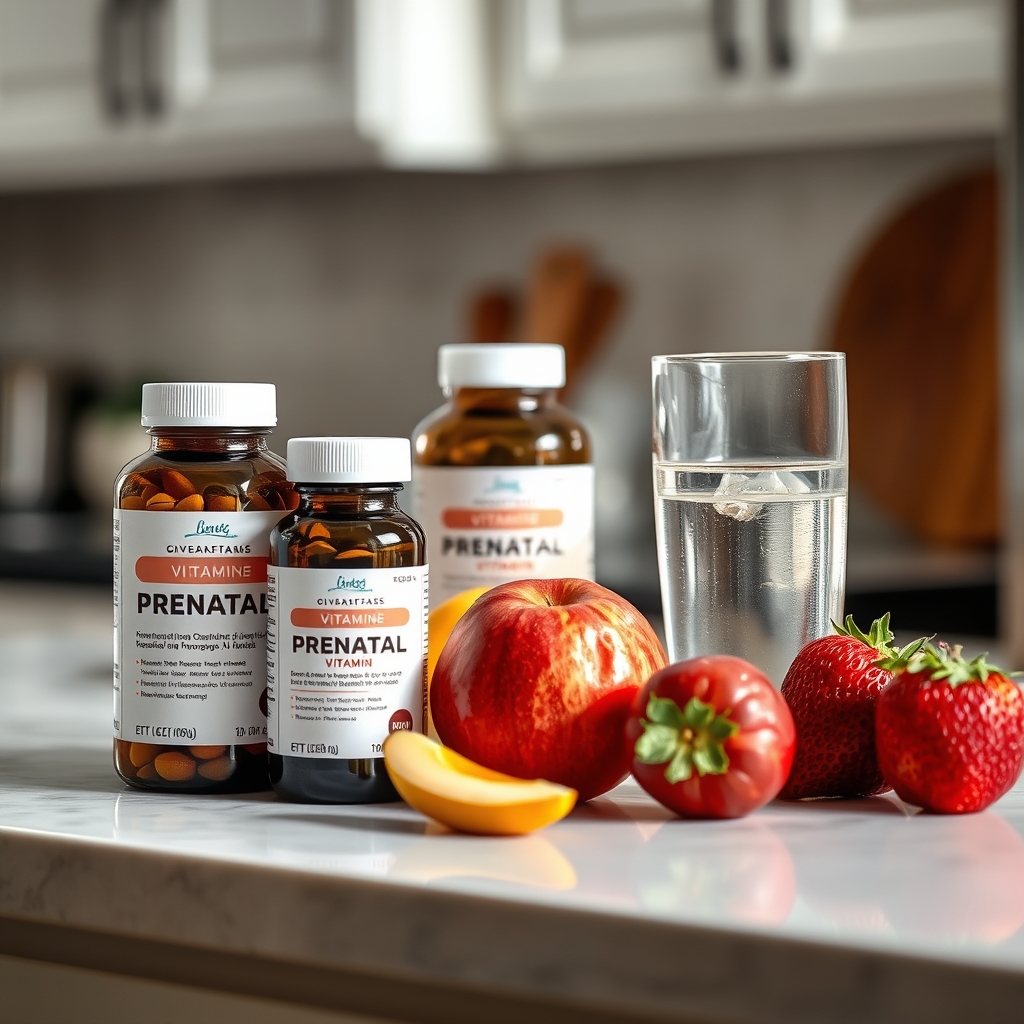
Nutrition is the cornerstone of a thriving pregnancy. While a balanced diet supplies most nutrients, a prenatal vitamin fills any gaps. The following components are considered essential by the World Health Organization (WHO) and ACOG:
Look for a brand that is USP‑verified and free of excess vitamin A (which can be teratogenic in high doses). If you have a specific dietary restriction—vegan, gluten‑free, or allergy—choose a formula that matches.
Foods to avoid when trying to conceive at 30
While no single food will block conception, certain items are best limited:
- High‑mercury fish (shark, swordfish, king mackerel) – mercury can affect early fetal development.
- Unpasteurized dairy and soft cheeses – risk of listeria, which can cause miscarriage.
- Excess caffeine (more than 200 mg/day) – linked to slightly higher miscarriage rates.
- Alcohol – even moderate intake can lower fertility and increase early pregnancy loss.
Swap these for leafy greens, fortified whole grains, and lean protein to support both egg health and early pregnancy.
Financial planning and cost of having a baby at age 30 in 2026
Having a baby at 30 in 2026 typically costs between $10,000 and $30,000 in the United States, depending on insurance coverage, delivery method, and any complications. The Kaiser Family Foundation reports that out‑of‑pocket expenses average $12,000 for a vaginal birth and $18,000 for a cesarean when insurance covers 80 % of allowed charges.
Budget breakdown
To keep finances on track, start a dedicated “baby fund” early, use a high‑yield savings account, and check whether your employer offers a flexible spending account (FSA) for dependent care.
How to balance career goals and pregnancy when you are 30
Thirty is a prime age for professional advancement, and many women wonder whether pregnancy will stall momentum. The key is proactive planning and open communication with your employer.
Maternity leave planning
Under the U.S. Family and Medical Leave Act (FMLA), eligible employees receive up to 12 weeks of unpaid leave. However, many large companies now provide paid parental leave ranging from 6 to 20 weeks. Review your employee handbook, negotiate a leave schedule that aligns with your project timeline, and consider a phased return (e.g., part‑time for the first month).
Can I work full‑time while pregnant at 30?
Most pregnancies are compatible with full‑time work, especially if you have a supportive workplace. The CDC advises pregnant employees to avoid prolonged standing, heavy lifting (> 25 lb), and exposure to hazardous chemicals. Request ergonomic adjustments—such as a standing desk or additional breaks—to reduce fatigue.
Lifestyle changes to prepare for pregnancy at age 30
Optimizing your body before conception can improve both fertility and pregnancy outcomes. Below are evidence‑based tweaks that many 30‑year‑old women find helpful.
Improving egg quality at 30
While you can’t increase the number of eggs, you can enhance their health:
- Antioxidant‑rich diet: Berries, nuts, and leafy greens combat oxidative stress.
- Regular moderate exercise: 150 minutes of aerobic activity per week supports circulation without over‑exertion.
- Stress reduction: Mind‑body practices like yoga or guided meditation lower cortisol, which can affect ovulation.
- Avoid smoking and excess alcohol: Both reduce egg quality and increase miscarriage risk.
Sleep, stress, and overall wellness
Aim for 7–9 hours of quality sleep each night. Poor sleep is linked to irregular menstrual cycles. Incorporate a wind‑down routine—dim lights, a warm shower, and a brief journal entry—to signal your brain that it’s time to rest.

Recommended prenatal tests and screenings for a 30‑year‑old mother
Standard prenatal care follows a schedule recommended by ACOG. Below is a timeline tailored for a 30‑year‑old:
- First trimester (0–13 weeks): Blood type and Rh, CBC, rubella immunity, varicella, STI panel, baseline ultrasound, and optional non‑invasive prenatal testing (NIPT) for chromosomal anomalies.
- Second trimester (14–27 weeks): Anatomy ultrasound (18–22 weeks), glucose tolerance test (24–28 weeks) for gestational diabetes, and anemia screening.
- Third trimester (28–40 weeks): Group B streptococcus screen (35–37 weeks), repeat CBC, and fetal growth assessment if risk factors exist.
Because age 30 is still considered low‑risk, most clinicians do not recommend invasive diagnostic tests (amniocentesis) unless there’s a specific indication, such as a positive NIPT result or a family history of genetic disorders.
What is the ideal timeline for trying to conceive at age 30?
Many couples set a timeline that balances emotional readiness, career goals, and health considerations. A common approach is the “three‑month rule”: attempt natural conception for three menstrual cycles, then seek a fertility evaluation if pregnancy has not occurred.
Average age of first‑time mothers in 2026
According to the U.S. Centers for Disease Control and Prevention (CDC) 2025 data, the median age of first‑time mothers was 28.4 years, with a gradual shift upward—more women are waiting until their early thirties.
Pregnancy weight gain guidelines for 30‑year‑old women
The Institute of Medicine (IOM) recommends the following total weight gain based on pre‑pregnancy BMI:
- Underweight (BMI < 18.5): 28–40 lb (12.5–18 kg)
- Normal weight (BMI 18.5–24.9): 25–35 lb (11.5–16 kg)
- Overweight (BMI 25–29.9): 15–25 lb (7–11.5 kg)
- Obese (BMI ≥ 30): 11–20 lb (5–9 kg)
Weight gain should be gradual—about 1 lb per week in the second and third trimesters—to reduce the risk of gestational diabetes and hypertension.
Symptoms checklist
If you’re trying to conceive, keep an eye on these early‑pregnancy signals. Most are harmless, but a few warrant a call to your provider.
- Missed period (most reliable early sign)
- Light spotting or implantation bleeding
- Breast tenderness or swelling
- Increased basal body temperature (if you chart)
- Nausea or “morning sickness” before 10 weeks
- Fatigue that feels beyond normal tiredness
- Frequent urination (especially at night)
Treatment options comparison
While many 30‑year‑old women conceive naturally, assisted reproductive technologies are available if you face challenges. Below is a simplified comparison.
Discuss these options with a reproductive endocrinologist to determine the best path based on your timeline, budget, and medical history.
Natural remedies with evidence
Beyond supplements, a few lifestyle‑based “natural” approaches have modest research support for improving fertility and pregnancy health:
- Coenzyme Q10: Some small trials suggest 200 mg daily may improve egg quality in women under 35.
- Acupuncture: A 2022 systematic review found a slight increase in pregnancy rates when combined with IVF, though evidence is mixed.
- Vitamin D optimization: Adequate levels (> 30 ng/mL) are linked to lower miscarriage risk, according to a meta‑analysis by the Endocrine Society.
These interventions should complement, not replace, standard medical care. Always discuss with your OB‑GYN before adding new supplements or therapies.
Myth vs. fact
Myth: Women over 30 cannot get pregnant naturally.
Fact: Over 80 % of healthy 30‑year‑old women conceive within a year without medical assistance.
Myth: You must avoid all caffeine to get pregnant.
Fact: Moderate caffeine (up to 200 mg/day) does not significantly affect fertility, though higher amounts may.
Myth: Pregnancy at 30 will automatically mean a higher chance of complications.
Fact: While risk rises slightly compared with teens, most pregnancies at 30 are uncomplicated and outcomes are similar to those of women in their early twenties.
Key takeaways
- Fertility at 30 remains high—about a 20 % chance per cycle.
- Pregnancy risks increase modestly but stay well below those for women over 35.
- Choose a prenatal vitamin with folic acid, iron, calcium, vitamin D, DHA, and iodine.
- Plan finances early; expect total out‑of‑pocket costs between $10k–$30k.
- Open communication with your employer can protect career momentum while you’re pregnant.
- Maintain a healthy BMI, balanced diet, regular sleep, and stress‑reduction practices to boost egg quality and pregnancy health.
Frequently asked questions
Is it safe to get pregnant at 30?
Yes. Current guidance from ACOG and the CDC confirms that pregnancy at 30 is safe for most women, with low rates of severe complications. Your provider will screen for any individual risk factors.
What are the chances of miscarriage for a 30‑year‑old?
Miscarriage risk at age 30 is roughly 12 %, slightly higher than the 9 % seen in women under 25 but far lower than the 20 % risk after age 35. Maintaining a healthy lifestyle can help lower this baseline risk.
Do I need special prenatal care because I'm 30?
No special protocols are required solely due to age. However, your OB‑GYN may recommend earlier or additional screening for gestational diabetes and blood pressure, given the modest increase in risk.
How much should I budget for a baby when I'm 30?
Plan for $10,000–$30,000 in out‑of‑pocket expenses, plus potential lost wages during parental leave. Setting aside a dedicated savings fund and using an FSA for dependent care can ease the financial load.
Can I work full‑time while pregnant at 30?
Most women can continue full‑time work, especially with accommodations like ergonomic chairs and regular breaks. Discuss any needed adjustments with your employer early to ensure a safe environment.
What foods should I avoid when trying to conceive at 30?
Limit high‑mercury fish, unpasteurized dairy, excess caffeine, and alcohol. Focus on whole foods—fruits, vegetables, whole grains, lean proteins, and fortified dairy—to support egg health.
When should I start taking prenatal vitamins?
Begin a prenatal vitamin at least one month before trying to conceive. If you’re already pregnant, start as soon as you learn of the pregnancy to ensure early folic acid exposure.
When to see a doctor / specialist
Contact your OB‑GYN or a reproductive endocrinologist right away if you experience any of the following red‑flag symptoms:
- Severe abdominal pain or cramping that persists beyond a few minutes.
- Heavy vaginal bleeding (soaking a pad in under an hour) or spotting after a missed period.
- Fever > 100.4 °F (38 °C) with chills.
- Sudden swelling of hands, face, or feet combined with headache.
- Persistent nausea and vomiting that prevents keeping fluids down (hyperemesis gravidarum).
- Difficulty breathing or chest pain.
These signs could indicate miscarriage, ectopic pregnancy, pre‑eclampsia, or infection—conditions that need prompt medical attention. This article is for informational purposes only and does not replace personalized medical advice. Always discuss your individual situation with a qualified health professional.
References
- American College of Obstetricians and Gynecologists. “Fertility and Infertility.” ACOG Clinical Guidance, 2024.
- American Society for Reproductive Medicine. “Success Rates of Assisted Reproductive Technology.” ASRM, 2024.
- Centers for Disease Control and Prevention. “National Vital Statistics Reports: Births and Fertility.” CDC, 2025.
- World Health Organization. “Recommendations on Antenatal Care for a Positive Pregnancy Experience.” WHO, 2023.
- Institute of Medicine. “Weight Gain During Pregnancy: Reexamining the Guidelines.” IOM Publication, 2022.
- Society for Assisted Reproductive Technology. “Clinic Outcome Reporting.” SART, 2024.
- American Academy of Nutrition and Dietetics. “Prenatal Nutrition.” AND, 2023.
- National Institutes of Health. “Vitamin D and Pregnancy Outcomes.” NIH, 2022.
- Human Fertilisation & Embryology Authority. “Finding a Fertility Clinic in the UK.” HFEA, 2024.
- American Psychological Association. “Stress Management During Pregnancy.” APA, 2023.



