Quick take: Having a baby at 22 is generally safe for most women, but it comes with specific health, financial, and emotional considerations. By staying on schedule with prenatal care, budgeting early, and leaning on trusted support networks, you can navigate pregnancy and early motherhood with confidence. If you notice severe bleeding, high fever, or signs of postpartum depression, contact a provider right away.
Imagine you’re scrolling through a late‑night group chat when a friend texts, “I’m pregnant.” Your heart races. Part of you feels excitement; another part wonders, “How will I afford diapers? Will I still graduate? Am I too young?” You’re not alone. Women across the country are having a baby at 22, and many share the same blend of hope and worry.
In this guide we break down everything you need to know about having a baby at 22 in 2026. From health risks and the prenatal schedule to budgeting, insurance, and postpartum recovery, each section answers a real‑world question you might be typing into Google right now. By the end you’ll have a clear roadmap, practical checklists, and reliable resources—so you can focus on the joy of welcoming a new life.
Whether you’re still in college, starting a career, or weighing family expectations, the information here is grounded in the latest guidance from ACOG, the CDC, and the U.S. Department of Labor. Let’s dive in.
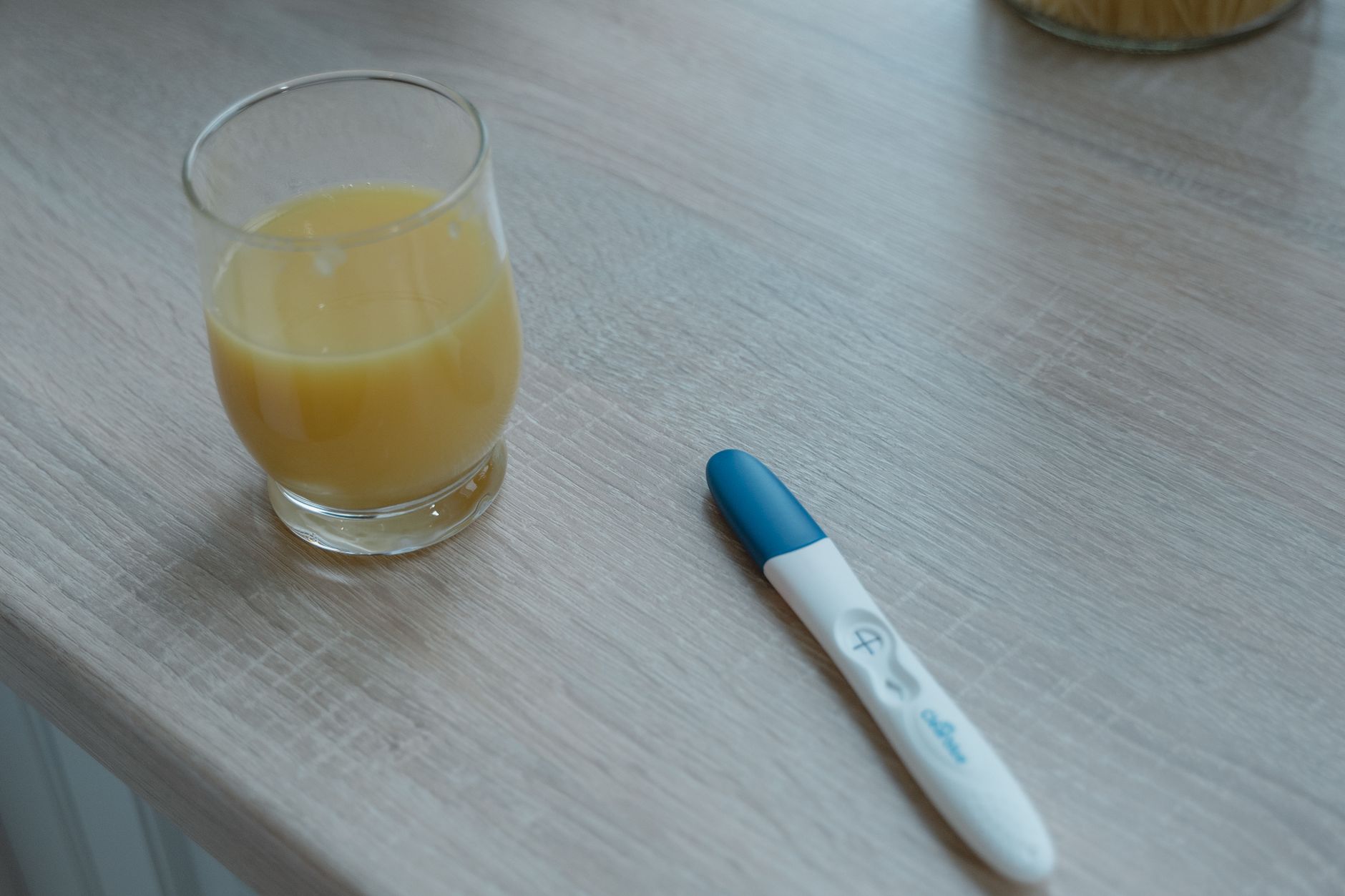
What are the risks of having a baby at age 22?
Overall, pregnancy outcomes for women in their early 20s are among the most favorable in modern medicine. According to the American College of Obstetricians and Gynecologists (ACOG), the lowest rates of gestational diabetes, preeclampsia, and preterm birth occur in women aged 20‑29.
That said, a few age‑related risks still merit attention:
- Higher fertility, but also higher chance of miscarriage – Studies from the National Institute of Child Health and Human Development (NICHD) show a miscarriage rate of about 12‑15% for women under 25, slightly higher than the 8‑10% seen in women aged 30‑34.
- Potential for inadequate prenatal nutrition – Younger mothers may be less aware of optimal nutrient needs, increasing the risk of iron‑deficiency anemia.
- Socio‑economic stressors – Financial strain and limited social support can amplify mental‑health challenges, which are linked to adverse birth outcomes.
Most complications can be mitigated with early and consistent prenatal care, a balanced diet, and regular mental‑health check‑ins. If you have chronic conditions such as asthma, hypertension, or diabetes, discuss tailored management plans with your obstetrician.
Common complications for women in their early 20s
While the baseline risk is low, the following issues are most frequently reported:
- Gestational hypertension (≈5% of pregnancies)
- Iron‑deficiency anemia (≈15% in the first trimester)
- Post‑partum depression (≈20% of first‑time mothers under 25)
- Preterm labor (<37 weeks) – less than 8% but higher when stress or poor nutrition is present
Early detection through routine visits is key. Your provider will screen for blood pressure spikes, anemia, and mood changes at each appointment.
How to prepare financially for a baby at 22?
Money worries are often the loudest part of the “baby at 22” conversation. The average cost of giving birth in the United States in 2026, according to the Health Care Cost Institute, is roughly $12,000 for a vaginal delivery and $30,000 for a cesarean, before insurance. After insurance, out‑of‑pocket expenses typically range from $1,500 to $4,000, depending on your plan.
Below is a simple budgeting framework you can customize:
Tips for stretching each dollar:
- Start a dedicated “baby fund” – Even $50 a month adds up to $600 in a year, which can cover a diaper stash.
- Take advantage of tax‑free savings – A Health Savings Account (HSA) lets you set aside pre‑tax dollars for medical expenses.
- Shop sales and use registries – Many retailers offer 15‑20% off baby registries; combine with cash‑back apps for extra savings.
- Consider shared childcare – Co‑ops with other young parents can cut daycare costs by up to 40%.
Remember, financial pressure can affect mental health. If budgeting feels overwhelming, many community colleges and universities provide free financial‑counseling services for students and young adults.

Fertility and pregnancy timeline for a 22‑year‑old
At 22, your ovaries are typically at peak reserve, meaning you’ll likely conceive within a few cycles if you have regular, unprotected intercourse. The CDC reports an average time‑to‑pregnancy of 3‑6 months for women under 25.
Here’s a month‑by‑month snapshot of what many 22‑year‑old mothers experience from conception to birth:
- Month 0 (Conception) – Ovulation typically occurs 14 days after the start of your period. A home ovulation kit can help pinpoint this window.
- Months 1‑2 (First trimester) – Schedule your initial prenatal visit (around 8 weeks). Begin a prenatal vitamin with 400‑800 µg of folic acid.
- Months 3‑4 (Second trimester) – Anatomy ultrasound at 18‑20 weeks; screen for gestational diabetes at 24‑28 weeks.
- Months 5‑7 (Third trimester) – Weekly growth checks, birth‑plan discussions, and preparation for postpartum recovery.
- Month 9 (Delivery) – Average gestation is 40 weeks; labor can start naturally or be induced if medically indicated.
If you’re a student or working full‑time, consider using a digital fertility tracker that syncs with your calendar. This can reduce anxiety about “missing” your fertile window.
What prenatal care is recommended for a 22‑year‑old mother?
ACOG’s standard prenatal schedule for a low‑risk pregnancy includes visits at:
- Every 4 weeks until 28 weeks
- Every 2 weeks from 28‑36 weeks
- Weekly from 36 weeks to delivery
Each appointment typically includes:
- Blood pressure and weight check
- Urine dipstick for protein and glucose
- Fetal heartbeat monitoring
- Screening tests (e.g., chlamydia, HIV, hepatitis B)
Key lab tests specific to younger mothers:
Nutrition advice from the Academy of Nutrition and Dietetics for pregnant women in their early 20s emphasizes:
- ≥ 300 g of carbohydrates daily for energy
- Protein ≈ 70 g per day (≈ 1.1 g/kg body weight)
- Calcium ≈ 1,000 mg
- Iron ≈ 27 mg (preferably from heme sources or fortified cereals)
- Omega‑3 DHA ≈ 200 mg
Take a prenatal vitamin that contains at least 400 µg folic acid, 30 mg iron, and DHA. If you’re vegan or have dietary restrictions, discuss supplementation with your provider to avoid gaps.
How to balance college or career with pregnancy at 22?
Juggling studies or a new job while pregnant can feel like walking a tightrope, but a few practical strategies make the act steadier.
- Communicate early – Talk to your professor or supervisor as soon as you feel comfortable. Many institutions have policies for academic accommodations and flexible schedules.
- Leverage remote work or hybrid classes – In 2026, 78% of U.S. colleges offer at least one online course option, according to the National Center for Education Statistics.
- Prioritize tasks – Use the Eisenhower Matrix (urgent‑important) to focus on high‑impact assignments and defer low‑priority work.
- Schedule “pregnancy breaks” – Short, 5‑minute stretches between lectures or meetings improve circulation and reduce fatigue.
- Seek on‑campus resources – Many universities have a “Student Parent Center” that offers childcare subsidies, lactation rooms, and peer‑support groups.
When it comes to maternity leave, the U.S. Department of Labor notes that the Family and Medical Leave Act (FMLA) provides up to 12 weeks of unpaid leave for eligible employees. Some states, like California and New York, add paid family leave that can extend to 8 weeks of partial wage replacement.
For part‑time students, a “light‑load” semester (3‑4 credit hours) often qualifies for a reduced tuition rate, easing the financial burden.
Support resources for young mothers aged 22
Feeling isolated is common, but a wide network of free or low‑cost resources exists:
- National organizations – The March of Dimes offers a “Young Mom Hotline” (1‑800‑MOM‑HELP) staffed by nurses who can answer medical and emotional questions.
- Local health departments – Many counties run “Pregnancy Resource Centers” that provide free prenatal vitamins, WIC enrollment assistance, and parenting classes.
- Online communities – Subreddits like r/youngmoms and Facebook groups for “College Moms” give peer support and practical tips.
- Therapy options – The National Alliance on Mental Illness (NAMI) lists therapists who specialize in perinatal anxiety and depression, often with sliding‑scale fees.
- Insurance navigation – If you’re on a parent’s health plan, the Affordable Care Act allows you to stay on their coverage until age 26. Contact your insurer to confirm pregnancy benefits.
One reader shared, “I felt invisible at my campus health center until I told the nurse I was pregnant. She connected me with a local doula program that saved me $2,000 in birth‑assistant fees.” Stories like this illustrate how a single conversation can unlock vital help.

Postpartum recovery tips for a 22‑year‑old first‑time mom
The first six weeks after birth are a time of healing, hormonal shifts, and new routines. Here’s a checklist tailored for a 22‑year‑old navigating her first postpartum months:
- Physical recovery
- Rest in 15‑minute naps when baby sleeps.
- Consume protein‑rich snacks (Greek yogurt, nuts) to support tissue repair.
- Practice pelvic floor exercises (Kegels) three times daily.
- Watch for warning signs: fever > 100.4°F, foul‑smelling lochia, or increasing abdominal pain—call your OB‑GYN immediately.
- Mental health
- Complete the Edinburgh Postnatal Depression Scale (EPDS) at 2‑week and 6‑week visits.
- If you score ≥ 13, reach out to a mental‑health professional—early treatment reduces chronic depression risk.
- Schedule a “self‑date” once a week (even 30 minutes of a favorite activity).
- Breastfeeding support
- Attend a hospital‑run lactation class within 24 hours of delivery.
- Use a hands‑free breast pump for 15 minutes after each feeding to maintain supply.
- Apply lanolin cream to sore nipples and keep the area clean.
- Newborn basics
- Follow the AAP’s “Safe Sleep” guidelines: back‑sleeping, firm mattress, no loose blankets.
- Change diapers every 2‑3 hours to prevent diaper rash.
- Schedule the first pediatrician visit by 2 weeks of age.
Insurance coverage for postpartum care varies. Under the ACA, most plans must cover at least one well‑woman visit at 6 weeks postpartum, plus any mental‑health services recommended by your provider. Check your plan’s Explanation of Benefits (EOB) to confirm coverage before you schedule appointments.
Myth vs. fact
Myth: Women under 25 are automatically “too young” to have a healthy baby.
Fact: ACOG states that women aged 20‑29 have the lowest rates of pregnancy‑related complications. Age‑related risk becomes more pronounced after 35.
Myth: You can’t work or study while pregnant.
Fact: With reasonable accommodations, most employers and schools support pregnant students and employees. The U.S. Department of Labor’s FMLA provides up to 12 weeks of job‑protected leave for eligible workers.
Myth: Postpartum depression only affects older mothers.
Fact: About 1 in 5 first‑time mothers under 25 experience postpartum depression, according to the National Institute of Mental Health (NIMH). Early screening and support are crucial.
Key takeaways
- Having a baby at 22 is medically low‑risk, but proactive prenatal care and nutrition remain essential.
- Plan finances early: create a baby fund, use HSAs, and explore community resources to reduce out‑of‑pocket costs.
- Stick to the ACOG prenatal schedule and take a prenatal vitamin with 400 µg folic acid, iron, and DHA.
- Balance school or work with flexible scheduling, remote options, and campus‑parent services.
- Lean on national hotlines, local resource centers, and peer groups for emotional and practical support.
- Watch for postpartum red‑flags—fever, heavy bleeding, or persistent sadness—and seek care promptly.
Frequently asked questions
Is it safe to get pregnant at 22?
Yes. ACOG reports that women in their early 20s have the lowest rates of gestational diabetes, preeclampsia, and preterm birth. Safety hinges on regular prenatal visits, balanced nutrition, and managing any pre‑existing health conditions.
What are the common complications for women in their early 20s?
The most frequent issues include mild anemia, gestational hypertension, and postpartum mood changes. Early screening for blood pressure, iron levels, and mental health can catch these complications before they affect the pregnancy.
How much does it cost to have a baby at 22?
Average out‑of‑pocket costs after insurance range from $1,500 to $4,000 for a vaginal delivery. Adding diapers, clothing, and childcare can bring the first‑year total to $15,000–$20,000, though budgeting tools and assistance programs can reduce this burden.
Can I work while pregnant at 22?
Absolutely. The Family and Medical Leave Act provides up to 12 weeks of unpaid leave for eligible employees, and many states add paid family leave. Discuss flexible work arrangements with your employer early to plan for any necessary accommodations.
What prenatal vitamins should a 22‑year‑old take?
Choose a prenatal vitamin containing at least 400 µg of folic acid, 30 mg of iron, 200 mg of DHA, and calcium. If you’re vegan or have dietary restrictions, ask your provider about additional B12 or iodine supplementation.
How long does recovery take after giving birth at 22?
Physical healing typically spans 6 weeks, while emotional adjustment may continue for several months. Most women feel ready to resume light exercise by 4–6 weeks, but listen to your body and follow your provider’s guidance.
What are the signs of postpartum depression in young mothers?
Key indicators include persistent sadness, loss of interest in activities, overwhelming anxiety, difficulty bonding with the baby, and thoughts of self‑harm. If any of these symptoms last longer than two weeks, contact a mental‑health professional promptly.
When to see a doctor / specialist
If you notice any of the following, call your OB‑GYN or go to urgent care right away:
- Severe abdominal pain or cramping not relieved by rest
- Bleeding heavier than a normal period (soaking a pad every hour)
- Fever ≥ 100.4°F (38 °C) with chills
- Sudden swelling of hands, face, or feet
- Signs of postpartum depression: persistent low mood, hopelessness, or thoughts of harming yourself or the baby
For mental‑health concerns, a therapist specializing in perinatal care or a psychiatrist can provide counseling and, if needed, medication. Your primary care physician can also coordinate referrals.
Remember, this article is for informational purposes only and does not replace personalized medical advice. Always discuss your individual situation with a qualified health professional.
References
- American College of Obstetricians and Gynecologists. “Guidelines for Prenatal Care.” 2024.
- Centers for Disease Control and Prevention. “Pregnancy Mortality Surveillance System.” 2025.
- National Institute of Child Health and Human Development. “Miscarriage Rates by Age.” 2023.
- Health Care Cost Institute. “Average Cost of Childbirth in the United States, 2026.” 2026.
- Academy of Nutrition and Dietetics. “Nutrition Recommendations for Pregnancy.” 2024.
- U.S. Department of Labor. “Family and Medical Leave Act Overview.” Updated 2025.
- National Institute of Mental Health. “Postpartum Depression Fact Sheet.” 2024.
- National Alliance on Mental Illness. “Finding a Therapist.” 2025.
- World Health Organization. “Maternal Health Guidelines.” 2025.
- National Center for Education Statistics. “Online Course Enrollment Statistics, 2026.” 2026.



