Quick take: The granola mom trend blends eco‑friendly choices, whole‑food nutrition, and mindful self‑care into everyday parenting. It’s doable on a modest budget, and you can start with simple swaps—like homemade cleaning sprays and plant‑based snacks—while still enjoying a stylish, relaxed vibe. If you notice persistent fatigue, severe anxiety, or nutrition‑related concerns, reach out to your OB‑GYN or a registered dietitian.
Imagine you’re in the grocery aisle at 8 a.m., juggling a stroller, a work email, and a toddler who’s already asking for “the green stuff.” You pause, stare at the rows of organic cereals, and wonder if there’s a way to honor your health, the planet, and your budget without turning the trip into a marathon. That moment of overwhelm is exactly why the granola mom trend has resonated with so many modern parents.
At its core, the granola mom movement is less about a label and more about a set of values—sustainability, holistic wellness, and natural living—that can be woven into daily life, even when you’re pregnant, postpartum, or juggling a full‑time job. In this guide we’ll unpack what the trend really means, share budget‑friendly strategies, provide quick‑cook recipes, and explore the practical challenges and solutions that real moms have shared with us.
Whether you’re just hearing the term or you’ve already started swapping plastic wipes for reusable cloths, this article will give you a clear roadmap. We’ll cover everything from nutrition and fitness to fashion, community, and the occasional myth that still circulates online. Let’s dive in, one honest step at a time.
What does the granola mom trend mean for modern parenting?
The phrase “granola mom” originally surfaced on social media in the early 2010s, describing mothers who favored organic foods, eco‑conscious products, and a “back‑to‑nature” parenting style. Today, the granola mom trend has broadened to include a holistic approach to health, sustainability, and self‑care that aligns with contemporary family dynamics.
Core values include:
- Sustainability: Choosing products and practices that reduce waste and carbon footprint.
- Wellness: Prioritizing whole‑food nutrition, regular movement, and mental health.
- Natural living: Favoring minimal‑chemical, plant‑based, or DIY solutions for home and body.
These pillars intersect with pregnancy and early parenthood by encouraging nutrient‑dense foods that support fetal development, safe non‑toxic cleaning agents for a healthier home environment, and stress‑reduction techniques that benefit both mom and baby. The trend isn’t a rigid rulebook; it’s a flexible framework that can be personalized to fit any budget, cultural background, or dietary preference.
For many, the appeal lies in the sense of agency. When you deliberately choose a reusable diaper or a homemade oat‑milk latte, you’re actively shaping a healthier future for your child and the planet. This empowerment often translates into greater confidence during pregnancy, a smoother postpartum transition, and a more intentional family narrative.
How can you adopt a granola mom lifestyle on a budget?
One common misconception is that “green” living automatically means higher costs. While some specialty items carry a premium, many budget‑friendly strategies align perfectly with the granola mom trend. Below are practical tips you can implement today.
Start with a “zero‑waste” pantry
Buy bulk staples—such as oats, lentils, beans, and brown rice—in reusable containers. Bulk sections often cost 20‑30% less per pound than pre‑packaged equivalents. Look for community co‑ops or farmer’s markets that offer discounts for bringing your own jars.
DIY cleaning and personal care
Simple recipes using white vinegar, baking soda, and essential oils replace expensive commercial cleaners. A 1‑part vinegar and 1‑part water spray works on glass, countertops, and even baby floors (just ensure the surface is rinsed if you’re concerned about the scent). The U.S. EPA endorses these non‑toxic ingredients for safe household use.
Shop seasonally and locally
Produce in season is naturally cheaper and more nutrient‑dense. Farmers’ markets often have “pay‑what‑you‑can” days, and many community‑supported agriculture (CSA) programs let you pre‑pay for a weekly box at a discounted rate.
Leverage loyalty programs and coupons
Many natural‑food chains (e.g., Whole Foods, Sprouts) offer digital coupons for organic items. Signing up for newsletters can net you 10‑15% off on first orders, which adds up over time.
By focusing on these low‑cost swaps, you can embody the granola mom trend without straining your family’s finances.
Granola mom diet recipes that are easy for busy moms
Pregnancy and postpartum nutrition demand a balance of protein, iron, calcium, and omega‑3 fatty acids. The following recipes are designed for speed, minimal cleanup, and ingredient overlap, so you can batch‑cook and reuse components throughout the week.
1. One‑Pan Veggie‑Quinoa Power Bowl
- 1 cup quinoa, rinsed
- 2 cups water or low‑sodium vegetable broth
- 1 cup frozen mixed vegetables (e.g., peas, carrots, corn)
- ½ cup canned chickpeas, drained
- 1 tbsp olive oil
- ½ tsp turmeric, ¼ tsp black pepper
- Fresh lemon zest and juice to finish
Combine quinoa, broth, and oil in a skillet; bring to a boil, then simmer 12 minutes. Add frozen veggies and chickpeas; cook until heated through. Stir in turmeric and pepper, then finish with lemon. This dish supplies ~8 g protein, 4 mg iron, and 2 g omega‑3 per serving—nutrients highlighted by the Academy of Nutrition and Dietetics as essential during pregnancy.
2. Overnight Oats with Ground Flax & Berries
- ½ cup rolled oats
- 1 cup unsweetened almond milk
- 1 tbsp ground flaxseed (source of ALA omega‑3)
- ½ cup mixed berries (fresh or frozen)
- Optional: 1 tsp honey or maple syrup
Mix all ingredients in a mason jar, refrigerate overnight, and enjoy a grab‑and‑go breakfast. The fiber and omega‑3 content support digestion and heart health, aligning with recommendations from the Harvard T.H. Chan School of Public Health.
3. Simple Chickpea “Tuna” Salad Wrap
- 1 can chickpeas, mashed
- 2 tbsp plain Greek yogurt
- 1 tbsp diced celery
- 1 tsp Dijon mustard
- Pinch of sea salt and pepper
- Whole‑grain tortilla or lettuce leaf
Combine ingredients, spread on a tortilla, add leafy greens, and roll. This plant‑based alternative provides ~12 g protein and calcium from the yogurt, beneficial for lactating mothers.
These recipes are flexible—swap quinoa for brown rice, or berries for sliced kiwi—to keep your meals exciting while staying within the granola mom trend ethos.
Sustainable parenting practices in the granola mom trend
Beyond food, sustainability permeates how granola moms care for their children’s environment. Below we explore three pillars: eco‑friendly diapering, natural cleaning, and organic baby products.
Eco‑friendly diaper alternatives
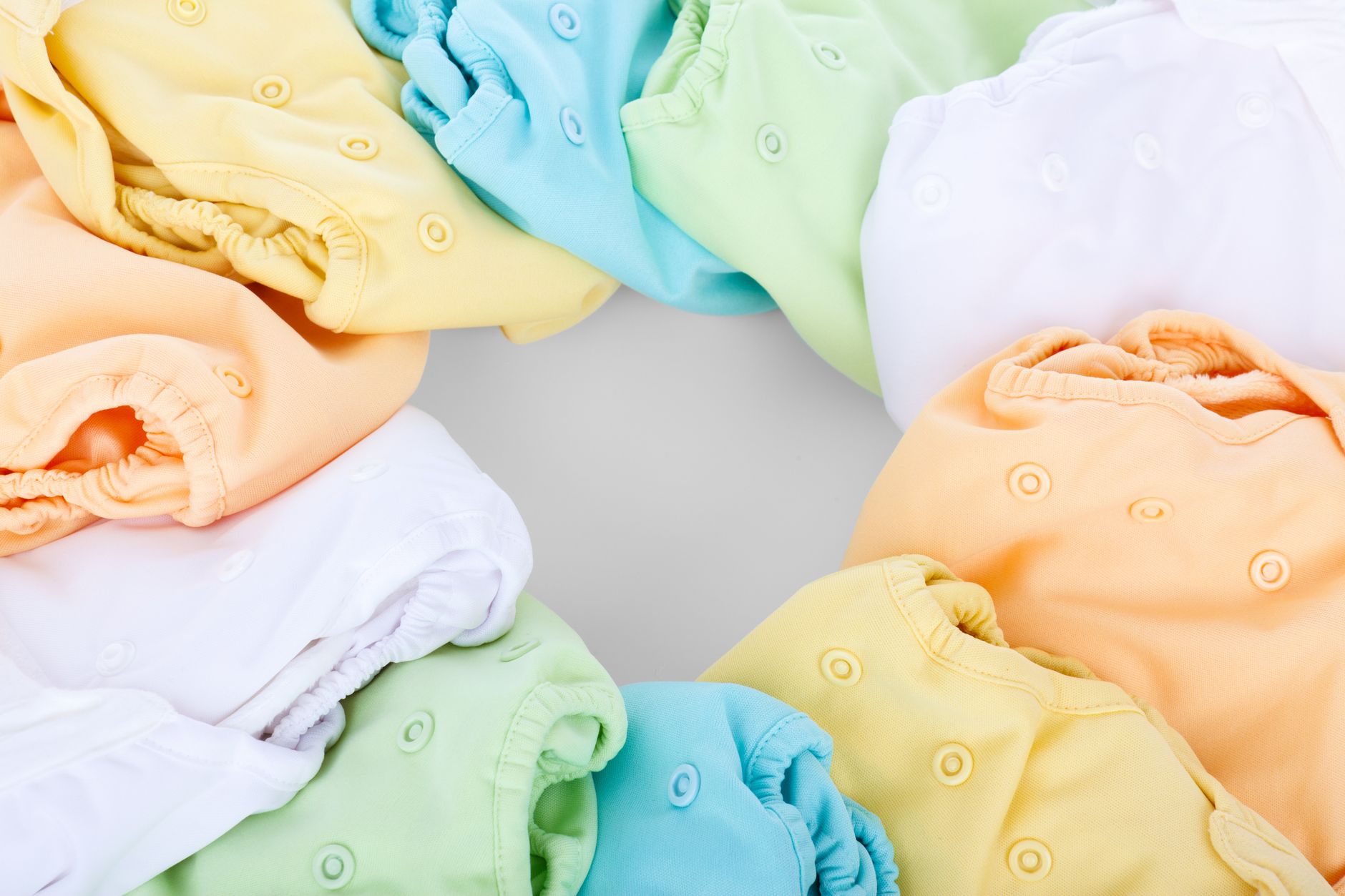
While cloth diapers have a higher upfront cost, they can be reused for up to 2 years, translating to a lower long‑term expense. The UK NHS notes that reusable options also reduce landfill waste by up to 90%.
DIY natural cleaning hacks for granola moms
A simple all‑purpose spray combines 1 cup distilled water, 1 cup white vinegar, and 10‑15 drops of lemon or lavender essential oil. For tougher grime, sprinkle baking soda on the surface, spray the vinegar mixture, and let it fizz before wiping. These ingredients are non‑toxic, making them safe for babies crawling on the floor.
Best organic baby products for granola moms
- Skincare: Calendula or chamomile‑based creams from certified organic brands.
- Feeding: Glass baby bottles with silicone nipples; BPA‑free silicone bibs.
- Clothing: GOTS‑certified (Global Organic Textile Standard) cotton onesies and blankets.
The U.S. FDA requires strict standards for organic labeling, ensuring that products are free from synthetic pesticides and GMOs—critical considerations for newborn skin sensitivity.
Integrating these practices not only aligns with the granola mom trend but also creates a healthier micro‑environment for your child’s early development.
Granola mom vs traditional mom: key differences
Understanding how the granola mom trend diverges from conventional parenting helps you decide which aspects feel right for your family. Below is a side‑by‑side comparison highlighting priorities, daily habits, and resource use.
Both approaches aim to nurture happy, healthy children; the granola mom path simply leans more heavily on environmental stewardship and holistic health. Many families blend elements from both—using a traditional diaper for occasional travel while favoring reusable options at home, for example.
How to incorporate holistic wellness into a granola mom routine
Holistic wellness isn’t just about the foods you eat; it’s a blend of physical activity, mental health practices, and restorative habits that support the whole family.
Granola mom fitness workouts at home
Short, equipment‑free sessions fit easily into a busy schedule. Try a 15‑minute “Mama‑Flow” circuit:
- Sun‑salutation series (3 minutes) – gentle stretching to wake muscles.
- Body‑weight squat‑to‑reach (2 minutes) – strengthens legs and core.
- Plank with baby (if age‑appropriate) (2 minutes) – engages core while bonding.
- Cool‑down deep‑breathing (3 minutes) – reduces cortisol, supports lactation.
According to the American Psychological Association, regular moderate exercise improves mood and sleep quality—both vital during pregnancy and postpartum recovery.
Granola mom mental health self‑care practices
Self‑care can be as simple as a 5‑minute mindfulness pause. Try the “4‑7‑8” breath:
- Inhale through the nose for a count of 4.
- Hold the breath for a count of 7.
- Exhale slowly through the mouth for a count of 8.
Repeat three times. This technique, backed by the National Institute of Mental Health, helps lower anxiety and prepares the mind for nighttime rest.
Integrating mindfulness into daily chores
Turn routine tasks—like washing dishes or folding laundry—into moving meditations. Focus on the sensations (warm water, fabric texture) and let thoughts drift without judgment. This practice, known as “mindful activity,” cultivates presence and reduces stress.
By weaving these wellness elements into your day, you honor the granola mom trend while supporting your physical and emotional resilience.
Granola mom fashion style tips for everyday wear
Style in the granola mom community often reflects simplicity, comfort, and sustainability. Think natural fibers, versatile pieces, and a palette of earth tones.
Key wardrobe staples
- Organic cotton tees: Soft, breathable, and free from harmful dyes.
- Reusable denim: Classic denim that can be up‑cycled with patches.
- Eco‑friendly shoes: Brands using recycled rubber soles and plant‑based leather alternatives.
- Layering pieces: Linen cardigans or hemp jackets that transition from indoor to outdoor.
Invest in a capsule wardrobe—five tops, three bottoms, two outer layers, and a pair of versatile shoes. This reduces decision fatigue and aligns with the minimal‑waste philosophy.
There are several thriving online forums where moms exchange outfit ideas, swap second‑hand pieces, and recommend sustainable brands. Platforms like Instagram’s #granolamom hashtag also showcase real‑life looks and DIY fashion hacks.
DIY up‑cycling projects
Turn an old t‑shirt into a reusable grocery bag by cutting and hemming the bottom. Add a canvas patch for extra durability. This quick project not only saves money but also reduces plastic bag usage—a core tenet of the granola mom ethos.
Common challenges faced by granola moms and practical solutions
Every lifestyle shift brings hurdles. Below are frequent obstacles and evidence‑based ways to overcome them.
Challenge 1: Time constraints for meal prep
Solution: Batch‑cook on weekends. Prepare large pots of beans, grains, and roasted vegetables, then portion into freezer‑safe containers. Pair with pre‑washed greens for a 5‑minute salad. The CDC emphasizes that consistent, balanced meals support steady energy levels for both mother and child.
Challenge 2: Feeling isolated in sustainable choices
Solution: Join local co‑ops or virtual groups. Many neighborhoods host “swap nights” where families exchange gently used baby gear, reducing waste and building social support.
Challenge 3: Managing the cost of organic products
Solution: Prioritize “clean‑first” items—those with the highest pesticide residue risk, such as strawberries, apples, and leafy greens. For these, choose organic; for lower‑risk produce, conventional options are acceptable, as outlined by the Environmental Working Group’s “Clean 15” list.
Challenge 4: Balancing work and holistic parenting
Solution: Adopt a structured morning routine that blends productivity with self‑care. Use a 30‑minute “granola mom morning routine for working mothers” to set the tone (see below).
Granola mom morning routine for working mothers
- Wake up 15 minutes earlier; hydrate with warm lemon water.
- Do a quick 5‑minute stretch or yoga flow.
- Prepare a grab‑and‑go overnight oat or smoothie.
- Lay out the day’s outfit (pre‑selected capsule piece).
- Spend a moment journaling three gratitude items.
This routine aligns with research from the Mayo Clinic, which shows that intentional morning habits improve focus and reduce stress throughout the workday.
Challenge 5: Navigating mixed messages about diet
Solution: Consult a registered dietitian familiar with prenatal nutrition. The Academy of Nutrition and Dietetics recommends personalized guidance to ensure adequate micronutrient intake, especially for iron and folate.
By anticipating these challenges and applying the suggested solutions, you can stay resilient on your granola mom journey.
Myth vs. fact
Myth: The granola mom lifestyle is only for vegans or people with a lot of free time.
Fact: While many granola moms choose plant‑based meals, the core principles—sustainability, mindful nutrition, and self‑care—can be adapted by anyone, regardless of dietary preference or schedule.
Myth: Eco‑friendly products are always more expensive.
Fact: Many cost‑saving strategies—buying in bulk, DIY recipes, and second‑hand shopping—can reduce expenses, often making the granola mom approach comparable to or cheaper than conventional consumption.
Myth: Using cloth diapers is too messy and inconvenient.
Fact: Modern cloth diapers feature waterproof inserts and snap closures, making them user‑friendly. With a simple laundering routine, they can be as convenient as disposables while dramatically cutting waste.
Key takeaways
- The granola mom trend blends sustainability, whole‑food nutrition, and holistic self‑care into everyday parenting.
- Budget‑friendly swaps—bulk pantry items, DIY cleaners, and seasonal produce—make the lifestyle accessible.
- Simple recipes like one‑pan quinoa bowls and overnight oats provide essential nutrients for pregnancy and postpartum health.
- Eco‑friendly diapering, natural cleaning hacks, and organic baby products reduce chemical exposure for your child.
- Holistic wellness includes short home workouts, breathwork, and mindful chores to support mental health.
- Capsule wardrobes and community forums help you stay stylish and connected while minimizing waste.
Frequently asked questions
Is the granola mom trend a fad or a lasting movement?
Most experts agree it’s more than a passing craze. The focus on climate‑friendly practices and evidence‑based nutrition aligns with long‑term public‑health goals advocated by organizations such as the WHO and the EPA, suggesting the trend will continue to evolve rather than fade.
What are the core principles of a granola mom lifestyle?
Key principles include prioritizing organic or minimally processed foods, reducing single‑use plastics, embracing DIY or natural alternatives for household products, practicing regular physical activity, and nurturing mental well‑being through mindfulness.
Can you be a granola mom without being vegan?
Absolutely. While many granola moms favor plant‑forward meals, the lifestyle is flexible. You can include responsibly sourced animal proteins (e.g., grass‑fed beef, wild‑caught fish) as long as you maintain the overarching sustainability and wellness goals.
How much does it cost to follow a granola mom lifestyle?
Costs vary, but with strategic bulk buying, DIY solutions, and selective organic purchases, many families find they spend roughly the same—or even less—than they did with conventional, brand‑name products. A monthly budget of $150‑$250 for groceries and household items is a realistic target for most households.
What are the health benefits of a granola mom diet?
Studies cited by the Academy of Nutrition and Dietetics link whole‑food, plant‑rich diets to lower risks of gestational diabetes, improved fetal growth, and reduced postpartum depression. The emphasis on fiber, antioxidants, and omega‑3 fatty acids supports both maternal and infant health.
How do granola moms balance work and holistic parenting?
Many adopt a structured morning routine that incorporates hydration, gentle movement, and a quick nutrient‑dense breakfast. Setting boundaries—such as designated “no‑screen” family times—and leveraging online support groups also help maintain balance.
When to see a doctor or specialist
If you experience any of the following, schedule an appointment promptly:
- Persistent fatigue, dizziness, or shortness of breath despite adequate nutrition.
- Severe anxiety, mood swings, or depressive symptoms lasting more than two weeks.
- Signs of nutrient deficiency (e.g., hair loss, pale skin, frequent infections).
- Allergic reactions to new DIY cleaning products or natural skin care items.
- Any concerns about fetal growth, prenatal vitamins, or pregnancy‑related complications.
For nutrition‑related questions, consult a registered dietitian. For mental‑health concerns, a therapist or psychologist familiar with perinatal issues can provide support. Always discuss any major lifestyle changes with your OB‑GYN to ensure they’re safe for you and your baby.
References
- Academy of Nutrition and Dietetics. “Nutrition Needs During Pregnancy.” EatRight.org. Accessed August 2026.
- Harvard T.H. Chan School of Public Health. “Flaxseed: Health Benefits.” Harvard School of Public Health. Accessed August 2026.
- U.S. Environmental Protection Agency. “Green Cleaning Products.” EPA.gov. Accessed August 2026.
- National Institute of Mental Health. “Anxiety Disorders.” NIMH.gov. Accessed August 2026.
- World Health Organization. “Sustainable Development Goals – Goal 12: Responsible Consumption and Production.” WHO.int. Accessed August 2026.
- American Psychological Association. “Exercise Improves Mood.” APA.org. Accessed August 2026.
- UK National Health Service. “Cloth Diapers.” NHS.uk. Accessed August 2026.
- Environmental Working Group. “Clean 15 List.” EWG.org. Accessed August 2026.
- Mayo Clinic. “Morning Routine for Stress Management.” MayoClinic.org. Accessed August 2026.



