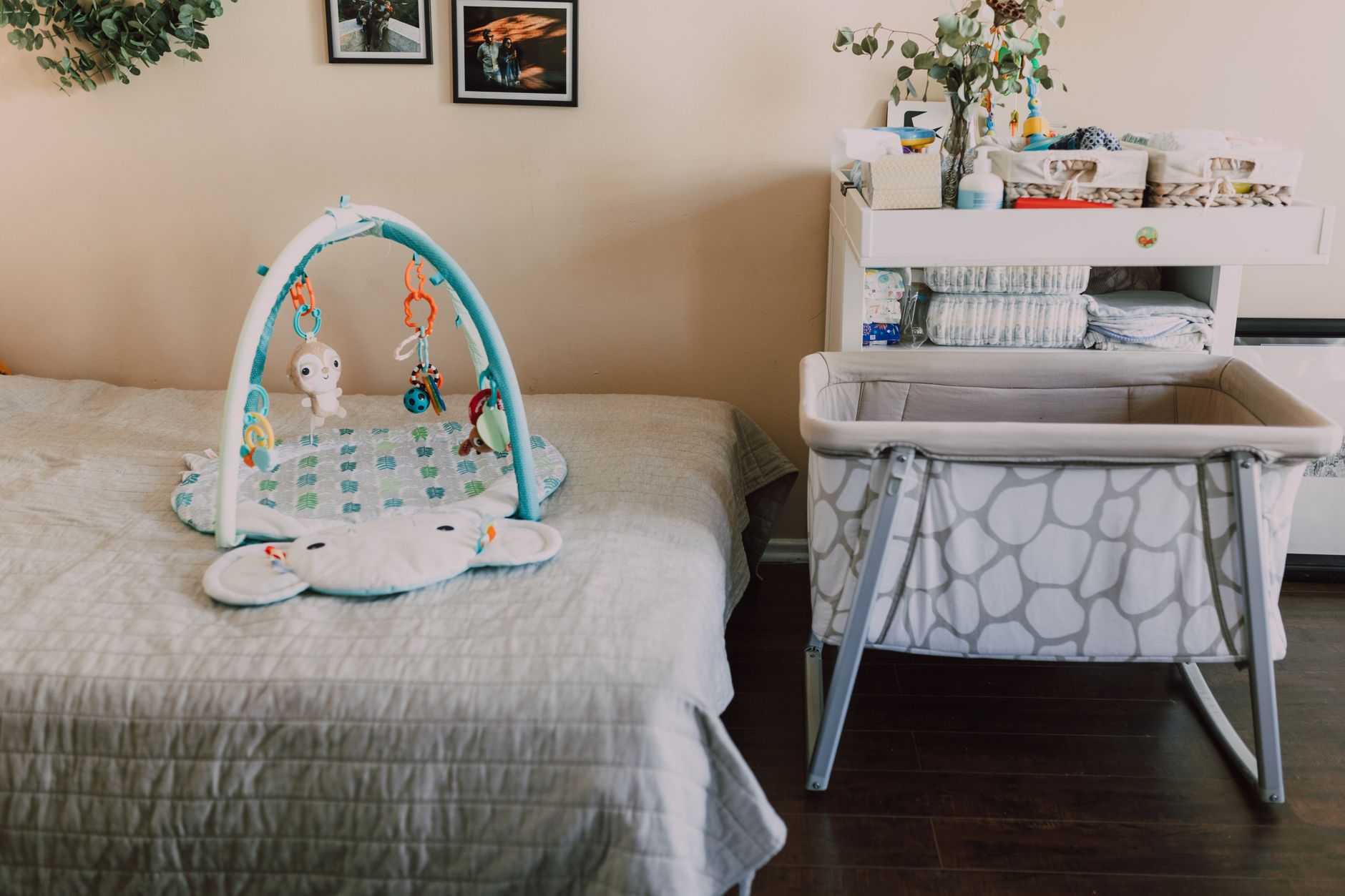
wborn's immune system is incredibly delicate, making them highly vulnerable to infections. What might be a mild sniffle for an adult could be serious for a baby. Establishing clear, non-negotiable hygiene rules for all visitors, especially grandparents who will be in close contact, is crucial for your baby's health.
Thorough Hand Washing is Non-Negotiable
This is the most critical rule. Before anyone touches your baby, they must wash their hands thoroughly with soap and warm water for at least 20 seconds (the time it takes to sing "Happy Birthday" twice). Place hand sanitizer (with at least 60% alcohol) strategically around your home, but emphasize that soap and water are always preferred for initial cleaning, especially upon entry. Make it easy for them: have soap readily available, perhaps even a gentle reminder sign in the bathroom. One mom we spoke with shared, "I put a cute little sign by the sink saying, 'Tiny hands, big germs! Please wash up before you snuggle!'"
No Visiting if Unwell
This rule is absolute. If a grandparent has any symptoms of illness—even a slight cough, sniffle, sore throat, stomach bug, or general feeling of being "under the weather"—they should reschedule their visit. This includes allergies if they're experiencing sneezing or watery eyes, as it can be difficult to distinguish from cold symptoms. It's better to be overly cautious than to risk your baby's health. Explain that babies can't tell you what's wrong, and even a common cold can lead to serious complications like bronchiolitis or pneumonia in an infant.
The "No Kissing the Baby" Rule
This can be a tough one for loving grandparents, but it's incredibly important. Kissing a newborn, especially on the face or hands, can transmit viruses like RSV (Respiratory Syncytial Virus), the common cold, the flu, and even the herpes simplex virus (which causes cold sores). For a newborn, herpes simplex can be life-threatening, even if the adult only has a small, barely visible cold sore. Politely explain that while you appreciate their love, kissing is off-limits for the baby's safety. Suggest gentle forehead touches or hand-holding instead.
Cough and Sneeze Etiquette
Even if they feel well, remind visitors to cough or sneeze into their elbow, away from the baby, and to immediately wash their hands again afterward. This minimizes the spread of airborne droplets.
By clearly communicating these hygiene rules, you're not being overprotective; you're being responsible parents. Frame it as "protecting our precious little one" rather than "you're dirty," which can help soften the message.

How to politely set boundaries with grandparents about holding the baby?
Grandparents naturally want to hold their new grandchild, but as new parents, you have the right to set boundaries around this. Your comfort, your baby's needs, and your desire for bonding time all play a role.
Prioritize Your Comfort and Bonding
It's okay to want to hold your own baby! You've just spent nine months carrying them, and these early days are precious for establishing your bond. Don't feel guilty about wanting to keep your baby close. You might say, "We're really soaking up all the snuggles right now, so we're limiting how much baby is passed around, especially in these early weeks." Or, "I just want to get in a few more cuddles before I pass her over."
Watch for Baby's Cues
Newborns can easily become overstimulated. Too many different hands, voices, and movements can make them fussy or agitated. If your baby starts to get restless, cry, or turn away, it’s a clear sign they need a break. You can gently intervene by saying, "It looks like she's getting a little overstimulated; I think she needs some quiet time with Mom/Dad," or "He's starting to get hungry, so I'll take him for a feed now." This frames the boundary around the baby's needs, which is hard to argue with.
Safe Handling and Passing
You might have specific preferences for how your baby is held (e.g., supporting the head and neck, not jostling). Gently demonstrate or guide them. When passing the baby, make sure they are sitting comfortably and ready to receive the baby safely. If you notice unsafe handling, step in immediately. "Just a quick reminder to support her head like this, she's still so delicate."
Setting a Time Limit for Holding
It's perfectly fine to set a soft time limit, especially if you have multiple visitors. For example, after a grandparent has held the baby for 15-20 minutes, you can offer to take the baby back. "Thank you so much for snuggling her, Mom. I'll take her for a little while now so you can relax/so she can rest." If you have other visitors, you can use the "everyone gets a turn" approach.
Enlisting Your Partner
Your partner should be your biggest ally in enforcing these boundaries. Discuss your expectations beforehand so you're a united front. One mom shared, "My husband was amazing. When I felt awkward, he'd step in and say, 'My turn for baby snuggles!' or 'Let's let Mom get some skin-to-skin time now.'" This takes the pressure off you and reinforces that these are *your* family's rules, not just one parent's whim.
Remember, you are protecting your baby and your own peace of mind. These boundaries are a sign of responsible parenting, not rudeness.
How to handle unsolicited advice from grandparents about baby care?
Ah, unsolicited advice – a universal experience for new parents! Grandparents often mean well, drawing on their own experiences raising children. However, parenting advice evolves, and what was common practice decades ago might contradict current pediatric recommendations or your own parenting philosophy. This can feel undermining and frustrating when you're already feeling vulnerable and sleep-deprived.
Acknowledge and Redirect
The key is to acknowledge their wisdom without necessarily adopting it. A simple "That's interesting, Mom, thank you for sharing that" or "I appreciate your experience, Dad" can go a long way. Then, you can redirect.
- Reference your pediatrician: "Our pediatrician recommended we do it this way, so we're sticking to their guidance for now." This shifts the "blame" from you to a medical authority, which is often respected.
- State your preference: "We've decided to try it this way and see how it works for us." This asserts your autonomy as parents.
- Explain your reasoning (briefly): "We're trying to establish a consistent sleep routine, so we're avoiding rocking her to sleep every time."
- Change the subject: After acknowledging, quickly pivot to another topic. "How was your drive over?" or "Did you hear about [local news]?"
Use Humor (Carefully)
If appropriate for your relationship, a lighthearted response can sometimes diffuse tension. "Oh, if only babies came with an instruction manual, right?" or "So many different ways to do things now, it's a whole new world!"
Set Expectations Beforehand
Before they visit, you might have a conversation that includes, "We know you have so much wisdom to share, and we're grateful for your support. We're also figuring things out as new parents, and we'd really appreciate it if you could trust us to find our own way, especially with [specific topic, like feeding or sleep]."
Delegate Tasks Instead of Advice
If they're offering advice, they're often trying to be helpful. Re-channel that energy into concrete tasks. "Instead of telling me how to burp him, could you perhaps fold that load of laundry?" or "I'd really appreciate it if you could make us a cup of tea." This shows you value their help, but in a way that truly benefits you.
One representative story from a new mom highlighted this perfectly: "My mother kept telling me to put rice cereal in the baby's bottle for sleep. I finally just said, 'I know that was common when we were little, but our pediatrician says it's not safe now and can actually cause choking. What would really help is if you could watch the baby while I take a quick shower?' She got the hint and was happy to help."
What rules should you establish for overnight stays with a new baby?
Overnight stays from grandparents can be a wonderful source of support, but they can also add to the pressure if expectations aren't clearly defined. To ensure their stay truly helps and doesn't create additional stress, it's essential to establish specific rules and expectations beforehand.
Timing is Key
Consider when you truly need overnight help versus when you need space. For many new parents, the first few weeks are a sensitive period for bonding and establishing routines. Having guests, even helpful ones, can disrupt this. Suggesting a later overnight stay, perhaps when the baby is a few weeks or a month old, might be more beneficial. This gives you time to recover and settle in.
Define "Helper" vs. "Guest"
This is perhaps the most crucial conversation. Are grandparents coming to be guests you need to host, or are they coming to actively help? Be explicit.
- Helper Role: If they are helpers, discuss specific tasks: cooking meals, light house cleaning, running errands, watching older siblings, or taking the baby for a short period while you nap or shower. "We would be so grateful if you could take care of dinner a few nights, or help with the laundry while you're here."
- Guest Role: If they're primarily there to bond with the baby and you're not expecting significant help, then ensure you're mentally prepared to host. This might mean keeping visits shorter or later on.
Respecting Parental Sleep Schedules
New parents are chronically sleep-deprived. If grandparents are staying overnight, they should understand that their role is not to keep you up late chatting or expect you to entertain. If they're there to help with night feeds, establish a clear schedule. Otherwise, they should aim to be quiet and allow you to get as much rest as possible. "We'll be going to bed early, so please make yourselves at home and don't feel like you need to stay up with us."
Privacy and Personal Space
Having extra people in your home, even loved ones, can impact your sense of privacy. Ensure everyone has their own designated space and that boundaries are respected (e.g., knocking before entering bedrooms). Discuss how long the stay will be; open-ended visits can be incredibly draining. "We'd love to have you for [X number of days/weeks] and then we'll need some quiet time to adjust as a family."
Communication About Baby Care
Reiterate your feeding, sleeping, and handling preferences. If grandparents are helping with overnight care, ensure they understand your specific instructions for things like bottle preparation, diaper changes, and safe sleep practices (e.g., "back to sleep" in a bassinet, no loose blankets).
Involving Your Partner
Your partner should be fully on board with these rules and ready to enforce them. It’s often easier for a son to talk to his mother, or a daughter to her mother, about sensitive topics. Present a united front.
By clarifying these expectations before arrival, you can prevent misunderstandings and ensure that an overnight visit is a genuinely supportive and positive experience for everyone involved.
How to communicate newborn visitor rules to grandparents effectively?
Communicating your newborn visitor rules to grandparents can feel daunting, but it's a critical step in protecting your family's peace and health. The key is to be clear, kind, and consistent, involving your partner every step of the way.
Choose the Right Time and Method
- Pre-birth conversation: Ideally, these conversations happen before the baby arrives. This allows everyone to adjust their expectations and avoids putting you in a difficult position when you're already exhausted. You can discuss general expectations, like when you anticipate being ready for visitors, and key hygiene rules.
- Method: Consider what works best for your family dynamics. A phone call allows for a personal touch and a two-way conversation. An email or text message can be useful for clearly outlining specific rules, creating a written record, and allowing grandparents to process the information without feeling put on the spot. For very sensitive topics, an in-person conversation might be best, but ensure you and your partner are prepared.
Frame it with Love and Gratitude
Start by expressing your excitement for them to meet the baby and your appreciation for their support. "We are so incredibly excited for you to meet [baby's name]! We know you're eager to be involved, and we truly value your love and support."
Focus on the Baby's Health and Your Well-being
Explain that these rules are primarily for the baby's health and safety, and for your recovery as new parents. This isn't about excluding them, but about protecting your vulnerable newborn and allowing you to heal and bond.
- "Because newborns are so delicate and their immune systems are still developing, we've decided to put a few guidelines in place to keep everyone healthy."
- "We're going to be learning a lot in these first few weeks, and we want to make sure we have the space to bond and recover, so we're limiting visitors initially."
Be Clear and Specific
Vague requests can lead to misunderstandings. Be explicit about each rule.
- Timing: "We're planning to have a quiet first two weeks to bond, so we'd love for you to visit starting around [date/week]."
- Hygiene: "We'll be asking everyone to wash their hands thoroughly before holding the baby, and please, no kissing on the face."
- Illness: "If anyone has any cold symptoms, even mild ones, we'll need to reschedule the visit."
- Help vs. Host: "When you visit, we'd be so grateful if you could help with [specific tasks] so we can focus on the baby."
Present a United Front with Your Partner
It's crucial that both parents are on the same page and present these rules together. This shows strength and consistency. One partner can initiate the conversation, and the other can chime in to reinforce. "We've talked it over, and we've decided that..."
Anticipate Questions and Be Prepared to Reiterate
Grandparents might have questions or express disappointment. Be prepared to calmly reiterate your reasons. "We understand this might be different from when you had babies, but current pediatric advice really emphasizes these precautions for newborns."
By communicating proactively, kindly, and clearly, you set a foundation of respect that benefits everyone involved and ensures your new baby’s arrival is celebrated in a way that truly supports your new family.
What to do if grandparents don't respect your new baby rules?
Even with the best communication, there might be instances where grandparents struggle to respect the boundaries you've set. This can be incredibly frustrating and emotionally taxing for new parents. How you respond needs to be firm but also measured, prioritizing your baby's well-being and your own mental health.
The Gentle Reminder (First Offense)
For a first, minor transgression (e.g., forgetting to wash hands, or a fleeting kiss), a gentle, in-the-moment reminder might be enough. "Oh, Grandma, just a quick hand wash before you snuggle him!" or "Remember, no kisses on the face, please, he's still so little." Sometimes, people genuinely forget or slip up.
The Direct Conversation (Repeated Offenses or Significant Breach)
If a rule is repeatedly broken, or if there's a significant breach (e.g., visiting while clearly sick), you need to have a more direct conversation. This is best done *after* the visit, when emotions aren't running high, and ideally with your partner present.
- State the specific behavior: "Mom, we noticed you kissed the baby on the mouth several times today, even after we asked you not to."
- Explain the impact: "That makes us really uncomfortable because it puts [baby's name] at risk of getting sick, and it feels like our wishes aren't being respected."
- Reiterate the rule and consequence: "We need you to understand how serious this is for us. If this happens again, we'll need to take a break from visits for a while."
This approach is firm but still allows for a conversation. It highlights that their actions have consequences for your relationship and their access to the baby.
Taking a Break from Visits (Continued Disrespect)
If direct conversations don't lead to a change in behavior, you may need to implement a temporary pause in visits. This is often the hardest step, but it's essential for protecting your boundaries and your family's well-being.
- Communicate clearly: "We love you, but because the rules we set for [baby's name]'s health and our peace of mind aren't being consistently followed, we need to take a break from visits for [specific period, e.g., two weeks, a month]. We'll reach out when we're ready to reconnect."
- Stick to your word: This is crucial. If you say you're taking a break, you must follow through. Backing down sends the message that your boundaries aren't serious.
This is not about punishment, but about establishing that your family's safety and well-being are your top priority. It also gives grandparents time to reflect on their behavior and understand the seriousness of your boundaries.
Involve Your Partner
Throughout this process, your partner's support is paramount. They should be aware of the issues, participate in conversations, and stand by your decisions. A united front is much harder for grandparents to undermine. One mom shared, "My mother-in-law kept ignoring our no-kissing rule. My husband, who usually avoids conflict, finally had to step in and tell her, 'Mom, if you can't respect this one rule, then we can't have you visit right now.' It was hard, but it worked."
Seek External Support if Needed
If the situation escalates or causes significant distress, consider talking to a trusted friend, family member, or even a therapist specializing in family dynamics. They can offer an objective perspective and coping strategies.
Ultimately, your role as parents is to advocate for your child and your new family unit. While it's painful to set these kinds of boundaries with loved ones, it's a necessary part of establishing a healthy family dynamic.
Can grandparents visit a newborn without being vaccinated?
Vaccinations are a cornerstone of public health, and their importance is amplified when it comes to protecting newborns, whose immune systems are still developing. For this reason, many pediatricians and public health organizations strongly recommend that anyone who will be in close contact with a newborn be up-to-date on specific vaccinations.
- Tdap (Tetanus, diphtheria, and acellular pertussis): This is perhaps the most critical vaccine. Pertussis, commonly known as whooping cough, can be deadly for infants. Babies don't receive their first pertussis vaccine until two months of age, leaving them vulnerable during their earliest weeks. The CDC recommends that all adults who will be around infants get a Tdap booster, ideally at least two weeks before meeting the baby, to ensure antibodies are passed on.
- Influenza (Flu Shot): Seasonal flu can also be very dangerous for newborns. The CDC recommends everyone six months and older get an annual flu shot. If grandparents are visiting during flu season, this vaccine is highly recommended.
- COVID-19 Vaccine: Current guidance from the CDC recommends that all eligible individuals stay up-to-date with their COVID-19 vaccinations, including booster shots, to protect themselves and those around them, especially vulnerable populations like newborns.
- Measles, Mumps, Rubella (MMR): While less commonly requested than Tdap, ensuring MMR immunity can prevent the spread of these highly contagious diseases, especially rubella, which can be very serious if contracted by a pregnant person or newborn.
Communicating Vaccination Requirements
This can be a sensitive topic, but it's vital. Frame it as a necessary health precaution for your baby. You can say, "Our pediatrician strongly recommends that anyone spending time with [baby's name] be up-to-date on their Tdap, flu, and COVID-19 vaccines to protect their developing immune system. We'd really appreciate it if you could get these before your visit."
What About Medical Exemptions or Refusals?
If a grandparent has a medical exemption preventing them from getting a vaccine, or if they refuse, you'll need to decide on alternative precautions or adjust your visitor policy.
- Strict Masking: For those who cannot or will not vaccinate, mandatory masking (a well-fitting surgical or N95 mask) while in the same room as the baby, along with rigorous hand hygiene and social distancing, might be an option.
- Limited Contact/Outdoor Visits: You might request that their interactions with the baby are limited, always outdoors, or from a distance without physical contact.
- Postponement: In some cases, if you feel the risk is too high and precautions aren't sufficient or respected, you might need to postpone their visit until the baby is older and has received their initial vaccinations.
The American Academy of Pediatrics (AAP) strongly supports the concept of "cocooning," which means protecting newborns by vaccinating all those around them. This creates a protective "cocoon" against preventable diseases. As parents, you have the right to establish these health safeguards for your child.
Myth vs. Fact: Grandparent Visits
Navigating grandparent visits can be full of unspoken expectations and old-fashioned beliefs. Let’s clear up some common misconceptions.
- Myth: Grandparents have an inherent right to unlimited access to their grandchild.
- Fact: While grandparents play a vital role in family life, new parents have the ultimate say in who visits, when, and under what conditions. Your primary responsibility is to your child's well-being and your own recovery.
- Myth: Setting rules for grandparents is disrespectful and will hurt their feelings.
- Fact: Setting clear, kind boundaries is a sign of responsible parenting and respect for yourself and your baby. While some feelings might be bruised initially, open communication and a focus on the baby's health can strengthen relationships in the long run by establishing mutual understanding.
- Myth: Babies need to be passed around to bond with everyone.
- Fact: Newborns primarily need to bond with their parents. While it's lovely for grandparents to hold the baby, excessive handling or overstimulation can actually be overwhelming for an infant and disruptive to parent-baby bonding, especially in the early weeks.
Key Takeaways
- Prioritize your postpartum recovery and your new baby's health and bonding needs above all else.
- Establish clear, specific visitor rules (hygiene, illness, kissing, holding) before the baby arrives.
- Communicate boundaries kindly but firmly, framing them around the baby's safety and your well-being.
- Involve your partner in all boundary-setting conversations to present a united front.
- Be prepared to gently remind, directly discuss, or even temporarily limit visits if rules are not respected.
- Strongly encourage or require key vaccinations (Tdap, flu, COVID-19) for anyone in close contact with your newborn.
- Remember, you are the parents, and it's okay to advocate for what your family needs during this special time.
Frequently Asked Questions
How do you politely tell grandparents to back off?
When you need space, you can politely say, "We appreciate your love and support so much, but we're still finding our rhythm as a new family and need some quiet time to bond/recover. We'll let you know when we're ready for another visit." Frame it as your need for adjustment, not their intrusion.
How do you set boundaries with grandparents?
Start by communicating proactively before the baby arrives. Be clear, specific, and kind about your expectations for visits, hygiene, and help. Involve your partner to present a united front, and calmly reiterate or reinforce boundaries if they are tested.
What is the etiquette for grandparents visiting a new baby?
Good grandparent etiquette includes waiting for an invitation, asking how they can help (e.g., bringing food, doing laundry), respecting the parents' rules (especially hygiene and no kissing), avoiding unsolicited advice, keeping visits to a reasonable length, and not visiting if feeling unwell.
How long should grandparents stay after a new baby?
The ideal duration varies, but for an initial visit, 1-2 hours might be sufficient, especially in the first few weeks. For longer, overnight stays, 3-7 days is often a manageable period, with a clear end date established beforehand, allowing the new parents to regain their privacy and routine.
What should grandparents not do when visiting a newborn?
Grandparents should not visit if they are sick, kiss the baby on the face or hands, ignore hygiene rules, offer unsolicited advice, overstay their welcome, or contradict the parents' wishes regarding baby care. Their role is to support the new parents, not to parent the baby themselves.
Is it rude to ask family to wait to visit newborn?
No, it is not rude to ask family, including grandparents, to wait to visit a newborn. It's a responsible parental decision to prioritize the birthing parent's recovery, the baby's health, and the immediate family's bonding time. Communicate your reasons kindly and clearly, and offer an alternative timeline for their visit.
When to see a doctor / specialist
This article provides information on managing family visits. If you have concerns about your baby's health, such as fever, poor feeding, unusual fussiness, changes in breathing, or any other worrying symptoms, contact your pediatrician immediately. For your own postpartum physical or mental health concerns, including signs of infection, excessive bleeding, or symptoms of postpartum depression or anxiety, please reach out to your OB/GYN or a mental health professional. This article is for informational purposes only and is not a substitute for professional medical advice, diagnosis, or treatment.
References
- American Academy of Pediatrics (AAP). (n.d.). HealthyChildren.org.
- Centers for Disease Control and Prevention (CDC). (n.d.). Vaccines & Immunizations.
- The American College of Obstetricians and Gynecologists (ACOG). (n.d.). Patient Resources.
- Mayo Clinic. (n.d.). Patient Care and Health Information.
- The Menopause Society (NAMS, formerly North American Menopause Society). (n.d.). Menopause.org.