

Quick take: Grandparents love spoiling little ones with tech time, but too much screen exposure for babies and toddlers can delay speech, motor skills, and attention spans. Start with clear, age-based rules ("no screens under 18 months"), use tools like screen time apps, and frame it as a team effort—your family’s "tech time traditions." If they resist, redirect with interactive play or outdoor time instead.Grandparents Screen Time Rules: A Modern Mom’s Honest Guide
It was 2 a.m., and the quiet of my nursery was shattered by a blaring *Baby Shark* loop. My husband groaned from the couch, but I didn’t blame him—this wasn’t the first time my mom had "helped" with bedtime by handing my 18-month-old a tablet. I love my parents dearly, but their idea of bonding with their grandbaby included hours of *Peppa Pig* marathons. As a pediatrician’s daughter, I knew the research: screen time under two isn’t just optional—it’s a developmental red flag. So how do you set boundaries with the people who mean the world to you but also to your baby’s future?
You’re not alone. Between daycare drop-offs, holiday visits, and weekend playdates, grandparents often become the default babysitters—especially when they’re the ones who *love* tech. The good news? You can create screen time rules that work for everyone. The key is balancing love with science, humor with firmness, and a dash of diplomacy. Below, we’ll walk through how to set realistic rules, communicate them without guilt, and redirect grandparents toward activities that actually build skills (and maybe even help them bond *without* a screen).
This guide is for parents who want to protect their little one’s development while keeping grandparents happy—no war of wills required.
--- ## **How to Set Screen Time Limits for Grandparents Visiting the Baby**Let’s start with the hardest part: deciding what’s *too much*. The American Academy of Pediatrics (AAP) is clear: no screen time for babies under 18 months, and for toddlers (18–24 months), only high-quality, interactive content—like video calls with family—should be limited to 10 minutes or less per day. For kids 2–5, it’s 1 hour max, with co-viewing and discussion encouraged.
But how do you translate that into rules for your parents? Start by asking yourself:
- What’s the *real* goal? (e.g., keeping baby calm, giving grandparents a break, or avoiding screen addiction)
- What’s the *worst-case scenario* if they ignore the rules? (e.g., a meltdown at bedtime, a nap schedule thrown off)
- What’s a *compromise* they’d actually accept? (e.g., "15 minutes of *Ms. Rachel* for the car ride home")
**Pro tip:** Frame it as a *family tradition*, not a restriction. For example: "We’re trying out our new ‘tech-free mornings’ rule—it helps everyone start the day with more energy!" This shifts the focus from "no" to "let’s try something new together."
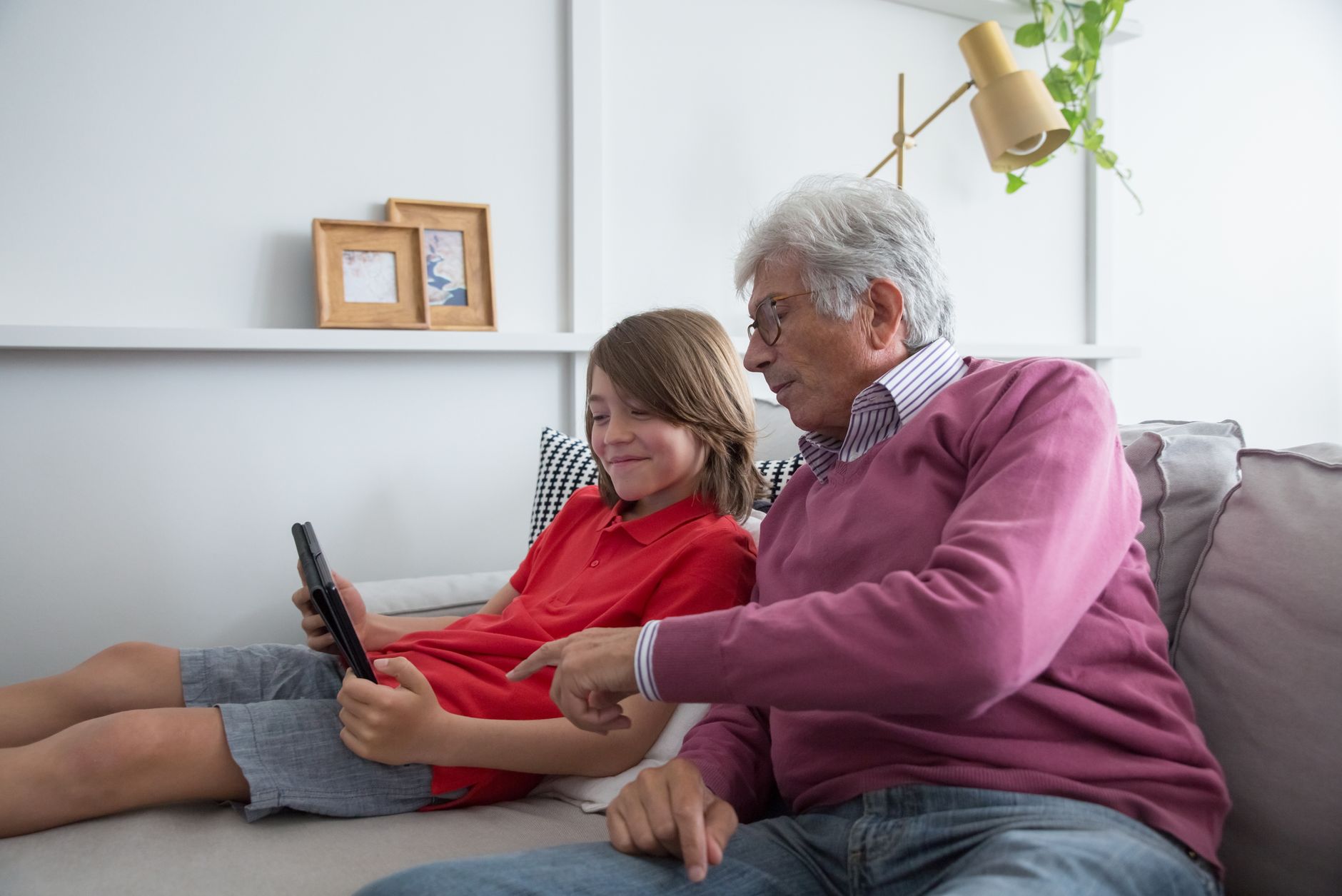
Newborns and toddlers have different needs—and so should their screen time rules.
### **Newborns (0–12 months): The Zero-Screen Rule**For babies under 12 months, no TV, tablets, or even passive screen exposure. Why? Their brains are wired to learn through face-to-face interaction, movement, and real-world sounds. Studies show that screen time in this age group is linked to delayed speech development and poor attention spans later (AAP, 2021).
**What to do instead:**
- Read aloud—even if they don’t understand yet, hearing your voice builds language skills.
- Sing songs with simple actions (e.g., "Itsy Bitsy Spider").
- Tummy time with high-contrast toys or a mirror.
- Baby-wearing or rocking—gentle movement soothes and strengthens bonds.
**How to explain this to grandparents:**
"I know it’s tempting to hand them a tablet to keep them quiet, but right now, their brains are growing fastest through real interactions. Even 10 minutes of screen time can disrupt their sleep or make it harder for them to focus later. Let’s try [insert alternative activity] instead!"
### **Toddlers (12–24 months): The "Maybe" Rule**Once your child turns 18 months, you *can* introduce high-quality, co-viewed content—but it’s still limited. The AAP recommends:
- Only 10 minutes per day of interactive, educational content.
- No background TV—screens should never be "on" while they’re playing independently.
- Always watch together and talk about what’s happening.
**Best toddler-friendly shows (when supervised):**
- *Ms. Rachel* (gentle, interactive)
- *Blippi* (high-energy, educational)
- Short, live-action episodes of *Daniel Tiger’s Neighborhood*
**What to avoid:**
- Fast-paced cartoons (*Peppa Pig*, *Bluey*—even these can be overstimulating for young toddlers).
- Passive screen time (e.g., grandparents watching TV while holding baby).
- Tablets in the stroller or car seat unless it’s a special occasion.
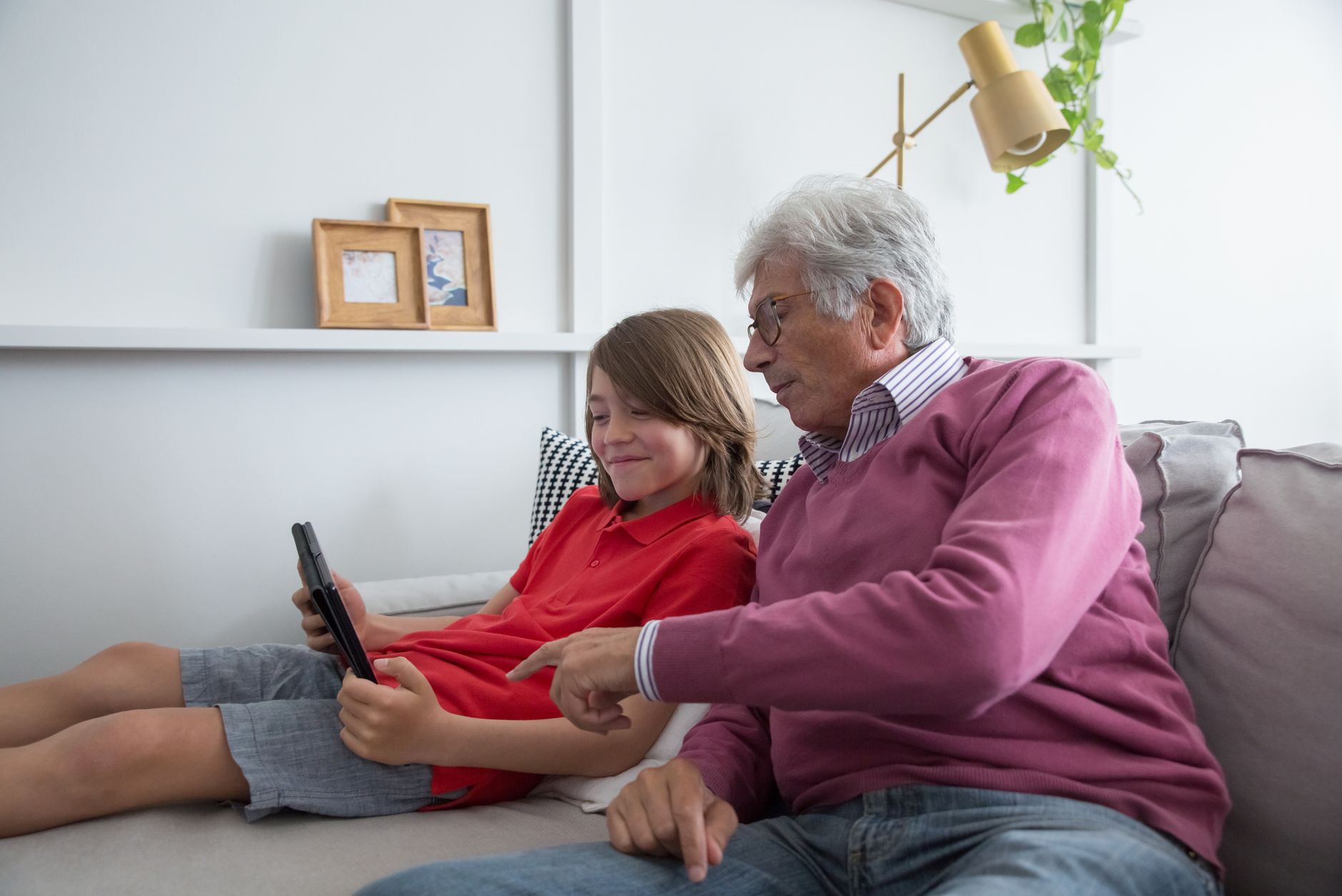
At two years old, your child’s brain is developing rapidly, and screen time can either support or hinder that growth. The AAP’s guidelines for this age are:
- 1 hour max per day of high-quality, co-viewed content.
- No screens before age 3 during naps or bedtime routines.
- Prioritize real-world play—screens should be a supplement, not a substitute.
**How to set this up:**
1. **Create a "screen time schedule"** (see the table below for a sample).
2. **Use a visual timer** (like the Time Timer) to show when screen time ends.
3. **Offer alternatives** (see the next section for ideas).
4. **Be consistent**—if grandparents break the rule once, they’ll keep doing it.
| Time of Day | Screen Time Allowed | Alternatives |
|---|---|---|
| Morning (before 9 a.m.) | 0 minutes | Breakfast together, outdoor play, or sensory bins |
| Afternoon (post-nap) | 15–30 minutes | Puppet show, baking together, or "car ride" games |
| Evening (before bed) | 0 minutes | Quiet time with books or a bath routine |
**What to do if grandparents push back:**
"I get it—it’s hard to see them without a screen! But right now, their brain is learning best through real play. Let’s try [alternative activity] for the next 30 minutes, and if they’re still fussy, we can revisit the screen time plan."
--- ## **How to Explain Screen Time Rules to Grandparents Who Want to Watch TV**Grandparents often think of screens as a babysitter, not a developmental tool. Here’s how to reframe the conversation:
### **1. Use the "Why" First**Start with the science in a way that resonates with their values. For example:
"I know you want what’s best for [baby’s name], and research shows that the first few years are when their brain grows the most. Screens can actually make it harder for them to focus, talk, and play later. But I promise, there are so many other ways we can bond—like [activity they enjoy]!"
### **2. Offer a "Grandparent Pass"**Give them a limited exception to make them feel included. For example:
- "You can watch *Ms. Rachel* together for 10 minutes on weekends."
- "Let’s do a video call with great-grandma every Friday—just you and [baby’s name]."
Turn screen-free time into a game or challenge:
- "Can we see who can make [baby] laugh the hardest without a screen?"
- "Let’s try the ‘No-Screen Sunday’—we’ll do a puzzle or sing songs instead."
**Example script for a resistant grandparent:**
"Hey Mom, I love that you want to spend time with [baby’s name], and I know screens can be a quick fix. But I’ve noticed that when we play with blocks or sing songs, [baby] gets so much happier—and it’s easier for *you* to put them down at bedtime! What if we try [alternative activity] for the next hour? If they’re still fussy, we can revisit the screen time plan."
--- ## **Grandparents Screen Time Policy for a Baby in a Daycare Setting**Daycare is a whole other beast—especially when grandparents are involved in the mix. Here’s how to handle it:
### **1. Set Clear Rules with the Daycare**Ask your daycare provider about their screen time policies and request they honor your family’s rules. For example:
- "We limit screens to [X] minutes per day—could you please follow that?"
- "Could you send me a quick note if [baby] seems overstimulated by screens?"
If grandparents take your child to daycare, give them a cheat sheet of your rules:
- "No screens before 9 a.m."
- "Only [X] minutes of [approved shows]."
- "If [baby] gets fussy, try [alternative activity] first."
Create a simple agreement for grandparents to sign (even if it’s just verbal). Example:
"We agree that during visits, we’ll limit screens to [X] minutes and focus on [alternative activities]. If we exceed the limit, we’ll make up for it with extra playtime tomorrow."
**What to do if daycare defends screen time:**
"I totally get why daycares use screens—they’re practical! But we’ve noticed that when we limit screens at home, [baby] has better naps and is easier to engage with. Could we try reducing screens by [X] minutes this week and see how it goes?"
--- ## **How to Enforce Screen Time Limits with Tech-Savvy Grandparents**Some grandparents are tech whizzes—and that can backfire if they’re using screens as a "tool." Here’s how to handle it:
### **1. Use Tech *Against* Them**Leverage their love of gadgets to your advantage:
- **Screen time apps:** Tools like Screen Time (iOS) or Digital Wellbeing (Android) let you set limits per app. Grandparents can even self-enforce them!
- **Parental controls:** Use family-friendly parental control apps like Bark or Qustodio to block inappropriate content.
- **Shared calendars:** Use Google Calendar to block out "screen-free hours" for everyone.
Instead of fighting their love of tech, channel it:
- **"Let’s make a playlist of your favorite songs for [baby]!"** (No screens needed—just music.)
- **"Can you record a video of yourself reading a story?"** (They get to use their phone, but it’s interactive.)
- **"Let’s try a ‘tech detox’ challenge—who can go the longest without screens?"**
Turn screen time limits into a game:
- Give them a reward for following the rules (e.g., "If we make it through the weekend without screens before bedtime, we’ll all get ice cream Sunday!").
- Use a visual tracker (like a sticker chart) to show progress.
- Celebrate wins: "You did it! [Baby] had the best nap of the week because we stuck to the plan!"
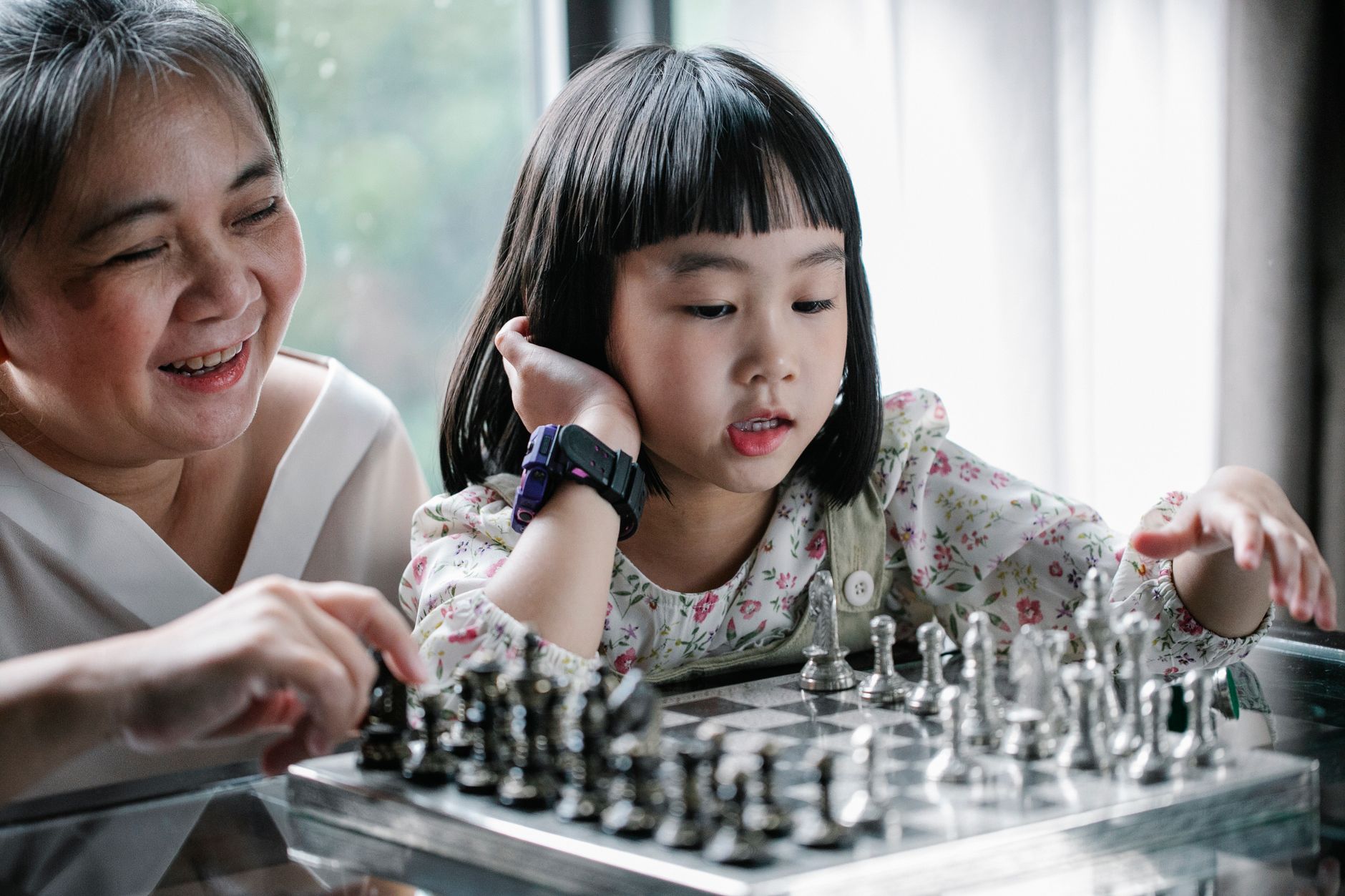
Grandparents want to bond—they just don’t always realize how much better real-world activities work. Here are the best screen-free alternatives, organized by age:
### **For Newborns (0–12 months):**- Babywearing—walking or rocking while holding baby.
- Sensory bins (rice, beans, or soft toys for them to touch).
- Singing and dancing (even just shaking a rattle to music).
- Reading board books (pointing at pictures, making sounds).
- Tummy time with toys (high-contrast or textured toys).
- Puppet shows (grandparents can make simple puppets with socks).
- Baking together (measuring, mixing—great for fine motor skills).
- Obstacle courses (pillows, tunnels, crawling under tables).
- Storytime with props (puppets, stuffed animals, or real-life objects).
- Water play (cups, spoons, and a tub of water).
- Arts and crafts (stickers, crayons, or finger painting).
- Outdoor time (bubble blowing, sidewalk chalk, or a short walk).
- Dress-up and pretend play (hats, scarves, or toy kitchens).
- Music time (shakers, drums, or singing along to favorite songs).
- Car ride games ("I Spy," "The Alphabet Game," or making up stories).
**Pro tip:** Keep a list of "go-to" activities in your phone or on the fridge so grandparents can grab ideas on the fly.
--- ## **Monitoring and Enforcing Screen Time During Visits**Even the best-laid plans can go awry. Here’s how to stay on top of it:
### **1. Use a "Screen Time Passport"**Create a simple checklist for grandparents to follow during visits:
- ✅ No screens before 9 a.m.
- ✅ Only [X] minutes of approved content per day.
- ✅ No screens during naps or bedtime.
- ✅ At least 30 minutes of screen-free play per visit.
**Example:**
"Let’s try this for the next two visits—if we stick to it, we’ll celebrate with [baby’s name]’s favorite snack!"
### **2. Set Up a "Screen Time Timer"**Use a visual timer (like the Time Timer) to show when screen time ends. Toddlers love watching the sand run out, and grandparents will see it as a game.
### **3. The "Two-Strike Rule"**If grandparents exceed the limit, use a gentle consequence:
- First offense: "Let’s try again tomorrow—how about we do [alternative activity] instead?"
- Second offense: "I think [baby] needs a break from screens today. Let’s take a walk and see how they feel."
Sometimes, the best way to enforce rules is to make them laugh:
- "I know you love *Peppa Pig*, but [baby]’s brain is like a sponge right now—it’s absorbing *everything*, including the fact that pigs don’t actually live in mud!"
- "Let’s see if we can beat the record for the longest time [baby] stays engaged without a screen. I’ll even let you pick the activity!"
Not all grandparents were raised with the same screen-time norms. Here’s how to navigate different perspectives:
### **1. The "Old School" Grandparent**Some grandparents grew up without screens and see them as necessary evil for modern life. How to bridge the gap:
- **Acknowledge their perspective:** "I know screens seem like the only way to keep up with [baby]’s energy!"
- **Share success stories:** "Remember when [baby]’s cousin played with blocks for hours without getting bored? That’s what we’re aiming for!"
- **Offer a compromise:** "Let’s try 15 minutes of screen time, and if they’re still happy, we’ll extend it."
Other grandparents are tech-savvy and see screens as a tool for learning. How to guide them:
- **Redirect to interactive content:** "Instead of *Peppa Pig*, how about we try *Ms. Rachel*? It’s more interactive and helps with language skills."
- **Use their love of gadgets:** "Can you show me how to set up the tablet for co-viewing? I’d love to learn!"
- **Set limits together:** "Let’s use the screen time app to track how much time we spend on educational content."
Some grandparents don’t want to "bother" with rules and just want to enjoy their grandchild. How to include them:
- **Make it easy:** "We’ve made a list of 10 screen-free activities—pick one you’d like to try!"
- **Celebrate their involvement:** "You’re such a great helper—[baby] loves when you [activity]!"
- **Offer flexibility:** "If you’re tired, that’s okay! But let’s try to keep screens under [X] minutes today."
If you’re open to tech as a tool (not a crutch), these apps can help grandparents track, limit, and even co-view screen time responsibly:
### **For Parents & Grandparents:**| App | Best For | Key Features | Cost |
|---|---|---|---|
| Screen Time (iOS) / Digital Wellbeing (Android) | Setting limits per app | Daily limits, app usage reports, downtime scheduling | Free (built into devices) |
| Bark | Monitoring content | Blocks inappropriate content, alerts for cyberbullying | $9.99/month |
| Qustodio | Parental controls | Web filtering, location tracking, screen time limits | $59.95/year |
| Kidoz | Kid-friendly content | Curated library of educational apps, no ads | Free (premium options) |
| Google Family Link | Overall device usage | App limits, bedtime schedules, location sharing | Free |
- Khan Academy Kids (free, ad-free, interactive learning)
- PBS Kids Games (educational games based on popular shows)
- Endless Alphabet (interactive word games for toddlers)
- Toca Boca (creative, open-ended play apps)
**Tip:** If grandparents resist using apps, set them up yourself and explain how they work. Many will be surprised at how easy it is—and how helpful it feels to have "tools" for parenting.
--- ## **Grandparents Screen Time Recommendations from Pediatricians**The AAP and other experts have clear guidelines, but what do real pediatricians recommend for grandparents? We asked a few:
### **Dr. Laura Markham (Clinical Psychologist & Parenting Expert)**"The biggest mistake grandparents make is thinking screens are a substitute for attention. Instead, think of them as a supplement—something to do *with* the baby, not *to* the baby. If grandparents are worried about boredom, redirect them to activities that build real skills: singing, storytelling, or even just sitting quietly and watching their grandchild play."
### **Dr. Ari Brown (Pediatrician & Author of *The Baby Sleep Site*)**"For newborns, no screens is the rule. For toddlers, limit it to co-viewed, interactive content—and always talk about what’s happening. Grandparents can help by reading books, playing with toys, or even just sitting and talking to their grandchild. Screens shouldn’t be the default—real interaction is what builds strong brains."
### **Dr. Jenny Radesky (Developmental-Behavioral Pediatrician)**"The best way to reduce screen time is to make screen-free time more appealing. Grandparents often don’t realize how much fun it is to play with a toddler—especially if you give them a few simple ideas. A five-minute dance party or a silly song can be more engaging than a screen!"
--- ## **How to Create a Family Screen Time Schedule Including Grandparents**A shared schedule keeps everyone on the same page. Here’s how to make one:
### **Step 1: Pick a Time**Choose a time when everyone can meet (e.g., over coffee or during a family dinner).
### **Step 2: Write Down the Rules**Use the AAP guidelines as a starting point, but adjust based on your family’s needs. Example:
- **Newborns (0–12 months):** 0 screen time.
- **Toddlers (12–24 months):** 10 minutes max of co-viewed content.
- **Preschoolers (2–5):** 1 hour max, with co-viewing.
- **Bedtime:** No screens 1 hour before sleep.
For each screen time slot, write down 2–3 alternatives. Example:
- Instead of *Peppa Pig*: Sing "Wheels on the Bus" and act it out.
- Instead of tablet time: Build a block tower together.
- Instead of background TV: Read a book and point at pictures.
Create a poster or chart to hang in the nursery or kitchen. Example:
"📱 Screen Time Rules for Grandparents 📱
👶 Newborns: 0 screen time
👧 Toddlers: 10 min max of co-viewed content
🎨 Alternatives: Singing, playing, reading
🕒 Bedtime: No screens 1 hour before sleep"
Check in with grandparents every month to see what’s working and what’s not. Adjust as needed!
--- ## **Grandparents Screen Time vs. Baby Sleep Schedule**Screens and sleep don’t mix—especially for babies and toddlers. Here’s how to align them:
### **For Newborns:**- **No screens during naps or bedtime.**
- **If grandparents want to put baby down, they should avoid screens first.**
- **Use a "wind-down routine"** (e.g., bath, book, lullaby) instead of screens.
- **No screens 1 hour before bedtime.**
- **If toddler resists bedtime, offer a "quiet activity" (e.g., coloring, stuffed animal cuddles) instead of a screen.**
- **Grandparents can help by sticking to the same bedtime routine every night.**
"I know it’s hard when [baby] gets fussy at bedtime! But screens actually make it harder for them to fall asleep. Let’s try [alternative activity] instead—it usually works better!"
--- ## **Screen Time Rules for Grandparents During Holiday Visits**Holidays are the worst for screen time—everyone’s tired, everyone’s stressed, and screens feel like the easiest solution. Here’s how to handle it:
### **1. Set Expectations Early**Talk to grandparents before the visit about your rules. Example:
"We’re going to try to keep screens to a minimum this holiday—it helps [baby] sleep better and makes playtime more fun. Could you help by [activity] instead?"
### **2. Plan Screen-Free Activities**Have a list of holiday-themed activities ready:
- Decorate cookies together.
- Visit a petting zoo or park.
- Make a "grandparent memory book" with photos and drawings.
- Play holiday-themed games (e.g., "Pass the Present" with a soft toy).
During long visits (like Thanksgiving), allow 2 hours of screen time max—but only if it’s truly needed (e.g., to give grandparents a break).
### **4. Make It a Game**Turn screen time into a challenge:
- "Can we go the whole morning without screens? If we do, we’ll all get dessert early!"
- "Let’s see who can make [baby] laugh the hardest without a screen!"
Grandparents might say, "But they’ll just be happy!" or "It’s okay for one day!" Remind them:
- Even one day of extra screen time can disrupt a baby’s sleep.
- Toddlers learn best through real-world interaction—not screens.
- You’re setting them up for long-term success (better sleep, fewer meltdowns, stronger language skills).
Grandparents often have strong opinions about screen time. Here’s how to separate fact from fiction:
### **Myth: "Screens are just harmless entertainment."**Fact: While screens aren’t toxic, too much can delay speech, motor skills, and attention spans in young children. The AAP recommends no screens under 18 months and limited use for toddlers. Even "educational" content can be overstimulating if overused.
### **Myth: "Grandparents are too old to understand screen limits."**Fact: Grandparents want to do what’s best for their grandchild—they just might not realize how much screens affect development. Educate them gently and offer simple alternatives. Most will be happy to try new things!
### **Myth: "If other kids have screens, it’s not a big deal."**Fact: Every child develops at their own pace, but consistent screen limits help prevent overstimulation. Even if other kids seem fine, too much screen time can lead to behavioral issues later (AAP, 2021).
### **Myth: "Screens are the only way to keep a baby quiet."**Fact: Babies cry for a reason—hunger, tiredness, or just needing attention. Screens can mask the real issue and make it harder to soothe them later. Try rocking, singing, or a pacifier first.
--- ## **Key Takeaways**Here’s what you need to remember:
- Follow the AAP guidelines: No screens under 18 months; 1 hour max for toddlers.
- Offer alternatives: Grandparents love bonding—just redirect them to screen-free activities.
- Use tech tools: Screen time apps and timers can help everyone stay on track.
- Communicate early: Set expectations before visits, not during.
- Make it fun: Turn screen limits into games or challenges.
- Be consistent: If you let them exceed the limit once, they’ll keep doing it.
- Celebrate wins: When grandparents follow the rules, praise them—it encourages repetition!
The AAP recommends no more than 1 hour per day of high-quality, co-viewed content for toddlers (18–24 months

