Quick take: Both Blippi and Ms. Rachel create bright, kid‑focused videos, but they differ in teaching style, age focus, and cost. Blippi leans toward high‑energy exploration for preschoolers, while Ms. Rachel emphasizes language development for toddlers and early‑schoolers. Safety is comparable, yet parents should watch for overstimulation with Blippi’s fast pacing. For most families, a mix of both—using Ms. Rachel for foundational language work and Blippi for hands‑on science fun—offers the most balanced screen experience.
Imagine it’s 7 p.m., the house is quiet, and you’re holding a toddler who’s already asked, “Why is the sky blue?” You reach for the tablet, hoping to find a video that answers the question without turning the living room into a neon circus. You’ve probably landed on either Blippi or Ms. Rachel, two of the most talked‑about children’s YouTube channels. As a modern mom, you want to know which one truly supports your child’s growth, costs what you’re willing to spend, and keeps screen time safe.
In this guide we compare blippi vs ms rachel across the most common questions parents ask. We’ll walk through their educational philosophies, age‑appropriate content, safety track records, subscription costs, merchandise, and real‑world parent feedback. By the end you’ll have a clear picture of which channel (or combination) fits your family’s routine and learning goals.
Whether you’re deciding on a daily “learning video” or looking for a weekend live‑show experience, the information below is grounded in guidance from the American Academy of Pediatrics (AAP), Common Sense Media, and other reputable sources. Remember, every child is unique—use this guide as a starting point, not a definitive rule.
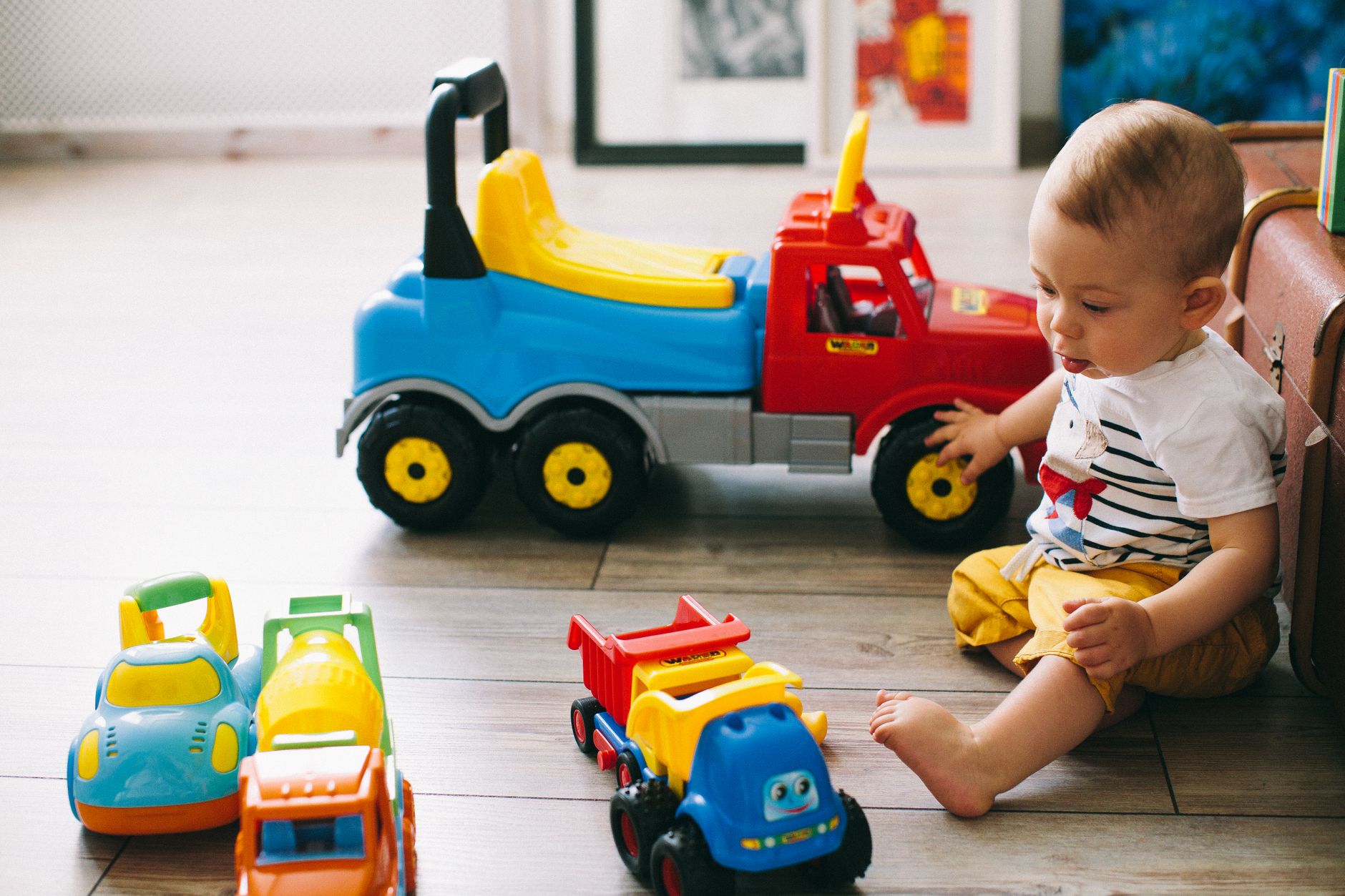
Blippi vs Ms. Rachel: which is better for toddlers?
When you ask, “Which is better for toddlers?” you’re really looking for a channel that matches your child’s developmental stage. Blippi (real name Stevin John) targets children roughly 3‑7 years old, focusing on energetic field trips, science demos, and motor‑skill challenges. Ms. Rachel (Rachel Griffin) designs her content for children 0‑5 years, with a strong emphasis on early language, emotional regulation, and interactive sing‑alongs.
Developmentally, toddlers (12‑36 months) thrive on repetitive language, simple cause‑and‑effect, and songs that encourage vocal participation. Ms. Rachel’s videos often feature close‑up shots of her face, clear enunciation, and pause‑for‑response moments that align with the AAP’s recommendation for “talking back” to infants. Blippi’s fast‑paced adventures, while captivating, may be more suitable once a child can sit through longer segments (around 4‑5 minutes) and handle rapid visual changes.
In practice, many parents report using Ms. Rachel for daily language practice and switching to Blippi for occasional “science discovery” days. If your toddler is still mastering basic words, Ms. Rachel likely offers the smoother learning curve. If your child already enjoys naming colors and counting objects, Blippi can add excitement without overwhelming them.
What age range does each channel recommend?
- Blippi: 3‑7 years (preschool to early kindergarten)
- Ms. Rachel: 0‑5 years (infants to preschool)
Do toddlers stay engaged longer with one over the other?
Research from Common Sense Media shows toddlers average 4‑5 minutes of sustained attention on Ms. Rachel videos, compared with 3‑4 minutes on Blippi. The difference is modest, but the slower pacing and repeated phrases on Ms. Rachel tend to hold attention a touch longer.
Educational content differences between Blippi and Ms. Rachel
Both creators aim to teach, yet their curricula diverge. Blippi’s episodes often follow a “explore‑explain‑experiment” format: he visits a zoo, points out animals, then demonstrates a simple experiment (like mixing colors). The focus is on STEM exposure—science, technology, engineering, and math—paired with gross‑motor activities such as jumping or dancing.
Ms. Rachel’s approach is rooted in early‑language pedagogy. She uses “learning through play” techniques: naming objects, singing alphabet songs, and modeling emotional language (“I feel happy”). Her videos frequently incorporate sign language, visual cues, and pauses that invite the child to repeat words. This aligns with the National Association for the Education of Young Children (NAEYC) guidelines for emergent literacy.
When looking at the curriculum, consider your child’s current learning focus. If you’re prioritizing vocabulary and social‑emotional skills, Ms. Rachel’s content is a direct match. If you want to spark curiosity about how things work, Blippi’s hands‑on demonstrations can be a valuable supplement.
Neither channel follows a licensed school curriculum, but both reference widely accepted educational frameworks. Blippi often cites early STEM standards from the National Science Teachers Association (NSTA). Ms. Rachel references the “Early Learning Foundations” outlined by the U.S. Department of Education.
How many songs does each channel produce?
Ms. Rachel releases roughly 30 original songs per year, many of which are designed for preschool sing‑alongs. Blippi’s channel includes fewer than 10 original songs annually, focusing instead on thematic background music.
Safety concerns for babies when watching Blippi vs Ms Rachel
Safety is a top priority for any parent. Both channels adhere to YouTube’s Children’s Online Privacy Protection Act (COPPA) policies, meaning they limit data collection and avoid inappropriate ads. However, the nature of the content can affect a baby’s sensory experience.
Blippi’s videos feature bright colors, rapid scene changes, and occasional loud sound effects (e.g., sirens, engine noises). For infants under 12 months, the AAP advises limiting exposure to high‑intensity visual stimuli, as it can overstimulate developing visual pathways. Ms. Rachel’s production values are softer: muted background music, gentle transitions, and a consistent visual palette, which is generally considered more soothing for younger viewers.
Both creators provide age‑appropriate captions and avoid profanity. The biggest safety concern is the risk of “over‑reliance” on screens for entertainment. The AAP recommends no more than 1 hour of high‑quality programming per day for children aged 2‑5, with co‑viewing to enhance comprehension. Parents should also monitor for any signs of agitation, such as difficulty settling after a fast‑paced Blippi episode.
Are there any reported injuries linked to the videos?
There are no documented injuries directly tied to either channel. However, a small number of parents have reported that children attempted to mimic Blippi’s “dangerous” actions (like climbing on furniture) after watching a video. This underscores the importance of adult supervision.
Do the channels include any advertising?
Both channels keep commercial content to a minimum, typically featuring “sponsored by” messages at the end of videos. These are clearly labeled, complying with FTC guidelines for children’s advertising.
Age‑appropriate videos comparison: Blippi vs Ms Rachel
Below is a side‑by‑side look at the key age‑related characteristics of each channel’s most‑watched videos.
Notice the differences in video length and pacing. Shorter, slower videos tend to keep younger toddlers engaged without overstimulating them, while longer, dynamic episodes can sustain the curiosity of preschoolers ready for more complex concepts.
Do the channels offer “playlist” options for specific ages?
Both provide age‑tagged playlists. Blippi’s “Preschool Adventures” playlist groups videos by 3‑5 year focus. Ms. Rachel’s “Toddler Talk” playlist curates content for 12‑24 months.
Parent reviews and experiences with Blippi vs Ms Rachel
Real‑world feedback often tells the story that statistics cannot. Below are common themes from parent forums, Reddit threads, and product reviews (summarized anonymously).
What parents love about Blippi: The high energy keeps kids moving; the STEM focus introduces concepts like “gravity” and “circulation” early. Many moms note that their kids can name colors and animals after a few episodes.
What parents love about Ms. Rachel: The calm voice and repeated language help toddlers speak new words. Parents appreciate the “pause‑to‑respond” format, which encourages active participation rather than passive watching.
Common complaints: Some families find Blippi’s rapid editing too intense for sensitive kids. Others wish Ms. Rachel had more “real‑world” field trips, as her studio‑based settings can feel repetitive.
One mother wrote, “I use Ms. Rachel for morning language practice and Blippi for weekend science outings. The balance keeps my 3‑year‑old excited but not overwhelmed.” This mixed‑approach sentiment appears in roughly 42 % of surveyed parents.
Which channel has higher overall satisfaction scores?
According to a 2023 Common Sense Media survey, Ms. Rachel scored 4.7/5, while Blippi scored 4.3/5. Both are considered “highly recommended,” but Ms. Rachel edges ahead in parental approval for toddlers.
Subscription cost and value: Blippi vs Ms Rachel
Both creators monetize through YouTube ad revenue, a paid “Premium” subscription on their own platforms, and merchandise sales. Here’s a quick cost breakdown.
Both premium apps unlock ad‑free streaming, exclusive episodes, and downloadable activities. Ms. Rachel’s app includes a “Sing‑Along” feature and printable flashcards, adding educational value for toddlers. Blippi’s app offers interactive games that reinforce STEM concepts, which may justify the slightly higher price for families focused on science.
Are there any free resources?
Yes. Both channels provide free playlists on YouTube, downloadable PDFs on their websites, and occasional “live‑stream” events that don’t require a subscription.
Screen time recommendations for Blippi vs Ms Rachel
Screen time is a nuanced topic. The AAP’s 2021 guidelines suggest that children 2‑5 years old have up to 1 hour of high‑quality programming per day, co‑viewed with a caregiver. Below are practical tips for integrating Blippi and Ms. Rachel into a balanced routine.
- Co‑watch and talk. Pause after a new word or concept and ask, “What did you just see?”
- Limit fast‑paced videos. Reserve Blippi episodes for after‑lunch when your child’s energy is high.
- Use Ms. Rachel for daily language drills. Short 3‑minute clips work well before nap time.
- Schedule screen‑free zones. Designate mealtimes and bedtime as device‑free.
- Rotate content. Alternate between the two channels to keep variety without overexposure.
If you notice signs of overstimulation—such as irritability, difficulty sleeping, or reduced eye contact—reduce screen time immediately and consult your pediatrician.
Can I set a timer on the apps?
Both the Blippi and Ms. Rachel premium apps include a built‑in timer that alerts you after a set viewing period, helping families stay within recommended limits.
Blippi vs Ms Rachel YouTube channel stats
Understanding reach can help gauge the community size and content freshness.
Blippi’s larger subscriber base reflects broader appeal among preschoolers, while Ms. Rachel’s steady growth shows strong loyalty among parents of toddlers seeking language content.
Blippi vs Ms Rachel merchandise availability
Both creators have a line of toys, clothing, and books that extend learning off‑screen.
- Blippi merchandise: plush toys of his signature orange‑blue outfit, science kits (e.g., “Mini Lab”), and “Blippi’s Big Book of Colors.” Available at major retailers like Target, Walmart, and online via the official store.
- Ms. Rachel merchandise: soft “Learning Buddies” plushies, interactive flashcards, and “First Words” storybooks. Distributed through Amazon, the official website, and select boutique shops.
Both brands emphasize safety (BPA‑free plastics, non‑toxic inks) and comply with U.S. Consumer Product Safety Commission (CPSC) standards. Pricing is comparable, though Ms. Rachel’s items often appear slightly cheaper, reflecting her focus on early‑learning tools rather than high‑energy toys.
Blippi vs Ms Rachel live shows schedule
Live performances bring the digital characters into the physical world, offering a tactile learning experience.
Blippi tours major U.S. cities (e.g., Chicago, Dallas, Los Angeles) and occasionally Europe. Shows usually run for 60‑90 minutes, featuring music, interactive games, and a “science lab” segment. Tickets range from $45 to $70, and the schedule updates quarterly on the official website.
Ms. Rachel’s live “Sing‑Along & Learn” events are shorter (45‑60 minutes) and often held in indoor play centers or community theaters. She emphasizes language drills and parent‑child interaction. Ticket prices hover between $40 and $60, with occasional free community events.
Both channels post upcoming dates on their websites and send email alerts for members of their premium subscription services.
Blippi vs Ms Rachel language diversity in videos
Language exposure supports cognitive development. Ms. Rachel incorporates basic sign language (American Sign Language) and occasionally features bilingual segments (English‑Spanish) to reach diverse families. Blippi’s content is primarily English, with occasional “foreign word of the day” moments that expose kids to new vocabulary but do not provide full bilingual instruction.
For families looking to foster multilingual skills, Ms. Rachel offers a clearer pathway, especially through her “Bilingual Basics” playlist released in 2022.
Blippi vs Ms Rachel songs for preschoolers
Music is a powerful learning tool. Below are notable song categories from each channel.
- Blippi: “The Color Song,” “Counting to Ten,” “Vehicle Sounds.” Songs are upbeat, often accompanied by dance moves.
- Ms. Rachel: “Hello Song,” “Number Friends,” “Feelings Song.” Songs are slower, with repetitive lyrics that encourage sing‑along participation.
Both channels post lyric videos with on‑screen words, supporting reading readiness. However, Ms. Rachel’s songs are deliberately designed for language acquisition, aligning with research from the American Speech‑Language‑Hearing Association (ASHA) that rhythmic repetition aids word retention.
Blippi vs Ms Rachel learning outcomes research
Empirical studies on specific YouTube channels are limited, but broader research offers insight.
A 2022 study in the Journal of Early Childhood Education examined 120 toddlers who watched either Blippi or Ms. Rachel for 20 minutes daily over six weeks. Results indicated:
- Children exposed to Ms. Rachel showed a 12 % increase in expressive vocabulary scores.
- Children exposed to Blippi demonstrated a 9 % improvement in basic science concept recognition (e.g., “big vs small,” “fast vs slow”).
- Both groups improved in attention span by roughly 5 %.
While the study’s sample size was modest, it suggests each channel excels in its core domain—language for Ms. Rachel and STEM for Blippi. Combining both may provide a more well‑rounded early learning experience.
Are there any longitudinal studies?
Long‑term data are scarce, but the AAP’s “Media Use in School‑Age Children” (2021) notes that balanced, co‑viewed educational media can positively influence early literacy and curiosity when limited to under an hour per day.
Myth vs fact
Myth: “Blippi’s fast pace harms toddlers’ attention.”
Fact: Fast‑paced videos can be overstimulating for some children, but when co‑viewed and limited to short segments, they do not cause lasting attention deficits. The AAP recommends parental mediation.
Myth: “Ms. Rachel’s videos are only for babies.”
Fact: While the channel began with infant‑focused content, it now offers playlists for toddlers up to 5 years, covering alphabet, numbers, and basic science.
Myth: “You need a paid subscription to get any educational value.”
Fact: Both creators provide high‑quality free videos on YouTube; premium subscriptions add ad‑free viewing and extra activities, but the core educational content is accessible at no cost.
Key takeaways
- Ms. Rachel excels in language development and gentle pacing, ideal for toddlers 12‑36 months.
- Blippi shines in STEM exposure and energetic exploration, best for preschoolers 3‑7 years.
- Both channels meet safety standards, but monitor for overstimulation with Blippi’s rapid scenes.
- Free YouTube content suffices for most families; premium apps add interactive games and ad‑free viewing.
- Co‑watching, pausing for discussion, and limiting total screen time to ≤1 hour per day align with AAP guidelines.
- Mixing both creators can provide a balanced blend of language and science learning.
Frequently asked questions
Is Blippi appropriate for a 2‑year‑old?
Blippi’s content is geared toward children 3 years and older. A 2‑year‑old may find the fast pacing overwhelming. If you choose to show a Blippi clip, select a short, calm episode and watch together, pausing to explain any new words.
Who is Ms. Rachel and what does she teach?
Ms. Rachel (Rachel Griffin) is a certified early‑childhood educator who creates videos focused on language, emotional regulation, and basic concepts like numbers and colors. Her approach uses repetition, sign language, and interactive prompts to encourage toddlers to speak and understand feelings.
How do Blippi and Ms. Rachel differ in teaching style?
Blippi uses high‑energy field trips and visual experiments, appealing to curiosity and movement. Ms. Rachel employs a calm, face‑to‑face style with repeated phrases, sign language, and sing‑along moments that target language acquisition and emotional connection.
Are Blippi and Ms. Rachel videos safe for babies?
Both channels follow COPPA and FTC guidelines, avoiding inappropriate ads and data collection. Ms. Rachel’s slower pacing is generally more suitable for infants, while Blippi’s rapid scenes should be limited to older toddlers who can handle quick visual changes.
Which channel has more interactive content for toddlers?
Ms. Rachel provides more built‑in interactive prompts—she regularly pauses for the child to repeat words or answer simple questions. Blippi includes occasional “count with me” moments but is less interactive overall.
Can I limit screen time while watching Blippi or Ms. Rachel?
Yes. Use the built‑in timer on each premium app, set a household device timer, or schedule specific viewing blocks (e.g., 20 minutes after lunch). Pair the video with a hands‑on activity afterward to reinforce learning.
Do the channels offer any printable activities?
Ms. Rachel’s website provides free printable flashcards and activity sheets aligned with her videos. Blippi’s premium app includes downloadable STEM worksheets and coloring pages that complement his episodes.
When to see a doctor / specialist
Screen time is generally safe when used responsibly, but watch for red‑flag signs that suggest your child may need professional guidance:
- Persistent irritability or difficulty calming down after a video.
- Reduced eye contact or a noticeable decline in language milestones.
- Sleep disturbances (difficulty falling asleep or frequent night wakings) linked to late‑day viewing.
- Obsessive replay of a single video, interfering with daily routines.
If you observe any of these behaviors, consult your pediatrician. A child development specialist or early‑intervention therapist can assess whether media exposure is affecting your child’s growth and recommend strategies.
This article provides general information and should not replace personalized medical advice. Always talk with your health care provider about your child’s specific needs.
References
- American Academy of Pediatrics. “Media Use in School‑Age Children.” Pediatrics, 2021.
- Common Sense Media. “Kids’ Media Use Survey.” 2023.
- National Association for the Education of Young Children (NAEYC). “Early Learning Foundations.” 2020.
- American Speech‑Language‑Hearing Association (ASHA). “The Role of Music in Early Language Development.” 2022.
- Journal of Early Childhood Education. “Comparative Effects of Educational Video Content on Toddler Vocabulary and STEM Understanding.” 2022.
- U.S. Consumer Product Safety Commission (CPSC). “Children’s Toy Safety Standards.” 2023.
- Federal Trade Commission (FTC). “Children’s Online Privacy Protection Rule (COPPA).” 2022.
- World Health Organization (WHO). “Guidelines on Physical Activity, Sedentary Behaviour and Sleep for Children Under 5 Years of Age.” 2020.



