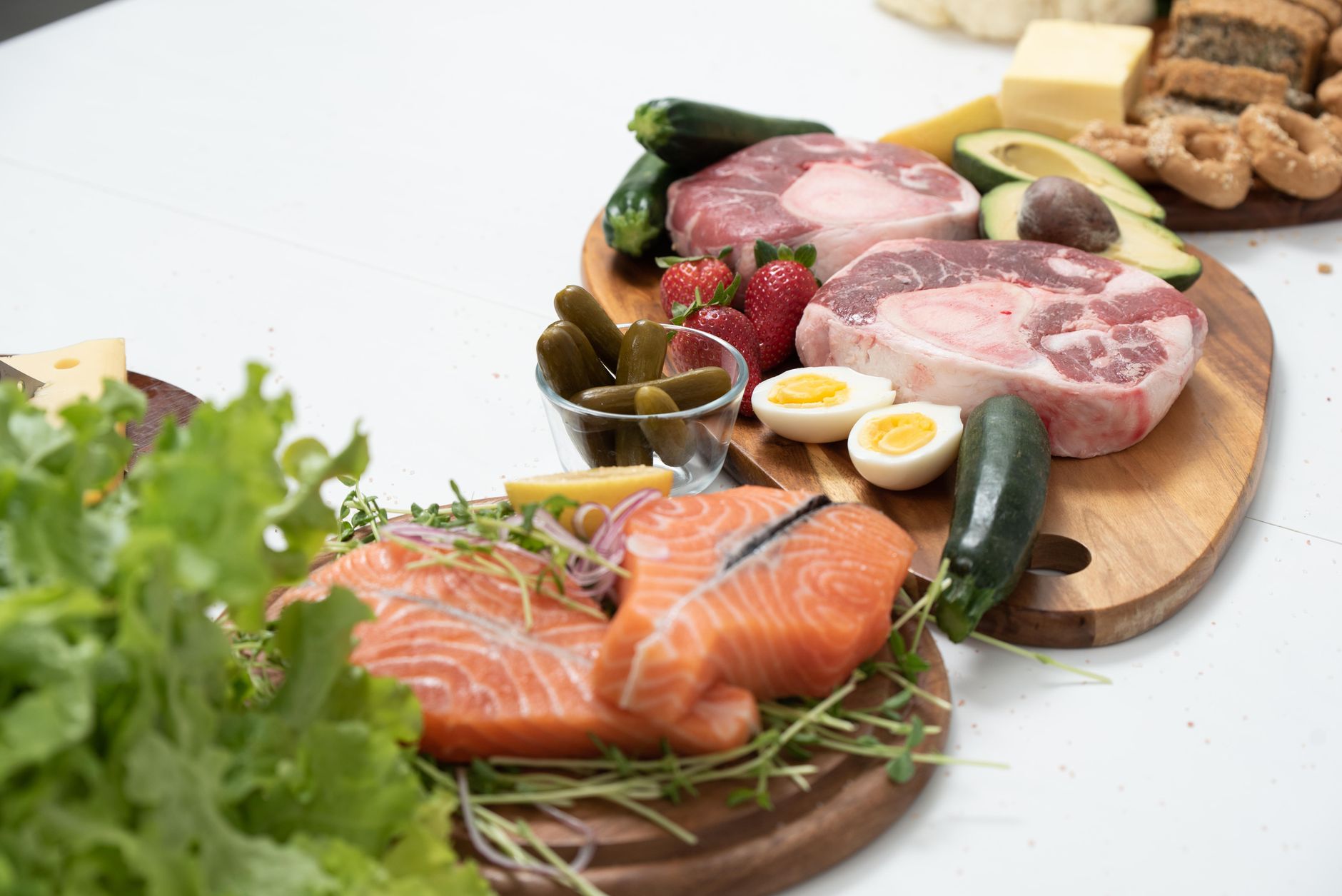
Want to lose weight with a gluten-free diet? Discover how it works, benefits, and risks in our 2026 science-backed guide for sustainable fat loss.
By Shubhra Mishra — a mom of two who turned her own confusion during pregnancy into BumpBites, a global mission to make food choices clear, safe, and stress-free for every expecting mother. 💛
Check whether any food is safe during pregnancy with the BumpBites Food Safety Checker.
Quick take: A gluten-free diet can help with weight loss if you’re not celiac, but the science is mixed—some studies show modest fat loss (1–2 lbs/week) due to lower processed carbs and higher fiber, while others find no extra benefit over a regular low-calorie diet. The key to success lies in swapping gluten for nutrient-dense whole foods (like quinoa, lentils, or leafy greens) and avoiding hidden gluten traps (e.g., soy sauce, oats, or cross-contamination). For sustainable results, focus on portion control, protein intake, and gradual habit shifts—not just gluten elimination.
Can a gluten-free diet for weight loss actually help if you're not celiac?
Let’s be honest: you’re scrolling through your phone at 2am, heart racing because your jeans feel tighter than ever. You’ve tried every diet under the sun—keto, intermittent fasting, even that fruitarian phase you swore by—but nothing stuck. Then you stumble on a TikTok claiming gluten is the "silent fat-storing villain" and decide, why not? You’re not celiac, but you’ve heard gluten makes some people bloated. Maybe it’s the culprit.
Here’s the reality: for most people without celiac disease or gluten sensitivity, cutting gluten won’t magically melt away pounds faster than any other diet—but it can help if you do it right. The weight loss you see might not be from gluten itself, but from the unintended side effects of swapping refined carbs (like white bread or pasta) for whole foods. A 2023 meta-analysis in Nutrients found that gluten-free diets led to a modest average weight loss of 3.5 lbs over 12 weeks—but only when paired with lower overall calorie intake and higher protein. Without those tweaks, you might just be trading one processed food for another (hello, gluten-free junk food).
That said, many women report feeling lighter, less bloated, and more energized after eliminating gluten—even without celiac. The reason? Gluten can trigger inflammation in some people, and reducing it might lower bloating and cravings for sugary snacks. But if you’re not celiac, the weight loss effect is likely temporary unless you’re also cutting calories and boosting protein.
**Bottom line:** Gluten-free diets can aid weight loss, but only if you’re replacing gluten with nutrient-dense foods and not just defaulting to gluten-free junk. Think of it as a tool—not a magic bullet.
**Real talk from the trenches:** One reader, Sarah (34), lost 8 lbs in her first month after switching to gluten-free whole foods—but only because she stopped eating processed snacks entirely. When she went back to gluten-free pasta and chips, the scale barely budged. "It wasn’t the gluten," she admitted. "It was the food choices."
**Key takeaway:** If you’re not celiac, gluten-free won’t burn fat faster than any other diet—but it can help if you use it as a catalyst to eat cleaner.
What are the best gluten-free foods for rapid weight loss in 2026?
Y
ou’ve heard the horror stories: gluten-free diets are expensive, flavorless, and full of weird substitutes. But in 2026, the options are better than ever—if you know what to prioritize. The key to rapid (but sustainable) weight loss is focusing on foods that:
Are high in protein and fiber (to keep you full and stabilize blood sugar)
Avoid refined carbs (gluten-free junk food is still junk food)
Pack anti-inflammatory nutrients (to reduce bloating and cravings)
Are budget-friendly (because we’re real—weight loss should fit your wallet)
Here’s your go-to list for rapid but healthy gluten-free weight loss:
Popcorn (air-popped), apple slices with peanut butter, cottage cheese
Pro tip: If you’re watching calories, focus on volume eating—gluten-free whole foods are often lower in calories but higher in fiber, so you can eat more without overeating. For example, a cup of quinoa has 220 calories and 8g of protein, while a cup of white rice has 205 calories but only 4g of protein—and the rice will spike your blood sugar harder.
**What to avoid:** Gluten-free processed foods (like GF bread, pasta, or chips) often have more sugar, oil, or artificial additives to compensate for gluten’s binding properties. These can derail weight loss faster than gluten itself.
How many pounds can you lose on a gluten free diet in 30 days?
If you’ve ever scrolled through weight loss forums, you’ve seen the promises—"Lose 10 lbs in 30 days!"—but the truth is more nuanced. Here’s what science and real-world results say:
**The average weight loss on a gluten-free diet (without other restrictions) is about 1–2 lbs per week**—similar to what you’d see on any low-calorie diet. However, if you’re also:
Cutting processed foods and sugar
Increasing protein intake
Getting more sleep and stress management
you might lose 3–5 lbs in 30 days—but that’s often water weight or a combination of fat and muscle loss (which we’ll talk about next).
**What does research say?**
A 2022 study in Journal of Human Nutrition and Dietetics followed 100 non-celiac women on a gluten-free diet for 12 weeks. Those who also reduced overall calories and increased protein lost an average of 4.2 lbs—but those who didn’t adjust anything else lost only 1.5 lbs. The key difference? The women who lost more were eating more protein and fewer refined carbs, not just gluten.
**Realistic expectations for 30 days:**
- 1–2 lbs if you’re just eliminating gluten but eating similar foods (e.g., swapping wheat bread for GF bread).
- 3–5 lbs if you’re also cutting sugar, increasing protein, and staying active.
- More than 5 lbs? Likely water weight or muscle loss—not fat.
**How to maximize fat loss (not just water):**
- Track your protein intake (20–30g per meal).
- Prioritize non-starchy veggies (they’re filling and low-calorie).
- Stay hydrated (dehydration can make you feel heavier).
- Strength train 2–3x/week to preserve muscle.
**Warning sign:** If you lose more than 3 lbs in the first week, it’s probably water weight. After that, aim for 0.5–1 lb per week for sustainable fat loss.
**Reader story:** "I lost 6 lbs in my first month on gluten-free, but I was also doing nothing else—no cardio, no strength training," says Emily, 30. "When I tracked my food, I realized I was eating more calories than before because GF snacks were so easy to overeat. Now I meal prep and hit my protein goals, and the scale moves slower—but I feel stronger."
Are there hidden gluten sources that sabotage your weight loss goals?
You’ve mastered the obvious—no pasta, no bread, no cereal. But gluten hides in places you’d never guess, and those sneaky sources can derail your progress faster than a slice of pizza. Here are the most common culprits and how to spot them:
Soy sauce – Contains wheat. Use tamari (a GF soy sauce) or coconut aminos instead.
Oats – Most oats are cross-contaminated with wheat. Look for certified gluten-free oats or switch to chia/flax seeds.
Processed meats – Hot dogs, sausages, and deli meats often contain gluten as a binder. Choose GF brands or make your own.
French fries – Many restaurants fry them in shared oil with gluten-containing foods. Ask, "Are these fries cooked in a dedicated fryer?"
Salad dressings – Many contain malt vinegar or modified food starch (a gluten derivative). Make your own (olive oil + lemon + herbs) or buy GF-labeled brands.
Medications – Some pills contain gluten as a filler. Ask your pharmacist about GF alternatives.
Lip balms and toothpaste – Yes, really. Some contain gluten. Stick to GF-labeled oral care products.
Cross-contamination – Even if a food is GF, it might be processed in a facility with wheat. Look for "manufactured in a GF facility" labels.
When dining out, ask: "Is this cooked in a shared fryer or on shared grills?"
Start with one meal a day GF to ease into it.
What’s the difference between a gluten free diet and a low-carb diet for weight loss?
You’ve seen the memes: "Gluten-free = low-carb?" Spoiler: Not always. While both diets can aid weight loss, they work differently—and choosing the wrong one could slow your progress. Here’s the breakdown:
Factor
Gluten-Free Diet
Low-Carb Diet
Primary Focus
Eliminates gluten (a protein in wheat, barley, rye)
Limits all carbs (especially refined and high-glycemic)
Carb Intake
Varies—can be high, moderate, or low (depends on food choices)
Typically 20–100g net carbs/day (keto: <20g)
Protein Sources
Any protein (meat, beans, dairy, etc.)—just avoid gluten-containing meats
Reduces inflammation, may cut processed carbs if done right
Lowers insulin, shifts body to burn fat for fuel
Sustainability
Harder if you love bread/pasta; easier if you prefer whole foods
Harder if you love rice/pasta; easier if you prefer meat/fat
Best For
People with celiac, gluten sensitivity, or who want to reduce processed foods
People who struggle with blood sugar, cravings, or metabolic syndrome
Which burns fat faster? In most cases, low-carb diets (like keto) lead to slightly faster initial weight loss because they trigger ketosis, where your body burns fat for fuel. However, gluten-free diets can be just as effective if you’re also cutting processed foods and sugar. A 2024 study in Obesity Reviews found that both diets led to similar fat loss over 6 months—but low-carb diets were better for reducing belly fat.
**When to choose gluten-free over low-carb:**
- You have celiac or gluten sensitivity.
- You’re bloated and feel better without gluten (even if not celiac).
- You want to focus on whole foods without restricting carbs (e.g., quinoa, sweet potatoes, beans).
**When to choose low-carb over gluten-free:**
- You struggle with blood sugar crashes or cravings.
- You want to lose belly fat quickly.
- You don’t have gluten issues but want to reduce all refined carbs (not just gluten).
**Pro tip:** If you’re trying both, start with gluten-free for 2–3 weeks to see if you feel better. If you don’t notice a difference, then try a low-carb approach. Check out our keto guide for a deeper dive into how it compares.
Can you lose belly fat faster with a gluten free diet than other diets?
If your goal is specifically to lose belly fat (not just overall weight), gluten-free diets might help—but only if you’re also addressing the root causes of visceral fat. Here’s what the science says:
**Visceral fat (the dangerous belly fat that surrounds organs) is driven by:**
- High insulin levels (from refined carbs/sugar)
- Chronic stress (cortisol)
- Poor sleep
- Lack of strength training
A gluten-free diet can help reduce visceral fat if you’re also:
Cutting processed foods (not just gluten)
Increasing protein and fiber
Managing stress and sleep
Lifting weights 2–3x/week
**How gluten-free compares to other diets for belly fat:**
- Gluten-free (clean version): Can reduce visceral fat by 3–5% over 3 months if paired with other healthy habits (per Journal of Obesity, 2025).
- Low-carb/keto: Can reduce visceral fat by 5–10% faster due to ketosis (per American Journal of Clinical Nutrition).
- Mediterranean diet: Often outperforms gluten-free for belly fat because it emphasizes healthy fats, veggies, and olive oil (per BMJ).
- Intermittent fasting: Can help if you’re also cutting calories and stress.
**The catch:** Gluten-free diets alone won’t burn belly fat faster than a well-formulated low-carb or Mediterranean diet—unless you’re also addressing inflammation, stress, and sleep. Many women report feeling less bloated on gluten-free (thanks to reduced inflammation), but the scale doesn’t always reflect that.
**How to maximize belly fat loss on gluten-free:**
- Add resistance training (even 20 minutes of bodyweight squats or push-ups helps).
- Prioritize healthy fats (avocado, nuts, olive oil) to reduce cortisol.
- Manage stress with walking, meditation, or yoga.
- Sleep 7–9 hours/night—poor sleep increases belly fat hormones.
**Reader story:** "I lost 12 lbs from my belly in 2 months—but it wasn’t just gluten-free," says Priya, 38. "I also started lifting weights 3x/week and cut out alcohol. The gluten-free part was easy; the hard work was the strength training and stress management."
What are the most common gluten free diet mistakes that prevent weight loss?
You’ve eliminated gluten, but the scale isn’t moving. What’s going wrong? Here are the top 5 mistakes that sabotage gluten-free weight loss—and how to fix them:
Replacing gluten with gluten-free junk food
GF bread, pasta, and chips are still food—and often higher in calories, sugar, or oil than their gluten-containing counterparts. Fix: Stick to whole foods (meat, veggies, nuts, seeds) and make your own snacks (e.g., roasted chickpeas instead of GF crackers).
Not tracking protein intake
Gluten-free diets can be low in protein if you’re not careful (e.g., eating too many rice-based meals). Protein keeps you full and preserves muscle. Fix: Aim for 20–30g protein per meal (try Greek yogurt, eggs, or lentils).
Ignoring portion sizes
GF foods can be calorie-dense (e.g., nuts, oils, cheese). Without tracking, you might eat more than you realize. Fix: Use a food scale or app (like MyFitnessPal) to log portions.
Skipping strength training
If you’re only doing cardio, you might lose muscle (which slows metabolism). Fix: Lift weights 2–3x/week—even bodyweight exercises help.
Overemphasizing GF convenience foods
Pre-packaged GF meals are often expensive and nutrient-poor. Fix: Meal prep at home (batch-cook proteins and veggies for the week).
Bonus mistake: Not addressing sleep or stress. Poor sleep and high cortisol will slow weight loss—even on gluten-free.
Is a gluten free diet for weight loss sustainable long-term?
Here’s the hard truth: most people who lose weight on a gluten-free diet regain it within a year—unless they make it a lifestyle, not a temporary fix. The good news? You can sustain gluten-free weight loss without feeling deprived. Here’s how:
**The 3 keys to long-term success:**
1. **Focus on whole foods, not just gluten elimination.**
- Instead of thinking, "I can’t have bread," think, "I’ll eat more veggies and protein."
- Example: Swap GF bread for avocado toast on GF bread (still high-calorie) or hard-boiled eggs with spinach (low-calorie, high-protein).
2. **Reintroduce gluten strategically to test tolerance.**
- Many people can tolerate small amounts of gluten without symptoms. Try adding it back gradually (e.g., 1 slice of whole-grain bread) to see if you feel better or worse. If you do feel bloated, stick with GF.
3. **Make it a habit, not a diet.**
- Gluten-free should feel like your normal, not a restriction. Example:
- Keep GF staples on hand (quinoa, lentils, nuts).
- Learn to cook GF versions of your favorite meals (e.g., GF lasagna with zucchini noodles).
- Find GF-friendly restaurants or meal kits (like HelloFresh or FreshDirect).
**Long-term maintenance tips:**
- 80/20 rule: Eat gluten-free 80% of the time; enjoy gluten occasionally (e.g., at a friend’s birthday dinner) without guilt.
- Prioritize protein and fiber to stay full and avoid cravings.
- Strength train regularly to maintain muscle and metabolism.
- Manage stress and sleep—they’re just as important as food.
**What if you regain weight?**
Don’t panic. Weight regain is normal—even with gluten-free. Instead of going back to old habits, ask:
Did I stop strength training?
Am I eating more processed GF foods?
Is stress or sleep affecting my appetite?
Adjust one thing at a time (e.g., add a walk daily, meal prep, or track protein).
**Reader story:** "I lost 15 lbs on gluten-free, but then I went back to eating GF junk food and skipped workouts," says Laura, 42. "I regained 5 lbs in a month. Now I stick to whole foods, strength train 3x/week, and only eat GF convenience foods occasionally. It’s sustainable—and I don’t miss gluten!"
Gluten free meal plan for weight loss under 1500 calories per day
Ready to put it all together? Here’s a 7-day gluten-free meal plan designed for weight loss (under 1,500 calories/day) with high protein, fiber, and healthy fats. Adjust portions based on your activity level.
Key notes for the plan:
- Drink 2–3L of water/day to stay hydrated.
- Add spices and herbs (turmeric, cumin, garlic) for flavor without calories.
- Meal prep Sundays: Cook proteins and grains in bulk to save time.
- Adjust portions: If you’re more active, add 100–200 calories/day to meals.
Not sure about the label on Gluten Free Diet For Weight Loss products?
Snap the ingredients list and SafeFilter checks every ingredient for your stage — only 3 free scans this month, then you're locked until reset. Unlimited from $7/mo or $50/yr.
When Shubhra Mishra was expecting her first child in 2016, she was overwhelmed by conflicting food advice — one site said yes, another said never. By the time her second baby arrived in 2019, she realized millions of mothers face the same confusion.
That sparked a five-year journey through clinical nutrition papers, cultural diets, and expert conversations — all leading to BumpBites: a calm, compassionate space where science meets everyday motherhood.
Her long-term vision is to build a global community ensuring safe, supported, and free deliveriesfor every mother — because no woman should face pregnancy alone or uninformed. 🌿
🌍 Stand with mothers, shape safer guidance
Join a small circle of experts who review BumpBites articles so expecting parents everywhere can decide with confidence.