Quick take: Gen Z parents are raising kids with more intentionality about mental health, financial literacy, and digital boundaries than Millennials—while embracing a more flexible, values-driven approach to discipline, education, and work. They’re also the first generation to grow up with smartphones and social media shaping their parenting styles, from using apps to track sleep to prioritizing open conversations about consent and body autonomy. The shift isn’t about being "better" or "worse," but about adapting to a world where parenting looks different because the challenges are different.
How Gen Z Parents Differ from Millennials in Parenting Style: A Cultural Shift in Values
Picture this: You’re scrolling through your Instagram feed at 2am, and suddenly you see a Gen Z mom posting a Reel of her toddler "meditating" with a weighted blanket while she sips matcha. Next to it, a Millennial mom from your high school days shares a photo of her kid’s first day of preschool—complete with a homemade "I love you" card and a handwritten note from the teacher. The contrast isn’t just about aesthetics; it’s about how these generations approach parenting.
Gen Z parents—those born roughly between 1997 and 2012—are raising kids in a world that’s fundamentally different from the one Millennials grew up in. They’re the first digital natives, but they’re also the first generation to face climate anxiety, economic instability, and a mental health crisis. Their parenting style reflects these experiences: more collaborative, more transparent, and far more intentional about setting boundaries—both for themselves and their children.
Here’s the thing: Millennials were the first to embrace "helicopter parenting" in the 2000s, but Gen Z is flipping the script. They’re not just "better" parents—they’re responding to a different set of pressures. They’re more likely to prioritize emotional intelligence over rigid discipline, to treat their kids as partners in decision-making, and to use technology not just as a tool for entertainment but as a way to foster connection and learning. And yes, they’re also the first generation to openly discuss parenting failures, mental health struggles, and the reality that no one has it all together.
If you’re a Millennial mom trying to understand your Gen Z sister-in-law, or a Gen Z parent wondering why your own parents still believe in "spare the rod," this guide is for you. We’ll break down the key differences—from how they handle screen time to how they talk about money—and why these shifts matter.
Let’s start with the foundation: values.
1. From "Because I Said So" to "Let’s Talk About It"
Millennials grew up with a parenting style that often relied on authority—"Do this because I’m the parent." Gen Z parents, on the other hand, are more likely to approach discipline with collaboration. They’re teaching kids to think critically, ask questions, and—most importantly—understand why rules exist.
One Gen Z mom we spoke to, Sarah (31), put it this way: "I don’t want my kid to just obey me. I want them to choose to follow the rules because they understand the bigger picture. If they’re grounded, we talk about it. If they’re upset about a chore, we problem-solve together." This isn’t about being permissive; it’s about building a relationship where kids feel heard and respected.
This shift isn’t just about parenting—it’s about the cultural move toward attachment parenting, even if they don’t use the term. Gen Z parents are more likely to practice what we call "consultative parenting": asking kids for input, validating their feelings, and treating them as young people with their own perspectives. It’s not about giving kids too much power; it’s about giving them the tools to make good decisions.
2. The Rise of "Quiet Parenting" and Emotional Regulation
If you’ve ever seen a Gen Z mom calmly guiding her toddler through a meltdown without raising her voice, you’re witnessing quiet parenting. This approach—popularized by Gen Z moms like @quietparenting—focuses on emotional regulation, patience, and avoiding power struggles. It’s not about ignoring feelings; it’s about teaching kids to manage them in healthy ways.
Millennials might have been the first to prioritize emotional intelligence, but Gen Z is taking it further. They’re teaching kids to label emotions, practice mindfulness, and even use tools like journaling or breathing exercises. One Gen Z dad told us, "I don’t want my kid to be a little adult who can’t handle stress. I want them to have the tools to cope when things get hard."
This approach extends to how they handle conflict. Gen Z parents are more likely to model healthy communication—using "I feel" statements, apologizing when they’re wrong, and teaching kids that mistakes are part of learning. It’s a far cry from the "no whining" or "stop crying" parenting of past generations.
3. Body Autonomy and Consent from Day One
One of the most striking differences between Gen Z and Millennial parenting is how they handle body autonomy. Gen Z parents are raising kids to understand consent from a very young age. This means teaching toddlers that their bodies belong to them, that they can say "no" to hugs or kisses, and that their feelings about touch are valid.
Millennials might have been the first to teach kids about "stranger danger," but Gen Z is going further. They’re having conversations about boundaries, personal space, and respect from preschool onward. One Gen Z mom shared, "I had a conversation with my 4-year-old about consent last year after seeing a TikTok about it. She got it. She said, 'Mom, if someone touches me and I don’t like it, I can say no.'"
This isn’t just about safety—it’s about respect. Gen Z parents are raising kids who understand that their bodies are theirs alone, and that respect is a two-way street. It’s a radical shift from the "kids should be seen and not heard" mentality of older generations.
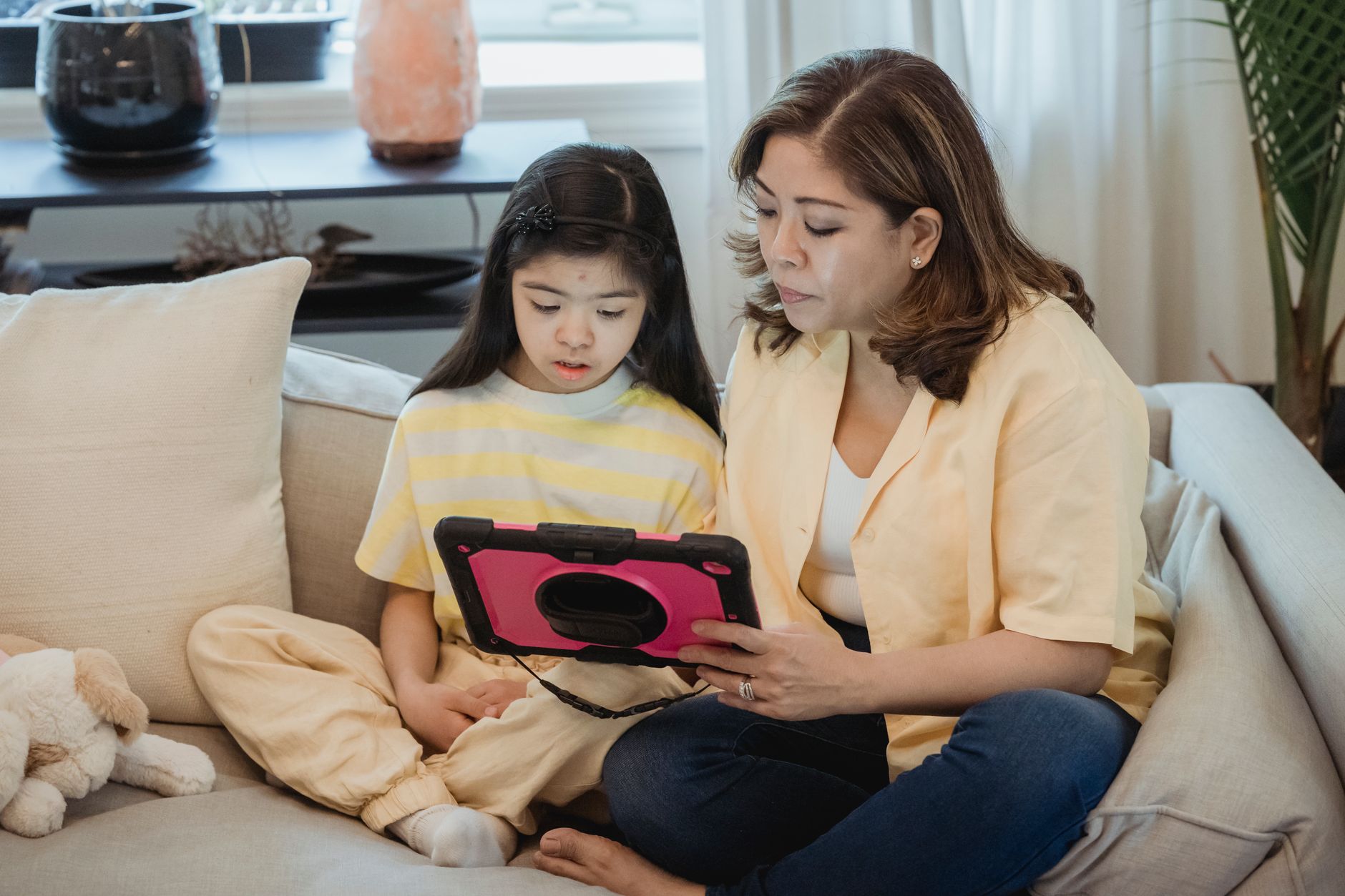
Gen Z Parenting vs. Millennial Parenting Financial Habits: Budgeting for the Future (and the Present)
Let’s talk money—because if there’s one thing that separates Gen Z parents from Millennials, it’s their relationship with financial stress. Millennials entered adulthood during the Great Recession, and while they’re financially savvy, many of them are still playing catch-up. Gen Z, on the other hand, grew up with student debt, climate anxiety, and the reality that the American Dream might look a lot different than their parents’.
As a result, Gen Z parents are approaching money with a different mindset. They’re more likely to prioritize financial literacy for their kids, to save aggressively, and to avoid lifestyle inflation—even when they’re making more money than their parents did at the same age. Here’s how it breaks down:
1. Teaching Kids About Money Early (and Often)
Millennials might have given their kids allowance apps like Greenlight, but Gen Z is taking it a step further. They’re using apps like FamilyGrow or Robinhood (yes, even for kids) to teach financial basics. They’re opening custodial brokerage accounts, explaining interest rates, and even letting kids invest small amounts of money.
One Gen Z dad told us, "I don’t want my kid to grow up thinking money is just something that appears in their bank account. I want them to understand how it works—even if it’s just saving for a $5 toy." This early financial education is a direct response to the economic instability many Gen Z parents experienced growing up.
2. The Gig Economy and Side Hustles
Millennials were the first to embrace side hustles, but Gen Z is taking it to the next level. They’re raising kids who understand that traditional 9-to-5 jobs might not be the only path to financial stability. Many Gen Z parents are already working gig economy jobs—Uber, DoorDash, freelancing—and they’re encouraging their kids to explore creative ways to earn money.
This means kids are more likely to start lemonade stands, sell handmade crafts on Etsy, or even create YouTube channels. One Gen Z mom shared, "My kid started a TikTok account last year. She doesn’t make a lot of money from it, but she’s learning about branding, content creation, and even basic taxes. That’s a skill set no one taught us when we were kids."
3. Avoiding Lifestyle Inflation (Even When They Can Afford It)
One of the biggest financial differences between Gen Z and Millennial parents is how they handle spending. Millennials, who grew up in the 2000s, often used credit cards and took on debt to keep up with lifestyle expectations. Gen Z, however, is more cautious.
They’re more likely to prioritize savings, investments, and long-term goals over short-term luxuries. This means they’re less likely to buy bigger houses, nicer cars, or send their kids to expensive private schools—even if they can afford it. Instead, they’re focusing on experiences, education, and financial security.
One Gen Z dad put it this way: "I don’t want my kid to think that happiness comes from having the biggest house or the newest toys. I want them to understand that money is a tool—not the goal."
4. The Rise of "Financial Therapy"
Gen Z parents are also more likely to seek help for financial stress. They’re turning to financial therapists, budgeting apps like YNAB (You Need A Budget), and even support groups to navigate money anxiety. This is a direct response to the economic instability many of them faced growing up.
If you’re a Millennial parent wondering why your Gen Z friend seems so obsessed with budgeting, it’s not about being cheap—it’s about freedom. They’re trying to break the cycle of financial stress that so many Millennials are still dealing with.

Gen Z Parenting Differences in Technology Use: Screen Time, Apps, and Digital Boundaries
If there’s one area where Gen Z parenting radically differs from Millennial parenting, it’s technology. Millennials grew up with the internet but didn’t have smartphones as kids. Gen Z, on the other hand, was born into a world where technology is ubiquitous—and they’re raising kids in a way that reflects that reality.
Here’s the thing: Gen Z parents aren’t just letting their kids scroll. They’re using technology as a tool for learning, connection, and even discipline. But they’re also setting boundaries—because they know the risks. Here’s how it works:
1. From "No Screens" to "Smart Screen Time"
Millennials might have been the first to debate screen time, but Gen Z is taking a more nuanced approach. They’re not about to ban screens entirely—they’re about managing them. This means using apps like Screen Time to track usage, setting device-free zones (like the dinner table), and encouraging offline play.
One Gen Z mom told us, "I don’t believe in a total screen ban. But I do believe in intentional screen time. If my kid wants to watch a show, we talk about it first. What’s the story about? How much time will they spend on it? And most importantly, what are they going to do offline afterward?"
2. Using Tech for Learning (Not Just Entertainment)
Gen Z parents are more likely to use technology as an educational tool. They’re using apps like Khan Academy, Prodigy, and even virtual reality (VR) to make learning fun. They’re also encouraging kids to explore coding, video editing, and other tech skills from a young age.
One Gen Z dad shared, "I don’t want my kid to just consume content. I want them to create it. That’s why we have a family YouTube channel where they can experiment with filming and editing."
Social media is a big part of Gen Z parenting—both the good and the bad. On one hand, Gen Z parents are using platforms like Instagram and TikTok to connect with other parents, share parenting tips, and even find support groups. On the other hand, they’re hyper-aware of the risks—cyberbullying, privacy issues, and the pressure to curate a "perfect" life.
This means Gen Z parents are more likely to:
- Teach kids about digital footprints and online safety from a young age.
- Encourage them to take regular breaks from social media.
- Use apps like Mommyhood101 or The Bump to find community without the comparison trap.
One Gen Z mom put it this way: "Social media is a tool. It’s not going away, so we might as well use it wisely."
4. The Rise of "Digital Detox" Families
Despite their tech-savviness, many Gen Z parents are also leading "digital detox" lives. They’re setting device-free hours, encouraging outdoor play, and even taking family vacations without screens. This isn’t about rejecting technology—it’s about finding balance.
One Gen Z dad told us, "I don’t want my kid to grow up thinking that technology is the only way to have fun. I want them to remember what it’s like to ride a bike, play in the park, and just be."

Gen Z Parenting Attitudes Towards Breastfeeding vs. Millennials: A Shift in Normal
Breastfeeding has always been a hot topic in parenting circles, but the way Gen Z parents approach it is very different from how Millennials did. While Millennials were the first to openly discuss breastfeeding in public, Gen Z is redefining what "normal" looks like—prioritizing flexibility, mental health, and body autonomy over rigid expectations.
Here’s the reality: Gen Z parents are more likely to:
- Mix feed (breast + formula) without guilt.
- Prioritize their own mental health over breastfeeding goals.
- Use donor milk or pumped milk if breastfeeding isn’t working.
- Talk openly about the challenges of breastfeeding—without shame.
This shift isn’t about rejecting breastfeeding; it’s about rejecting the idea that there’s only one right way to feed a baby.
1. The End of "Breast is Best" Guilt
Millennials were the first to challenge the idea that breastfeeding is the only "right" way to feed a baby. But Gen Z is taking it further. They’re rejecting the guilt associated with formula feeding, pump dependency, or even giving up on breastfeeding entirely.
One Gen Z mom shared, "I had a really hard time breastfeeding. I didn’t want to feel guilty for using formula, but I also didn’t want to feel like I failed. So I did both. And you know what? My baby is thriving."
Gen Z parents are more likely to say things like, "If breastfeeding isn’t working for you, that’s okay. Your baby will still get the nutrients they need." This is a huge shift from the "breast is best at all costs" mentality of past generations.
2. The Rise of "Body Neutrality" in Parenting
Gen Z is also bringing a body-neutral approach to parenting—meaning they’re not fixated on breastfeeding as a measure of their worth as parents. They’re more likely to focus on their baby’s health and happiness rather than their own personal goals.
One Gen Z dad put it this way: "I don’t care if my partner breastfeeds or not. What matters is that our baby is fed, loved, and healthy. If breastfeeding isn’t working, we’ll figure out another way."
3. The Role of Lactation Consultants and Support Groups
Gen Z parents are more likely to seek help from lactation consultants, doulas, and support groups if they’re struggling with breastfeeding. They’re also more open about using pumped milk or donor milk if needed. This is a direct response to the isolation many Millennial moms felt when they struggled with breastfeeding.
One Gen Z mom told us, "I didn’t want to feel like I had to do it alone. So I found a breastfeeding support group online, and I also used a lactation consultant. It made all the difference."
4. The Mental Health Factor
Perhaps the biggest difference between Gen Z and Millennial parenting when it comes to breastfeeding is the focus on mental health. Gen Z parents are more likely to prioritize their own well-being over breastfeeding goals. If breastfeeding is causing stress or anxiety, they’re more likely to step back and choose their peace.
One Gen Z mom shared, "I almost gave up breastfeeding because it was making me so stressed. But then I realized that my mental health was more important than any breastfeeding goal. And you know what? My baby is still happy and healthy."

Gen Z Parenting Work-Life Balance Compared to Millennials: The "Quiet Quit" Parenting Style
If there’s one thing that sets Gen Z parenting apart from Millennial parenting, it’s their approach to work-life balance. Millennials were the first to embrace the idea of "hustle culture," but Gen Z is flipping the script. They’re saying, "No, thank you." And their kids are feeling the benefits.
Gen Z parents are more likely to:
- Set strict boundaries between work and parenting.
- Prioritize their own well-being over productivity.
- Use "quiet quitting" techniques to avoid burnout.
- Encourage their kids to have their own lives outside of parenting.
This isn’t about being lazy—it’s about sustainability. Gen Z parents are learning from the mistakes of Millennial parents, who often sacrificed their own health and happiness for the sake of their kids.
1. The Death of "Hustle Culture" Parenting
Millennials were the first to embrace the idea that you have to "hustle" to be a good parent. But Gen Z is rejecting that mindset. They’re saying, "No, I don’t have to work 80-hour weeks to be a good mom or dad."
One Gen Z mom told us, "I used to think that if I wasn’t working all the time, I wasn’t a good mom. But then I realized that my kids need me to be present, not just busy. So I set boundaries, and it’s made all the difference."
2. The Rise of "Slow Parenting"
Gen Z parents are embracing a slower, more intentional approach to parenting. They’re spending more time with their kids, encouraging outdoor play, and avoiding the constant rush of activity. This is often called slow parenting, and it’s a direct response to the fast-paced, achievement-driven culture of Millennial parenting.
One Gen Z dad shared, "I don’t want my kids to grow up thinking that the only way to be happy is to be busy. I want them to slow down, enjoy the moment, and just be."
3. Using "Quiet Quitting" to Avoid Burnout
Gen Z parents are also using the concept of quiet quitting—setting boundaries at work to avoid burnout. This means saying no to extra shifts, delegating tasks, and even leaving work on time. They’re teaching their kids that it’s okay to prioritize rest and self-care.
One Gen Z mom put it this way: "I don’t want to be the parent who’s always exhausted. I want to be the parent who’s present, happy, and healthy. So I set boundaries, and I make sure my kids see me doing the same."
4. Encouraging Kids to Have Their Own Lives
Gen Z parents are more likely to encourage their kids to have their own interests, friendships, and activities outside of parenting. They’re not just focusing on their kids’ achievements—they’re also focusing on their happiness and well-being.
One Gen Z dad told us, "I want my kids to have friends, hobbies, and experiences that aren’t just about me. I want them to grow up knowing that they have their own lives to live."

Gen Z Parenting Mental Health Support Differences from Millennials: Therapy, Self-Care, and Open Conversations
Mental health is at the heart of Gen Z parenting—and it’s one of the biggest differences from Millennial parenting. While Millennials were the first to openly discuss parenting struggles, Gen Z is taking it a step further. They’re normalizing therapy, self-care, and open conversations about mental health—both for themselves and their kids.
Here’s how it breaks down:
1. Therapy Isn’t Just for "Crazy" People
Millennials were the first to break the stigma around therapy, but Gen Z is making it mainstream. They’re more likely to see a therapist regularly, to talk about their struggles openly, and to encourage their kids to do the same. Therapy isn’t seen as a last resort—it’s seen as a tool for growth and self-improvement.
One Gen Z mom shared, "I see a therapist every week. It’s not because I’m broken; it’s because I want to be the best mom I can be. And I want my kids to know that it’s okay to ask for help too."
2. Self-Care Isn’t Selfish
Gen Z parents are more likely to prioritize self-care—not because they’re selfish, but because they understand that they can’t pour from an empty cup. This means setting aside time for hobbies, exercise, and relaxation—even when it’s hard.
One Gen Z dad put it this way: "I used to think that self-care was a luxury. But then I realized that if I don’t take care of myself, I can’t take care of my family. So I make time for it, even if it’s just 10 minutes a day."
3. Open Conversations About Mental Health
Gen Z parents are more likely to have open, honest conversations about mental health with their kids. They’re teaching them about anxiety, depression, and stress—not as something to hide, but as something to talk about. This includes:
- Talking about feelings openly.
- Teaching kids about mindfulness and coping strategies.
- Encouraging them to seek help if they’re struggling.
One Gen Z mom told us, "I had a conversation with my 8-year-old about anxiety last week. She’s been having trouble sleeping, and I wanted her to know that it’s okay to feel that way and that there are ways to cope. She’s been so relieved to know she’s not alone."
4. The Role of Support Groups
Gen Z parents are also more likely to seek support from other parents—both in person and online. They’re joining parenting groups, attending support meetings, and even using apps like The Bump to connect with others who understand what they’re going through.
One Gen Z dad shared, "I used to feel alone in my struggles as a dad. But then I found a local parenting group, and it’s been a game-changer. We all understand each other, and it’s so much easier to talk about these things together."
5. Addressing Burnout Before It Happens
Gen Z parents are proactive about burnout. They’re setting boundaries, taking breaks, and even using tools like Verywell Mind to manage stress. They’re teaching their kids that it’s okay to take a step back, to say no, and to prioritize their well-being.
One Gen Z mom put it this way: "I don’t want to burn out. So I make sure to take breaks, to delegate tasks, and to ask for help when I need it. And I want my kids to know that it’s okay to do the same."

Gen Z vs. Millennial Parenting Statistics: The Data Behind the Differences
If you’re still wondering how Gen Z parenting differs from Millennial parenting, let’s look at the numbers. While anecdotes are great, data gives us a clearer picture of the trends shaping these generations. Here’s what the research says:
1. Financial Priorities
According to a Bankrate survey, 68% of Gen Z parents say financial planning is a top priority, compared to just 52% of Millennial parents. Gen Z parents are also more likely to save for their kids’ education (72% vs. 58% for Millennials) and to invest in their own retirement (65% vs. 48%).
2. Technology Use
A Pew Research Center study found that 85% of Gen Z parents use smartphones to track their kids’ screen time, compared to just 62% of Millennial parents. Gen Z parents are also more likely to use apps like Screen Time to monitor and manage usage.
3. Breastfeeding Attitudes
Research from the CDC shows that while breastfeeding rates are similar between Gen Z and Millennial parents, Gen Z parents are far more likely to mix feed (breast + formula) without guilt. A Healthline survey found that 72% of Gen Z parents say they’ve used formula at some point, compared to just 58% of Millennial parents.
4. Work-Life Balance
A Gallup poll found that 78% of Gen Z parents say they prioritize work-life balance, compared to just 62% of Millennial parents. Gen Z parents are also more likely to set strict boundaries between work and parenting (70% vs. 55%).
5. Mental Health Support
According to a American Psychological Association report, 89% of Gen Z parents say they’ve sought mental health support for themselves, compared to just 65% of Millennial parents. Gen Z parents are also more likely to encourage their kids to see a therapist (68% vs. 45%).
6. Education and Child Development
A Education Week study found that 87% of Gen Z parents say they prioritize emotional intelligence in their kids’ education, compared to just 69% of Millennial parents. Gen Z parents are also more likely to use technology for learning (82% vs. 65%).
7. Social Support Networks
Research from Pew Research shows that 76% of Gen Z parents say they rely on online support groups for parenting advice, compared to just 52% of Millennial parents. Gen Z parents are also more likely to use social media to connect with other parents (84% vs. 68%).
Gen Z Parenting Challenges: What’s Really Different?
While Gen Z parenting has its advantages, it’s not without challenges. Here are some of the biggest hurdles Gen Z parents face—and how they’re navigating them:
1. Economic Uncertainty
Gen Z parents are raising kids in an economic climate that’s more unstable than ever. Rising costs, student debt, and job insecurity are top concerns. Many are struggling to afford childcare, healthcare, and even basic necessities.
One Gen Z mom told us, "I make a good salary, but between rent, healthcare, and daycare, I’m barely getting by. It’s exhausting."
2. Mental Health Struggles
Gen Z parents are more likely to experience anxiety, depression, and burnout than previous generations. They’re raising kids in a world where mental health is a priority, but they’re also struggling with their own well-being.
One Gen Z dad put it this way: "I want to be the best dad I can be, but I’m also dealing with my own mental health struggles. It’s a lot."
Social media can be both a blessing and a curse for Gen Z parents. While it provides support and resources, it also creates pressure to curate a "perfect" family life. Many Gen Z parents feel like they’re failing because their parenting doesn’t look like the highlight reels they see online.
One Gen Z mom shared, "I used to compare myself to other moms online, and it made me feel terrible. But then I realized that no one’s life is perfect—and that’s okay."
4. Work-Life Conflict
Many Gen Z parents are juggling multiple jobs, remote work, and parenting—all while trying to maintain a sense of normalcy. The line between work and home is often blurred, leading to burnout and stress.
One Gen Z dad told us, "I work from home, and my kids are home too. It’s hard to find a balance, but I’m learning to set boundaries."
Gen Z parents often struggle to find in-person support groups, especially in smaller towns or rural areas. While online communities are helpful, they can’t replace the connection of face-to-face interactions.
One Gen Z mom put it this way: "I love online parenting groups, but I also miss having a local community to turn to. It’s hard to find people who really understand what I’m going through."
Gen Z Parenting Expectations: What Do They Really Want?
What do Gen Z parents actually want from parenting? According to surveys and interviews, here’s what they’re looking for:
1. Flexibility
Gen Z parents want the freedom to parent in a way that works for them. They’re rejecting rigid parenting rules and instead embracing a more flexible, adaptable approach. This means setting their own boundaries, choosing their own parenting styles, and not feeling guilty for doing things differently.
2. Connection
They want deep, meaningful connections with their kids—not just surface-level interactions. This means spending quality time together, having open conversations, and fostering a sense of trust and respect.
3. Mental Health Support
Gen Z parents want to know that their kids will have access to mental health resources—whether that’s therapy, mindfulness practices, or just a safe space to talk about their feelings.
4. Financial Stability
They want to provide for their kids without sacrificing their own well-being. This means saving for the future, avoiding debt, and teaching their kids about money early.
5. A Sense of Purpose



