

Quick take: A fruitarian diet during pregnancy is possible but requires careful planning to avoid nutritional gaps. Focus on nutrient-dense fruits like avocados, bananas, and citrus for vitamins and fiber, and supplement with B12, iron, and omega-3s. Avoid raw sprouts and undercooked fruits to prevent foodborne illness. Always consult your provider before starting any restrictive diet during pregnancy.Fruitarian Diet Sample Day of Eating: The Complete 2026 Guide
You’re 12 weeks pregnant, scrolling through Instagram at 2 AM, and you see it again: that perfectly curated fruitarian mom’s feed. Her smoothie bowls look like rainbows, her "lunch" is just a pile of berries, and her caption reads, *"Eating my way to a healthy baby!"* You pause. What if you could eat this way too? But then you remember the last time you tried a raw diet—your energy crashed by noon, your hair felt like straw, and you spent an hour Googling "can I eat bananas every day?" Now, here you are, staring at a screen, wondering: *Is this actually safe? Can I do this for my baby? And how the heck do I even start?*
Here’s the truth: a fruitarian diet during pregnancy isn’t impossible, but it’s not as simple as swapping your usual meals for fruit. The challenge isn’t just willpower—it’s ensuring your growing baby gets enough protein, iron, calcium, and other nutrients that fruits alone can’t provide. Many women (and their providers) turn to diets like the Dash Diet or Mind Diet for their balanced approach, but if you’re drawn to the simplicity (or ethical reasons) behind fruitarianism, we’ll walk you through how to do it safely—without sacrificing your health or your baby’s.
This guide is for you if you’re curious, cautious, or already committed. We’ll break down what a real fruitarian day looks like, how to meet pregnancy’s nutritional demands, and the red flags to watch for. You’ll leave here with a meal plan, supplement strategies, and the confidence to ask your provider the right questions. Let’s start with the basics.
--- ### What does a real fruitarian diet meal plan look like for a day of eating?Imagine waking up to the smell of fresh pineapple and mango, sipping on a green juice so vibrant it looks like sunlight, and lunch that’s just a medley of tropical fruits. That’s the dream—but the reality is more nuanced. A fruitarian diet during pregnancy isn’t just about eating fruit; it’s about choosing the right fruits, in the right amounts, and pairing them with smart supplements to fill the gaps.
Here’s what a typical day might look like for a woman following a fruitarian diet during pregnancy. Remember, this is a sample—your provider might adjust portions based on your weight, activity level, and baby’s growth.
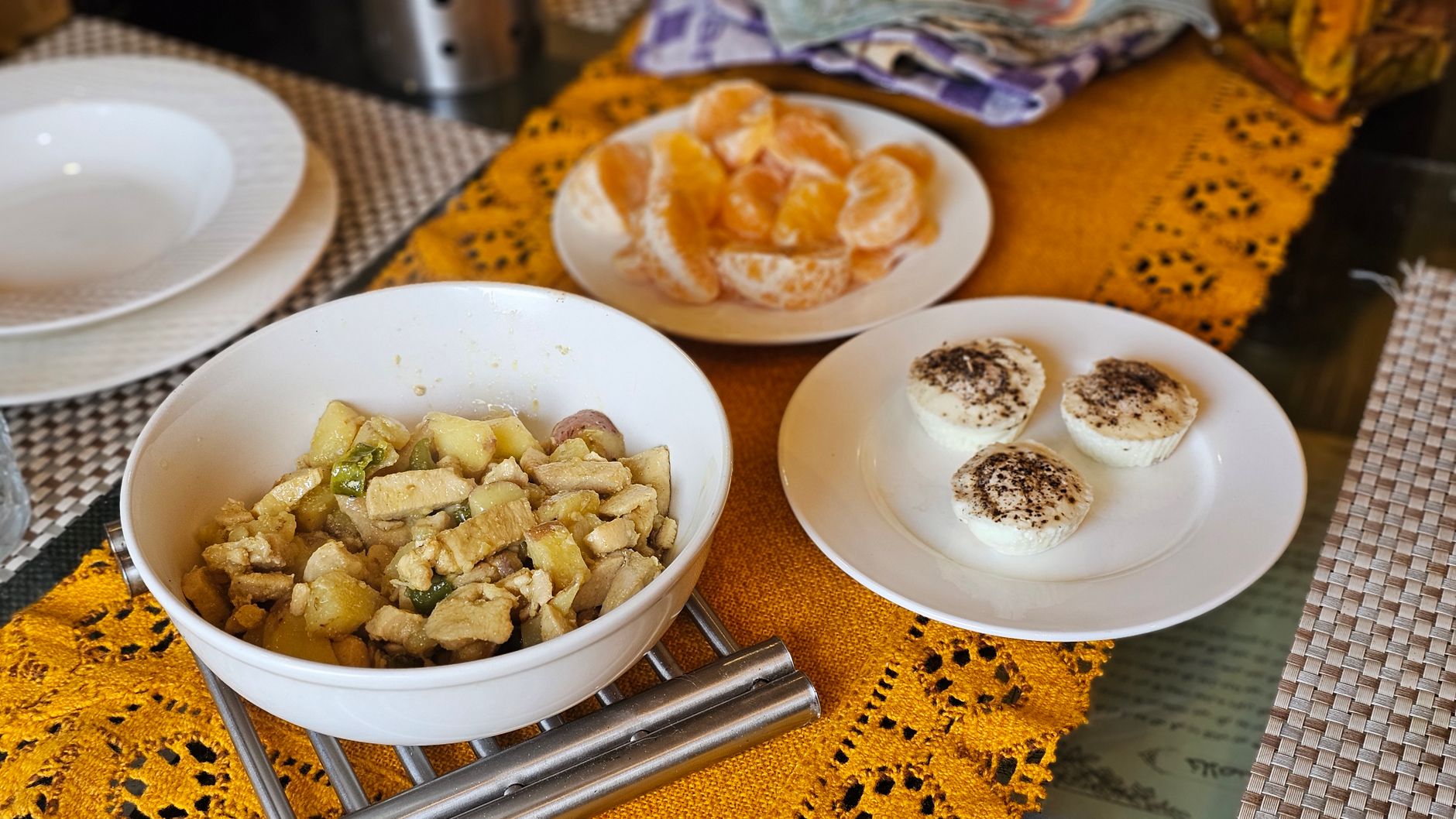
Notice the pattern: variety is key. Fruits like avocados, bananas, and citrus are nutrient powerhouses that can help bridge some gaps, but they won’t cover everything. That’s where supplements and strategic planning come in.
**Pro tip:** If you’re new to fruitarianism, start by adding one fruitarian meal per day and gradually increase. Your body (and baby!) will thank you.
--- ### Can you eat fruitarian during pregnancy safely and what are the risks?Here’s the hard truth: a fruitarian diet during pregnancy is not universally recommended by providers. While it’s possible to meet some nutritional needs with fruits alone, the risks often outweigh the benefits—especially without careful planning. Let’s break down why.
**The biggest concerns are:**
- Protein deficiency: Fruits lack the complete protein your baby needs for tissue growth and your body needs for milk production. Even if you include seeds or nuts (if your version allows them), it’s hard to hit the recommended 75 grams of protein daily.
- Iron and B12 gaps: Fruits are low in heme iron (the kind your body absorbs best) and almost entirely lack B12, which is critical for your baby’s nervous system development.
- Calcium and omega-3s: While some fruits like figs and oranges contain calcium, you’d need to eat massive quantities to meet your baby’s needs. Omega-3s (like DHA) are nearly impossible to get from fruit alone.
- Digestive stress: High-fiber fruits can cause bloating, constipation, or even hemorrhoids—especially as your uterus puts pressure on your digestive system.
- Food safety risks: Raw fruits (like sprouts or undercooked berries) can harbor Listeria or Salmonella, which are dangerous during pregnancy.
**One reader described it this way:** *"I tried fruitarianism in my first trimester, thinking it would be ‘pure’ for my baby. By week 16, I was so exhausted I could barely walk up the stairs. My provider said my iron levels were dangerously low, and I had to switch to a more balanced diet—or risk complications."*
**Bottom line:** If you’re determined to try a fruitarian diet during pregnancy, do so under your provider’s close supervision. Expect bloodwork every month to monitor iron, B12, and other levels. And be prepared to supplement—heavily.
--- ### How many calories should you consume on a fruitarian diet daily for pregnancy?Pregnancy is a high-energy time—your body needs about 300–500 extra calories per day in the second trimester and even more in the third. But here’s the catch: fruits are calorie-dense in the right way, but they’re also low in protein and fat, which means you’ll need to eat a lot of fruit to meet your needs.
**A rough estimate for a pregnant fruitarian:**
- **First trimester:** ~2,200–2,500 calories/day (most women need ~2,000–2,200 without pregnancy).
- **Second trimester:** ~2,500–2,800 calories/day.
- **Third trimester:** ~2,800–3,200 calories/day.
**How does that translate to fruit?**
- 1 cup of bananas: ~105 calories
- 1 medium apple: ~95 calories
- 1 cup strawberries: ~50 calories
- 1 avocado: ~240 calories (but high in healthy fats)
- 1 cup mango: ~100 calories
To hit 2,500 calories, you’d need to eat roughly **20–25 cups of fruit per day**—not counting snacks or liquids. That’s a lot! And let’s be honest: that’s unsustainable for most people, especially when you factor in nausea, food aversions, or simply not feeling hungry enough.
**Solution:** Pair fruits with nutrient-dense liquids like coconut water, smoothies with added protein powder (if approved), or even small amounts of nut butters (if your version allows them). And yes, you’ll need to supplement.
--- ### What are the best fruits for a fruitarian diet to support fetal development?Not all fruits are created equal when it comes to pregnancy nutrition. Some are nutrient powerhouses, while others are just empty calories. Here’s what to prioritize:
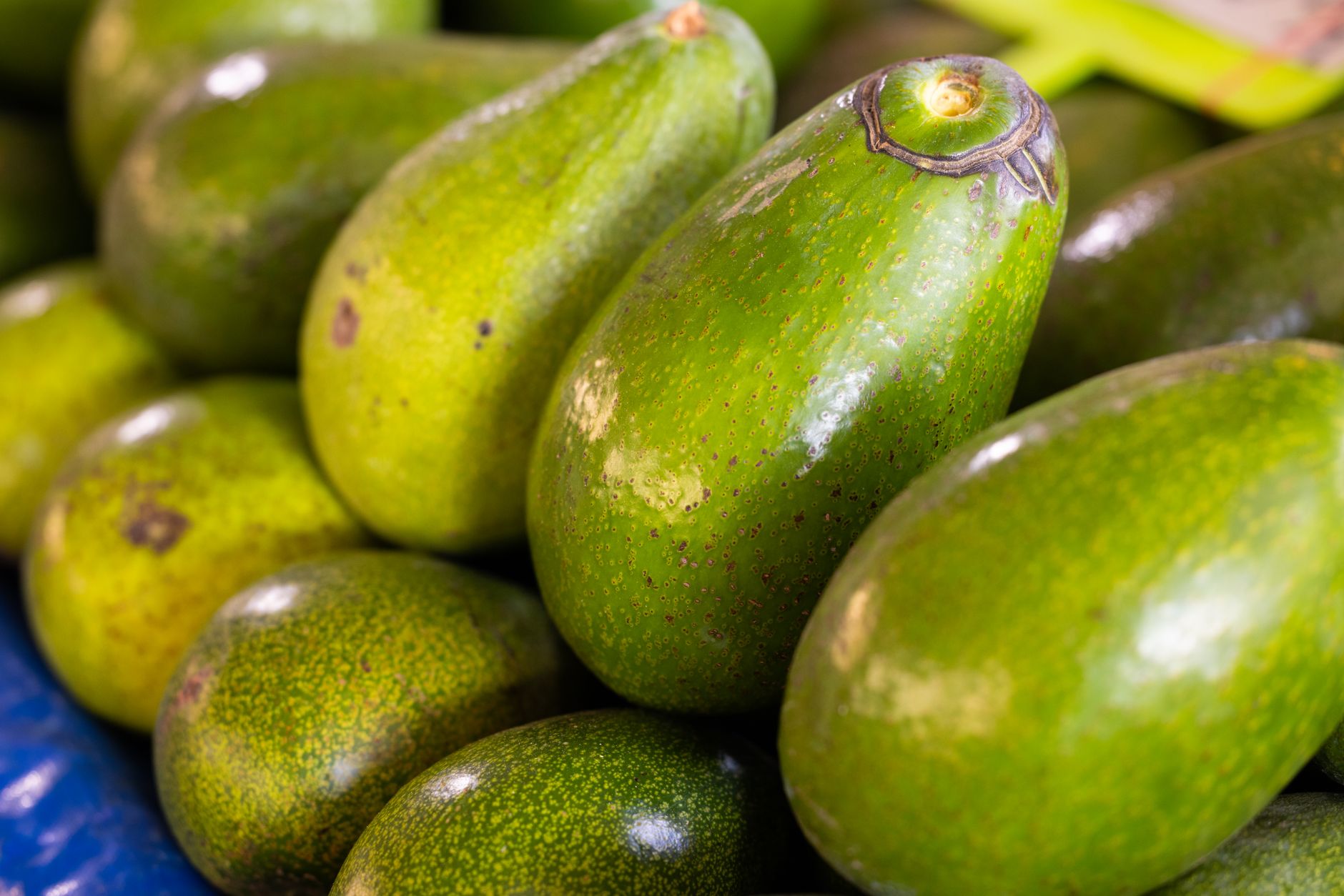
**Pro tip:** Rotate these fruits to ensure you’re getting a broad spectrum of nutrients. And don’t forget about seasonal produce—local, in-season fruits are often more nutrient-dense.
**What about dried fruit?** While convenient, dried fruits are concentrated in sugar and can cause blood sugar spikes. If you choose to include them, limit portions to ¼ cup per day and opt for unsweetened varieties.
--- ### How does a fruitarian diet compare to a regular pregnancy diet for nutrition?Let’s do a side-by-side comparison to highlight the gaps a fruitarian diet leaves behind. We’ll use the Dash Diet as a benchmark—a well-balanced, evidence-backed pregnancy diet.
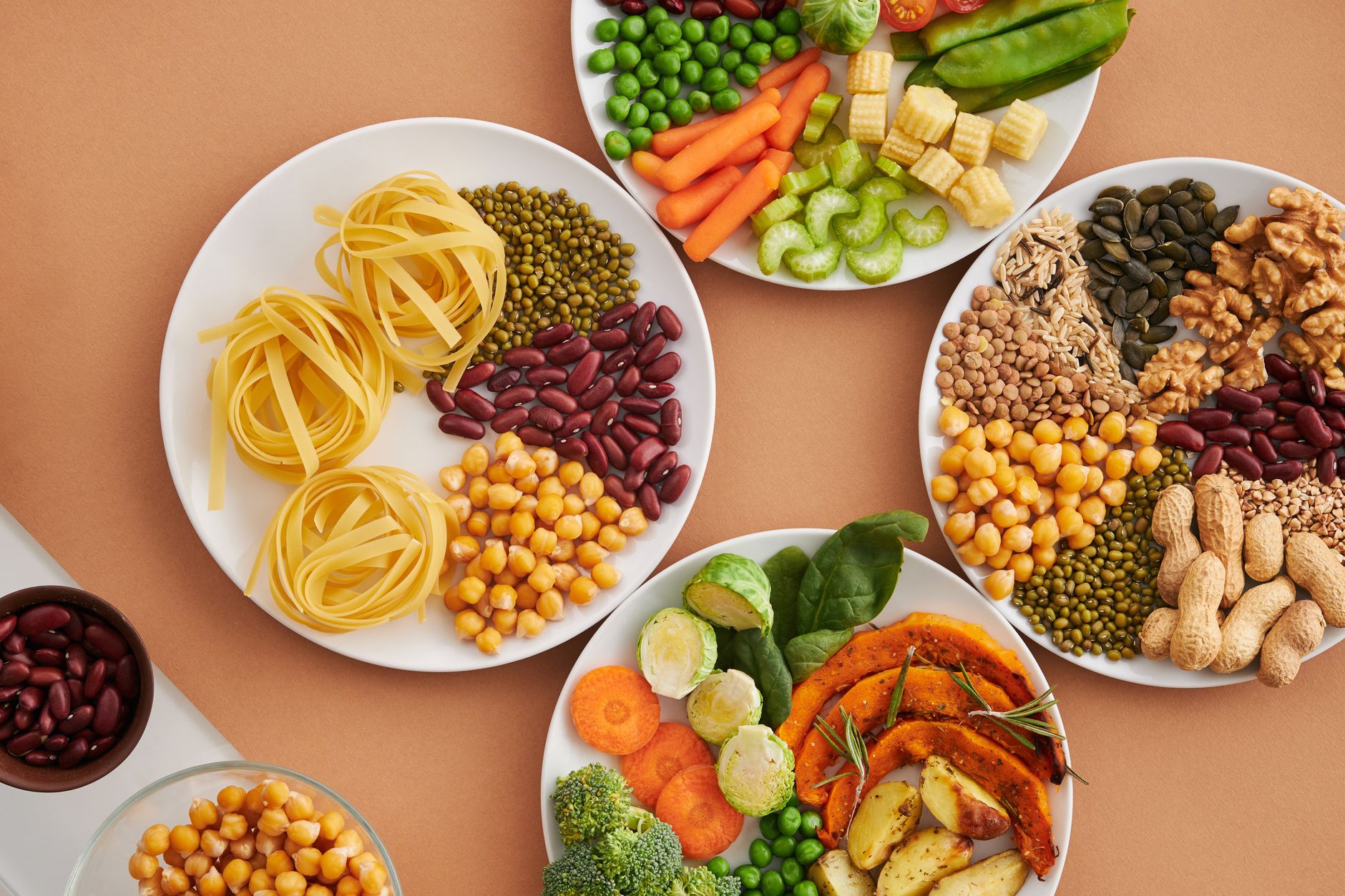
**Key takeaway:** A fruitarian diet during pregnancy is like trying to build a house with one tool—it’s possible, but you’ll need to borrow (or buy) a lot of others to get the job done. The gaps in protein, iron, B12, and omega-3s are non-negotiable for fetal development.
**What about women who follow a fruitarian diet year-round?** Some do it safely, but they’re usually well-versed in supplements and bloodwork. For pregnancy, the stakes are higher—your baby’s growth depends on it.
--- ### What are common mistakes to avoid when following a fruitarian diet while pregnant?Even with the best intentions, many women make avoidable mistakes when trying a fruitarian diet during pregnancy. Here’s what to steer clear of:
#### **1. Ignoring Supplements****Mistake:** Thinking you can "eat your way" to enough nutrients.
**Reality:** No matter how many fruits you eat, you’ll need to supplement with B12, iron, omega-3s, and possibly vitamin D. Skipping supplements puts you and your baby at risk for deficiencies.
#### **2. Over-Reliance on Raw Fruits****Mistake:** Eating raw, unwashed fruits without cooking or peeling.
**Reality:** Raw fruits can harbor bacteria like Listeria or Salmonella, which are dangerous during pregnancy. Always wash fruits thoroughly, and consider cooking fruits like papaya or mango to reduce risk.
#### **3. Not Tracking Calories or Portions****Mistake:** Eating "as much as you want" without monitoring intake.
**Reality:** Fruits are calorie-dense, but you still need to ensure you’re hitting your caloric needs. Use a food tracker to log portions and avoid overeating low-nutrient fruits like watermelon.
#### **4. Skipping Protein Sources****Mistake:** Assuming fruits alone will provide enough protein.
**Reality:** Even if you include seeds or nuts (if your version allows them), you’ll need to calculate portions carefully. Aim for at least 15–20g of protein per meal.
#### **5. Neglecting Hydration****Mistake:** Relying on fruit juices or smoothies for hydration.
**Reality:** Fruit juices lack the fiber of whole fruits and can cause blood sugar spikes. Drink plenty of water, herbal teas, and coconut water to stay hydrated.
#### **6. Not Adjusting for Morning Sickness****Mistake:** Trying to eat the same fruits every day without variety.
**Reality:** If you’re nauseous, stick to bland fruits like bananas, applesauce, or papaya. Avoid strong-smelling fruits like citrus until your symptoms improve.
#### **7. Comparing Yourself to Others****Mistake:** Thinking your fruitarian diet looks like someone else’s Instagram-worthy bowl.
**Reality:** Every pregnancy is different. What works for one woman may not work for another. Focus on your provider’s guidance, not social media.
--- ### How can you replace protein and essential nutrients on a fruitarian diet during pregnancy?If you’re committed to a fruitarian diet during pregnancy, you’ll need to get creative with supplements and smart food choices. Here’s how to fill the gaps:
#### **1. Protein: The Biggest Challenge**Since fruits lack complete protein, you’ll need to rely on:
- Nut butters (if allowed):** Almond, peanut, or tahini butter (1 tbsp = ~4g protein).
- Seeds (if allowed):** Chia, flax, or hemp seeds (1 tbsp = ~3–5g protein). Sprinkle on smoothies or yogurt (if dairy is allowed).
- Protein powder (if approved):** Pea or rice protein blends (check with your provider).
- Supplements:** BCAA or essential amino acid supplements (consult your provider).
**Sample protein boosts:**
- Add 1 tbsp chia seeds to your morning smoothie (+5g protein).
- Blend 1 tbsp almond butter into your lunch smoothie (+4g protein).
- Sprinkle hemp seeds on top of your figs (+3g protein).
Fruits like pomegranate and figs contain some iron, but you’ll need more:
- Supplement:** Prenatal iron (30–60mg daily).
- Vitamin C boost:** Pair iron-rich fruits (like pomegranate) with citrus to enhance absorption.
- Avoid calcium-rich foods at the same time:** Calcium inhibits iron absorption, so don’t drink fortified coconut water with your iron supplement.
Fruits contain zero B12. You must supplement:
- B12 shots or pills:** 2.6–5mcg daily (as prescribed by your provider).
- Fortified foods (if allowed):** Nutritional yeast (check for B12 fortification).
Fruits have no DHA. Use:
- Algae-based DHA supplement:** 200–300mg daily (avoid fish oil if you’re avoiding all animal products).
- Chia or flaxseeds:** Provide ALA (a precursor to DHA), but conversion is inefficient. Supplement is still needed.
Figs and oranges help, but you’ll need more:
- Calcium supplement:** 500–600mg daily (if your diet isn’t providing enough).
- Fortified coconut water:** Look for brands with added calcium.
Fruits don’t contain vitamin D. Get it from:
- Supplement:** 600–800 IU daily (especially if you’re not getting sunlight).
- Fortified foods (if allowed):** Some plant milks are fortified.
Not every woman can (or should) follow a fruitarian diet during pregnancy. Here are the red flags that mean it’s time to reassess—or switch to a more balanced approach.
#### **Physical Warning Signs**- Extreme fatigue or dizziness: Could indicate low iron or B12.
- Shortness of breath or rapid heartbeat: Sign of anemia.
- Bloating, constipation, or hemorrhoids: High-fiber fruits can worsen digestive issues during pregnancy.
- Unintentional weight loss: Your baby needs calories—if you’re losing weight, you’re not eating enough.
- Frequent infections or slow wound healing: Could signal vitamin deficiencies.
- Persistent anxiety or mood swings: Nutrient deficiencies can affect your mental health.
- Brain fog or difficulty concentrating: Could be due to low protein or iron.
- Feeling "hangry" or irritable between meals: Your blood sugar may be crashing.
- Low amniotic fluid levels: Could indicate poor nutrition.
- Slow fetal growth on ultrasounds: Your provider may recommend a more nutrient-dense diet.
- Preterm labor or preeclampsia symptoms: Severe nutrient deficiencies can contribute to these risks.
**What to do if you notice these signs:**
- Schedule an appointment with your provider immediately.
- Get a full blood panel (iron, B12, vitamin D, folate, etc.).
- Be open to adjusting your diet—even if it means adding more variety.
**Remember:** Your provider’s job is to keep you and your baby healthy. If they advise against a fruitarian diet, it’s not personal—it’s evidence-based.
--- ### Sample fruitarian diet menu for pregnant women with meal prep ideasMeal prepping on a fruitarian diet is all about batch-cooking nutrient-dense fruits and keeping supplements handy. Here’s how to plan ahead:
#### **Meal Prep Tips**- Wash and chop fruits in advance: Store in airtight containers in the fridge for up to 3 days. Freeze extras for smoothies.
- Make overnight oats (fruitarian-style): Use chia seeds, almond milk, and mixed berries. Let it sit in the fridge overnight.
- Pre-cut fruit for snacks: Keep pre-portioned cups of berries, sliced bananas, or apple slices in the fridge.
- Blend smoothie packs: Freeze mixed fruit (like mango, banana, and spinach if allowed) in portion-sized bags. Blend with coconut water when ready.
- Keep supplements visible: Place your B12, iron, and DHA supplements on your counter or in your bag for easy access.
**Pro tip:** If you’re short on time, focus on prepping smoothie ingredients and pre-cut fruit. Even 10 minutes of prep can save you hours later.
--- ### How to transition to a fruitarian diet safely during early pregnancyIf you’re considering a fruitarian diet in your first trimester, take it slow. Sudden dietary changes can trigger nausea or energy crashes, which isn’t ideal when you’re already adjusting to pregnancy hormones. Here’s how to transition safely:
#### **Step 1: Consult Your Provider**Before making any changes, talk to your provider. They can review your bloodwork and ensure you’re healthy enough to try a restrictive diet. If you have a history of anemia or gestational diabetes, they may advise against it.
#### **Step 2: Start with One Meal per Day**Replace one meal with a fruitarian option. For example:
- **Breakfast:** Try a banana-chia pudding instead of toast and eggs.
- **Lunch:** Swap your sandwich for a mango-avocado bowl.
- **Dinner:** Replace pasta with a fig-and-orange salad.
**Listen to your body:** If you feel lightheaded or fatigued, revert to your usual diet and try again later.
#### **Step 3: Monitor Your Energy Levels**Track how you feel each day. Note:
- Your energy levels (do you crash after meals?).
- Your mood (are you more irritable?).
- Your digestion (are you constipated or bloated?).
- Your baby’s movements (are they active and strong?).
If you notice any red flags, pause and reassess with your provider.
#### **Step 4: Supplement Early**Even if you feel fine, start supplements in your first trimester. Aim to have:
- B12 (2.6–5mcg daily).
- Iron (30–60mg daily, if deficient).
- DHA (200–300mg daily).
- Vitamin D (600–800 IU daily).
Once you’ve adapted to one fruitarian meal, add another. By your second trimester, you might be ready for two fruitarian meals and one balanced meal. If at any point you feel worse, revert to a more flexible diet.
#### **Step 6: Prepare for Setbacks**Pregnancy hormones can make you crave non-fruitarian foods. That’s okay! If you have a craving for something like cheese or meat, don’t feel guilty—eat it. Your health and your baby’s health come first.
--- ### Does a fruitarian diet cause birth defects or developmental issues?This is the question that keeps many women up at night: *Will my baby be okay if I eat this way?* The short answer is: **it depends.** While a well-planned fruitarian diet might be possible during pregnancy, the risks of deficiencies are real—and they can have serious consequences.
**Potential risks of nutrient deficiencies during pregnancy:**
- Neural tube defects (NTDs):** Severe B12 or folate deficiency in the first trimester can lead to spina bifida or anencephaly. While folate is in some fruits, B12 is absent—supplementation is non-negotiable.
- Anemia:** Low iron can cause preterm birth, low birth weight, or even stillbirth. Symptoms include fatigue, dizziness, and shortness of breath.
- Preterm birth or low birth weight:** Poor nutrition can lead to your baby not growing as expected, increasing the risk of complications.
- Cognitive or developmental delays:** Omega-3 (DHA) deficiency has been linked to poorer cognitive function in children.
- Preeclampsia:** Severe vitamin D or calcium deficiencies may contribute to high blood pressure during pregnancy.
**What does the research say?**
- A 2020 study in Nutrients found that strict vegan or vegetarian diets during pregnancy, without proper supplementation, were associated with higher rates of preterm birth and low birth weight. While fruitarianism isn’t the same as veganism, the principles of nutrient gaps are similar.
- The American College of Obstetricians and Gynecologists (ACOG) does not endorse restrictive diets during pregnancy unless carefully monitored by a provider.
- Case studies of women following fruitarian diets during pregnancy are rare, and most providers err on the side of caution.
**Bottom line:** While isolated cases of women following fruitarian diets during pregnancy might result in healthy babies, the risks of deficiencies are too high to recommend it without strict medical supervision. If you’re committed to this path, be prepared for:
- Monthly bloodwork to monitor levels.
- High-dose supplementation.
- Close monitoring of your baby’s growth via ultrasounds.
- Possible adjustments if deficiencies arise.
If you’re going fruitarian during pregnancy, supplements are your best friend. Here’s a breakdown of what you’ll need, when to take them, and how to choose the right ones.
#### **Essential Supplements for Pregnant Fruitarians** | Supplement | Daily Dose (Pregnancy) | Best Time to Take | Food Sources (If Any) | Notes | |--------------------|------------------------|----------------------------|--------------------------------------|-------------------------------------------------------------------------------------------| | **B12** | 2.6–5mcg | Morning with breakfast | None (fruitarian diet lacks B12) | Choose methylcobalamin or cyanocobalamin. Avoid sublingual if nauseous. | | **Iron** | 30–60mg | With vitamin C (e.g., citrus) | Pomegranate, figs | Take on an empty stomach or with a small snack. Avoid calcium at the same time. | | **DHA (Omega-3)** | 200–300mg | With a meal | None (fruitarian diet lacks DHA) | Choose algae-based DHA (vegan-friendly). Avoid fish oil if avoiding all animal products. | | **Vitamin D** | 600–800 IU | Morning or afternoon | None (fruitarian diet lacks vitamin D)| Get a blood test to check levels. Supplement if deficient. | | **Calcium** | 1,000mg | With meals | Figs, oranges, fortified coconut water | Split doses if tolerated (e.g., 500mg AM + PM). | | **Folate (or Folic Acid)** | 600mcg (400mcg if already taking prenatal) | Morning with breakfast | Papaya, oranges, avocados | Switch to methylfolate if you have the MTHFR gene mutation. | | **Magnesium** | 350–400mg | Before bed | None (fruitarian diet lacks magnesium)| Helps with muscle cramps and sleep. Choose glycinate or citrate forms. | | **Protein Powder** | 15–20g per serving | Post-workout or with meals | None (fruitarian diet lacks protein) | Choose pea or rice protein (if seeds/nuts are allowed, use those instead). |**Where to buy supplements:**
- Ask your provider for brand recommendations.
- Look for third-party tested supplements (NSF, USP, or ConsumerLab verified).
- Avoid supplements with unnecessary fillers or artificial ingredients.
**Pro tip:** Keep a supplement log to track what you’re taking and when. Share this with your provider at every appointment.
--- ### Can a fruitarian diet help with pregnancy cravings and morning sickness?Here’s a thought that might make you


