Imagine waking up to a bowl of fresh figs, a smoothie with mango and coconut water, and a dinner of steamed papaya — no cooking required. That’s the essence of a fruitarian diet: eating primarily raw, unprocessed fruits while avoiding anything cooked, fermented, or processed. Some fruitarians also include raw seeds, nuts, and certain vegetables (like cucumbers or tomatoes), but the core is fruit.
There are two main types of fruitarianism:
- Strict fruitarianism: Only raw fruits, seeds, and nuts (no vegetables or grains).
- Flexible fruitarianism: Includes raw vegetables, nuts, and seeds alongside fruits.
This diet traces back to ancient traditions, including the Babylonians and the Essenes, who believed raw plant foods were the purest form of nourishment. Today, it’s often adopted for ethical reasons (avoiding animal products) or health goals (digestive healing, detoxification).
But here’s the catch: it’s not as simple as “eat more fruit.” Without careful planning, you risk nutrient deficiencies — especially protein, iron, and B12. That’s why we’ll cover how to balance it later.
Before you start, ask yourself: Why am I trying this? Are you looking for a quick cleanse or a long-term lifestyle? Your goals will shape how you approach the diet.
---
What fruits are safe on a fruitarian diet?
Not all fruits are created equal when it comes to nutrition. Some are nutrient powerhouses that can help you meet your daily needs, while others are mostly sugar with little else to offer. Here’s a breakdown of the best fruits for a fruitarian diet, ranked by nutritional value:
Top-tier fruits (high in protein, fiber, and micronutrients):
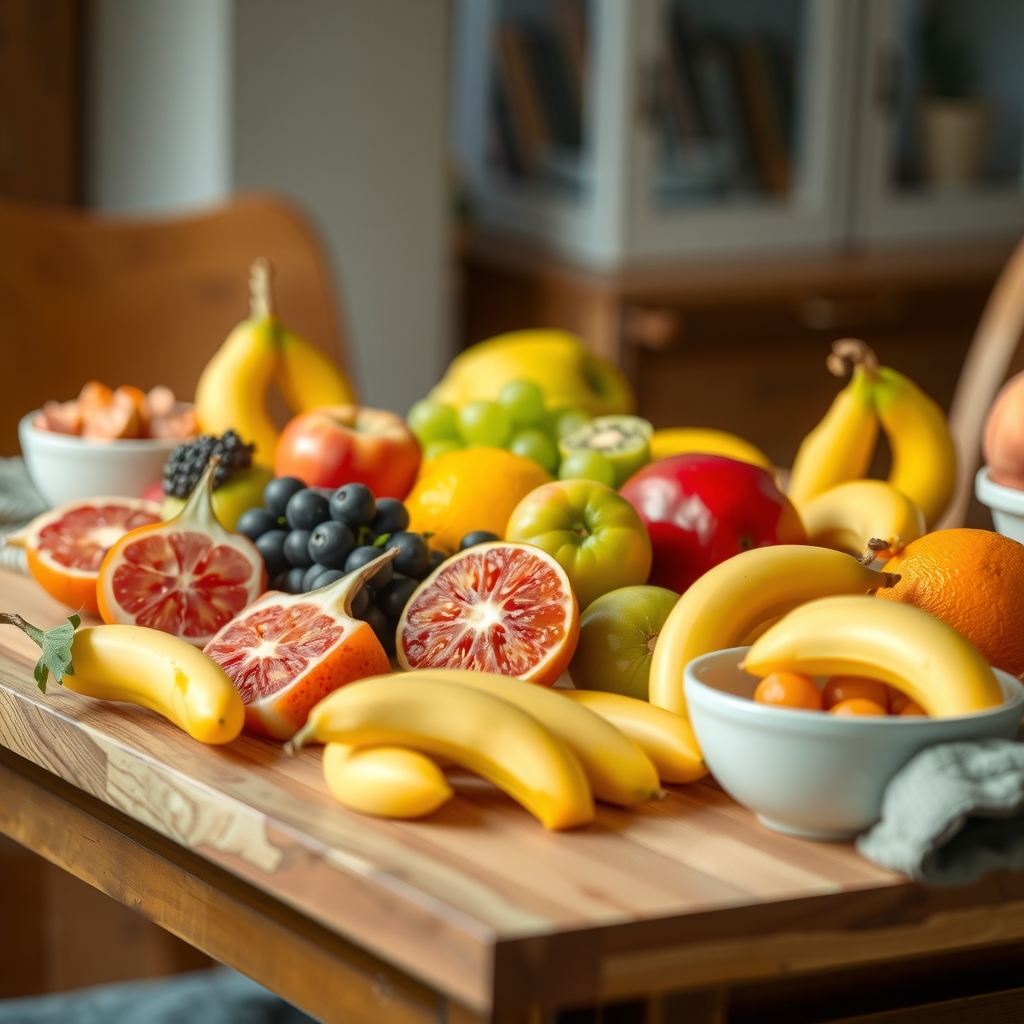
- Bananas: Packed with potassium, vitamin B6, and natural sugars for quick energy.
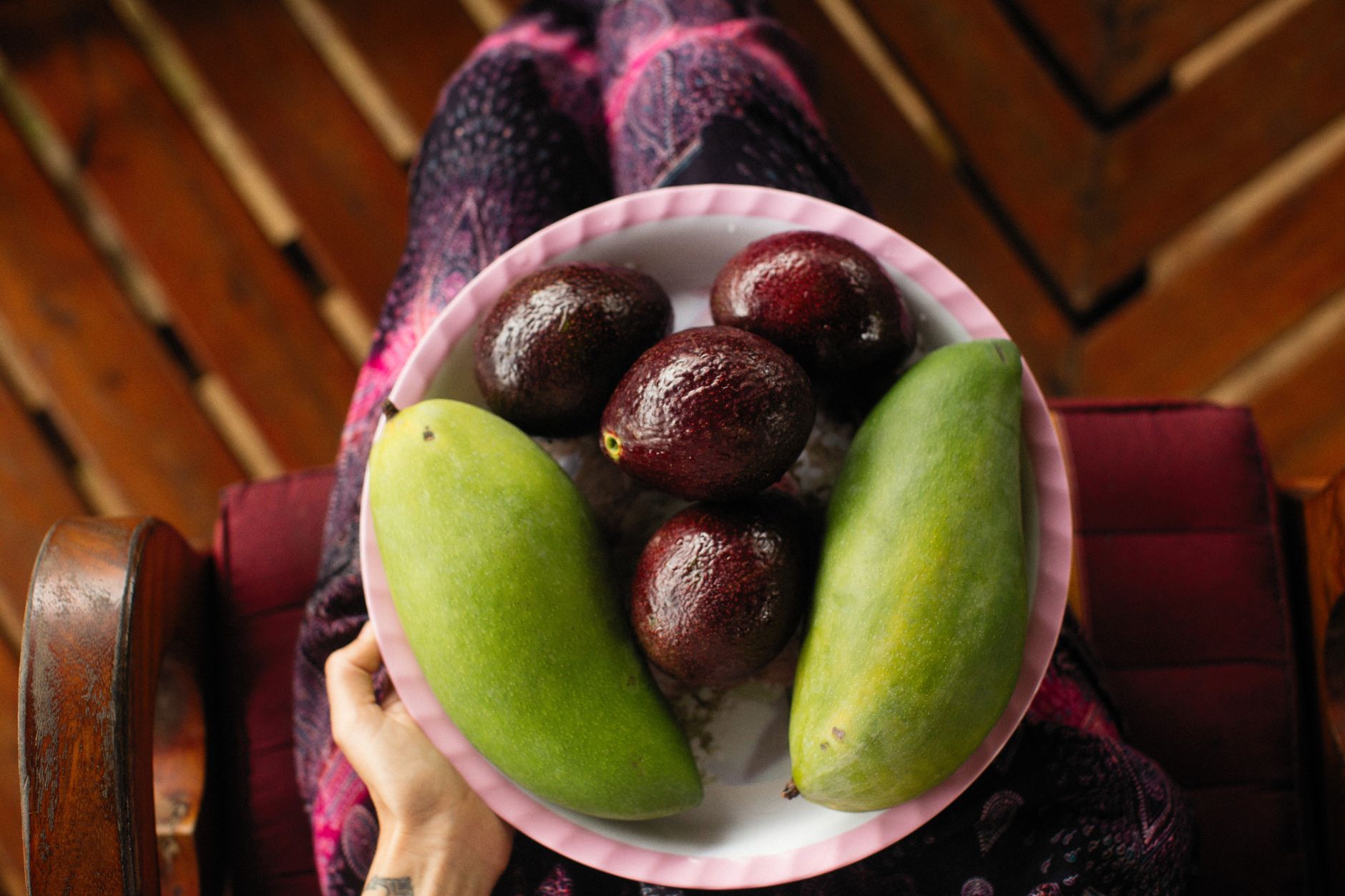
- Avocados: Yes, they’re technically a fruit! High in healthy fats, fiber, and vitamin E.
- Citrus fruits (oranges, grapefruits, lemons): Rich in vitamin C, folate, and antioxidants.
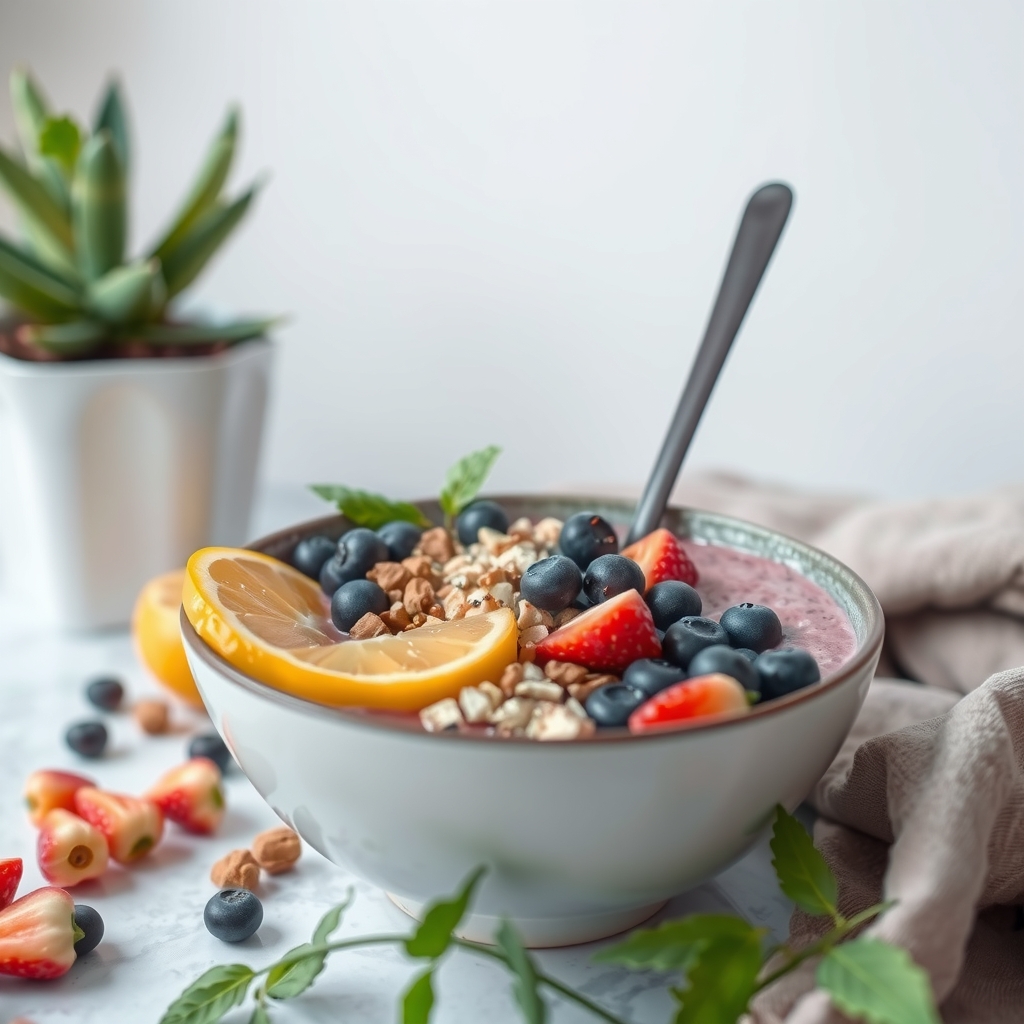
- Berries (blueberries, raspberries, blackberries): Low in sugar, high in fiber and antioxidants.
- Papaya: Contains enzymes like papain that aid digestion and is rich in vitamin C.
- Mangoes: Loaded with vitamin A, vitamin C, and fiber.
- Pineapple: Contains bromelain, an enzyme that helps with digestion and inflammation.
Mid-tier fruits (good for variety but lower in key nutrients):
- Apples (with skin for fiber)
- Peaches
- Pears
- Plums
Avoid or limit:
- Fruits with added sugars (like flavored applesauce or fruit snacks)
- Very high-sugar fruits in excess (e.g., watermelon, grapes) if you’re watching blood sugar
- Dried fruits (unless you’re transitioning carefully, as they’re concentrated sugar)
Pro tip: Pair fruits with high-fiber options like chia seeds (if allowed in your interpretation) or coconut flakes to slow sugar absorption. For example, a banana with a sprinkle of coconut flakes makes a balanced snack.
If you’re new to this, start with 3–4 of these top-tier fruits daily to ensure you’re getting enough vitamins and minerals. And yes, you can eat them raw — no cooking required!
---
How to get enough protein on a fruitarian diet
Here’s the question that stops most people cold: “How do I get enough protein?” After all, protein is essential for muscle repair, hormones, and immunity. The average adult needs about 46–56 grams per day, but many fruits don’t come close to that.
Don’t panic — it’s possible, but you’ll need to get creative. Here’s how:
1. Prioritize protein-rich fruits:
- Avocados: About 2 grams of protein per half fruit.
- Bananas: 1.3 grams per medium banana.
- Papaya: 1 gram per cup.
- Guava: 4.2 grams per medium fruit (one of the highest!).
2. Add raw nuts and seeds (if your interpretation allows them):
- Almonds (6g per oz)
- Chia seeds (5g per tbsp)
- Hemp seeds (10g per tbsp)
3. Combine fruits strategically:
For example, a smoothie with banana, avocado, and chia seeds can give you 8–10 grams of protein per serving. Or try guava slices with a handful of almonds for a protein-packed snack.
4. Consider raw protein powders (if needed):
Some fruitarians use raw, unheated protein powders made from plant sources like pea or hemp. Check labels for additives — you want 100% pure protein with no processing.
5. Listen to your body:
If you’re feeling weak or dizzy, it might be a sign you need more protein. In that case, temporarily increase portions of high-protein fruits or add allowed nuts/seeds.
For comparison, here’s how a typical day might look for protein:
As you can see, it’s doable but requires planning. If you’re struggling, consider a more flexible plant-based approach like the flexitarian diet, which allows cooked vegetables and legumes for easier protein intake.
---
Fruitarian diet meal plan for beginners: 7-day starter guide
Ready to try a fruitarian meal plan? Start with this 7-day beginner-friendly guide that balances nutrition, energy, and ease. Each day includes 3 meals + 2 snacks, with a focus on variety and protein.
Day 1: The Refreshing Start
- Breakfast: Smoothie (1 banana, ½ avocado, 1 cup spinach, 1 tbsp chia seeds, coconut water)
- Snack: 1 cup blueberries + 1 oz almonds
- Lunch: Papaya salad (1 cup papaya, ½ cucumber, lime juice, sea salt)
- Snack: 1 orange + 1 tbsp hemp seeds
- Dinner: Mango and avocado bowl (1 cup mango, ½ avocado, sprinkle of coconut flakes)
Day 2: The Protein Boost
- Breakfast: Guava slices (2 medium) + 1 tbsp almond butter
- Snack: 1 cup raspberries + 1 oz walnuts
- Lunch: Pineapple and cucumber salad (1 cup pineapple, ½ cucumber, mint leaves)
- Snack: 1 banana + 1 tbsp chia seeds soaked in water
- Dinner: Avocado and citrus salad (½ avocado, 1 grapefruit, 1 tbsp pumpkin seeds)
Want a printable version of this meal plan? Download our free Fruitarian Diet Meal Plan Template at the end of this article!
Notice a pattern? Each day includes a mix of protein-rich fruits, healthy fats (avocado, nuts), and fiber (berries, chia seeds). This helps stabilize blood sugar and keeps you full.
If you’re feeling adventurous, try adding a Mediterranean twist by incorporating raw olives or raw tomatoes (if your interpretation allows them). The Mediterranean diet is another fantastic way to get healthy fats and fiber without cooking.
---
Fruitarian diet grocery list 2026: What to buy (and what to skip)
Your first trip to the grocery store on a fruitarian diet can feel overwhelming. You’ll want to avoid the middle aisles (filled with processed foods) and focus on the produce section. Here’s your complete 2026 grocery list, organized by category:
Fruits (prioritize these first):
- Bananas (5–7)
- Avocados (4–6)
- Oranges or grapefruits (6–8)
- Mangoes (3–4)
- Papaya (2)
- Pineapple (1 whole or pre-cut)
- Guava (3–4)
- Berries (blueberries, raspberries, blackberries — 2 pints)
- Apples (4–5)
- Pears (3–4)
Nuts and seeds (if allowed):
- Almonds (1 bag)
- Walnuts (1 bag)
- Chia seeds (small bag)
- Hemp seeds (small bag)
- Pumpkin seeds (small bag)
Avoid these (unless you’re flexible):
- Cooked foods (even raw-cooked like roasted nuts)
- Grains (rice, quinoa, oats)
- Legumes (beans, lentils, tofu)
- Processed fruit juices (opt for fresh-squeezed or coconut water instead)
- Dairy or animal products
Pro tip: Buy organic when possible, especially for fruits with thin skins (like berries or grapes), to avoid pesticides. If organic isn’t an option, peel fruits like apples and pears to reduce exposure.
Here’s a sample shopping list for a week:
Produce: 7 bananas, 4 avocados, 6 oranges, 3 mangoes, 2 papayas, 1 pineapple, 3 guavas, 2 pints berries, 5 apples, 4 pears
Nuts/Seeds: 1 bag almonds, 1 bag walnuts, 1 bag chia seeds
Extras: Coconut water, lime juice, sea salt
If you’re new to grocery shopping for a strict diet, start with just 5–7 fruits and build from there. You don’t need to overcomplicate it!
---
Fruitarian diet vs vegan diet: Key differences
If you’ve ever compared fruitarianism to other plant-based diets, you might be wondering: how does it stack up? Here’s a quick comparison:
If you’re torn between the two, consider this: a vegan diet is more sustainable long-term for most people because it offers more food variety and easier protein sources. But if you’re drawn to the raw, unprocessed simplicity of fruitarianism, it can be a great short-term cleanse or ethical experiment.
For example, if you’re trying to reset your digestion, the fruitarian diet might help — but if you need sustainable weight loss, a DASH diet or Mediterranean diet might be more balanced.
---
Fruitarian diet side effects: What to expect (and when to worry)
Like any diet, fruitarianism comes with potential side effects. Some are temporary and normal, while others signal you need to adjust. Here’s what to watch for:
Common early side effects (usually fade in 1–2 weeks):
- Fatigue or dizziness: Your body is adjusting to lower calories and different nutrients. Drink plenty of water and prioritize protein-rich fruits.
- Digestive changes: More fiber can cause bloating or gas at first. Start with small portions and increase gradually.
- Headaches: Sudden drops in sodium or sugar can cause this. Add a pinch of sea salt to meals or try coconut water for electrolytes.
- Mood swings or irritability: Blood sugar fluctuations can affect your mood. Pair fruits with healthy fats (like avocado) to stabilize energy.
Red flags (see a provider if these persist):
- Persistent dizziness or fainting: Could indicate low blood pressure or iron deficiency.
- Extreme fatigue or weakness: May signal protein or B12 deficiency.
- Irregular heartbeat or chest pain: Rare but serious — could indicate electrolyte imbalances.
- Unintentional weight loss: If you’re losing more than 2–3 pounds per week without trying, your body may not be getting enough calories.
How to minimize side effects:
- Start slow: Begin with 3–4 fruitarian meals per day and gradually increase.
- Prioritize protein: As discussed earlier, aim for at least 20–30 grams per day.
- Stay hydrated: Drink coconut water or herbal teas to replenish electrolytes.
- Listen to your body: If you feel worse, take a break and reintroduce cooked foods or grains.
Remember: everyone’s body is different. What works for one person may not work for another. If you’re unsure, consult a registered dietitian or nutritionist before starting.
---
How to transition to a fruitarian diet: A step-by-step guide
Going from your usual diet to fruitarianism overnight is a recipe for burnout — and maybe even a trip to the ER. Instead, follow this 5-step transition plan to ease into it:
Step 1: Audit your current diet
Before cutting anything, ask: What am I eating most? Are you a grain-eater? A meat-lover? A snack-food person? Write it down, then plan how to replace those foods with fruitarian-friendly options.
Step 2: Start with fruit-rich meals
Replace one meal per day with a fruitarian option. For example:
- Swap breakfast cereal for a banana and chia pudding.
- Replace lunch meat sandwiches with a papaya and avocado wrap (if you’re flexible with raw wraps).
- End dinner with a fruit salad instead of a cooked side dish.
Step 3: Gradually reduce processed foods
Cut out one processed item per week. For example:
- Week 1: No sugary cereals.
- Week 2: No fruit juices (opt for whole fruit).
- Week 3: No snacks from the vending machine.
Step 4: Introduce raw nuts and seeds (if allowed)
Start with small portions (1 tbsp) and see how your body responds. If you feel bloated, reduce and reintroduce later.
Step 5: Go all-in (if you’re ready!)
After 2–4 weeks, if you’re feeling energized and healthy, you can try a full fruitarian day. But remember: it’s okay to go back if it’s not working for you.
One reader, Sarah from Chicago, shared her experience:
“I tried fruitarianism for 3 weeks straight, and honestly? I felt like I was starving. But when I went back to cooked meals, I realized I just needed more protein. Now I do a ‘fruitarian-ish’ version — mostly fruit with a handful of nuts — and it works for me.”
Sarah’s story is a great reminder: this diet isn’t one-size-fits-all. Be flexible and kind to yourself.
---
Fruitarian diet benefits: What you might gain
Despite the challenges, many people report surprising benefits from a fruitarian diet. Here’s what you might experience if you stick with it:
- Improved digestion: High-fiber fruits can help regulate bowel movements and reduce bloating.
- More energy: Many report steady energy levels without the crashes from processed foods.
- Clearer skin: Less inflammation from processed foods can lead to fewer breakouts.
- Ethical alignment: Avoiding animal products can feel more in line with your values.
- Simpler meals: No cooking means less time in the kitchen — perfect for busy moms!
- Potential weight loss: Since fruitarian diets are naturally lower in calories, some people lose weight without trying.
But again, results vary. If you’re trying this for weight loss, pair it with a structured plan like keto or intermittent fasting to see the best results.
---
Fruitarian diet risks: What you should know before starting
While fruitarianism has benefits, it’s not without risks. Here’s what to consider:
- Nutrient deficiencies: Without careful planning, you can miss out on protein, iron, calcium, and B12. Some people need supplements like B12 or vitamin D.
- Social challenges: Eating out or hosting guests can be tricky. Many restaurants don’t offer raw fruit-only meals.
- Limited food variety: Cooking opens up so many more food options. Fruitarianism can feel restrictive.
- Potential for disordered eating: If you’re prone to restrictive patterns, this diet could trigger unhealthy behaviors.
- Not sustainable long-term for everyone: Many people return to cooked meals after a few weeks or months.
If you’re concerned about risks, talk to a registered dietitian before starting. They can help you create a personalized plan that meets your needs.
---
Myth vs. Fact: Common misconceptions about fruitarianism
Let’s clear up some confusion with myths vs. facts:
Myth: “You can eat any fruit, any time.”
Fact: While fruitarianism allows a wide variety of fruits, some are higher in sugar and lower in nutrients than others. For example, watermelon is mostly water and sugar, while guava is packed with protein and vitamin C. Prioritize nutrient-dense fruits to avoid energy crashes.
Myth: “You don’t need protein supplements.”
Fact: While you can get protein from fruits and nuts, it’s challenging to meet daily needs without planning. Some fruitarians use raw protein powders or add allowed nuts/seeds to meals. If you’re struggling, supplements may help.
Myth: “Fruitarianism is just a fad diet.”
Fact: Fruitarianism has been practiced for centuries, including by ancient cultures like the Essenes. While it’s not for everyone, it’s a legitimate dietary approach with historical roots. The key is sustainability — if it doesn’t work for you long-term, that’s okay!
---
Key takeaways: Your fruitarian diet checklist
Here’s what to remember as you start:
- Focus on protein-rich fruits like bananas, avocados, and guava to meet daily needs.
- Start slow: Replace one meal at a time to avoid burnout.
- Prioritize hydration and electrolytes to prevent fatigue or dizziness.
- Listen to your body: If you feel worse, adjust or step back.
- Consider supplements like B12 or vitamin D if you’re concerned about deficiencies.
- Fruitarianism isn’t for everyone — and that’s okay! There are other plant-based diets that offer variety and ease.
---
Frequently asked questions about the fruitarian diet
What is a fruitarian diet?
A fruitarian diet focuses on whole, raw fruits as the primary food source, with some interpretations including raw nuts, seeds, and occasionally vegetables. The goal is to eat as close to nature as possible, avoiding cooked foods, grains, legumes, and animal products. It’s often adopted for ethical, health, or spiritual reasons.
Is a fruitarian diet safe?
It can be safe if planned carefully, but it carries risks of nutrient deficiencies (especially protein, iron, and B12) if not balanced. Many people thrive on it short-term, but long-term sustainability depends on individual needs. Consult a provider before starting, especially if you have health conditions like anemia or thyroid issues.
How do you get protein on a fruitarian diet?
Protein comes from high-protein fruits like guava, avocado, and banana, as well as raw nuts and seeds (if allowed). For example, a smoothie with banana, avocado, and chia seeds can provide 8–10 grams of protein. If needed, raw protein powders can help, but always check labels for additives.
Can you lose weight on a fruitarian diet?
Yes! Since fruitarian diets are naturally lower in calories and higher in fiber, many people experience weight loss without strict calorie counting. However, it’s not a magic fix — you still need to eat enough nutrients to avoid fatigue or deficiencies. Pair it with structured meal plans if weight loss is your goal.
What fruits should I eat on a fruitarian diet?
Start with nutrient-dense fruits like bananas, avocados, citrus, berries, papaya, mango, and pineapple. These provide protein, fiber, vitamins, and healthy fats. Avoid dried fruits (unless transitioning carefully) and very high-sugar fruits in excess, like watermelon or grapes.
What are the side effects of a fruitarian diet?
Common early side effects include fatigue, digestive changes, headaches, and mood swings — usually temporary as your body adapts. Red flags like persistent dizziness, extreme weight loss, or irregular heartbeat warrant medical attention. Stay hydrated and prioritize protein to minimize risks.
---
When to see a doctor or specialist
While fruitarianism can be a healthy experiment for many, some situations require medical supervision. See a provider if you experience:
- Persistent fatigue or weakness (could indicate iron or protein deficiency).
- Dizziness or fainting spells (may signal low blood pressure or electrolyte imbalances).
- Irregular heartbeat or chest pain (rare but serious — could be due to potassium or magnesium deficiency).
- Unintentional weight loss (more than 2–3 pounds per week without trying).
- Digestive issues that don’t improve (chronic bloating, constipation, or diarrhea).
- Pre-existing health conditions like diabetes, thyroid disorders, or anemia.
If you’re unsure, schedule a check-up with your primary care provider or a registered dietitian before starting. They can help you monitor your health and adjust as needed.
---
References
- American Dietetic Association. (2015). *Position of the Academy of Nutrition and Dietetics: Vegetarian Diets*. EatRight.org
- National Institutes of Health. (2020). *Dietary Guidelines for Americans*. USDA Nutrition Guidelines
- Harvard T.H. Chan School of Public Health. (2021). *Nutrition Source: Plant-Based Diets*. Harvard Health
- The Menopause Society (NAMS). (2022). *Nutritional Considerations for Women*. NAMS Guidelines
- Academy of Nutrition and Dietetics. (2023). *Vegetarian Diets: Practical Advice for the Health Care Professional*. EatRight Pro