

Quick take: The French diet isn’t about deprivation—it’s about savoring small portions of rich foods, prioritizing whole ingredients, and balancing meals with wine, cheese, and bread in moderation. This 7-day plan delivers 1,500–2,000 calories/day with lean proteins, fiber-rich veggies, and healthy fats, while keeping added sugars and processed foods minimal. Perfect for weight loss, muscle recovery, or simply enjoying food again. Bonus: It’s packed with antioxidant-rich foods like red wine, dark chocolate, and berries—key for reducing inflammation and supporting heart health.French Diet Meal Plan 7 Day: The Complete 2026 Guide
It was 3:17 AM when I realized I’d spent the last hour scrolling through "French diet" recipes on my phone, heart racing with the same question: How do they eat like that and still stay slim? I’d just finished a week of "clean eating" that left me craving croissants and red wine, and now here I was, staring at a blank grocery list, wondering if I could actually make this work. Then I remembered my friend’s words: "The French don’t diet—they eat. And they eat *well*." That’s when I decided to try the French diet for myself, not as a punishment, but as a way to rediscover joy in food.
The French diet isn’t about calorie counting or restrictive rules. It’s about mindful eating, quality over quantity, and embracing the simple pleasure of a well-prepared meal. Think: buttery-soft baguettes, slow-cooked lamb, steaming bowls of ratatouille, and yes—a glass of wine with dinner. The secret? Portion control, whole ingredients, and prioritizing flavor over fast food. And the results? A diet that’s been linked to lower obesity rates, longer lifespans, and less chronic disease—all while making food feel like a celebration, not a chore.
If you’ve ever felt guilty about enjoying a meal or wondered how to eat rich foods without the guilt, this 7-day French diet meal plan is for you. Whether you’re looking to lose weight, build muscle, manage diabetes, or simply eat more mindfully, we’ve got you covered. And no, you don’t need to give up cheese, wine, or bread—just learn how to enjoy them in the right way.
Let’s dive in. We’ll also explore how to incorporate seasonal produce and adapt the diet for food sensitivities—because the French diet isn’t one-size-fits-all.
--- ## **The French Diet: What Is It, Really?**The French diet isn’t a fad—it’s a lifestyle built on centuries of culinary tradition. Unlike restrictive diets that eliminate entire food groups, the French diet focuses on balance, quality, and moderation. Here’s how it works:
- Portion control: Even indulgent foods like cheese and wine are enjoyed in smaller amounts.
- Whole, unprocessed foods: Fresh vegetables, lean proteins, and whole grains take center stage.
- Slow, mindful eating: Meals are savored without distractions (hello, no screens at dinner!).
- Wine in moderation: A glass of red wine with dinner is common—and research suggests it may support heart health by increasing HDL ("good" cholesterol) and reducing blood clotting.
- Bread, cheese, and butter are okay: The French don’t demonize these foods; they just eat them wisely.
- Antioxidant-rich foods: Red wine, dark chocolate, and berries are staples, providing polyphenols that combat inflammation.
Unlike the 7-Day GAPS Diet or the Atkins Diet, which eliminate entire food groups, the French diet is flexible and sustainable. It’s not about deprivation—it’s about enjoying food while fueling your body. Studies from the NHS and Harvard T.H. Chan School of Public Health highlight how diets rich in olive oil, vegetables, and lean proteins—like the French diet—are associated with lower rates of heart disease and type 2 diabetes.
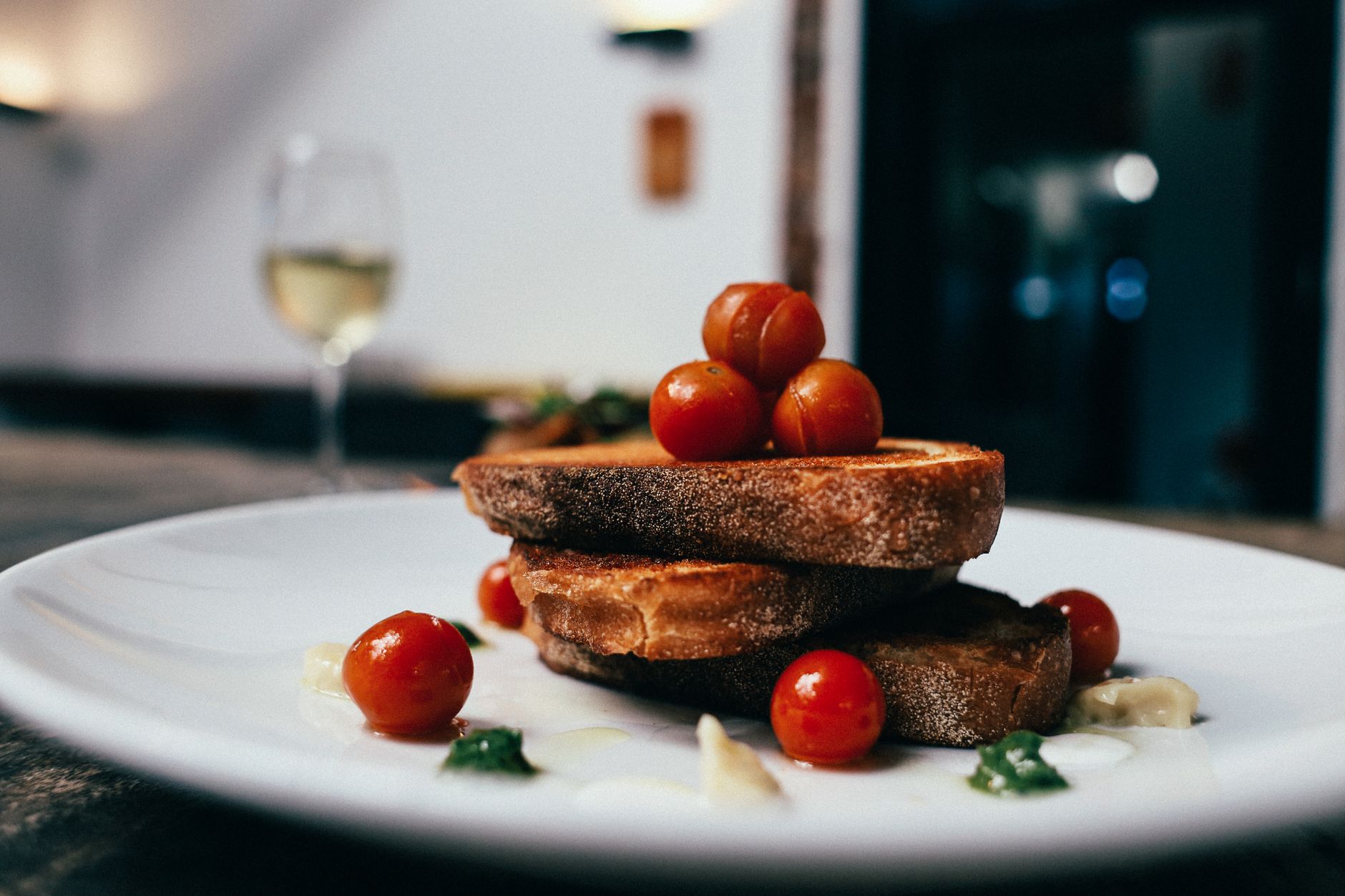
For many, breakfast is the hardest meal to adapt—especially if you’re used to sugary cereals or pastries. But the French know how to start the day right: simple, satisfying, and balanced. Think buttery croissants, steaming bowls of yogurt with granola, or scrambled eggs with fresh herbs.
Here are some easy, French-inspired breakfast ideas to kickstart your day without the crash:
- Pain Perdu (French Toast): Soak thick slices of baguette in a mix of eggs, milk, and vanilla, then pan-fry until golden. Serve with a drizzle of honey and fresh berries.
- Fromage Blanc with Honey & Walnuts: A creamy, tangy yogurt alternative topped with local honey and toasted walnuts—high in protein and fiber.
- Omelette aux Fines Herbes: A delicate omelet with chives, parsley, and a touch of cream—light but rich.
- Muesli with Milk & Fruit: A bowl of homemade muesli (oats, nuts, seeds) with whole milk and seasonal fruit—simple and nutritious.
- Croissant with Jam & Coffee: A classic! Opt for a whole-grain croissant if you want extra fiber.
Pro tip: If you’re watching calories, stick to one piece of bread or a small croissant (about 100–150 calories) and pair it with protein (like eggs or yogurt) to keep you full.
Bonus for seasonal eating: Swap berries for seasonal fruit like pears in autumn or strawberries in summer. This keeps your meals vibrant and nutrient-dense year-round.
--- ## **French Diet Meal Plan 7 Day: Lunch Recipes**Lunch in France is often the biggest meal of the day, packed with fresh vegetables, lean proteins, and a touch of indulgence. Whether you’re cooking at home or grabbing a baguette from a local boulangerie, these easy, balanced lunch ideas will keep you energized without the guilt.
One reader told us: "I used to skip lunch, but now I make a big salad or a bowl of soup—it’s the secret to my energy all afternoon." Here’s how to do it right:
- Salade Niçoise: Tuna, hard-boiled eggs, green beans, olives, and a vinaigrette over mixed greens.
- Soupe à l’Oignon: A rich, slow-cooked onion soup with Gruyère cheese and a crouton on top—perfect for chilly days.
- Quiche Lorraine: A savory tart with eggs, cream, and bacon—great for meal prep.
- Poulet Rôti aux Légumes: Roasted chicken with seasonal vegetables (carrots, potatoes, Brussels sprouts) and a drizzle of olive oil.
- Tartine de Jambon-Beurre: A simple open-faced sandwich with ham, butter, and a sprinkle of Dijon mustard.
Adaptation for food sensitivities: If you’re avoiding gluten, swap the baguette for gluten-free bread or a bed of greens. For dairy-free options, use almond yogurt or coconut cream in soups and sauces.
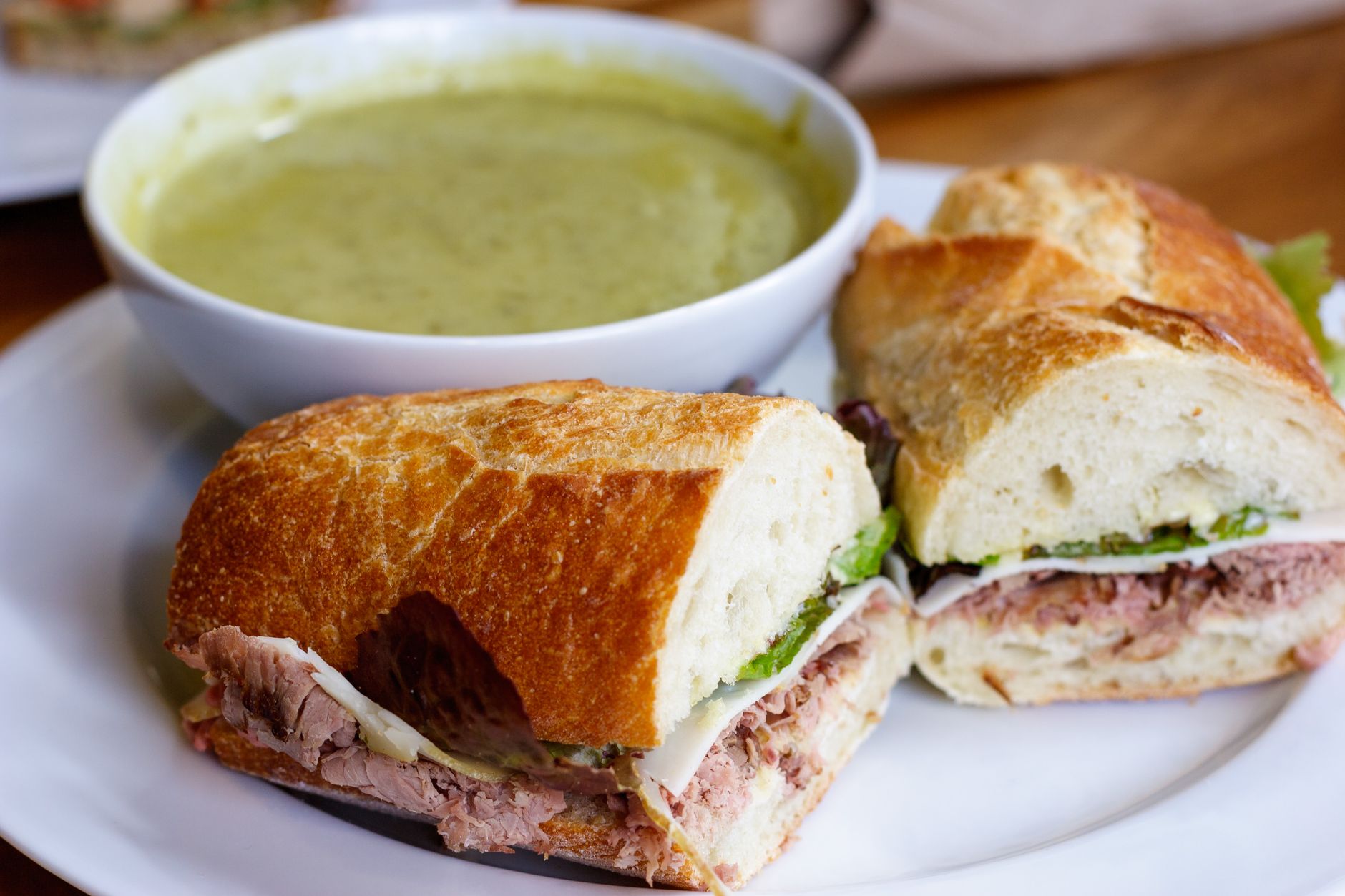
Dinner in France is all about flavor, freshness, and slow cooking. Unlike fast-food habits, French dinners are mindful, social, and satisfying. Here are some easy, healthy dinner ideas that fit the French diet principles:
- Bœuf Bourguignon: Beef slow-cooked in red wine with mushrooms, carrots, and onions—rich but balanced.
- Ratatouille: A vegetable stew with eggplant, zucchini, tomatoes, and herbs—vegetarian-friendly and packed with fiber.
- Saumon aux Épinards: Salmon with sautéed spinach and a lemon-dill sauce—high in omega-3s.
- Poulet aux Herbes de Provence: Chicken marinated in herbs, garlic, and olive oil—simple and flavorful.
- Tarte aux Pommes (Apple Tart): A sweet but balanced dessert with a buttery crust and fresh apples.
Pro tip: If you’re watching calories, portion control is key. A typical French dinner might include: - 1 serving of protein (chicken, fish, or beef) - 1–2 servings of vegetables - 1 small piece of bread or a side salad - 1 small dessert (like fruit or a slice of tart)
Inflammation-fighting tip: Add garlic and ginger to your cooking—both are known for their anti-inflammatory properties. A sprinkle of turmeric in your ratatouille or soup can also boost your intake of curcumin, a compound linked to reduced inflammation.
--- ## **French Diet Meal Plan 7 Day: Grocery List**Planning your grocery list is half the battle—especially when you’re trying a new diet. The French diet relies on fresh, whole ingredients, so stock up on these staples:
Proteins
- Chicken thighs or breasts
- Salmon or mackerel
- Beef (for stews or grilling)
- Eggs
- Greek yogurt or fromage blanc
- Tofu or tempeh (for vegetarian options)
Vegetables
- Leafy greens (spinach, arugula, mixed salad)
- Tomatoes
- Zucchini
- Carrots
- Brussels sprouts
- Mushrooms
- Onions and garlic
- Artichokes (seasonal)
Fruits
- Apples
- Berries (strawberries, blueberries)
- Oranges
- Bananas
- Pears (seasonal)
Dairy & Fats
- Butter (preferably unsalted)
- Cheese (Gruyère, Brie, or goat cheese)
- Whole milk or cream (for sauces)
- Olive oil
- Dark chocolate (70%+ cocoa, for moderation)
Bread & Grains
- Baguette or whole-grain bread
- Oats (for muesli or porridge)
- Quinoa or gluten-free grains (for dietary needs)
Pantry Staples
- Red wine (for cooking or sipping)
- Dijon mustard
- Herbes de Provence
- Balsamic vinegar
- Honey
- Nuts and seeds (walnuts, almonds, chia)
Meal prep tip: Cook grains and proteins in bulk (like quinoa, chicken, or lentils) to save time during the week. Store them in the fridge for quick assembly into salads or soups.
Seasonal produce tip: Visit local farmers' markets to find the freshest, most affordable produce. For example, asparagus in spring or figs in summer are perfect additions to your meals.
--- ## **French Diet Meal Plan 7 Day: Nutrition Facts**The French diet is nutrient-dense, with a focus on lean proteins, healthy fats, and fiber-rich carbs. Here’s a breakdown of what you can expect in a typical day:
| Nutrient | Daily Intake (Approx.) | Key Sources |
|---|---|---|
| Calories | 1,500–2,000 | Lean proteins, whole grains, healthy fats |
| Protein | 80–120g | Chicken, fish, eggs, Greek yogurt, tofu |
| Carbohydrates | 150–200g | Whole grains, vegetables, fruit |
| Fiber | 25–35g | Vegetables, whole grains, legumes |
| Healthy Fats | 50–70g | Olive oil, nuts, avocado, fatty fish |
| Antioxidants | High | Red wine, dark chocolate, berries, herbs |
Unlike the AIP Elimination Diet, which eliminates grains and dairy, the French diet includes them in moderation. This makes it more sustainable long-term for most people. The NHS notes that diets rich in olive oil, vegetables, and fish—like the French diet—are associated with reduced risk of chronic diseases.
--- ## **French Diet Meal Plan 7 Day: Calorie Count**The French diet isn’t about strict calorie counting, but tracking can help you stay on track. Here’s a general calorie breakdown for a day:
- Breakfast: 300–500 calories (e.g., pain perdu with honey or yogurt with nuts)
- Lunch: 600–800 calories (e.g., quiche Lorraine or salad Niçoise)
- Dinner: 700–900 calories (e.g., beef bourguignon or ratatouille)
- Snacks (if needed): 100–200 calories (e.g., a small cheese slice or fruit)
Total daily calories: ~1,500–2,000, depending on your activity level.
For athletes or those with higher calorie needs: Increase portion sizes of proteins and healthy fats (like olive oil or nuts) to hit your goals. The Harvard T.H. Chan School of Public Health recommends 2,000–2,500 calories per day for active individuals.
--- ## **Best French Diet Meal Plan 7 Day for Weight Loss**If your goal is weight loss, the French diet is a great choice because it keeps you full with whole foods while still allowing treats in moderation. Here’s how to adapt it for fat loss:
- Portion control is key: Stick to smaller plates and avoid seconds.
- Prioritize protein at every meal: Helps keep you full and supports muscle retention.
- Choose lean proteins: Skinless chicken, fish, or tofu over fatty cuts of meat.
- Limit added sugars: Opt for natural sweeteners like honey or fruit instead of refined sugar.
- Move more: The French diet is active—walking, cycling, or swimming after meals helps burn extra calories.
Sample weight-loss day: - Breakfast: Greek yogurt with walnuts and berries (~300 kcal) - Lunch: Grilled chicken salad with olive oil dressing (~500 kcal) - Dinner: Baked salmon with roasted vegetables (~600 kcal) - Snack: A small apple with almond butter (~150 kcal) Total: ~1,550 kcal
--- ## **French Diet Meal Plan 7 Day for Beginners**If you’re new to the French diet, start slowly. Here’s how to ease into it:
- Start with one meal a day: Try a French breakfast (like yogurt with granola) or lunch (a quiche) before committing to the full plan.
- Focus on fresh ingredients: Visit a farmers' market for the best produce.
- Cook at home: French home cooking is simple—just slow-cook, roast, or sauté.
- Embrace wine (in moderation): A glass with dinner is fine, but don’t overdo it.
- Listen to your body: If you’re hungry, eat more protein or vegetables.
First-week tip: Keep a food journal to track how you feel after each meal. This helps you adjust portions as needed.
--- ## **French Diet Meal Plan 7 Day with Dairy**The French diet includes dairy—but in the right way. Here’s how to enjoy it without the guilt:
- Choose full-fat dairy: Butter, cream, and cheese are part of the diet, but opt for high-quality, natural versions.
- Portion control is key: A small slice of cheese or a tablespoon of butter is fine—just don’t overdo it.
- Pair with fiber: Eat cheese with vegetables or whole-grain bread to balance the fat.
- Avoid processed cheeses: Stick to fresh, artisanal varieties like Brie or Comté.
Sample dairy-rich day: - Breakfast: Fromage blanc with honey and walnuts - Lunch: Tartine de jambon-beurre (ham and butter on bread) - Dinner: Bœuf bourguignon with a side of Gruyère cheese
--- ## **French Diet Meal Plan 7 Day for Athletes**If you’re an athlete, the French diet can work—as long as you adjust portions to fuel performance. Here’s how:
- Increase protein and healthy fats: Helps repair muscles after workouts.
- Prioritize complex carbs: Whole grains and vegetables provide steady energy.
- Hydrate well: Water, herbal teas, and even a glass of wine (in moderation) help. Sample athlete’s day: - Breakfast: Omelette aux fines herbes with whole-grain toast (~500 kcal) - Lunch: Poulet rôti aux légumes with a side of quinoa (~800 kcal) - Dinner: Salmon with ratatouille and a small baguette (~900 kcal) - Snack: Greek yogurt with honey (~200 kcal) Total: ~2,400 kcal --- ## **French Diet Meal Plan 7 Day Vegetarian**
- Use legumes and tofu: Lentils, chickpeas, and tempeh make great protein sources.
- Choose rich, flavorful vegetables: Ratatouille, eggplant, and mushrooms add depth.
- Embrace dairy and eggs: Cheese, yogurt, and eggs are staples in French vegetarian cooking.
- Try vegetarian versions of classic dishes: Quiche without bacon, or a veggie version of bœuf bourguignon.
- Olive oil: Rich in monounsaturated fats and polyphenols, olive oil is a staple in French cooking. Use it for sautéing vegetables or drizzling over salads.
- Fatty fish: Salmon, mackerel, and sardines are high in omega-3s, which combat inflammation. Try them in dishes like saumon aux épinards or as a side to ratatouille.
- Berries: Blueberries, strawberries, and raspberries are packed with antioxidants. Add them to yogurt, salads, or desserts.
- Dark chocolate: A small piece of dark chocolate (70% cocoa or higher) can provide flavonoids that reduce inflammation.
- Herbs and spices: Garlic, ginger, turmeric, and rosemary are all anti-inflammatory powerhouses. Use them liberally in your cooking.
- Diabetes: Swap refined carbs for whole grains, focus on lean proteins, and monitor blood sugar with meals. Pair meals with vegetables and whole grains to stabilize blood sugar levels.
- Gluten-free: Use gluten-free bread, quinoa, or rice instead of wheat-based products. Opt for naturally gluten-free grains like buckwheat or millet.
- Lactose intolerance: Choose lactose-free dairy or opt for plant-based alternatives like almond yogurt or coconut milk. Many French dishes can be easily adapted with these substitutes.
- Vegetarian/Vegan: Use legumes, tofu, and eggs as protein sources. Dishes like quiche sans bacon or lentil stew are delicious and nutrient-dense.
- Nut allergies: Replace nuts with seeds (chia, flax, sunflower) or nut-free spreads like sunflower seed butter.
- Batch-cook proteins: Grill or bake a large batch of chicken, fish, or tofu at the start of the week. Store them in the fridge for quick assembly into salads or wraps.
- Pre-cut vegetables: Wash and chop vegetables like carrots, bell peppers, and cucumbers. Store them in airtight containers for easy snacking or quick cooking.
- Make sauces and dressings ahead: Prepare vinaigrettes, herb-infused olive oil, or yogurt-based sauces. Store them in small jars for up to a week.
- Prep breakfast options: Make a big batch of muesli or hard-boiled eggs to grab and go in the morning.
- Use freezer-friendly meals: Soups, stews, and ratatouille freeze well. Cook a double batch and freeze half for later.
- Overdoing the wine: While a glass of wine with dinner is fine, drinking more than that can lead to excess calories and potential health risks. Stick to one small glass per day.
- Skipping vegetables: The French diet is rich in vegetables, so make sure to include them in every meal. Aim for at least two servings per day.
- Eating too much cheese or butter: While these are staples, they’re high in saturated fat. Use them in moderation and balance them with fiber-rich foods.
- Rushing through meals: The French take their time eating. Slow down, savor each bite, and enjoy your meal without distractions.
- Not listening to your body: If you’re hungry, eat more. If you’re full, stop. The French diet is about balance, not restriction.
- Choose dark chocolate: Opt for dark chocolate (70% cocoa or higher) instead of milk chocolate. It’s lower in sugar and higher in antioxidants.
- Portion control is key: Enjoy a small piece of chocolate or a slice of tart. The French often share desserts, so you won’t overindulge.
- Pair with protein or healthy fat: Have a small piece of fruit or a handful of nuts with your dessert to balance the sugar.
- Make your own desserts: Bake a small batch of tarte aux pommes or crème brûlée at home. You can control the ingredients and portion sizes.
- Choose natural sweeteners: Use honey, maple syrup, or mashed fruit instead of refined sugar in your desserts.
The French diet can be easily adapted for vegetarians! Focus on plant-based proteins, vegetables, and dairy (if tolerated). Here’s how:
Sample vegetarian day: - Breakfast: Pain perdu with berries - Lunch: Lentil soup with a side salad - Dinner: Ratatouille with a small baguette - Snack: Cheese and grapes
--- ## **French Diet Meal Plan 7 Day: Sample Meal Plan**Here’s a full 7-day meal plan to get you started. Adjust portions based on your needs!
| Day | Breakfast | Lunch | Dinner | Snack (optional) |
|---|---|---|---|---|
| Day 1 | Pain perdu with honey | Salade Niçoise | Bœuf bourguignon | Greek yogurt with walnuts |
| Day 2 | Fromage blanc with berries | Quiche Lorraine (vegetarian) | Poulet aux herbes de Provence | Apple with almond butter |
| Day 3 | Omelette aux fines herbes | Soupe à l’oignon | Saumon aux épinards | Cheese and grapes |
| Day 4 | Muesli with milk and seasonal fruit | Tartine de jambon-beurre | Ratatouille with bread | Hard-boiled eggs |
| Day 5 | Croissant with jam | Lentil salad with vinaigrette | Chicken and vegetable stew | Yogurt with honey |
| Day 6 | Scrambled eggs with herbs and whole-grain toast | Tarte aux pommes | Grilled fish with roasted seasonal vegetables | Nuts and dried fruit |
| Day 7 | Baguette with butter and seasonal jam | Vegetable soup with bread | Beef and mushroom ragout | Dark chocolate (small piece) |
One of the biggest benefits of the French diet is its focus on anti-inflammatory foods, which can help reduce chronic inflammation linked to conditions like heart disease and arthritis. Here’s how to incorporate more of these into your meals:
Anti-inflammatory tip: Pair your meals with herbal teas like green tea or chamomile, which are also rich in antioxidants.
--- ## **French Diet Meal Plan 7 Day: How to Adapt for Food Sensitivities**The French diet is flexible! Here’s how to adapt it for different needs:
Tip for food sensitivities: Keep a food diary to track how different foods make you feel. This helps you identify any sensitivities and adjust your meals accordingly.
--- ## **French Diet Meal Plan 7 Day: How to Meal Prep**Meal prepping is a game-changer for sticking to the French diet. Here’s how to do it efficiently:
Meal prep tip: Dedicate one day a week to prepping meals. This saves time during the week and ensures you always have a healthy option on hand.
--- ## **French Diet Meal Plan 7 Day: Common Mistakes to Avoid**The French diet is all about balance and mindful eating, but there are a few common mistakes to avoid:
Mindful eating tip: Try the plate method—fill half your plate with vegetables, a quarter with protein, and a quarter with whole grains or starches. This ensures you’re getting a balanced meal every time.
--- ## **French Diet Meal Plan 7 Day: How to Enjoy Dessert Without Guilt**Dessert is an important part of the French diet, and it doesn’t have to be off-limits. Here’s how to enjoy sweet treats without derailing your progress:
Dessert tip: Try a French-inspired smoothie—blend berries


