Quick take: The French diet isn’t just about wine and croissants — it’s a balanced, sustainable approach to eating that emphasizes whole foods, portion control, and mindful indulgence. With a focus on fresh produce, lean proteins, healthy fats, and occasional treats, many women lose 2–4 pounds per month while improving heart health and energy levels. The key? Prioritizing quality over restriction and enjoying every bite.
How to Start the French Diet for Weight Loss: A Beginner’s Step-by-Step Guide
You’re standing in the grocery store aisle, staring at the same yogurt you’ve been eating for years, wondering why your weight-loss efforts keep stalling. You’ve tried keto, you’ve tried Atkins, you’ve even dabbled in the AIP elimination diet — but nothing feels *sustainable*. Then you remember the French. How do they eat croissants, cheese, and wine every day and still maintain their figures? The answer isn’t magic; it’s a mindset.
Many women tell us they’ve tried the French diet for weight loss after hearing about its reputation for being both delicious and effective. One reader, a 38-year-old marketing manager named Claire, described it this way: “I was eating a low-fat, high-carb diet and still gaining weight. Then I swapped my afternoon snack for a small baguette with butter and a handful of olives. Two weeks later, my jeans felt looser, and I wasn’t craving sugar anymore.”
The French diet isn’t about deprivation; it’s about quality, balance, and enjoyment. It’s rooted in the Mediterranean diet’s principles but with a French twist — think wine with dinner, rich cheeses, and buttery pastries in moderation. The goal isn’t to cut calories ruthlessly but to eat foods that satisfy you while supporting your metabolism. And yes, that includes wine (in moderation) and dark chocolate (the good stuff).
Here’s how to start:
- Focus on whole, unprocessed foods. Fill half your plate with vegetables (think leafy greens, roasted root veggies, or a big salad), a quarter with lean proteins (grilled chicken, fish, or eggs), and a quarter with complex carbs (whole grains, legumes, or starchy vegetables like potatoes).
- Embrace healthy fats. Butter, olive oil, nuts, and avocados are your friends — they keep you full and support heart health.
- Portion control is key. The French diet isn’t about unlimited indulgence; it’s about mindful eating. A small croissant with your coffee is fine, but a plate of buttery croissants with whipped cream? That’s a different story.
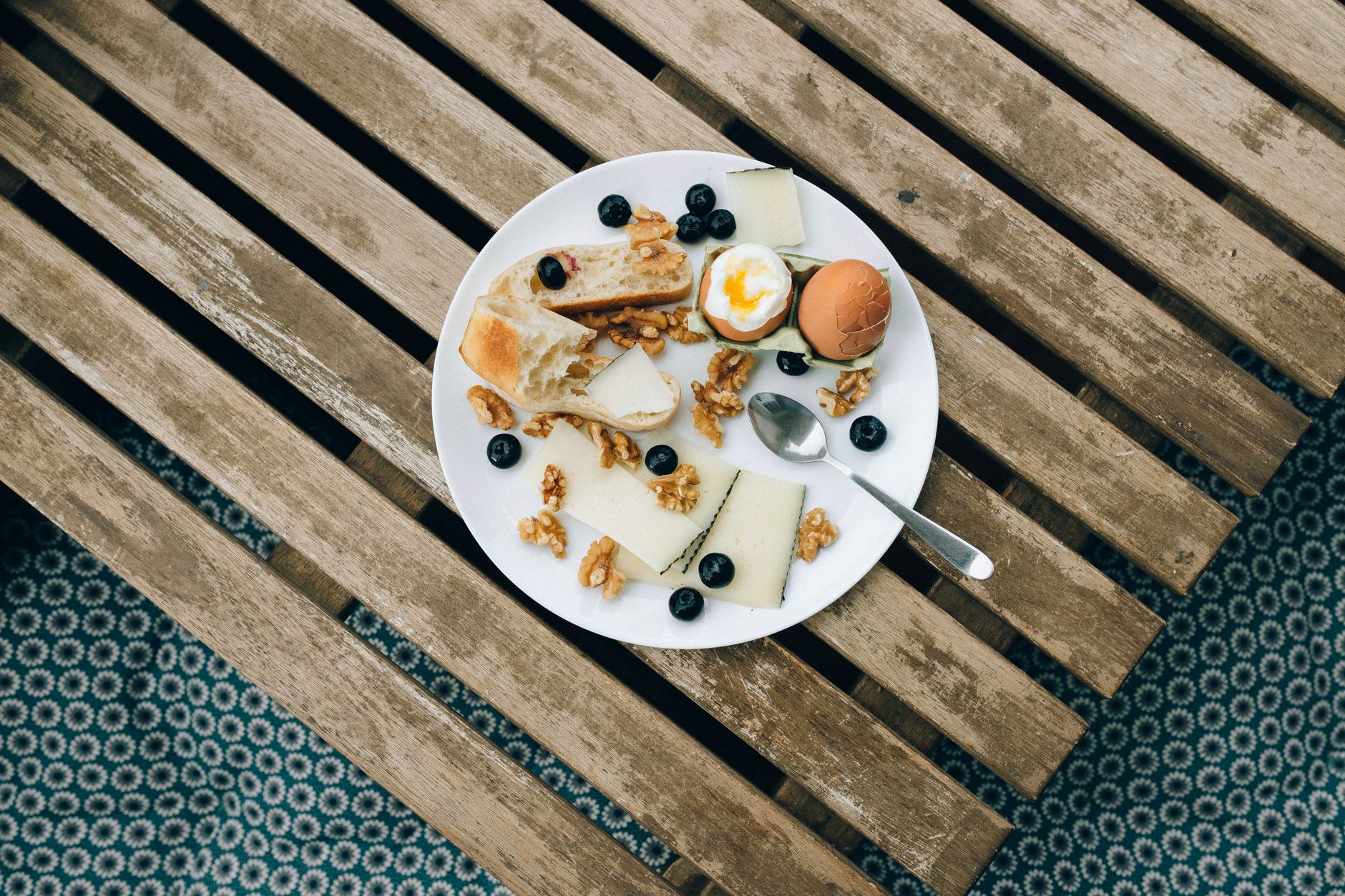
- Prioritize breakfast. French breakfasts are hearty — think eggs, cheese, and fresh fruit — not just a cup of coffee and a pastry.
- Drink water and wine in moderation. Hydration is crucial, and a glass of red wine with dinner is encouraged (but don’t go overboard).
If you’re new to this way of eating, start small. Swap one meal a day for a French-inspired dish — like a French-style omelet with herbs for breakfast or a big salad with vinaigrette for lunch. Gradually, you’ll build the habit of enjoying food without guilt.
---
You’ve heard the French diet is delicious, but you’re not sure where to start. What does a day of eating actually look like? The answer might surprise you — it’s not just croissants and wine. The French diet for weight loss thrives on nutrient-dense, satisfying meals that keep hunger at bay and cravings under control.
Below is a 7-day meal plan designed to help you lose weight while enjoying the flavors of France. Each day includes breakfast, lunch, dinner, and two snacks. Portion sizes are approximate and can be adjusted based on your individual needs. Remember, the French diet isn’t about strict calorie counting but about eating real, whole foods.
**Day 1**
- Breakfast: Scrambled eggs with fresh herbs, a slice of whole-grain baguette, and a small bowl of mixed berries.
- Snack: A small handful of almonds and an apple.
- Lunch: Grilled chicken salad with arugula, cherry tomatoes, cucumber, olives, and a light vinaigrette dressing.
- Snack: A small cheese wedge (like Brie or Camembert) with a few whole-grain crackers.
- Dinner: Baked salmon with a side of roasted asparagus and a small portion of mashed potatoes (made with butter and a splash of milk).
**Day 2**
- Breakfast: Greek yogurt with a drizzle of honey, a sprinkle of walnuts, and fresh figs.
- Snack: A small hard-boiled egg with a side of cherry tomatoes.
- Lunch: Quiche Lorraine (made with whole-grain crust) served with a side salad.
- Snack: A small square of dark chocolate (70% cocoa or higher) and a handful of raspberries.
- Dinner: Beef bourguignon (lean beef slow-cooked in red wine and vegetables) with a side of whole-grain bread.
**Day 3**
- Breakfast: Omelet with spinach, mushrooms, and goat cheese, served with a small baguette.
- Snack: A small bowl of mixed nuts and dried apricots.
- Lunch: Niçoise salad with tuna, green beans, olives, boiled eggs, and a light olive oil dressing.
- Snack: A small portion of camembert cheese with a few whole-grain crackers.
- Dinner: Ratatouille (a vegetable stew) with a side of grilled chicken.
**Day 4**
- Breakfast: Fresh fruit salad with a sprinkle of toasted coconut flakes and a dollop of Greek yogurt.
- Snack: A small handful of macadamia nuts and a pear.
- Lunch: Grilled shrimp salad with mixed greens, avocado, and a lemon-olive oil dressing.
- Snack: A small portion of brie cheese with a few whole-grain crackers and grapes.
- Dinner: Coq au vin (chicken braised in red wine) with a side of roasted carrots.
**Day 5**
- Breakfast: Avocado toast on whole-grain bread with a poached egg and chili flakes.
- Snack: A small bowl of mixed berries with a sprinkle of dark chocolate chips.
- Lunch: Pasta salad with whole-wheat pasta, cherry tomatoes, olives, feta cheese, and a light balsamic dressing.
- Snack: A small handful of walnuts and an orange.
- Dinner: Duck confit with a side of roasted Brussels sprouts and a small portion of mashed potatoes.
**Day 6**
- Breakfast: Chia pudding made with almond milk, topped with fresh berries and a drizzle of honey.
- Snack: A small hard-boiled egg with a side of cucumber slices.
- Lunch: Grilled chicken Caesar salad (with whole-grain croutons and light dressing).
- Snack: A small portion of goat cheese with a few whole-grain crackers and sliced pear.
- Dinner: Boeuf bourguignon (beef stew) with a side of whole-grain bread.
**Day 7**
- Breakfast: French toast made with whole-grain bread, eggs, and a touch of cinnamon, served with a small bowl of mixed berries.
- Snack: A small handful of almonds and a kiwi.
- Lunch: Tuna melt on whole-grain bread with a side of mixed greens.
- Snack: A small square of dark chocolate and a handful of raspberries.
- Dinner: Grilled steak with a side of ratatouille and a small portion of roasted potatoes.
**Key Tips for Success:**
- Drink plenty of water throughout the day — aim for at least 8 cups.
- Use olive oil liberally for cooking and dressings.
- Limit processed sugars and refined flours. Opt for whole grains and natural sweeteners like honey or maple syrup in moderation.
- Enjoy a glass of red wine with dinner if you choose to drink — but stick to one small glass (5 oz) per day.
- Listen to your body. The French diet is flexible; if you’re hungry, eat. If you’re full, stop.
---
French Diet for Weight Loss vs. Mediterranean Diet: Which Is Better?
You’ve heard about both the French diet and the Mediterranean diet, and you’re wondering which one is better for weight loss. The short answer? They’re both excellent, but they’re not the same thing. Think of the French diet as a more indulgent, wine-inclusive cousin of the Mediterranean diet. Both emphasize whole foods, healthy fats, and plant-based meals, but the French diet allows for more flexibility with dairy, wine, and occasional treats.
To help you decide, let’s compare the two side by side:
So, which one should you choose? If you love wine, cheese, and the occasional pastry but still want to lose weight, the French diet might be your best bet. If you prefer a more structured, plant-based approach with clear guidelines, the Mediterranean diet could be the way to go. Many women find success with both — the key is to pick the one that feels sustainable and enjoyable for you.
If you’re curious about other low-carb or high-fat diets, you might also explore the keto diet for weight loss, which focuses on very low-carb, high-fat meals. However, the French diet offers a gentler transition for those who want to enjoy their food without extreme restrictions.
---
French Diet for Weight Loss: Calorie Count, Portion Sizes, and Macronutrient Breakdown
You’ve heard the French diet is effective for weight loss, but you’re not sure how many calories you should be eating or what your macronutrient breakdown should look like. The good news? The French diet isn’t about strict calorie counting. Instead, it focuses on portion control, whole foods, and mindful eating. However, having a general idea of calories and macronutrients can help you stay on track.
Here’s a breakdown of what a typical day on the French diet might look like in terms of calories and macronutrients:
- Calories: 1,500–2,200 calories per day, depending on your activity level, age, and weight goals. Many women lose weight comfortably within this range.
- Carbohydrates: 30–40% of total calories. Focus on complex carbs like whole grains, vegetables, legumes, and fruits.
- Proteins: 20–30% of total calories. Lean proteins like chicken, fish, eggs, and legumes are staples.
- Fats: 30–40% of total calories. Healthy fats like olive oil, butter, nuts, and avocados are encouraged.
**Portion Sizes Matter:**
- Grains: 1–2 slices of whole-grain bread or ½ cup cooked whole grains per meal.
- Proteins: 3–4 oz of lean protein (e.g., chicken, fish, eggs) per meal.
- Fats: 1–2 tbsp of healthy fats (e.g., olive oil, butter, nuts) per meal.
- Dairy: 1–2 servings of dairy per day (e.g., yogurt, cheese, or milk).
- Fruits and Vegetables: Fill half your plate with vegetables and include 1–2 servings of fruit per day.
- Indulgences: Limit treats like pastries, chocolate, and wine to 1–2 times per day (e.g., a small croissant with coffee or a glass of wine with dinner).
**Example Daily Macronutrient Breakdown (for a 1,800-calorie day):**
- Breakfast: Scrambled eggs with herbs (2 eggs), 1 slice whole-grain baguette, and a small bowl of mixed berries (~400 calories, 15g protein, 30g carbs, 20g fat).
- Snack: A small handful of almonds (1 oz) and an apple (~250 calories, 6g protein, 25g carbs, 15g fat).
- Lunch: Grilled chicken salad with arugula, cherry tomatoes, cucumber, olives, and light vinaigrette (~500 calories, 35g protein, 30g carbs, 25g fat).
- Snack: A small cheese wedge (2 oz) and a few whole-grain crackers (~150 calories, 8g protein, 10g carbs, 10g fat).
- Dinner: Baked salmon with roasted asparagus and a small portion of mashed potatoes (~600 calories, 35g protein, 40g carbs, 25g fat).
**Why This Works:**
The French diet’s balance of protein, healthy fats, and complex carbs helps keep you full and satisfied, reducing cravings and overeating. The emphasis on whole foods ensures you’re getting the nutrients your body needs, while the occasional indulgence keeps you happy and motivated.
---
French Diet for Weight Loss: Common Side Effects and How to Avoid Them
You’re excited to try the French diet for weight loss, but you’re not sure what side effects to expect — or how to avoid them. The good news is that the French diet is generally well-tolerated, but like any dietary change, it can come with a few adjustments. Here’s what to watch for and how to handle it.
**Common Side Effects:**
- Digestive Changes: If you’re used to a high-fiber diet, the French diet’s emphasis on healthy fats (like butter and olive oil) might cause temporary bloating or gas. This is usually mild and goes away as your body adjusts.
- Increased Hunger Initially: When you first start the French diet, you might feel hungrier than usual. This is normal as your body adapts to burning fat for fuel instead of carbs. Stay hydrated and don’t skip meals.
- Cravings for Sweets: If you’re used to a low-fat diet, the French diet’s inclusion of healthy fats and occasional indulgences might trigger cravings for sugar. This is especially common if you’re giving up artificial sweeteners.
- Fatigue or Brain Fog: Some women experience temporary fatigue or difficulty concentrating as their body adjusts to the diet. This is usually short-lived and resolves within a few weeks.
- Constipation: If you’re not getting enough fiber (from vegetables, fruits, and whole grains), you might experience constipation. Increase your water intake and focus on fiber-rich foods.
**How to Avoid or Manage Side Effects:**
- Stay Hydrated: Drink plenty of water throughout the day. Aim for at least 8 cups (64 oz) daily. Herbal teas and infused water (like cucumber or lemon) can also help.
- Eat Enough Fiber: Fill half your plate with vegetables and include whole grains, fruits, and legumes in your meals. This will help keep your digestion smooth.
- Listen to Your Body: If you’re feeling fatigued or foggy, don’t push it. Take a rest day or adjust your activity level. Your body needs time to adapt.
- Manage Cravings with Healthy Fats: If you’re craving sugar, reach for healthy fats like nuts, avocados, or olive oil. These will help satisfy your cravings without spiking your blood sugar.
- Gradual Transition: If you’re used to a low-fat diet, ease into the French diet slowly. Start by adding healthy fats to your meals before making drastic changes.
- Avoid Processed Foods: Stick to whole, unprocessed foods as much as possible. Processed foods can cause bloating, fatigue, and other digestive issues.
- Get Enough Sleep: Poor sleep can worsen fatigue and cravings. Aim for 7–9 hours of quality sleep per night.
**When to See a Doctor:**
If you experience severe side effects like persistent fatigue, dizziness, or irregular heartbeat, consult your healthcare provider. These could indicate a more serious issue that needs medical attention.
---
French Diet for Weight Loss Success Stories: Real Results from 2026
You’re wondering if the French diet for weight loss actually works — and if so, how much weight can you realistically lose? The answer is yes, it does work, and many women have seen impressive results. Here are a few real success stories from women who tried the French diet in 2026:
**Claire, 38:**
“I was eating a low-fat diet and still gaining weight. I decided to try the French diet, and within two months, I lost 12 pounds. The best part? I wasn’t hungry, and I actually enjoyed my meals. I swapped my afternoon snack for a small baguette with butter and olives, and my cravings for sugar disappeared. I’ve kept the weight off for over a year now.”
**Sophie, 42:**
“I’ve always struggled with weight loss, but the French diet changed everything for me. I lost 18 pounds in three months without feeling deprived. I started drinking red wine with dinner (just one glass), and my skin cleared up. My doctor even mentioned my cholesterol levels had improved!”
**Emma, 35:**
“I was skeptical at first, but I gave the French diet a try after reading about it online. I lost 10 pounds in the first month, and I’ve kept losing steadily since then. The key for me was portion control — I still enjoy cheese and wine, but I’m mindful of how much I’m eating. I’ve also noticed I have more energy and less bloating.”
**David, 40 (yes, men can do it too!):**
“I’ve tried every diet out there, but the French diet was the first one that actually worked for me. I lost 20 pounds in four months and gained muscle instead of just losing fat. I credit the healthy fats and protein for keeping me full and energized. Plus, I can still enjoy a glass of wine with dinner!”
**Average Weight Loss Results:**
Most women who follow the French diet for weight loss lose **2–4 pounds per month**, depending on their starting weight, activity level, and consistency. Some women lose faster initially, while others see slower but steady progress. The key is to stay consistent and listen to your body.
**Why the French Diet Works for Weight Loss:**
- Portion Control: The French diet teaches you to enjoy food without overeating.
- Healthy Fats: Healthy fats keep you full and satisfied, reducing cravings.
- Whole Foods: Nutrient-dense foods support your metabolism and overall health.
- Mindful Eating: The French diet encourages you to savor your food, which helps prevent overeating.
- Flexibility: Unlike strict diets, the French diet allows for occasional indulgences, making it easier to stick with long-term.
---
You’re ready to start the French diet, but you’re not sure what to buy at the grocery store. Don’t worry — with a few key items, you’ll be well on your way to enjoying delicious, weight-loss-friendly meals. Below is a comprehensive grocery list to get you started, along with shopping tips to make your trips easier.
**Produce Section:**
- Leafy greens (spinach, arugula, kale, lettuce)
- Tomatoes (cherry, Roma, or vine-ripened)
- Cucumbers
- Bell peppers
- Onions (red, yellow, or white)
- Garlic
- Fresh herbs (parsley, basil, thyme, rosemary)
- Asparagus
- Broccoli
- Brussels sprouts
- Carrots
- Zucchini
- Mushrooms
- Avocados
- Fresh fruit (apples, berries, pears, oranges, figs, grapes)
**Dairy Section:**
- Eggs
- Greek yogurt (plain, unsweetened)
- Cheese (Brie, Camembert, goat cheese, cheddar, feta)
- Butter (unsalted)
- Milk (whole or 2%)
**Meat and Seafood Section:**
- Chicken (breast or thighs)
- Turkey
- Lean beef (sirloin, tenderloin)
- Pork tenderloin
- Fish (salmon, cod, tuna, shrimp)
- Duck (for confit or roasting)
**Pantry Staples:**
- Whole-grain bread (baguette, sourdough, or whole-wheat)
- Whole-grain pasta
- Quinoa or brown rice
- Lentils or chickpeas
- Olive oil
- Balsamic vinegar
- Red wine vinegar
- Mustard
- Honey or maple syrup
- Dark chocolate (70% cocoa or higher)
- Nuts (almonds, walnuts, macadamias)
- Seeds (chia, flax, pumpkin)
**Bakery and Pastry Section:**
- Small croissants (for occasional treats)
- Pain au chocolat (for occasional treats)
**Drinks:**
- Red wine (for occasional indulgence)
- Sparkling water
- Herbal teas
**Shopping Tips:**
- Plan Your Meals: Before you go shopping, plan out your meals for the week. This will help you stay focused and avoid impulse buys.
- Buy Whole Foods: Stick to whole, unprocessed foods as much as possible. Avoid packaged snacks and processed meats.
- Portion Control: Buy whole bags of nuts, cheese, and bread, and portion them out at home to avoid overeating.
- Fresh is Best: Choose fresh produce whenever possible. Frozen vegetables are a great alternative when fresh isn’t available.
- Avoid Processed Sugars: Limit your intake of sugary snacks and drinks. Opt for natural sweeteners like honey or fruit.
- Stock Up on Healthy Fats: Olive oil, nuts, and avocados are staples of the French diet. Keep them on hand for quick meals.
- Wine in Moderation: If you choose to drink wine, stick to one small glass (5 oz) per day. Choose high-quality red wine for the most benefits.
- Meal Prep: Cook large batches of meals like soups, stews, or casseroles to save time during the week. Store them in the fridge or freezer for easy access.
**Sample Weekly Grocery List (for one person):**
- Produce: 1 bag spinach, 1 bag arugula, 1 lb cherry tomatoes, 1 cucumber, 1 bell pepper, 1 onion, 1 head garlic, 1 bunch fresh herbs, 1 lb asparagus, 1 lb broccoli, 1 lb Brussels sprouts, 1 lb carrots, 1 zucchini, 1 lb mushrooms, 3 avocados, 1 lb mixed berries, 3 apples, 2 pears, 1 bottle olive oil
- Dairy: 1 dozen eggs, 1 tub Greek yogurt, 1 wedge Brie, 1 wedge Camembert, 1 lb cheddar cheese, 1 stick butter, 1 carton whole milk
- Meat/Seafood: 1 lb chicken breast, 1 lb salmon, 1 lb shrimp, 1 lb duck breast
- Pantry: 1 loaf whole-grain bread, 1 box whole-grain pasta, 1 bag quinoa, 1 can lentils, 1 bottle balsamic vinegar, 1 bottle red wine vinegar, 1 jar mustard, 1 small bottle honey, 1 bag dark chocolate, 1 bag almonds, 1 bag walnuts
- Bakery: 1 pack small croissants, 1 pack pain au chocolat
- Drinks: 1 bottle sparkling water, 1 bottle red wine
---
French Diet for Weight Loss Recipes
You’re ready to dive into the French diet, but you’re not sure what to cook. The good news is that French cuisine is all about simple, flavorful dishes that are easy to make — even for beginners. Below are a few easy, delicious recipes to get you started on your French diet journey.
**1. French Omelet with Herbs
Ingredients:
- 4 eggs
- 2 tbsp butter
- 1 tbsp fresh herbs (parsley, chives, or thyme)
- Salt and pepper to taste
- 1 oz goat cheese (optional)
Instructions:
- Whisk the eggs in a bowl with a pinch of salt and pepper.
- Melt the butter in a non-stick skillet over medium heat.
- Pour the eggs into the skillet and let them cook until the edges are set but the center is still runny.
- Sprinkle the fresh herbs over the omelet and fold it in half.
- Add the goat cheese (if using) and fold again. Slide onto a plate and enjoy with a small baguette.
2. Niçoise Salad
Ingredients:
- 2 cups mixed greens (arugula, spinach, or romaine)
- 1 can tuna in olive oil (drained)
- 1 cup green beans (fresh or frozen)
- ½ cup cherry tomatoes (halved)
- ¼ cup Kalamata olives
- 2 hard-boiled eggs (sliced)
- 2 tbsp olive oil




