Quick take: Free-range parenting isn’t about letting kids roam wild—it’s about giving them age-appropriate freedom to explore, solve problems, and build confidence. The right age to start depends on your child’s maturity, your neighborhood’s safety, and local laws. Toddlers (1–3) might walk to the mailbox with you, while teens (14+) could navigate public transit alone. We’ll break down exactly what’s safe (and legal) at every stage, plus how to handle judgment from family and strangers. You’re not neglectful—you’re raising a capable human.
You’re standing at the edge of the playground, watching your five-year-old climb the tallest ladder for the first time. Your instinct is to sprint over and steady them, but you hesitate. A voice in your head whispers: “What if they fall? What if someone thinks I’m a bad mom?” Meanwhile, your kid is grinning like they just conquered Everest. That’s the push-and-pull of free-range parenting—a philosophy that’s equal parts liberating and terrifying.
Free-range parenting isn’t about abandoning your kids. It’s about giving them the space to test their wings—safely and gradually—so they learn resilience, problem-solving, and confidence. But how do you know when they’re ready? What’s legal? And how do you handle the side-eye from the mom who still cuts her eight-year-old’s grapes in half?
This guide is your roadmap. We’ll cover:
- Exactly what free-range parenting is (and what it’s not)
- Age-by-age milestones for independence, from toddlers to teens
- How to introduce freedom without putting your child at risk
- The legal limits (yes, they vary by state and country)
- Real mom stories—what worked, what backfired, and how they handled the critics
By the end, you’ll have a clear, step-by-step plan to raise a kid who’s not just independent, but capable—without losing your mind (or breaking any laws).

What is free range parenting, really?
You’ve heard the term, but what does it actually mean? Free-range parenting is a child-rearing approach that emphasizes age-appropriate independence, unstructured play, and real-world problem-solving. It’s rooted in the idea that kids learn best by doing—not by being constantly supervised or micromanaged.
Core principles include:
- Trust in your child’s abilities: Kids are more capable than we often give them credit for. A four-year-old can pour their own cereal; a ten-year-old can walk to a friend’s house a few blocks away.
- Risk assessment over risk avoidance: Instead of shielding kids from every possible danger, you teach them how to navigate risks safely. For example, climbing a tree isn’t “too dangerous”—it’s a chance to learn balance and caution.
- Unstructured time: Free play, boredom, and exploration are encouraged. This isn’t about packing their schedule with activities; it’s about giving them the space to figure things out on their own.
- Problem-solving as a skill: If your child forgets their lunch, they learn to ask for help or go without. If they argue with a friend, they practice conflict resolution. You’re not their personal assistant—you’re their guide.
Free-range parenting isn’t neglect. It’s not about leaving your kid alone in a park for hours or sending them on cross-country trips at age six. It’s about gradually increasing responsibility as they prove they’re ready. Think of it like teaching a kid to swim: you don’t toss them into the deep end first. You start in the shallow end, hold their hand, and let go little by little.
One mom, Sarah, put it this way: “I realized I was doing everything for my kids—tying their shoes, packing their backpacks, even picking out their clothes. Then I asked myself: ‘When will they learn if I don’t let them try?’ Now, my seven-year-old walks to school with his older sister, and he’s so proud of himself. Yeah, I worry. But I also see how much he’s grown.”
What is the right age to start free range parenting for toddlers (1-3 years old)?
Toddlers are curious, impulsive, and fast. The idea of giving them “freedom” might sound like a recipe for disaster—and in some ways, it is. But that doesn’t mean you can’t start small. Free-range parenting for toddlers isn’t about letting them roam; it’s about giving them safe opportunities to explore and make choices.
At this age, independence looks like:
- Choosing between two outfits (even if they’re mismatched)
- Feeding themselves (messy hands and all)
- Walking short distances instead of being carried (e.g., from the car to the front door)
- Playing alone in a fenced yard or safe indoor space for short periods
- Helping with simple chores, like putting toys in a bin
Safety first: Toddlers lack impulse control and hazard awareness. Never leave them unsupervised near water, stairs, or streets. Even a few seconds can be dangerous. Instead, focus on supervised independence. For example:
- Let them climb a low playground structure while you spot them.
- Give them a small pitcher to pour their own water (with a towel nearby).
- Let them “help” with cooking—stirring, washing veggies, or pressing buttons on the blender (with close supervision).
One mom, Priya, shared: “I let my two-year-old ‘walk’ to the mailbox with me. It’s only 50 feet from our house, but to her, it’s a big adventure. She beams the whole way. It’s these tiny moments that build her confidence.”
Red flags to watch for: If your toddler:
- Darts into the street without looking
- Can’t follow simple safety rules (e.g., “don’t touch the stove”)
- Shows no interest in exploring or trying things on their own
…they may not be ready for even small doses of independence. That’s okay! Every kid develops at their own pace.
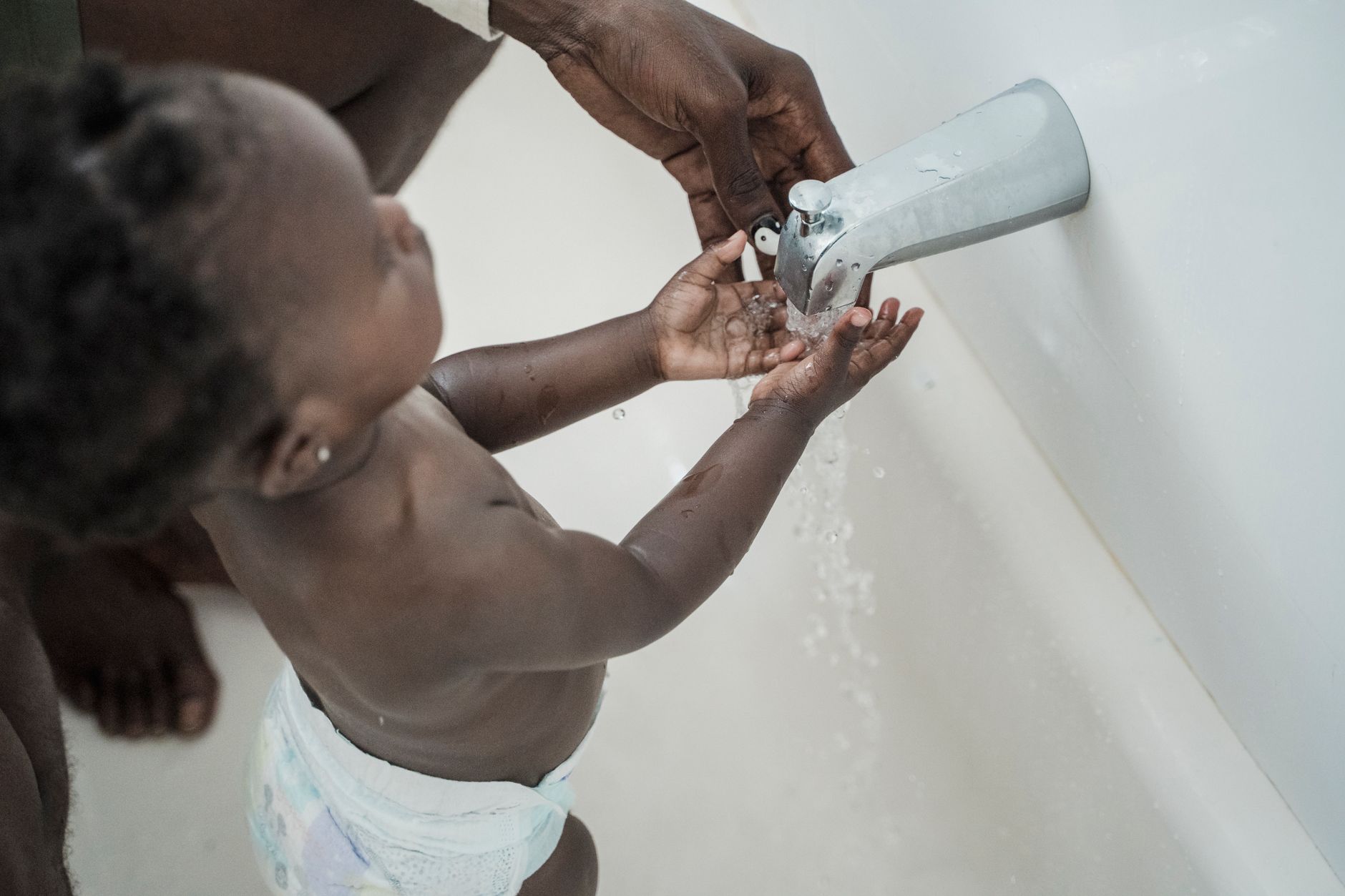
Free range parenting for preschoolers: age-appropriate independence milestones (4-5 years)
Preschoolers are a sweet spot for free-range parenting. They’re old enough to follow simple rules and understand basic safety, but young enough to still think you’re the coolest person on the planet. This is the age to start testing the waters—literally and figuratively.
At 4–5 years old, independence milestones might include:
- Playing alone in the backyard (with you checking in every 5–10 minutes).
- Walking short distances with supervision, like to a neighbor’s house or the end of the block.
- Choosing their own snacks (from a pre-approved selection).
- Dressing themselves (even if it takes 10 minutes and the shirt is backward).
- Helping with simple chores, like setting the table or feeding a pet.
- Riding a bike with training wheels (or a balance bike) in a safe area.
- Playing at a park without constant hovering (you’re nearby, but not right next to them).
How to introduce freedom safely:
- Start small. Let them play alone in the backyard for 5 minutes while you watch from the window. Gradually increase the time as they prove they can follow rules (e.g., “Stay where I can see you”).
- Practice “stranger safety” without fear-mongering. Teach them:
- “If you ever feel scared, find a mom with kids and ask for help.”
- “Never go anywhere with someone unless I’ve told you it’s okay.”
- “If someone makes you uncomfortable, scream and run to me.”
- Let them fail. If they forget their jacket, let them feel cold for a few minutes. If they refuse to wear shoes, let them step on a pebble. These small “consequences” teach them to plan ahead.
- Use “what if” scenarios. Play games like:
- “What would you do if you dropped your toy in the street?”
- “What if you got lost at the store?”
- “What if a dog runs up to you?”
This helps them think through problems before they happen.
One dad, Mark, shared: “My five-year-old wanted to walk to the corner store with me. At first, I said no—it’s a busy street. But then I realized: she’s never going to learn if I don’t let her try. So we practiced crossing the street together, and now she does it like a pro. She feels so grown-up, and I feel like I’m raising someone who can handle the world.”
When to pump the brakes: If your preschooler:
- Wanders off without telling you
- Can’t follow simple safety rules (e.g., “don’t run into the street”)
- Gets overly anxious when separated from you
…they may need more time before taking on bigger responsibilities.
How to introduce free range parenting to elementary school kids (6-10 years old) safely
Elementary school is where free-range parenting starts to feel real. Kids this age are old enough to handle more responsibility, but young enough that they still look to you for guidance. This is the sweet spot for gradually increasing freedom while teaching them to navigate the world safely.
At 6–10 years old, independence milestones might include:
- Walking to school or a friend’s house (if it’s safe and within a reasonable distance).
- Staying home alone for short periods (e.g., 30 minutes while you run to the grocery store).
- Riding their bike around the neighborhood (with a helmet and clear boundaries).
- Handling small amounts of money (e.g., buying a snack at the corner store).
- Using public transit with supervision (e.g., taking the bus to a nearby park with a sibling or friend).
- Cooking simple meals (e.g., making a sandwich or heating up soup).
- Managing their own homework and backpack (with occasional check-ins from you).
How to introduce freedom safely:
- Start with “practice runs.” If your child wants to walk to school alone, do a trial run together first. Walk the route, point out landmarks, and discuss what to do in different scenarios (e.g., “If you drop your backpack, what should you do?”).
- Set clear boundaries. For example:
- “You can ride your bike to Jake’s house, but you have to text me when you get there.”
- “You can stay home alone for 30 minutes, but the door stays locked and you don’t answer it.”
- “You can walk to the park, but you have to be back by 5:00.”
- Teach them how to handle emergencies. Role-play scenarios like:
- “What if you get lost?” (Find a mom with kids or a store employee.)
- “What if someone knocks on the door?” (Don’t answer. Call me.)
- “What if you get hurt?” (Call 911 or a trusted neighbor.)
- Use technology wisely. A GPS watch or phone can help you keep tabs on them without hovering. Apps like Life360 or Find My Kids can give you peace of mind while still giving them independence.
- Let them make (small) mistakes. If they forget their lunch, don’t rush to bring it to them. If they lose their jacket, let them feel the consequences. These lessons stick.
One mom, Lisa, shared: “My eight-year-old wanted to walk to the library alone. I was nervous, but I knew she was ready. We practiced the route, and I gave her a phone to call me if she needed anything. The first time she did it, she came home beaming. She felt so proud of herself—and I realized I’d been holding her back. Now, she walks to the library every week, and it’s no big deal.”
Red flags to watch for: If your elementary schooler:
- Struggles to follow basic safety rules (e.g., crossing the street without looking)
- Gets overly anxious when separated from you
- Can’t handle small amounts of responsibility (e.g., forgetting their backpack every day)
…they may need more time before taking on bigger freedoms.
Free range parenting for tweens (11-13 years): balancing freedom and responsibility
Tweens are in that awkward in-between stage: not quite kids, not quite teens. They crave independence but still need guidance. Free-range parenting for tweens is all about finding the balance—giving them enough freedom to grow, but enough structure to keep them safe.
At 11–13 years old, independence milestones might include:
- Staying home alone for longer periods (e.g., a few hours after school).
- Walking or biking to school, friends’ houses, or activities alone (if it’s safe and within a reasonable distance).
- Using public transit independently (e.g., taking the bus to the mall or a friend’s house).
- Managing their own schedule (e.g., keeping track of homework, extracurriculars, and social plans).
- Cooking simple meals for the family (e.g., making pasta or scrambled eggs).
- Handling their own money (e.g., budgeting for snacks, saving for a bigger purchase).
- Making their own doctor’s appointments (with your guidance).
How to introduce freedom safely:
- Start with “low-stakes” freedoms. For example:
- Let them walk to a friend’s house a few blocks away.
- Let them stay home alone for an hour while you run errands.
- Let them take the bus to a nearby park with a friend.
- Set clear rules and consequences. For example:
- “If you’re home alone, the door stays locked and you don’t answer it.”
- “If you’re out with friends, you have to check in every hour.”
- “If you break the rules, you lose privileges for a week.”
- Teach them how to handle peer pressure. Role-play scenarios like:
- “What if your friends want to go somewhere you’re not allowed?”
- “What if someone offers you drugs or alcohol?”
- “What if you feel pressured to do something you’re not comfortable with?”
- Let them make (and learn from) mistakes. If they forget their homework, don’t rush to bring it to them. If they spend all their money on junk food, let them go without until their next allowance. These lessons are painful but valuable.
- Stay involved, but not intrusive. Check in regularly, but don’t hover. Ask open-ended questions like:
- “How was your day?”
- “What’s something new you learned?”
- “What’s something you’re proud of?”
One mom, Jessica, shared: “My 12-year-old wanted to take the bus to the mall with her friends. I was nervous, but I knew she was ready. We practiced the route, and I gave her a phone with a tracking app. The first time she did it, she came home so excited. She felt like she could conquer the world. Now, she takes the bus all the time, and it’s no big deal.”
Red flags to watch for: If your tween:
- Struggles to follow basic rules (e.g., lying about where they’re going)
- Gets into trouble with peers (e.g., shoplifting, vandalism)
- Shows signs of anxiety or depression (e.g., withdrawing from friends, losing interest in activities)
…they may need more structure before taking on bigger freedoms.
Is free range parenting safe for teenagers (14+ years)? Real mom experiences and risks
Teenagers are supposed to push boundaries. It’s how they learn to navigate the world as adults. Free-range parenting for teens isn’t about letting them run wild—it’s about giving them the tools to make smart decisions while still providing a safety net.
At 14+ years old, independence milestones might include:
- Staying home alone overnight (e.g., while you’re out of town for a night).
- Driving or taking public transit long distances (e.g., to a friend’s house in another city).
- Managing their own schedule (e.g., balancing school, work, and social life).
- Cooking meals for the family (e.g., planning and preparing dinner).
- Handling their own money (e.g., budgeting for clothes, gas, and activities).
- Making their own medical decisions (e.g., choosing a therapist or birth control method).
- Traveling alone or with friends (e.g., taking a train to visit family or going on a school trip).
Real mom experiences:
- Amy, mom of a 15-year-old: “My daughter wanted to go to a concert in the city with her friends. I was nervous, but I knew she was responsible. We talked about safety—staying together, not accepting drinks from strangers, having a plan if something went wrong. She came home safe and happy. She felt like I trusted her, and that meant everything.”
- David, dad of a 16-year-old: “My son wanted to drive to a friend’s cabin three hours away. I said no at first—it’s a long drive, and I was worried. But then I realized: he’s going to be driving alone soon anyway. So we practiced the route, and I made him check in every hour. He did great, and now he’s more confident behind the wheel.”
- Maria, mom of a 17-year-old: “My daughter wanted to stay home alone for a week while we went on vacation. I said no way—she’s responsible, but a week is a long time. Instead, we compromised: she could stay home for three days with a family friend checking in. She proved she could handle it, and now she’s ready for more.”
Risks and how to manage them:
How to introduce freedom safely:
- Start with “high-trust, low-risk” freedoms. For example:
- Let them stay home alone for a weekend while you’re out of town.
- Let them drive to a friend’s house in a familiar neighborhood.
- Let them plan and cook a family dinner.
- Set clear expectations. For example:
- “If you’re going to a party, I need to know where it is, who’s hosting, and when you’ll be home.”
- “If you’re driving, you have to follow all the rules: no phone, no speeding, no passengers for the first six months.”
- “If you’re staying home alone, the door stays locked and you don’t answer it.”
- Use technology to stay connected. Apps like Life360 or Find My Friends can help you keep tabs on them without hovering. GPS trackers in cars can give you peace of mind for new drivers.
- Let them make (and learn from) mistakes. If they break curfew, enforce consequences. If they overspend, let them go without until their next paycheck. These lessons are painful but valuable.
- Stay involved, but not intrusive. Check in regularly, but don’t pry. Ask open-ended questions like:
- “How’s school going?”
- “What’s something new you’ve learned?”
- “What’s something you’re proud of?”
When to pump the brakes: If your teen:
- Struggles to follow basic rules (e.g., lying about where they’re going)
- Gets into trouble with the law (e.g., underage drinking, vandalism)
- Shows signs of mental health struggles (e.g., withdrawing from friends, losing interest in activities)
…they may need more structure before taking on bigger freedoms.

Free range parenting by age: a step-by-step guide for modern moms
Free-range parenting isn’t one-size-fits-all. What works for a six-year-old won’t work for a sixteen-year-old. The key is to gradually increase freedom as your child proves they’re ready. Below is a step-by-step guide to help you navigate free-range parenting at every age.
How to adjust the plan for your child:
- If your child is anxious or cautious: Go slower. Give them more time to build confidence. For example, if they’re nervous about walking to school alone, start by letting them walk to a friend’s house with you nearby.
- If your child is impulsive or reckless: Set stricter boundaries. For example, if they have a habit of forgetting their backpack, don’t let them walk to school alone until they’ve proven they can remember it for a week straight.
- If your neighborhood is unsafe: Adjust the plan. For example, if there’s a lot of traffic, don’t let them walk or bike alone. Instead, focus on other freedoms, like staying home alone or cooking meals.
- If your child has special needs: Work with their therapist or doctor to create a plan that’s tailored to their abilities. For example, a child with autism might need more structure and clear rules, while a child with ADHD might need more reminders and check-ins.
What are the legal limits of free range parenting by state or country?
Free-range parenting isn’t



