Quick take: ✅ You can fly internationally while pregnant, but you’ll need a valid passport, a recent medical certificate, and possibly a visa‑specific note. Most airlines allow travel up to 36 weeks + 6 days, though policies differ. Pack a pregnancy‑friendly travel kit, buy a comprehensive insurance plan that covers prenatal care, and keep emergency contacts and a doctor’s note handy. If you develop concerning symptoms (severe abdominal pain, bleeding, or sudden swelling), seek medical help immediately.
Imagine standing in an airport terminal, the hum of rolling suitcases around you, and the sudden realization that you’ve forgotten whether you need a special form from your obstetrician. You’re not alone—many expectant travelers feel that knot of anxiety at the gate. The good news is that flying while pregnant is generally safe, and the paperwork you need is straightforward once you know what to gather.
In this 2026 guide we’ll walk you through every document you’ll need, how to get a medical certificate, what airlines and visas expect, and how to stay comfortable and protected on long‑haul flights. Whether you’re 12 weeks along or nearing your due date, you’ll find clear answers and practical checklists so you can focus on the adventure, not the paperwork.
We’ll also cover travel‑insurance options, packing tips for a pregnancy travel kit, medication and vaccination considerations, and the red‑flag symptoms that mean it’s time to call a doctor. By the end of this article you’ll have a complete, step‑by‑step roadmap for a smooth, stress‑free journey.
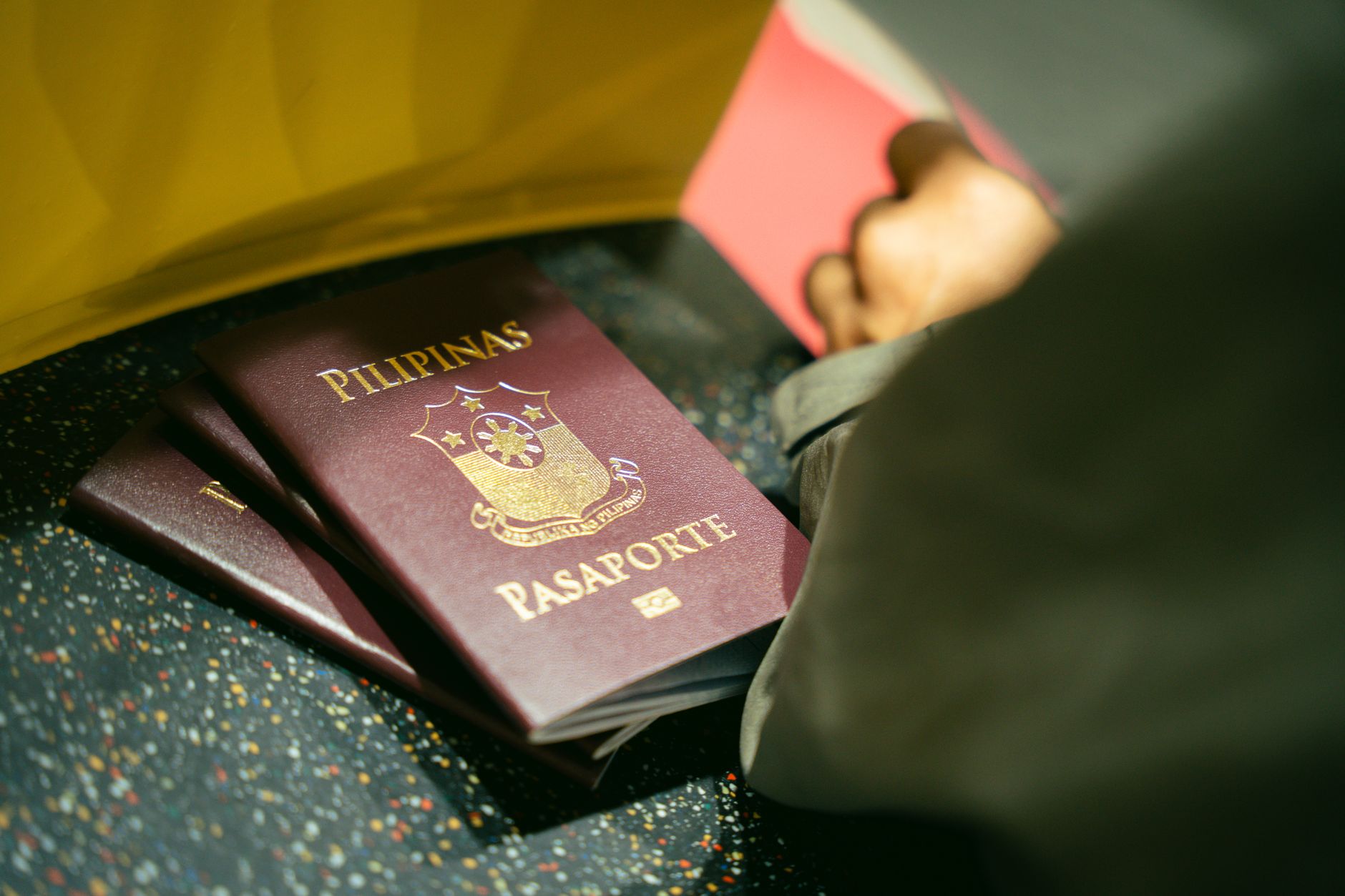
What pregnancy documents are required for international travel in 2026?
In 2026 the core documents you’ll need are the same as any international traveler, with two pregnancy‑specific add‑ons:
- Passport: A valid passport that does not expire within six months of your planned return date. Most countries enforce this rule for all travelers.
- Medical certificate (also called a “fit‑to‑fly” letter): A signed statement from your OB‑GYN or midwife confirming your estimated due date, current health status, and that you are cleared for air travel.
- Visa (if required): Some countries ask for additional health information on visa applications. A pregnancy‑related note is usually optional, but having a doctor’s letter can smooth the process.
- Travel insurance policy: A copy of your coverage that explicitly includes prenatal care, emergency evacuation, and hospitalisation abroad.
- Birth plan translation (optional): If you plan to give birth abroad or want to share your preferences with foreign medical staff, a professionally translated birth plan can be helpful.
All of these documents should be stored in a waterproof, zip‑locked pouch that you can access quickly at security checkpoints and customs. Keep digital copies on your phone (encrypted) as a backup, but never rely solely on electronic versions—some border agents still require paper.
For U.S. citizens, the Department of State’s website confirms that a passport is the only mandatory travel document; however, the Centers for Disease Control and Prevention (CDC) recommends carrying a medical certificate when traveling after 28 weeks + 0 days. European travellers should check the International Air Transport Association (IATA) guidance, which mirrors CDC recommendations.
How to obtain a medical certificate for flying while pregnant?
Getting a medical certificate is usually a quick office visit, but timing matters. Most airlines require the note to be dated within 10 days of departure, though some (e.g., Emirates) accept up to 14 days. Here’s a step‑by‑step process:
- Schedule a prenatal check‑up at least two weeks before travel. Mention your travel dates during the appointment so your provider can anticipate the required documentation.
- Ask for a “fit‑to‑fly” letter. The letter should include:
- Your full name and date of birth
- Estimated due date (EDD)
- Current gestational age
- A statement that you have no contraindications to air travel (e.g., no placenta previa, pre‑eclampsia, or active bleeding)
- Any airline‑specific notes, such as the need for a seat‑belt extension or a request for extra legroom.
- Request a digital copy (PDF) and a printed copy. Some airlines allow you to upload the PDF to their online portal, but you’ll still need the hard copy for security.
- Verify airline policy. Before you leave the clinic, double‑check the airline’s website or call their customer service to confirm the exact wording they require.
- Keep the letter in a sealed envelope. If you’re traveling with a partner, give them the envelope so they can present it if you’re unable to do so.
In the United Kingdom, the NHS advises that a medical certificate is not legally required, but many carriers will still ask for it after 28 weeks. The Royal College of Obstetricians and Gynaecologists (RCOG) suggests that the letter be on official clinic letterhead and signed by a qualified obstetrician.
Can I travel internationally in my second trimester with a passport and doctor note?
Yes—most travel experts agree that the second trimester (weeks 14‑27) is the safest window for international trips. You have a passport, a doctor’s note, and you’re past the early‑pregnancy nausea phase, making you more comfortable on long flights.
Key points to remember:
- Physical comfort: Your uterus is still low enough that a standard seat belt fits comfortably across your hips.
- Medical stability: The risk of miscarriage drops significantly after the first trimester, and most pregnancy‑related complications (e.g., gestational diabetes) are typically screened for by week 24.
- Airline acceptance: Most carriers only start imposing restrictions after 28 weeks, so a second‑trimester traveler usually needs no extra paperwork beyond the standard medical certificate.
One reader shared, “I booked a two‑week European tour at 18 weeks. The airline asked for a note, which my OB‑GYN gave me the same day. The whole trip went smoothly, and I felt great.” If you’re in your second trimester, you’re in the sweet spot for travel—just keep your documentation organized and stay hydrated.
What are airline policies for pregnant passengers on long‑haul flights in 2026?
Airline policies can vary by carrier, region, and even aircraft type. Below is a comparison of the most common policies for major international airlines as of 2026. All airlines listed require a medical certificate after a specific gestational age and may have seat‑selection rules for comfort.
In practice, the most common trigger for needing a medical certificate is 28 weeks + 0 days. Below that threshold, most airlines will accept a simple doctor’s note stating that you are fit to travel. After 28 weeks, you’ll often be asked to provide a more detailed “fit‑to‑fly” letter, and some carriers may require you to sit in a specific seat class (e.g., economy plus) for easier access to the restroom.
When you book, always use the airline’s “Special Assistance” form to indicate your pregnancy. This ensures the cabin crew is aware of your needs, and it can also trigger a complimentary seat‑belt extension and extra pillow.
How to handle visa applications when pregnant and traveling abroad?
Visas are country‑specific, and most governments do not require you to disclose pregnancy status on the application. However, a few nations request health information for extended stays (e.g., Australia, New Zealand). Here’s a practical roadmap:
- Check the embassy website. Look for sections titled “Medical Information” or “Health Requirements.” If pregnancy is mentioned, they will outline any documentation needed.
- Gather supporting documents. If a country asks for a health declaration, you can submit the same medical certificate used for airline travel, along with any relevant prenatal test results (e.g., ultrasound confirming a healthy pregnancy).
- Include a letter of intent. Explain that you plan to travel responsibly, have comprehensive travel insurance, and will seek local medical care if needed.
- Plan for maternity leave. Some countries (e.g., Canada) require proof of health insurance that covers maternity care. A travel‑insurance policy with prenatal coverage can often satisfy this requirement.
- Allow extra processing time. Because health‑related visa applications may involve additional review, submit your application at least 4–6 weeks before departure.
For U.S. citizens traveling to the Schengen Area, the European Union’s “Digital Travel Pass” (launched 2025) allows you to upload a medical certificate directly to your mobile passport app. This streamlines the process and reduces the need for paper copies at border control.
Do I need a birth plan translation for overseas travel during pregnancy?
Translating your birth plan is not mandatory, but it can be a lifesaver if you end up delivering abroad. Here’s why you might consider it:
- Language barriers: In non‑English‑speaking countries, a translated document ensures that the medical team understands your preferences for pain management, delivery position, and newborn care.
- Legal clarity: Some hospitals require a written consent form for certain interventions (e.g., epidural). Having your preferences pre‑translated can expedite that paperwork.
- Peace of mind: Knowing that your wishes are clearly communicated reduces anxiety, especially if you’re traveling alone.
If you decide to translate your birth plan, follow these steps:
- Choose a certified medical translator. Look for translators affiliated with the International Association of Professional Translators and Interpreters (IAPTI) or a reputable translation agency.
- Provide both the original English version and any specific medical terms. Include ultrasound images or lab results if they influence your plan.
- Request a dual‑language document. The format should have English on the left page and the target language on the right, making it easy for a bilingual clinician to compare.
- Carry both paper and digital copies. Store the PDF in an encrypted folder on your phone and keep a printed version in your travel pouch.
One traveler recounted, “I gave a Spanish‑translated birth plan to the hospital in Barcelona. The staff thanked me for the clarity, and my preferred delivery method was respected without any extra paperwork.” Even if you hope to give birth at home, having a translated plan can help in case of an unexpected hospital transfer.
Having the right contacts at your fingertips can make an emergency feel less chaotic. Create a one‑page “Emergency Card” that includes:
- Your full name, date of birth, and estimated due date.
- Primary OB‑GYN’s name, phone number (including international dialing code), and clinic address.
- Secondary contact (partner, parent, or friend) with phone numbers and email.
- Health‑insurance provider name, policy number, and a 24‑hour hotline.
- Allergies or medication sensitivities.
- Local emergency number of the destination country (e.g., 112 in the EU, 999 in the UK).
Print the card on waterproof paper and keep it in your wallet, as well as a digital copy saved to your phone’s notes app (locked with a password). Some travelers also place a copy inside their carry‑on bag, so flight attendants can see it if you become unwell during the flight.
If you experience any of the red‑flag symptoms listed in the “When to see a doctor” section below, use the emergency card to quickly contact your OB‑GYN or the nearest emergency department.

Best travel insurance for pregnant women flying abroad in 2026
Not all travel‑insurance policies cover pregnancy, and those that do often have limits on the gestational age at which coverage applies. The top three insurers that explicitly include prenatal care for trips up to 36 weeks + 6 days are:
When choosing a plan, verify the following:
- Exclusions: Some policies exclude complications arising from pre‑existing conditions such as hypertension or gestational diabetes.
- Claims process: Look for insurers that allow online claim submission and have 24‑hour assistance hotlines.
- Network hospitals: Ensure the insurer has partnerships with reputable hospitals in your destination country.
The American College of Obstetricians and Gynecologists (ACOG) advises that travelers purchase a policy that covers both “medical emergencies” and “routine prenatal care” if they anticipate needing a check‑up abroad.
How to pack a pregnancy travel kit for international flights
A well‑packed kit can turn a stressful journey into a comfortable experience. Below is a checklist of items to include, organized by category.
Comfort and mobility
- Compression socks (graduated, size‑appropriate)
- Travel‑size pillow (memory foam or inflatable)
- Lightweight blanket or shawl
- Seat‑belt extension (some airlines provide, but a backup helps)
- Non‑slip socks or slippers
- Low‑impact exercise band for in‑seat stretches
Medical essentials
- Prenatal vitamins (single‑dose packets for travel)
- Any prescribed medications (with a copy of the prescription)
- Over‑the‑counter remedies for nausea (e.g., ginger tablets) – verify they’re allowed in your destination country.
- Medical certificate (original and a photocopy)
- First‑aid kit (band‑aids, antiseptic wipes, pain reliever safe for pregnancy such as acetaminophen)
Nutrition and hydration
- Reusable water bottle (empty until passing security)
- Electrolyte packets (low‑sugar)
- Healthy snacks: nuts, dried fruit, whole‑grain crackers, protein bars (check customs regulations).
- Travel‑size hand sanitizer (alcohol‑based, but avoid excessive use on hands if you have sensitive skin).
Documentation
- Passport and visas
- Travel insurance card and policy details
- Emergency contact card (as described above)
- Birth plan translation (if applicable)
- Copy of your health‑insurance card (international coverage)
Pack these items in a carry‑on bag that fits under the seat in front of you. Avoid checking the bag, as you’ll want immediate access to medication and comfort items during the flight.
Additional comfort tips
- Schedule bathroom trips every 2‑3 hours to reduce swelling.
- Stand and stretch in the aisle every 30 minutes, if the seat‑belt sign allows.
- Use a moisturizing lotion to keep skin hydrated and prevent stretch‑mark itching.
- Practice deep‑breathing (4‑7‑8 technique) to stay calm during turbulence.

Myth vs. fact
Myth: Pregnant women cannot fly after the first trimester.
Fact: Most airlines allow travel up to 36 weeks + 6 days, provided you have a recent medical certificate and feel well.
Myth: You don’t need any special documentation beyond a passport.
Fact: A medical certificate, and sometimes a visa‑specific health note, are often required after 28 weeks + 0 days.
Myth: Travel insurance never covers pregnancy‑related emergencies.
Fact: Several reputable insurers (World Nomads, Allianz, IMG) include prenatal complications and emergency delivery in their 2026 plans.
Key takeaways
- Carry a valid passport, recent medical certificate, and any required visa documents.
- Most airlines permit travel up to 36 weeks + 6 days, but policies differ—check the carrier’s website before you book.
- Purchase travel insurance that explicitly covers prenatal care and emergency evacuation.
- Pack a pregnancy travel kit with compression socks, prenatal vitamins, and a comfort pillow.
- Keep an emergency contact card with your OB‑GYN’s phone number, insurance details, and local emergency numbers.
- If you develop severe abdominal pain, bleeding, sudden swelling, or reduced fetal movement, seek medical attention immediately.
Frequently asked questions
Can a pregnant woman fly internationally after 36 weeks?
Most airlines set a hard limit at 36 weeks + 6 days, after which they require a medical waiver or will refuse boarding. Some carriers, like Emirates, stop at 35 weeks. If you need to travel after this point, you’ll need a special waiver from the airline’s medical department and may be required to travel in business class for added comfort. Always contact the airline directly.
What documents do airlines require from pregnant travelers?
Beyond a passport and visa (if needed), airlines typically request a medical certificate dated within 7‑14 days of departure once you’re past 28 weeks. The certificate should state your estimated due date, confirm you have no contraindications, and may include a seat‑belt extension request. Some carriers also ask for a copy of your travel insurance policy.
Do I need a doctor’s note to travel abroad while pregnant?
Yes, especially if you are beyond 28 weeks + 0 days. The note, often called a “fit‑to‑fly” letter, must be on official clinic letterhead, signed by a qualified obstetrician, and include your gestational age and any special accommodations you may need.
How does a visa application process change if I'm pregnant?
Most visas do not require you to disclose pregnancy, but a few countries (e.g., Australia) ask for health information for stays longer than six months. In those cases, attach your medical certificate and a brief letter explaining your prenatal care plan. Allow extra processing time for health‑related reviews.
Are there any airline restrictions for pregnant passengers on long‑haul flights?
Airlines usually impose restrictions after 28 weeks + 0 days, requiring a medical certificate. Some carriers limit seat selection to rows near the restroom, and many advise against traveling after 36 weeks + 6 days. Seat‑belt extensions and extra pillows are commonly offered, but you must request them in advance.
What should I include in my travel medical kit when pregnant?
Essential items are prenatal vitamins, any prescribed medication, compression socks, a small first‑aid kit (acetaminophen, band‑aids, antiseptic wipes), and a copy of your medical certificate. Add ginger tablets for nausea, electrolyte packets for hydration, and a reusable water bottle.
What vaccinations are safe for pregnant travelers going overseas?
The CDC recommends that pregnant women receive inactivated vaccines such as influenza, Tdap (tetanus, diphtheria, pertussis), and hepatitis A if traveling to high‑risk areas. Live vaccines (e.g., yellow fever) are generally contraindicated; however, a waiver may be granted if the travel risk outweighs the vaccine risk. Always discuss travel plans with your OB‑GYN and a travel‑medicine specialist.
When to see a doctor / specialist
Even with careful planning, pregnancy can bring unexpected health concerns while you’re abroad. Contact a healthcare professional right away if you notice any of the following red‑flag symptoms:
- Severe abdominal or pelvic pain that does not subside after a few minutes.
- Vaginal bleeding or spotting beyond normal implantation bleeding.
- Sudden swelling of hands, face, or feet accompanied by headaches.
- Reduced fetal movement (fewer than 10 kicks in a two‑hour period after 28 weeks).
- High fever (≥38.5 °C / 101.3 °F) that does not improve with acetaminophen.
- Shortness of breath or chest pain.
If any of these occur, call your OB‑GYN, use the emergency contact card, or seek the nearest emergency department. For travel‑related complications (e.g., deep‑vein thrombosis after a long flight), you may also need to see a vascular specialist or an emergency physician.
This article is for informational purposes only and does not replace personalized medical advice. Always consult your own healthcare provider before making travel decisions.
References
- American College of Obstetricians and Gynecologists (ACOG). “Travel and Pregnancy.” Updated 2025.
- Royal College of Obstetricians and Gynaecologists (RCOG). “Guidance on Air Travel During Pregnancy.” 2024.
- International Air Transport Association (IATA). “Passenger Health Guidelines.” 2026.
- Centers for Disease Control and Prevention (CDC). “Pregnancy and International Travel.” 2025.
- World Nomads. “Travel Insurance for Pregnant Travelers – Policy Details.” 2026.
- Allianz Travel. “Coverage for Prenatal Care and Emergency Delivery.” 2026.
- IMG Global. “Pregnancy Travel Insurance Overview.” 2026.
- British Airways. “Special Assistance for Pregnant Passengers.” 2026.
- Delta Air Lines. “Travel Policies for Expectant Mothers.” 2026.
- Embassy of Australia. “Health Requirements for Visa Applicants.” 2025.



