First trimester pregnancy sex is generally safe for most women, but comfort varies. Learn when to proceed, positions to try, and signs to pause for a healthy experience.
By Shubhra Mishra — a mom of two who turned her own confusion during pregnancy into BumpBites, a global mission to make food choices clear, safe, and stress-free for every expecting mother. 💛
Check whether any food is safe during pregnancy with the BumpBites Food Safety Checker.
Quick take: For most people, having sex during the first trimester is safe and does not increase the risk of miscarriage or harm the baby. Listen to your body, choose comfortable positions, and talk openly with your partner and provider if you notice any concerning symptoms.
It’s 2 a.m., you’re curled up in bed, and a stray thought about tonight’s intimacy pops up while you’re scrolling through pregnancy forums. “Is sex okay now?” you wonder, feeling a mix of curiosity and a dash of anxiety. You’re not alone—many expectant couples wonder the same thing during those early weeks.
Overall, the answer is reassuring: most health authorities, including ACOG and the NHS, say that normal, consensual sexual activity is fine in the first trimester unless your provider has identified a specific medical reason to avoid it. In the sections that follow, we’ll walk through safety, comfort, frequency, myths, and the red‑flag signs that merit a call to your doctor.
We’ll also share practical tips for talking with your partner, choosing positions that feel good, and navigating oral or condom use. By the end, you’ll have a clear, evidence‑based picture of what “first trimester pregnancy sex” looks like for you.
Is it safe to have sex during the first trimester of pregnancy?
Short answer: yes, for most pregnancies. ACOG’s Practice Bulletin on sexual activity in pregnancy (2022) states that sex is safe unless you have a specific contraindication such as placenta previa, preterm labor, or a history of recurrent miscarriage. The uterine wall, amniotic fluid, and cervical mucus plug all protect the developing embryo, and the mild muscular contractions that occur during orgasm are not strong enough to dislodge it.
Most providers will ask about bleeding, cramping, or any diagnosed complications during your prenatal visit. If you have none of those, you can typically continue your usual intimacy routine. That said, every body changes at its own pace; what feels comfortable in week 5 may shift by week 12.
When you’re unsure, a quick check‑in with your obstetrician or midwife can give you personalized peace of mind. They may advise a short break if you’re experiencing significant spotting or if you have a high‑risk condition, but for the majority, the uterus is well‑shielded during the first trimester.
Can sex cause miscarriage in the first trimester?
R
esearch consistently shows that normal sexual activity does not increase the risk of miscarriage. A large prospective cohort study published by the CDC in 2021 found no statistical link between intercourse frequency and first‑trimester loss when participants had no other risk factors.
What does raise concern is trauma—such as a hard blow to the abdomen—or sexual activity that leads to significant vaginal bleeding. In those circumstances, the physical stress could theoretically trigger uterine irritation, but such events are rare.
For couples who have experienced a recent miscarriage or have a history of recurrent loss, providers may suggest a temporary pause as a precautionary measure. The same caution applies to women with a known cervical insufficiency, where the cervix may open prematurely, potentially leading to preterm labor.
Overall, the consensus from ACOG, NICE, and the NHS is clear: consensual, gentle sex does not cause miscarriage. If you have any specific concerns—such as a history of miscarriage after intercourse—bring them up at your next appointment so your provider can tailor advice to your situation.
What sex positions are safest for early pregnancy?
Comfort is the guiding principle. As the uterus expands, lying flat on your back for extended periods can compress major blood vessels, reducing blood flow to both you and the baby. Positions that keep your hips elevated or keep you on your side are usually the most comfortable.
Here are three widely recommended positions for the first trimester:
Side‑lying (spooning): Both partners lie on their sides, with the pregnant partner’s back against the other’s chest. This minimizes abdominal pressure and keeps circulation optimal.
Modified missionary: The pregnant partner rests on a pillow or wedge under her hips, reducing pressure on the uterus while allowing face‑to‑face intimacy.
Woman‑on‑top: This gives you full control over depth and angle, letting you stop or adjust instantly if you feel any discomfort.
Many women report mild cramping or a sensation of “twinges” after intercourse, especially in the first weeks. This is usually just uterine muscle activity and not a sign of trouble. If you experience sharp, persistent pain, you may need to adjust the position or pause activity.
Below is a quick comparison of common positions and their typical comfort level during weeks 5‑12:
Position
Pressure on Abdomen
Ease of Adjustment
Typical Comfort (1‑5)
Side‑lying (spooning)
Low
High
4
Modified missionary
Medium
Medium
3
Woman‑on‑top
Low
High
5
Doggy style (kneeling)
Medium‑High
Medium
2
Traditional missionary
High
Low
1
Remember, every pregnancy is unique. If a position feels uncomfortable, switch it up. Using pillows, wedges, or a folded towel can add support and reduce strain.
Side‑lying (spooning) is a go‑to position for many couples in early pregnancy.
How often can you have sex in the first trimester and what affects libido?
There’s no set rule for frequency. ACOG notes that most couples continue having sex anywhere from a few times a week to once a month, depending on energy levels, nausea, and emotional well‑being. Hormonal shifts—especially rising estrogen and progesterone—can cause both increased desire and decreased interest.
Common factors that influence libido in weeks 5‑12 include:
Nausea and fatigue: Morning sickness can make the idea of intimacy feel overwhelming.
Breast tenderness: Hormonal changes may make touch feel uncomfortable.
Emotional changes: The reality of pregnancy can bring excitement, anxiety, or a need for closeness.
It’s perfectly normal for your desire to fluctuate day to day. If you’re feeling low on energy, a gentle cuddle or a massage can maintain intimacy without the pressure of intercourse. On the other hand, many couples report a renewed sense of connection after the initial shock of pregnancy settles.
One reader shared that she and her partner created a “date night” calendar, marking low‑energy days and high‑energy days. This simple planning tool helped them keep expectations realistic and reduced pressure on both partners.
Does sex affect the baby’s development in the first trimester?
From a developmental standpoint, the embryo is protected by the amniotic sac, the thick uterine wall, and the cervical mucus plug. Normal sexual activity does not interfere with organ formation, heart development, or neural growth.
Scientific bodies such as the WHO and the CDC confirm that there is no evidence linking consensual intercourse to birth defects or developmental delays. In fact, the mild increase in maternal blood flow during arousal may even improve uterine perfusion, though this is a theoretical benefit rather than a proven one.
Fetal heart rate can often be heard on Doppler after week 10. Some couples wonder whether orgasm or “the after‑glow” might affect the heartbeat. Studies measuring fetal heart rate before and after maternal orgasm have not shown any harmful changes; the baby’s heart rate typically remains within normal variability (110‑160 bpm).
If you have a specific concern—such as a known fetal anomaly or a high‑risk pregnancy—it’s best to discuss it with your provider. Otherwise, the consensus is that sex does not jeopardize early development.
Oral, anal, and condom use: what’s safe in early pregnancy?
Oral sex is generally considered safe. The primary consideration is avoiding infection; using a barrier (dental dam or condom) can reduce the risk of transmitting sexually transmitted infections (STIs), which could affect the pregnancy. The CDC’s guidelines for pregnant women recommend STI screening and safe‑sex practices throughout pregnancy.
Condoms are not only safe but often encouraged, especially if you’re not in a monogamous relationship or if your partner’s STI status is unknown. Latex or non‑latex condoms pose no risk to the fetus, and they can also help manage any vaginal discharge or irritation that sometimes occurs in early pregnancy.
Anal sex is also permissible if both partners are comfortable. The key is hygiene—using a fresh condom and washing the anal area before and after can prevent bacterial transfer to the vagina, which could cause infections.
For couples who have undergone IVF and embryo transfer, many clinics advise waiting until after the first positive pregnancy test (usually about two weeks post‑transfer) before resuming intercourse. However, most IVF protocols do not restrict sex once the pregnancy is confirmed, unless the doctor notes a specific concern such as a threatened implantation.
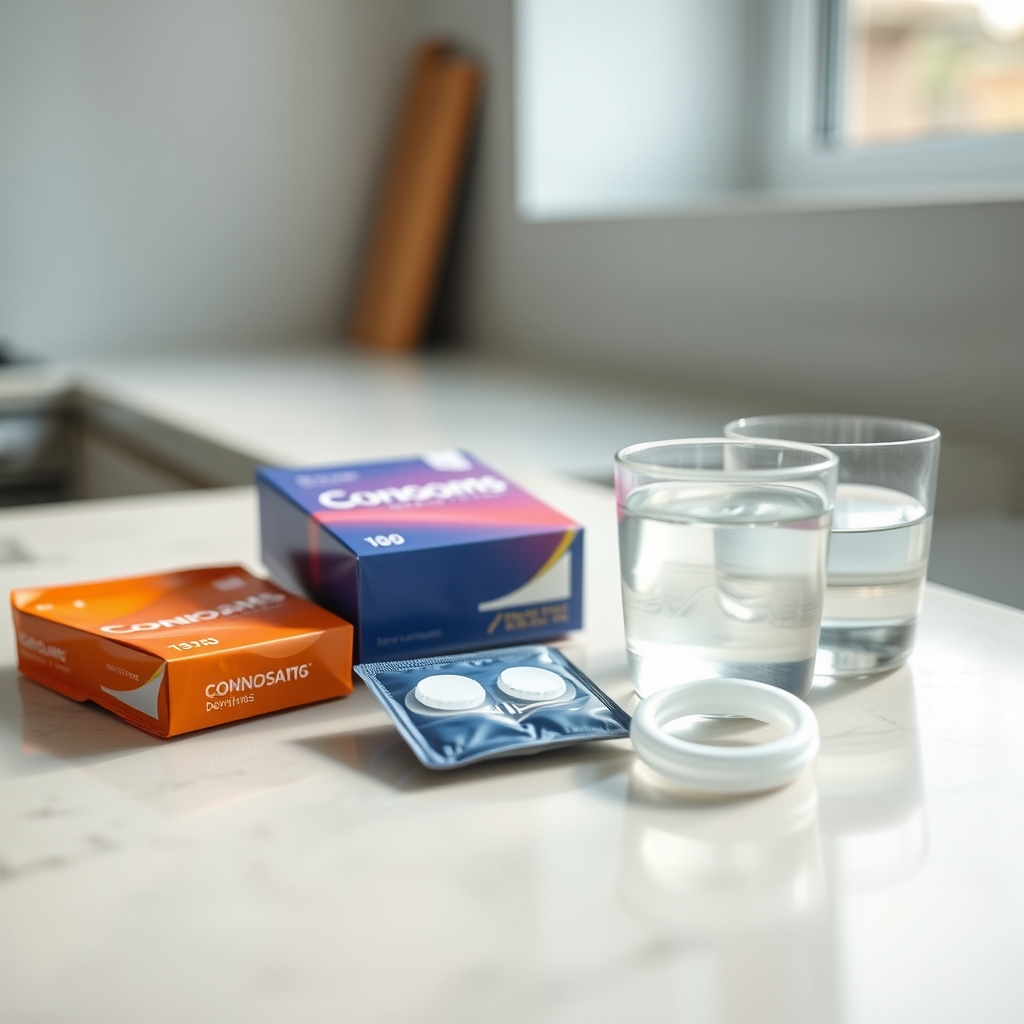
Condoms and dental dams are simple, safe ways to keep intimacy worry‑free.
Communicating with your partner and provider about sex in early pregnancy
Open dialogue eases anxiety. Start the conversation with “I’m feeling a mix of excitement and nerves about being intimate now—can we talk about what feels good and what we should watch for?” Framing the talk as a shared experience rather than a problem helps both partners feel heard.
Useful topics to cover with your partner:
Boundaries: Agree on positions, pace, and any activities you’d rather postpone.
Emotional needs: Touch, cuddling, or non‑penetrative intimacy can maintain closeness if intercourse feels uncomfortable.
Physical cues: Share any cramping, spotting, or discomfort you notice after intimacy.
When discussing sex with your obstetrician, bring a concise list of questions:
Are there any pregnancy‑specific reasons I should avoid intercourse?
What signs of trouble should prompt me to call you?
Is it safe to use condoms or dental dams?
Do I need any additional STI screening now that I’m pregnant?
Most providers appreciate the proactive approach and will give you clear guidance, often reinforcing that a healthy sex life is part of overall well‑being.
Warning signs: what indicates sex might be causing problems in early pregnancy?
While most couples experience no issues, certain symptoms merit a pause and a call to your provider:
Heavy vaginal bleeding: Soaking more than a normal spotting episode (e.g., soaking a pad within an hour).
Severe cramping or abdominal pain: Pain that does not subside after a few minutes or is accompanied by swelling.
Fever or foul‑smelling discharge: Possible infection that could affect the pregnancy.
Persistent headache, dizziness, or vision changes: Could signal pre‑eclampsia, a serious condition that requires immediate evaluation.
If any of these occur, stop sexual activity and contact your obstetrician, midwife, or go to the nearest emergency department. In most cases, a quick check‑in resolves the issue, but it’s better to be safe.
From our medical team: “In uncomplicated pregnancies, sexual activity is a normal and safe part of life. Listen to your body, use barriers if you have any infection risk, and keep your provider in the loop if you notice bleeding or pain. Mutual comfort and communication are key to maintaining intimacy without compromising health.”
Myth vs. fact
Myth: Sex can cause the baby’s heart to stop beating.
Fact: The fetal heartbeat is protected within the uterus and is unaffected by maternal orgasm or intercourse. Studies measuring heart rate before and after sex show no harmful changes.
Myth: You must stop all sex if you have any spotting.
Fact: Light spotting is common in early pregnancy and often harmless. However, heavy bleeding should be evaluated. Discuss any spotting with your provider to determine if you need to modify activity.
Myth: Oral sex is unsafe because of bacterial exposure.
Fact: Oral sex is safe when practiced with good hygiene; using a dental dam can further reduce any infection risk.
Key takeaways
For most uncomplicated pregnancies, sex in the first trimester is safe and does not increase miscarriage risk.
Choose comfortable positions—side‑lying, modified missionary, or woman‑on‑top—to reduce abdominal pressure.
Use condoms or dental dams to protect against STIs; they’re safe for the baby.
Listen to your body: stop if you experience heavy bleeding, severe cramping, or fever.
Open communication with your partner and provider helps maintain intimacy and peace of mind.
If you have a high‑risk condition (e.g., placenta previa), follow your provider’s specific guidance.
Frequently asked questions
Can sex cause a miscarriage in the first trimester?
Most evidence shows that normal, consensual sex does not increase miscarriage risk. Only trauma or severe abdominal pressure could theoretically cause a problem, which is rare.
Is it safe to have sex while pregnant?
Yes, if you have an uncomplicated pregnancy and no medical contraindications, sex is generally safe throughout all trimesters.
What sex positions are safe during early pregnancy?
Side‑lying (spooning), woman‑on‑top, and modified missionary with a pillow under the hips are the most comfortable and low‑pressure options for weeks 5‑12.
How often can a pregnant woman have sex?
Frequency varies widely; most couples engage anywhere from a few times a week to once a month, guided by comfort, energy levels, and any pregnancy symptoms.
Should I avoid sex if I have spotting in the first trimester?
Light spotting is often harmless, but heavy bleeding warrants a call to your provider. Discuss your specific situation to get personalized advice.
Does sex affect the baby’s heartbeat in early pregnancy?
No. The fetal heartbeat remains stable and unaffected by maternal intercourse or orgasm.
When to call your doctor
If you notice any of the following after sexual activity, contact your obstetrician, midwife, or go to the nearest emergency department: heavy vaginal bleeding, severe cramping that lasts more than a few minutes, fever, foul‑smelling discharge, or sudden vision changes. This article is for informational purposes only and does not replace personalized medical advice.
References
American College of Obstetricians and Gynecologists. “Sexual Activity and Pregnancy.” ACOG Practice Bulletin, 2022.
National Health Service (NHS). “Sex and Pregnancy.” Updated 2023.
Centers for Disease Control and Prevention. “Sexually Transmitted Infections (STIs) and Pregnancy.” 2021 guidance.
World Health Organization. “Guidelines for Antenatal Care.” 2021.
Mayo Clinic. “Pregnancy and Sex: Is It Safe?” 2022.
Royal College of Obstetricians and Gynaecologists (RCOG). “Pregnancy and Sexual Activity.” 2023.
National Institute for Health and Care Excellence (NICE). “Sexual Health and Pregnancy.” 2022.
University of California, San Francisco (UCSF) Health. “First Trimester Symptoms and Sexual Activity.” 2023.
Not sure about the label on First Trimester Pregnancy Sex products?
Snap the ingredients list and SafeFilter checks every ingredient for your stage — only 3 free scans this month, then you're locked until reset. Unlimited from $7/mo or $50/yr.
When Shubhra Mishra was expecting her first child in 2016, she was overwhelmed by conflicting food advice — one site said yes, another said never. By the time her second baby arrived in 2019, she realized millions of mothers face the same confusion.
That sparked a five-year journey through clinical nutrition papers, cultural diets, and expert conversations — all leading to BumpBites: a calm, compassionate space where science meets everyday motherhood.
Her long-term vision is to build a global community ensuring safe, supported, and free deliveriesfor every mother — because no woman should face pregnancy alone or uninformed. 🌿
🌍 Stand with mothers, shape safer guidance
Join a small circle of experts who review BumpBites articles so expecting parents everywhere can decide with confidence.