Top first trimester pregnancy food to eat includes leafy greens, lean protein, whole grains, and dairy—providing folate, iron, and calcium for a healthy start.
By Shubhra Mishra — a mom of two who turned her own confusion during pregnancy into BumpBites, a global mission to make food choices clear, safe, and stress-free for every expecting mother. 💛
Check whether any food is safe during pregnancy with the BumpBites Food Safety Checker.
Quick take: The first trimester is a crucial period for your baby's development, and while nausea and fatigue can make eating challenging, focusing on nutrient-dense, safe foods is key. Prioritize folic acid, iron, and protein, and avoid raw or undercooked items, unpasteurized dairy, and excessive caffeine. Listen to your body, choose foods that settle your stomach, and always check with your healthcare provider for personalized advice.
It's 2 a.m., you're curled up on the sofa, scrolling through your phone, and you've just realized you're pregnant. Or perhaps you've known for a few weeks, and the morning sickness has kicked in, making every food decision feel like a monumental task. The question "What can I actually eat?" quickly becomes a daily refrain. You're not alone in feeling overwhelmed by all the conflicting advice and the sudden need to rethink your entire diet.
The first trimester, from conception to week 13, is a period of incredible growth for your baby. Their major organs are forming, and your body is undergoing huge changes, often accompanied by fatigue, nausea, and new cravings or aversions. Navigating food choices during this time can feel like a minefield, but we're here to help you understand what's safe, what's beneficial, and how to make eating a little easier.
In this guide, we'll break down the essential nutrients you need, the foods to embrace, and those to avoid. We'll also share practical tips for managing common first-trimester challenges like morning sickness and fatigue, ensuring you and your baby get the best possible start.
What foods are safe to eat during the first trimester?
During your first trimester, the focus should be on nutrient-dense foods that support your baby's rapid development and your changing body. While it can be tempting to reach for comfort foods, especially with morning sickness, a balanced diet is crucial. The good news is that most everyday foods are perfectly safe and beneficial when prepared correctly.
Think of foods that are rich in vitamins, minerals, and healthy fats. These include a wide variety of fruits and vegetables, lean proteins, whole grains, and healthy dairy options. Foods that are easy to digest, bland, and don't have strong odors can also be your best friends during this time, especially if you're battling nausea. The key is variety and proper food hygiene.
General food safety guidelines in early pregnancy
Wash produce thoroughly: Always rinse fruits and vegetables under running water to remove dirt and potential bacteria like Toxoplasma gondii.
Cook foods properly: Ensure all meats, poultry, and eggs are cooked to their safe internal temperatures to kill harmful bacteria such as Salmonella and Listeria.
Avoid cross-contamination: Use separate cutting boards and utensils for raw meats and fresh produce. Wash your hands frequently.
Check labels: Look for "pasteurized" on dairy products and juices.
Understanding these basic safety principles will help you make confident choices at the grocery store and in the kitchen. Many moms tell us that once they understood the "why" behind the recommendations, it became much easier to stick to a pregnancy-safe diet.
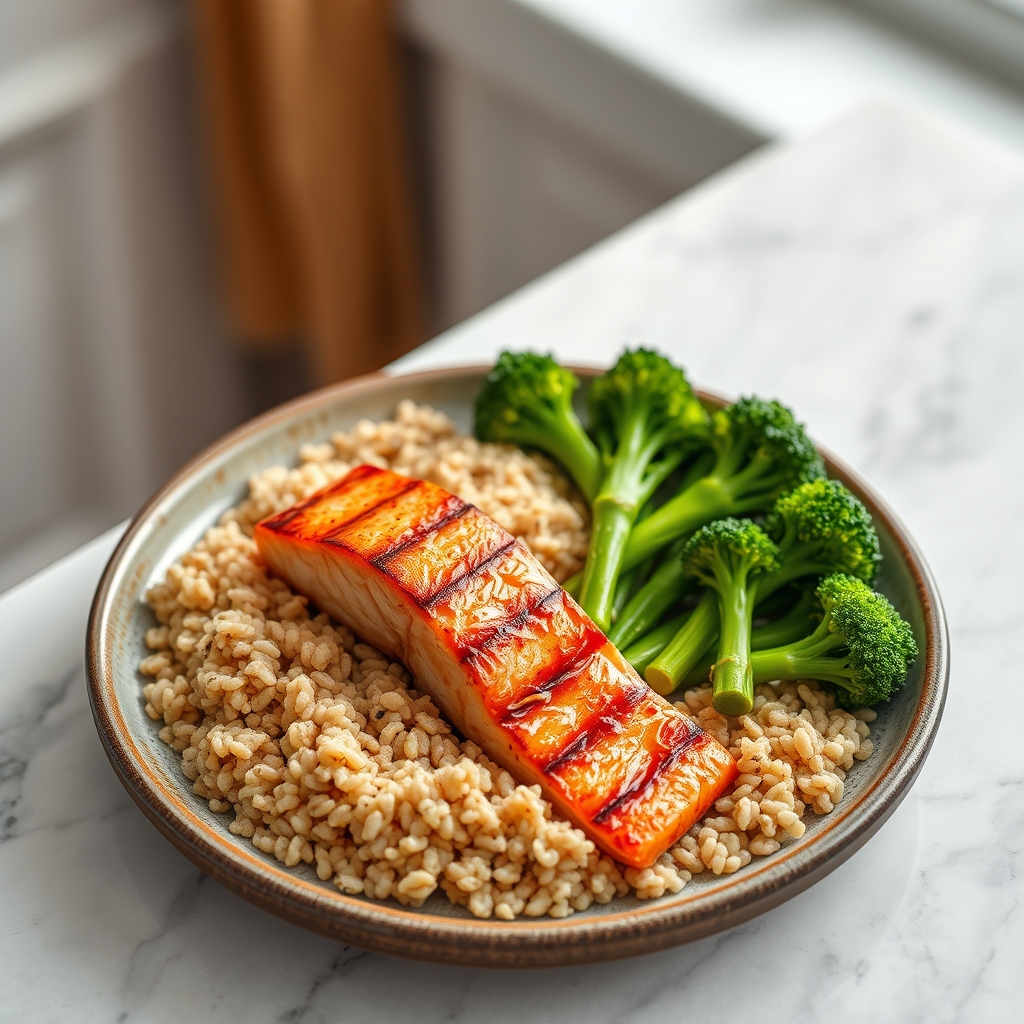
Focus on nutrient-dense, well-cooked meals featuring lean protein, whole grains, and plenty of vegetables.
How can I manage morning sickness with my diet?
Morning sickness, or nausea and vomiting of pregnancy (NVP), affects up to 80% of pregnant people, often starting around week 6 and peaking around week 9. Despite its name, it can strike at any time of day or night. While it's usually harmless, it can be debilitating, making it hard to eat anything at all. The good news is that certain dietary strategies can help ease the discomfort.
Foods to help settle your stomach
Many women find relief by focusing on bland, easy-to-digest foods and avoiding anything greasy, spicy, or strongly scented. Here are some common go-to options:
Dry, starchy foods: Crackers, dry toast, plain biscuits, pretzels, and plain rice cakes can absorb stomach acid and provide a little energy. Try eating a few before even getting out of bed.
Ginger: Ginger is a well-known natural anti-nausea remedy. Try ginger tea, ginger ale (check for real ginger, not just flavorings), ginger candies, or even grating fresh ginger into hot water.
Small, frequent meals: An empty stomach can worsen nausea. Aim for 5-6 small meals or snacks throughout the day rather than three large ones. This keeps your blood sugar stable and prevents your stomach from becoming too empty.
Cold foods: Sometimes, cold foods like yogurt, fruit smoothies, popsicles, or chilled fruits (watermelon, melon) are easier to tolerate than hot, steamy dishes that might have strong odors.
Protein-rich snacks: While complex carbohydrates are often easier to stomach initially, some women find that a little protein helps keep nausea at bay. Think plain yogurt, cottage cheese, or a handful of almonds.
Hydration is key for morning sickness
Vomiting can lead to dehydration, which can worsen nausea and fatigue. It's crucial to stay hydrated, even if you can only manage small sips. If plain water is unappealing, try:
Sparkling water with a slice of lemon or cucumber.
Diluted fruit juice (apple or cranberry).
Herbal teas (peppermint or chamomile, check with your provider).
Broth or clear soups.
Electrolyte drinks (in moderation, or homemade versions).
One reader shared her experience: "During my first trimester, the smell of almost anything cooking made me gag. My midwife suggested keeping a box of plain crackers by my bed and eating a few before I even lifted my head in the morning. It made a huge difference, and cold fruit became my absolute savior."
Foods that may worsen heartburn in the first trimester
Heartburn is common in pregnancy, even in the first trimester, due to hormonal changes relaxing the sphincter between your esophagus and stomach. Foods that can trigger or worsen heartburn include:
Spicy foods
Fatty or fried foods
Citrus fruits and juices
Tomatoes and tomato-based products
Chocolate
Peppermint
Caffeine
If you're experiencing heartburn, try eating smaller meals, avoiding these trigger foods, and staying upright for at least an hour after eating. Elevating your head slightly while sleeping can also help.
Which nutrient-rich foods are essential in the first trimester?
Even though your baby is tiny in the first trimester, this period is critical for their development, particularly for neural tube formation. Your body also needs extra support for all the changes happening within. Focusing on specific nutrient-rich foods can make a big difference.
Folic acid: The neural tube protector
Folic acid (also known as folate in its natural food form) is arguably the most critical nutrient in early pregnancy. It plays a vital role in preventing neural tube defects (NTDs) like spina bifida. The neural tube develops into the baby's brain and spinal cord, and it closes very early in pregnancy, often before you even know you're pregnant. That's why healthcare providers recommend starting a prenatal vitamin with folic acid *before* conception.
Recommended intake: 400 micrograms (mcg) of folic acid daily from supplements, plus 200 mcg from food.
Food sources: Leafy green vegetables (spinach, kale), fortified cereals, citrus fruits, beans, lentils, avocado, and asparagus.
Iron: Preventing fatigue and supporting blood volume
Your blood volume increases significantly during pregnancy, and iron is essential for producing hemoglobin, the protein in red blood cells that carries oxygen. Iron deficiency anemia is common in pregnancy and can lead to fatigue, weakness, and a higher risk of preterm birth or low birth weight.
Recommended intake: 27 milligrams (mg) daily.
Food sources: Lean red meat, poultry, fish, fortified cereals, beans, lentils, spinach, kale, and dried fruits. Pairing iron-rich foods with vitamin C (like oranges, bell peppers) can enhance absorption.
Calcium: Building strong bones
Calcium is crucial for your baby's developing bones, teeth, heart, nerves, and muscles. If you don't get enough calcium from your diet, your body will take it from your bones to supply your baby, which can impact your bone health later on.
Recommended intake: 1,000 mg daily for adults (1,300 mg for adolescents).
Protein is fundamental for the growth and development of your baby's tissues and organs, including their brain. It's also vital for your own expanding uterus and breasts, and for increasing your blood supply.
Recommended intake: Approximately 70-100 grams daily, depending on your weight and activity level.
Food sources: Lean meats, poultry, fish (low-mercury options), eggs, dairy products, beans, lentils, tofu, nuts, and seeds.
Omega-3 fatty acids: Brain and eye development
While often highlighted in later trimesters, omega-3s, particularly DHA, are important from the start for brain and eye development.
Food sources: Fatty fish like salmon, sardines, and fortified eggs. Plant-based sources include flaxseeds, chia seeds, and walnuts, which provide ALA, a precursor to DHA/EPA.
First trimester pregnancy food list for vegetarians
A vegetarian diet can be perfectly healthy during pregnancy, but it requires careful planning to ensure you get all essential nutrients. You'll need to pay extra attention to protein, iron, calcium, vitamin B12, and omega-3s.
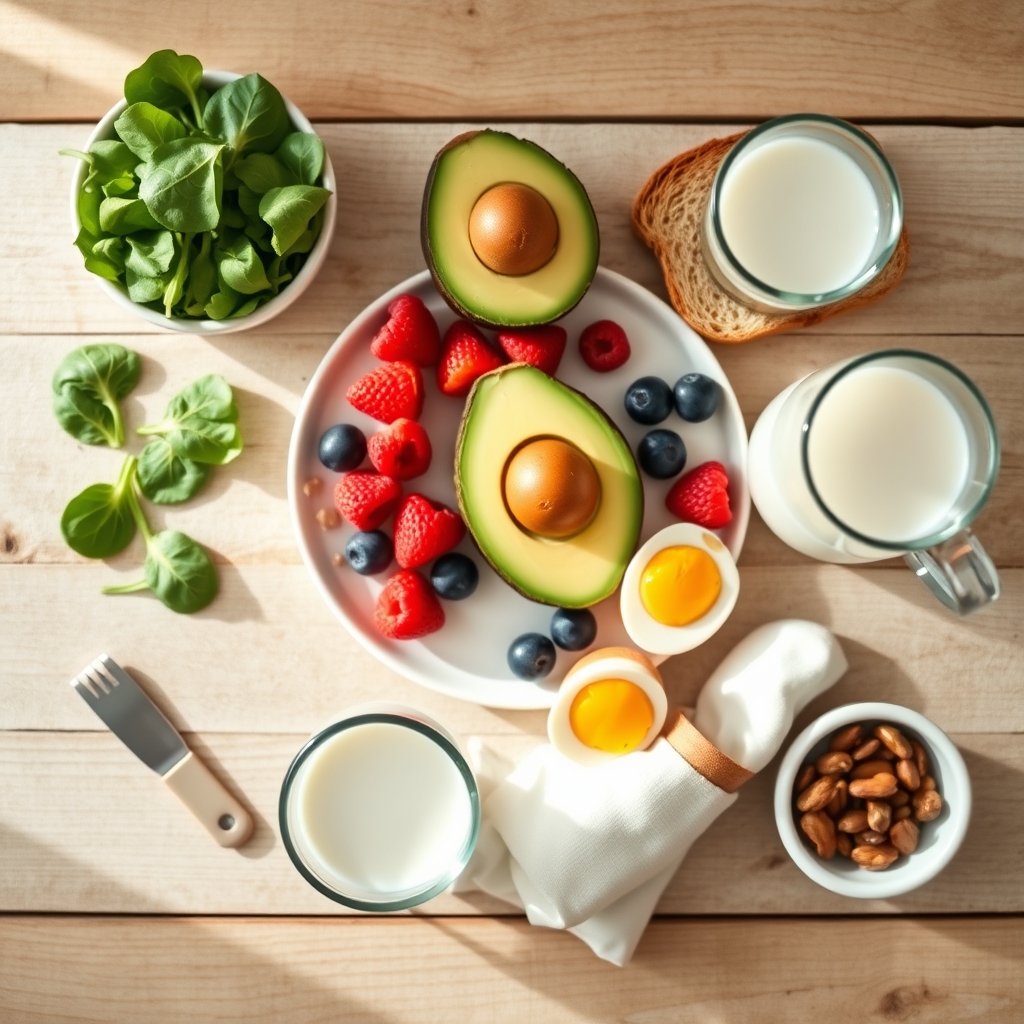
Fill your plate with a variety of colorful fruits, vegetables, lean proteins, and whole grains to get essential nutrients.
What foods should I avoid in the first trimester?
While the list of "safe" foods is long, there are certain foods and substances that pose a risk during pregnancy and should be avoided or significantly limited. These recommendations are designed to protect both you and your developing baby from harmful bacteria, toxins, or excessive stimulants.
High-risk foods to avoid
Raw or undercooked meat, poultry, and seafood: This includes sushi with raw fish, sashimi, ceviche, and rare steaks. These can contain bacteria like Listeria, Salmonella, and Toxoplasma gondii, which can cause serious infections or even miscarriage. Cook all meats thoroughly until no pink remains and juices run clear.
Deli meats and unpasteurized pâtés: Cold cuts, hot dogs, and luncheon meats can harbor Listeria. If you eat them, ensure they are heated until steaming hot. Avoid all pâtés, including vegetable pâtés, unless they are canned or shelf-stable.
Unpasteurized dairy products: Soft cheeses (brie, camembert, feta, blue cheese, unpasteurized mozzarella), unpasteurized milk, and dairy products can carry Listeria. Stick to pasteurized versions. Hard cheeses (cheddar, parmesan) and processed cheeses are generally safe even if unpasteurized because of their low moisture content.
Raw eggs or foods containing raw eggs: This includes homemade mayonnaise, Caesar salad dressing, hollandaise sauce, and certain desserts like mousse. Raw eggs can contain Salmonella. Use pasteurized eggs or egg products.
Unwashed fruits and vegetables: As mentioned, these can carry Toxoplasma gondii. Wash all produce thoroughly.
High-mercury fish: Certain large, predatory fish can contain high levels of mercury, which can harm your baby's developing nervous system. Avoid shark, swordfish, king mackerel, and tilefish.
Substances to limit or avoid
Alcohol: There is no known safe amount of alcohol during pregnancy. Alcohol can cross the placenta and lead to Fetal Alcohol Spectrum Disorders (FASDs). The ACOG (American College of Obstetricians and Gynecologists) and NHS (National Health Service) recommend abstaining from alcohol throughout pregnancy.
Excessive caffeine: High caffeine intake has been linked to an increased risk of miscarriage and low birth weight. Most guidelines (ACOG, NHS, WHO) recommend limiting caffeine to no more than 200 mg per day, which is roughly one 12-ounce cup of brewed coffee. Remember that tea, chocolate, and some soft drinks also contain caffeine.
Herbal teas and supplements: Not all herbal teas and supplements are safe during pregnancy. Some herbs can have medicinal properties that could be harmful. Always check with your doctor or midwife before consuming any herbal products or supplements beyond your prescribed prenatal vitamin.
Artificial sweeteners: While generally considered safe in moderation by regulatory bodies like the FDA, some healthcare providers recommend limiting their intake during pregnancy due to limited long-term studies specific to pregnancy.
Can I eat sushi during the first trimester?
The general recommendation is to avoid sushi with raw fish during pregnancy due to the risk of parasites and bacteria like Listeria, which can cause serious complications. However, cooked sushi (e.g., California rolls with cooked crab, tempura rolls, vegetarian rolls) made with pasteurized ingredients is generally considered safe. Always confirm that all ingredients are thoroughly cooked and from a reputable establishment with good hygiene practices.
Is it safe to drink coffee in the first trimester?
Yes, in moderation. The guidance from leading health organizations like the ACOG and NHS is to limit caffeine intake to no more than 200 mg per day. This amount is generally considered safe and is unlikely to cause harm. For reference, a typical 8-ounce cup of brewed coffee contains about 95 mg of caffeine, but this can vary widely. Be mindful of other caffeine sources like tea, chocolate, and energy drinks.
One mom shared, "Giving up my morning espresso was tough, especially with the first-trimester fatigue! I switched to decaf lattes and tried to save my 200mg allowance for days when I really needed a small pick-me-up. It helped me feel more in control."
Food/Substance
Safe in First Trimester?
Important Notes
Cooked Fish (e.g., salmon, cod)
Yes
Ensure fully cooked, choose low-mercury options (limit to 2-3 servings/week).
Raw Fish (e.g., sushi, sashimi)
No
Risk of bacteria and parasites (Listeria, Toxoplasma).
Deli Meats (e.g., turkey, ham)
No (unless heated)
Risk of Listeria; heat until steaming hot before eating.
Hard Cheeses (e.g., cheddar, parmesan)
Yes
Pasteurized or unpasteurized are generally safe due to low moisture.
Soft Cheeses (e.g., brie, feta, blue)
No (unless pasteurized)
Risk of Listeria; only consume if clearly labeled "made with pasteurized milk".
Eggs
Yes (cooked)
Ensure yolks and whites are firm; avoid raw eggs.
Alcohol
No
No safe amount is known; abstain completely.
Caffeine
Yes (limited)
Limit to 200 mg/day (approx. 1-2 cups of coffee).
Unwashed Produce
No
Thoroughly wash all fruits and vegetables.
How many calories do you need in the first trimester?
Contrary to the old adage of "eating for two," your caloric needs don't significantly increase in the first trimester. In fact, most women don't need any additional calories during these first 12-13 weeks. Your body is incredibly efficient at this stage, and the baby is still very tiny.
The focus should be on nutrient quality, not quantity. Eating a well-balanced diet that meets your pre-pregnancy caloric needs is usually sufficient. If you are experiencing severe morning sickness and struggling to eat, your priority is simply to keep food down and stay hydrated, even if it means not always hitting ideal nutritional targets for a short period. Talk to your healthcare provider if you are concerned about your food intake.
Recommended weight gain guidelines for the first trimester
Weight gain in the first trimester is typically minimal. The average recommended weight gain for a woman with a healthy pre-pregnancy BMI (Body Mass Index) is usually between 1 to 4.5 pounds (0.5 to 2 kg) for the entire first trimester. Some women may even lose a small amount of weight due to morning sickness or dietary changes, which is generally not a cause for concern if it's mild and temporary.
The total recommended weight gain throughout pregnancy varies based on your pre-pregnancy BMI:
Underweight (BMI < 18.5): 28-40 lbs (12.5-18 kg) total
Normal weight (BMI 18.5-24.9): 25-35 lbs (11.5-16 kg) total
Overweight (BMI 25-29.9): 15-25 lbs (7-11.5 kg) total
Obese (BMI ≥ 30): 11-20 lbs (5-9 kg) total
These are general guidelines from organizations like ACOG. Your individual needs may vary, so always discuss weight gain with your healthcare provider. Rapid or excessive weight gain can be a sign of underlying issues and may increase the risk of complications like gestational diabetes or pre-eclampsia.
Dealing with cravings: Healthy snack ideas for the first trimester
Pregnancy cravings and aversions can be intense and unpredictable in the first trimester, often driven by hormonal shifts. While it's okay to indulge a craving occasionally, focusing on healthy, nutrient-rich snacks can help you meet your nutritional needs and manage blood sugar levels, which can also help with nausea and energy dips.
Quick first trimester meals for busy moms
When you're battling fatigue and nausea, cooking a gourmet meal might be the last thing on your mind. Here are some ideas for quick, easy, and nutritious meals and snacks:
Yogurt parfait: Layer plain, pasteurized Greek yogurt (for extra protein) with berries and a sprinkle of granola or chia seeds.
Whole-grain toast with avocado and egg: A quick protein, healthy fat, and complex carb combo.
Smoothies: Blend fruit (berries, banana), spinach (you won't taste it!), Greek yogurt or fortified plant milk, and a scoop of protein powder (check with your provider about specific brands).
Hard-boiled eggs: Make a batch at the beginning of the week for easy grab-and-go protein.
Cottage cheese with fruit: Another great source of protein and calcium.
Hummus and whole-grain crackers or veggie sticks: A good source of fiber and plant-based protein.
Oatmeal: Quick oats with fruit and nuts for a warm, comforting, and fiber-rich meal.
Leftovers: If you do cook, make extra for easy lunches or dinners later in the week.
Listen to your body's cravings, but try to steer them towards nutrient-dense, satisfying options.
First trimester pregnancy grocery shopping list essentials
Having a well-stocked pantry and fridge can make healthy eating much easier, especially when fatigue hits. Here's a sample list:
Snacks: Whole-grain pretzels, rice cakes, dried fruit (in moderation), unsalted nuts.
Hydration: Sparkling water, herbal teas (check with provider), electrolyte drinks.
How to stay hydrated in the first trimester
Staying hydrated is crucial throughout pregnancy, but especially in the first trimester when nausea and vomiting can lead to fluid loss. Dehydration can worsen fatigue, headaches, and constipation. Aim for 8-10 glasses (about 2-2.5 liters) of water or other fluids daily. This can be more if you are active or in a hot climate.
Keep a water bottle handy: Sip throughout the day, rather than trying to chug large amounts.
Infuse water: Add slices of lemon, lime, cucumber, or mint to make water more appealing.
Include fluid-rich foods: Fruits and vegetables like watermelon, oranges, and cucumbers have high water content.
Try broths or clear soups: These can provide both fluids and electrolytes.
Limit sugary drinks: While they provide fluid, the high sugar content isn't ideal for overall health.
Boosting key nutrients: Folic acid and iron sources
Folic acid and iron are often highlighted as critical in early pregnancy, and for good reason. They play distinct yet equally vital roles in your baby's development and your own health. Ensuring adequate intake of these two nutrients, both through diet and supplementation, is a cornerstone of first-trimester nutrition.
Deep dive into folic acid sources
As discussed, folic acid is essential for preventing neural tube defects. While your prenatal vitamin is your primary source, incorporating folate-rich foods can give you an extra boost and support overall nutrition. Remember, 'folate' is the natural form found in food, while 'folic acid' is the synthetic form used in supplements and fortified foods, which is more readily absorbed by the body.
Leafy Green Vegetables: Spinach, kale, collard greens, romaine lettuce, and turnip greens are packed with folate. Try adding a handful of spinach to your smoothie, stir-fry, or pasta sauce.
Legumes: Lentils, chickpeas, black beans, kidney beans, and pinto beans are excellent sources. They also provide fiber and protein, making them a powerhouse food for pregnancy.
Fortified Grains: Many breakfast cereals, breads, rice, and pasta are fortified with folic acid. Check the nutrition labels.
Citrus Fruits: Oranges, grapefruit, and other citrus fruits offer a good dose of folate, along with vitamin C, which aids iron absorption.
Avocado: A delicious source of folate, healthy fats, and fiber.
Asparagus and Broccoli: These cruciferous vegetables are also rich in folate and other essential vitamins.
For example, one cup of cooked spinach provides about 263 mcg of folate, while a cup of cooked lentils offers an impressive 358 mcg. Combining these with your daily prenatal vitamin ensures you're well-covered.
Maximizing iron intake
Iron is crucial for preventing anemia, especially as your blood volume increases. Many women feel particularly fatigued in the first trimester, and ensuring adequate iron can help combat this. There are two types of iron: heme iron (from animal sources, more easily absorbed) and non-heme iron (from plant sources).
Heme Iron Sources:
Lean Red Meat: Beef, lamb, and pork are excellent sources of highly absorbable heme iron. Choose lean cuts and cook them thoroughly.
Poultry: Chicken and turkey, especially dark meat, also provide good amounts of iron.
Fish: Low-mercury fish like salmon, sardines, and canned light tuna can contribute to your iron intake.
Non-Heme Iron Sources:
Legumes: Beans, lentils, and chickpeas are fantastic plant-based iron sources.
Dark Leafy Greens: Spinach, kale, and collard greens (though the iron is less bioavailable than heme iron).
Fortified Cereals: Many breakfast cereals are fortified with iron.
Tofu and Tempeh: These soy products are good sources of plant-based iron and protein.
Nuts and Seeds: Pumpkin seeds, cashews, and almonds contain iron.
Dried Fruits: Raisins, prunes, and apricots (in moderation due to sugar content).
To enhance the absorption of non-heme iron, always pair it with a source of vitamin C. For instance, have a glass of orange juice with your fortified cereal, or add bell peppers to your lentil soup. Conversely, avoid consuming iron-rich foods with calcium-rich foods (like milk) or tea/coffee, as these can inhibit iron absorption.
Special dietary considerations for gestational diabetes
While gestational diabetes is typically diagnosed later in pregnancy (around 24-28 weeks), it's always a good idea to lay a foundation for healthy eating from the start, especially if you have risk factors. If you've been diagnosed with gestational diabetes in a previous pregnancy or have pre-existing diabetes, your doctor will provide specific dietary guidance from the first trimester. Generally, a balanced diet focused on complex carbohydrates, lean proteins, healthy fats, and plenty of fiber, while limiting refined sugars and processed foods, is recommended. This approach helps stabilize blood sugar levels and can be beneficial for all pregnant individuals.
From our medical team: The first trimester can feel like a marathon of symptoms, but remember that even small, consistent efforts toward healthy eating make a huge difference. Focus on nutrient density and safe food handling. If morning sickness is truly preventing you from eating, don't hesitate to reach out to your provider. There are safe and effective strategies, including medication, that can help you get through this challenging phase. Your baby is remarkably resilient, but your well-being is paramount.
Myth vs. fact
There's a lot of folklore and outdated advice surrounding pregnancy and food. Let's bust a few common myths:
Myth: You need to "eat for two" from day one. Fact: Your caloric needs don't significantly increase in the first trimester. You generally only need a small increase (around 340 extra calories) starting in the second trimester. Focus on nutrient quality, not double portions.
Myth: All herbal teas are safe because they're natural. Fact: Many herbs have medicinal properties and can be harmful during pregnancy. Always check with your doctor or midwife before consuming any herbal teas or supplements. Common culprits to be cautious about include raspberry leaf (often recommended later in pregnancy, not early), senna, and certain detox teas.
Myth: Craving pickles and ice cream means you're pregnant. Fact: While cravings are common in pregnancy, they are not a definitive sign of pregnancy itself, nor do they reliably indicate specific nutrient deficiencies. Hormonal shifts are largely responsible for these often-unusual desires.
Key takeaways
Prioritize folic acid, iron, and protein for your baby's development and your own energy levels.
Manage morning sickness with small, frequent meals, bland foods, ginger, and good hydration.
Strictly avoid raw or undercooked meats/fish, unpasteurized dairy, deli meats (unless steaming hot), and alcohol. Limit caffeine to 200 mg/day.
Weight gain in the first trimester is minimal (1-4.5 lbs for average BMI); focus on nutrient-dense choices rather than extra calories.
Stay well-hydrated by sipping water throughout the day and consuming fluid-rich foods.
Consult your healthcare provider for personalized advice on diet, supplements, and managing pregnancy symptoms.
Frequently asked questions
Can I eat dairy if I'm lactose intolerant in early pregnancy?
If you're lactose intolerant, you can still meet your calcium needs without traditional dairy. Many lactose-free dairy products are available, as are fortified plant-based milks (soy, almond, oat) and yogurts. Hard cheeses often contain very little lactose. Focus on other calcium sources like fortified orange juice, dark leafy greens, and calcium-set tofu, and discuss calcium supplementation with your doctor.
What are the best foods to reduce morning sickness in early pregnancy?
Bland, starchy foods like crackers, dry toast, and plain rice cakes are often easiest to tolerate. Ginger, in tea or candies, is a popular anti-nausea remedy. Small, frequent meals prevent an empty stomach, and cold, odorless foods such as fruit or yogurt can be more appealing than hot, fragrant dishes. Hydration with clear fluids is also crucial.
Which vitamins are essential during the first trimester?
Folic acid is paramount to prevent neural tube defects, ideally started before conception. Iron supports increased blood volume and prevents anemia. Calcium is crucial for baby's bone development and your bone health. Vitamin D helps with calcium absorption. A comprehensive prenatal vitamin ensures you receive these and other vital nutrients like B vitamins and iodine.
How much weight should I gain in the first trimester?
For women with a healthy pre-pregnancy BMI, typical weight gain in the first trimester is modest, usually between 1 to 4.5 pounds (0.5 to 2 kg) for the entire period. Some women may even experience slight weight loss due to morning sickness. The focus should be on nutrient intake rather than strictly hitting a weight target, but discuss any concerns with your healthcare provider.
What are quick first trimester meals for busy moms?
Simple, easy-to-digest meals are key. Think yogurt parfaits with fruit, whole-grain toast with avocado and a hard-boiled egg, smoothies packed with fruit and spinach, or quick oats with berries. Pre-made hard-boiled eggs, cottage cheese, and hummus with crackers are also excellent grab-and-go options that require minimal effort to prepare.
Are there any specific first trimester diet restrictions for gestational diabetes?
While gestational diabetes is typically diagnosed later, if you have risk factors or a history, your doctor may recommend a balanced diet from early on. This generally involves limiting refined sugars and processed foods, focusing on complex carbohydrates (whole grains, vegetables), lean proteins, and healthy fats. Regular, smaller meals can help stabilize blood sugar. Always follow your medical provider's specific guidance if you have pre-existing diabetes or concerns about gestational diabetes.
When to call your doctor
While many first-trimester symptoms are normal, it's important to know when to seek medical advice. Call your doctor or midwife if you experience:
Severe, persistent nausea and vomiting that prevents you from keeping any food or fluids down for more than 12-24 hours (signs of hyperemesis gravidarum).
Signs of dehydration, such as decreased urination, dark urine, dizziness, or extreme thirst.
Significant weight loss (more than a few pounds).
Any vaginal bleeding or severe abdominal pain.
High fever.
Concerns about food poisoning after eating a questionable food.
This article provides general information and is not a substitute for professional medical advice. Always consult with your healthcare provider for personalized guidance regarding your pregnancy and health concerns.
References
American College of Obstetricians and Gynecologists (ACOG). Nutrition During Pregnancy.
National Health Service (NHS) UK. Foods to avoid in pregnancy.
Centers for Disease Control and Prevention (CDC). Folic Acid.
World Health Organization (WHO). WHO recommendations on antenatal care for a positive pregnancy experience.
Mayo Clinic. Pregnancy diet: What to eat, what to avoid.
Food Standards Agency (FSA) UK. Eating safely in pregnancy.
Academy of Nutrition and Dietetics. Nutrition and Lifestyle for a Healthy Pregnancy Outcome.
Not sure about the label on First Trimester Pregnancy Food To Eat products?
Snap the ingredients list and SafeFilter checks every ingredient for your stage — only 3 free scans this month, then you're locked until reset. Unlimited from $7/mo or $50/yr.
When Shubhra Mishra was expecting her first child in 2016, she was overwhelmed by conflicting food advice — one site said yes, another said never. By the time her second baby arrived in 2019, she realized millions of mothers face the same confusion.
That sparked a five-year journey through clinical nutrition papers, cultural diets, and expert conversations — all leading to BumpBites: a calm, compassionate space where science meets everyday motherhood.
Her long-term vision is to build a global community ensuring safe, supported, and free deliveriesfor every mother — because no woman should face pregnancy alone or uninformed. 🌿
🌍 Stand with mothers, shape safer guidance
Join a small circle of experts who review BumpBites articles so expecting parents everywhere can decide with confidence.