Your first prenatal appointment is a comprehensive check‑in where the doctor confirms dates, reviews health history, and outlines next steps—learn exactly what to expect and how to prepare.
By Shubhra Mishra — a mom of two who turned her own confusion during pregnancy into BumpBites, a global mission to make food choices clear, safe, and stress-free for every expecting mother. 💛
Check whether any food is safe during pregnancy with the BumpBites Food Safety Checker.
Quick take: Your first prenatal appointment is a friendly, thorough check‑in that usually happens around 8 – 10 weeks after your last menstrual period. Expect a medical history review, a physical exam, some blood work, a dating ultrasound, and personalized advice on nutrition, mental health, and what to expect next. Most visits last 45 – 60 minutes, cost varies by insurance, and you’ll leave with a solid roadmap for a healthy pregnancy.
It’s 2 a.m., you’re scrolling through pregnancy forums, and a sudden wave of nausea makes you wonder: “What will happen when I finally sit down with my OB‑GYN?” You’re not alone. Many first‑time parents feel a mix of excitement and nervousness before that initial office visit. The good news is that the appointment is designed to give you confidence, answer your pressing questions, and set the stage for a safe, supported pregnancy.
In this guide we’ll walk you through every aspect of the first prenatal appointment—what the provider will do, what you should bring, how long it takes, what labs and ultrasounds mean, and how costs and insurance play into the picture. We’ll also share a practical checklist, key questions to ask, and tips for emotional wellbeing. By the end you’ll know exactly what to expect, so you can focus on the joy of becoming a parent rather than the unknown.
What happens during a first prenatal appointment?
When you walk into the exam room, the provider’s goal is to gather the information needed to monitor your pregnancy and identify any early risk factors. The visit typically follows this flow:
Welcome and medical history. You’ll be asked about your last menstrual period (LMP), any previous pregnancies, chronic conditions (like hypertension or diabetes), medications, family health history, and lifestyle factors such as diet, exercise, and substance use.
Physical exam. The clinician will measure your blood pressure, weight, and heart rate, and may perform a pelvic exam to assess the cervix and uterus. This is also the moment they might listen to the fetal heartbeat if you’re far enough along.
Laboratory tests. Blood is drawn for a suite of screenings (see the dedicated section below). Some clinics also collect a urine sample for protein and infection screening.
Dating ultrasound. A transabdominal ultrasound is usually performed to confirm the gestational age, locate the pregnancy, and check for a fetal heartbeat. This helps establish an accurate due date.
Personalized counseling. The provider will discuss nutrition, prenatal vitamins, safe exercise, mental health, and any lifestyle modifications you might need.
All of these pieces come together to create a baseline picture of your pregnancy. By the end of the visit you’ll typically leave with a due date, a schedule for upcoming visits, and a list of any follow‑up tests or referrals that may be needed.
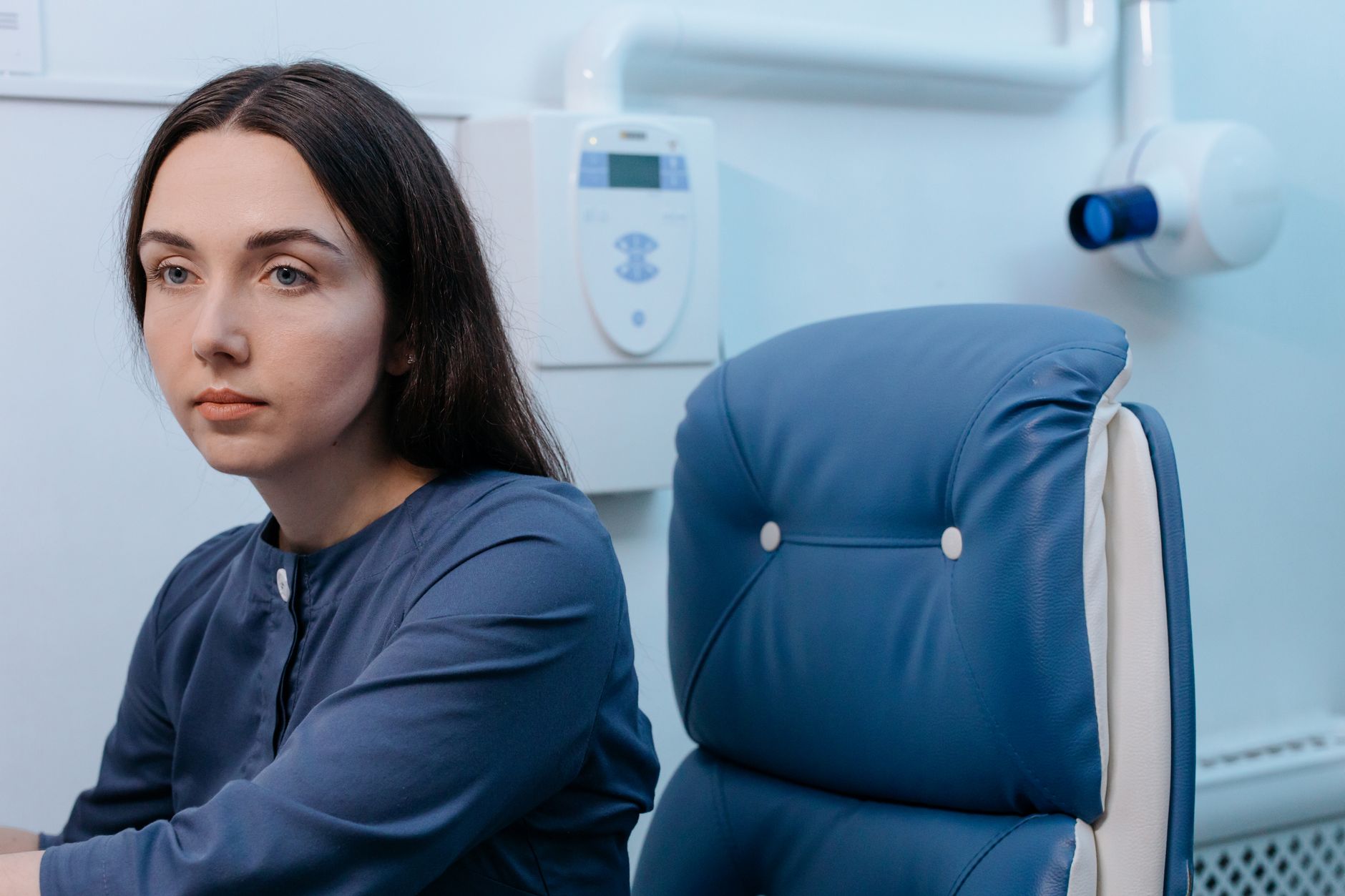
During the first prenatal visit the clinician reviews your health history and performs a gentle physical exam.
First prenatal visit checklist for expectant mothers
Being prepared helps the appointment run smoothly and reduces stress. Below is a comprehensive checklist that covers documents, personal items, and timing considerations for a 12‑week pregnancy (the most common window for the first visit).
Personal information: Photo ID, insurance card, and any referral paperwork (if required by your plan).
Medical records: List of current medications (including over‑the‑counter supplements), vaccination records, and any previous pregnancy or fertility reports.
Last menstrual period (LMP) details: Exact date of first day of your last period, and any known cycle length variations.
Family health history: Note any genetic conditions, heart disease, or diabetes in close relatives.
Insurance & payment info: Verify coverage for prenatal visits, labs, and ultrasounds; bring a copy of your benefits summary.
Comfort items: A water bottle, a light snack, and a book or headphones for any waiting time.
Clothing: Wear comfortable, easy‑to‑remove layers (see the next section for specifics).
If your appointment is scheduled for a 12‑week gestation, you’ll likely have a dating ultrasound that confirms the embryo’s size and due date. Some clinics allow you to book the visit online; check your provider’s portal for convenient scheduling options.
Questions to ask your OB‑GYN at the first prenatal appointment
Having a list of questions ensures you leave the office feeling informed. Here are the most common topics expectant mothers want clarity on:
What is my estimated due date, and how was it calculated?
Which prenatal vitamins do you recommend, and are there any supplements I should avoid?
What lifestyle changes should I make regarding diet, caffeine, alcohol, and exercise?
When will I have my next labs and ultrasounds, and what do they screen for?
Are there any warning signs or symptoms that should prompt me to call you right away?
How often will I need to see you throughout the pregnancy, and what will each visit entail?
Can you recommend any mental health resources or support groups?
What are the options for birth planning, and when should I start thinking about a birth plan?
Feel free to add personal concerns—such as a history of miscarriage or a chronic condition—so the provider can tailor their advice. Bringing a written list helps you remember everything, especially if you feel overwhelmed during the visit.
How long does a first prenatal appointment usually take?
Time can vary by clinic, but most first prenatal appointments last between 45 – 60 minutes. Here’s a typical breakdown:
Component
Approximate Time
Check‑in and paperwork
5 minutes
Medical history interview
10 minutes
Physical exam
10 minutes
Blood draw and urine sample
5 minutes
Dating ultrasound
10 minutes
Counseling & next steps
10 minutes
If you’re seeing a midwife or a high‑risk specialist, the timing may shift slightly, but the core elements remain the same. Arriving a few minutes early gives you a buffer for any unexpected paperwork.
First prenatal appointment lab tests and screenings explained
Laboratory work is a cornerstone of early prenatal care. Below we break down the most common tests, why they’re ordered, and what to expect while waiting for results.
Blood work you’ll likely have drawn
Complete blood count (CBC): Checks for anemia and overall health.
Blood type and Rh factor: Determines if you’re Rh‑negative, which may require Rh immune globulin (RhoGAM) later.
Rubella immunity: Ensures you’re protected against rubella; if not, you’ll be vaccinated postpartum.
Varicella (chickenpox) immunity: Similar to rubella, vaccination is delayed until after delivery if you’re non‑immune.
Hepatitis B surface antigen: Detects active infection that could affect the baby.
Syphilis (RPR or VDRL): Early detection prevents congenital syphilis.
HIV screening: Early treatment dramatically reduces transmission risk.
Urine analysis: Looks for protein, glucose, and urinary tract infections.
Thyroid‑stimulating hormone (TSH): Assesses thyroid function, which influences fetal development.
Screening for cystic fibrosis, sickle cell, and thalassemia: Offered based on ethnicity and family history.
When will you get the results?
Most labs return within 3‑7 business days. Your provider will usually call or send a secure message with the results and any needed follow‑up. If a result is abnormal, they’ll explain the next steps—often additional testing or a referral to a specialist.
Ultrasound expectations
The first ultrasound, often called a “dating scan,” is performed transabdominally. You’ll lie on an exam table while a technician applies a warm gel to your abdomen and gently moves a probe. The image shows the gestational sac, yolk sac, and, by around 6‑7 weeks, a tiny fetal heartbeat. This scan confirms the pregnancy is developing normally and provides the most accurate due date.
Mental health screening
Current guidelines from ACOG and the NHS recommend brief mental‑health questionnaires (like the PHQ‑9) at the first visit. The provider will ask about mood, anxiety, and support systems. If you screen positive, they’ll discuss resources such as counseling, support groups, or perinatal mental‑health specialists.
What to wear to your first prenatal appointment
Comfort is key, but a few practical tips can make the exam smoother:
Loose‑fitting clothing: A soft, stretchy top that can be easily lifted for the abdominal exam.
Easy‑to‑remove shoes: Slip‑on shoes or sandals help you get on and off the exam table quickly.
Layered outfit: Clinics can be cool; a light cardigan or robe lets you adjust temperature.
Avoid heavy jewelry: Metal can interfere with the ultrasound probe.
If you’re scheduled for a pelvic exam, you may prefer a simple pair of shorts or a skirt with a modesty gown provided by the clinic. The provider will guide you through any positioning needed for the ultrasound.
First prenatal appointment cost and insurance coverage
Understanding the financial side helps you plan ahead. Costs vary widely by region, provider type (OB‑GYN, family physician, midwife), and insurance plan. Here’s a typical range in the United States and the United Kingdom:
Region
Typical cost (USD/GBP)
Insurance coverage
United States – private insurance
$150 – $300
Usually covered 80‑100% after deductible; co‑pay may apply.
United States – Medicaid
$0 – $50
Fully covered for qualifying low‑income patients.
United Kingdom – NHS
£0
All prenatal visits, labs, and ultrasounds are free at point of care.
United Kingdom – private
£200 – £350
Often covered partially by private health insurance.
Most insurance plans require a co‑pay for each visit and may cover lab work separately. Before your appointment, contact your insurer to verify coverage for prenatal labs, ultrasounds, and any potential referrals. If you’re uninsured, ask the clinic about self‑pay discounts or community health resources.
First prenatal appointment vs. second‑trimester checkup: what’s different?
The first visit focuses on establishing a baseline, while second‑trimester visits (usually at 20 weeks) dive deeper into fetal development and maternal health. Key differences include:
Timing of ultrasounds: The first scan dates the pregnancy; the 20‑week scan evaluates anatomy and looks for structural anomalies.
Screening tests: Early visits include genetic and infectious disease screens; the mid‑pregnancy visit adds the quadruple screen (AFP, hCG, estriol, inhibin‑A) in many U.S. protocols.
Physical measurements: At the first visit you’re often measured for baseline weight and blood pressure; by the second trimester the provider tracks weight gain trends and blood pressure changes.
Discussion topics: Early counseling centers on nutrition, lifestyle, and mental health, whereas the second‑trimester visit often covers birth planning, labor classes, and potential gestational diabetes screening.
Understanding these shifts helps you anticipate the evolving focus of prenatal care, reinforcing that each visit builds on the last.
Nutrition and mental health advice you’ll hear at the first prenatal appointment
Good nutrition and emotional wellbeing are foundational for a healthy pregnancy. Your provider will likely touch on these areas:
Prenatal vitamins: A daily supplement with at least 400 µg of folic acid, iron (27 mg), calcium (1,000 mg), and DHA (200 mg) is recommended by ACOG and the NHS.
Balanced diet: Emphasize whole grains, lean proteins, dairy or fortified alternatives, and a rainbow of fruits and vegetables. Limit processed foods high in added sugars and saturated fats.
Caffeine limits: Keep caffeine intake below 200 mg per day (about one 12‑oz cup of coffee), as advised by the CDC.
Hydration: Aim for at least 8‑10 cups of water daily to support amniotic fluid volume.
Alcohol and smoking: The safest recommendation is complete abstinence; even occasional drinking can increase risk of fetal alcohol spectrum disorders.
Mental health check‑in: Expect a brief conversation about mood, stressors, and support. If you’re feeling anxious or down, the provider may suggest counseling, mindfulness apps, or community groups.
These guidelines are evidence‑based but personalized. If you have specific dietary restrictions (e.g., vegetarian, gluten‑free), ask for tailored advice or a referral to a registered dietitian.
Choosing a variety of whole foods supports both you and your growing baby.
From our medical team: The first prenatal visit is a chance to establish a partnership with your care provider. Bring your questions, be honest about your lifestyle, and remember that most concerns are common and manageable. If anything feels overwhelming, your provider can point you to counseling, support groups, or additional resources.
Myth vs. fact
Myth: You must be completely symptom‑free before the first prenatal appointment.
Fact: Mild symptoms like nausea, fatigue, or mild cramping are normal early in pregnancy and do not delay the first visit. In fact, seeing a provider early helps distinguish typical symptoms from warning signs.
Myth: The first appointment is only for confirming the pregnancy.
Fact: While confirming the pregnancy is part of it, the visit also establishes your health baseline, screens for infections, provides nutrition guidance, and sets a schedule for future care.
Myth: You need a referral to see an OB‑GYN for your first prenatal visit.
Fact: In most U.S. and U.K. health systems you can schedule a direct OB‑GYN appointment without a referral, though some insurance plans or integrated health networks may require one. Call your insurer to confirm.
Key takeaways
Schedule your first prenatal visit around 8 – 10 weeks after your last menstrual period for the most accurate dating.
Bring a photo ID, insurance card, medication list, and any previous medical records; wear comfortable, easy‑to‑remove clothing.
Expect a medical history review, physical exam, blood work, a dating ultrasound, and personalized nutrition and mental‑health counseling.
Most first appointments last 45 – 60 minutes; plan to arrive a few minutes early.
Lab results typically return within a week; your provider will discuss any abnormal findings and next steps.
Insurance usually covers the visit, labs, and ultrasound; verify co‑pays and deductibles beforehand.
Bring a written list of questions—cover due date, vitamins, lifestyle changes, warning signs, and mental‑health resources.
Frequently asked questions
How many weeks pregnant are you when you have your first prenatal appointment?
Most providers schedule the first visit at 8 – 10 weeks gestation, calculated from the first day of your last menstrual period.
Do you need a referral to see an OB‑GYN for your first prenatal visit?
Generally, no referral is required; you can book directly with an OB‑GYN or a family physician, though some insurance plans may ask for a primary‑care referral.
What tests are done at the first prenatal appointment?
The appointment includes a blood panel (CBC, blood type, Rubella immunity, HIV, hepatitis B, syphilis, thyroid function), a urine dipstick, and a dating ultrasound to confirm gestational age.
Can I schedule my first prenatal appointment online?
Many clinics offer online scheduling through patient portals or third‑party platforms; check your provider’s website or call the office for details.
Will I get a due date at my first prenatal appointment?
Yes—using the date of your last menstrual period and the ultrasound measurements, the clinician will calculate an estimated due date.
Is it normal to feel nervous before the first prenatal appointment?
Absolutely. It’s common to experience anxiety, especially if it’s your first pregnancy; preparing a checklist and bringing supportive friends or a partner can help calm nerves.
When to call your doctor
If you notice any of the following, reach out to your OB‑GYN or midwife right away: severe abdominal pain, heavy bleeding, sudden swelling of hands or face, high fever (above 100.4 °F/38 °C), vision changes, or a rapid heartbeat over 100 bpm. These could signal complications that need prompt evaluation.
This article provides general information and is not a substitute for personalized medical advice. Always discuss your specific situation with your health care provider.
References
American College of Obstetricians and Gynecologists (ACOG). “Guidelines for Prenatal Care.” 2023.
National Institute for Health and Care Excellence (NICE). “Antenatal Care for Healthy Women.” Updated 2022.
Centers for Disease Control and Prevention (CDC). “Recommendations for Prenatal Care.” 2023.
World Health Organization (WHO). “Recommendations on Antenatal Care for a Positive Pregnancy Experience.” 2022.
Royal College of Obstetricians and Gynaecologists (RCOG). “Early Pregnancy Care.” 2023.
U.S. Department of Health and Human Services, Office of the Assistant Secretary for Health. “Maternal Health Guidelines.” 2023.
Mayo Clinic. “First Prenatal Visit: What to Expect.” Accessed July 2026.
National Health Service (NHS). “Your First Antenatal Appointment.” 2023.
Food and Drug Administration (FDA). “Guidance for Industry: Use of Caffeine in Pregnancy.” 2022.
American Academy of Pediatrics (AAP). “Maternal Mental Health Screening.” 2023.
Not sure about the label on First Prenatal Appointment What To Expect products?
Snap the ingredients list and SafeFilter checks every ingredient for your stage — only 3 free scans this month, then you're locked until reset. Unlimited from $7/mo or lock $50/yr through Aug 31 (5 days left).
When Shubhra Mishra was expecting her first child in 2016, she was overwhelmed by conflicting food advice — one site said yes, another said never. By the time her second baby arrived in 2019, she realized millions of mothers face the same confusion.
That sparked a five-year journey through clinical nutrition papers, cultural diets, and expert conversations — all leading to BumpBites: a calm, compassionate space where science meets everyday motherhood.
Her long-term vision is to build a global community ensuring safe, supported, and free deliveriesfor every mother — because no woman should face pregnancy alone or uninformed. 🌿
🌍 Stand with mothers, shape safer guidance
Join a small circle of experts who review BumpBites articles so expecting parents everywhere can decide with confidence.