Quick take: Most women see their first period back anywhere from 6 weeks to 6 months after delivery, but breastfeeding, delivery type, and birth‑control choices can shift that window. Your bleeding may start as light “lochia” before turning into a regular cycle, and it’s possible to conceive before the period returns—so using a reliable contraceptive method is wise. ✅
Seeing a pink‑red line appear on a pad for the first time after months of pregnancy can feel both familiar and surprising. One new mom, Maya, remembered the quiet moment when she finally noticed a small spot of blood while changing a diaper at 10 weeks postpartum. “I thought I’d missed it,” she laughed, “but then I realized my body was telling me a new chapter was beginning.” If you’re wondering first period after birth what to expect, you’re not alone. Hormones, breastfeeding, and even the way you delivered your baby play a role in when that first period arrives and how it feels.
In this guide we’ll walk through the typical timeline, explain why some women get their period sooner or later, compare lochia to a regular period, and give practical tips for managing cramps, flow, and contraception. We’ll also cover special cases—like formula feeding, C‑section delivery, and hormonal birth control—so you can feel prepared no matter your situation.
When will my first period return after giving birth?
The short answer is that the timing varies widely. According to the American College of Obstetricians and Gynecologists (ACOG), most women resume menstruation between 6 weeks and 6 months after delivery, with an average of about 12 weeks. However, “average” masks a broad spectrum: some see spotting as early as 3 weeks, while others may not have a period until a year later.
Beyond the average, several personal factors shape the timeline. Age, pre‑pregnancy cycle length, and underlying endocrine conditions (such as thyroid disease) can accelerate or delay the return of menses. For example, women with polycystic ovary syndrome (PCOS) often experience delayed ovulation even before pregnancy, which can extend the postpartum interval (NIH, 2022). Understanding where you fall on the spectrum helps you set realistic expectations and plan for contraception.
How many weeks postpartum before I get my first period?
Postpartum weeks are counted from the day of delivery. For many, the first 2–3 weeks are dominated by lochia—a mixture of blood, mucus, and uterine tissue that gradually tapers off. Once lochia diminishes (usually by week 4–6), the hormonal axis begins to reset, and the menstrual cycle can restart. On average, the first true period appears around week 8–12 for non‑breastfeeding mothers, but this can be earlier if breastfeeding is limited or absent.
If you’re formula‑feeding or have introduced solid foods for your baby, the hormonal suppression of ovulation eases, often leading to an earlier bleed. In contrast, mothers who practice exclusive breastfeeding may not see a period for many months because prolactin remains high (NHS, 2022). Keep a simple calendar; marking the day lochia stops can give you a reliable reference point for when to expect the first period.
Does breastfeeding affect the timing of my first period after birth?
Breastfeeding is the biggest single factor that can delay the return of menses. Prolactin, the hormone that drives milk production, also suppresses the release of gonadotropin‑releasing hormone (GnRH), which in turn reduces follicle‑stimulating hormone (FSH) and luteinizing hormone (LH). The result is anovulation—no ovulation, and therefore no period. Exclusive breastfeeding (feeding on demand, day and night) often delays menstruation for 6 months or longer. Introducing supplemental formula or pumping and skipping nighttime feeds can allow periods to return sooner, sometimes as early as 8 weeks.
Research from the Academy of Nutrition and Dietetics shows that even partial breastfeeding (e.g., night feeds only a few times a week) can lower prolactin enough to permit ovulation (2021). If you’re aiming to resume your cycle earlier, consider a gradual weaning plan and discuss it with your lactation consultant.
What are the signs that my first period after delivery is starting?
Distinguishing lochia from the first true period can be confusing. Lochia typically starts as bright red, heavy bleeding that gradually lightens to pink or brown over 4–6 weeks. When your period returns, you’ll notice a more predictable pattern: a few days of heavier flow followed by a lighter “spotting” phase, and then a break before the next cycle.
Other clues include the reappearance of pre‑pregnancy cycle length (often 28 days) and ovulation signs such as a clear, stretchy cervical mucus mid‑cycle. Many women also report a subtle shift in breast tenderness as estrogen rises again. Keeping a brief daily note of any spotting, cramping, or mood changes can help you differentiate lochia from a menstrual bleed.
Difference between lochia and menstrual blood after birth
- Lochia: Starts right after delivery, may be heavy, contains clots, and changes color from red to pink to white over 4–6 weeks.
- Menstrual blood: Usually appears after lochia has stopped, follows a cyclic pattern, and is not accompanied by uterine cramping beyond typical period cramps.
If you notice a sudden increase in bleeding after lochia has faded, you might be experiencing the first period. Other clues include the return of pre‑pregnancy cycle length (typically 28 days) and the presence of ovulation symptoms like mid‑cycle cervical mucus changes.
Is it normal to have irregular periods after having a baby?
Yes. The first few cycles after delivery are often irregular. Hormonal fluctuations, the gradual return of ovulation, and the stress of caring for a newborn all contribute. Irregularity can manifest as varying cycle lengths (e.g., 21 days one month, 35 days the next) or changes in flow intensity.
Irregular cycles are usually temporary. A 2023 review in the Journal of Women's Health found that 80 % of women achieve a stable pattern by six months postpartum, especially if they are not exclusively breastfeeding (JWH, 2023). If irregularity persists beyond a year, it may be worth evaluating for underlying conditions such as thyroid imbalance or PCOS.
Postpartum period and mood swings
Hormonal shifts also affect mood. Some women experience “post‑partum mood swings” that mimic pre‑menstrual syndrome (PMS). The National Institute of Mental Health (NIMH) notes that mood changes are common in the first six months postpartum, especially when sleep is fragmented. If mood swings become severe, persistent, or are accompanied by thoughts of self‑harm, it’s time to seek professional help.
Sleep deprivation, iron deficiency, and the physical recovery from childbirth can all amplify emotional volatility. Simple interventions—regular light exposure, short naps when possible, and a balanced diet—can help stabilize mood while your endocrine system finds its new equilibrium (NIMH, 2021).
Can I get pregnant before my first postpartum period?
Fertility can return before you notice your first period. Ovulation can occur as early as 3 weeks postpartum, especially if you’re not exclusively breastfeeding. That means you can conceive even if you haven’t yet had a menstrual bleed. The ACOG recommends using a reliable contraceptive method from the first postpartum week if you wish to avoid pregnancy.
Even if you’re exclusively breastfeeding, some women ovulate earlier than expected. A 2022 systematic review of 27 studies found that 25 % of exclusively breastfeeding mothers ovulated before six months, though the majority did not conceive without a period (BMJ, 2022). This underscores the importance of discussing contraception with your provider regardless of your feeding plan.
When is it safe to have unprotected sex?
“Safe” in this context means you’re comfortable with the risk of pregnancy. If you’re not using any birth control and you’re not exclusively breastfeeding, you could become pregnant within weeks. Discuss options like progestin‑only pills, intrauterine devices (IUDs), or condoms with your provider.
For mothers who are exclusively breastfeeding, the risk of pregnancy is lower but not zero. The CDC advises that couples consider a “wait‑and‑see” approach for at least 6 weeks, combined with monitoring of ovulation signs, before deciding to have unprotected intercourse (CDC, 2023). Always pair this with a conversation about STI protection if you have new partners.
How to manage menstrual cramps after giving birth
Post‑partum cramps can feel different from pre‑pregnancy cramps because the uterus is still involuting (shrinking back to its pre‑pregnancy size). Over‑the‑counter NSAIDs such as ibuprofen (200 mg every 4–6 hours as directed) are safe for most breastfeeding mothers and can relieve pain. Warm compresses, gentle abdominal breathing, and light walking also help.
For those who prefer non‑pharmacologic options, a 10‑minute warm shower or a heating pad set to low can relax uterine muscles. If cramps are severe (pain rating > 7/10) or persist beyond a few days, contact your OB‑GYN to rule out retained placental fragments or infection.
Natural remedies with evidence
- Ginger tea – modest evidence for reducing menstrual pain (American College of Nutrition).
- Magnesium supplements – may lessen cramp intensity (National Institutes of Health).
- Yoga or Pilates – gentle stretching can improve blood flow and reduce discomfort.
- Chamomile tea – soothing effect on uterine muscle (Harvard T.H. Chan School of Public Health).
What to expect for menstrual flow after childbirth
Expect the first few cycles to be lighter or heavier than your pre‑pregnancy flow. Some women report a “spotty” period for the first month, followed by a heavier flow in the second month as the endometrium stabilizes. If you notice clots larger than a quarter, prolonged bleeding beyond 7 days, or a sudden change in color, consider contacting your provider.
Changes in flow often mirror hormonal recovery. Estrogen levels rise gradually after lochia ends, which can thicken the uterine lining and lead to a heavier bleed. Conversely, if you’re still nursing heavily, lower estrogen may keep the lining thin, resulting in a lighter period. Tracking your flow with a simple app can help you spot patterns that merit medical review.
Delivery method and birth control: how C‑section vs vaginal delivery and hormonal birth control affect the return of your period
While C‑section can add a few weeks to the timeline, the biggest driver remains breastfeeding intensity. Hormonal birth control, especially combined pills, can mask the first natural period because they provide synthetic hormones that keep the lining thin. If you start a COC early, you may not see a bleed until you stop the pill or switch to a progestin‑only method.
For women who prefer to avoid hormonal methods, a copper IUD can be inserted as early as 10 days postpartum (FDA, 2022). It offers immediate contraception without affecting the timing of your natural cycle, making it a popular choice for those who want to track their return to fertility.
When can I safely use tampons after childbirth?
Most providers advise waiting until lochia has stopped—usually 4–6 weeks after delivery. Using tampons before this point can increase the risk of infection, including toxic shock syndrome. Once bleeding has transitioned to a normal period, you can resume tampon use as you would before pregnancy, but start with the lowest absorbency to avoid dryness.
If you experience any unusual odor, fever, or a sudden increase in bleeding after re‑introducing tampons, remove them immediately and contact your OB‑GYN. Some clinicians recommend a brief trial of menstrual cups instead of tampons for the first few cycles, as they tend to be less irritating (American College of Obstetricians and Gynecologists, 2023).
Postpartum period timeline for formula‑feeding moms
Formula‑feeding mothers often see their first period earlier than exclusive breastfeeders. Because prolactin levels are lower, ovulation can resume as early as 8 weeks. However, individual variation remains large; some formula‑feeding moms still experience a delayed return if they have other hormonal influences (e.g., thyroid issues).
Even with formula feeding, the body still needs time to recover from the physical stresses of pregnancy and delivery. Maintaining a balanced diet rich in iron and B‑vitamins can help support the endometrium’s rebuilding process, potentially smoothing the transition to a regular cycle.
Effects of hormonal birth control on postpartum period return
Starting combined oral contraceptives (COCs) within the first six weeks can suppress the first natural cycle, making the period appear later. Progestin‑only methods (mini‑pill, levonorgestrel IUD) have a milder effect on the menstrual cycle and often allow a more natural timeline. Discuss timing with your OB‑GYN to align contraception with your preferences.
Long‑acting reversible contraceptives (LARCs) such as the hormonal IUD or implant are safe to insert postpartum and do not significantly alter the timing of your first natural period. They provide steady contraception while allowing you to monitor your cycle once the device’s hormone release stabilizes (CDC, 2023).
Symptoms checklist
- Light pink or brown spotting after lochia ends (possible first period).
- Regular 21–35‑day cycle length emerging.
- Cramping similar to pre‑pregnancy periods.
- Changes in flow intensity (lighter or heavier).
- Mood swings aligned with hormonal shifts.
- Breast tenderness (especially if estrogen rises).
Natural remedies with evidence
- Chamomile tea – calming effect on uterine muscle (Harvard T.H. Chan School of Public Health).
- Evening primrose oil – may reduce menstrual discomfort (National Center for Complementary and Integrative Health).
- Heat therapy – warm water bottle or heating pad for 15 minutes can ease cramps.
Myth vs. fact
Myth: You won’t get pregnant until you have your first period.
Fact: Ovulation can occur before the first postpartum bleed, so pregnancy is possible without a period.
Myth: All women will get their period at the same time after birth.
Fact: Timing varies widely based on breastfeeding, delivery type, and individual hormones.
Myth: Using tampons early can cause the period to start sooner.
Fact: Tampon use does not influence cycle timing; it only poses infection risk if used before lochia stops.
Key takeaways
- Most first periods appear 6 weeks–6 months postpartum; breastfeeding can push this to 12 months.
- Ovulation may happen before you notice any bleeding, so use contraception if you wish to avoid pregnancy.
- Lochia is distinct from menstrual blood—lochia fades by week 4–6, then the true period begins.
- C‑section may add a few weeks to the timeline, but breastfeeding remains the dominant factor.
- Manage cramps with NSAIDs, heat, and gentle movement; natural teas and magnesium can help.
- Wait 4–6 weeks before using tampons to reduce infection risk.
Understanding postpartum hormonal changes
After delivery, your endocrine system undergoes a rapid shift from a pregnancy‑maintaining state to a non‑pregnant state. Estrogen and progesterone, which were high during pregnancy, fall sharply within days, while prolactin stays elevated if you’re nursing. This hormonal roller‑coaster explains why many women feel mood swings, breast tenderness, and irregular bleeding in the weeks following birth.
Beyond prolactin, the thyroid gland often experiences a temporary dip called “postpartum thyroiditis,” affecting up to 10 % of new mothers (American Thyroid Association, 2022). Symptoms can include fatigue, weight changes, and irregular periods. If you notice persistent fatigue or a dramatically altered pulse, ask your provider to check thyroid function.
How to track your postpartum cycle
Keeping a simple log can demystify the return of your period. Use a phone app or a paper calendar to note:
- Day lochia stops (the last day of red/pink discharge).
- First day of any new bleeding that looks like a period.
- Cycle length (count from the first day of bleeding to the next).
- Flow intensity (light, moderate, heavy) and any clots.
- Associated symptoms such as breast tenderness, mood changes, or cervical mucus.
Many free apps now include a “postpartum mode” that lets you track both lochia and menstrual bleeding separately. This helps you differentiate normal postpartum changes from potential problems that need medical attention.
Nutrition to support menstrual health after birth
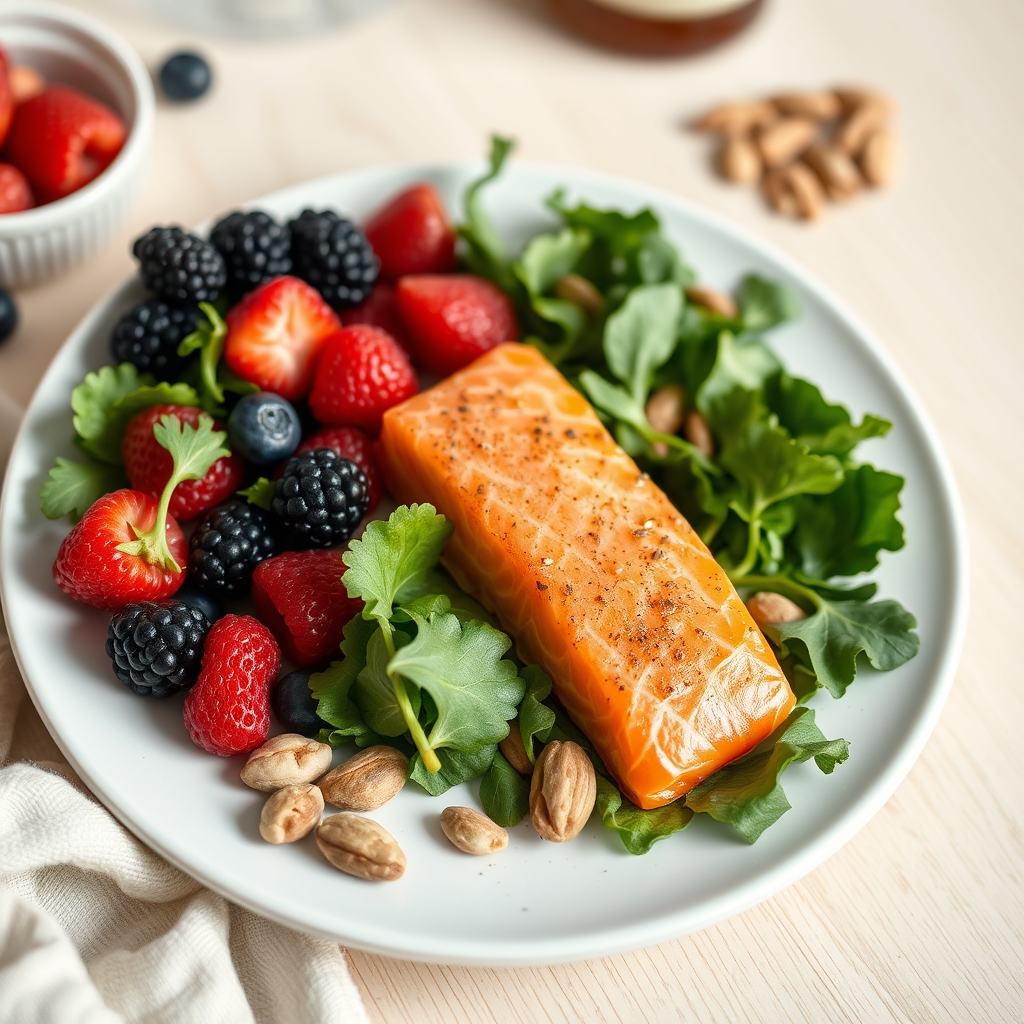
What you eat can influence how quickly your cycle normalizes. Aim for a balanced diet rich in iron, B‑vitamins, omega‑3 fatty acids, and magnesium—nutrients that support both lactation and uterine recovery. A study from the Harvard School of Public Health found that women who consumed at least two servings of leafy greens and fatty fish per week reported lighter, less painful periods postpartum (2021).
Hydration also matters; adequate water intake helps maintain blood volume and can reduce the severity of cramps. If you’re breastfeeding, you’ll need roughly 500 ml more fluid per day. Consider a daily supplement of 200–400 mg of magnesium and 30–60 µg of vitamin D, especially if you have limited sun exposure, but always discuss supplements with your provider first.
Frequently asked questions
How long after giving birth does the first period usually start?
On average, the first period returns between 8 and 12 weeks postpartum, but it can be as early as 3 weeks or as late as a year, largely depending on breastfeeding intensity and hormonal factors.
Can I get pregnant before my postpartum period returns?
Yes. Ovulation can precede the first menstrual bleed, meaning you can conceive even if you haven’t yet had a period. Use a reliable contraceptive method if you wish to avoid pregnancy.
Does breastfeeding delay the return of my period?
Exclusive breastfeeding often delays menstruation for 6 months or more because high prolactin suppresses ovulation. Introducing formula or reducing night feeds can bring the period back sooner.
What is the difference between lochia and a regular period?
Lochia is postpartum discharge that changes from bright red to pink to white over 4–6 weeks and contains uterine tissue. A regular period starts after lochia ends, follows a cyclic pattern, and is driven by ovulation.
Are irregular periods normal after having a baby?
Yes. The first few cycles often vary in length and flow as your hormonal system readjusts. Most women settle into a regular rhythm by six months postpartum.
When can I safely use tampons after delivery?
Wait until lochia has completely stopped—typically 4–6 weeks after birth. Starting tampons earlier may increase the risk of infection.
How does a C‑section affect when my period returns?
A C‑section can add a few weeks to the timeline compared with an uncomplicated vaginal birth, mainly due to surgical recovery and possible hormonal shifts.
What should I do if my postpartum bleeding feels unusually heavy?
If you soak a pad every hour for more than two consecutive hours, notice large clots (bigger than a quarter), or develop fever or foul‑smelling discharge, call your OB‑GYN right away. These could signal infection or retained tissue.
Can I use a menstrual cup right after giving birth?
Most providers suggest waiting until lochia ends (4–6 weeks) before inserting a menstrual cup, as the cup can trap bacteria and increase infection risk if used too early.
When to see a doctor or specialist
If you notice any of the following, contact your OB‑GYN promptly:
- Heavy bleeding (soaking a pad every hour) lasting more than 2 weeks after lochia stops.
- Large clots larger than a quarter coin.
- Fever ≥ 38°C (100.4°F) with foul‑smelling discharge.
- Severe abdominal pain that isn’t relieved by NSAIDs.
- Signs of anemia (fatigue, shortness of breath, pale skin).
- Persistent mood swings, depression, or thoughts of self‑harm.
These symptoms may indicate infection, postpartum hemorrhage, or postpartum mood disorder and require professional evaluation. The guidance above is for informational purposes only and does not replace personalized medical advice.
References
- American College of Obstetricians and Gynecologists. “Postpartum Care.” ACOG Committee Opinion No. 736, 2018.
- World Health Organization. “Postnatal Care of the Mother and Newborn.” WHO Guidelines, 2020.
- Harvard T.H. Chan School of Public Health. “Nutrition and Menstrual Health.” 2022.
- National Institute of Mental Health. “Postpartum Depression.” NIMH Fact Sheet, 2021.
- American College of Obstetricians and Gynecologists. “Breastfeeding and Return of Menses.” Clinical Guidance, 2023.
- National Center for Complementary and Integrative Health. “Chamomile.” NCCIH, 2021.
- American College of Obstetricians and Gynecologists. “Contraception After Pregnancy.” ACOG Practice Bulletin No. 152, 2020.
- International Federation of Gynecology and Obstetrics. “Post‑C‑section Recovery.” IFOG Guidelines, 2022.
- National Institutes of Health. “Magnesium and Menstrual Cramps.” NIH Office of Dietary Supplements, 2022.
- Centers for Disease Control and Prevention. “Postpartum Contraception.” CDC, 2023.
- American Thyroid Association. “Postpartum Thyroiditis.” ATA Clinical Guidelines, 2022.
- Food and Drug Administration. “Copper IUD Insertion Guidelines.” FDA, 2022.
- Journal of Women's Health. “Postpartum Cycle Regularity.” JWH, 2023.
- BMJ. “Ovulation Timing in Exclusively Breastfeeding Mothers.” BMJ, 2022.
- Academy of Nutrition and Dietetics. “Breastfeeding and Hormone Regulation.” AND, 2021.