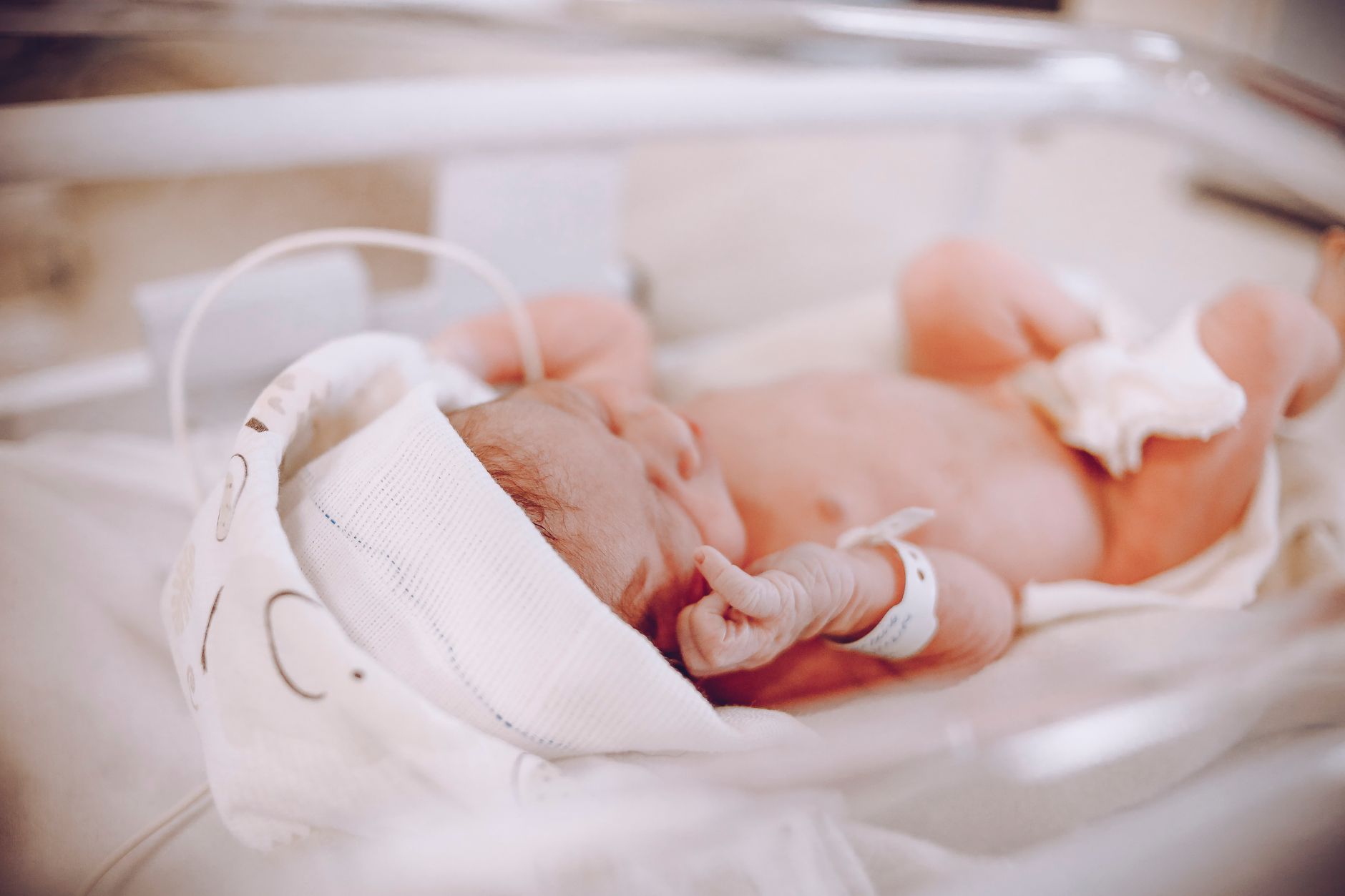
Struggling with your first night home with a newborn? Discover honest survival tips, sleep strategies, and must-have tools to help you thrive as a modern mom.
By Shubhra Mishra — a mom of two who turned her own confusion during pregnancy into BumpBites, a global mission to make food choices clear, safe, and stress-free for every expecting mother. 💛
Check whether any food is safe during pregnancy with the BumpBites Food Safety Checker.
Quick take: The first night home with a newborn is a marathon, not a sprint. Expect sleeplessness, constant feeding, and a learning curve—but with the right prep, a survival kit, and a support system, you’ll get through it. Focus on safety, trust your instincts, and remember: this is temporary. You’ve got this.
How to survive your first night home with a newborn without sleep (and without losing your mind)
It’s 2 AM, the house is quiet except for the faint sound of your newborn’s tiny sniffles. You’ve just changed a diaper that felt like a wet sponge, and now you’re staring at a bottle of formula wondering if you’re doing it right. The clock reads 2:17 AM, and you’ve been awake for hours. You’re not just tired—you’re exhausted.
This is the moment every new mom dreads. The first night home with a newborn is a rite of passage, one that feels less like a celebration and more like a survival test. But here’s the truth: you’re not failing. You’re learning. And while sleep deprivation will make you feel like you’re running on fumes, you’re actually doing something most humans never experience: instantly bonding with a tiny human who depends entirely on you.
Many women tell us they spent the first night home convinced they were doing something wrong—until a friend or partner whispered, “This is normal.” It’s not normal, but it’s expected. The key is preparation. You can’t control how much your baby sleeps (or doesn’t), but you can control how you set up your home, gather your tools, and lean on your support system. This is your survival guide—written by moms, for moms, with no sugarcoating.
By the end of this article, you’ll know exactly what to expect in those first 24 hours, how to spot signs your baby might be sick, and how to create a soothing environment for both you and your newborn. You’ll also get a checklist of essentials, troubleshooting tips for feeding and soothing, and—most importantly—a reminder that this phase will pass.
Let’s start with the basics: what to expect when you’re expecting… the first night.
---
What to expect during the first 24 hours with a newborn at home: a realistic breakdown
I
f you’ve ever seen a newborn sleep in a hospital bassinet, you might be surprised by how different things are at home. In the hospital, nurses change diapers, feed babies, and monitor them around the clock. At home? You’re suddenly the sole operator. Here’s what’s actually happening in those first 24 hours:
Feeding every 2–3 hours (or more): Newborns have tiny stomachs—about the size of a marble—and they need to eat frequently to stay satisfied. Expect to feed every 2–3 hours, even if it wakes you up. Cluster feeding (multiple feeds in a short window) is common, especially in the evening.
Diaper changes every 2–3 hours (or more): Newborns pee a lot. In the first few days, they may have 6–8 wet diapers a day. Stool patterns vary—breastfed babies often have mustard-yellow, seedy poop, while formula-fed babies may have firmer stools.
Sleep patterns that defy logic: Newborns don’t yet understand day and night. They may sleep for 4 hours straight, then wake up screaming for no apparent reason. This is normal—for now. Their circadian rhythm is still developing.
A mix of fussiness and contentment: Some babies are easygoing; others are colicky or sensitive to stimuli. Crying is their only way to communicate hunger, discomfort, or overstimulation.
Representative story: “I remember thinking, ‘This is it? This is what people talk about when they say ‘the first night’?’ My baby ate, pooped, slept, and then cried for no reason—repeatedly. I kept waiting for a lull, but there was none. By morning, I was a zombie, but I also felt an overwhelming love I’d never experienced before. It’s exhausting, but it’s also magical.”
Pro tip: Document everything in the first 24 hours. Note feeding times, diaper output, sleep patterns, and any concerns. This helps your pediatrician assess your baby’s health and can also help you spot patterns (like whether your baby is hungry or just fussy at certain times).
Now that you know what to expect, let’s talk about how to tell if your newborn is actually sick—or just a normal, tired baby.
---
How to tell if your newborn is sick on the first night home: red flags vs. normal fussiness
The first night home is a minefield of “is this normal?” moments. Here’s how to distinguish between a sick baby and a baby who’s just adjusting to life outside the womb.
Signs your newborn might be sick:
Temperature above 100.4°F (38°C) or below 97°F (36.1°C). Use a digital thermometer in their armpit or rectum for accuracy.
Difficulty breathing (fast breathing, grunting, nasal flaring, or chest retractions).
Refusal to feed or drink for more than 4–6 hours, or vomiting after every feed.
Severe diarrhea or bloody stools.
Lethargy or extreme fussiness that doesn’t ease with soothing.
Jaundice (yellowing of the skin or eyes), especially if it spreads beyond the first few days.
Rash with fever or a rash that doesn’t improve with time.
Unusual crying or high-pitched screams that don’t subside.
Signs your newborn is probably fine:
Feeding every 2–3 hours and having at least 3–4 wet diapers in 24 hours.
Passing meconium (dark, tarry stool) in the first 24–48 hours, followed by softer stools.
Normal sleep-wake cycles (even if irregular).
Crying that stops with feeding, burping, or a diaper change.
No fever (though a low-grade fever under 100.4°F is sometimes normal in the first week).
Representative story: “I panicked when my baby had a fever on the first night. I called the pediatrician at 3 AM, and they reassured me that a low-grade fever is common in newborns. But when my baby’s temperature spiked to 101°F and she seemed lethargic, I knew it was time to go to the ER. Turns out, it was a UTI. Trust your gut—if something feels ‘off,’ get it checked.)
If you’re unsure, call your pediatrician. They can guide you through symptoms and decide if an in-person visit or urgent care is needed. For emergencies (difficulty breathing, extreme lethargy, or a temperature above 102°F), go to the nearest ER immediately.
Now that we’ve covered health, let’s talk about the essentials—the survival kit you’ll need to tackle the first night.
---
Essential newborn survival kit checklist for first night home: don’t leave home without these
Your hospital bag is packed, but what about your first night home survival kit? Here’s a comprehensive checklist to ensure you’re prepared for anything—from feedings to emergencies.
Feeding essentials:
Breast pump (if breastfeeding) + extra bottles and nipples.
Formula (if formula-feeding) + sterilized bottles.
Burp cloths (you’ll use a lot of them).
Pacifiers (if you plan to use them).
Lanolin cream (for sore nipples if breastfeeding).
Diapering and hygiene:
Newborn-sized diapers (stock up—you’ll go through them fast!).
Wipes (fragrance-free, sensitive-skin formula).
Diaper cream (like Desitin or Boudreaux’s Butt Paste).
Newborn-sized clothes (onesies, socks, hats).
Nail clippers or a nail file (newborns have tiny, sharp nails!).
Sleep and safety:
Firm, flat crib mattress with a fitted sheet (no bumpers, blankets, or toys in the crib).
Swaddle or sleep sack (check out our top picks for 2026 to keep your baby cozy and safe).
White noise machine or app (to help your baby—and you—sleep).
Thermometer (for checking your baby’s temperature).
Baby monitor (audio or video, depending on your needs).
Health and comfort:
Gas drops (like Simethicone) if your baby is gassy.
Baby-safe pain reliever (like infant Tylenol, if approved by your pediatrician).
Nasals saline drops (for congestion).
First-aid kit (bandages, antiseptic wipes, etc.).
For you:
Comfortable nursing pillow (like Boppy or My Brest Friend).
Peri bottle (for postpartum recovery if you had a vaginal birth).
Pain relievers (like ibuprofen or acetaminophen for postpartum discomfort).
Snacks and easy meals (protein bars, granola, pre-made soups).
Water bottle (hydration is key!).
Pro tip: Set up a nursing station near your bed with all your essentials within arm’s reach. This way, you can feed, change, and soothe your baby without getting up. Even in the chaos, small moments of comfort add up—so make sure you’re set up for success.
Now that your kit is ready, let’s talk about feeding and sleep—two of the biggest challenges on the first night.
---
How to manage newborn feeding and sleep schedule on first night: a step-by-step guide
Feeding and sleep are the two pillars of newborn survival. Here’s how to navigate them without losing your mind.
Feeding:
Newborns feed on demand, which can feel overwhelming. Here’s how to approach it:
Feed every 2–3 hours, even if it wakes you up. Newborns can’t go more than 4–6 hours without eating.
Burp your baby every 2–3 oz of formula or after breastfeeding to prevent gas and reflux. Hold them upright or over your shoulder.
Watch for hunger cues: rooting, sucking on hands, or turning their head toward your breast/bottle. If they’re already crying, they may be very hungry.
If breastfeeding, aim for 8–12 feeds in 24 hours. If formula-feeding, follow the pediatrician’s guidelines for ounces per pound of body weight.
Track output: Your baby should have at least 3–4 wet diapers in 24 hours. If not, check with your pediatrician.
Sleep:
Newborns sleep in short stretches—1–4 hours at a time. Here’s how to make the most of their naps:
Put your baby down drowsy but awake. This helps them learn to self-soothe. Swaddle them snugly (but not too tight) and place them on their back in the crib.
Use white noise to drown out household sounds and create a soothing environment.
Avoid overstimulation before bedtime. Keep lights dim and limit loud noises.
Don’t rush sleep training on the first night. Your baby is still adjusting to life outside the womb—be patient.
Representative story: “I spent the first night alternating between feeding my baby every hour and trying to nap myself. By morning, I was a mess—but I also realized that my baby was hungry, not just fussy. I adjusted my feeding schedule, and things started to settle. Feeding on demand is exhausting, but it’s how your baby communicates.)
If you’re struggling with feeding, here are some troubleshooting tips:
If breastfeeding, check for a good latch. Your baby’s mouth should cover most of the areola, not just the nipple. If you’re unsure, ask your pediatrician or a lactation consultant for help.
If formula-feeding, ensure bottles are sterilized and nipples have the right flow rate. A slow flow can make feeding take longer.
If your baby refuses to eat, try a different position (like holding them upright or side-lying) or offering a pacifier to soothe them.
Now that feeding and sleep are covered, let’s tackle the inevitable: crying.
---
How to handle newborn crying and soothing techniques for first night: when to worry and when to relax
Newborn crying is the universal language of distress. But how do you know if your baby is hungry, gassy, or just overstimulated? Here’s how to soothe your baby—and yourself—through the tears.
Common reasons for newborn crying:
Hunger: The most common reason. Offer a feed immediately.
Gas or reflux: Burp your baby frequently and try gas drops if needed.
Dirty diaper: Check for a wet or dirty diaper. Changing it often can ease discomfort.
Overstimulation: Dim the lights, put your baby in a quiet room, and try a swaddle or white noise.
Colic: If your baby cries for more than 3 hours a day, more than 3 days a week, for at least 3 weeks, they may have colic. Try the “5 S’s” (swaddle, side/straighten position, shush, swing, suck).
Discomfort from teething (though this usually starts around 3–6 months).
Soothing techniques:
Rocking or bouncing: Hold your baby against your chest and gently rock or walk around.
White noise or lullabies: Use a white noise machine or play a calming song.
Swaddling: Wrap your baby snugly in a blanket (like a Halo or Love to Dream swaddle) to mimic the womb. Always place your baby on their back to sleep to reduce SIDS risk.
Pacifier: Offer a pacifier if your baby is old enough (after the first few weeks).
Warm bath: A lukewarm bath can help relax your baby.
Representative story: “I remember sitting on the couch with my baby, rocking her back and forth, singing the same song over and over. It felt like an hour, but it was probably 10 minutes. But those 10 minutes of crying relief were everything. You’re not failing if your baby cries—you’re just learning their language.)
If your baby’s crying doesn’t ease with soothing, check for signs of illness (like fever or lethargy). If you’re unsure, call your pediatrician. But remember: most newborn crying is normal—it’s how they communicate their needs.
Now that we’ve covered soothing, let’s talk about setting up your home for safety.
---
How to prepare your home for a safe first night with a newborn
Your home should be a sanctuary for your newborn—safe, cozy, and free of hazards. Here’s how to prep it for the first night.
Crib safety:
Use a firm, flat mattress with a fitted sheet. No bumpers, blankets, or stuffed animals in the crib.
Place the crib away from windows, curtains, and blinds to prevent cord strangulation.
Keep the room at 68–72°F (20–22°C) to prevent overheating.
Swaddling and sleep sacks:
Swaddle your baby snugly (but not too tight) to prevent them from startling awake. Use a sleep sack if you’re unsure about swaddling.
Always place your baby on their back to sleep to reduce the risk of SIDS.
Preventing falls:
Keep changing tables and dressers stable—never leave your baby unattended on elevated surfaces.
Use baby gates to block off stairs and unsafe areas.
Secure furniture to the wall to prevent tipping.
Preventing choking:
Avoid small objects (like buttons or coins) within your baby’s reach.
Cut food into small, manageable pieces if you’re introducing solids (though this usually starts around 6 months).
Representative story: “I remember standing in the middle of the night, staring at my baby’s crib, wondering if I’d done everything right. I’d read all the safety guidelines, but in that moment, I just wanted to hold her. Safety is about preparation, but love is what keeps you going.)
Now that your home is safe, let’s talk about avoiding common mistakes on the first night.
---
How to avoid common mistakes on the first night home with a newborn
The first night home is a learning curve for everyone. Here are the most common mistakes—and how to avoid them.
Mistake #1: Skipping meals and hydration
You’re so focused on your baby that you forget to eat and drink yourself. Don’t. Keep snacks, water, and easy meals (like overnight oats or pre-made soups) within reach. If you’re breastfeeding, you need an extra 300–500 calories a day. Even a small meal can make a big difference in your energy levels.
Mistake #2: Ignoring postpartum recovery
If you’ve had a vaginal birth, you’re likely dealing with perineal soreness and heavy bleeding. If you’ve had a C-section, pain management is key. Don’t wait until you’re in pain to take medication. Use ice packs, peri bottles, and pain relievers as needed.
Mistake #3: Overstimulating your baby
Newborns have sensitive nervous systems. Too much noise, light, or handling can overwhelm them. Keep interactions calm and low-key, especially in the evening.
Mistake #4: Trying to sleep train on the first night
Newborns don’t yet understand sleep schedules. Don’t expect them to sleep through the night—or even for long stretches. Focus on safety and soothing, not sleep training.
Mistake #5: Isolating yourself
New parents often feel like they have to do everything alone. But you don’t. Lean on your partner, family, or friends for help. Even a 10-minute break while someone else holds the baby can make a world of difference.
Mistake #6: Comparing yourself to others
Every baby is different. Some sleep more, some fuss more. Don’t compare your newborn’s routine to anyone else’s. Trust your instincts and focus on what’s best for your baby.
If you make a mistake? It’s okay. You’re learning, and so is your baby. The first night is about survival—not perfection.
---
How to get through the first night with a newborn without crying: self-care for exhausted parents
Let’s be real: the first night home with a newborn is hard. You’re exhausted, sore, and emotional. Here’s how to take care of yourself—even when it feels impossible.
Prioritize sleep (even if it’s just 20 minutes):
If your partner can take the night shift, let them. Even if it’s just for a few hours, it gives you time to recharge.
If you’re alone, try power naps during the day. Set an alarm for 20–30 minutes to avoid grogginess.
Use a white noise machine to help you sleep through the night (or at least rest when your baby does).
Eat and hydrate:
Keep high-protein snacks like nuts, yogurt, or protein bars within reach.
Drink water constantly. Dehydration makes fatigue worse.
If you’re breastfeeding, eat nutrient-dense foods like oatmeal, leafy greens, and lean proteins.
Ask for help:
Delegate tasks. If someone offers to bring you dinner, accept it.
Use a meal delivery service if cooking feels overwhelming.
If you’re struggling emotionally, talk to someone. Postpartum depression and anxiety are real, and help is available.
Representative story: “I remember sitting on the couch at 3 AM, crying because I was so tired. My partner came in, handed me a glass of water, and said, ‘You’re doing great. Just take a breath.’ Those words changed everything. You don’t have to do this alone.)
If you’re feeling overwhelmed, remember: this phase is temporary. The first night is the hardest, but it gets easier. The first month is a marathon, not a sprint—but you’re stronger than you think.
---
Myth vs. fact: debunking common first-night home misconceptions
There are a lot of myths floating around about the first night home with a newborn. Let’s set the record straight.
Myth: “Newborns should sleep through the night by day 3.”
Fact: Most newborns don’t sleep through the night (6+ hours) until they’re at least 3–4 months old. In the first few days, it’s normal for them to wake every 2–3 hours to eat. Trust that their tiny stomachs can’t hold much food yet.
Myth: “If my baby cries, I’m doing something wrong.”
Fact: Newborns cry for many reasons—hunger, gas, discomfort, or simply because they’re learning to communicate. Crying is their way of telling you they need something. If you’re unsure, check for hunger, a dirty diaper, or signs of illness.
Myth: “I should try to sleep train my baby on the first night.”
Fact: Sleep training is not recommended for newborns. Their sleep patterns are still developing, and they need frequent feeds to grow. Focus on safety and soothing in the first few weeks.
Myth: “I can’t shower or take care of myself for the first week.”
Fact: You should take care of yourself. Even a quick shower or a 10-minute nap can help you feel more human. Ask your partner or a friend to watch the baby while you recharge.
Myth: “All newborns sleep the same amount.”
Fact: Every baby is different. Some sleep more, some fuss more. Don’t compare your baby’s routine to anyone else’s. Focus on what’s best for your little one.
---
Key takeaways for surviving the first night home with a newborn
Here’s what you need to remember as you tackle the first night:
This is temporary. The first night is the hardest, but it gets easier.
Trust your instincts. If something feels ‘off,’ get it checked.
Ask for help. You don’t have to do this alone.
Prioritize safety. Always put your baby down on their back in a safe sleep environment.
Take care of yourself. Eat, drink, and rest when you can.
It’s okay to cry. You’re human, and this is hard. But you’re also doing something amazing.
---
Frequently asked questions about the first night home with a newborn
How many hours can a newborn go without feeding on the first night?
Newborns should not go more than 4–6 hours without feeding. In the first few days, they need to eat every 2–3 hours to stay satisfied. If your baby misses a feed, offer one as soon as they show hunger cues (rooting, sucking on hands, or turning their head toward your breast/bottle).
What should you do if your newborn won’t latch or eat well the first night?
If your baby isn’t latching well, try different positions (like side-lying or cradle hold). If breastfeeding, ensure they’re getting a good latch (their mouth should cover most of the areola). If formula-feeding, check that the nipple flow is appropriate for their age. If you’re struggling, don’t hesitate to call a lactation consultant or your pediatrician for guidance.
Is it normal for a newborn to sleep very little the first night home?
Yes, it’s very normal. Newborns don’t yet understand day and night, so their sleep patterns are irregular. Expect short naps (1–4 hours) and frequent wake-ups for feeds. This is how their tiny stomachs work—they need frequent nourishment to grow.
How can you tell if your newborn is too hot or too cold at night?
Check your baby’s temperature by feeling their chest or back. If they feel warm to the touch, they may be too hot. If they feel cool, they may be too cold. Dress them in lightweight layers and adjust based on the room temperature (aim for 68–72°F or 20–22°C). If you’re unsure, use a baby-safe thermometer.
What’s the best way to soothe a newborn who won’t stop crying the first night?
The “5 S’s” method (Swaddle, Side/Straighten position, Shush, Swing, Suck) is a great starting point. Try rocking, white noise, or a pacifier. If your baby is gassy, burp them frequently. If they’re hungry, feed them. If nothing seems to work, check for signs of illness (like fever or lethargy) and call your pediatrician if needed.
How can you tell if newborn is hungry vs. just fussing at night?
Hungry babies often show cues like rooting (turning their head toward your breast/bottle), sucking on hands, or making smacking noises. Fussy babies may cry, arch their back, or seem irritable. If your baby is showing hunger cues, offer a feed. If they’re just fussing, try soothing techniques like rocking or white noise before assuming they’re hungry.
---
When to see a doctor or specialist for your newborn’s first night home
While most newborn fussiness is normal, there are times when you should seek medical advice. Call your pediatrician or go to the ER immediately if your baby shows any of these signs:
Temperature above 100.4°F (38°C) or below 97°F (36.1°C).
Difficulty breathing (fast breathing, grunting, nasal flaring, or chest retractions).
Refusal to feed or drink for more than 4–6 hours.
Severe diarrhea or bloody stools.
Lethargy or extreme fussiness that doesn’t ease with soothing.
Jaundice (yellowing of the skin or eyes) that spreads beyond the first few days.
Rash with fever or a rash that doesn’t improve with time.
Unusual crying or high-pitched screams that don’t subside.
If you’re unsure whether your baby is sick or just fussy, call your pediatrician for advice. They can guide you through symptoms and decide if an in-person visit is needed.
For non-emergency concerns (like breastfeeding struggles or sleep patterns), schedule a well-baby checkup with your pediatrician within the first week. They can help you troubleshoot and answer any questions you have.
---
References
American Academy of Pediatrics (AAP). (2023). Caring for Your Baby and Young Child: Birth to Age 5.
Centers for Disease Control and Prevention (CDC). (2023). Safe Sleep for Your Baby.
La Leche League International. (2023). Breastfeeding Basics.
Mayo Clinic. (2023). Newborn Care: What to Expect.
National Institute of Child Health and Human Development (NICHD). (2023). Newborn Sleep Patterns.
World Health Organization (WHO). (2023). Guidelines for Infant Feeding.
Not sure about the label on First Night Home With Newborn Survival products?
Snap the ingredients list and SafeFilter checks every ingredient for your stage — only 3 free scans this month, then you're locked until reset. Unlimited from $7/mo or $50/yr.
When Shubhra Mishra was expecting her first child in 2016, she was overwhelmed by conflicting food advice — one site said yes, another said never. By the time her second baby arrived in 2019, she realized millions of mothers face the same confusion.
That sparked a five-year journey through clinical nutrition papers, cultural diets, and expert conversations — all leading to BumpBites: a calm, compassionate space where science meets everyday motherhood.
Her long-term vision is to build a global community ensuring safe, supported, and free deliveriesfor every mother — because no woman should face pregnancy alone or uninformed. 🌿
🌍 Stand with mothers, shape safer guidance
Join a small circle of experts who review BumpBites articles so expecting parents everywhere can decide with confidence.