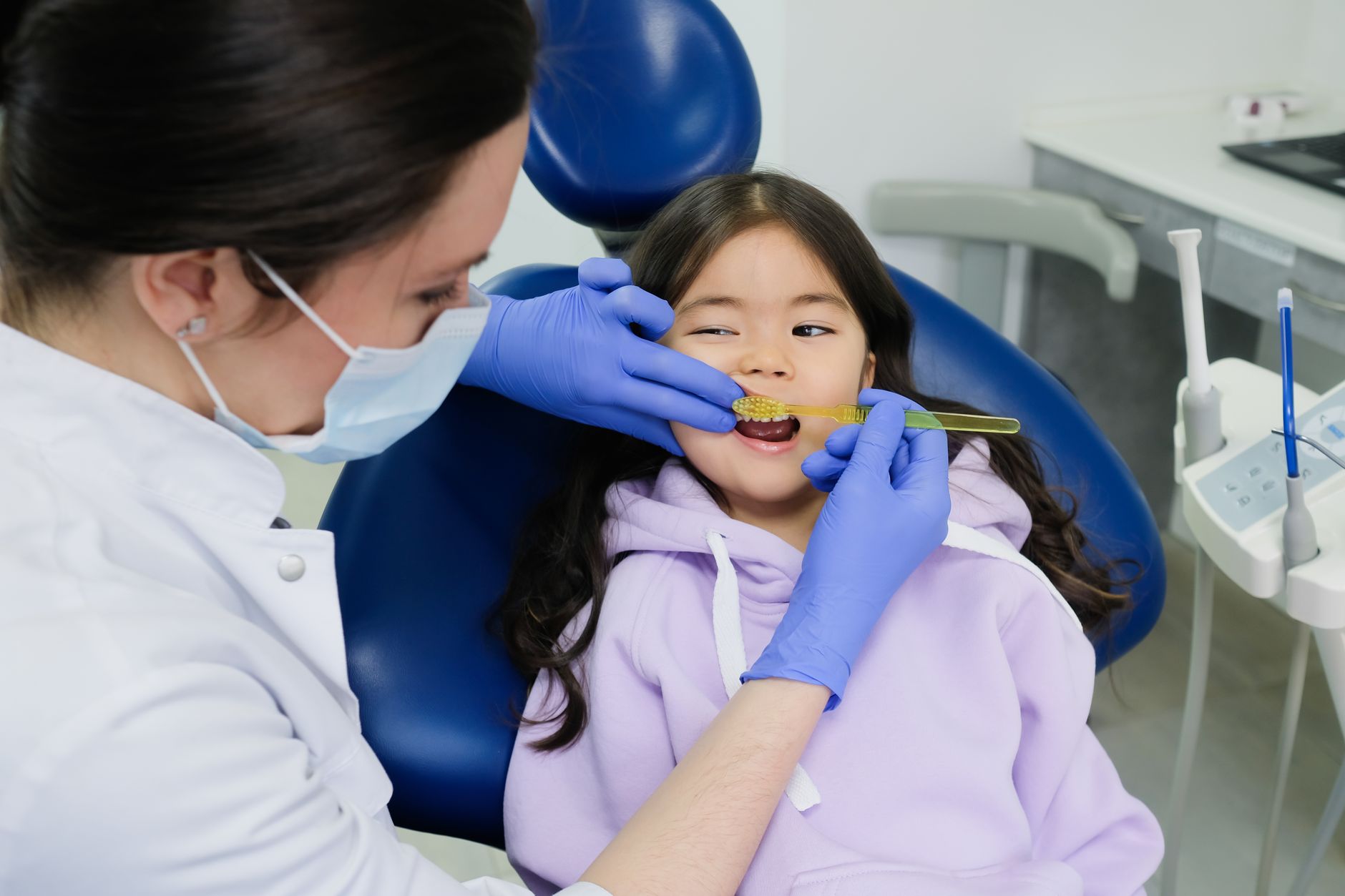
Preparation is both emotional and practical. A calm, confident parent sets the tone, and simple routines can turn a potentially stressful experience into a positive adventure.
Start with “pretend play.” Use a soft toy dentist set to demonstrate brushing, flossing, and the dental chair. Let your toddler hold the mirror and “check” the toy’s teeth. Narrate each step in a soothing voice: “Now we’re going to look at the teeth, just like the dentist does.” This builds familiarity and reduces surprise.
Read a short picture book about a first dental visit. Titles like “The Berenstain Bears Visit the Dentist” or “Going to the Dentist” are widely available and age‑appropriate. Let your child turn the pages, point to pictures, and ask questions.
Schedule the appointment for a time when your baby is well‑rested and fed, usually mid‑morning after a nap. Bring a favorite blanket or stuffed animal for comfort. If your child uses a pacifier, consider limiting its use an hour before the visit to encourage calm mouth opening.
On the day of the appointment, keep the language simple: “We’re going to see a friendly dentist who will look at your teeth and help keep them strong.” Avoid words like “pain” or “hurt.” If your toddler is anxious, practice deep‑breathing together: inhale for four counts, exhale for four.
Another useful tip is to let the dentist know your child’s favorite song or video. Many offices will have a small screen or speaker to play a brief clip that can distract the infant while the exam is performed.

First dental visit checklist for parents
- Schedule the appointment by 12 months of age.
- Gather vaccination records and any health history forms.
- Pack a favorite comfort item (blanket, toy).
- Bring a soft, age‑appropriate toothbrush and a smear of fluoride‑free toothpaste.
- Plan a post‑visit treat that isn’t sugary—perhaps a small fruit puree.
Common concerns and how to address them
Many parents worry about the baby’s ability to sit still. Pediatric dentists are trained to work with infants, using gentle positioning and distraction techniques such as videos or sing‑along songs. If you’re nervous, let the staff know; they’ll often allow you to stay close and hold your baby’s hand.
Some families wonder whether it’s safe to give a baby a bottle right before the exam. The recommendation is to avoid bottle‑feeding within an hour of the visit to keep the mouth dry, which makes it easier for the dentist to see the teeth clearly.
Signs your baby is ready for a dentist appointment
Readiness isn’t about speech; it’s about oral‑health milestones and temperament. Look for these cues:
- First tooth eruption: Usually the lower central incisors appear between 6–10 months.
- Ability to sit with support: By 9–12 months most babies can sit upright in a high‑chair or dental chair with minimal assistance.
- Calm during routine care: If your baby tolerates a gentle brushing at home without excessive crying, they’re likely ready for a professional exam.
- Responsive to visual cues: Babies who watch your face and follow simple gestures (like opening their mouth) are good candidates for the first visit.
Conversely, if your infant is consistently unsettled by any mouth contact, you may discuss a slightly later appointment with your pediatrician. However, most dentists will still perform a quick visual check and provide guidance on how to ease the process.
It’s also helpful to watch for signs of dental discomfort, such as drooling more than usual or a change in feeding patterns, which can indicate that a tooth is about to erupt and may need a gentle examination.
Do babies need a dentist before they can talk?
Yes. Oral health isn’t tied to language development. The first dental evaluation focuses on gum health, tooth eruption patterns, and early signs of decay—areas that are independent of a child’s ability to articulate concerns. Early dental visits also give the dentist a chance to educate parents on proper brushing technique, fluoride use, and dietary habits that protect teeth.
What to expect during a first dental check‑up for infants?
The appointment is typically brief—about 15‑20 minutes—and designed to be as non‑invasive as possible. Here’s a step‑by‑step rundown:
- Welcome and orientation: The dental team greets you, explains the process, and may let your baby explore a toy dental chair.
- Medical history review: The dentist or hygienist asks about birth history, medications, allergies, and recent vaccinations.
- Oral exam: Using a soft light and gentle mirror, the dentist checks gum color, tooth emergence, and any signs of early decay. They may use a small, sterile instrument to feel for enamel softness.
- Cleaning (if needed): For infants, cleaning is usually limited to a gentle wipe with a damp gauze pad; no polishing or flossing is performed.
- Education: The dentist demonstrates how to brush the baby’s teeth, discusses diet (limiting sugary drinks), and answers any parental questions.
- Future plan: A schedule for the next visit (typically six months later) is set, and any referrals (e.g., to a pediatrician for enamel hypoplasia) are discussed.
Throughout the exam, the dentist will use child‑friendly language, a soothing voice, and often a small toy or book to keep the baby distracted. If the child becomes distressed, the dentist may pause, offer a break, or use a pacifier.
Some offices also take a quick intra‑oral photograph (with parental consent) to serve as a baseline for future comparisons. This image can be a useful visual cue for parents when tracking tooth development.
How to find the best pediatric dentist for first appointments near you?
Choosing a dentist who specializes in early childhood care is crucial. Pediatric dentists have additional training (usually a two‑year fellowship) focused on behavior management, sedation safety, and developmental considerations.
Start by searching “pediatric dentist near me” and filter results for practices that list “infant dental care” or “early childhood dentistry.” Look for the following credentials:
- Board certification by the American Academy of Pediatric Dentistry (AAPD) or the equivalent in your country (e.g., the British Society of Paediatric Dentistry).
- Positive reviews mentioning a gentle, patient‑focused approach.
- Office environment designed for kids—bright colors, toys, and a low‑step dental chair.
- Availability of emergency or same‑day appointments for urgent concerns.
Ask for recommendations from your pediatrician, friends, or family. Many offices offer a brief “meet‑and‑greet” call or virtual tour, which can help you assess the comfort level before the actual appointment.
When you call, inquire whether the dentist accepts your insurance, what the typical out‑of‑pocket costs are for a first visit, and whether they have a “dental home” program that includes periodic reminders and education.
How to find a pediatric dentist for a newborn
Even before the first tooth appears, you can schedule an introductory visit. Call offices and ask if they accept newborns for a “dental home” establishment. Some dentists will perform a gentle gum inspection and discuss oral‑care routines for infants, reinforcing the habit of early dental visits.
For families in rural areas, the AAPD recommends checking with local health departments for mobile pediatric dental clinics that often provide free or low‑cost services for infants.
How often should babies see the dentist after the first visit?
After the initial exam, the AAPD recommends a six‑month recall schedule for most children. This frequency allows the dentist to monitor tooth eruption, catch early decay, and reinforce preventative habits.
If your child has risk factors—such as a family history of early childhood caries, frequent nighttime bottle use, or enamel defects—the dentist may suggest more frequent visits, perhaps every three to four months.
Regular visits also provide an opportunity to assess fluoride exposure. In the United States, the CDC recommends a fluoride varnish application twice a year for children at high risk of decay. In the UK, the NHS offers fluoride varnish in certain high‑risk areas.
Some dentists also incorporate a brief dietary questionnaire at each visit to track changes in sugar intake and suggest modifications that keep teeth healthy.
What questions to ask the dentist at your baby's first appointment?
Having a short list of questions can make the visit feel purposeful and empower you as a caregiver. Consider asking:
- What oral‑hygiene routine do you recommend for a baby my child’s age?
- Should I use fluoride toothpaste, and if so, how much?
- Are there any dietary habits that increase the risk of early decay?
- Do you recommend fluoride varnish for my child, and how often?
- What signs of trouble should prompt me to call you before the next scheduled visit?
- How do you handle a child who is scared or uncooperative?
- Is there a “dental home” plan for my family, and what does it involve?
- Can you demonstrate the proper brushing technique on my baby’s teeth?
Writing these questions down beforehand helps ensure you don’t forget them in the moment. Most dentists welcome an active dialogue and will provide written handouts summarizing the key points.
Understanding fluoride varnish for infants
Fluoride varnish is a thin, paint‑like coating that dentists apply to a child’s teeth to strengthen enamel and prevent decay. The American Dental Association (ADA) and the U.S. Food and Drug Administration (FDA) both endorse its safety when used as directed. For infants, the varnish is applied quickly—usually within a minute—while the child sits upright. Because the varnish adheres to teeth and is not swallowed in large amounts, systemic fluoride exposure remains low.
Current guidance from the CDC suggests that children at high risk of cavities receive fluoride varnish twice a year. High‑risk factors include a history of early childhood caries, frequent consumption of sugary liquids, or limited access to fluoridated water. If your child falls into one of these categories, ask the dentist whether varnish is appropriate and how it fits into your overall preventive plan.
Recent studies published in the Journal of Dental Research (2023) show that biannual fluoride varnish reduces the incidence of early childhood caries by up to 30 % in high‑risk populations, reinforcing its role as a cornerstone of preventive pediatric dentistry.
Dental insurance and cost considerations for the first visit
Many health‑insurance plans cover pediatric dental care, but coverage details vary. In the United States, the Affordable Care Act (ACA) mandates that pediatric dental services be included in most private health plans, though the extent of coverage—such as preventive cleanings versus restorative work—can differ. Check your policy’s “preventive dental” section or call the insurer’s customer service line to confirm that the first visit, fluoride varnish, and any necessary X‑rays are covered.
In the United Kingdom, the NHS provides free dental care for children under 18, including routine examinations and basic preventive treatments. Some practices may charge a modest fee for certain services, but the majority of preventive care is covered. If you’re using private dental insurance, look for plans that list “pediatric dentistry” or “early childhood oral health” as a benefit.
When budgeting, factor in potential out‑of‑pocket costs for items like a child‑size toothbrush, fluoride‑free toothpaste, and any specialty treatments that may not be fully covered. Many dental offices offer “family plans” that bundle multiple children’s appointments at a reduced rate.
For families without insurance, community health centers and some school‑based programs provide low‑cost or free dental screenings for infants and toddlers. The AAPD maintains a locator tool to help families find such resources.
Building a dental home: long‑term benefits
The concept of a “dental home” mirrors the medical home model—providing continuous, comprehensive, and coordinated oral‑health care from the earliest age. Establishing a dental home before the first birthday helps create a trusted relationship between the family and the dental team, which can reduce anxiety for future visits and improve adherence to preventive routines.
Studies cited by the American Academy of Pediatrics (AAP) show that children with an established dental home are less likely to experience severe early childhood caries and more likely to receive timely orthodontic assessments. A stable dental home also facilitates early detection of developmental anomalies, such as tooth‑size discrepancies or ectopic eruptions, allowing for prompt referral to specialists if needed.
By keeping regular appointments, you give the dentist a chance to track growth patterns, reinforce good nutrition, and adjust fluoride exposure as your child’s diet evolves. This proactive approach sets the foundation for a lifetime of oral health, which is linked to overall well‑being—including cardiovascular health and diabetes risk later in life.

Oral hygiene products safe for infants
Choosing the right tools can make daily brushing a breeze. For babies under 12 months, a soft, silicone finger brush works well; it’s gentle on gums and easy for parents to control. Once the first tooth appears, transition to a child‑size, nylon‑bristled toothbrush with a small head. The American Academy of Pediatric Dentistry recommends a pea‑size amount of fluoride toothpaste for children aged 2–3, but for infants, a rice‑sized smear of fluoride‑free toothpaste is safest.
Some parents wonder about the safety of teething gels. The FDA advises against the use of topical benzocaine products for infants because of the risk of methemoglobinemia, a rare blood disorder. Instead, offer a chilled (not frozen) teething ring or a clean, damp washcloth for your baby to chew on.
When selecting a toothbrush, look for BPA‑free handles and easy‑grip designs. A few manufacturers also offer toothbrushes with built‑in timers that emit a gentle pulse after 30 seconds, helping parents teach the recommended brushing duration.
Managing teething pain and its impact on dental health
Teething can cause fussiness, drooling, and a temporary decrease in appetite, which sometimes leads parents to offer sugary comfort foods. While a small amount of fruit puree is fine, it’s best to avoid sugary snacks that linger on the teeth and increase decay risk. Instead, offer chilled vegetables like cucumber sticks or a cold, clean teething toy.
Non‑pharmacologic methods—such as a gentle gum massage with a clean finger, a cool washcloth, or an FDA‑approved teething necklace—can soothe discomfort without medication. If you choose an over‑the‑counter pain reliever, acetaminophen (Tylenol) is generally considered safe for infants; however, always follow the dosing instructions on the label or those given by your pediatrician.
Monitoring the timing of teething can also help you differentiate normal discomfort from early signs of dental decay. If you notice persistent white spots or a change in the baby’s feeding behavior after teething, bring these observations to the dentist’s attention at the next visit.
Myth vs. fact
Myth: Babies don’t need dental care until they have a full set of teeth.
Fact: The first tooth can be vulnerable to decay within months of eruption, and early dental visits help prevent problems before they start.
Myth: Fluoride is harmful to infants.
Fact: When used in age‑appropriate amounts, fluoride strengthens enamel and is endorsed by the American Dental Association (ADA) and the CDC for cavity prevention.
Myth: If my baby cries at the dentist, it means the dentist is doing something wrong.
Fact: Some discomfort is normal; pediatric dentists are trained to use gentle techniques and distraction methods to keep visits stress‑free.
Key takeaways
- Schedule the first dentist appointment baby age by 12 months, or when the first tooth appears.
- Prepare with a simple at‑home routine, comfort items, and a short “pretend dentist” game.
- Expect a brief, gentle exam focused on gum health, tooth eruption, and parental education.
- Choose a board‑certified pediatric dentist with a kid‑friendly office and positive reviews.
- Follow up every six months, or more often if your child has higher caries risk.
- Bring a list of questions to empower yourself and get clear guidance on oral‑care habits.
- Consider fluoride varnish and insurance coverage early to avoid surprise costs.
- Establish a dental home to support long‑term oral health and reduce future anxiety.
- Use age‑appropriate oral‑hygiene tools and avoid sugary teething remedies.
Frequently asked questions
At what age should a child see a dentist for the first time?
The AAPD recommends a dental visit by the age of one, or within six months after the first tooth erupts. This early timing helps establish a dental home and catch any early‑stage decay.
Do babies need a dental check‑up before they have teeth?
Yes. Even without teeth, a dentist can examine the gums, discuss oral‑care routines, and educate parents on nutrition and fluoride use, laying the groundwork for healthy teeth when they arrive.
How long does a baby's first dental appointment usually take?
Typically 15‑20 minutes. The dentist will perform a quick visual exam, a gentle cleaning if needed, and provide parental guidance. The short length keeps infants comfortable and avoids unnecessary stress.
What should I bring to my baby's first dentist visit?
Bring your child’s vaccination record, any health history forms, a favorite comfort item, a soft toothbrush, and a small amount of fluoride‑free toothpaste (rice‑sized). A notepad for questions can also be handy.
Is it normal for a baby to be scared at the dentist?
Yes, many infants are uneasy with new environments. Pediatric dentists use distraction, gentle voice tones, and child‑friendly tools to reduce fear. Staying calm yourself and offering reassurance can also help soothe your baby.
How often should my child visit the dentist after the first appointment?
After the initial visit, schedule a check‑up every six months. If your child has higher risk factors—such as frequent nighttime bottle use or a family history of early decay—your dentist may recommend more frequent visits.
Can fluoride varnish be applied to a baby’s teeth?
Yes. The ADA and FDA consider fluoride varnish safe for infants when applied by a professional. It provides a protective layer that helps prevent early decay, especially for children at high risk.
What if my child has a tooth that looks discolored or has a white spot?
White spots can be early signs of enamel demineralization. Bring this to your dentist’s attention; they may recommend fluoride varnish or dietary changes. Persistent discoloration should be evaluated promptly to rule out decay.
Should I use a water flosser for my toddler’s teeth?
Water flossers are generally designed for older children and adults. For toddlers, a soft, silicone finger brush or a small, manual toothbrush is safer and more effective. Your dentist can demonstrate the appropriate technique when your child is ready for flossing, usually around age 3.
Is it safe to let my baby use a pacifier after the first tooth appears?
Using a pacifier is fine, but prolonged exposure after the first tooth erupts can increase the risk of “bottle‑caries” if the pacifier is dipped in sugary liquids. If you use a pacifier, keep it clean and avoid adding sweeteners.
When to see a doctor or specialist
If you notice any of the following, contact your pediatrician or a pediatric dentist promptly:
- Persistent white spots on teeth (early decay) or brown discoloration.
- Bleeding or swelling of the gums.
- Difficulty chewing, swallowing, or speaking.
- Unexplained fussiness or pain around the mouth.
- Fever combined with oral symptoms, which could indicate infection.
These signs may require a professional evaluation beyond routine preventive care. Always remember that the information in this article is for educational purposes and does not replace personalized medical advice. Consult your healthcare provider for recommendations tailored to your child’s unique needs.
References
- American Academy of Pediatric Dentistry. “Clinical Guidelines for the Dental Management of Young Children.” 2026.
- American Dental Association. “Fluoride Use in Children.” ADA.org, accessed 2024.
- Centers for Disease Control and Prevention. “Dental Caries (Tooth Decay).” CDC.gov, 2023.
- National Health Service (UK). “Dental Care for Children.” NHS.uk, 2025.
- World Health Organization. “Oral Health.” WHO.int, 2024.
- American Academy of Pediatrics. “Oral Health Guidelines for Children.” AAP.org, 2024.
- Harvard T.H. Chan School of Public Health. “Nutrition and Dental Health.” HSPH.edu, 2023.
- U.S. Food and Drug Administration. “Fluoride Varnish Safety and Use.” FDA.gov, 2022.
- National Institute of Dental and Craniofacial Research. “Dental Home Model.” NIDCR.nih.gov, 2023.
- Journal of Dental Research. “Effectiveness of Fluoride Varnish in High‑Risk Pediatric Populations.” 2023.
- American Academy of Pediatric Dentistry. “Locator Tool for Low‑Cost Dental Services.” AAPD.org, 2024.