Quick take: Fifth disease (caused by parvovirus B19) usually shows up as a mild fever and a “slapped‑cheek” rash in babies. The rash spreads to the arms and legs, peaks in a week, and most infants recover at home with supportive care. Call your pediatrician if your newborn has a high fever, trouble breathing, or signs of anemia, or if the rash looks unusually bruised or lasts beyond three weeks.
It’s 2 a.m., you’re scrolling the phone while your newborn’s tiny face is flushed with pink. You’ve read the name “fifth disease” before, but you’re not sure if that bright rash is something to worry about or just a harmless phase. You’re not alone—many parents feel a pang of anxiety the first time they see an unfamiliar spot on their baby’s skin.
In this guide we’ll walk through everything you need to know about fifth disease baby signs, from the earliest clues to the typical rash pattern, how long it lasts, when to seek medical help, and what you can safely do at home. We’ll also compare fifth disease to other common infant rashes, explain how contagious it is, and share evidence‑based home‑care tips. By the end, you’ll have a clear, calm roadmap for navigating this viral infection.
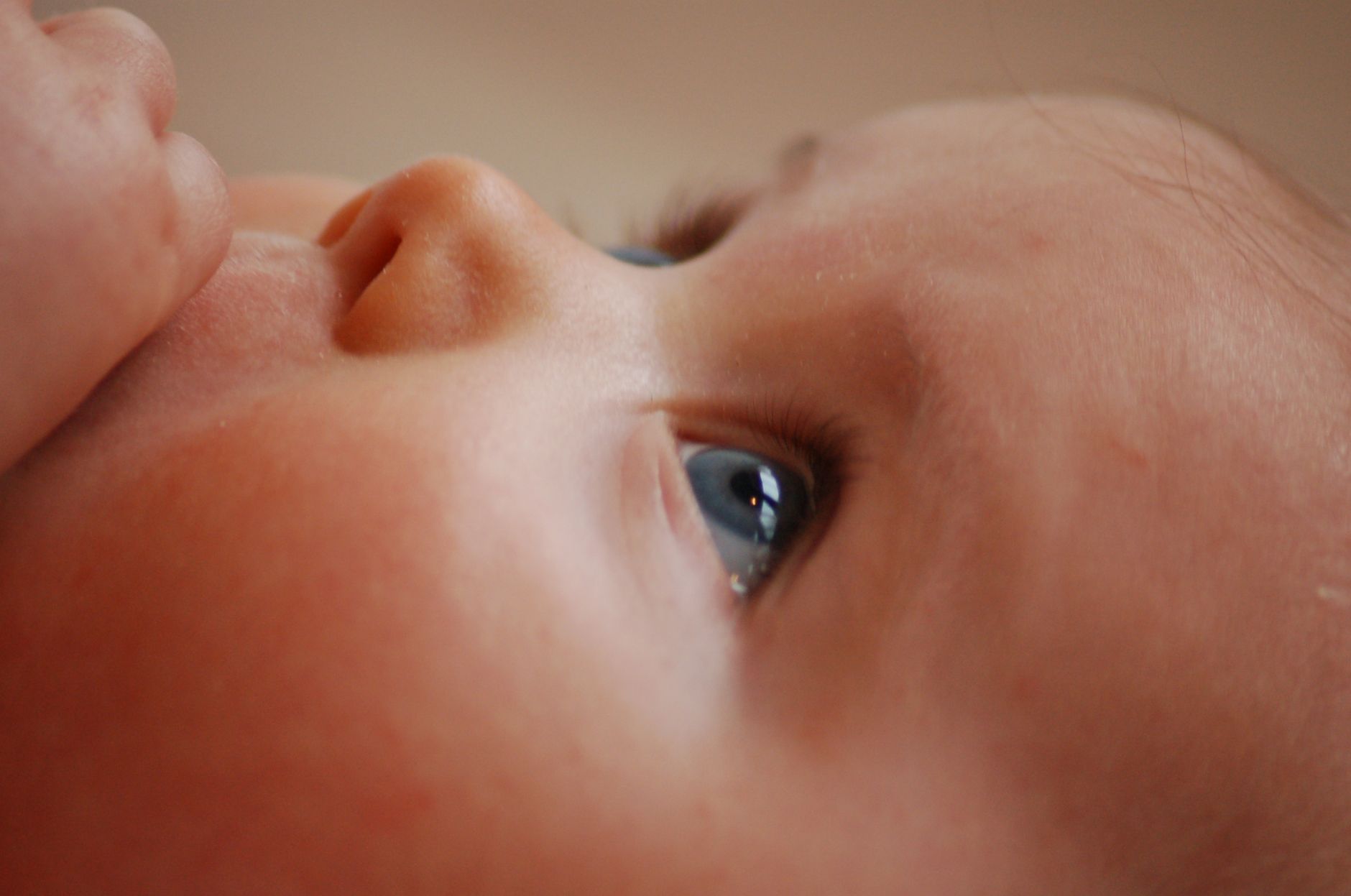
What are the early signs of fifth disease in newborns?
The first thing most parents notice is a low‑grade fever (often 37.5‑38.5 °C or 99.5‑101.5 °F) that can appear anywhere from 4 to 14 days after exposure to the virus. In newborns, fever may be subtle—look for warm skin, fussiness, or a change in feeding patterns.
Typical early symptoms
- Fever: Low‑grade, lasting 1‑3 days. In some infants, fever may be absent.
- General malaise: Increased sleepiness, reduced appetite, or mild irritability.
- Runny nose or mild cough: Often precedes the rash.
- Joint discomfort: Babies may seem unusually stiff or cry when moved, especially in the knees and ankles. This is less common in newborns but can occur.
Because newborns can’t verbalize discomfort, watch for signs like arching the back, clenched fists, or crying during diaper changes—these may hint at joint pain.
Why these signs appear
Parvovirus B19 targets red blood cell precursors, temporarily halting production. In healthy infants, the brief dip in red cells rarely causes anemia, but the immune response triggers the fever and rash. The virus spreads via respiratory droplets, so an infected caregiver or older sibling often serves as the source.
According to the CDC, most newborns recover without complications, but monitoring is essential, especially if the baby was born premature or has an underlying immune condition.
How does fifth disease affect a baby's skin rash?
The hallmark rash is often described as “slapped‑cheek,” because the cheeks turn bright red, resembling a light tap. It usually appears 1‑5 days after the fever begins.
Rash characteristics
- Location: Starts on the cheeks, then spreads to the forehead, chin, and neck.
- Appearance: Bright pink to red, flat or slightly raised patches that may feel warm.
- Spread: Within a few days, the rash can extend to the arms, legs, and trunk. On the limbs, it often looks “lace‑like” (a reticular pattern) or forms small red bumps.
- Duration: The facial rash typically fades in 3‑5 days, while the body rash may linger for up to 2 weeks.
In some infants, the rash may be faint or even absent, especially if the immune response is muted. This variability is why it’s crucial to consider other symptoms, like fever or joint pain, when assessing fifth disease baby signs.
Fifth disease baby rash timeline – how long does it last?
Understanding the rash timeline helps you know when to expect improvement and when to call a doctor.
Most babies see complete resolution by the third week. If the rash persists beyond three weeks, becomes bruised‑looking, or is accompanied by worsening fever, seek medical advice.
Fifth disease vs. roseola symptoms in infants – how can you tell the difference?
Both fifth disease and roseola (caused by human herpesvirus‑6) are common viral illnesses in infants and can share a fever‑then‑rash pattern. Differentiating them helps you understand the likely course and contagious period.
Key clues: If the rash begins on the face and looks like a bright “cheek slap,” think fifth disease. If the baby had a high fever that suddenly broke and then a rash appeared on the torso, roseola is more likely.
When should I see a doctor for fifth disease symptoms in my baby?
Most cases are mild, but certain red‑flags warrant prompt medical evaluation.
- High fever ≥ 39 °C (102 °F) lasting more than 48 hours or a fever that returns after a brief drop.
- Signs of anemia: Pale skin, rapid heartbeat, lethargy, or difficulty feeding.
- Breathing difficulties: Rapid breathing, wheezing, or bluish lips.
- Severe rash: Bruising, swelling, or lesions that become painful.
- Joint swelling or persistent pain that interferes with movement.
- Immunocompromised status: If your baby was born premature or has a known immune deficiency.
If any of these appear, contact your pediatrician or go to urgent care. For most healthy newborns, a simple phone call to discuss fever and rash progression is sufficient.
Is fifth disease contagious to other children after birth?
Yes, the virus remains contagious until the rash appears, which is typically about 5‑7 days after exposure. After the rash develops, the baby is generally no longer infectious.
Preventing spread in the home
- Hand hygiene: Wash hands frequently, especially after caring for a sick child.
- Limit close contact: Keep the newborn away from school‑aged siblings who are showing cold‑like symptoms.
- Cover coughs and sneezes: Use tissues or elbows; discard tissues promptly.
- Disinfect surfaces: Wipe down toys, doorknobs, and shared items daily.
These steps align with CDC recommendations for preventing the spread of parvovirus B19 in households.
Treatment options for fifth disease in newborns
There is no specific antiviral medication for parvovirus B19. Management focuses on relieving symptoms and monitoring for complications.
Medical treatment comparison
For most babies, supportive care—keeping them hydrated, using acetaminophen for fever, and ensuring they get plenty of rest—is enough.
Natural remedies with evidence
- Cool compresses: Applying a damp, cool cloth to the cheeks can soothe the rash without irritating the skin.
- Oatmeal baths: Adding colloidal oatmeal to a lukewarm bath (about 1 cup per 10 L of water) may reduce itching, according to the American Academy of Dermatology.
- Hydration: Offer breast milk or formula frequently; a small amount of water can be introduced after six months if advised by your pediatrician.
These home measures are safe and can improve comfort while the virus runs its natural course.
Fifth disease and pregnancy risk to baby
If a pregnant person contracts parvovirus B19, there is a small risk (≈ 5‑10 %) of the virus crossing the placenta and causing fetal anemia, which can lead to hydrops fetalis—a serious condition. However, most pregnancies result in healthy babies.
Women who are pregnant and suspect exposure should contact their obstetrician promptly. The provider may order fetal ultrasound and blood tests to monitor the baby’s health. This information is highlighted by the Royal College of Obstetricians and Gynaecologists (RCOG) and the World Health Organization (WHO).
Home remedies for fifth disease rash in infants
While the rash itself doesn’t need treatment, soothing the skin can keep your baby comfortable.
Step‑by‑step care
- Gently cleanse the skin with lukewarm water and a fragrance‑free baby cleanser.
- Pat dry with a soft towel—avoid rubbing.
- Apply a thin layer of hypoallergenic moisturizer (e.g., petroleum‑based ointment) to keep the skin barrier intact.
- Use a cool, damp washcloth on the cheeks for 5‑10 minutes, especially if the rash feels warm.
- Offer extra feeds to keep hydration up; breast milk provides natural antibodies.
- Monitor temperature twice daily. If fever spikes above 38.5 °C (101.3 °F), give the appropriate dose of acetaminophen.
These steps align with recommendations from the Mayo Clinic for managing viral rashes in infants.
Myth vs. fact
Myth: Fifth disease always causes a severe rash that looks like bruises.
Fact: The rash is usually bright pink and non‑painful; bruising is rare and should prompt a doctor’s visit.
Myth: Babies can catch fifth disease from a vaccine.
Fact: There is no vaccine for parvovirus B19, so the infection comes only from exposure to an infected person.
Myth: If the rash disappears, the infection is gone.
Fact: The virus is no longer contagious once the rash appears, but monitoring for anemia or prolonged fever remains important.
Key takeaways
- Fifth disease baby signs often start with a low‑grade fever and a bright “slapped‑cheek” rash.
- The rash spreads to the limbs in a lace‑like pattern and usually fades within two weeks.
- Most healthy newborns recover with supportive care; watch for high fever, anemia, or breathing trouble.
- Contagiousness ends when the rash appears—practice good hand hygiene to protect other children.
- Home remedies like cool compresses and oatmeal baths can soothe the rash, but avoid aspirin in infants.
- Pregnant caregivers should seek immediate obstetric advice if exposed, as fetal infection is rare but possible.
Frequently asked questions
What does the rash of fifth disease look like on a baby?
The rash starts as bright red “slapped‑cheek” patches that may feel warm. Within a few days, a lace‑like pattern of pink spots spreads to the arms, legs, and torso. It is usually non‑itchy and fades in 1‑2 weeks.
How long does a baby with fifth disease stay contagious?
Parvovirus B19 is contagious until the rash appears, typically about 5‑7 days after exposure. Once the rash is visible, the baby is no longer considered infectious.
Can a newborn get fifth disease from the mother?
Yes. If a mother contracts parvovirus B19 during pregnancy, the virus can cross the placenta. Most infants are fine, but there is a small risk of fetal anemia. Pregnant women should contact their OB‑GYN promptly for monitoring.
What are the complications of fifth disease in infants?
Complications are rare but can include severe anemia, especially in premature or immunocompromised babies, and, very rarely, hydrops fetalis in utero. Persistent high fever, breathing difficulty, or a bruised‑looking rash should trigger immediate medical evaluation.
When should I take my baby to the doctor for fifth disease?
Seek care if the baby has a fever ≥ 39 °C (102 °F) lasting more than 48 hours, shows signs of anemia (pale skin, rapid heartbeat), has breathing problems, or if the rash becomes painful, bruised, or lasts beyond three weeks.
Is there a vaccine for fifth disease for babies?
Currently, no vaccine exists for parvovirus B19. Prevention relies on avoiding exposure to infected individuals and practicing good hygiene.
When to see a doctor / specialist
While most cases of fifth disease are mild, certain symptoms require prompt evaluation by a pediatrician or, in specific situations, a pediatric hematologist.
- High or persistent fever (> 39 °C for > 48 hours)
- Signs of anemia: Paleness, rapid heart rate, lethargy
- Breathing difficulty: Rapid breathing, wheezing, bluish lips
- Severe or bruised rash that worsens or spreads rapidly
- Joint swelling or pain that limits movement
- Underlying health conditions: Prematurity, immune deficiency, or chronic illness
If any of these red‑flags appear, contact your pediatrician right away. In cases of suspected anemia or severe infection, the doctor may refer you to a pediatric hematologist for further testing.
References
- Centers for Disease Control and Prevention. Parvovirus B19 (Fifth Disease). https://www.cdc.gov/parvovirus-b19/
- American Academy of Pediatrics. Fever and Rash in Children. https://www.aap.org/
- National Institute of Health. Parvovirus B19 Infection Overview. https://www.nih.gov/
- Royal College of Obstetricians and Gynaecologists. Management of Parvovirus B19 in Pregnancy. https://www.rcog.org.uk/
- World Health Organization. Parvovirus B19 and Pregnancy Guidance. https://www.who.int/
- American Academy of Dermatology. Managing Infant Rashes. https://www.aad.org/
- Mayo Clinic. Parvovirus B19 (Fifth Disease) – Symptoms and Treatment. https://www.mayoclinic.org/
- Harvard T.H. Chan School of Public Health. Hand Hygiene Recommendations. https://www.hsph.harvard.edu/



