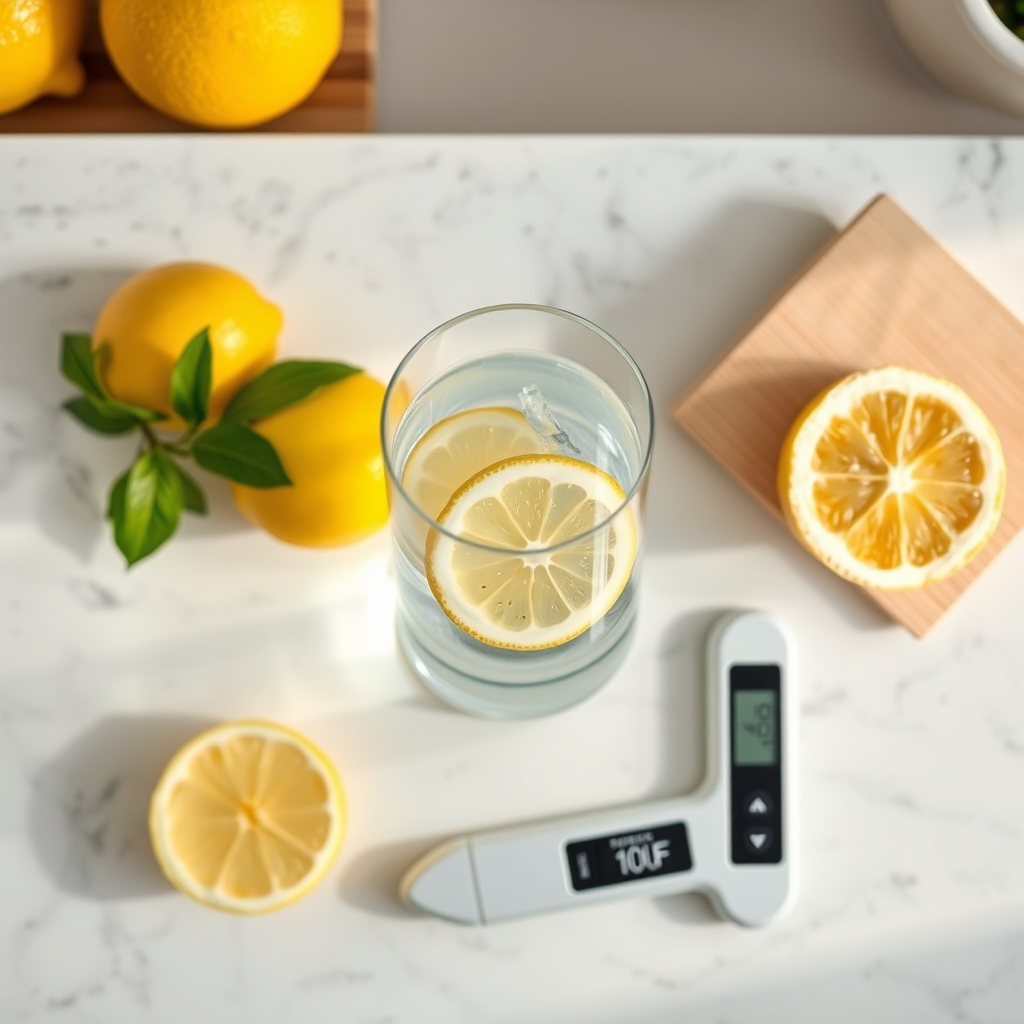
A fever during pregnancy can be concerning. Learn when to worry, safe remedies, and key symptoms that require immediate medical attention for you and your baby.
By Shubhra Mishra — a mom of two who turned her own confusion during pregnancy into BumpBites, a global mission to make food choices clear, safe, and stress-free for every expecting mother. 💛
Check whether any food is safe during pregnancy with the BumpBites Food Safety Checker.
Quick take: A fever in pregnancy is generally defined as a temperature of 100.4°F (38°C) or higher. Most short‑lived fevers are not dangerous, but a high fever that lasts more than 24‑48 hours, or any fever accompanied by severe symptoms, warrants a call to your obstetrician right away.
It’s 2 a.m., you’ve just felt a wave of heat and a shiver, and a quick glance at the thermometer shows 101°F. Your mind races: “Is this okay for my baby? Should I be worried?” You’re not alone—fevers are a common cause of anxiety during pregnancy, and the right answer depends on the temperature, how long it lasts, and what other signs appear.
In this article we’ll break down exactly what counts as a fever, how long it’s safe to have one, what symptoms mean you need medical help, and the safest ways to bring the temperature down. We’ll also explore how fever affects the baby at each stage, which over‑the‑counter medicines are pregnancy‑friendly, and when dehydration or preterm labor become concerns. By the end you’ll have a clear, step‑by‑step guide you can trust.
What temperature is considered a fever during pregnancy?
Medical professionals use the same temperature thresholds for pregnant and non‑pregnant adults. A fever is typically defined as a body temperature of ≥ 100.4°F (38°C) measured orally, rectally, or via a reliable digital thermometer. Below that level, a mild rise may simply reflect hormonal changes, a warm environment, or a low‑grade infection.
Guidelines from the American College of Obstetricians and Gynecologists (ACOG) and the UK’s National Health Service (NHS) agree on these cut‑offs, though they also note that a high fever—usually ≥ 102°F (38.9°C)—carries a higher risk for the fetus, especially in the first trimester.
Temperature (°F)
Temperature (°C)
Typical Classification
Recommended Action
Below 100.4
Below 38.0
Normal or low‑grade
Monitor, hydrate, rest
100.4 – 101.9
38.0 – 38.8
Fever
Home care, acetaminophen if needed
102 – 103.9
38.9 – 39.9
High fever
Contact provider within 24 h
104 +
40 +
Very high fever
Seek urgent medical care
Remember that temperature can vary slightly depending on the measurement site (ear, forehead, oral) and the time of day. If you’re unsure, take a second reading after a few minutes of rest. Consistently elevated readings above 100.4°F should be taken seriously. In addition, some providers recommend using a temporal artery scanner for a quick, non‑invasive check if you’re at home and feel uncertain about a digital reading.
How long can a pregnant woman have a fever safely?
Most short‑duration fevers—those that resolve within 24 hours—are not linked to pregnancy complications. The body’s natural immune response often clears a mild infection quickly, and a brief rise in temperature is usually harmless.
Problems arise when the fever persists. A fever lasting **more than 48 hours** is a red flag for an underlying infection that could affect both mother and baby. The Centers for Disease Control and Prevention (CDC) advises that any fever that does not improve after 24–48 hours of home care, or that spikes repeatedly, should be evaluated by a healthcare professional.
In the first trimester, prolonged high fevers (≥102°F) have been associated with a modest increase in neural‑tube defect risk. In later trimesters, extended fever can contribute to dehydration, uterine irritability, and preterm labor. Therefore, the safe window is generally **under 24 hours for low‑grade fevers**, and **under 48 hours for higher fevers**, provided you’re staying hydrated and monitoring symptoms.
Beyond the duration, the pattern matters. A “spiking” fever that climbs and falls every few hours often indicates a more aggressive infection than a steady low‑grade rise. If you notice a pattern of spikes that never settle below 100.4°F, call your provider even if the total time is under 48 hours.
What signs mean a fever in pregnancy requires medical attention?
While many fevers can be managed at home, certain warning signs demand prompt medical evaluation:
Temperature ≥ 102°F (38.9°C) that does not drop with acetaminophen.
Fever lasting longer than 48 hours.
Accompanying symptoms such as severe headache, stiff neck, rash, or confusion.
Signs of dehydration: dizziness, dark urine, rapid heartbeat, or reduced fetal movement.
Persistent uterine contractions or regular painful cramping.
Chest pain, shortness of breath, or a rapid breathing rate.
If any of these appear, call your obstetrician or go to the nearest emergency department. Early treatment can prevent complications and give you peace of mind.
Can a fever cause miscarriage?
Research from the Mayo Clinic indicates that a brief, low‑grade fever in early pregnancy is unlikely to cause a miscarriage on its own. However, a **high fever (≥101.5°F) that persists for several days** can increase the risk of miscarriage, especially if it’s linked to a serious infection like urinary tract infection or influenza. Prompt treatment reduces this risk.
What are the signs of infection in pregnant women?
Infection often presents with fever, but other clues include chills, night sweats, localized pain (e.g., ear, sinus, urinary), foul‑smelling discharge, and a general feeling of “being unwell.” If you notice these alongside a fever, contact your provider promptly, as some infections—such as listeriosis or toxoplasmosis—can affect fetal development.
What are the effects of fever on the developing baby in the first trimester?
The first trimester is a period of rapid organ formation. A high maternal fever during this window can interfere with normal cellular processes. Studies cited by the World Health Organization (WHO) suggest that fevers of ≥ 101.5°F (38.6°C) for more than a day may increase the risk of neural‑tube defects, such as spina bifida, by a small but measurable amount.
That said, the absolute risk remains low, and most babies develop without issue. The key is to manage the fever promptly and keep your prenatal care provider informed.
Fever during pregnancy and birth defects
Beyond neural‑tube concerns, some data link prolonged high fevers to heart and limb anomalies, though the evidence is not as strong. The safest approach is to treat any fever early, maintain good hydration, and avoid overheating environments.
How to tell if a fever is causing miscarriage
Miscarriage often presents with vaginal bleeding, cramping, and the passage of tissue. A fever alone is rarely the sole cause. If you experience any bleeding or intense cramping while also having a fever, seek care immediately; the combination could indicate an infection that needs treatment.
What home remedies can safely lower fever while pregnant?
Non‑medicinal measures are a first line of defense and are generally safe for both you and your baby.
Hydration: Sip water, clear broth, or electrolyte drinks every hour. Warm fluids help regulate temperature without shocking the body.
Cool compresses: Place a damp, lukewarm washcloth on your forehead, neck, or underarms. Avoid ice‑cold packs, which can cause shivering and raise core temperature.
Temperate bath: A tepid (not cold) bath for 10–15 minutes can gently lower skin temperature. Keep the water around 90°F (32°C).
Rest in a cool room: Dim lights, open a window, or use a fan on low speed. Aim for an ambient temperature of 68‑72°F (20‑22°C).
These steps are especially helpful when the fever is low‑grade and you prefer to avoid medication. Pair them with a brief period of seated relaxation; lying flat can sometimes increase core temperature, whereas sitting up helps dissipate heat.
Natural ways to reduce fever while pregnant
Herbal teas such as ginger or chamomile can promote sweating and mild cooling, but avoid high‑caffeine or high‑sugar varieties. A slice of fresh cucumber on the skin can also provide a soothing, cooling effect without any medication.
Fever after COVID‑19 vaccine during pregnancy
It’s common to develop a low‑grade fever (under 101°F) after the COVID‑19 vaccine, especially with the mRNA boosters. This reaction usually resolves within 24 hours and does not pose a risk to the fetus. Manage it with the same hydration and cool‑compress methods described above, and report any fever that persists beyond two days to your obstetrician.
Simple home steps—hydration, cool compresses, and a comfortable environment—can bring a fever down safely.
When should you call your obstetrician for a fever during pregnancy?
Even if your fever seems mild, you should reach out to your obstetrician if any of the following apply:
Temperature ≥ 102°F (38.9°C) and not responding to acetaminophen.
Fever persists for more than 24 hours, or any fever lasts longer than 48 hours.
Accompanying symptoms such as severe headache, stiff neck, rash, vomiting, or decreased fetal movement.
Signs of dehydration (dark urine, dizziness) or uterine contractions.
In many cases the obstetrician will advise a brief course of medication and close monitoring. If you’re in the third trimester and notice regular contractions, call the provider immediately—fever‑related dehydration can trigger preterm labor.
When does a fever become a pregnancy emergency?
A fever becomes an emergency when it is very high (≥104°F/40°C), accompanied by any of the following: confusion, seizures, severe dehydration, rapid breathing, or a rapid heart rate (>120 bpm). In such scenarios, seek emergency care without delay.
What are the risks of dehydration and preterm labor from fever in pregnancy?
Fever raises your body’s metabolic rate, causing you to lose fluids faster through sweating. Dehydration reduces blood volume, which can diminish placental perfusion and increase uterine irritability. In the third trimester, this combination may precipitate **preterm labor**.
Studies from the National Institute for Health and Care Excellence (NICE) show that pregnant women who become dehydrated are twice as likely to experience premature contractions. Maintaining adequate fluid intake—aim for at least 2 liters per day—and monitoring urine color (light yellow is ideal) are simple ways to reduce this risk.
Fever in pregnancy third trimester risks
During the third trimester, a fever can also increase the chance of **maternal sepsis**, a serious infection that can affect labor. Additionally, high fevers may cause fetal tachycardia (elevated heart rate), which clinicians monitor as a sign of stress. Prompt treatment of fever in late pregnancy is therefore especially important.
Which medications are safe for reducing fever during pregnancy?
When home measures aren’t enough, medication is the next step. The safest first‑line option is acetaminophen (paracetamol). The FDA and ACOG consider it low‑risk when used at the recommended dose (up to 3 grams per day for adults). It crosses the placenta minimally and has a long track record of safety.
Non‑steroidal anti‑inflammatory drugs (NSAIDs) such as ibuprofen are more controversial. In the first and second trimesters, occasional ibuprofen use for fever is generally considered safe, but many providers advise avoiding it after 20 weeks gestation because of potential effects on fetal kidney development and closure of the ductus arteriosus. Aspirin, even low‑dose, should only be taken if specifically prescribed for conditions like preeclampsia prevention.
Always check with your obstetrician before starting any medication, especially if you have underlying health conditions or are taking other prescriptions. If you need fast relief in the second trimester, a short course of ibuprofen (200‑400 mg) may be acceptable, but only with your provider’s explicit approval.
Is ibuprofen safe for fever in pregnancy?
According to the UK’s NHS and the American College of Obstetricians and Gynecologists, occasional ibuprofen use before 20 weeks is permissible, but it should be avoided after that point unless your provider explicitly recommends it. If you need a faster‑acting antipyretic in the second trimester, discuss the risk‑benefit ratio with your doctor.
Is it safe to take acetaminophen for fever while pregnant?
Yes. Acetaminophen is the medication of choice for fever relief in pregnancy. The CDC notes that it does not increase the risk of birth defects when used at standard doses. However, avoid exceeding the daily maximum and do not combine it with other acetaminophen‑containing products.
Rest, hydration, and a gentle cool compress can help bring a fever down safely.
From our medical team: “A fever is a signal that something in the body is off‑balance. In pregnancy, we aim to treat the cause, keep you hydrated, and use the safest fever‑reducer—usually acetaminophen—while monitoring the baby’s heartbeat. If you ever feel unsure, a quick phone call to your obstetrician can provide peace of mind and keep both you and your baby safe.”
Fever and common infections during pregnancy
Fever often signals an underlying infection, and some infections are more common—or more dangerous—during pregnancy. Urinary tract infections (UTIs) affect up to 20 % of pregnant people and can cause fever, flank pain, and burning during urination. If left untreated, a UTI can lead to kidney infection and increase the risk of preterm labor.
Respiratory infections such as influenza or COVID‑19 also generate fevers. The CDC recommends that pregnant people receive the flu vaccine every season and consider the COVID‑19 booster when eligible, because these vaccines reduce the severity of illness and the likelihood of high fever. For bacterial infections like listeriosis (often linked to unpasteurized dairy or deli meats), fever may be accompanied by gastrointestinal symptoms and can threaten fetal development.
When you suspect an infection, a quick phone call can help you decide whether a urine culture, throat swab, or blood test is needed. Early antibiotic treatment—chosen carefully for pregnancy safety—can prevent complications and bring the fever down faster.
Eating nutrient‑dense foods supports immune health, helping your body fight infections that can cause fever.
Fever monitoring tools and when to use them
Accurate temperature measurement is the first step in deciding how to act. Digital oral thermometers are reliable and quick, but a temporal artery scanner can provide a quick forehead reading without needing a probe. For women who experience frequent fevers, a wearable thermometer patch (approved by the FDA) can track trends over a day and alert you if the temperature climbs above a preset threshold.
In addition to maternal temperature, many obstetric offices use a handheld Doppler to listen to the fetal heart rate. A sudden increase in fetal heart rate (tachycardia) alongside a maternal fever can indicate fetal stress. If you have access to a home Doppler and notice a sustained fetal heart rate above 160 bpm, note the time and call your provider.
Lifestyle factors that influence fever risk
While you can’t control every pathogen, certain lifestyle habits can lower the odds of developing a fever during pregnancy. Prioritizing sleep—aim for 7‑9 hours per night—helps your immune system stay balanced. Regular, moderate exercise improves circulation and can reduce the severity of viral infections.
Nutrition also plays a key role. Foods rich in vitamin C (citrus, bell peppers) and zinc (lean meat, legumes) support immune function. Staying well‑hydrated, as mentioned earlier, helps your body regulate temperature more efficiently. Finally, practicing good hand hygiene and avoiding high‑risk foods (unpasteurized cheeses, raw seafood) reduces exposure to bacteria that could cause fever‑inducing infections.
Myth vs. fact
Myth: Any fever during pregnancy will cause a miscarriage.
Fact: A brief, low‑grade fever is usually harmless. Only high, prolonged fevers (≥101.5°F for several days) increase miscarriage risk, especially if tied to a serious infection.
Myth: Ibuprofen is always unsafe in pregnancy.
Fact: Ibuprofen can be used cautiously in the first two trimesters, but most providers prefer acetaminophen and advise avoiding NSAIDs after 20 weeks unless medically indicated.
Key takeaways
Fever ≥ 100.4°F (38°C) counts as a fever in pregnancy; high fever ≥ 102°F (38.9°C) needs closer monitoring.
Short‑duration fevers (<24 h) are usually low risk; fevers lasting >48 h warrant medical evaluation.
Call your obstetrician if you have a high fever, dehydration, contractions, or any concerning symptoms.
Stay hydrated, rest, and use cool compresses or tepid baths as first‑line home care.
Acetaminophen is the safest medication; ibuprofen is limited to early pregnancy and only under provider guidance.
Monitor fetal movement and urine color; any sudden change should prompt a call to your provider.
Frequently asked questions
Can a fever cause miscarriage?
Most low‑grade fevers do not cause miscarriage, but a high fever (≥101.5°F) that persists for several days can increase the risk, especially if it stems from a serious infection. Prompt treatment reduces this risk.
What is considered a high fever during pregnancy?
A high fever is generally defined as a temperature of ≥ 102°F (38.9°C). At this level, you should contact your obstetrician within 24 hours, even if other symptoms are mild.
Is it safe to take acetaminophen for fever while pregnant?
Yes. Acetaminophen is the preferred antipyretic in pregnancy and is considered safe at the recommended dose (up to 3 g per day). Avoid exceeding the daily limit or combining it with other acetaminophen‑containing products.
How long can a pregnant woman have a fever before it’s dangerous?
Fevers lasting longer than 48 hours, especially if high (≥102°F), are considered dangerous and should be evaluated by a healthcare professional. Short fevers that resolve within 24 hours are typically low risk.
What are the signs of infection in pregnant women?
Besides fever, look for chills, night sweats, localized pain, foul‑smelling discharge, and a general feeling of being unwell. Any of these with a fever should prompt a call to your provider.
Can dehydration from fever lead to preterm labor?
Yes. Dehydration reduces blood volume and can irritate the uterus, increasing the chance of contractions and preterm labor, especially in the third trimester. Drinking plenty of fluids and monitoring urine color are essential.
Can certain foods cause fever during pregnancy?
Food‑borne infections, such as listeriosis from unpasteurized cheeses or raw deli meats, can trigger fever. Always choose pasteurized dairy, cook meats thoroughly, and wash produce well to lower this risk.
Is it safe to use a heating pad when you have a fever?
Generally, a heating pad should be avoided during a fever because it can raise core temperature further. If you need localized relief for muscle aches, use a low‑heat setting for a short period and monitor your temperature closely.
When to call your doctor
If you experience any of the following, seek medical attention right away: temperature ≥ 104°F (40°C), fever lasting >48 hours, severe headache or stiff neck, decreased fetal movement, signs of dehydration, persistent uterine contractions, or any sudden change in your health. This information is for educational purposes only and does not replace personalized medical advice. Always consult your own healthcare provider for decisions about your health.
References
American College of Obstetricians and Gynecologists (ACOG). “Fever in Pregnancy.” Clinical Guidance, 2023.
National Health Service (NHS). “Fever in Pregnancy.” Patient Information, 2022.
Centers for Disease Control and Prevention (CDC). “Fever and Pregnancy.” Infectious Diseases Guidelines, 2021.
World Health Organization (WHO). “Maternal Fever and Birth Defects.” Global Health Report, 2020.
Mayo Clinic. “Fever and Pregnancy: Risks and Management.” Health Article, 2023.
National Institute for Health and Care Excellence (NICE). “Dehydration in Pregnancy.” Clinical Knowledge Summaries, 2022.
U.S. Food and Drug Administration (FDA). “Acetaminophen Use During Pregnancy.” Drug Safety Update, 2021.
Royal College of Obstetricians and Gynaecologists (RCOG). “Use of NSAIDs in Pregnancy.” Practice Bulletin, 2023.
American Academy of Pediatrics (AAP). “COVID‑19 Vaccination in Pregnancy.” Immunization Guidelines, 2022.
National Institute of Child Health and Human Development (NICHD). “Fever in Early Pregnancy and Neural‑Tube Defects.” Research Review, 2020.
CDC. “Influenza Vaccination for Pregnant People.” Immunization Recommendations, 2022.
American College of Obstetricians and Gynecologists (ACOG). “Urinary Tract Infections in Pregnancy.” Committee Opinion, 2021.
Not sure about the label on Fever During Pregnancy When To Worry products?
Snap the ingredients list and SafeFilter checks every ingredient for your stage — only 3 free scans this month, then you're locked until reset. Unlimited from $7/mo or lock $50/yr through Aug 31 (5 days left).
When Shubhra Mishra was expecting her first child in 2016, she was overwhelmed by conflicting food advice — one site said yes, another said never. By the time her second baby arrived in 2019, she realized millions of mothers face the same confusion.
That sparked a five-year journey through clinical nutrition papers, cultural diets, and expert conversations — all leading to BumpBites: a calm, compassionate space where science meets everyday motherhood.
Her long-term vision is to build a global community ensuring safe, supported, and free deliveriesfor every mother — because no woman should face pregnancy alone or uninformed. 🌿
🌍 Stand with mothers, shape safer guidance
Join a small circle of experts who review BumpBites articles so expecting parents everywhere can decide with confidence.