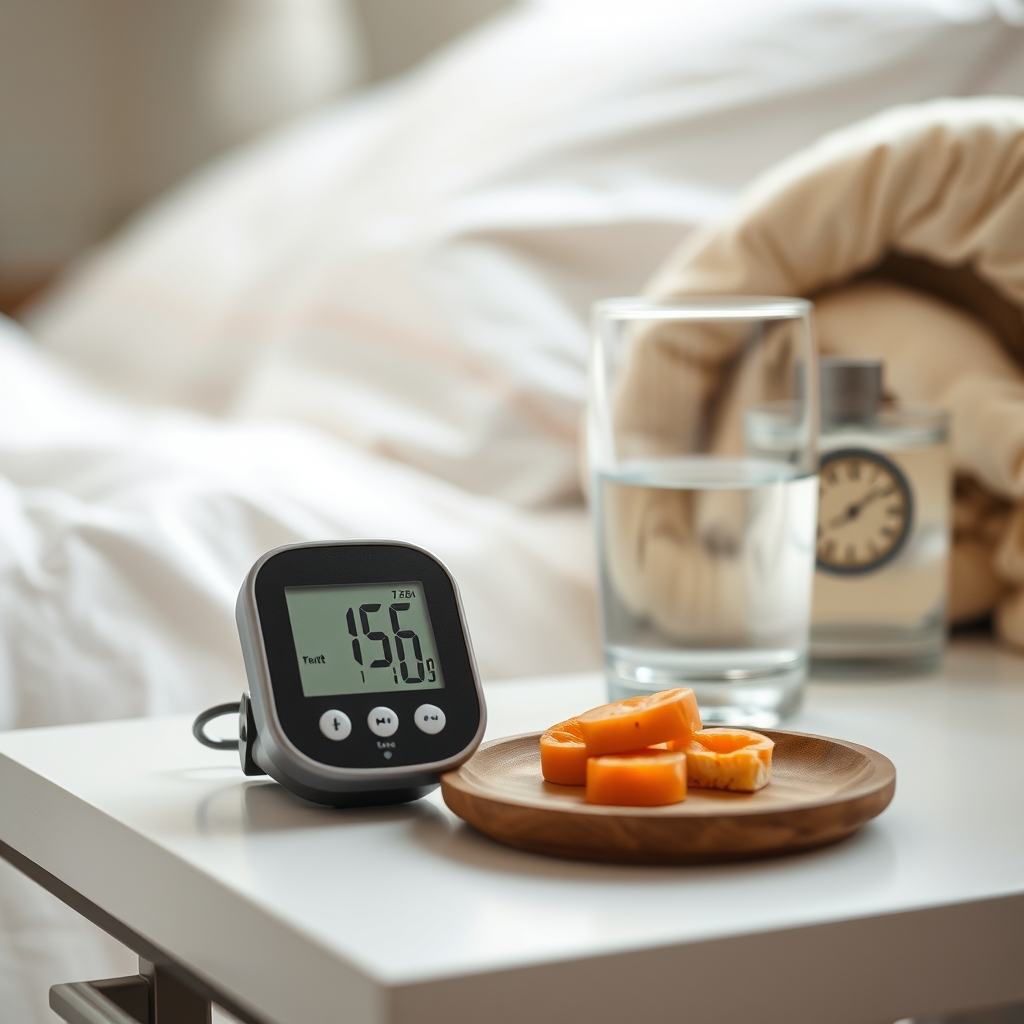
or most vaccines, a fever peaks around 12‑24 hours and then gradually declines. The average duration is 1‑3 days, with the majority of cases resolving by the second day. Rarely, fevers can linger up to a week, which may indicate either a stronger immune response or an unrelated infection.
Specific timelines:
- Flu shot: Fever usually appears within 12‑48 hours and resolves within 48 hours.
- COVID‑19 vaccine (mRNA): Fever can start 1‑2 days post‑dose and typically subsides after 2‑3 days.
- Tetanus booster: Fever may emerge a day after injection and last 1‑2 days.
- Pregnant patients: Studies from the CDC and ACOG show no difference in duration compared with non‑pregnant adults.
If a fever persists beyond 72 hours, it’s wise to check in with your healthcare provider to rule out infection or other causes. Persistent temperature may also be a sign that your body is fighting a concurrent viral or bacterial illness, unrelated to the vaccine.
Remember that the duration can be influenced by individual factors such as age, baseline health, and whether you took an antipyretic early on. Taking acetaminophen within the first six hours can sometimes shorten the fever’s peak, but it does not interfere with the vaccine’s protective effect.
When should I see a doctor for fever after vaccination?
Most post‑vaccine fevers are harmless, but certain red‑flag signs require prompt medical attention:
- Temperature ≥102.5°F (39.2°C) that does not come down with acetaminophen.
- Fever lasting longer than 48‑72 hours.
- Severe headache, stiff neck, or confusion (possible meningitis).
- Rash that spreads rapidly or blisters, especially if accompanied by itching.
- Difficulty breathing, wheezing, or swelling of the face/lips (possible anaphylaxis).
- Persistent vomiting or inability to keep fluids down.
- Chest pain or rapid heartbeat.
Pregnant readers should call their OB‑GYN if the fever exceeds 101°F (38.3°C) for more than 24 hours, or if they notice any concerning fetal movement changes.
When you call, have your temperature log ready, note the time of vaccination, and describe any accompanying symptoms. This information helps the clinician decide whether you need a simple observation, lab work, or an urgent evaluation.
Can I take ibuprofen for vaccine‑induced fever?
Ibuprofen (Advil, Motrin) is an effective antipyretic and can reduce inflammation, but its use depends on personal health and pregnancy status.
For non‑pregnant adults, the American College of Obstetricians and Gynecologists (ACOG) notes that short‑term ibuprofen is generally safe. However, it may mask symptoms of a serious reaction, so you should:
- Take the lowest effective dose (200‑400 mg every 6‑8 hours).
- Avoid use if you have a history of stomach ulcers, kidney disease, or are on blood thinners.
- Prefer acetaminophen (Tylenol) as the first‑line option for most vaccine fevers.
During pregnancy, especially in the first trimester, many clinicians recommend acetaminophen over ibuprofen because NSAIDs can affect fetal kidney development and reduce amniotic fluid. If ibuprofen is needed after the second trimester, it should be used only under your provider’s guidance.
It’s also worth noting that ibuprofen can interfere with platelet function, which is why some vaccine sites advise waiting a few hours after vaccination before taking it, to avoid any theoretical impact on the immune response.
Is fever after a vaccine a sign of an allergic reaction?
Fever alone is not a typical hallmark of an allergic reaction. Classic anaphylaxis signs include:
- Hives or widespread rash.
- Swelling of the face, lips, or throat.
- Shortness of breath, wheezing, or throat tightness.
- Rapid pulse or drop in blood pressure.
If fever is accompanied by any of these symptoms, treat it as a possible allergic reaction and seek emergency care immediately. Otherwise, a mild fever is usually a normal immune response, not an allergy.
Allergic reactions can also present with a feeling of warmth, but they are usually abrupt, occur within minutes to an hour after the injection, and are accompanied by the skin and respiratory changes listed above. Keeping a short observation period (15‑30 minutes) after vaccination helps catch early signs.
How to reduce fever after a flu shot at home?
Home care focuses on comfort and gentle fever‑lowering methods:
- Hydration: Drink water, electrolyte solutions, or clear soups. Fever increases fluid loss.
- Rest: Keep activity light; allow your body to allocate energy to the immune response.
- Cool compress: Apply a cool, damp washcloth to the forehead or neck.
- Light clothing: Dress in breathable fabrics; avoid heavy blankets.
- Acetaminophen: 500‑1000 mg every 4‑6 hours, not exceeding 3000 mg per day, unless directed otherwise.
These steps usually bring the temperature down within a few hours and help you feel better while your immune system does its work.
For added comfort, consider a lukewarm shower (not cold) to help lower skin temperature without causing shivering. Avoid ice baths or extreme cold, which can trigger a rebound increase in core temperature.
Should I postpone pregnancy if I have fever after a vaccine?
Current guidance from the CDC and ACOG indicates that a brief, low‑grade fever does not require delaying conception. Fever itself does not harm a developing embryo, and the benefits of vaccination—especially against flu and COVID‑19—far outweigh the small theoretical risk.
However, if the fever is high (>101°F) and lasts more than a couple of days, you might consider waiting until you’re back to baseline health before trying to conceive. This precaution helps ensure you’re not dealing with an underlying infection that could affect early pregnancy.
When you do become pregnant after a recent vaccine‑related fever, keep your prenatal care provider informed. They can monitor fetal development and reassure you that the short‑term fever had no lasting impact.
Difference between normal vaccine fever and infection fever
Distinguishing a vaccine‑induced fever from an infection‑related fever can be tricky, but a few clues help:
If you notice a pattern more consistent with infection—such as worsening pain, new cough, or urinary symptoms—contact your provider. A quick urine dipstick or chest X‑ray can rule out common infections that may coincide with recent vaccination.
Fever after tetanus vaccine – how to treat?
The tetanus booster (Td or Tdap) can cause a mild fever in 5‑10 % of recipients. Treatment mirrors that for other vaccine fevers:
- Acetaminophen 500‑1000 mg every 4‑6 hours.
- Hydration—water, herbal tea, or oral rehydration solutions.
- Local care—apply a cool compress to the injection site if it’s sore.
- Rest and avoid strenuous activity for 24 hours.
Most tetanus‑related fevers settle within 24‑48 hours. If the fever persists beyond 48 hours, or if you develop a rash or severe arm pain, seek medical advice.
For people with a history of severe local reactions to tetanus shots, pre‑emptive acetaminophen taken 30 minutes before vaccination can blunt the fever and soreness without compromising immunity, according to CDC guidance.
Fever after vaccine in pregnant women – safety?
Vaccination during pregnancy is strongly recommended for flu and COVID‑19 because maternal antibodies protect both mother and baby. The CDC, ACOG, and the WHO affirm that a short‑term fever after vaccination is safe and does not increase miscarriage risk.
Key safety points for pregnant individuals:
- Use acetaminophen as the first‑line fever reducer; it’s categorized as safe in all trimesters.
- Avoid NSAIDs like ibuprofen unless specifically advised after the second trimester.
- Monitor fetal movement; a sudden decrease warrants a call to your OB‑GYN.
- Stay well‑hydrated and rest; dehydration can affect amniotic fluid levels.
Overall, the protective benefits of vaccination outweigh the brief discomfort of a low‑grade fever. If you have a chronic condition such as gestational diabetes, discuss any fever with your provider to ensure it doesn’t interfere with glucose monitoring.
Over‑the‑counter meds for vaccine fever
Aside from acetaminophen, a few other OTC options can help:
- Ibuprofen (Advil, Motrin) – 200‑400 mg every 6‑8 hours; avoid in the first trimester unless approved.
- Aspirin – generally not recommended for vaccine fever because it can affect platelet function and is contraindicated in pregnancy.
- Cooling gels – topical menthol or aloe‑based gels can provide a soothing sensation but do not lower core temperature.
- Electrolyte solutions – like Pedialyte, help maintain hydration if fever leads to sweating.
Always read the label for maximum daily doses and consult your pharmacist if you’re unsure about interactions with prenatal vitamins or other medications.
For people taking prescription thyroid medication, wait at least 30 minutes after taking an antipyretic before your thyroid dose to avoid absorption issues, as recommended by the American Thyroid Association.
Fever after vaccine and chills – what to expect?
Chills often accompany the rise in body temperature. They are a sign that your hypothalamus is resetting your “set point” to fight the perceived pathogen. Typical patterns include:
- Shivering for a few minutes, followed by sweating as the fever peaks.
- Alternating episodes of feeling hot and cold, especially at night.
- Resolution of chills as the fever begins to drop, usually within a few hours of taking an antipyretic.
If chills are severe, last longer than the fever, or are accompanied by a rash, seek medical evaluation.
Because chills can also be a symptom of an underlying viral infection, keeping a symptom diary—note the time, intensity, and any accompanying signs—helps your clinician differentiate between vaccine response and a separate illness.
How to monitor temperature after vaccination?
Accurate tracking helps you know when to intervene. Follow these steps:
- Use a digital oral or forehead thermometer for consistency.
- Take your temperature at the same times each day—morning, afternoon, and before bed.
- Record the reading in a notebook or phone app, noting the time and any symptoms.
- If a reading exceeds 100.4°F (38°C), repeat in 30 minutes to confirm.
- Look for trends: a steady rise may signal infection; a quick drop after medication is expected.
For pregnant women, sharing this log with your OB‑GYN can help guide care decisions. Many providers also recommend using a wearable temperature sensor for continuous monitoring if you have a history of febrile illnesses.
When is fever after vaccine considered serious?
Serious fever is uncommon but must be identified early. Criteria include:
- Temperature ≥104°F (40°C) at any point.
- Fever persisting beyond 72 hours despite antipyretics.
- Associated severe headache, neck stiffness, or photophobia.
- Rapid heart rate (>120 bpm) or low blood pressure.
- Any sign of an allergic reaction (as previously described).
- In pregnancy, any fever above 101°F (38.3°C) that lasts more than 24 hours.
These situations merit urgent evaluation, often in an emergency department or urgent care setting. Prompt treatment can prevent complications such as dehydration, febrile seizures (rare in adults), or progression of an underlying infection.
Vaccination fever vs COVID‑19 symptoms
Both vaccine fever and early COVID‑19 infection can cause temperature elevation, headache, and fatigue, but there are distinguishing features:
If you develop a fever a day after a vaccine but also notice new cough, loss of smell, or exposure to a confirmed case, consider testing for COVID‑19. A quick home antigen test can rule out infection and give you peace of mind.

Fever after vaccine for people with chronic conditions
Individuals living with chronic illnesses—such as autoimmune diseases, diabetes, or heart failure—may wonder if a vaccine‑related fever poses extra risk. In most cases, the fever itself is not harmful, but the underlying condition can affect how you feel and recover.
For example, people with rheumatoid arthritis often take immunosuppressive medications. The CDC advises timing vaccines when disease activity is low and before starting a new biologic, to ensure the immune system can respond adequately. If a fever spikes higher than usual, monitor blood glucose closely (diabetes) or watch for increased joint pain (autoimmune). Contact your specialist if you notice a sudden worsening of your baseline symptoms.
Heart‑failure patients should stay extra vigilant about fluid balance. Fever can increase heart rate and metabolic demand, so maintaining hydration while avoiding fluid overload is key. A brief check‑in with your cardiologist after a high‑grade fever can prevent complications.
Managing vaccine fever while breastfeeding
Breastfeeding mothers often ask whether a fever after vaccination can affect their baby. Current guidance from the American Academy of Pediatrics (AAP) and the CDC confirms that a short‑term fever does not pass through breast milk in harmful amounts. Acetaminophen is considered safe for both mother and infant.
Still, you may notice a temporary change in milk supply if you’re feeling unwell or not drinking enough fluids. Keep a water bottle handy, and consider extra feeds to maintain hydration. If you need to take ibuprofen after the first trimester, do so under your provider’s direction, as small amounts are generally regarded as compatible with breastfeeding.
Some mothers find that a warm compress on the breast helps relieve any mild engorgement that can accompany fever‑related dehydration. If you develop a fever that lasts more than 48 hours or notice your baby becoming unusually irritable, reach out to a lactation consultant or pediatrician for reassurance.

Myth vs. fact
Myth: A fever after any vaccine means the vaccine failed.
Fact: Fever is a sign that your immune system is reacting, which is part of how vaccines work.
Myth: You should avoid all vaccines while trying to get pregnant.
Fact: Recommended vaccines (flu, Tdap, COVID‑19) are safe and protect both you and the future baby.
Myth: Ibuprofen always works better than acetaminophen for vaccine fevers.
Fact: Acetaminophen is the first‑line choice, especially in pregnancy; ibuprofen may be used later but isn’t superior for lowering temperature.
Key takeaways
- Fever after vaccine is usually normal and lasts 1‑3 days.
- Hydration, rest, and acetaminophen are the safest home‑care steps.
- Seek medical help if temperature exceeds 102.5°F, lasts >72 hours, or is paired with rash, breathing difficulty, or severe pain.
- Pregnant women can safely use acetaminophen; avoid ibuprofen in the first trimester unless advised.
- Vaccination protects you and your baby—don’t delay pregnancy because of a short‑term fever.
- Track temperature trends and share them with your provider if you have concerns.
- People with chronic conditions should monitor how fever interacts with their baseline health and consult their specialist if symptoms worsen.
- Breastfeeding moms can safely manage fever with acetaminophen and stay hydrated to maintain milk supply.
Frequently asked questions
Is it normal to have a fever after a vaccine?
Yes. A mild fever (100‑102°F) within 24 hours of vaccination is a common, harmless immune response. It usually resolves within a couple of days without treatment.
How long should a fever last after vaccination?
Most vaccine‑related fevers peak within 12‑24 hours and disappear within 48‑72 hours. If it persists beyond three days, consider contacting a healthcare professional.
What medication can I take to lower a vaccine‑induced fever?
Acetaminophen (Tylenol) is the recommended first‑line antipyretic for all adults, including pregnant women. Ibuprofen can be used by non‑pregnant adults if acetaminophen isn’t effective, but it should be avoided in the first trimester unless a provider advises otherwise.
When should I call my doctor for a fever after a vaccine?
Call your doctor if the fever exceeds 102.5°F (38.9°C), lasts more than 48‑72 hours, or is accompanied by rash, difficulty breathing, severe headache, or any concerning symptom.
Can a fever after a vaccine indicate an allergic reaction?
Fever alone does not signal an allergic reaction. Look for hives, swelling, wheezing, or a rapid drop in blood pressure. Those symptoms require immediate emergency care.
Is it safe to get pregnant if I have a fever after a vaccine?
Yes. A brief, low‑grade fever does not affect fertility or fetal health. If the fever is high or prolonged, it’s reasonable to wait until you’re back to baseline health before trying to conceive.
How do I differentiate vaccine fever from a COVID‑19 infection?
Vaccine fever appears within a day of injection and is usually mild, without cough or loss of smell. COVID‑19 symptoms develop 2‑14 days after exposure and often include respiratory signs and a loss of taste or smell.
Can I take a nap while I have a vaccine fever?
Yes, resting or taking a short nap can help your body recover. Just keep a thermometer nearby so you can check whether the fever is trending down. If the temperature rises while you’re asleep, a quick dose of acetaminophen can bring it back under control.
Is it okay to use a cold shower to lower fever after vaccination?
A lukewarm shower can provide comfort and help lower skin temperature, but a cold shower may cause shivering, which actually raises core body temperature. Aim for water that feels cool, not icy, and stay hydrated after the shower.
When to see a doctor / specialist
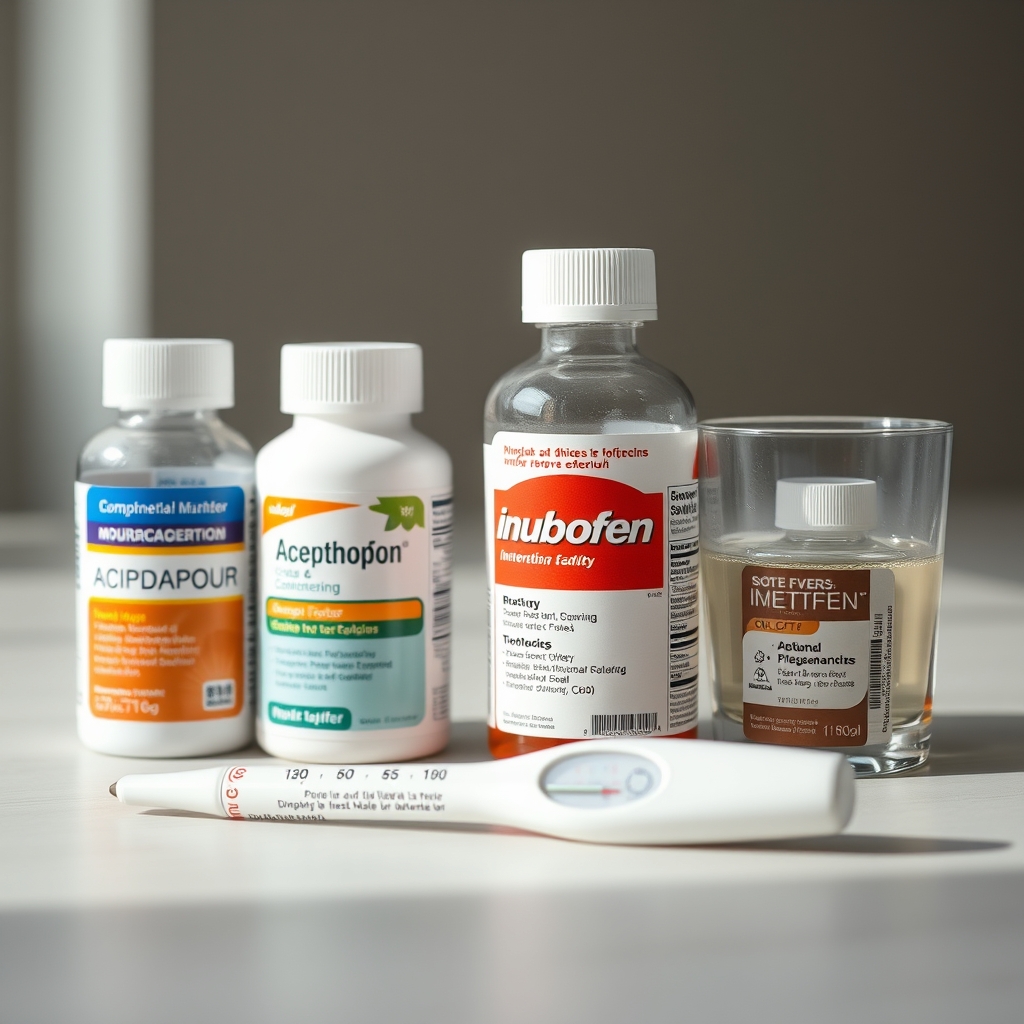
If you notice any of the following, contact your primary care provider, OB‑GYN, or go to the nearest urgent care facility:
- Temperature ≥104°F (40°C) at any time.
- Fever persisting longer than 72 hours despite acetaminophen.
- Severe headache, neck stiffness, or confusion.
- Rash that spreads quickly, especially with itching or swelling.
- Shortness of breath, wheezing, or facial swelling.
- Persistent vomiting or inability to retain fluids.
- In pregnancy, any fever >101°F (38.3°C) lasting more than 24 hours, or a sudden change in fetal movement.
- For people with chronic conditions, any sudden worsening of baseline disease symptoms (e.g., joint pain flare, blood‑sugar spikes).
This article is for informational purposes only and does not replace personalized medical advice. Always discuss your specific situation with a qualified healthcare professional.
References
- Centers for Disease Control and Prevention (CDC). “Vaccines and Pregnancy.” Updated 2024.
- American College of Obstetricians and Gynecologists (ACOG). “Immunization During Pregnancy.” Practice Bulletin No. 232, 2023.
- World Health Organization (WHO). “COVID‑19 Vaccines: Safety and Efficacy.” 2023.
- American Academy of Pediatrics (AAP). “Fever After Immunization.” 2022.
- U.S. Food and Drug Administration (FDA). “Acetaminophen Labeling Information.” 2022.
- American College of Emergency Physicians (ACEP). “Fever in Adults.” Clinical Guidelines, 2023.
- National Institute of Allergy and Infectious Diseases (NIAID). “Understanding Vaccine Reactions.” 2024.
- Harvard T.H. Chan School of Public Health. “Vaccination and Immune Response.” 2023.
- British National Formulary (BNF). “Ibuprofen and Pregnancy.” 2022.
- National Institutes of Health (NIH). “Maternal Immunization.” 2024.
- American Thyroid Association (ATA). “Medication Timing and Thyroid Hormone Absorption.” 2023.
- American Academy of Dermatology (AAD). “Managing Minor Skin Reactions After Vaccination.” 2022.
- National Institute of Mental Health (NIMH). “Stress and Immune Function.” 2023.
- American College of Cardiology (ACC). “Fever and Cardiovascular Stress.” 2022.