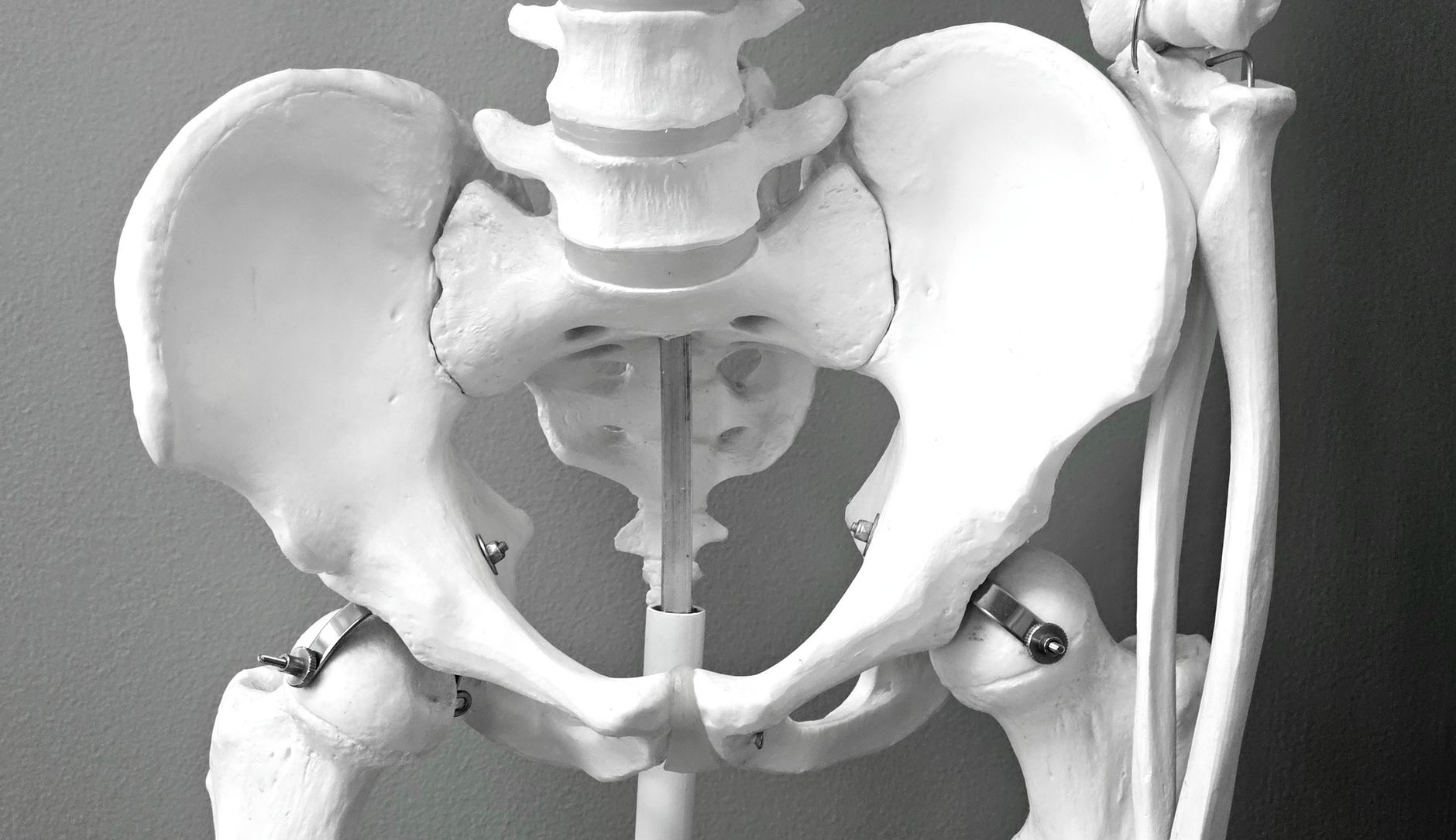
Many people wonder if they can feel engagement before the water breaks or contractions start. While a definitive answer usually requires a pelvic exam by a clinician, there are a few clues you can look for at home.
- Fundal height drop: After engagement, the top of the uterus (the fundus) may feel lower in the abdomen, sometimes dropping a few centimeters.
- Pelvic “lightening”: You may notice a sudden ease in pressure on the diaphragm, as if the baby has moved down.
- Increased pelvic pressure: A persistent sensation of heaviness or pressure in the pelvis, especially when standing or walking.
These sensations are subjective and can overlap with other pregnancy changes, so they’re not a substitute for a professional exam. If you suspect engagement, you can ask your provider to perform a simple “Leopold’s maneuver” or an ultrasound to confirm.
Ultrasound is especially helpful when you’re unsure. A trans‑abdominal scan can show the fetal head’s relationship to the maternal pelvis, and a trans‑vaginal scan offers a clearer view of the presenting part. According to the NHS, an ultrasound is the most reliable non‑invasive way to verify engagement when clinical findings are ambiguous.
Can you feel baby’s head engagement with a hand exam?
During a prenatal visit, the clinician may gently insert two fingers into the vagina to feel the presenting part. If the head is engaged, they’ll often feel a firm, round “ball” at the top of the pelvis. This is a safe, quick way to confirm engagement, and it doesn’t require any special equipment beyond a gloved hand.
Signs of baby head engagement at 36 weeks
At around 36 weeks, many babies begin the engagement process. The following signs are common, though not every pregnant person experiences them:
- Sudden “lightening” of the belly: The upper abdomen may feel less full, and you might notice your clothes fitting differently.
- Increased pelvic pressure or soreness: You may feel a constant pressure that intensifies when you stand or walk.
- Change in fetal movement pattern: Kicks may feel lower in the abdomen rather than high up.
- Lowered fundal height: Your provider may note a slight decrease during a routine measurement.
These signs are usually benign and simply indicate that the baby is getting ready for birth. However, if you experience sharp, unrelenting pain, bleeding, or a sudden decrease in fetal movement, contact your provider immediately.
It’s also worth noting that the “lightening” sensation can be more pronounced in women who have previously delivered, because the pelvic floor muscles have already been stretched. In first‑time pregnancies, the shift may feel subtler, and some people may not notice it at all.
Does baby head engagement cause pelvic pain?
Many pregnant people attribute low‑back or pelvic pain to engagement. The pressure of the baby’s head against the pelvic bones can irritate ligaments and nerves, leading to discomfort. Here’s what typically happens:
- Ligament stretch: The round ligaments that support the uterus may be pulled tighter, creating a dull ache.
- Joint compression: The sacroiliac joint can become compressed, especially when you stand for long periods.
- Muscle fatigue: The muscles of the lower back and hips work harder to compensate for the new pressure.
These pains are generally mild to moderate and can be managed with gentle stretching, pelvic tilts, and proper posture. If the pain is severe, radiates down the legs, or is accompanied by fever or bleeding, it could signal a more serious condition such as pre‑eclampsia or a urinary tract infection, and you should seek care promptly.
Physical therapy is a safe option for many. According to the American Physical Therapy Association, targeted pelvic‑floor exercises and ergonomic counseling can reduce ligament strain and improve comfort during the final weeks of pregnancy.
Early head engagement symptoms and what to do
If engagement happens earlier than 36 weeks, you might notice the same pelvic pressure but earlier in pregnancy. In such cases, it’s especially important to monitor for:
- Unusual uterine contractions before 20 weeks
- Bleeding or spotting
- Decreased fetal movements
Early engagement can sometimes be linked to a small‑for‑gestational‑age baby or a breech presentation. Your provider may order an ultrasound to ensure the baby’s growth and position are appropriate.
When does baby’s head usually engage during pregnancy?
Statistical data from the American College of Obstetricians and Gynecologists (ACOG) show that:
- First‑time (nulliparous) mothers typically experience engagement between 38 and 40 weeks.
- Women who have given birth before (multiparous) may notice engagement as early as 36 weeks.
- Approximately 20 % of babies engage before labor begins, while the majority do so during early labor.
These timelines can vary based on fetal size, maternal pelvic shape, and the baby’s position (vertex vs. breech). The key takeaway is that engagement is a sign that the body is preparing for labor, but the exact timing is highly individual.
Pelvic anatomy plays a big role: a wider pelvic inlet can allow the head to settle earlier, while a narrower pelvis may delay engagement until stronger uterine contractions push the baby down. Additionally, twins and higher‑order multiples often show delayed or staggered engagement because each fetal head competes for space.
How long does head engagement last before labor?
Engagement can last anywhere from a few hours to several days. In many cases, the baby’s head remains engaged for 24–48 hours before active labor begins. However, some babies stay engaged for a week or more, especially in multiparous women. The duration does not necessarily predict the speed of labor; rather, it reflects the baby’s positioning and the mother’s pelvic anatomy.
Can baby’s head engage early and what are the risks?
Early engagement—before 36 weeks—does happen, though it’s less common. The primary concerns include:
- Potential for preterm labor: Early engagement can sometimes be a sign that the uterus is contracting earlier than expected.
- Breech or transverse position: An early‑engaged head may indicate that the baby is not in a vertex (head‑down) position.
- Restricted uterine growth: In rare cases, a small pelvic inlet can limit space for the baby, leading to growth restriction.
Most early engagements resolve without complications. Your provider will likely schedule an ultrasound to confirm fetal position and growth, and may recommend a watchful‑waiting approach unless other risk factors appear.
Research summarized by the National Institute for Health and Care Excellence (NICE) indicates that early engagement alone does not significantly increase cesarean delivery rates. However, if early engagement is accompanied by a breech presentation or abnormal fetal lie, the likelihood of a cesarean can rise to 30‑40 % compared with about 15 % for term, vertex presentations.
Impact of early head engagement on cesarean risk
Research summarized by the National Institute for Health and Care Excellence (NICE) indicates that early engagement alone does not significantly increase cesarean delivery rates. However, if early engagement is accompanied by a breech presentation or abnormal fetal lie, the likelihood of a cesarean can rise to 30‑40 % compared with about 15 % for term, vertex presentations.
How to check baby head engagement at home
While a professional examination is the gold standard, you can perform a few simple self‑checks to gauge whether engagement may have occurred.
- Measure fundal height: Use a soft measuring tape to record the distance from your pubic bone to the top of your uterus. A sudden drop of 1‑2 cm over a few days may signal engagement.
- Pelvic pressure test: Sit on a firm chair and gently press down on your lower abdomen. If you feel a noticeable “hard” spot that seems lower than before, this could be the baby’s head.
- Kick mapping: Note where kicks are felt. A shift from upper to lower abdomen often coincides with engagement.
- Breathing and posture: Try standing upright and taking a deep breath. If you feel immediate pelvic heaviness that eases when you sit, the head may be settled in the pelvis.
These techniques are not diagnostic, but they can help you discuss your observations with your provider. If you’re uncertain, request a bedside ultrasound or a manual exam at your next prenatal visit.
It’s also important to stop any self‑exam if you feel pain, notice bleeding, or experience a sudden change in fetal movement. In those cases, seek medical attention right away rather than continuing to “check” on your own.
Can you feel baby’s head engagement with a hand exam?
Yes—during a routine prenatal check, a clinician may perform a “digital exam” to feel the presenting part. If the head is engaged, they’ll describe feeling a firm, round structure at the top of the pelvis, often termed “the head is engaged.” This simple test is safe, quick, and widely used.

When does baby’s head usually engage during pregnancy?
To recap, the typical window for engagement is:
- First pregnancy (nulliparous): 38–40 weeks.
- Subsequent pregnancies (multiparous): 36–38 weeks.
- Early engagement (before 36 weeks): Uncommon, warrants ultrasound evaluation.
Remember that each pregnancy is unique. Your provider will use a combination of fundal height measurements, ultrasound imaging, and manual exams to determine if engagement has occurred and whether it’s progressing normally.
Does baby head engagement affect delivery method?
In most cases, a head‑engaged baby predicts a vaginal delivery, especially when the presentation is vertex. However, engagement alone does not guarantee a particular delivery route. Factors such as fetal size, maternal pelvic dimensions, and labor progress ultimately decide whether a vaginal birth, assisted vaginal delivery (forceps or vacuum), or cesarean section is needed.
What does head engagement mean for induction of labor?
When a provider plans to induce labor, they often assess whether the baby’s head is already engaged. An engaged head can make induction more straightforward because the presenting part is already low in the pelvis, allowing medications like oxytocin to stimulate effective contractions without excessive “push‑back.” The ACOG guidelines note that a favorable cervical score (Bishop score ≥ 6) combined with engagement predicts a higher chance of a successful induction.
If the head is not yet engaged, clinicians may use a “membrane sweep” or administer a prostaglandin gel to encourage the baby to descend before starting oxytocin. This approach can reduce the time needed for induction and lower the risk of a failed induction that might lead to a cesarean.
How providers assess readiness for induction
During the pre‑induction visit, the obstetrician will typically perform a digital exam, check the Bishop score, and may order a brief ultrasound to see the fetal head’s relationship to the pelvis. If the head is engaged and the cervix is ripe, the provider may feel confident proceeding with induction. If not, they might recommend a “wait‑and‑see” approach or discuss alternative methods such as a balloon catheter.
Can the baby’s head become disengaged after engagement?
While rare, a baby’s head can “disengage” after initially being engaged, especially if the mother changes position dramatically (e.g., moving from lying down to standing) or if uterine contractions are weak. Disengagement may be felt as a sudden loss of pelvic pressure or a return of the “lightening” sensation.
If disengagement occurs, it’s usually temporary. The head often re‑engages as labor progresses or as the mother adopts a more comfortable position. However, persistent disengagement could signal a malpresentation (such as a breech) and warrants an ultrasound to verify the fetal position.
The CDC advises that any sudden change in perceived fetal position accompanied by pain or decreased fetal movement should be reported promptly, as it may indicate a need for closer monitoring.
When to seek help for possible disengagement
If you notice a sudden loss of pelvic pressure, a sharp pain that doesn’t resolve with rest, or a noticeable change in fetal movement patterns, call your OB‑GYN or go to the nearest emergency department. Early evaluation can prevent complications and guide appropriate management.
Head engagement in twins and multiple pregnancies
In twin pregnancies, each baby has its own presenting part, and engagement can occur at different times. The first twin (Twin A) often engages earlier, while Twin B may remain higher in the uterus until later in pregnancy. This staggered engagement can affect the timing of delivery, sometimes leading to a planned cesarean if the second twin is not in a vertex position.
Guidelines from the Royal College of Obstetricians and Gynaecologists (RCOG) suggest close ultrasound monitoring after 32 weeks in twins to track each fetus’s head position. If both twins are engaged and vertex, a vaginal delivery is possible, but the care team will watch closely for any signs of distress.
Because twins share a limited uterine space, the pelvis may fill up more quickly, potentially delaying engagement for the second twin. Your provider may recommend a slightly earlier delivery date (often around 37 weeks) to reduce the risk of late‑term complications.
Myth vs. fact
Myth: If you feel pressure, the baby’s head must be engaged.
Fact: Pelvic pressure can arise from many sources, including Braxton‑Hicks contractions, ligament stretch, or a full bladder. Only a clinical exam can confirm engagement.
Myth: Early engagement always leads to a cesarean delivery.
Fact: Early engagement is often benign. Cesarean risk increases only if early engagement coincides with a breech or transverse position.
Myth: Once the head is engaged, labor will start within 24 hours.
Fact: Engagement can precede labor by days or even weeks; timing varies widely.
Myth: You can feel the baby’s head with a simple hand on your belly.
Fact: While you can sense movement, only a pelvic exam or ultrasound can reliably detect engagement.
Key takeaways
- Engagement means the baby’s head has settled into the pelvic inlet, typically between 36 weeks and labor onset.
- Common signs include a lowered fundal height, pelvic pressure, and a shift in kick patterns.
- Self‑checks can hint at engagement, but a professional exam (hand exam or ultrasound) confirms it.
- Early engagement (< 36 weeks) is uncommon and warrants an ultrasound to rule out breech or growth concerns.
- Engagement may cause mild pelvic discomfort, manageable with posture changes, gentle stretches, and supportive pillows.
- Severe pain, bleeding, loss of fetal movement, or sudden onset of contractions should prompt immediate medical contact.
Frequently asked questions
What is head engagement in pregnancy?
Head engagement is the process where the baby’s widest skull dimension drops into the mother’s pelvic inlet, positioning the head low in the pelvis and signaling that birth is approaching. It differs from descent, which is the movement of the head further down the birth canal during labor.
How can I tell if my baby’s head is engaged?
Key clues include a noticeable “lightening” of the belly, a drop in fundal height, and increased pelvic pressure. However, the most reliable method is a clinician’s manual exam or an ultrasound that visualizes the baby’s position.
Is it normal for the baby’s head to engage before 36 weeks?
Early engagement is rare but not automatically dangerous. If it occurs, your provider will likely order an ultrasound to confirm the baby’s position and growth. Most early engagements resolve without affecting the outcome.
Does head engagement cause pelvic pain?
Yes, the pressure of the engaged head can irritate pelvic ligaments and joints, leading to mild to moderate pelvic or low‑back pain. Gentle stretches, pelvic tilts, and proper posture usually help. Severe or radiating pain should be evaluated by a provider.
Can head engagement affect the type of delivery?
Engagement usually indicates a vertex (head‑down) presentation, which is favorable for vaginal birth. However, the final delivery method depends on many factors, including fetal size, maternal pelvis, and labor progress.
What should I do if my baby’s head engages early?
Contact your OB‑GYN for an ultrasound to confirm the baby’s position. Continue monitoring fetal movements, and report any bleeding, severe pain, or sudden changes in movement patterns.
Does a vaginal exam hurt when checking for head engagement?
A gentle digital exam is usually well‑tolerated. The clinician uses a lubricated gloved finger and only a light pressure, so most people feel minimal discomfort. If you’re anxious, let your provider know—they can explain each step and pause as needed.
Can I use a home ultrasound app to check head engagement?
While some apps claim to show fetal position, they are not a substitute for a professional scan. The FDA advises that only FDA‑cleared devices used by trained clinicians provide reliable imaging. For accurate assessment, schedule an in‑office ultrasound.
When to see a doctor / specialist
Red‑flag symptoms that require immediate medical attention:
- Sudden, sharp pelvic or lower‑back pain that doesn’t improve with rest.
- Vaginal bleeding or spotting beyond typical implantation bleeding.
- Decrease in fetal movements (fewer kicks than usual).
- Fever > 100.4 °F (38 °C) accompanied by pain.
- Signs of pre‑eclampsia: persistent headache, vision changes, swelling.
If any of these occur, call your OB‑GYN, midwife, or go to the nearest emergency department. For routine concerns about engagement, schedule a prenatal visit; your provider may be an obstetrician‑gynecologist (OB‑GYN) or a certified midwife.
References
- American College of Obstetricians and Gynecologists (ACOG). “Management of Late‑Term Pregnancy.” 2023 Clinical Guidance.
- National Institute for Health and Care Excellence (NICE). “Fetal Presentation and Birth Planning.” Updated 2022.
- World Health Organization (WHO). “Recommendations for Antenatal Care of a Healthy Pregnancy.” 2022.
- Harvard T.H. Chan School of Public Health. “Understanding Pregnancy Discomforts.” Accessed 2024.
- American Academy of Pediatrics (AAP). “Prenatal Care and Fetal Position.” 2021.
- Royal College of Obstetricians and Gynaecologists (RCOG). “Late Pregnancy – Engagement and Descent.” 2023.
- National Center for Health Statistics (CDC). “Pregnancy Complications.” 2023.
- American Physical Therapy Association. “Physical Therapy Management of Pregnancy‑Related Pelvic Pain.” 2022.
- U.S. Food and Drug Administration (FDA). “Guidance on Mobile Medical Applications.” 2021.