

Quick take: An endometriosis-friendly diet focuses on whole, anti-inflammatory foods—think leafy greens, fatty fish, and berries—while avoiding processed foods, gluten (for some), and dairy (if it triggers symptoms). A sample day might start with a kale smoothie, move to a salmon and quinoa bowl, and end with a turmeric-infused dinner. While not a cure, this approach can reduce pain, bloating, and inflammation for many women. Always work with a dietitian to tailor it to your needs.
You’re scrolling through your phone at 2am, cradling a heating pad to your belly, when you remember the comment in your last doctor’s visit: “Diet might help your symptoms.” But what does that even mean? You’re not a chef, and the idea of giving up coffee or gluten feels like one more thing to manage. You’re not alone.
Endometriosis affects an estimated 1 in 10 women globally, and while there’s no one-size-fits-all diet, research suggests that certain foods—particularly anti-inflammatory ones—can ease pain, reduce inflammation, and even support fertility. But the overwhelming advice online can feel like a minefield: “Avoid soy!” “Eat more omega-3s!” “Gluten-free is key!” The truth? It’s nuanced. What works for one woman might not for another. The goal isn’t perfection—it’s small, sustainable shifts that align with your body’s needs.
This guide breaks down what a day of eating might look like, backed by science and real women’s experiences. We’ll cover what to prioritize, how to transition without feeling deprived, and whether supplements or teas can help. Most importantly, we’ll focus on practicality—because when you’re in pain, you need meals that are easy to prepare, even on the busiest days.
Before we dive in, a quick note: this is informational guidance, not medical advice. If you’re experiencing severe pain, infertility, or other symptoms, work with a healthcare provider or a dietitian specializing in endometriosis. And if you’re curious about how this diet compares to others—like the DASH diet or the autoimmune protocol—we’ll cover that too.

What foods to eat and avoid on an endometriosis diet for pain relief
Most experts agree on a few key principles, though. The Endometriosis Foundation of America and the Harvard T.H. Chan School of Public Health highlight that foods high in omega-3s, antioxidants, and fiber tend to help the most. On the other hand, foods that trigger inflammation—like refined carbs, trans fats, and excessive alcohol—often worsen symptoms for many women.
Here’s a quick breakdown to get you started:
| Foods to Prioritize | Why It Helps |
|---|---|
| Leafy greens (spinach, kale, Swiss chard) | Rich in magnesium and antioxidants that reduce inflammation. |
| Fatty fish (salmon, mackerel, sardines) | High in omega-3s, which lower prostaglandins—compounds that contribute to pain. |
| Berries (blueberries, strawberries, raspberries) | Packed with antioxidants that combat oxidative stress. |
| Turmeric and ginger | Both have anti-inflammatory properties; turmeric contains curcumin, which may reduce cyst growth. |
| Nuts and seeds (chia, flax, walnuts) | Provide healthy fats and fiber to support gut health. |
| Bone broth | Contains collagen and amino acids that aid gut healing. |
Now, what about the foods to limit or avoid? Again, this varies by person, but many women find relief by reducing:
| Foods to Limit or Avoid | Potential Triggers |
|---|---|
| Processed sugars and refined carbs (white bread, pastries, soda) | Can spike inflammation and worsen bloating. |
| Gluten (for some women) | May cause gut irritation or leaky gut, which can exacerbate symptoms. |
| Dairy (if sensitive) | Some women report reduced PMS and bloating when cutting dairy. |
| Alcohol | Can disrupt hormones and increase inflammation. |
| Trans fats (fried foods, margarine) | Linked to higher levels of inflammatory markers. |
Key takeaway: Start by tracking how you feel after eating certain foods. A food diary can help identify personal triggers. Many women tell us they notice less bloating within a few days of cutting out processed foods, and reduced pain within weeks.
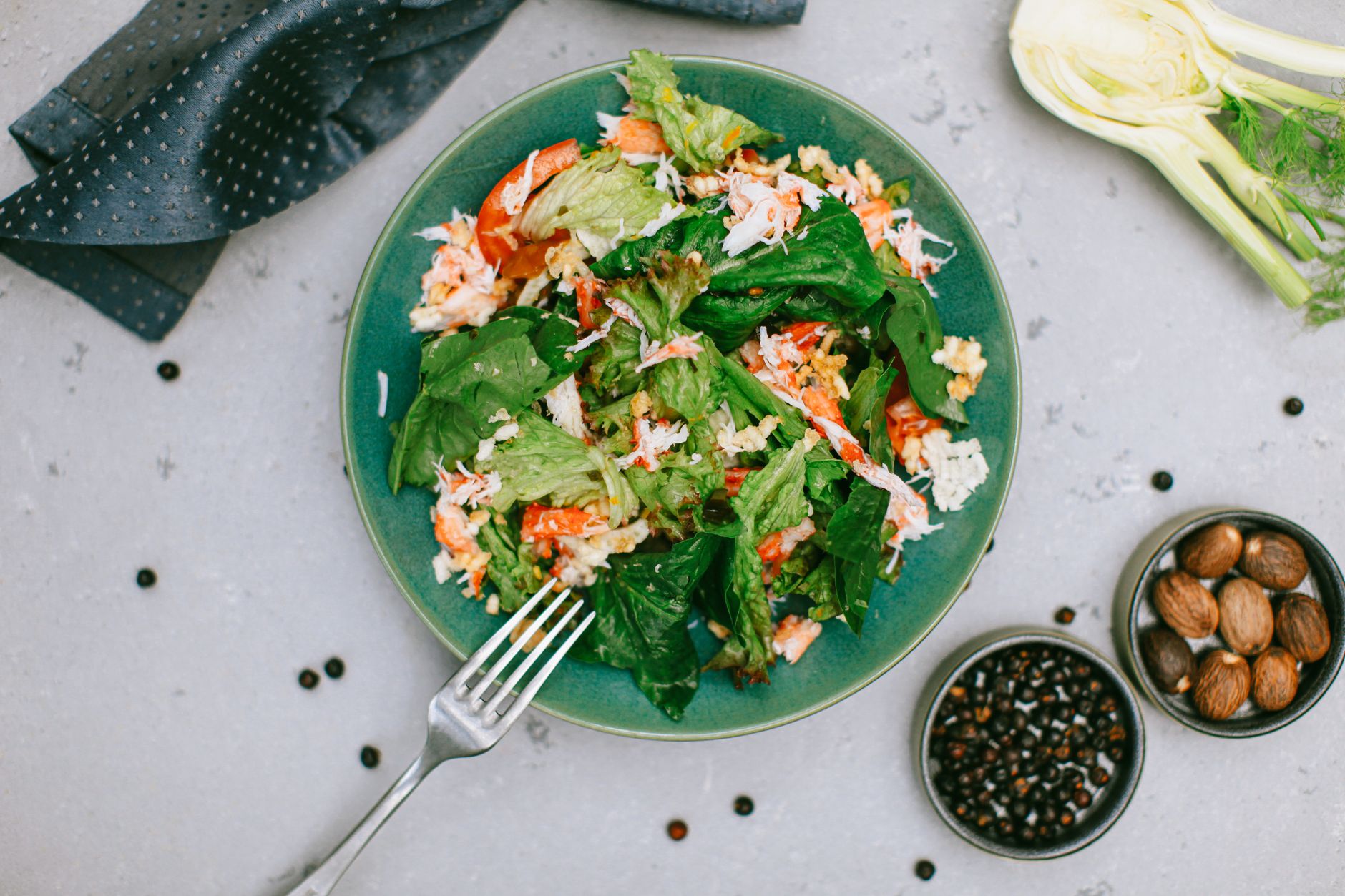
Sample meal plan for endometriosis with anti-inflammatory foods
Here’s what a typical day might look like for someone following an endometriosis-friendly diet. The meals are designed to be nutrient-dense, easy to prep, and focused on reducing inflammation. We’ll also include snack ideas and tips for meal prepping to save time.
**Breakfast: Turmeric-Ginger Smoothie Bowl**
- 1 cup frozen mango
- ½ banana
- 1 cup spinach
- 1 tbsp chia seeds
- 1 tsp turmeric
- ½ tsp ginger
- 1 cup unsweetened almond milk
- Toppings: blueberries, walnuts, and a drizzle of coconut yogurt
**Snack: Handful of Almonds and an Apple**
**Lunch: Salmon and Quinoa Bowl with Roasted Veggies**
- ½ cup cooked quinoa
- 4 oz baked salmon
- 1 cup roasted sweet potatoes and Brussels sprouts (tossed in olive oil and turmeric)
- Handful of arugula
- Drizzle of tahini-lemon dressing
**Snack: Bone Broth with Sliced Cucumber and Avocado**
**Dinner: Stir-Fried Tofu with Broccoli and Brown Rice**
- ½ cup brown rice
- 4 oz stir-fried tofu (marinated in soy sauce and garlic)
- 1 cup steamed broccoli
- 1 cup mixed bell peppers
- 1 tsp sesame seeds
**Dessert (if desired): Dark Chocolate-Dipped Strawberries**
**Evening Tea: Chamomile or Ginger Tea**
**Why this works:** This meal plan emphasizes omega-3s (salmon), antioxidants (berries, turmeric), and fiber (quinoa, veggies). It also avoids common triggers like processed sugars and gluten (unless you’re not sensitive to it). For those who prefer a more varied approach, you might swap in Mediterranean-inspired meals with olive oil, herbs, and fresh vegetables.
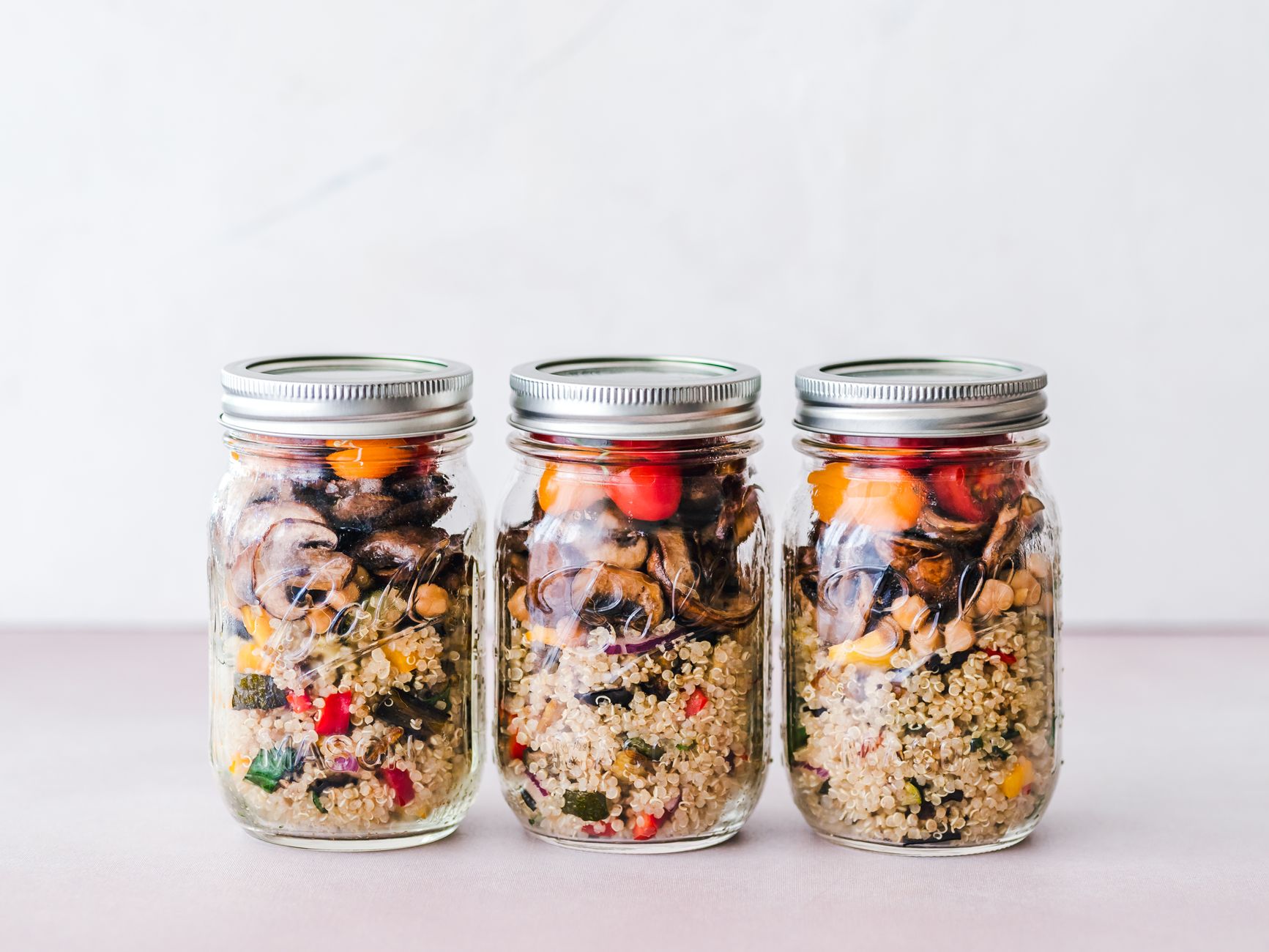
Pro tip: If you’re short on time, batch-cook grains like quinoa or brown rice and store them in the fridge for up to 5 days. Similarly, roast a big tray of vegetables on Sunday for easy lunches.
Does the endometriosis diet help with fertility and conception?
If you’re trying to conceive and dealing with endometriosis, you’ve likely heard conflicting advice: “Diet won’t help your fertility!” vs. “Eating right can improve your chances!” The truth? It’s complicated.
Endometriosis can cause infertility by creating scar tissue, blocking fallopian tubes, or altering the uterine environment. While diet alone won’t reverse these physical changes, research suggests that anti-inflammatory foods can improve overall reproductive health. A 2022 study in Reproductive Sciences found that women with endometriosis who followed a Mediterranean-style diet (rich in omega-3s, fiber, and antioxidants) had better ovarian reserve and hormone balance than those on a standard Western diet.
Here’s how certain foods might support fertility:
- Omega-3s (from fish or flaxseeds) may reduce oxidative stress in eggs.
- Antioxidant-rich foods (berries, leafy greens) protect eggs from damage.
- Zinc and iron (from lentils, spinach, or beef) support hormone regulation.
- Probiotics (from yogurt or fermented foods) may improve gut health, which is linked to hormonal balance.
That said, no diet guarantees fertility improvement. If you’re struggling to conceive, work with a fertility specialist to explore options like IVF or surgery. But pairing a whole-foods, anti-inflammatory diet with medical treatment can’t hurt—and may even help you feel better during treatment.
One reader’s story: “I was desperate to get pregnant, and my doctor mentioned diet. I swapped out my usual processed snacks for nuts and berries, and within a few months, my cycles became more regular. I didn’t conceive right away, but I felt so much less exhausted and bloated—it made the fertility journey easier.”
---How to transition to an endometriosis-friendly diet without feeling deprived
Let’s be real: the idea of giving up coffee, gluten, or your favorite pizza might feel overwhelming. But you don’t have to overhaul your entire diet overnight. Small, intentional changes add up. Here’s how to make the shift without feeling restricted:
1. Start with the biggest triggers. If you notice dairy or gluten make your symptoms worse, tackle those first. Keep a food diary for a week to identify patterns.
2. Swap, don’t eliminate. Instead of cutting out coffee entirely, try swapping your morning latte for matcha or turmeric latte. Or replace white bread with gluten-free options (like sourdough or almond flour bread) if you’re sensitive.
3. Meal prep on Sundays. Cook a big batch of quinoa, roast a tray of veggies, and portion out snacks. This way, you’re not scrambling for meals during the week.
4. Focus on adding, not just removing. Instead of thinking, “I can’t have this,” think, “I’ll add more of that.” For example, swap a sugary cereal for oatmeal with berries and chia seeds.
5. Be kind to yourself. There will be days when you eat pizza or drink wine, and that’s okay. The goal isn’t perfection—it’s progress. One reader put it perfectly: “I used to beat myself up for ‘messing up.’ Now I just reset at the next meal.”
Pro tip: If you’re craving something sweet, try dark chocolate (70% or higher) or a small handful of dark berries. These satisfy cravings while providing antioxidants.
---Can supplements like turmeric, omega-3s, or magnesium help with endometriosis symptoms?
Supplements can be a helpful add-on to a whole-foods diet, but they’re not magic bullets. Let’s break down the evidence for the most popular ones:
| Supplement | Potential Benefits | Typical Dose | Best Time to Take | Food Sources | Known Interactions |
|---|---|---|---|---|---|
| Turmeric (curcumin) | May reduce inflammation and pain; some studies suggest it slows cyst growth. | 500–1,000 mg/day (with black pepper for absorption) | With meals | Fresh turmeric root, golden milk, curry dishes | Blood thinners (warfarin), diabetes medications |
| Omega-3s (EPA/DHA) | Lowers prostaglandins, which can reduce pain and inflammation. | 1,000–2,000 mg/day | With breakfast or lunch | Fatty fish (salmon, mackerel), flaxseeds, walnuts | Blood thinners, diabetes medications |
| Magnesium | May ease muscle cramps and improve sleep quality. | 300–400 mg/day | Before bed (magnesium glycinate or citrate) | Spinach, almonds, pumpkin seeds, dark chocolate | Diuretics, antibiotics |
| Vitamin D | Low levels are linked to worse endometriosis symptoms; may support immune function. | 1,000–2,000 IU/day (check with provider first) | With a meal | Fatty fish, egg yolks, fortified dairy | Steroids, certain heart medications |
| Probiotics | May improve gut health, which is linked to hormonal balance. | 10–20 billion CFU/day | With breakfast or dinner | Yogurt, kefir, sauerkraut, kimchi | Immunosuppressants |
Important note: Always check with your healthcare provider before starting supplements, especially if you’re on medications or have underlying health conditions. For example, high-dose omega-3s can thin the blood and interact with warfarin.
Many women report feeling better with supplements like turmeric or magnesium, but results vary. If you’re curious about trying one, start with a low dose and monitor how you feel over 2–4 weeks.
---Endometriosis diet vs. low-FODMAP diet: which is better for symptom management?
If you’ve ever scrolled through endometriosis forums, you’ve likely seen debates about whether the low-FODMAP diet (designed for IBS) is better than an anti-inflammatory diet for endometriosis. The short answer? It depends.
The low-FODMAP diet eliminates fermentable carbs that can cause bloating and gut irritation. For women with endometriosis who also have IBS or SIBO (small intestinal bacterial overgrowth), this diet can be life-changing. A 2023 study in Journal of Clinical Medicine found that women with both endometriosis and IBS saw significant improvements in pain and bloating after following low-FODMAP.
However, the anti-inflammatory diet for endometriosis focuses more on whole foods and reducing systemic inflammation—it doesn’t necessarily restrict FODMAPs. So if you don’t have IBS symptoms, you might not need to go low-FODMAP.
Here’s how to decide:
- If you have bloating, gas, or IBS symptoms: Try low-FODMAP for 2–4 weeks to see if it helps. Then, gradually reintroduce foods to find your personal triggers.
- If you don’t have gut issues but still struggle with pain or inflammation: Focus on the anti-inflammatory diet first. You can always add low-FODMAP principles if needed.
- If you’re unsure: Work with a dietitian specializing in both endometriosis and gut health to create a personalized plan.
Key takeaway: These diets aren’t mutually exclusive. Many women combine elements of both—reducing FODMAPs when needed while still prioritizing anti-inflammatory foods.
---How to meal prep for an endometriosis diet on a busy schedule
Let’s face it: when you’re managing endometriosis, the last thing you want to do is spend hours in the kitchen. The good news? Meal prepping can save you time and stress in the long run. Here’s how to do it efficiently:
1. Batch-cook grains and proteins. Cook a big pot of quinoa, brown rice, or lentils on Sunday. Portion them into containers for easy lunches. For proteins, bake a tray of chicken or salmon, or hard-boil eggs for snacks.
2. Roast a big tray of veggies. Toss sweet potatoes, Brussels sprouts, and carrots in olive oil, turmeric, and garlic. Roast at 400°F for 25–30 minutes. These keep well in the fridge for up to 5 days.
3. Prep smoothie packs. Freeze small bags of spinach, berries, and chia seeds. When you’re ready for breakfast, just toss them into a blender with almond milk.
4. Use slow cooker or Instant Pot meals. Try a slow-cooked lentil soup or a one-pot stir-fry with tofu and veggies. These take minimal effort and reheat easily.
5. Keep healthy snacks on hand. Stock your fridge with pre-cut veggies, hummus, nuts, and hard-boiled eggs. These are great for when you’re too tired to cook.
Sample meal prep routine:
- Sunday: Cook grains, roast veggies, bake chicken, make smoothie packs.
- Monday–Friday: Assemble lunches by combining prepped grains, proteins, and veggies. Pack snacks like nuts or yogurt.
- Weekend: Use leftovers for quick dinners or make a big batch of soup.
Pro tip: If you’re short on time, consider frozen veggies—they’re just as nutritious and save prep time. Just avoid frozen meals with added sauces or salt.
---Does drinking green tea or herbal teas help reduce endometriosis inflammation?
If you’ve ever sipped a warm cup of tea while lying on your heating pad, you know how comforting it can be. But does green tea—or other herbal teas—actually help with endometriosis symptoms? The short answer? Yes, but with some caveats.
Green tea is packed with polyphenols, particularly EGCG (epigallocatechin gallate), which have been shown in studies to reduce inflammation and slow the growth of endometrial-like cells. A 2021 study in Phytotherapy Research found that women who drank green tea regularly reported less pelvic pain and fewer cysts over time.
Other herbal teas that may help:
- Chamomile: Calms the nervous system and may reduce menstrual cramps.
- Ginger: Has anti-inflammatory properties and may ease nausea.
- Peppermint: Soothes digestion and can reduce bloating.
- Red raspberry leaf: Traditionally used to support uterine health and ease labor pains.
How to incorporate tea into your routine:
- Drink 1–2 cups of green tea daily (avoid adding milk, as it can block some of the antioxidants).
- Try a golden milk (turmeric + ginger + almond milk) before bed for anti-inflammatory benefits.
- If you’re sensitive to caffeine, opt for herbal teas like chamomile or peppermint.
One reader’s tip: “I make a big batch of green tea in the morning and keep it in the fridge. I sip it throughout the day—it’s like a little pain-relief ritual.”
---Best breakfast ideas for endometriosis pain management
Breakfast is often the most neglected meal—especially when you’re running late or feeling exhausted. But what you eat first thing can set the tone for your day, especially if you’re dealing with endometriosis-related pain or fatigue. Here are some of the best options to start your morning right:
1. Turmeric-Ginger Smoothie
- 1 cup frozen mango
- ½ banana
- 1 cup spinach
- 1 tsp turmeric
- ½ tsp ginger
- 1 cup unsweetened almond milk
- Top with walnuts and blueberries
Why it works: The turmeric and ginger reduce inflammation, while the banana provides potassium to help with muscle cramps.
2. Chia Pudding with Berries
- 2 tbsp chia seeds
- 1 cup almond milk
- ½ tsp vanilla extract
- Top with strawberries and raspberries
Why it works: Chia seeds are rich in omega-3s and fiber, which support gut health and reduce bloating.
3. Avocado Toast on Sprouted Bread
- 1 slice sprouted bread (gluten-free if needed)
- ½ avocado, mashed
- Red pepper flakes
- Handful of microgreens
Why it works: Healthy fats from avocado help stabilize blood sugar, while sprouted bread is easier to digest.
4. Scrambled Eggs with Spinach and Feta
- 2 eggs
- Handful of spinach
- 1 oz feta cheese (if tolerated)
- Olive oil for cooking
Why it works: Eggs provide protein and choline, which support liver detoxification. Spinach adds magnesium for muscle relaxation.
5. Overnight Oats with Almond Butter
- ½ cup oats
- 1 tbsp almond butter
- 1 tbsp chia seeds
- ½ cup almond milk
- Top with cinnamon and walnuts
Why it works: Oats provide slow-digesting carbs for energy, while almond butter adds healthy fats.
Pro tip: If you’re short on time, pre-make overnight oats or chia pudding the night before. Or keep frozen smoothie packs in your freezer for a 5-minute breakfast.
---How long does it take for an endometriosis diet to show symptom improvement?
One of the most common questions we hear is: “How soon will I feel better?” The answer varies, but most women report noticing changes within 2–4 weeks. Here’s what to expect:
First 1–2 weeks:
- Reduced bloating and gas (especially if you’ve cut out high-FODMAP foods or dairy).
- More stable energy levels (if you’re eating balanced meals with protein and fiber).
- Less food-related discomfort (e.g., less heartburn or nausea).
3–6 weeks:
- Noticeable reduction in menstrual cramps or pelvic pain for some women.
- Improved digestion (less constipation or diarrhea).
- Better sleep quality (thanks to magnesium, omega-3s, and reduced inflammation).
2–3 months:
- Some women report significantly less pain during their cycle.
- Improved fertility markers (like better hormone balance) in those trying to conceive.
- More consistent energy and fewer food sensitivities.
Key factors that affect timeline:
- How strictly you follow the diet. Small, consistent changes work better than extreme overhauls.
- Your starting point. If you were eating mostly processed foods, you’ll likely see faster improvements.
- Individual biology. Some women respond quickly; others take longer. Hormonal fluctuations can also play a role.
What if I don’t see improvement?
If you’ve been following the diet for 3–4 months and still feel the same—or worse—it’s worth checking in with a healthcare provider. Sometimes underlying issues like IBS, SIBO, or nutrient deficiencies (like vitamin D or B12) can mimic or worsen endometriosis symptoms. A dietitian specializing in endometriosis can help troubleshoot.
---Can eating more fiber help with endometriosis-related constipation?
If you’ve ever googled “endometriosis and constipation,” you know how frustrating it can be. Endometriosis can cause gut motility issues, leading to constipation, especially during your period. The good news? Fiber can help—but it’s not as simple as eating more apples.
Fiber works by adding bulk to stool and feeding gut bacteria, which can improve regularity. However, if you’re not used to eating fiber, too much too soon can worsen bloating or cramping. Here’s how to do it right:
Best fiber-rich foods for endometriosis:
- Soluble fiber (easy to digest): Oats, applesauce, flaxseeds, chia seeds, and bananas. These help soften stool gently.
- Insoluble fiber (adds bulk): Vegetables (broccoli, Brussels sprouts), whole grains (quinoa, brown rice), and nuts. These help move things along.
- Fermented foods (for gut health): Sauerkraut, kimchi, kefir, and yogurt (if tolerated). These support a healthy microbiome, which can improve digestion.
How to increase fiber safely:
- Start with 10–15 grams of fiber per day and gradually increase to 25–30 grams.
- Drink plenty of water (aim for 2–3 liters daily) to help fiber do its job.
- Avoid sudden jumps in fiber intake—this can cause bloating or cramping.
- If you’re constipated, try prune juice or psyllium husk (a soluble fiber) to help things move.
One reader’s tip: “I used to avoid fiber because it made me feel worse, but now I start my day with a small bowl of oatmeal with chia seeds. It’s gentle on my digestive system and helps me stay regular.”
---Endometriosis diet for teens and young women: what to focus on
If you’re a teen or young woman dealing with endometriosis, the last thing you want is to feel like you’re missing out on your favorite foods or social events. The good news? You don’t have to give up everything—just make small, smart swaps.
Here’s what to focus on:
1. Prioritize whole foods. Teens and young women often eat a lot of processed snacks, fast food, and sugary drinks. Instead, aim for:
- Fruits and veggies (even frozen counts!)
- Lean proteins (chicken, fish, tofu, beans)
- Whole grains (quinoa, brown rice, whole-wheat pasta)
- Healthy fats (avocados, nuts, olive oil)
2. Stay hydrated. Many teens don’t drink enough water, which can worsen bloating and constipation. Aim for at least 2 liters a day, especially if you’re active or have cramps.
3. Manage stress. Stress worsens endometriosis symptoms, so find ways to relax—whether it’s journaling, yoga, or talking to friends. Flexible diets can also help—you don’t have to be perfect.
4. Talk to your parents or guardians. If you’re under 18, involve a trusted adult in your diet changes. They can help with meal prep or even try the diet with you!
5. Find endometriosis-friendly snacks. Keep these on hand for when you’re hungry:
- Hummus and veggie sticks
- Trail mix (nuts, seeds, dried fruit)
- Greek yogurt with berries
- Dark chocolate (70% or higher)
- Hard-boiled eggs or cheese sticks
6. Listen to your body. If a food makes you feel worse, don’t force it. Track how you feel after meals to identify triggers.
One teen’s story: “I used to skip meals because I was too tired, but now I keep healthy snacks in my locker. It’s easier to manage my pain when I’m not starving.


