The foods you eat can either feed inflammation or help your body fight it. For women with endometriosis—especially those trying to conceive or already pregnant—this distinction is critical. Processed foods, refined sugars, and gluten can worsen inflammation and pelvic pain, while anti-inflammatory foods like fatty fish, leafy greens, and berries may help reduce symptoms.
Foods to avoid:
- Processed sugars (soda, candy, pastries)—they spike insulin and worsen inflammation.
- Gluten (wheat, barley, rye)—some women with endometriosis report digestive issues or pain flare-ups when consuming gluten.
- Dairy (if sensitive) (milk, cheese, ice cream)—casein and lactose can trigger inflammation in some women.
- Trans fats (fried foods, margarine)—these promote chronic inflammation.
- Alcohol—it can disrupt hormones and worsen pain.
Foods to eat:
- Fatty fish (salmon, mackerel, sardines)—rich in omega-3s, which reduce inflammation.
- Leafy greens (spinach, kale, Swiss chard)—packed with magnesium and antioxidants.
- Berries (blueberries, strawberries, raspberries)—high in vitamin C and polyphenols.
- Olive oil—a key component of the Mediterranean diet, which has been shown to reduce endometriosis pain.
- Turmeric and ginger—natural anti-inflammatory spices that may help ease pain.
- Nuts and seeds (almonds, chia, flax)—great sources of healthy fats and fiber.
One reader, Sarah, a mom of two, shared how she noticed a difference after cutting out gluten and dairy: “I went from needing two painkillers a day during my period to just one. It wasn’t a miracle, but it was enough to make me want to keep going.” Sarah also started tracking her meals in an app to stay consistent.
If you're pregnant or trying to conceive, focus on foods rich in folate (like leafy greens and beans), omega-3s (salmon, walnuts), and antioxidants (berries, dark chocolate). These nutrients support both fertility and fetal development.
For a deeper dive into how diet impacts fertility, check out our guide on natural fertility-boosting foods.
 ---
How a low-glycemic diet helps reduce endometriosis flare-ups in 7 days
If you’ve ever felt your endometriosis pain spike right before your period, you’re not imagining it. Blood sugar spikes from high-glycemic foods (white bread, sugary cereals, pastries) can worsen inflammation and hormonal imbalances. A low-glycemic diet helps stabilize blood sugar, reduce estrogen dominance, and ease pelvic pain.
Research from the National Institutes of Health (NIH) suggests that women with endometriosis who follow a low-glycemic diet experience fewer flare-ups and less severe pain. The key is swapping refined carbs for complex carbs like sweet potatoes, quinoa, and brown rice.
Here’s how to make the transition:
- Start slow—replace one high-glycemic meal a day with a low-glycemic option.
- Focus on fiber—it slows digestion and keeps blood sugar steady.
- Hydrate well—water helps flush out excess estrogen, which can worsen endometriosis.
- Listen to your body—if you feel sluggish or bloated, you might need to adjust.
For example, swap white toast for avocado toast on whole-grain bread, or swap sugary yogurt for coconut yogurt with berries. Over time, you’ll notice less bloating and less pain.
One reader, Emily, tried a low-glycemic diet for a week and was shocked by the results: “My cramps were 70% less painful. I thought I’d have to deal with this forever, but cutting out white bread and sugar made a huge difference.”
For more on how diet impacts blood sugar, check out our 7-Day GAPS Diet Meal Plan for gut-healing ideas.
---
Endometriosis-friendly meal prep ideas for busy moms with chronic pain
Let’s be real: when you’re juggling endometriosis pain, work, and kids, meal prep feels like one more thing on your to-do list. But with a few smart strategies, you can set yourself up for success without spending hours in the kitchen. The goal is to prep anti-inflammatory meals in advance so you always have something easy to grab.
Here are some of our favorite time-saving tips:
- Batch-cook grains—quinoa, brown rice, and farro keep for 4–5 days in the fridge. Use them in bowls, salads, or stir-fries.
- Roast veggies in bulk—toss broccoli, bell peppers, and zucchini with olive oil and roast at 400°F for 25 minutes. Store in containers for quick meals.
- Pre-chop herbs and spices—store them in small jars for easy access when cooking.
- Freeze smoothie packs—pre-portioned frozen berries, spinach, and banana make it easy to blend a nutritious breakfast.
- Use slow cookers—toss chicken, turkey, or lentils with low-glycemic veggies and let the slow cooker do the work.
For example, on Sunday, you could:
- Cook a big pot of quinoa.
- Roast a tray of veggies.
- Bake salmon or tofu for the week.
- Portion out snacks like nuts, seeds, and cut fruit.
Then, during the week, you can assemble meals in minutes. Need inspiration? Our AIP meal plan has even more prep-friendly ideas.
One reader, Lisa, shared: “I used to spend 30 minutes cooking every night. Now, I spend 10 minutes assembling meals from prepped ingredients. My pain has also improved because I’m eating more consistently.”
---
Can omega-3 fatty acids from fish oil really shrink endometriosis cysts?
Omega-3s are one of the most talked-about nutrients for endometriosis, and for good reason. Studies from the Journal of Obstetrics and Gynaecology Research show that omega-3s can reduce inflammation, shrink cysts, and ease pain. But can they really work?
The short answer? Yes—but with caveats. Omega-3s help by lowering prostaglandins, compounds that promote inflammation. However, they’re not a magic bullet. You’ll need to combine them with a whole-food diet, exercise, and stress management for the best results.
Where to get omega-3s:
- Fatty fish (salmon, mackerel, sardines)—aim for 2–3 servings a week.
- Flaxseeds and chia seeds—add to smoothies, oatmeal, or yogurt.
- Walnuts—snack on a handful daily.
- Fish oil supplements—if you don’t eat fish regularly, a high-quality supplement (250–500 mg EPA/DHA daily) may help.
One reader, Jennifer, took fish oil for 3 months and noticed her cysts shrinking on ultrasound: “My doctor was surprised. I wasn’t expecting it to work, but it did.”
If you’re sensitive to fish, try algae-based omega-3 supplements, which are vegan-friendly.
For more on supplements, check out our guide on the best supplements for endometriosis.
---
Best anti-inflammatory foods for endometriosis symptoms during menstruation
Your period is already tough enough—don’t let your diet make it worse. During menstruation, your body is already in an inflammatory state, so focusing on anti-inflammatory foods can help ease cramps, fatigue, and mood swings.
Here are the top foods to prioritize:
- Turmeric—contains curcumin, a powerful anti-inflammatory compound.
- Ginger—helps with nausea and pain.
- Dark leafy greens—spinach and kale are rich in magnesium, which relaxes muscles.
- Berries—blueberries and strawberries are high in antioxidants.
- Bone broth—supports gut health and reduces inflammation.
- Dark chocolate (85%+ cocoa)—flavonoids help with pain and mood.
One reader, Amanda, swore by turmeric tea during her period: “I used to feel like I was dragging through my cycle. Now, I drink turmeric golden milk every night, and my cramps are much more manageable.”
For more period-friendly foods, check out our 7-Day Period-Friendly Meal Plan.
---
How to transition to an endometriosis diet without triggering digestive issues
If you’ve ever tried a new diet and ended up with bloating, gas, or worse pain, you know how frustrating it can be. The key to transitioning smoothly is going slow and listening to your body. Many women with endometriosis also have IBS or SIBO, so sudden changes can backfire.
Here’s how to do it right:
- Start with one change at a time—for example, swap white rice for brown rice, then add more leafy greens the next week.
- Avoid gluten and dairy if you suspect sensitivity—many women with endometriosis report digestive relief when they cut these out.
- Focus on easy-to-digest foods—steamed veggies, bone broth, and cooked fruits are gentler on your gut.
- Hydrate well—water helps flush out toxins and supports digestion.
- Keep a food diary—track how you feel after each meal to identify triggers.
One reader, Megan, shared: “I tried cutting out gluten cold turkey, and my pain got worse. Then I went slow, and it worked. Now I feel better than ever.”
For more gut-friendly meal ideas, check out our AIP elimination diet sample day.
---
Does a Mediterranean diet actually improve endometriosis pain long-term?
If you’ve ever heard of the Mediterranean diet, you’ve probably heard it’s one of the healthiest ways to eat. But does it really help with endometriosis? The short answer is yes—and the evidence is growing.
Research from the European Journal of Obstetrics & Gynecology and Reproductive Biology shows that women who follow a Mediterranean diet experience:
- Less pelvic pain.
- Fewer endometriosis flare-ups.
- Improved hormonal balance.
The diet is rich in:
- Healthy fats (olive oil, nuts, avocados).
- Fiber-rich foods (vegetables, legumes, whole grains).
- Fatty fish (salmon, sardines).
- Antioxidant-rich foods (berries, dark leafy greens).
One reader, Claire, switched to a Mediterranean diet and noticed a difference after just 2 weeks: “My pain was less intense, and I felt more energized. I’ve never felt this good.”
For a sample Mediterranean meal plan, check out our 7-Day Mediterranean Diet Meal Plan.
---
Endometriosis meal plan for severe cases: what to eat when pain is unbearable
When endometriosis pain feels unbearable, every meal matters. The goal is to focus on foods that reduce inflammation, ease pain, and support healing. Here’s what to prioritize:
Breakfast ideas:
- Turmeric golden milk with almond milk and a spoonful of honey.
- Smoothie bowl with spinach, banana, chia seeds, and almond butter.
- Avocado toast on sourdough with smoked salmon.
Lunch ideas:
- Quinoa salad with roasted veggies, chickpeas, and olive oil.
- Grilled salmon with a side of steamed asparagus and mashed sweet potatoes.
- Lentil soup with a sprinkle of turmeric and ginger.
Dinner ideas:
- Baked chicken with roasted Brussels sprouts and wild rice.
- Stuffed bell peppers with ground turkey, quinoa, and spinach.
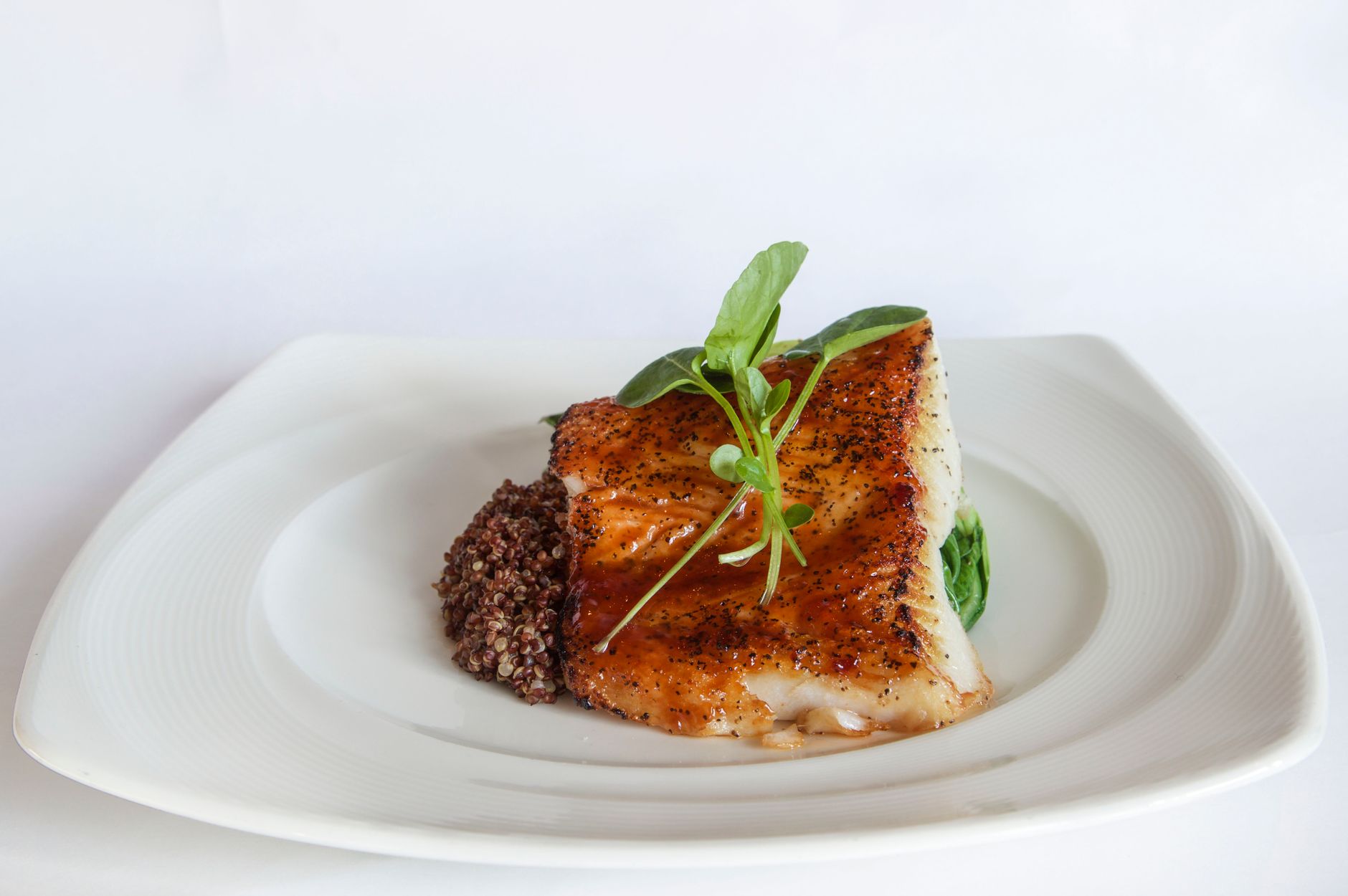
- Miso-glazed cod with steamed broccoli and brown rice.
Snacks:
- Handful of walnuts and berries.
- Hummus with cucumber and carrot sticks.
- Dark chocolate (85%+) with almonds.
One reader, Sarah, shared: “When my pain was at its worst, I stuck to easy-to-digest foods like bone broth and steamed veggies. It wasn’t glamorous, but it helped me feel better.”
For more meal ideas during flare-ups, check out our Atkins diet meal plan for low-carb options.
---
7-Day Endometriosis Diet Meal Plan
Here’s your complete 7-day meal plan, designed to reduce inflammation, ease pain, and support hormonal balance. Each day includes breakfast, lunch, dinner, and snacks—plus tips for meal prep.
Day 1
- Breakfast: Turmeric golden milk with almond milk and a spoonful of honey.
- Lunch: Grilled salmon with quinoa and roasted Brussels sprouts.
- Dinner: Stuffed bell peppers with ground turkey, quinoa, and spinach.
- Snacks: Handful of walnuts and blueberries.
Day 2
- Breakfast: Smoothie bowl with spinach, banana, chia seeds, and almond butter.
- Lunch: Lentil soup with a sprinkle of turmeric and ginger.
- Dinner: Baked chicken with roasted sweet potatoes and steamed asparagus.
- Snacks: Hummus with cucumber and carrot sticks.
Day 3
- Breakfast: Avocado toast on sourdough with smoked salmon.
- Lunch: Quinoa salad with roasted veggies, chickpeas, and olive oil.
- Dinner: Miso-glazed cod with steamed broccoli and wild rice.
- Snacks: Dark chocolate (85%+) with almonds.
Day 4
- Breakfast: Chia pudding with almond milk, berries, and walnuts.
- Lunch: Grilled mackerel with a side of mashed cauliflower and roasted carrots.
- Dinner: Turkey and vegetable stir-fry with brown rice.
- Snacks: Roasted seaweed snacks and edamame.
Day 5
- Breakfast: Scrambled eggs with sautéed spinach and avocado.
- Lunch: Chickpea and avocado wrap in a whole-grain tortilla.
- Dinner: Baked salmon with roasted zucchini and wild rice.
- Snacks: Sliced apple with almond butter.
Day 6
- Breakfast: Oatmeal with flaxseeds, berries, and a drizzle of honey.
- Lunch: Quinoa and black bean bowl with roasted veggies.
- Dinner: Grilled shrimp with a side of steamed green beans and mashed sweet potatoes.
- Snacks: Handful of pistachios and a pear.
Day 7
- Breakfast: Smoothie with almond milk, spinach, banana, and chia seeds.
- Lunch: Turkey and vegetable soup with a side of whole-grain bread.
- Dinner: Baked chicken with roasted Brussels sprouts and quinoa.
- Snacks: Roasted chickpeas and a handful of walnuts.
For a printable version of this meal plan, download our free template.
---
Best foods to eat when endometriosis causes infertility and how to plan meals
If endometriosis has affected your fertility, diet can play a crucial role in supporting hormonal balance and reducing inflammation. Focus on foods rich in folate, omega-3s, and antioxidants—nutrients that support egg quality and uterine health.
Here are some of the best foods to include:
- Leafy greens (spinach, kale)—high in folate, which supports fetal development.
- Fatty fish (salmon, sardines)—rich in omega-3s, which reduce inflammation.
- Berries (blueberries, strawberries)—packed with antioxidants.
- Nuts and seeds (almonds, chia, flax)—great sources of healthy fats and fiber.
- Sweet potatoes—rich in vitamin A, which supports reproductive health.
One reader, Emily, shared: “When I was trying to conceive, I focused on folate-rich foods and omega-3s. It wasn’t a miracle cure, but it helped my body feel more balanced.”
For more fertility-friendly meal ideas, check out our 7-Day Fertility-Boosting Meal Plan.
---
How to make an endometriosis-friendly smoothie bowl for breakfast daily
Smoothie bowls are a great way to start your day with nutrients that fight inflammation and support healing. Here’s a simple, endometriosis-friendly recipe:
Ingredients:
- 1 frozen banana
- 1 cup frozen spinach
- 1 tbsp chia seeds
- 1 tbsp almond butter
- 1 cup almond milk
- Handful of blueberries
- 1 tbsp hemp seeds
- 1 tsp turmeric (optional)
Instructions:
- Blend all ingredients until smooth.
- Pour into a bowl.
- Top with berries, hemp seeds, and a drizzle of almond butter.
- Enjoy immediately!
One reader, Sarah, shared: “I make this every morning, and it’s become my go-to breakfast. It’s filling, nutritious, and easy to prepare.”
---
Endometriosis diet meal plan 7 day that doctors actually recommend
Not all diets are created equal when it comes to endometriosis. The best ones are backed by research and recommended by doctors. Here’s what the experts suggest:
1. Low-glycemic diet—helps stabilize blood sugar and reduce estrogen dominance.
2. Mediterranean diet—rich in anti-inflammatory foods like olive oil, fish, and veggies.
3. Anti-inflammatory diet—focuses on foods like turmeric, ginger, and fatty fish.
4. Gut-healing diets (like AIP)—help reduce digestive issues common in endometriosis.
Dr. Sarah Berga, a reproductive endocrinologist, told Healthline that “a diet rich in omega-3s, fiber, and antioxidants can significantly reduce inflammation and improve symptoms.”
For more doctor-approved meal ideas, check out our endometriosis diet guide from experts.
---
Can turmeric and ginger in meals help with endometriosis inflammation?
Turmeric and ginger are two of the most powerful anti-inflammatory spices you can add to your diet. Both have been studied for their effects on endometriosis:
Turmeric contains curcumin, a compound that:
- Reduces inflammation.
- Shrinks endometriosis lesions in animal studies.
- Eases pain and cramps.
Ginger helps by:
- Reducing nausea (common during flare-ups).
- Lowering prostaglandins, which promote inflammation.
- Easing menstrual pain.
How to use them:
- Add turmeric to golden milk, smoothies, or roasted veggies.
- Sip ginger tea or add fresh ginger to stir-fries.
- Try turmeric-ginger shots for a quick anti-inflammatory boost.
One reader, Jennifer, shared: “I add turmeric to everything—my eggs, my soups, my smoothies. My pain has definitely improved since I started.”
---
Endometriosis diet meal plan 7 day for women with IBS and endometriosis symptoms
If you have both endometriosis and IBS, your diet needs to be extra gentle. The goal is to reduce inflammation while avoiding foods that trigger digestive issues. Here’s how:
Foods to avoid:
- Gluten
- Dairy (if sensitive)
- Processed sugars
- High-FODMAP foods (onions, garlic, apples, beans)
Foods to eat:
- Bone broth
- Steamed veggies (carrots, zucchini, sweet potatoes)
- Lean proteins (chicken, turkey, fish)
- Low-FODMAP fruits (berries, bananas, oranges)
- Healthy fats (avocado, olive oil, nuts)
One reader, Megan, shared: “I cut out gluten and dairy, and my IBS and endometriosis pain both improved. It took time, but it was worth it.”
For more IBS-friendly meal ideas, check out our 7-Day IBS Diet Meal Plan.
---
How to meal prep for endometriosis when you have no appetite during flare-ups
When endometriosis pain flares up, eating can feel impossible. The key is to prep easy-to-eat, nutrient-dense meals that require minimal effort. Here’s how:
Prep ahead:
- Make bone broth—it’s easy to drink and packed with nutrients.
- Roast veggies in advance and store them in containers.
- Cook grains like quinoa and brown rice in bulk.
- Portion out snacks like nuts, seeds, and cut fruit.
Easy meals for flare-ups:
- Smoothies (pre-portioned frozen ingredients).
- Soups (lentil, chicken, or veggie-based).
- Steamed veggies with olive oil and sea salt.
- Hard-boiled eggs.
- Avocado toast (pre-made and stored in the fridge).
One reader, Lisa, shared: “When my pain was bad, I stuck to smoothies and broth. It wasn’t ideal, but it kept me nourished.”
---
Endometriosis diet meal plan 7 day that helps with hormonal balance
Hormonal imbalances are a big part of endometriosis. To support your body, focus on foods that:
- Help regulate estrogen (fiber-rich foods, cruciferous veggies).
- Reduce inflammation (omega-3s, turmeric, ginger).
- Support progesterone production (healthy fats, nuts, seeds).
Here’s what to eat:
- Leafy greens (spinach, kale)
- Cruciferous veggies (broccoli, Brussels sprouts)
- Fatty fish (salmon, sardines)
- Nuts and seeds (almonds, chia, flax)
- Berries (blueberries, raspberries)
- Olive oil and avocados
One reader, Emily, shared: “I noticed my hormones felt more balanced after adding more leafy greens and healthy fats to my diet. My pain was less intense, and my mood improved.”
---
Myth vs. Fact: Endometriosis Diet
There’s a lot of misinformation out there about endometriosis and diet. Let’s set the record straight:
Myth: “You have to eliminate all dairy and gluten to see improvement.”
Fact: While some women benefit from cutting dairy and gluten, others don’t. The key is listening to your body and adjusting based on how you feel. If you tolerate dairy or gluten well, there’s no need to eliminate it unless it triggers symptoms.
Myth: “An endometriosis diet will cure endometriosis.”
Fact: Diet can significantly reduce symptoms and improve quality of life, but it won’t cure the condition. It’s part of a holistic approach that includes medication, surgery, and stress management.
Myth: “You have to follow a strict elimination diet to see results.”
Fact: You don’t need to eliminate entire food groups unless you suspect sensitivity. Focus on adding anti-inflammatory foods and reducing processed foods.
---
Key Takeaways
- An endometriosis diet focuses on anti-inflammatory foods like fatty fish, leafy greens, berries, and olive oil.
- Low-glycemic foods help stabilize blood sugar and reduce estrogen dominance.
- Turmeric, ginger, and omega-3s are powerful anti-inflammatory foods.
- Transition slowly to avoid digestive flare-ups.
- Meal prep can make following the diet easier and more sustainable.
- Always consult your doctor before making major dietary changes, especially if you’re pregnant or trying to conceive.
---
Frequently Asked Questions
What are the worst foods to eat if you have endometriosis?
The worst foods for endometriosis are typically processed sugars, refined carbs, gluten, dairy (if sensitive), and trans fats. These foods promote inflammation and can worsen symptoms. Focus on swapping them for whole, anti-inflammatory foods like leafy greens, fatty fish, and berries.
How quickly can an endometriosis diet reduce pain after starting?
Some women notice improvements in pain within a few days, while others take a few weeks. The key is consistency—staying on the diet long-term helps reduce inflammation and ease symptoms over time.
Can a vegan diet help with endometriosis symptoms?
Yes! A well-planned vegan




