

Quick take: An endometriosis diet grocery list prioritizes anti-inflammatory foods like leafy greens, fatty fish, and berries while avoiding processed foods, gluten, and dairy. Start with a simple list of staples—think turmeric, olive oil, and quinoa—then build meals around these. Budget-friendly swaps (like frozen veggies or beans) make it easier to stick with the diet long-term. Always check labels for hidden additives, and consider a printable checklist to simplify shopping trips.---
You’re staring at a blank grocery list, wondering how to shop for endometriosis—and feeling overwhelmed.
You’ve just gotten your diagnosis, or maybe you’ve been managing endometriosis for years. Either way, you know the pain and fatigue can flare up after certain foods. But what *actually* belongs in your cart? The endless aisles of processed snacks, the dairy section, the gluten-heavy bread—it’s enough to make anyone’s head spin.
Many women with endometriosis tell us they’ve tried cutting out dairy, gluten, or sugar only to feel like they’re missing out on flavor—or worse, like they’re stuck eating bland salads forever. The truth? An endometriosis-friendly diet isn’t about deprivation. It’s about fueling your body with foods that reduce inflammation, support hormone balance, and give you energy to move through the day without pain. And yes, it *can* be delicious, budget-friendly, and sustainable.
This guide is your roadmap. We’ll break down what to buy, what to avoid, and how to shop—whether you’re cooking for one or a family, on a tight budget, or following a vegan or gluten-free plan. By the end, you’ll have a clear, actionable grocery list ready to print (or save to your phone) for your next trip to the store.
Let’s start with the basics: the foods that fight inflammation and the ones that might be making your symptoms worse.
---Best foods to avoid on an endometriosis diet
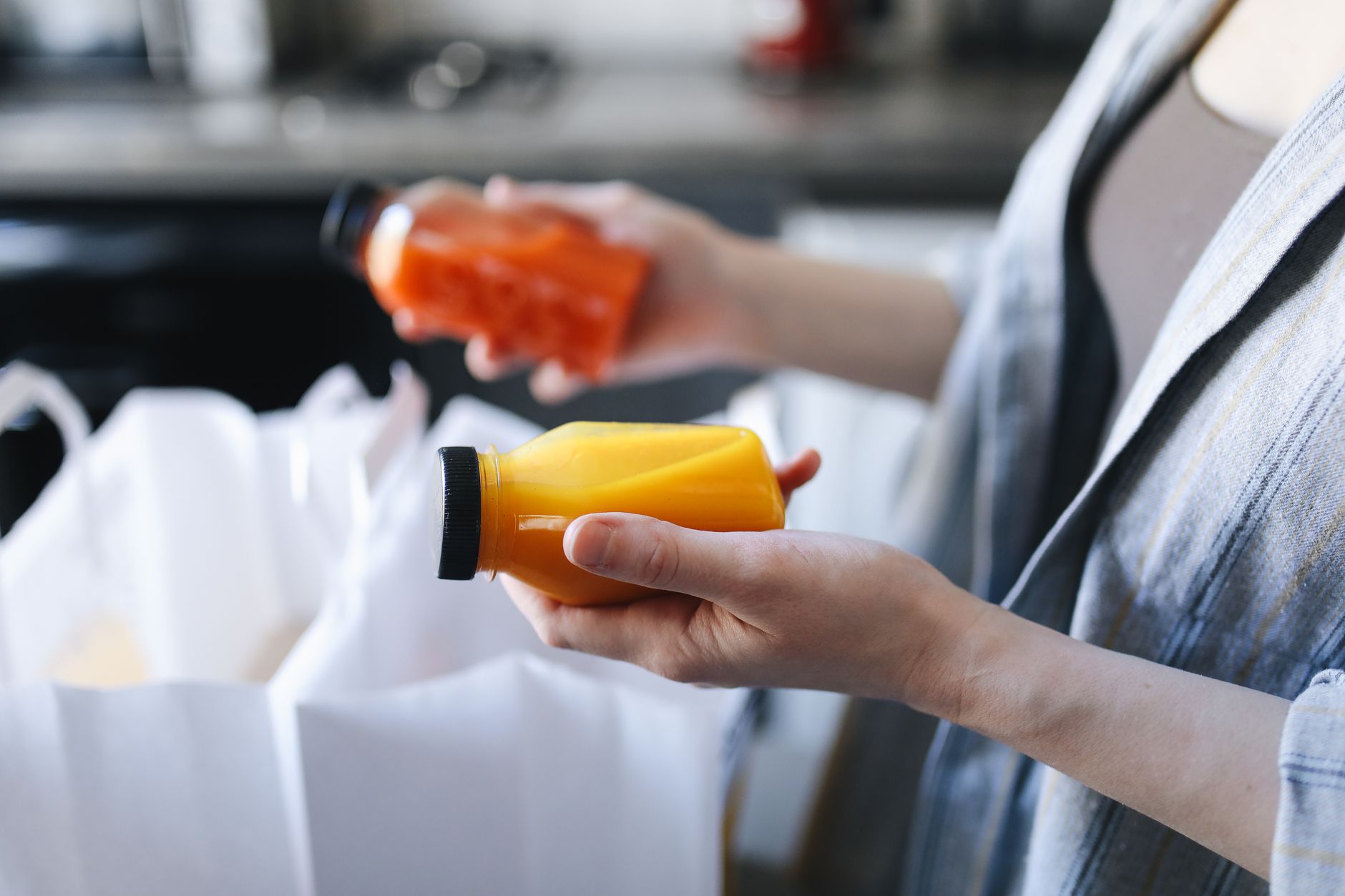
- Processed foods: Think chips, crackers, frozen meals, and deli meats. These often contain trans fats, preservatives, and excess sodium, which can worsen inflammation.
- Gluten: Some women with endometriosis experience improved symptoms when they cut gluten (found in wheat, barley, and rye). If you suspect gluten is a trigger, try an elimination approach—like the AIP elimination diet—to see if your symptoms ease.
- Dairy: Casein and whey in dairy can increase inflammation for some women. If you’re sensitive, opt for plant-based milks or fermented dairy like kefir (in moderation).
- Sugar and refined carbs: White bread, pastries, soda, and even fruit juices can spike blood sugar and promote inflammation. Aim for whole, unprocessed carbs instead.
- Alcohol: It can disrupt hormones and increase estrogen levels, which may worsen endometriosis symptoms. If you drink, limit it to occasional, low-impact options like dry red wine.
- Trans fats and fried foods: Found in margarine, fried snacks, and some baked goods, these fats promote inflammation and can exacerbate pain.
Pro tip: Start by tracking your symptoms for a week after cutting these foods. If your pain or fatigue improves, you’ve likely found a trigger. If not, you might need to explore other dietary adjustments or work with a dietitian specializing in endometriosis.
---How to create a grocery list for endometriosis: Your step-by-step guide
Creating a grocery list for endometriosis doesn’t have to be stressful. Follow this simple framework to build a list that works for your lifestyle, budget, and taste preferences:
Step 1: Start with anti-inflammatory staples
Stock your pantry with these nutrient-dense foods that combat inflammation:
- Fatty fish: Wild-caught salmon, mackerel, and sardines (rich in omega-3s).
- Leafy greens: Spinach, kale, and Swiss chard (packed with magnesium and antioxidants).
- Berries: Blueberries, strawberries, and raspberries (high in polyphenols).
- Turmeric and ginger: Both have potent anti-inflammatory properties. Add them to smoothies, teas, or stir-fries.
- Nuts and seeds: Almonds, chia seeds, and flaxseeds (great for healthy fats and fiber).
- Olive oil: Extra virgin is your go-to for cooking and dressings.
Step 2: Plan for meals and snacks
Think about how you’ll use these staples. For example:
- Breakfast: Overnight oats with chia seeds, berries, and almond butter.
- Lunch: Quinoa salad with spinach, avocado, and grilled salmon.
- Dinner: Stir-fried tofu with turmeric, ginger, and mixed vegetables.
- Snacks: Hummus with veggie sticks, a handful of walnuts, or a smoothie with spinach, banana, and flaxseeds.
Step 3: Check your pantry first
Before you start shopping, take inventory of what you already have. Avoid buying duplicates and focus on filling gaps. For example, if you’re low on healthy fats, add avocados or coconut oil to your list.
Step 4: Organize your list by store sections
Shop more efficiently by organizing your list by where items are located in the store. Here’s a simple template:
- Produce: Leafy greens, berries, ginger, turmeric, garlic, onions, avocados.
- Seafood: Salmon, mackerel, sardines (or frozen fish if fresh isn’t available).
- Meat/Plant-Based Proteins: Chicken, turkey, tofu, tempeh, or lentils.
- Dairy Alternatives: Almond milk, coconut yogurt, or dairy-free cheese (if needed).
- Pantry Staples: Olive oil, quinoa, chia seeds, flaxseeds, nuts, coconut oil.
- Baking/Spices: Turmeric, ginger, cinnamon, cumin, garlic powder.
- Frozen Foods: Frozen berries, spinach, or gluten-free pasta.
Example grocery list snippet:
Produce:---
- Spinach (2 bunches)
- Blueberries (1 pint)
- Ginger root (1 small)
- Turmeric root (1 small)
- Avocados (3)
- Garlic (1 head)
- Onions (3)
Seafood:
- Wild-caught salmon fillets (4)
Gluten-free endometriosis grocery shopping guide
If gluten is a trigger for you, shopping can feel like navigating a minefield. The good news? Many gluten-free foods are also naturally anti-inflammatory. Here’s how to shop smarter:
What to buy
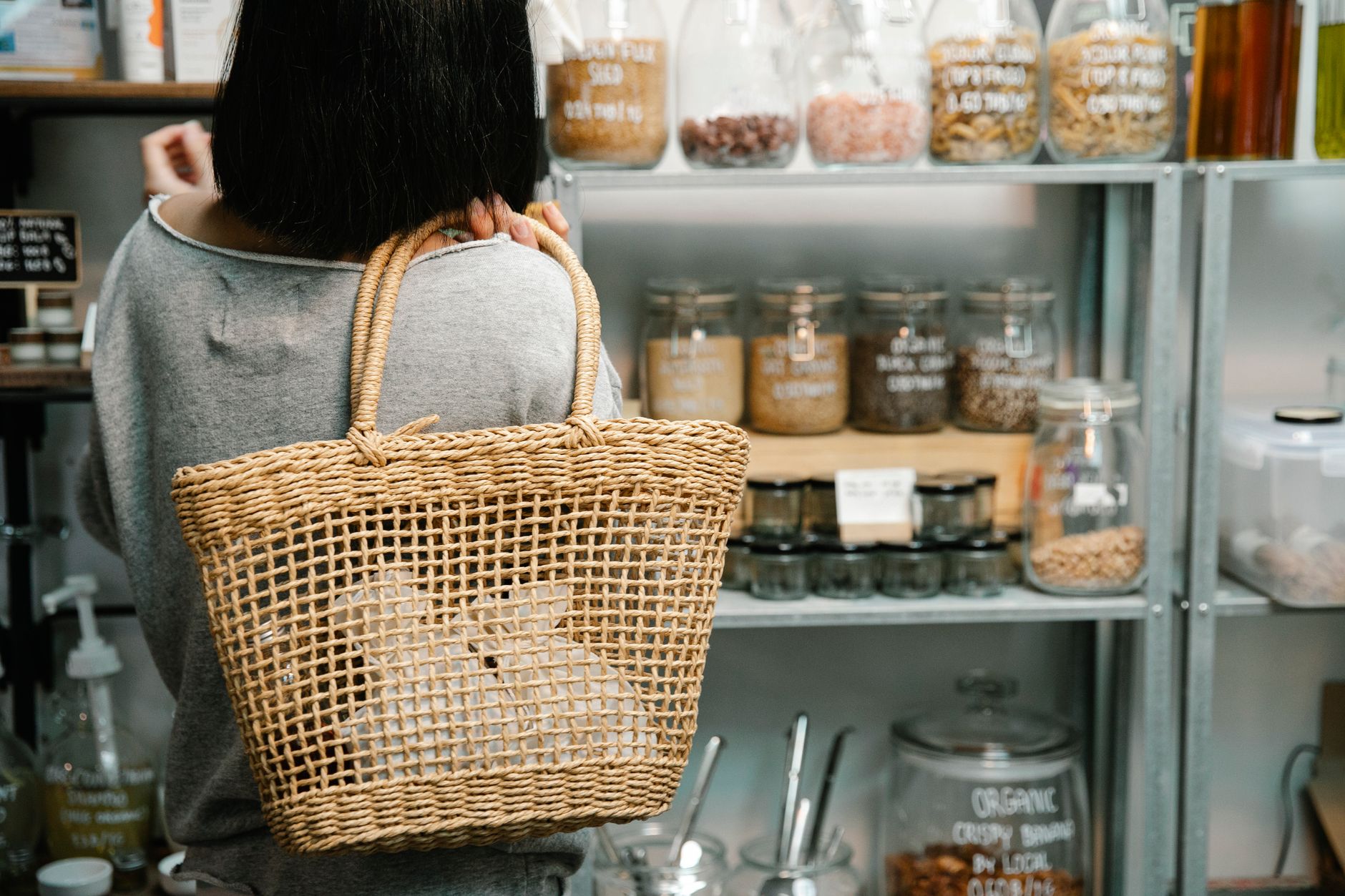
- Grains: Quinoa, brown rice, buckwheat, millet, and certified gluten-free oats.
- Pasta: Look for gluten-free brands made from chickpea, lentil, or brown rice flour.
- Bread: Seek out certified gluten-free options with whole grains, seeds, or almond flour.
- Snacks: Rice cakes, gluten-free crackers, or popcorn (check for additives).
- Sauces and Condiments: Tamari (gluten-free soy sauce), balsamic vinegar, and mustard (ensure no cross-contamination).
What to avoid
- Wheat, barley, and rye (obvious, but also watch for hidden gluten in sauces, broths, and processed foods).
- Malt (found in some beverages and seasonings).
- Cross-contamination risks (e.g., shared fryers or toasters in restaurants).
Pro tip: Read labels religiously
Even gluten-free products can contain additives or preservatives that may not agree with you. Always check the ingredient list for:
- Natural flavors (can sometimes be problematic).
- Artificial colors or sweeteners.
- Hidden gluten (e.g., "hydrolyzed wheat protein").
For a deeper dive into gluten-free shopping, check out our AIP elimination diet grocery list, which covers even stricter dietary needs.
---Anti-inflammatory foods for endometriosis: Your go-to list
Anti-inflammatory foods are the backbone of an endometriosis-friendly diet. These foods help reduce pain, improve energy, and support hormone balance. Here’s a breakdown of the best options:
Fruits
- Berries (blueberries, strawberries, raspberries).
- Cherries (especially tart cherries).
- Apples (with skin for fiber).
- Bananas (for potassium).
- Kiwi (rich in vitamin C).
Vegetables
- Leafy greens (spinach, kale, Swiss chard).
- Cruciferous veggies (broccoli, cauliflower, Brussels sprouts).
- Bell peppers (for vitamin C).
- Sweet potatoes (rich in beta-carotene).
- Garlic and onions (for sulfur compounds).
Proteins
- Fatty fish (salmon, mackerel, sardines).
- Eggs (pasture-raised if possible).
- Plant-based proteins (tofu, tempeh, lentils, chickpeas).
- Wild-caught or grass-fed meats (if you eat meat).
Fats
- Extra virgin olive oil.
- Avocados and avocado oil.
- Nuts and seeds (almonds, walnuts, chia, flax).
- Coconut oil (for cooking).
Spices and Herbs
- Turmeric (with black pepper for absorption).
- Ginger.
- Cinnamon.
- Rosemary.
- Oregano.
Pro tip: Batch-cook grains and proteins to save time. For example, cook a big pot of quinoa or lentils on Sunday and use them all week in salads, soups, or stir-fries.
---Budget-friendly endometriosis diet shopping list
An endometriosis diet doesn’t have to break the bank. With a little planning, you can eat well without overspending. Here’s how to shop on a budget:
Prioritize seasonal and frozen produce
Seasonal fruits and vegetables are cheaper and often more flavorful. Frozen berries, spinach, and mixed vegetables are just as nutritious as fresh and can be more affordable. Look for:
- Frozen spinach or kale.
- Frozen mixed berries.
- Frozen sweet potatoes.
Buy in bulk
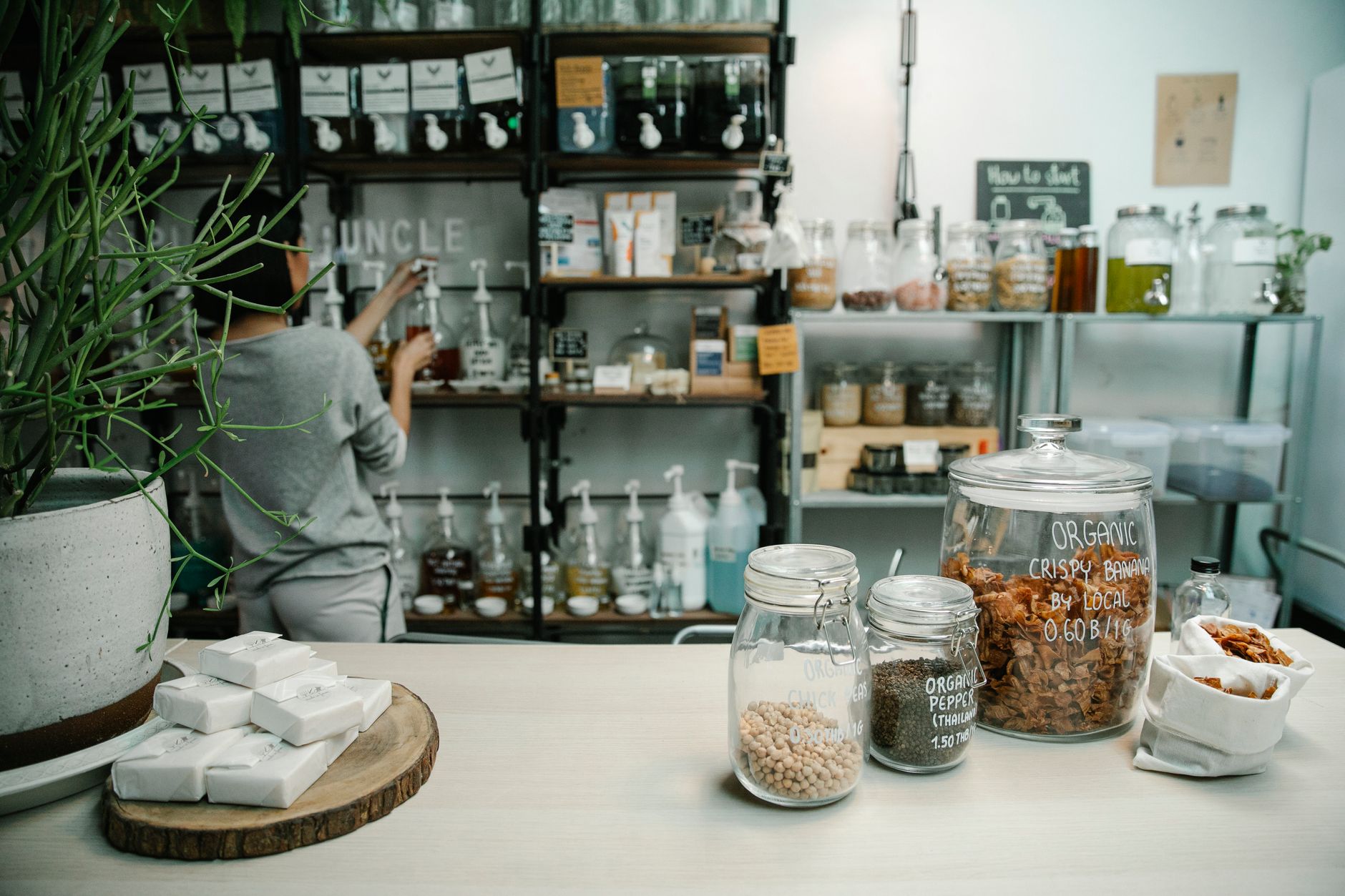
Grains like quinoa, brown rice, and lentils are cheaper in bulk. Portion them out and freeze extras for later. Nuts and seeds can also be bought in bulk and stored in airtight containers.
Opt for store brands
Store-brand olive oil, canned beans, and frozen meals are often just as high-quality as name brands but cost less. Always check the ingredient list to ensure they meet your dietary needs.
Cook at home
Pre-made meals and takeout can add up quickly. Cooking at home allows you to control ingredients and portion sizes. Try meal prepping on Sundays to save time during the week.
Use coupons and sales
Sign up for email newsletters from your favorite stores to get coupons and alerts on sales. Apps like Honey or RetailMeNot can also help you find discounts.
Sample budget-friendly grocery list
Produce:---
- Frozen mixed berries (1 bag)
- Frozen spinach (1 bag)
- Bananas (6)
- Apples (6)
- Carrots (1 lb)
- Onions (3)
- Garlic (1 head)
Pantry:
- Brown rice (2 lbs)
- Lentils (1 lb)
- Chickpeas (1 can)
- Quinoa (1 lb)
- Almond butter (1 jar)
- Olive oil (1 bottle)
Proteins:
- Eggs (1 dozen)
- Canned tuna (4 cans)
- Frozen shrimp (1 lb)
Snacks:
- Popcorn kernels (1 bag)
- Almonds (1 lb)
- Dark chocolate (70% or higher, 1 bar)
Vegan endometriosis grocery list
If you’re following a vegan diet with endometriosis, you can still eat a nutrient-dense, anti-inflammatory diet. Focus on plant-based proteins, healthy fats, and a variety of colorful vegetables. Here’s what to prioritize:
Proteins
- Tofu and tempeh.
- Lentils and chickpeas.
- Black beans and kidney beans.
- Seitan (if gluten isn’t a trigger).
- Hemp seeds and nutritional yeast.
Fats
- Avocados and avocado oil.
- Nuts and seeds (almonds, walnuts, chia, flax).
- Coconut oil.
- Olive oil.
Dairy Alternatives
- Almond milk.
- Coconut yogurt.
- Cashew cheese.
Sample vegan grocery list
Produce:---
- Spinach (3 bunches)
- Kale (2 bunches)
- Bell peppers (4)
- Zucchini (4)
- Carrots (1 lb)
- Sweet potatoes (4)
- Avocados (4)
- Lemons (3)
Proteins:
- Tofu (2 blocks)
- Tempeh (1 block)
- Lentils (1 lb)
- Chickpeas (2 cans)
- Black beans (2 cans)
Pantry:
- Quinoa (1 lb)
- Brown rice (2 lbs)
- Chia seeds (1 bag)
- Flaxseeds (1 bag)
- Almond butter (1 jar)
Snacks:
- Roasted chickpeas (1 bag)
- Hummus (1 jar)
- Dark chocolate (vegan, 1 bar)
How to read labels for an endometriosis diet
Reading labels is one of the most important skills for managing an endometriosis diet. Many processed foods contain hidden additives, preservatives, or ingredients that can trigger inflammation. Here’s how to decode them:
Watch for these red flags
- Artificial additives: Artificial colors (e.g., FD&C Blue No. 1), flavors, and preservatives (e.g., BHA, BHT).
- High fructose corn syrup: A common sweetener linked to inflammation.
- Trans fats: Found in partially hydrogenated oils.
- Refined sugars: Look for sugar, dextrose, maltose, or corn syrup in the first few ingredients.
- Gluten-containing grains: Wheat, barley, rye, and malt (even in sauces or broths).
- Dairy derivatives: Casein, whey, lactose, or milk solids (if you’re avoiding dairy).
Look for these green flags
- Whole, unprocessed ingredients: Think fruits, vegetables, nuts, seeds, and lean proteins.
- Minimal ingredients: The fewer ingredients, the better. Aim for items with 5 or fewer ingredients.
- Organic or non-GMO labels: While not always necessary, these can reduce exposure to pesticides and genetically modified organisms.
- Anti-inflammatory spices: Turmeric, ginger, cinnamon, and rosemary are great additions.

Pro tip: Use apps to help
Apps like Yuka (for Europe/UK) or Clean Label Project can scan barcodes and rate products based on their ingredient quality. They’re a great way to quickly identify healthier options.
---Endometriosis diet meal plan: 7-day sample plan
Here’s a simple 7-day meal plan to get you started. Adjust based on your preferences and dietary needs (e.g., gluten-free, vegan, or dairy-free).
| Day | Breakfast | Lunch | Dinner | Snacks |
|---|---|---|---|---|
| Monday | Overnight oats with chia seeds, almond butter, and blueberries | Quinoa salad with spinach, avocado, cherry tomatoes, and grilled chicken | Baked salmon with roasted sweet potatoes and steamed broccoli | Hummus with cucumber and carrot sticks; handful of walnuts |
| Tuesday | Smoothie with spinach, banana, flaxseeds, almond milk, and ginger | Lentil soup with a side of mixed greens and olive oil dressing | Stir-fried tofu with turmeric, ginger, bell peppers, and brown rice | Apple slices with almond butter; dark chocolate (70%) |
| Wednesday | Scrambled eggs with spinach, mushrooms, and avocado | Chickpea salad with cucumber, olives, and lemon dressing | Grilled chicken with roasted Brussels sprouts and quinoa | Roasted chickpeas; handful of almonds |
| Thursday | Chia pudding with coconut milk, berries, and walnuts | Turmeric and ginger salad with mixed greens, avocado, and chickpeas | Baked cod with roasted sweet potatoes and asparagus | Celery sticks with hummus; handful of cashews |
| Friday | Smoothie bowl with frozen berries, banana, and almond butter | Quinoa and black bean bowl with avocado, salsa, and lime | Stuffed bell peppers with ground turkey, brown rice, and tomatoes | Dark chocolate-covered almonds; handful of walnuts |
| Saturday | Avocado toast on gluten-free bread with smoked salmon | Buddha bowl with roasted sweet potatoes, chickpeas, avocado, and tahini dressing | Grilled shrimp with zucchini noodles and pesto | Fresh fruit salad; handful of macadamia nuts |
| Sunday | Greek yogurt (or coconut yogurt) with granola, berries, and flaxseeds | Lentil and vegetable stew with a side of gluten-free bread | Baked chicken with roasted cauliflower and mashed sweet potatoes | Trail mix with nuts and seeds; handful of dried apricots |
For more meal ideas, check out our Blue Zones diet grocery list for inspiration on long-term, sustainable eating habits.
---Endometriosis diet grocery store tips
Shopping for an endometriosis diet can feel overwhelming, but these tips will make your trips smoother and more efficient:
Plan ahead
Spend 10–15 minutes each week planning your meals and snacks. This helps you avoid last-minute, unhealthy choices and ensures you buy only what you need.
Shop the perimeter of the store
The outer edges of the grocery store typically hold the freshest, whole foods—produce, seafood, meats, and dairy (or dairy alternatives). Minimize time in the inner aisles where processed foods lurk.
Use a reusable bag or tote
Bring your own bags to avoid plastic waste and to carry heavier items like bulk grains or frozen vegetables.
Shop online for convenience
Many grocery stores offer online shopping with home delivery or curbside pickup. This is especially helpful if you’re managing pain or fatigue. Look for stores with gluten-free or vegan filters if needed.
Avoid shopping when hungry
Hunger can lead to impulse buys of processed snacks. Eat a small snack before heading to the store to stay focused.
Check for sales and discounts
Use store apps or loyalty programs to track sales on proteins, grains, and frozen vegetables. Stock up on discounted items and freeze them for later.
---Endometriosis diet grocery list printable
Ready to print your list? Below is a template you can copy and paste into a Word document or save as a PDF. Customize it with your favorite anti-inflammatory foods!
Endometriosis Diet Grocery List
Produce:
- Leafy greens (spinach, kale, Swiss chard)
- Berries (blueberries, strawberries, raspberries)
- Ginger and turmeric roots
- Garlic and onions
- Avocados
- Sweet potatoes
- Bell peppers
- Carrots
- Zucchini
- Lemons
Seafood:
- Wild-caught salmon
- Mackerel
- Sardines
Proteins:
- Chicken or turkey (pasture-raised if possible)
- Eggs (pasture-raised)
- Tofu or tempeh
- Lentils or chickpeas
- Canned tuna
Pantry Staples:
- Quinoa
- Brown rice
- Chia seeds
- Flaxseeds
- Almond butter
- Olive oil
- Coconut oil
- Turmeric powder
- Ginger powder
Snacks:
- Nuts (almonds, walnuts)
- Seeds (chia, flax, pumpkin)
- Dark chocolate (70% or higher)
- Hummus
- Popcorn kernels
Dairy Alternatives (if needed):
- Almond milk
- Coconut yogurt
- Cashew cheese
Frozen:
- Mixed berries
- Spinach or kale
- Sweet potatoes
Save this list to your phone or print it out for your next shopping trip. For a more detailed list, consider creating a spreadsheet with columns for "Buy," "Skip," and "Check Sales."
---Myth vs. Fact: Endometriosis and Diet
There’s a lot of misinformation out there about endometriosis and diet. Let’s set the record straight:
Myth: "An endometriosis diet is just a low-fat diet."
Fact: While reducing saturated fats can help, the focus is on healthy fats like omega-3s (from fatty fish, nuts, and seeds) and avoiding inflammatory fats (trans fats, fried foods). The goal is to reduce overall inflammation, not just fat intake.
Myth: "You have to eliminate all dairy to see improvement."
Fact: Some women thrive on dairy-free diets, while others tolerate small amounts of fermented dairy (like kefir) without issues. Experiment with an elimination diet to see what works for you.
Myth: "An endometriosis diet is expensive."
Fact: While organic and specialty foods can add up, you can eat a nutrient-dense, anti-inflammatory diet on a budget by prioritizing seasonal produce, frozen veggies, and store-brand staples. Our budget-friendly tips apply here too!
Myth: "If it’s natural, it’s safe."
Fact: Natural doesn’t always mean healthy. For example, honey is natural but high in sugar, which can trigger inflammation. Always check labels and balance your diet with whole, minimally processed foods.
---Key takeaways
- Focus on anti-inflammatory foods like fatty fish, leafy greens, berries, and healthy fats to reduce pain and support hormone balance.
- Avoid processed foods, gluten, dairy, sugar, and alcohol if they trigger your symptoms. Experiment to find your personal triggers.
- Read labels carefully to avoid hidden additives, preservatives, and inflammatory ingredients.
- Plan meals and snacks ahead to stay on track and avoid last-minute unhealthy choices.
- Shop the perimeter of the store for fresh, whole foods and use online shopping for convenience.
- An endometriosis diet can be budget-friendly with smart shopping strategies like buying in bulk, choosing frozen produce, and using store brands.
- Consider working with a dietitian specializing in endometriosis if you’re unsure where to start or need personalized guidance.
Frequently asked questions
What foods should I avoid if I have endometriosis?
Start by avoiding processed foods, gluten, dairy, sugar, refined carbs, and alcohol, as these are common triggers for inflammation. Keep a food diary to track your symptoms and identify personal triggers. If you suspect gluten or dairy is an issue, try an elimination diet for 4–6 weeks to see if your symptoms improve.
What are the best foods for an endometriosis diet?
The best foods for an endometriosis diet are anti-inflammatory, nutrient-dense, and hormone-balancing. Prioritize:
- Fatty fish (salmon, mackerel, sardines).
- Leafy greens (spinach, kale, Swiss chard).
- Berries (blueberries, strawberries, raspberries).
- Turmeric and ginger (for their anti-inflammatory properties).
- Healthy fats (avocados, nuts, seeds, olive oil).
- Plant-based proteins (lentils, chickpeas, tofu, tempeh).
These foods help reduce inflammation, support hormone balance, and provide sustained energy.
How can I create a grocery list for an endometriosis diet?
Start by organizing your list by store sections (produce, seafood, proteins, pantry, etc.). Focus on anti-inflammatory staples like leafy greens, fatty fish, berries, and healthy fats. Include snacks like nuts, seeds, and hummus to keep you full and satisfied. For a gluten-free or vegan approach, adjust your list to include certified gluten-free grains or plant-based proteins. Always check labels for hidden additives or triggers.
What is the difference between an endometriosis diet and a general anti-inflammatory diet?
An endometriosis diet is a subset of an anti-inflammatory diet, tailored specifically to support women with endometriosis. While both diets focus on reducing inflammation, the endometriosis diet may also emphasize:
- Hormone-balancing foods (like cruciferous vegetables and flaxseeds).
- Personalized eliminations (e.g., gluten, dairy, or alcohol) based on individual triggers.
- A stronger focus on gut health, as endometriosis is linked to digestive issues.
If you’re unsure where to start, consider working with a dietitian who specializes in endometriosis for personalized guidance.
Can I follow a vegan diet if I have endometriosis?
Absolutely! A well-planned vegan diet can be highly beneficial for endometriosis, as it emphasizes whole, plant-based foods that are naturally anti-inflammatory. Focus on:
- Plant-based proteins (tofu, tempeh, lentils, chickpeas).
- Healthy fats (avocados, nuts, seeds, olive oil).
- Colorful vegetables and fruits (especially berries and leafy greens).
- Anti-inflammatory spices (turmeric, ginger, cinnamon).
Ensure you’re getting enough vitamin B12, iron, and omega-3s (from flaxseeds or algae-based supplements) to meet your nutritional needs. For a sample vegan grocery list, see the section above.
How much does an endometriosis diet grocery list cost?
The cost of an endometriosis diet


