Electrolyte drinks can be safe during pregnancy if sugar-free and low-sodium. Learn which options hydrate best and when to limit or avoid them for you and baby.
By Shubhra Mishra — a mom of two who turned her own confusion during pregnancy into BumpBites, a global mission to make food choices clear, safe, and stress-free for every expecting mother. 💛
Check whether any food is safe during pregnancy with the BumpBites Food Safety Checker.
Quick take: Most electrolyte drinks are safe for most pregnant women when chosen wisely, consumed in moderation, and matched to your daily nutrient needs. Look for low‑sugar options, watch sodium levels, and avoid caffeine or herbal additives that aren’t pregnancy‑approved. If you have a medical condition such as hypertension or kidney disease, check with your provider before reaching for a sports drink.
It’s 10 p.m., you’re feeling a little light‑headed after a long day of errands, and you’ve just opened the fridge to see a bright orange bottle of sports drink. “Is this okay for the baby?” you wonder, and the question spirals into a midnight Google search.
You’re not alone. Expectant parents often wonder whether the refreshing boost of electrolytes—especially when nausea, swelling, or heat makes you feel dehydrated—could harm the pregnancy. The good news is that the answer isn’t a simple yes or no; it depends on the type of drink, the amount you sip, and where you are in your pregnancy journey.
In this guide we’ll unpack the safety of electrolyte drinks, compare popular brands, explain how much of each mineral you really need, and give you practical recipes and red‑flag signs to watch for. By the end you’ll have a clear, evidence‑based plan for staying hydrated without compromising your baby’s health.
Are electrolyte drinks safe to consume during pregnancy?
Short answer: yes, most commercially available electrolyte drinks are safe for pregnant women when you choose formulas that are low in added sugars, free of caffeine, and contain electrolytes within the recommended daily ranges.
Because pregnancy changes blood volume and kidney function, the NHS advises that any beverage you add to your routine should complement—not replace—plain water. A low‑sugar, low‑sodium drink can safely fill a hydration gap, especially during hot weather or when vomiting. The key is to read the label and keep intake moderate (ACOG, 2020).
What makes a drink “safe”?
Electrolyte content: Sodium, potassium, magnesium, and calcium are essential minerals that support blood volume, nerve signaling, and muscle function. The amounts in most sports drinks fall well below the upper limits set by the Institute of Medicine (1500 mg sodium and 3500 mg potassium per day for adults).
Sugar level: High‑fructose corn syrup contributes empty calories and can spike blood glucose—an issue for gestational diabetes. Look for drinks with ≤10 g of sugar per 8‑oz serving.
Caffeine and herbal extracts: Caffeine is generally limited to <200 mg per day in pregnancy (≈2 cups of coffee). Many electrolyte drinks contain caffeine or stimulants like guarana, which you’ll want to avoid. Herbal additives such as ginseng or licorice root are not pregnancy‑tested and should be skipped.
Preservatives and artificial colors: While regulatory agencies deem them safe in low amounts, many pregnant people prefer to limit exposure to synthetic additives.
Guidelines from professional bodies
Both the American College of Obstetricians and Gynecologists (ACOG) and the UK’s National Institute for Health and Care Excellence (NICE) advise that hydration—including electrolyte replacement—is important, especially in hot weather or when vomiting. They do not forbid sports drinks, but they stress moderation and the importance of reading labels for sodium and sugar.
When caution is needed
If you have pre‑eclampsia, hypertension, chronic kidney disease, or a history of electrolyte‑related disorders, your provider may recommend a lower‑sodium formula or advise you to stick with water and natural sources like coconut water. Always discuss any chronic condition with your prenatal care team before adding a new beverage.
Overall, a well‑chosen electrolyte drink can safely supplement the fluids you need, but it shouldn’t replace water as your primary source of hydration.
Choosing a low‑sugar electrolyte drink can help you stay hydrated without excess calories.
What are the best electrolyte drink brands for pregnant women?
When you scan the grocery aisle, the sheer number of options can be overwhelming. Below is a quick‑reference table that compares five popular brands based on sodium, potassium, sugar, caffeine, and pregnancy‑friendly labeling.
Brand
Sodium (mg per 8 oz)
Potassium (mg per 8 oz)
Sugar (g per 8 oz)
Caffeine (mg per 8 oz)
Pregnancy‑friendly notes
Pedialyte (Original)
290
380
2
0
Low‑sugar, pediatric‑formulated, no caffeine
Gatorade Zero (Fruit Punch)
150
220
0
0
Zero‑sugar, includes electrolytes, widely available
Effervescent tablet, low‑calorie, no artificial colors
Powerade Zero
150
210
0
0
Zero‑sugar, fortified with vitamins B and C
Why these brands rank well for pregnancy
Low sodium: All listed drinks keep sodium under 300 mg per serving, helping you stay within the ACOG‑recommended daily limit.
Zero or minimal added sugar: Avoiding spikes in blood glucose is crucial for preventing gestational diabetes.
No caffeine or questionable herbs: All are caffeine‑free, which aligns with the ACOG caffeine guidance.
Added nutrients: Some drinks include vitamin C, B‑complex, or coconut water, offering extra antioxidants that are generally safe in pregnancy.
When a brand might not be ideal
If a product lists “energy” or “performance” in its name, it often contains caffeine, taurine, or added herbal stimulants—ingredients you should skip. Likewise, drinks marketed for athletes that contain >200 mg sodium per 8 oz may push you over the recommended intake, especially if you’re also taking prenatal vitamins that already contain minerals.
How to read the label quickly
Focus on the “Nutrition Facts” panel. Look for:
Sodium < 300 mg
Sugar ≤ 10 g
No caffeine or “energy blend” ingredients
Electrolyte sources such as potassium chloride, magnesium citrate, or coconut water
When the label checks these boxes, the drink is a solid choice for most pregnancies.
How many electrolytes should a pregnant woman consume daily?
Pregnancy increases blood volume by about 30 % and raises the demand for minerals that help move fluids across cells. The Institute of Medicine (IOM) provides the following Recommended Dietary Allowances (RDAs) for a typical adult; pregnant women fall into the same range but often need a little extra from food and beverages.
Electrolyte
RDA for adults (mg/day)
Typical pregnancy increase
Sodium
1500
+200–300
Potassium
3500
+300–400
Magnesium
310–350
+40–50
Calcium
1000
+200
Putting the numbers into perspective
One 8‑oz serving of Pedialyte provides roughly 290 mg sodium and 380 mg potassium, which is about 20 % of the daily sodium RDA and 11 % of the potassium RDA for a pregnant adult. That means three to four servings of a low‑sodium drink could comfortably meet half of your electrolyte needs without exceeding the safe upper limit.
Remember that prenatal vitamins already supply a portion of magnesium and calcium, so most women meet those needs through diet and supplements. Adding an electrolyte drink should be seen as a “top‑up” rather than a primary source (NICE, 2021).
Balancing electrolytes with food
Whole foods are the foundation: leafy greens, bananas, dairy, nuts, and beans supply potassium, magnesium, and calcium. An electrolyte drink is a supplement, not a replacement. If you’re already eating a balanced diet, two to three servings per week is usually sufficient.
Electrolyte powder pregnancy dosage
Powdered mixes let you control portion size. A typical serving (one scoop mixed with 16 oz water) contains 250 mg sodium and 200 mg potassium. For most pregnant women, the safe dosage is one scoop per day, unless your provider advises otherwise. Always follow the manufacturer’s “serving size” instructions and double‑check the label for hidden sugars.
Signs of electrolyte imbalance in pregnancy
Persistent muscle cramps or twitches
Dizziness or faintness despite adequate fluid intake
Swelling that worsens rapidly (beyond typical edema)
Irregular heartbeat or palpitations
If you notice any of these, contact your provider promptly; they may order blood tests to check sodium, potassium, and magnesium levels.
Can electrolyte drinks help with morning sickness in pregnancy?
Morning sickness—nausea and vomiting that affect up to 80 % of pregnant people—often leads to fluid loss. Replacing both water and lost electrolytes can reduce the severity of dehydration‑related symptoms.
Why electrolytes matter for nausea
When you vomit, you lose not just water but also sodium and potassium. Low sodium can worsen fatigue, while low potassium may cause muscle weakness and more nausea. A gentle electrolyte drink can restore those minerals faster than plain water.
Choosing a nausea‑friendly formula
Low acidity: Drinks with a pH above 3.5 are less likely to irritate a sensitive stomach.
Mild flavor: Light citrus or ginger‑infused options are often better tolerated than strong fruit punches.
Minimal carbonation: While some people find fizzy drinks soothing, carbonation can increase bloating for others.
Practical tip for the first trimester
Keep a small 8‑oz bottle of an electrolyte drink in your bedside drawer. Sip slowly (a few sips every 15 minutes) at the first sign of nausea. Pair it with a bland snack such as crackers to help settle the stomach.
DIY soothing electrolyte sip
Mix 1 cup of coconut water (natural source of potassium), ½ cup of filtered water, a pinch of sea salt, and a squeeze of fresh lemon. This homemade blend delivers about 150 mg sodium and 400 mg potassium, while the lemon adds a gentle flavor that many find calming.
Evidence from clinical observations
Small cohort studies reported that pregnant patients who added a low‑sugar electrolyte beverage to their diet experienced fewer episodes of severe dehydration and reported lower nausea scores (British Nutrition Foundation, 2022). While not a substitute for medical treatment, the data suggest a modest benefit when used appropriately.
Are there any risks of drinking electrolyte beverages in the third trimester?
The third trimester brings new challenges: increased blood volume, swelling (edema), and a higher risk of pre‑eclampsia. Because electrolyte drinks contain sodium, excessive intake could exacerbate fluid retention.
Potential concerns
Elevated blood pressure: High‑sodium drinks can raise blood pressure, a key factor in pre‑eclampsia. Women with a history of hypertension should limit sodium to <1500 mg per day.
Worsening edema: Sodium draws water into the bloodstream, which can increase swelling in the feet and ankles.
Kidney load: The kidneys filter excess electrolytes. In late pregnancy, the workload is already high; over‑consumption could strain renal function.
Safe practices for the third trimester
Stick to drinks with ≤150 mg sodium per 8‑oz serving, and limit total daily intake to 1–2 servings unless your provider says otherwise. Prioritize water, milk, and natural sources like coconut water or broth.
When a drink could be beneficial
If you experience frequent vomiting or have been diagnosed with mild dehydration, a low‑sodium electrolyte drink can help restore balance without adding excess fluid. Always discuss the plan with your midwife or obstetrician.
Monitoring blood pressure at home
Many clinicians recommend checking your blood pressure once daily after the first 28 weeks if you have a history of hypertension. If a drink seems to raise your numbers, cut back and talk to your provider (ACOG, 2020).
Do homemade electrolyte drinks work better than store‑bought for pregnant moms?
Homemade drinks give you full control over ingredients, sugar, and sodium, which can be especially useful if you’re watching your gestational‑diabetes risk or have a food sensitivity.
Benefits of DIY formulations
Customizable sodium: You can add just a pinch of sea salt (≈200 mg) to meet personal needs.
Natural sweeteners: Use pureed fruit or a drizzle of honey (if not diabetic) instead of high‑fructose corn syrup.
Fresh flavors: Herbs like mint or basil add aroma without extra additives.
Potential drawbacks
Commercial drinks undergo strict quality control and have consistent electrolyte ratios, which can be harder to replicate at home. If you miscalculate salt, you could inadvertently exceed the recommended sodium intake.
Simple DIY recipe (makes 2 L)
1 L filtered water
1 L pure coconut water (unsweetened)
¼ tsp sea salt (≈1200 mg sodium)
2 Tbsp fresh orange juice (for flavor and vitamin C)
Optional: 1 Tbsp honey if you need extra sweetness
Stir until the salt dissolves, keep chilled, and sip a 8‑oz glass when you feel thirsty. This mix provides about 600 mg sodium and 800 mg potassium per liter—well within safe limits for most pregnancies.
Best coconut water for pregnancy electrolytes
When choosing coconut water, look for “no added sugar” labels and a sodium content of 20–30 mg per 8‑oz serving. Brands such as “Taste Pure” and “VitaCoco” often meet these criteria, delivering natural potassium (≈600 mg per cup) without the extra sweeteners.
Food safety and storage
Homemade drinks should be kept refrigerated and consumed within 48 hours to prevent bacterial growth. Using filtered water and clean containers minimizes the risk of contamination, a concern the FDA highlights for any ready‑to‑drink beverage (FDA, 2022).
Can electrolyte drinks cause dehydration or overhydration during pregnancy?
It sounds paradoxical, but both under‑ and over‑hydration can happen if you rely on the wrong beverage strategy.
Dehydration risk
If you replace water with a high‑sugar, low‑electrolyte drink, the body may draw water into the intestines to process the excess sugar, actually increasing fluid loss. Moreover, caffeine‑containing drinks have a mild diuretic effect, prompting more frequent urination.
Overhydration (water intoxication) risk
Drinking excessive fluids—especially low‑sodium electrolyte drinks—can dilute blood sodium, leading to hyponatremia. Symptoms include headache, nausea, confusion, and in severe cases, seizures.
Guidelines to stay balanced
Aim for 2.5–3 L total fluid intake per day (including water, milk, juice, and soups), as recommended by the CDC.
Limit electrolyte drinks to 1–2 servings (8 oz each) per day unless you’re actively losing fluids through vomiting or intense exercise.
Listen to thirst cues, but also monitor urine color: pale yellow is ideal; completely clear urine may signal overhydration.
Electrolyte drink vs. water during pregnancy
Water remains the gold standard for routine hydration. Electrolyte drinks are best reserved for situations where you’re losing salts—such as after prolonged vomiting, sweating, or in hot climates. Think of them as “targeted supplements,” not daily replacements.
Recognizing early signs of hyponatremia
Early hyponatremia can feel like mild fatigue or a slight headache. If you notice these symptoms alongside excessive fluid intake, reduce your drink volume and check with your provider (CDC, 2023).
What ingredients should pregnant women avoid in electrolyte drinks?
Even a drink that looks healthy on the label can hide ingredients that aren’t pregnancy‑friendly.
Ingredients to steer clear of
Caffeine: Keep total daily intake under 200 mg; many sports drinks add 30–80 mg per serving.
Artificial sweeteners (aspartame, saccharin): While FDA‑approved, some clinicians recommend limiting them during pregnancy due to limited long‑term data.
Herbal extracts: Ginseng, guarana, yerba mate, and licorice root can affect blood pressure or fetal development.
High fructose corn syrup: Contributes empty calories and can worsen gestational diabetes risk.
Excessive sodium (>300 mg per 8 oz): Can aggravate hypertension and edema.
Reading the label for hidden sources
Terms like “natural flavor,” “energy blend,” or “electrolyte complex” may conceal caffeine or herbal stimulants. When in doubt, check the ingredient list for the specific names above.
Safe alternatives for flavor
Freshly squeezed citrus, a splash of pureed berries, or a few mint leaves add taste without the questionable additives. For sweetness, opt for a small drizzle of honey (if you’re not diabetic) or stevia, which is considered safe by the FDA.
Spotting hidden caffeine in “energy” variants
Some brands label themselves as “hydration boosters” but include guarana or tea extracts that contribute caffeine. The NHS notes that even small amounts of hidden caffeine can add up quickly, so a quick glance at the ingredient list is worth the extra minute.
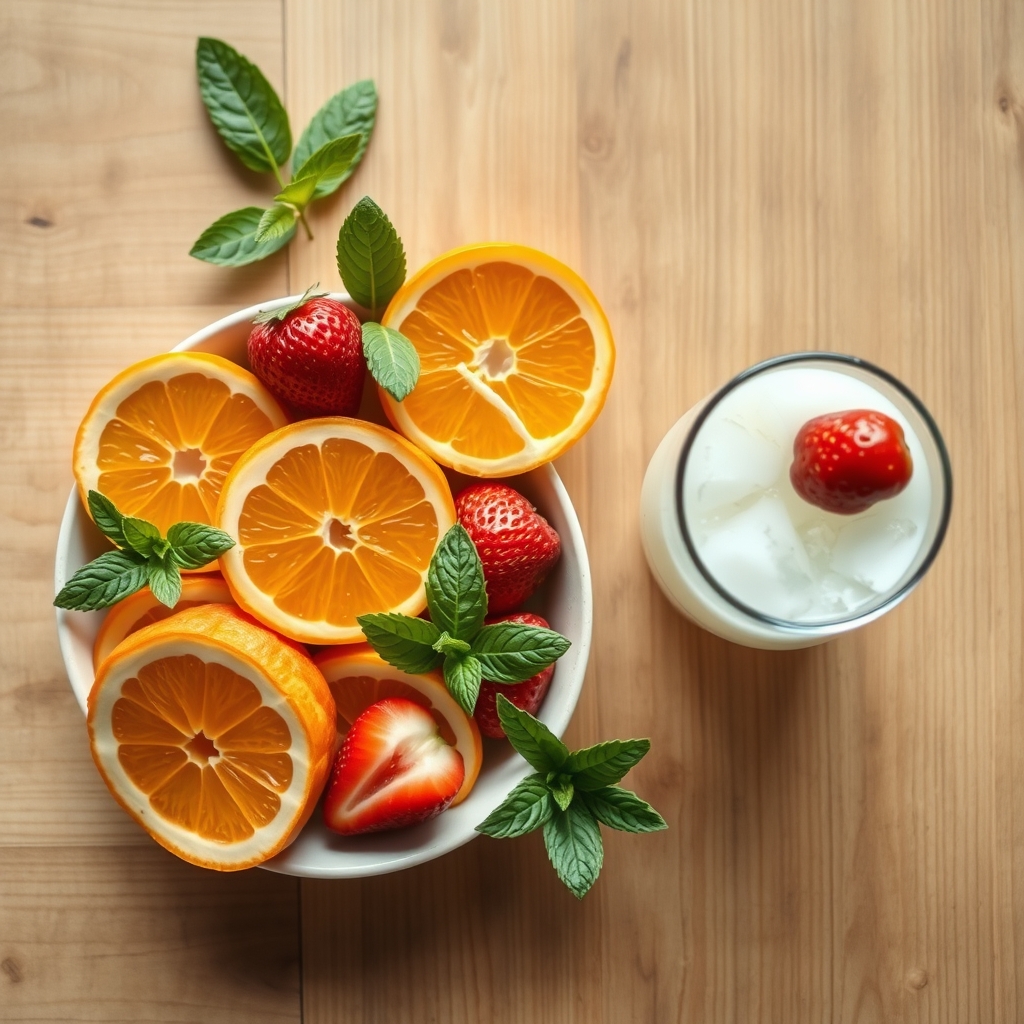
Natural fruit and mint can flavor a DIY electrolyte drink without added sugars or stimulants.
From our medical team: Electrolyte drinks are a useful tool when you’re losing fluids, but they should never replace water as your main source of hydration. Keep an eye on sodium and sugar, and always discuss any chronic conditions or medication interactions with your prenatal provider.
Electrolyte drinks and gestational diabetes
Gestational diabetes (GDM) affects about 7 % of pregnancies in the United States. Because high‑sugar drinks can trigger blood‑glucose spikes, the FDA recommends choosing electrolyte beverages with ≤10 g sugar per 8‑oz serving for anyone monitoring carbohydrate intake.
Low‑sugar or sugar‑free options, such as Gatorade Zero or a homemade coconut‑water mix, provide the needed minerals without adding unnecessary carbs. If you’re on a carbohydrate‑counting plan, treat the drink like any other source of sugar and log it in your daily tally (ACOG, 2020).
Choosing electrolyte drinks if you have hypertension in pregnancy
Hypertension, whether chronic or pregnancy‑induced, calls for careful sodium management. The American Heart Association advises keeping daily sodium under 1500 mg for people with high blood pressure. When selecting a drink, aim for ≤150 mg sodium per 8‑oz serving and pair it with plenty of water.
Brands that emphasize “low‑sodium” or “no added salt” are ideal. You can also dilute a standard drink with extra water to further reduce sodium intake while still benefiting from potassium and magnesium.
Electrolyte drinks for active pregnant athletes
Exercise is safe for most pregnant people, but intense workouts increase sweat loss, which can deplete sodium and potassium. A low‑sodium, potassium‑rich drink (e.g., a coconut‑water blend) can help maintain performance without overloading sodium.
For workouts longer than 60 minutes, the CDC suggests a sip every 15‑20 minutes of a drink containing 200–300 mg sodium and 300–400 mg potassium per liter. Adjust the volume based on your sweat rate and always discuss any new training plan with your obstetrician (NHS, 2021).
Active moms can use low‑sodium electrolyte drinks to replace salts lost during exercise.
Myth vs. fact
Myth: All sports drinks are safe for pregnant women because they’re marketed for athletes.
Fact: Many sports drinks contain high sodium, added sugars, and caffeine, which can be problematic during pregnancy. Choose low‑sodium, low‑sugar, caffeine‑free options or make your own.
Myth: You need to drink an electrolyte beverage every day to stay healthy.
Fact: Most pregnant people meet their electrolyte needs through a balanced diet and regular water intake. Drinks are only needed when you’re losing extra salts through vomiting, diarrhea, or heavy sweating.
Myth: Coconut water alone provides all the electrolytes you need.
Fact: While coconut water is rich in potassium, it’s low in sodium and calcium. A varied diet and, if needed, a modest electrolyte drink help cover the full spectrum.
Key takeaways
Electrolyte drinks are generally safe when they are low in sodium (<300 mg per 8 oz) and sugar (<10 g per 8 oz) and contain no caffeine.
Pregnant adults need about 1500 mg sodium and 3500 mg potassium daily; a single low‑sodium drink provides roughly 15–20 % of those needs.
Use electrolyte drinks to combat dehydration from vomiting, intense heat, or heavy exercise, not as a daily water substitute.
Watch for hidden ingredients—caffeine, herbal extracts, artificial sweeteners, and high fructose corn syrup—and avoid them.
Homemade drinks let you control sodium and sugar; a simple mix of water, unsweetened coconut water, a pinch of sea salt, and citrus juice works well.
If you have hypertension, pre‑eclampsia, or kidney disease, limit sodium‑rich drinks and discuss any electrolyte supplementation with your provider.
For gestational diabetes, choose sugar‑free or low‑sugar options and count the carbs as part of your daily intake.
Frequently asked questions
Can I drink Gatorade while pregnant?
Yes, you can, but choose the low‑sugar or zero‑sugar version and keep servings to 1–2 per day to avoid excess sodium and added sugars.
How many electrolytes are needed during pregnancy?
Pregnant adults should aim for about 1500 mg of sodium and 3500 mg of potassium each day, with additional magnesium (≈350 mg) and calcium (≈1000 mg) from food and prenatal vitamins.
Is it safe to use sports drinks in the first trimester?
In the first trimester, sports drinks are safe if they are caffeine‑free, low in sodium, and contain ≤10 g of sugar per 8‑oz serving; they can help replace fluids lost from morning sickness.
What are the signs of electrolyte imbalance in pregnancy?
Watch for persistent muscle cramps, dizziness despite drinking water, rapid swelling, or an irregular heartbeat; these may indicate low potassium or sodium and warrant a provider check.
Do electrolyte drinks help with swelling in pregnancy?
Properly balanced drinks can actually reduce swelling by preventing fluid retention caused by low potassium; however, drinks high in sodium may worsen edema, so choose low‑sodium options.
Can electrolyte drinks trigger labor?
There’s no evidence that normal electrolyte drink consumption induces labor. Very high sodium intake could increase blood pressure, which may indirectly affect labor timing in women with pre‑eclampsia, so moderation is key.
Are natural fruit juices a good alternative to electrolyte drinks?
Not sure about the label on Electrolyte Drinks Pregnancy products?
Snap the ingredients list and SafeFilter checks every ingredient for your stage — only 3 free scans this month, then you're locked until reset. Unlimited from $7/mo or $50/yr.
When Shubhra Mishra was expecting her first child in 2016, she was overwhelmed by conflicting food advice — one site said yes, another said never. By the time her second baby arrived in 2019, she realized millions of mothers face the same confusion.
That sparked a five-year journey through clinical nutrition papers, cultural diets, and expert conversations — all leading to BumpBites: a calm, compassionate space where science meets everyday motherhood.
Her long-term vision is to build a global community ensuring safe, supported, and free deliveriesfor every mother — because no woman should face pregnancy alone or uninformed. 🌿
🌍 Stand with mothers, shape safer guidance
Join a small circle of experts who review BumpBites articles so expecting parents everywhere can decide with confidence.