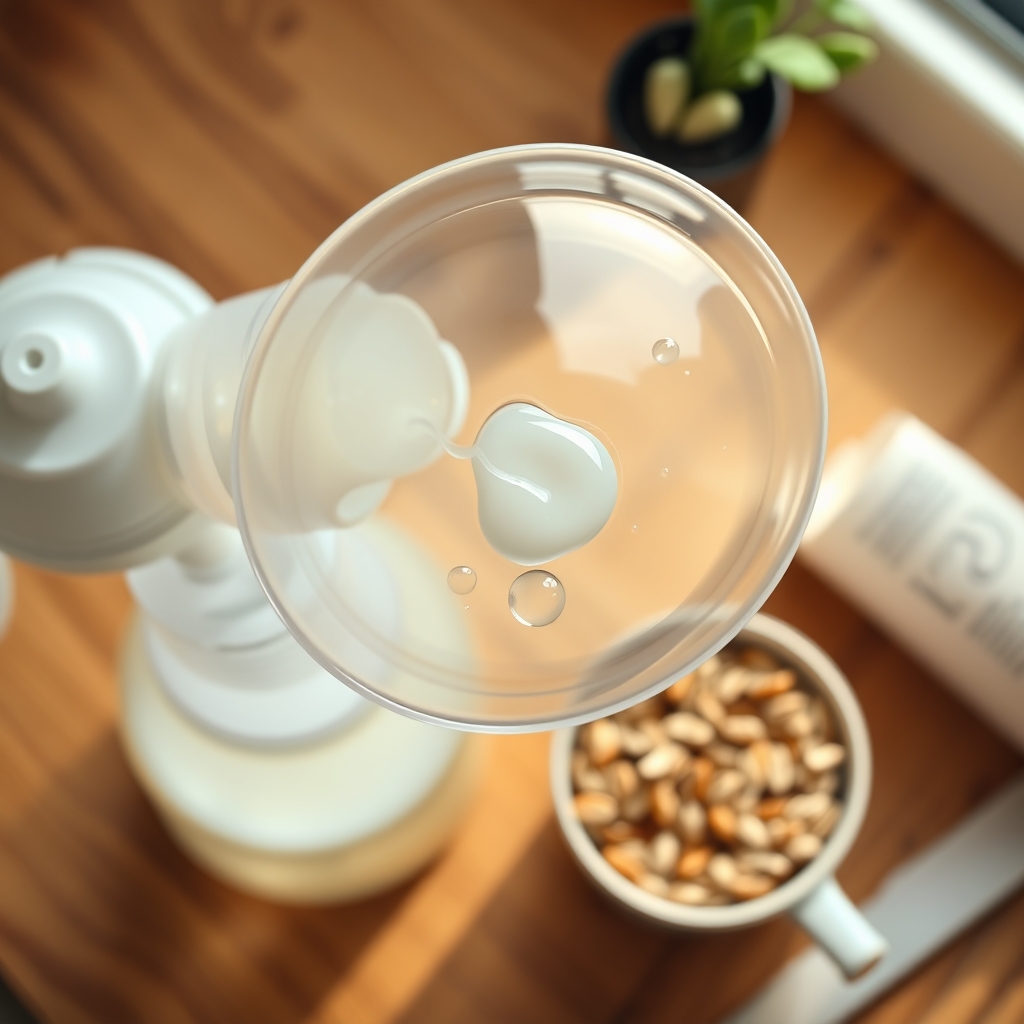
Want to dry up breast milk fast? Learn safe, effective methods to reduce milk supply quickly, including natural remedies, medications, and expert advice.
By Shubhra Mishra — a mom of two who turned her own confusion during pregnancy into BumpBites, a global mission to make food choices clear, safe, and stress-free for every expecting mother. 💛
Check whether any food is safe during pregnancy with the BumpBites Food Safety Checker.
Quick take: You can safely dry up breast milk, but the speed depends on how you wean, your body’s hormone balance, and the methods you use. Gradual weaning usually takes 2‑4 weeks, while abrupt cessation can finish in a few days but may bring discomfort, engorgement, or clogged ducts. Natural remedies (cold compresses, cabbage leaves, certain herbal teas) and, if needed, prescription medication such as cabergoline can help, but always discuss options with your health provider.
It’s 2 a.m., you’ve just finished a late-night feed, and a sudden surge of milk makes your breast feel like a balloon. The next morning you read that you need to “dry up” your milk fast for work, travel, or personal reasons. The question that sits heavy on your mind is: “Will I be able to stop breastfeeding without pain, leaking, or health risks?” The short answer is yes—most women can reduce and eventually stop milk production safely, but the timeline and comfort level vary.
In this guide we walk through every aspect of drying up breast milk quickly and responsibly. We’ll cover how long the process usually takes, compare gradual and abrupt weaning, explore natural and medical options, and give practical tips for managing engorgement, leaking, and the emotional transition for you and your baby. By the end you’ll have a clear plan, know when to call a doctor, and feel confident that you’re making the best choice for your body and family.
How can I stop breastfeeding and dry up milk quickly?
Stopping breastfeeding is a personal decision, and the way you do it influences how fast your milk dries up. The fastest method is an abrupt stop—no more nursing or pumping—and using medication or natural suppressants to signal your body that it no longer needs to produce milk. However, abrupt weaning carries a higher risk of engorgement, breast pain, and clogged ducts.
Most experts, including the American College of Obstetricians and Gynecologists (ACOG), recommend a gradual reduction in nursing sessions over 1‑3 weeks, especially for first‑time mothers. The key is to replace each feeding with a bottle of formula or solid food, then slowly increase the interval between feeds. This “tapering” approach gives your prolactin levels—the hormone that drives milk production—time to fall, reducing the chance of sudden overproduction.
Beyond the physical plan, consider the emotional side of weaning. It’s normal to feel a mixture of relief, loss, and anxiety. Talking with a supportive partner, joining a weaning‑focused online community, or scheduling a brief chat with a lactation counselor can help you stay grounded while your body adjusts.
Step‑by‑step plan for a quick yet safe wean
Day 1‑2: Stop any nighttime feeds. Offer formula or expressed milk in a bottle if needed.
Day 3‑5: Reduce daytime nursing to one or two sessions. If your baby is older than 6 months, replace a feed with solid food.
Day 6‑10: Cut another nursing session. Use a breast shield or hand expression only if you feel uncomfortable.
Day 11‑14: Eliminate the final nursing session. At this point, most prolactin levels will have dropped dramatically.
Beyond Day 14: Manage any residual milk with cold compresses, cabbage leaves, or a short course of cabergoline if advised by your provider.
Even with an accelerated schedule, listen to your body. If you experience severe pain, rapid swelling, or fever, pause the weaning and seek medical advice.
Best herbal teas to reduce breast milk supply
Several herbal teas have a mild dopamine‑boosting effect, which can suppress prolactin. Popular choices include:
Parsley tea (1‑2 teaspoons fresh parsley in hot water, 2‑3 cups per day)
Spearmint tea (2‑3 cups per day; avoid if you’re pregnant again)
Chamomile tea (up to 3 cups per day, soothing for nighttime discomfort)
Note that herbal remedies are not regulated by the FDA, so potency can vary. Always discuss herbal tea use with a clinician, especially if you’re taking other medications.
Spearmint tea is a gentle, natural way to help lower milk supply.
How long does it take for breast milk to dry up after weaning?
Milk production follows a hormonal schedule. When nursing stops, prolactin levels begin to fall within hours, but the physical presence of milk in the ducts takes longer to resolve. On average, most women notice a significant drop in supply within 2 weeks of a gradual wean. Complete cessation—when the breasts feel empty and no leaks occur—typically occurs between 3 weeks and 2 months, depending on individual factors.
Key variables that affect the timeline include:
Frequency of previous nursing: Daily, on‑demand feeding keeps prolactin high.
Breast size and storage capacity: Larger breasts may retain milk longer.
Age of the baby: Older infants usually mean a slower milk supply.
Hormonal birth control: Certain contraceptives (e.g., combined estrogen‑progestin pills) can sustain milk production.
The NHS notes that while most women achieve dryness by eight weeks, some may experience lingering leaks for up to three months. Knowing this range helps you set realistic expectations and avoid unnecessary worry.
Timeline snapshot
Day after final feed
Typical milk volume change
Common sensations
1‑3
Milk still abundant; may feel full
Engorgement, mild tenderness
4‑7
Volume drops 30‑50%
Leaking may start, discomfort peaks
8‑14
Volume stabilizes at low level
Warmth, occasional aches
15‑30
Most milk gone; occasional drops
Breasts feel softer, less leaking
31‑60
Complete dryness in most cases
Normal breast size, no pain
If you’re using a rapid method like medication, the timeline compresses dramatically—cabergoline can halt milk production within 24‑48 hours for many women, according to the World Health Organization (WHO) guidance on postpartum care.
What natural methods can dry up breast milk fast?
Natural strategies aim to reduce prolactin, relieve engorgement, and encourage the body to reabsorb milk safely. Below are the most evidence‑backed options.
Cabbage leaves—cold or warm?
Applying chilled cabbage leaves to each breast for 20‑30 minutes, up to three times a day, is a time‑honored remedy. The coolness constricts blood vessels, easing swelling, while the natural compounds may slightly suppress prolactin. Change the leaves every few hours; discard them once wilted.
Cold compresses and ice packs
Cold therapy reduces inflammation and slows milk flow. Use a clean cloth-wrapped ice pack for 15 minutes, then rest for at least 30 minutes before reapplying. This method is especially useful in the first 48 hours after you stop nursing.
Herbal teas and food choices
Beyond the teas mentioned earlier, certain foods have mild lactation‑inhibiting properties:
Parsley: Fresh or dried, added to soups or smoothies.
Mint: A handful of fresh mint leaves in water.
Fenugreek avoidance: While fenugreek boosts milk, stopping its use can help reduce supply.
The FDA cautions that herbal products are not uniformly tested for safety, so choosing reputable brands and limiting intake to moderate amounts is wise.
Limiting stimulation
Any breast stimulation—whether from a bra, tight clothing, or accidental rubbing—signals the body to keep producing milk. Wear a loose, breathable bra or go braless if comfortable, and avoid hot showers that increase blood flow to the chest.
Hydration and nutrition
Staying well‑hydrated is still important, but you don’t need to increase fluid intake solely for milk production once you’ve decided to wean. Focus on a balanced diet rich in protein, whole grains, and vegetables to support overall recovery.
Cold cabbage leaves can quickly ease engorgement while your milk supply winds down.
Can medication help dry up breast milk quickly?
Prescription drugs are an option when natural methods aren’t enough or when rapid drying is medically necessary—such as before a surgery, for certain hormonal conditions, or for mothers who need to resume certain medications that are unsafe while lactating.
Cabergoline (Dostinex)
Cabergoline is a dopamine agonist that sharply reduces prolactin. A single 1 mg dose is often sufficient; some women may need a second dose after 24 hours. The drug is endorsed by the British National Formulary (BNF) and the American Academy of Pediatrics (AAP) for postpartum milk suppression when a quick cessation is required.
Typical side effects include nausea, dizziness, and occasional low blood pressure. Rarely, women experience mood changes or headaches. Because cabergoline can affect heart valves with long‑term use, it’s only prescribed for short‑term milk suppression.
Other medications
Prolactin‑inhibiting hormone (PIH) blockers: Bromocriptine is an older alternative but has more pronounced side effects.
Hormonal birth control: Combined estrogen‑progestin pills can keep prolactin levels higher, while progestin‑only methods (e.g., the mini‑pill or IUD) are neutral or may slightly reduce supply. The CDC notes that most contraceptives do not dramatically affect milk after the first few weeks.
Never start or stop any medication without consulting your obstetrician or midwife. A short, supervised course is safest, and your provider will monitor blood pressure and heart rhythm if cabergoline is used.
What are the side effects of abruptly stopping breast milk production?
Stopping nursing suddenly can lead to a cascade of physical reactions. The most common issues include:
Engorgement: Swollen, painful breasts that may leak.
Clogged ducts: A hard, tender lump that can progress to mastitis.
Mastitis: Inflammation with fever, redness, and flu‑like symptoms.
Hormonal shifts: Changes in mood, occasional insomnia, and fluctuations in estrogen levels.
Milk‑related nipple pain: Cracking or soreness from sudden drying.
Most of these side effects are manageable with self‑care measures—cold compresses, cabbage leaves, and over‑the‑counter pain relievers such as ibuprofen (approved by the FDA for breastfeeding mothers). However, severe mastitis or a persistent high fever (>38.5 °C) warrants immediate medical attention.
Difference between gradual and sudden weaning for milk drying
Aspect
Gradual Weaning
Sudden Weaning
Typical timeline
2‑4 weeks
1‑3 days
Prolactin decline
Steady
Sharp
Risk of engorgement
Low‑moderate
High
Emotional impact
Gentle transition
Potentially abrupt
Need for medication
Rare
Often recommended
For most mothers, the gradual route minimizes physical discomfort and emotional distress, while sudden weaning may be necessary for urgent medical reasons.
How can I relieve engorgement while drying up breast milk?
Engorgement is the most common challenge when milk supply is decreasing. It’s uncomfortable, can cause leaking, and if left untreated may lead to clogged ducts or mastitis.
Immediate relief techniques
Cold compresses: Apply for 15 minutes, three times daily.
Cabbage leaves: Place chilled leaves on each breast, replace every 2‑3 hours.
Gentle massage: Use circular motions from the outer breast toward the nipple to promote drainage.
Supportive bra: Wear a soft, non‑tight bra that offers light support without compression.
Preventing clogged ducts and mastitis
Keep the breasts clean and dry. If a duct feels hard, gently massage while applying a warm compress for 5‑10 minutes before a cold compress. Over‑the‑counter ibuprofen (200‑400 mg every 6‑8 hours) can reduce inflammation, but consult your provider if you have any contraindications.
Managing leaking after drying up
Leaks are common for up to two weeks after you stop nursing. Use absorbent nursing pads or a discreet breast pad that adheres to your clothing. Change pads frequently to prevent skin irritation. Some mothers find that wearing a supportive sports bra at night reduces nighttime leaks.
Does pumping speed up drying up breast milk?
Pumping can be a double‑edged sword. It helps drain milk and relieve engorgement, but each session signals the brain to produce more prolactin, potentially prolonging the weaning process.
When pumping is helpful
During the first 48 hours after you stop nursing to prevent painful engorgement.
If you need to empty the breasts before a medication dose that could cause blockages.
When you have twins or multiple babies and need to manage supply for one while weaning the other.
How to pump without prolonging supply
Set a timer: Only pump for 5‑10 minutes per breast, just enough to relieve fullness.
Use a low suction setting; avoid “let‑down” cycles that mimic a full feed.
After pumping, apply a cold compress to signal the body to reduce production.
Tips for weaning twins and drying up milk
Weaning twins can feel overwhelming because two breasts are often highly stimulated. Consider alternating weaning days for each breast, using a “one‑day‑on, one‑day‑off” pattern. This can help your body adjust more evenly and reduce the risk of bilateral engorgement.
When should I see a doctor if breast milk won't dry up?
Most milk‑drying experiences resolve with home care, but certain signs indicate a need for professional evaluation.
Fever ≥ 38.5 °C (101.3 °F) lasting more than 24 hours – could signal mastitis.
Severe, localized breast pain with redness – may indicate an infected duct.
Persistent engorgement lasting > 7 days despite cold compresses and cabbage leaves.
Unexplained swelling of the lymph nodes under the arms – a sign of infection.
Signs of hormonal imbalance such as irregular periods or unexpected weight gain.
If any of these occur, contact your obstetrician, midwife, or a lactation specialist promptly. Early treatment can prevent complications and speed recovery.
How does diet influence how fast milk dries up?
What you eat can subtly affect the speed at which your body winds down milk production. Foods that are high in galactagogues—substances that promote lactation—like oats, barley, and fenugreek may prolong supply if you continue to consume them while weaning. Conversely, reducing these foods and focusing on a balanced diet with adequate protein, healthy fats, and complex carbohydrates supports overall recovery without unintentionally boosting prolactin.
Staying well‑hydrated remains important, but you don’t need to chase large quantities of water once you’ve decided to stop nursing. A moderate intake of 2‑2.5 L per day is usually sufficient. Adding a small amount of calcium‑rich foods (dairy or fortified alternatives) can help maintain bone health, which can be a concern for some women after weaning.
Choosing a simple, nutrient‑dense diet can help your body transition smoothly.
What hormonal changes occur after you stop breastfeeding?
When you cease lactation, prolactin levels fall, which in turn allows estrogen and progesterone to rise back toward pre‑pregnancy levels. This hormonal shift can trigger the return of menstrual cycles, changes in skin oiliness, and occasional mood fluctuations. Many women notice that their pre‑pregnancy acne reappears or that they feel more energetic once prolactin‑related fatigue lifts.
These changes are normal, but if you experience severe mood swings, prolonged fatigue, or irregular periods that persist beyond three months, it’s wise to discuss them with your provider. Sometimes underlying thyroid or hormonal disorders can masquerade as post‑weaning symptoms, and a simple blood test can provide reassurance.
From our medical team: “Drying up milk is a personal journey. Most women find that a slow, steady reduction of nursing sessions combined with simple home remedies—cold compresses, cabbage leaves, and supportive bras—provides the most comfort. Reserve medication for cases where you need a rapid shutdown or when engorgement becomes unmanageable. Always keep your provider in the loop, especially if you notice fever, persistent pain, or any sign of infection.”
How does exercise affect milk drying?
Moderate aerobic activity, such as walking or gentle yoga, can improve circulation and reduce breast swelling without stimulating prolactin. Aim for 20‑30 minutes most days, but avoid high‑intensity workouts that raise cortisol and may temporarily increase milk production. The NHS advises that staying active helps with mood swings that sometimes accompany weaning.
Gentle yoga can aid circulation and mood while you’re weaning.
Supporting mental health while weaning
The emotional side of weaning is often underestimated. Feelings of loss, anxiety, or guilt are common, especially if you’re weaning earlier than planned. Talking with a therapist, joining a supportive online group, or simply sharing your experience with a trusted friend can lighten the load. The American Psychological Association notes that validation and self‑compassion are key to navigating postpartum transitions.
Can I re‑establish lactation after drying up milk?
Yes—many mothers successfully restart milk production after a period of dryness, though it usually takes longer than the original establishment phase. Frequent stimulation, either by nursing or using a breast pump several times a day, combined with galactagogue foods (like oats) can jump‑start supply. Consulting a lactation specialist early on gives you a tailored plan and helps avoid complications.
Re‑lactation often requires consistent pumping and supportive nutrition.
Myth vs. fact
Myth: “If you stop nursing abruptly, your milk will disappear instantly.”
Fact: Milk production is hormonally driven; it typically takes days to weeks for prolactin to fall and for the breasts to empty, even with medication.
Myth: “Herbal teas will completely stop milk production without any side effects.”
Fact: While some teas may modestly reduce supply, they are not a guaranteed solution and can cause gastrointestinal upset or interact with other medications.
Myth: “You can’t wean twins without causing massive engorgement.”
Fact: With a structured tapering plan and supportive measures like cabbage leaves, twins can be weaned safely, though the process may require a slightly longer timeline.
Key takeaways
Gradual weaning over 2‑4 weeks is the safest way to dry up milk, but medication can accelerate the process when needed.
Cold compresses, cabbage leaves, and low‑suction pumping relieve engorgement without prolonging supply.
Herbal teas such as spearmint or parsley can modestly lower prolactin, but always discuss with your provider.
Watch for fever, persistent pain, or redness—these are red‑flag signs to call a doctor.
For twins, alternate weaning days or use a “one‑day‑on, one‑day‑off” schedule to balance supply.
Hormonal birth control can affect milk supply; progestin‑only methods are generally neutral.
Dietary choices and post‑weaning hormonal shifts are normal; a balanced diet supports a smoother transition.
Gentle exercise and mental‑health support can make the weaning journey easier.
Re‑lactation is possible with consistent stimulation and professional guidance.
Frequently asked questions
How long does it take for breast milk to stop completely?
Most women see a significant drop in milk within 2 weeks of a gradual wean, and total dryness usually occurs between 3 weeks and 2 months, though individual timelines vary.
Is it safe to stop breastfeeding abruptly?
Stopping abruptly is possible but carries higher risks of engorgement, clogged ducts, and mastitis; a gradual reduction is generally recommended for safety and comfort.
Can I use medication to dry up my milk?
Yes—cabergoline is the most commonly prescribed dopamine agonist that can halt milk production within 24‑48 hours, but it should only be used under medical supervision.
What are the signs that my milk is drying up?
Typical signs include a gradual decrease in breast fullness, reduced leaking, softer breast tissue, and a decline in the frequency of milk let‑down during nursing or pumping.
Will pumping help reduce my milk supply faster?
Pumping can relieve immediate engorgement, but each session signals the body to produce more milk; limited, low‑suction pumping combined with cold therapy is the best compromise.
How can I relieve breast pain while drying up milk?
Apply cold compresses or chilled cabbage leaves, wear a supportive soft‑bra, take ibuprofen if tolerated, and massage gently from outer breast toward the nipple to aid drainage.
Can I breastfeed again after drying up milk?
Re‑initiating lactation is possible but may require stimulation, regular nursing or pumping, and sometimes a galactagogue supplement; discuss a re‑lactation plan with your provider to ensure it’s safe for you and your baby.
Is it okay to use a breast pump after I’ve stopped nursing?
Using a pump for a short period can help relieve engorgement, but keep sessions brief (5‑10 minutes) and low‑suction to avoid signaling the body to produce more milk.
What should I do if I experience a sudden milk let‑down after weaning?
A sudden let‑down is usually temporary. Apply a cold compress, avoid stimulation, and monitor for signs of engorgement. If leaks persist or you develop pain, contact your provider.
When to call your doctor
If you develop a fever of 38.5 °C (101.3 °F) or higher, experience severe localized breast pain with redness, notice swelling that doesn’t improve after a week of home care, or see any signs of infection, seek medical attention promptly. This article provides general information and is not a substitute for personalized medical advice.
References
American College of Obstetricians and Gynecologists (ACOG). “Breastfeeding and Weaning.” Clinical Guidance, 2023.
National Health Service (NHS). “How to Wean Your Baby.” Patient Information, 2022.
World Health Organization (WHO). “Postpartum Care and Lactation.” Maternal Health Guidelines, 2021.
Centers for Disease Control and Prevention (CDC). “Breastfeeding: Benefits and Guidelines.” 2022.
British National Formulary (BNF). “Cabergoline – prescribing information.” 2023.
American Academy of Pediatrics (AAP). “Use of Medications for Lactation Suppression.” Clinical Report, 2020.
National Institute for Health and Care Excellence (NICE). “Managing Engorgement and Mastitis.” Guidelines, 2021.
U.S. Food & Drug Administration (FDA). “Herbal Supplements: Safety Considerations.” Consumer Health Updates, 2022.
International Lactation Consultant Association (ILCA). “Re‑lactation Guidelines.” 2022.
British Breastfeeding Advisory Group (BBAG). “Use of Nipple Shields During Weaning.” Position Statement, 2021.
Not sure about the label on Dry Up Breast Milk Fast products?
Snap the ingredients list and SafeFilter checks every ingredient for your stage — only 3 free scans this month, then you're locked until reset. Unlimited from $7/mo or $50/yr.
When Shubhra Mishra was expecting her first child in 2016, she was overwhelmed by conflicting food advice — one site said yes, another said never. By the time her second baby arrived in 2019, she realized millions of mothers face the same confusion.
That sparked a five-year journey through clinical nutrition papers, cultural diets, and expert conversations — all leading to BumpBites: a calm, compassionate space where science meets everyday motherhood.
Her long-term vision is to build a global community ensuring safe, supported, and free deliveriesfor every mother — because no woman should face pregnancy alone or uninformed. 🌿
🌍 Stand with mothers, shape safer guidance
Join a small circle of experts who review BumpBites articles so expecting parents everywhere can decide with confidence.