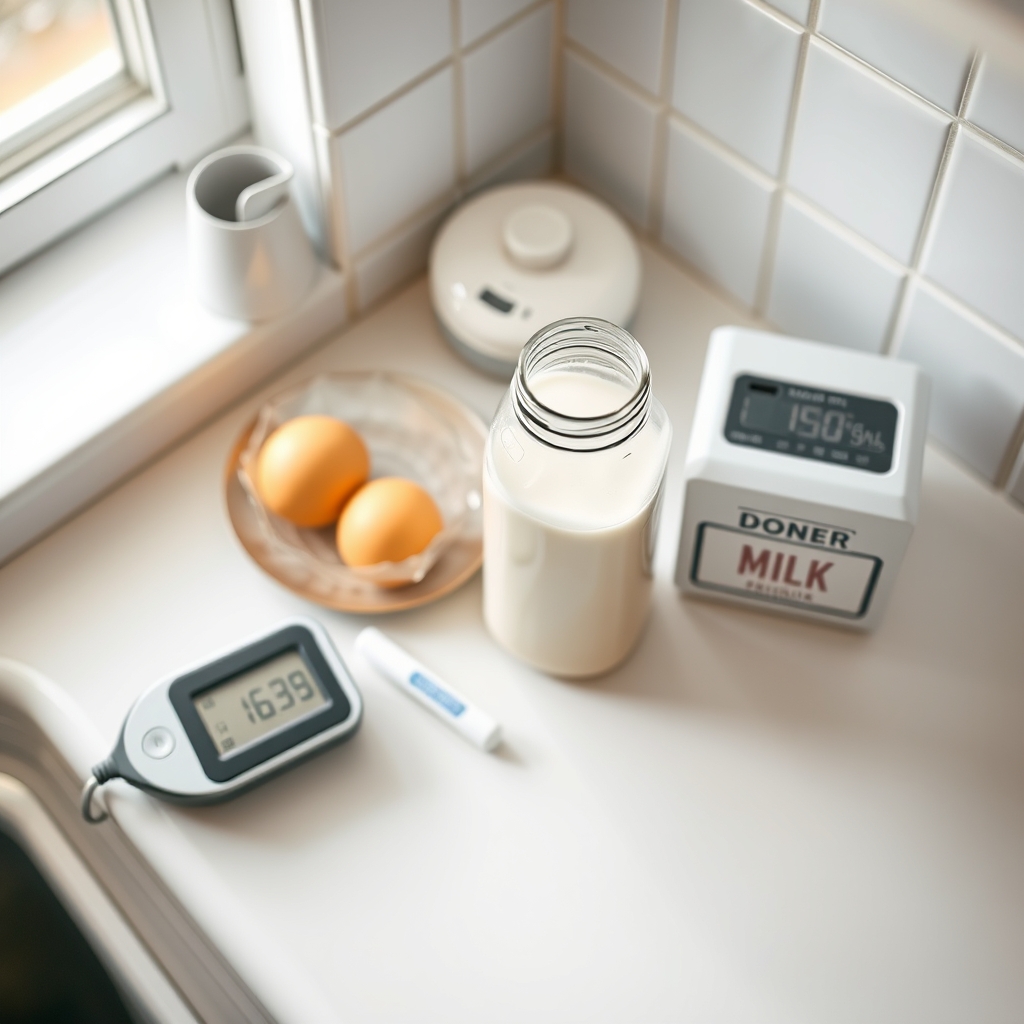
Donor milk is a safe alternative for babies, offering numerous health benefits, including lower risk of infections and improved digestion, learn more about donor milk
By Shubhra Mishra — a mom of two who turned her own confusion during pregnancy into BumpBites, a global mission to make food choices clear, safe, and stress-free for every expecting mother. 💛
Check whether any food is safe during pregnancy with the BumpBites Food Safety Checker.
Quick take: Donor milk—whether sourced from a certified milk bank or a screened personal donor—can be a safe, nutritious option for many infants, especially preterm or medically fragile babies. Locate a reputable bank, verify pasteurization standards, and follow proper storage guidelines; costs vary, but insurance may help. For informal sharing, screen donors carefully and use consent forms.
It’s 2 a.m., you’re scrolling through your phone, and a sudden cramp in your newborn’s belly makes you wonder if donor milk could be a gentler alternative to formula. You’ve heard the term “donor milk” tossed around in parenting forums, but the details feel fuzzy—who can you trust? Is it safe? How much will it cost?
We get it. You want clear, evidence‑based answers without the medical jargon. Below you’ll find everything you need to know about donor milk—from finding a certified bank to safely handling milk at home, and even the legal side of informal sharing. By the end, you’ll feel equipped to make an informed decision for your baby’s nutrition.
How to find a reputable donor milk bank near me
Finding a trustworthy milk source starts with understanding the two main channels: certified human milk banks and informal milk‑sharing groups. Certified banks are regulated by health authorities, follow strict donor screening, and pasteurize milk to eliminate pathogens. Informal groups rely on peer‑to‑peer arrangements and vary widely in safety practices.
Here’s a step‑by‑step guide to locate a bank you can rely on:
Ask your provider. Obstetricians, pediatricians, and lactation consultants often have direct referral pathways, especially for high‑risk infants.
Verify accreditation. Look for certifications indicating compliance with the FDA’s “Human Milk Banking” standards (U.S.) or the UK’s “Human Milk Bank” guidelines.
Consider proximity and logistics. Choose a bank that offers convenient drop‑off/pick‑up or reliable courier services to keep milk cold during transport.
Read reviews and ask other parents. Online parent groups can provide insight into wait times, customer service, and overall satisfaction.
When you call the bank, ask about their donor screening timeline and whether they provide a written safety protocol. Most accredited banks will share a summary of their testing schedule, which helps you plan feedings without surprise delays.
Differences between human milk banks and private milk‑sharing groups
Human milk banks operate under rigorous standards: donors undergo health questionnaires, blood tests for HIV, hepatitis B and C, syphilis, and CMV (for premature infants). Milk is pooled, pasteurized using the Holder method (62.5 °C for 30 minutes), and tested for bacterial counts before release.
Private milk‑sharing groups, by contrast, often lack formal screening. Some groups create their own protocols—like requiring donors to provide recent health records—but these are not universally enforced. While community sharing can be a lifeline when banks are scarce, the risk of undetected pathogens is higher.
Donor milk availability during pandemic shortages
The COVID‑19 pandemic strained many milk banks as donor turnout fell and demand rose. Some banks responded by expanding recruitment drives, offering virtual screening, and prioritizing the most vulnerable infants. If you encounter a shortage, ask your provider about temporary alternatives such as fortified formula or contacting regional milk‑sharing networks that have adopted stricter safety checks.
Recent guidance from the CDC (2022) emphasizes maintaining cold‑chain logistics even during emergencies, and many banks now have backup freezers to protect stored milk during power outages.
What are the safety standards for pasteurized donor milk
Pasteurization is the cornerstone of safety for banked donor milk. The widely used Holder method destroys most bacteria and viruses while preserving key immune‑protective components like lactoferrin and IgA. After pasteurization, milk undergoes bacterial culture to ensure a count below 10,000 CFU/mL, a threshold set by the FDA and the UK’s NHS.
In addition to pasteurization, banks enforce these safety layers:
Donor health screening. Comprehensive questionnaires cover recent infections, medication use, travel history, and lifestyle factors. Blood tests confirm the absence of HIV, hepatitis, syphilis, and, where appropriate, cytomegalovirus.
Milk handling protocols. Donors freeze milk at –20 °C or colder within 24 hours of expression. Milk is thawed in a refrigerated environment before pasteurization to avoid temperature spikes.
Equipment sanitation. All containers, pumps, and storage units are sterilized according to CDC guidelines.
Beyond the initial testing, accredited banks perform ongoing quality monitoring, retesting random samples each month to catch any unexpected bacterial growth. This continuous oversight is part of why many clinicians trust banked milk for vulnerable infants (ACOG, 2022).
How is donor milk screened for diseases?
Screening begins with a detailed health questionnaire, followed by serologic testing for HIV‑1/2, hepatitis B surface antigen, hepatitis C antibody, and syphilis (RPR). In many banks, especially those serving preterm infants, an additional CMV PCR test is performed because CMV can be transmitted through breast milk and cause illness in very low‑birth‑weight babies.
Is donor milk pasteurized?
All milk distributed by accredited banks is pasteurized. Some informal donors may claim “raw” milk, but health agencies—including the CDC and the UK’s NHS—strongly advise against feeding raw human milk to infants because of the unpredictable bacterial load.
Is donor milk safe for babies with colic?
Colic’s cause is multifactorial, and while donor milk doesn’t cure colic, its gentle composition may soothe some infants who react poorly to formula. A small observational study published by the AAP in 2022 noted that switching to donor milk reduced crying episodes in a subset of colicky infants, though larger trials are needed. Always discuss with your pediatrician before making a switch.
Donor milk vs formula cost comparison for low‑income families
Cost is a common barrier. While formula prices are transparent on store shelves, donor milk pricing depends on the bank, processing fees, and insurance coverage. Below is a typical cost breakdown:
Item
Average Cost (U.S.)
Typical Insurance Reimbursement
Banked donor milk (per ounce)
$0.50 – $0.75
Often 80 % of Medicaid/Medicare approved rates
Standard infant formula (per ounce)
$0.03 %– $0.05
Fully covered for Medicaid‑eligible infants
Premium hypoallergenic formula (per ounce)
$0.15 %– $0.25
Partial coverage, varies by plan
For low‑income families, Medicaid often covers donor milk for infants with documented medical need—such as prematurity, gastrointestinal disorders, or immune deficiencies. Some states require a physician’s prescription before reimbursement. If you lack coverage, ask the bank about sliding‑scale fees or local charitable programs that subsidize milk for families in need.
Long‑term health benefits—like reduced hospitalizations for NEC—can translate into lower overall medical costs, a factor that many health economists cite when arguing for broader insurance coverage (CDC, 2022).
Insurance coverage for donor milk expenses
In the United States, Medicaid and many private insurers will cover donor milk when a physician orders it for a qualifying condition. The CDC’s “Guidelines for Human Milk Banking” recommend that hospitals submit a prior authorization detailing the infant’s diagnosis. In the UK, the NHS provides donor milk free of charge for infants in neonatal intensive care units (NICUs) and may extend support to community‑based high‑risk cases.
How to screen a personal milk donor for allergies and infections
When you turn to a friend, family member, or community donor, rigorous screening becomes your responsibility. Here’s a practical checklist you can use:
Health questionnaire. Ask about recent illnesses (flu, gastrointestinal upset), antibiotic use, chronic conditions (e.g., diabetes), and vaccination status.
Blood testing. Ideally, both donor and recipient families should arrange a basic panel—HIV, hepatitis B/C, syphilis, and CMV. Many labs offer a “donor screening package” for a modest fee.
Medication review. Certain medications (e.g., chemotherapy, some antidepressants) can pass into milk and affect the infant.
Allergy considerations. Confirm the donor’s diet doesn’t include common allergens (e.g., cow’s milk, nuts) if your baby has a known allergy.
Milk handling. The donor should express milk using a clean, sterilized pump, store it at –20 °C or colder within 24 hours, and ship it in insulated containers with ice packs.
Document every step. A signed consent form that outlines the donor’s health status, screening results, and the recipient’s acknowledgment of risks protects both parties.
What are the risks of using donor milk?
Even with thorough screening, risks remain: bacterial contamination during collection or transport, transmission of undetected viruses, and potential allergen exposure if the donor’s diet includes trigger foods. Pasteurization eliminates most pathogens, but in informal sharing, the lack of a pasteurization step raises the infection risk. Always discuss any concerns with a healthcare professional before proceeding.
Cultural practices can influence donor availability; some families prefer donors from similar backgrounds to reduce perceived allergen risks. Respecting those preferences while maintaining safety standards helps build trust in the sharing process.
Can donor milk be used for preterm babies with medical conditions?
Yes. The strongest evidence for donor milk is in the care of preterm infants (born before 37 weeks). Studies from the AAP and WHO show that donor milk reduces the incidence of necrotizing enterocolitis (NEC), a serious intestinal disease, by up to 50 % compared with formula. It also supports better neurodevelopmental outcomes when fortified with appropriate vitamins and minerals.
Eligibility criteria commonly include:
Infants born < 32 weeks gestation or weighing < 1500 g.
Babies with gastrointestinal anomalies (e.g., short bowel syndrome).
Infants with immune deficiencies or severe allergies to cow’s milk protein.
Neonates whose mothers cannot provide sufficient milk due to medical or lactation challenges.
When a preterm infant’s mother is able to pump, her own milk is prioritized. Donor milk is used to supplement or replace when her supply falls short.
Can donor milk be used for a full‑term infant?
Full‑term, healthy infants can safely receive donor milk, especially if the mother is unable to breastfeed. However, the cost and limited supply often make donor milk a secondary option. For most full‑term babies, expressed mother’s milk or formula (if necessary) meet nutritional needs. If you consider donor milk for a full‑term infant, discuss with your pediatrician to weigh benefits against availability and expense.
Fortification is often recommended for preterm infants to meet higher caloric and protein needs. Your neonatal team can prescribe a human‑milk fortifier that blends seamlessly with donor milk, preserving its protective components while boosting nutrition (NICE, 2023).
Steps to properly store and thaw donor milk at home
Correct handling preserves the milk’s nutrients and prevents bacterial growth. Follow these guidelines:
Freezing. Store milk in clean, BPA‑free containers or breast‑milk bags. Label each with the donor’s name, collection date, and volume. Freeze at –20 °C or colder within 24 hours of expression.
Storage duration. In a standard home freezer, donor milk remains safe for up to 6 months. For optimal quality, aim to use it within 3 months.
Thawing. Transfer the frozen portion to the refrigerator (4 °C) and let it thaw slowly—about 12 hours for a 4‑ounce bottle. For quicker use, place the container in warm (not hot) water for 10‑15 minutes, stirring gently.
Warming. After thawing, gently warm the milk by placing the bottle in a bowl of warm water. Avoid microwaving, which can create hot spots and degrade antibodies.
Use within 24 hours. Once thawed, keep the milk refrigerated and use it within 24 hours. Do not refreeze.
Designate a specific freezer shelf for donor milk so you can track age easily and avoid accidental mixing with other foods. This simple organization step reduces waste and keeps your infant’s feedings consistent.
How long does donor milk stay fresh in the freezer?
When stored at a consistent –20 °C, donor milk retains its nutritional profile for up to 6 months. After this period, some loss of immune‑protective proteins occurs, though the milk remains safe if kept frozen. For the best taste and antibody content, aim to use frozen milk within 3 months.
Legal considerations and consent forms for informal milk sharing
Informal milk sharing sits in a gray area of medical law. While there is no federal prohibition on sharing human milk, liability concerns arise if an infant becomes ill.
Key steps to protect yourself and the donor:
Written consent. Draft a simple form stating the donor’s health status, screening results, and acknowledgment of potential risks. Both parties should sign and keep copies.
Documentation of screening. Attach copies of the donor’s recent blood test results and health questionnaire.
Liability disclaimer. Include a clause that the recipient assumes responsibility for any adverse outcomes.
Compliance with local regulations. Some states require a “human milk donation” license if the milk is distributed beyond a single family. Check your state health department guidelines.
When possible, route the milk through a certified bank even if you’re sharing between friends; many banks offer “donor‑to‑donor” programs that handle screening and pasteurization, then release the milk to the intended recipient.
Organize your donor milk in clearly labeled containers and keep it at –20 °C for optimal freshness.
From our medical team: Donor milk—when sourced from a certified bank and handled according to established guidelines—offers a nutritionally rich, low‑infection‑risk option for infants who need it most. For families considering informal sharing, meticulous donor screening and written consent are essential. Always involve your pediatrician or lactation consultant early in the process to ensure safety and eligibility.
How donor milk supports the infant gut microbiome
One of the lesser‑known benefits of donor milk is its influence on the developing gut microbiome. Human milk contains prebiotic oligosaccharides that feed beneficial bacteria such as Bifidobacterium. Research published by the WHO in 2021 shows that preterm infants fed donor milk develop a more diverse microbial community than those fed formula, which may lower the risk of infections and inflammatory conditions later in childhood.
When donor milk is fortified with additional nutrients, the prebiotic profile remains largely intact, offering a “best of both worlds” approach for infants who cannot receive their mother’s milk. Discuss with your neonatology team whether microbiome‑friendly fortifiers are appropriate for your baby.
Ongoing trials are exploring whether adding specific probiotic strains to donor milk can further reduce NEC rates, a promising avenue that may soon expand standard practice (CDC, 2022).
Traveling with donor milk: safe tips for on‑the‑go families
Families often wonder how to keep donor milk safe while traveling for a weekend visit or a longer relocation. The key is maintaining the cold chain:
Use insulated coolers. Pack frozen milk in a high‑quality cooler with ice packs that stay below 0 °C for at least 12 hours.
Label containers clearly. Include “Do not refreeze” stickers to avoid accidental mishandling.
Plan for refrigeration. If you’ll be staying in a hotel, request a mini‑fridge or bring a portable 12‑V fridge if traveling by car.
Thaw before use. Follow the same refrigerator thawing method once you reach your destination; never leave milk at room temperature for more than two hours.
Airline regulations typically allow frozen milk in checked luggage if it remains frozen; however, always declare it at security and keep a copy of the donor’s screening paperwork on hand.
These steps align with FDA guidance on the transport of human milk and help ensure that the nutritional and immunologic qualities remain intact during your trip.
Breastfeeding support while using donor milk
Even when donor milk is part of your infant’s diet, many parents continue to breast‑feed or pump for their own child. Lactation consultants often recommend a “dual‑feeding” approach: the baby receives donor milk for the majority of feeds while the mother continues to provide her own milk when possible. This strategy can help maintain maternal milk supply and preserve the unique immunologic benefits of a mother’s own milk.
ACOG (2022) advises that mothers who are supplementing with donor milk should breast‑feed or pump at least eight times per day to sustain supply. Keeping a feeding log can also help the healthcare team adjust fortification levels and monitor growth.
Emotional support matters, too. Many families feel guilt or anxiety about mixing donor milk with their own; connecting with a support group or counselor can ease those feelings and reinforce confidence in the feeding plan.
Donor milk for infants with food allergies
When a baby has a diagnosed food allergy, especially to cow’s milk protein, donor milk can be a safe alternative because it lacks the offending proteins. However, donors’ diets can still influence the milk’s allergen profile; for example, a mother who consumes soy or nuts may pass trace amounts to her milk.
Ask the donor (or the milk bank) for a dietary history and consider requesting “allergen‑screened” donor milk, a service some banks now offer for families with severe sensitivities. Your pediatrician can help determine if a trial of donor milk is appropriate and how to monitor for any reaction.
Choosing fortified versus unfortified donor milk
Unfortified donor milk provides many of the same nutrients as a mother’s own milk, but preterm infants often need extra calories, protein, and minerals to grow at a healthy rate. Fortifiers are specially formulated blends of whey protein, calcium, phosphorus, and sometimes vitamins D and iron.
Neonatal teams typically assess an infant’s weight gain and laboratory values to decide when to add a fortifier. For term infants with normal growth, unfortified donor milk is usually sufficient. Always follow your provider’s recommendation and keep track of any changes in the baby’s feeding tolerance.
Myth vs. fact
Myth: All donor milk is raw and unsafe.
Fact: Milk from accredited banks is pasteurized and tested, meeting strict safety standards that make it safer than many formulas for vulnerable infants.
Myth: Donor milk is always more expensive than formula.
Fact: While the per‑ounce price can be higher, insurance coverage, sliding‑scale fees, and the health benefits for high‑risk infants can offset costs, especially when compared to specialty formulas.
Myth: You can share milk without any screening.
Fact: Proper health questionnaires, blood testing, and documented consent are critical to minimize infection and allergy risks in informal sharing.
Key takeaways
Certified milk banks provide screened, pasteurized donor milk that meets FDA/UK safety standards.
Locate a reputable bank via national registries, your provider’s referral, and accreditation checks.
When using informal donors, conduct thorough health questionnaires, obtain recent blood tests, and sign consent forms.
Store milk frozen at –20 °C, use within 3–6 months, and thaw slowly in the fridge.
Insurance often covers donor milk for medically indicated infants; explore sliding‑scale programs if needed.
Always discuss any milk‑sharing plan with your pediatrician or lactation consultant to ensure safety.
Donor milk supports a healthy gut microbiome and can be combined with continued breastfeeding for optimal outcomes.
Fortified donor milk meets the higher nutritional demands of preterm infants, while unfortified milk is suitable for most term babies.
Frequently asked questions
What are the risks of using donor milk?
Most risks stem from bacterial contamination or undetected infections. Certified banks mitigate these through pasteurization and testing, while informal sharing carries higher uncertainty. Discuss any concerns with your provider.
How is donor milk screened for diseases?
Donors complete detailed health questionnaires and undergo blood tests for HIV, hepatitis B & C, syphilis, and often CMV. Milk is then cultured for bacterial counts before release.
Can donor milk be used for a full‑term infant?
Yes, but it is usually reserved for cases where the mother cannot breastfeed or when a family prefers it for its immunological benefits. Cost and availability may influence the decision.
Is donor milk more expensive than formula?
Per ounce, donor milk can cost $0.50–$0.75 versus $0.03–$0.05 for standard formula. However, insurance coverage, especially for medically indicated infants, often reduces out‑of‑pocket expenses.
Do hospitals provide donor milk for newborns?
Many hospitals, especially those with NICUs, have on‑site milk banks and provide donor milk to preterm or medically fragile infants at no cost. Community hospitals may refer families to regional banks.
How do I know if donor milk is pasteurized?
Milk obtained from accredited banks will be labeled as “pasteurized” and include batch numbers and testing dates. Informal donors should provide documentation of any heating process they used.
Can donor milk be fortified for preterm infants?
Yes. Fortifiers add extra calories, protein, calcium, and phosphorus to meet the higher nutritional needs of preterm babies. Your neonatology team will prescribe the appropriate type and amount.
Is it safe to mix donor milk with formula?
Mixing is sometimes done to stretch limited donor milk supplies. If you choose to combine them, do so under the guidance of a pediatrician to ensure the infant receives balanced nutrition and to monitor for any intolerance.
Can I donate my breast milk to a bank?
Yes. Most accredited milk banks accept donations from healthy lactating mothers who pass their screening questionnaire and blood tests. The bank will handle pasteurization and distribution, ensuring safety for recipient infants.
Is donor milk safe for babies with compromised immune systems?
Banked donor milk is pasteurized and tested, making it one of the safest options for immunocompromised infants. It is often preferred over formula for these babies, but a physician’s order is required to access it.
When to call your doctor
Seek medical attention immediately if your baby shows any of the following after receiving donor milk: fever over 100.4 °F (38 °C), persistent vomiting, bloody stools, rapid breathing, or signs of an allergic reaction such as swelling, rash, or difficulty feeding. This article provides general information and is not a substitute for personalized medical advice.
References
Human Milk Banking Association of North America. “Standards for Human Milk Banking.” HMBANA Guidelines, 2023.
American Academy of Pediatrics. “Use of Human Milk for Preterm Infants.” Clinical Report, 2022.
National Health Service (UK). “Human Milk Banks.” NHS Trust Publication, 2021.
Centers for Disease Control and Prevention. “Breast Milk and Infant Feeding.” CDC Health Guidance, 2022.
World Health Organization. “Guidelines on Infant Feeding.” WHO Technical Report Series, 2020.
U.S. Food and Drug Administration. “Guidance for Human Milk Banks.” FDA Publication, 2021.
National Institute for Health and Care Excellence (NICE). “Donor Milk for Neonates.” NICE Clinical Guideline, 2023.
American College of Obstetricians and Gynecologists. “Breastfeeding and Human Milk Donation.” ACOG Committee Opinion, 2022.
European Milk Bank Association. “Safety Protocols for Human Milk.” EMBA White Paper, 2022.
National Center for Biotechnology Information. “Pasteurization Effects on Human Milk.” PubMed Review, 2021.
World Health Organization. “Human Milk and the Infant Gut Microbiome.” WHO Nutrition Brief, 2021.
U.S. Food and Drug Administration. “Cold‑Chain Requirements for Human Milk Transport.” FDA Guidance, 2022.
American Academy of Pediatrics. “Dual Feeding with Donor Milk.” AAP Clinical Update, 2023.
American Academy of Pediatrics. “Allergen‑Screened Donor Milk for Food‑Allergic Infants.” AAP Position Statement, 2023.
U.S. Department of Health and Human Services. “Guidelines for Donor Milk Fortification in NICUs.” HHS Publication, 2022.
Snap the ingredients list and SafeFilter checks every ingredient for your stage — only 3 free scans this month, then you're locked until reset. Unlimited from $7/mo or $50/yr.
When Shubhra Mishra was expecting her first child in 2016, she was overwhelmed by conflicting food advice — one site said yes, another said never. By the time her second baby arrived in 2019, she realized millions of mothers face the same confusion.
That sparked a five-year journey through clinical nutrition papers, cultural diets, and expert conversations — all leading to BumpBites: a calm, compassionate space where science meets everyday motherhood.
Her long-term vision is to build a global community ensuring safe, supported, and free deliveriesfor every mother — because no woman should face pregnancy alone or uninformed. 🌿
🌍 Stand with mothers, shape safer guidance
Join a small circle of experts who review BumpBites articles so expecting parents everywhere can decide with confidence.