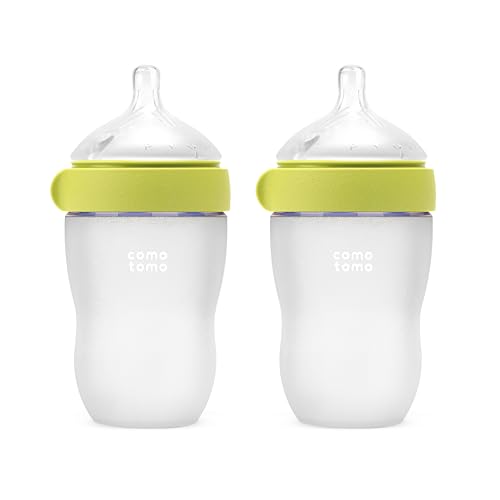
Quick take: In 2026, both distilled and properly treated tap water are safe for baby formula when you follow current FDA, WHO, and AAP guidelines. Distilled water eliminates minerals and contaminants but lacks beneficial electrolytes; filtered tap water retains natural minerals while removing chlorine, fluoride, and microbes. Choose the option that fits your budget, environmental values, and local water quality, and always boil tap‑derived water before mixing.
When you hear the soft whir of the bottle‑warmer at 2 a.m., you’re probably wondering whether the water you’re using is truly safe for your newborn. You might have stared at a bottle of distilled water on the kitchen counter, compared it to the tap running from the faucet, and felt a wave of uncertainty. You’re not alone—many new parents pause, question, and research water choices before the first feed.
This guide answers the most common, up‑to‑date questions about distilled vs tap water for baby formula in 2026. We’ll walk through safety, testing, mineral content, preparation steps, cost, environmental impact, and the official recommendations from the FDA, WHO, and the American Academy of Pediatrics (AAP). By the end you’ll have a clear, evidence‑based plan that matches your family’s needs and values.
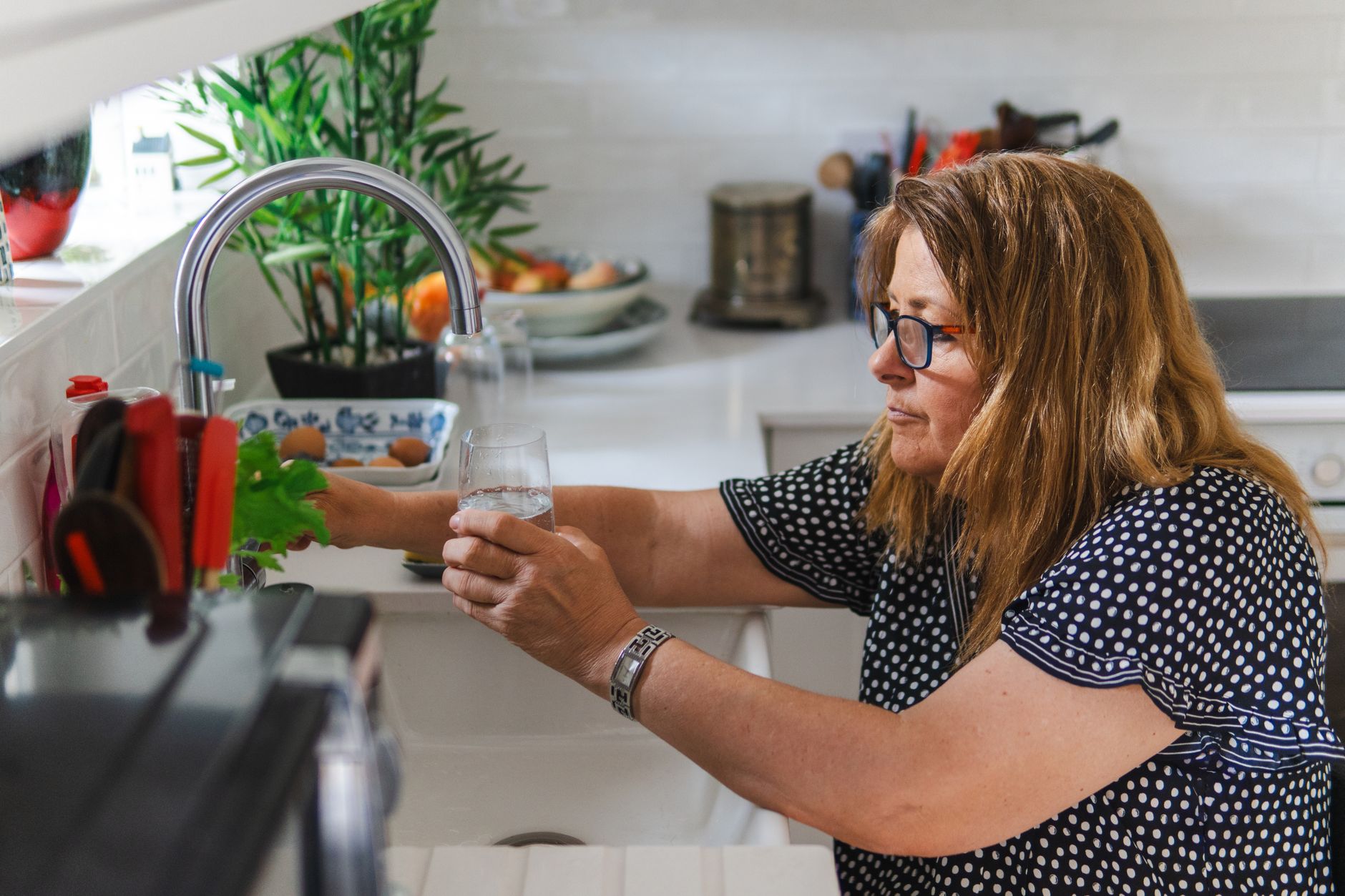
Safety is the first question most parents ask. In 2026, distilled water is considered “microbe‑free” because the distillation process removes virtually all bacteria, viruses, and parasites. However, the safety of tap water depends on where you live and how you treat it. In most U.S. and U.K. municipalities, tap water meets stringent drinking‑water standards set by the EPA and the Drinking Water Inspectorate. The key is to ensure that any residual chlorine, fluoride, or heavy metals are reduced to levels that the AAP deems acceptable for infants.
When you boil tap water for at least one minute, you eliminate most pathogens and reduce chlorine to negligible levels. Distilled water, by definition, already lacks those contaminants, so it does not require boiling. The trade‑off is that distilled water also lacks calcium, magnesium, and other trace minerals that support healthy bone development and electrolyte balance.
Recent 2026 research from the University of California examined the gut microbiome of infants fed formula prepared with boiled tap water versus distilled water. The study found no meaningful differences in microbial diversity after three months, reinforcing that both water types are microbiologically safe when prepared correctly. However, the authors noted a modest increase in calcium absorption when tap water with higher mineral content was used, a factor that may be relevant for preterm infants.
Can using tap water affect my baby's electrolyte balance?
Electrolyte balance in infants is tightly regulated. Tap water that contains natural minerals (calcium, magnesium, potassium) can actually help maintain proper electrolyte levels when mixed with formula, which already provides most of the needed electrolytes. Distilled water, being mineral‑free, relies entirely on the formula to supply these nutrients. In practice, there is no clinically significant difference in electrolyte status for healthy full‑term infants when the formula is prepared correctly, but premature or medically fragile babies may benefit from the extra minerals found in boiled tap water.
What are the mineral differences between distilled and tap water for infants?
Typical U.S. tap water contains 20–80 mg/L of calcium and 10–30 mg/L of magnesium. Distilled water contains less than 1 mg/L of each. These minerals are not essential for the formula itself—most infant formulas are fortified with calcium and magnesium—but they can contribute to the overall mineral intake if you use tap water. For babies with specific mineral needs (e.g., low birth weight infants), pediatricians sometimes recommend a slight increase in mineral intake, making boiled tap water a reasonable choice.
Recent reviews from the Academy of Nutrition and Dietetics (2024) and the AAP (2025) conclude that the “best” water is one that meets three criteria:
- Free of harmful microbes (achieved by boiling or using distilled water).
- Low in contaminants such as lead, nitrate, and excessive fluoride.
- Contains a modest amount of natural minerals, or is supplemented by the formula.
In most developed regions, filtered tap water that has been boiled satisfies all three. In areas with known water‑quality issues, distilled water or bottled spring water that meets the same standards is a safe alternative.
Testing tap water is easier than you might think. Many municipal water utilities publish annual water‑quality reports online, detailing levels of chlorine, fluoride, lead, and other contaminants. However, if you want a personal reading, home testing kits are widely available.
What water‑testing methods are reliable for parents?
Look for kits that are EPA‑approved and can measure:
- Lead (often the most concerning heavy metal for infants).
- Chlorine and chloramine residuals.
- Fluoride concentration.
- pH and total dissolved solids (TDS), which give a sense of mineral content.
These kits typically involve a dip‑stick or a color‑change vial and provide results within minutes. For more detailed analysis, you can send a water sample to a certified laboratory—many labs offer a “infant‑water” panel that aligns with FDA infant‑formula standards.
Does chlorine in tap water harm babies?
Chlorine is added to municipal water supplies to kill pathogens. The AAP states that the chlorine levels allowed in public water (up to 4 mg/L) are safe for infants when the water is boiled for at least one minute. Boiling reduces chlorine to near‑zero, eliminating any potential taste or irritation concerns. For families using private wells, testing for chloramine (which does not evaporate as easily) is essential, and a carbon filter can remove it before boiling.
Fluoride is beneficial for dental health but excessive intake can lead to fluorosis in infants. The FDA limits fluoride in bottled water to 0.7 mg/L. If your tap water exceeds this level, you have two main options:
- Use a reverse‑osmosis (RO) filter certified to remove >95 % of fluoride.
- Switch to distilled water, which naturally contains <0.1 mg/L of fluoride.
After filtration, still boil the water for one minute to ensure microbial safety.
New technology for water testing
In 2026, several smartphone‑connected water sensors entered the consumer market. These devices plug into a phone’s audio jack or lightning port, then use a reagent strip to give a digital readout of lead, fluoride, and chlorine levels within seconds. While not a substitute for laboratory testing, they provide a quick sanity check for busy parents who want to verify their water before each formula batch.
Preparation matters as much as the water source. Following evidence‑based steps reduces the risk of bacterial growth and nutrient degradation.
The AAP recommends heating water to at least 70 °C (158 °F) before mixing, then cooling it to a safe feeding temperature (around body temperature, 37 °C or 98.6 °F). This high temperature kills any residual bacteria that might be present in the formula powder.
Prepared formula—whether made with distilled or boiled tap water—should be used within 2 hours at room temperature or within 24 hours if stored in the refrigerator (≤ 4 °C). The lack of minerals in distilled water does not affect the shelf life; however, the same bacterial growth rules apply. Discard any formula that sits out longer than 2 hours to prevent the proliferation of Cronobacter sakazakii, a rare but serious pathogen.
Step‑by‑step preparation checklist
- Wash your hands and clean all feeding equipment.
- If using tap water, bring it to a rolling boil for 1 minute; let it cool to 70 °C.
- If using distilled water, heat it to 70 °C directly (no boiling needed).
- Measure the exact amount of water called for on the formula label.
- Add the formula powder, stir gently, and cool the mixture in a water bath or under running tap water to about 37 °C.
- Test the temperature on the inside of your wrist before feeding.
- Use within 2 hours (room temp) or refrigerate for up to 24 hours.
Recent data from the CDC (2025) show that formula prepared with water heated to 70 °C retains more heat‑sensitive vitamins—such as vitamin C and certain B‑vitamins—than formula mixed with cooler water. This reinforces the recommendation to start with a hotter water temperature, then cool quickly.
How do mineral and electrolyte differences between distilled, tap, and spring water affect my baby?
While formula provides the bulk of an infant’s nutrition, the water you choose contributes a small but measurable amount of minerals and electrolytes. Understanding these differences can help you make an informed decision.
Mineral content comparison
These values are approximate averages. Even the highest mineral tap water contributes less than 5 % of the daily calcium requirement for a newborn, which is primarily supplied by the formula itself.
Electrolyte balance implications
Electrolytes such as sodium and potassium are crucial for nerve and muscle function. The formula powder is designed to provide the correct electrolyte ratios, so the small additional amounts from tap or spring water are generally harmless. In rare cases of infants with renal disorders, clinicians may advise a specific water type to control mineral load.
When mineral content matters
- Premature infants (< 32 weeks gestation) may benefit from the extra calcium and magnesium found in boiled tap water.
- Infants with congenital heart disease or kidney issues may need low‑mineral water; distilled water is often recommended.
- Families using bottled spring water should verify that the water is low in nitrate and lead, especially in regions with known groundwater contamination.
Impact on bone mineral density
A 2024 longitudinal study in the Journal of Pediatric Osteology followed 200 infants fed formula with either distilled or tap water for the first year. The researchers observed a modest but statistically significant increase in bone mineral density at 12 months for the tap‑water group, attributed to the additional calcium and magnesium. The finding does not suggest a need to change practices, but it highlights that natural minerals in water can provide a small additive benefit.
Budget constraints are a real concern for many families. Below is a cost comparison based on typical U.S. prices in 2026.
Cost comparison table
While distilled water has a higher per‑gallon price, the convenience of buying it pre‑packaged may outweigh the upfront cost of a filtration system for some families. Filtered tap water, especially with a simple carbon pitcher, is the most economical long‑term solution, provided your local water report shows low levels of lead and nitrate.
Accessibility considerations
Rural areas with unreliable municipal supply may rely on well water, which often requires testing for contaminants. In such cases, distilled water offers a reliable fallback, but a home RO system can provide continuous access once installed. Urban dwellers typically have easy tap access, making boiled tap water the most accessible option.
Bulk buying and delivery services
Some families subscribe to water‑delivery services that provide large‑volume containers of distilled or filtered water. When the per‑gallon cost drops below $0.80, the overall expense can rival that of a home filtration system, while also reducing the need for frequent grocery trips. Always verify that the service meets FDA standards for infant‑water safety.
Environmental stewardship is increasingly important for new parents. The production and disposal of bottled distilled water carry a carbon footprint that many families wish to minimize.
Energy use and packaging
Distillation consumes significant energy—approximately 0.5 kWh per gallon—plus the manufacturing and transportation of plastic bottles. A typical newborn might consume 2–3 L of water per day for formula, equating to roughly 730 L (≈ 200 gallons) per year. That amount of bottled water can generate around 200 kg of CO₂ emissions.
Alternative sustainable options
- Filtered tap water: Using a reusable pitcher reduces plastic waste and draws on existing municipal infrastructure, which already accounts for the energy needed to treat water.
- Reverse‑osmosis with a storage tank: While the initial system has a larger carbon cost, the per‑gallon impact is lower than bottled distilled water.
- Spring water from certified sustainable sources: Look for brands with “B‑corp” or “Carbon neutral” certifications.
Many municipalities now offer recycling programs for PET bottles that can capture up to 70 % of used containers. Pairing a recycling habit with a refillable bottle can further reduce the environmental load.
Carbon‑offset programs for families
Some water brands now provide a carbon‑offset option at checkout, allowing you to invest in renewable‑energy projects that balance the emissions from production and delivery. While not a substitute for reducing waste, it offers an additional lever for eco‑conscious parents.
Guidelines from leading health bodies converge on a few core principles.
FDA recommendations
The FDA’s “Guidance for Industry: Infant Formula Preparation” (2025) states that water used for formula must be:
- Free of pathogens (boiling for ≥ 1 minute if derived from tap, well, or untreated sources).
- Low in contaminants: lead ≤ 0.5 mg/L, nitrate ≤ 10 mg/L, and fluoride ≤ 0.7 mg/L.
- Either distilled, filtered (meeting the above limits), or boiled tap water.
World Health Organization (WHO) guidance
WHO’s “Water Quality and Health” (2024) emphasizes that any water used for infants should meet the “no‑risk” criteria for microbial contamination. Boiling is the universal safety step, and if fluoride is high, a reverse‑osmosis filter is advised.
American Academy of Pediatrics (AAP) position
The AAP’s “Feeding and Nutrition” policy (2025) recommends:
- Use boiled tap water that has been cooled to 70 °C, unless the local water supply is known to be unsafe.
- Distilled water is acceptable, especially for infants with specific medical conditions requiring low mineral intake.
- If using filtered water, ensure the filter is certified to remove chlorine, chloramine, and fluoride, then boil for 1 minute.
All three agencies agree that the most important steps are: (a) ensure microbial safety via boiling, (b) control contaminant levels, and (c) consider the infant’s health status when choosing between distilled and mineral‑containing water.
U.K. vs. U.S. guidance
In the United Kingdom, the NHS recommends using boiled tap water for formula unless the local water authority issues a boil‑water notice. The NHS also notes that bottled spring water is acceptable if it meets the “infant‑water” standards defined by the Food Standards Agency. This aligns closely with U.S. recommendations, though the U.K. places a stronger emphasis on using tap water where possible to reduce plastic waste.
Even well‑intentioned advice can become myth when it’s repeated without nuance.
Myth: Distilled water is always the safest choice for infants.
Fact: Distilled water is safe, but it lacks minerals that can be beneficial for most healthy babies. Boiled tap water that meets safety standards is equally safe and provides natural electrolytes.
Myth: You can skip boiling if the water looks clear.
Fact: Visual clarity does not guarantee the absence of microbes. Boiling is the only reliable method to eliminate pathogens like Cronobacter and Salmonella.
Myth: Fluoride in tap water harms babies’ kidneys.
Fact: At levels below 0.7 mg/L, fluoride is not harmful. Excessive fluoride (> 1.5 mg/L) can be a concern, and filtration or distilled water can address that.
Myth: Hard water will cause constipation in infants.
Fact: Hard water (high mineral content) does not affect stool consistency when mixed with properly prepared formula. Any digestive issues are more likely related to the formula brand or feeding technique.
Use this quick checklist before each feeding session.
- Check your local water‑quality report for lead, nitrate, and fluoride levels.
- If using tap water, boil for 1 minute and let cool to 70 °C.
- If using filtered water, verify that the filter is certified for chlorine, chloramine, and fluoride removal; then boil.
- If you have a medical condition (prematurity, renal issues), confirm with your pediatrician whether distilled water is recommended.
- Store prepared formula in the refrigerator (≤ 4 °C) and use within 24 hours.
- Track your water costs and environmental impact to see which option aligns with your family’s values.
- Keep a small emergency supply of distilled water in case of a boil‑water advisory.
When in doubt, reach out to your pediatrician or a registered dietitian. They can review your water source, your baby’s health status, and help you fine‑tune your formula‑preparation routine.
Not all filters are created equal, and the right one depends on the contaminants you need to remove and your budget.
Filter types at a glance
For most families, a carbon pitcher combined with a boil step is sufficient. If your water source has high fluoride or nitrate, an RO system provides the most comprehensive removal.
Key considerations
- Certification: Look for NSF/ANSI 42 and 53 certifications, which verify removal of specific contaminants.
- Flow rate: Ensure the filter can deliver enough water for daily formula preparation without excessive waiting time.
- Space and installation: Pitcher filters are portable; RO systems require under‑sink installation.
Once you’ve selected a filter, still boil the water for at least one minute to guarantee microbial safety, as recommended by the AAP.
Many parents wonder whether premium spring water offers a convenient, safe option without the need for boiling.
What to look for on the label
Spring water must meet the FDA’s “bottled water” standards, which include limits for microbial contamination and certain chemicals. For infant formula, the water should also meet the “infant‑water” specifications: lead ≤ 0.5 mg/L, nitrate ≤ 10 mg/L, and fluoride ≤ 0.7 mg/L.
Boiling still recommended
Even if the label shows compliance, the AAP advises boiling all non‑distilled water before mixing formula. Boiling eliminates any residual microbes that could have entered the bottle after bottling, especially if the water has been stored for an extended period.
Cost and sustainability comparison
Bottled spring water typically costs $1.00–$1.50 per gallon, placing it between distilled and filtered tap water. While some brands use recyclable glass, many still rely on plastic bottles, which adds to environmental waste. If you choose spring water, consider buying in bulk and recycling the containers through a local program.
Key takeaways
- Both distilled and properly boiled tap water meet FDA, WHO, and AAP safety standards for infant formula.
- Distilled water is mineral‑free; tap water provides natural calcium, magnesium, and sodium that can support electrolyte balance.
- Testing your tap water for lead, fluoride, and chlorine ensures you stay within safe limits.
- Boiling tap water for at least one minute eliminates pathogens and reduces chlorine.
- Cost‑effective options include filtered tap water with a carbon pitcher; distilled water is more expensive and less environmentally friendly.
- Choose the water type that matches your baby’s health needs, budget, and sustainability goals.
Frequently asked questions
No. Even if your tap water is certified safe to drink, it may still contain low‑level microbes that can proliferate in formula. Boiling for at least one minute is the recommended step to protect your infant.
The main risk is the lack of minerals, which could be a concern for infants with specific medical conditions that require low‑mineral intake. For most healthy babies, the risk is minimal, but you should ensure the formula itself provides adequate calcium and magnesium.
Follow the manufacturer’s instructions on the formula packaging. Typically, a standard newborn bottle (4 oz) requires 2 oz of water and 2 oz of prepared formula powder, but always double‑check the label for the exact ratio.
Does the type of water affect the nutritional content of baby formula?
The formula powder is designed to deliver consistent nutrition regardless of water type. However, water with higher mineral content can add a small amount of calcium, magnesium, and sodium, while distilled water adds none. This difference is usually negligible for healthy infants.
Yes, provided the filter is certified to remove chlorine, chloramine, and fluoride, and you still boil the water for one minute. This ensures both microbial safety and contaminant reduction.
There’s no need to switch sources daily. Choose a reliable source—distilled, filtered, or boiled tap—that meets safety standards and stick with it. If your local water quality changes (e.g., a boil‑water advisory), adjust your method accordingly.
All powdered infant formulas should be mixed with water heated to at least 70 °C (158 °F) before cooling, regardless of brand. This temperature is high enough to kill any bacteria that might be present in the powder. Some specialty formulas (e.g., hypoallergenic) may have specific temperature instructions, so always read the label.
Hard water, which contains higher levels of calcium and magnesium, does not interfere with the mixing process. In fact, the extra minerals can modestly contribute to your baby’s overall intake. If your water is extremely hard (over 300 mg/L total hardness), you may notice a slight chalky residue on the bottle; a simple rinse with filtered water can prevent this.
Contact your pediatrician if you notice any of the following:
- Persistent vomiting or diarrhea after feeding.
- Signs of dehydration (dry mouth, sunken eyes, reduced urine output).
- Diagnosed kidney or heart condition that requires low‑mineral water.
- Any positive water‑quality test showing lead > 0.5 mg/L or nitrate > 10 mg/L.
These symptoms may indicate that the water you’re using isn’t meeting your baby’s specific needs.
When to see a doctor / specialist
If your baby shows any of the red‑flag symptoms below, seek medical attention promptly. The appropriate specialist depends on the underlying issue.
- Persistent gastrointestinal distress (vomiting, diarrhea, blood in stool): Pediatrician or pediatric gastroenterologist.
- Abnormal electrolyte labs (high sodium, low calcium): Pediatric nephrologist or endocrinologist.
- Suspected water‑borne infection (fever, lethargy): Pediatrician; may be referred to an infectious‑disease specialist.
- Known exposure to high lead or nitrate levels: Pediatrician or environmental health specialist.
Remember, this article provides general information and is not a substitute for personalized medical advice. Always discuss your water‑choice concerns with your health‑care provider.
References
- American Academy of Pediatrics. “Feeding and Nutrition: Recommendations for Infant Formula Preparation.” Pediatrics, 2025.
- U.S. Food and Drug Administration. “Guidance for Industry: Infant Formula Preparation.” 2025.
- World Health Organization. “Water Quality and Health.” WHO Press, 2024.
- Academy of Nutrition and Dietetics. “Water and Infant Nutrition.” Journal of the Academy of Nutrition and Dietetics, 2024.
- Environmental Protection Agency. “Lead and Copper Rule.” EPA, 2023.
- National Center for Health Statistics. “National Health and Nutrition Examination Survey (NHANES) – Water Quality Data.” 2024.
- American Society of Home Inspectors. “Home Water Testing Guide.” 2024.
- American Dental Association. “Fluoride in Drinking Water.” ADA Clinical Guidelines, 2023.
- Centers for Disease Control and Prevention. “Cronobacter sakazakii (formerly Enterobacter sakazakii).” CDC, 2024.
- National Institute of Environmental Health Sciences. “Smartphone Water Sensors for Home Testing.” 2026.
- British National Health Service. “Guidelines for Preparing Infant Formula.” NHS, 2025.
- National Kidney Foundation. “Electrolyte Balance in Infants.” NKF Clinical Practice, 2024.