Quick take: ✅ You can stay comfortable, active, and healthy at a desk while pregnant by adjusting your workstation, taking regular movement breaks, choosing supportive seating, and communicating your needs early. ✅ Most discomforts—back pain, swelling, fatigue—are manageable with ergonomic tweaks, simple desk exercises, and smart snack choices. ⚠️ If you notice sudden swelling, severe pain, or signs of preterm labor, call your provider right away.
Congratulations on your pregnancy and on navigating the 9‑to‑5 world at the same time. You might be sitting at a desk when a colleague mentions a craving, or you could be juggling a meeting while a round of morning sickness hits. It feels like a balancing act, and you’re not alone. Many women report that the first trimester brings a wave of questions about comfort, safety, and productivity. The good news is that with the right desk job pregnancy tips, you can protect your health, keep your work performance steady, and enjoy this special time without compromising either goal.
In this guide we’ll walk through every aspect of staying well at a desk—from ergonomic chair picks and posture hacks to snack ideas, standing‑desk use, and how to talk to your boss about accommodations. We’ll also cover legal rights, stress‑management techniques, and red‑flag symptoms that demand a call to your provider. By the end you’ll have a practical, evidence‑based toolbox you can start using today.
How to stay comfortable at a desk while pregnant
Comfort starts with a workspace that supports a changing body. A few minutes of setup can prevent hours of ache.
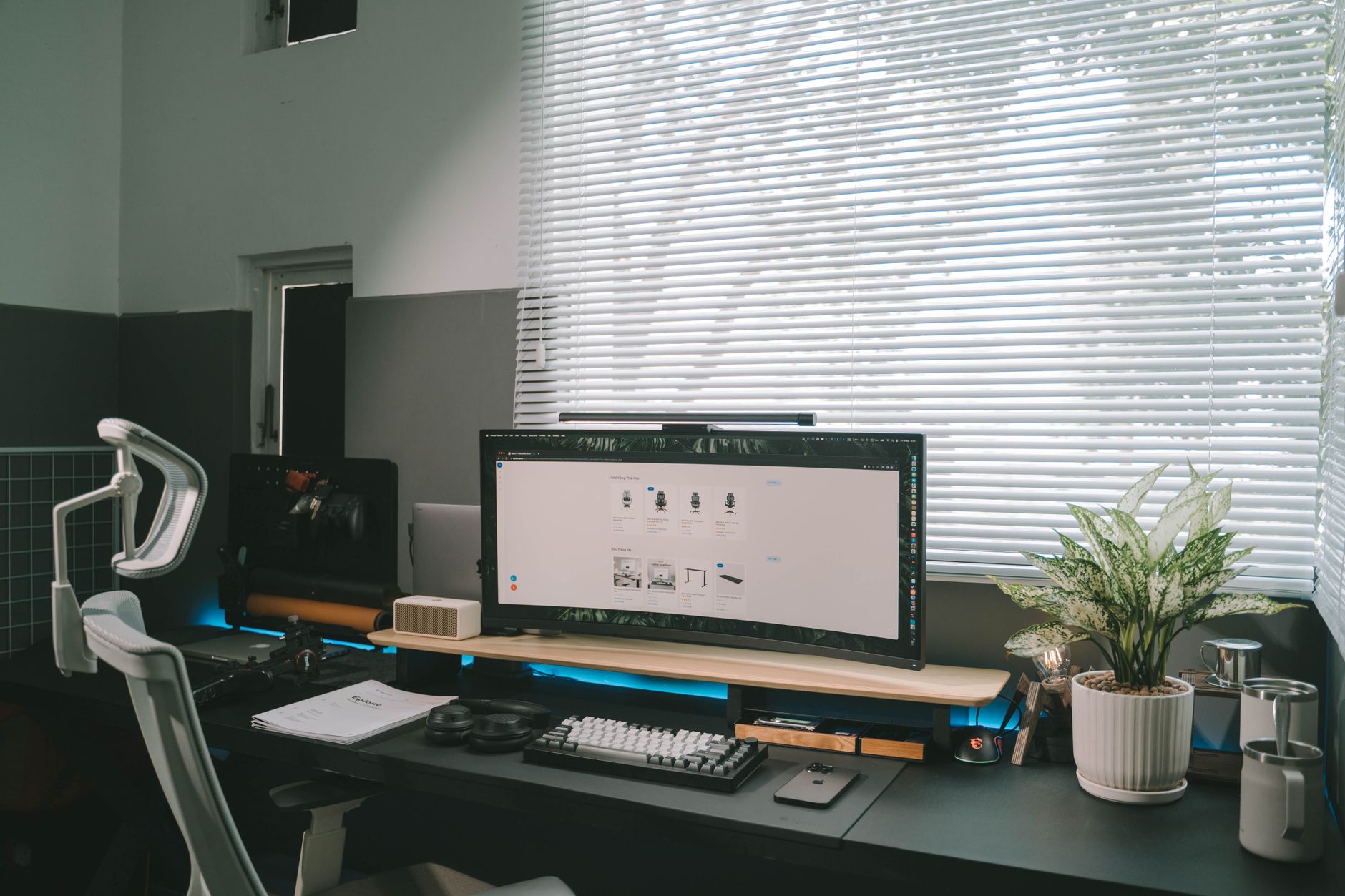
Ergonomic workstation setup for pregnant employees
- Monitor height: Top of screen at eye level, about an arm’s length away. This prevents neck strain as your center of gravity shifts.
- Keyboard and mouse: Keep them close enough that elbows stay at a 90‑degree angle; use a padded wrist rest if you experience carpal tunnel symptoms.
- Chair height: Feet flat on the floor or on a footrest; knees at or slightly below hip level.
- Lumbar support: A small lumbar pillow or built‑in cushion helps maintain the natural curve of the lower back.
Adjust these elements every few weeks as your belly grows. If you’re unsure about optimal placement, the American College of Obstetricians and Gynecologists (ACOG) recommends a neutral spine and relaxed shoulders as the baseline for a safe posture during pregnancy.
Pregnancy back pain relief tips for office workers
Back pain is common, especially after the second trimester. Try these simple moves:
- Place a rolled‑towel or small pillow behind your lower back while seated.
- Perform a seated cat‑cow stretch every hour: inhale arching your back, exhale rounding it.
- Stand and gently hinge at the hips, letting your arms hang down to release tension.
If pain persists beyond a few weeks or is sharp, consult an obstetrician or physical therapist.
Pregnancy safe posture guidelines for desk jobs
Maintain a “neutral” spine: ears over shoulders, shoulders over hips, hips over knees. Avoid slouching or leaning forward for prolonged periods. The UK’s NHS suggests a “golden rule” of 20‑20‑20: every 20 minutes, look at something 20 feet away for 20 seconds—this reduces eye strain and reminds you to reset posture.
In addition to the visual break, consider a micro‑stretch routine that incorporates shoulder rolls, neck extensions, and gentle chest openers. These movements keep the thoracic spine mobile, which can relieve the pressure that a growing uterus puts on the lower back. Over time, consistent posture checks can also reduce the likelihood of developing chronic musculoskeletal issues after delivery.
Best ergonomic chairs for pregnant office workers
Choosing the right chair can be a game‑changer. Below is a comparison of three highly rated models that balance adjustability, lumbar support, and price.
All three chairs allow you to keep your feet flat and your knees at a comfortable angle—crucial for reducing pressure on the pelvic veins. If budget is a concern, many employers offer a “home office stipend” that can cover a portion of the cost. Check your HR policy or ask about a flexible spending account (FSA) for ergonomic equipment.
When selecting a chair, pay attention to the ease of adjustment. Pregnancy can change day‑to‑day, so a chair that lets you shift the seat height or lumbar angle with a single lever will save you time and reduce the need for external cushions. Also, consider breathable fabrics or mesh that prevent overheating, a common complaint in the second and third trimesters.
Office dress code modifications for pregnant women
Comfortable clothing can improve circulation and reduce heat. Look for stretchy fabrics, breathable blends, and adjustable waistbands. If your office enforces a strict dress code, politely request a temporary accommodation—most companies follow the ADA’s “reasonable modification” rule for pregnancy‑related needs.
Safe desk exercises for pregnant employees
Movement is medicine. Even a five‑minute break can boost blood flow, lessen swelling, and keep energy up.
Simple seated exercises you can do at your desk
- Seated leg lifts: Extend one leg straight, hold for 5 seconds, lower. Repeat 10 times each side.
- Ankle circles: Lift foot slightly off the floor and rotate ankle clockwise then counter‑clockwise, 10 reps each direction.
- Shoulder rolls: Lift shoulders toward ears, roll back, and down. Perform 10 slow rolls.
Standing‑desk benefits for pregnant employees
Using a standing desk for short intervals (5–15 minutes) can reduce lower‑back discomfort and improve circulation. The American Pregnancy Association notes that standing for no longer than 2 hours at a time is safe for most pregnant women, provided you shift weight frequently and wear supportive shoes.
How many hours can a pregnant woman sit per day?
While there is no hard limit, ACOG advises breaking up sitting time every 30–60 minutes. A practical target is no more than 4–5 continuous hours of sitting, with a 5‑minute movement break each hour.
Sample desk‑exercise routine (table)
Always listen to your body; if any movement feels uncomfortable, stop and adjust. Adding a gentle deep‑breathing cue—inhale for four counts, exhale for six—can enhance the circulation benefits of each exercise and help reduce pregnancy‑related anxiety.
Managing pregnancy fatigue during a 9‑to‑5 job
Fatigue often spikes in the first and third trimesters. The key is to align your energy peaks with demanding tasks and schedule restorative moments.
Energy‑management schedule
- Morning power hour: Tackle high‑concentration tasks (writing, analysis) after a protein‑rich breakfast.
- Mid‑day micro‑nap: If your office permits, a 10‑minute “restorative pause” can improve alertness. A short nap does not affect pregnancy outcomes, according to the CDC.
- Afternoon walk: A 5‑minute stroll outside boosts circulation and resets circadian rhythm.
Nutrition snack ideas for pregnant desk workers
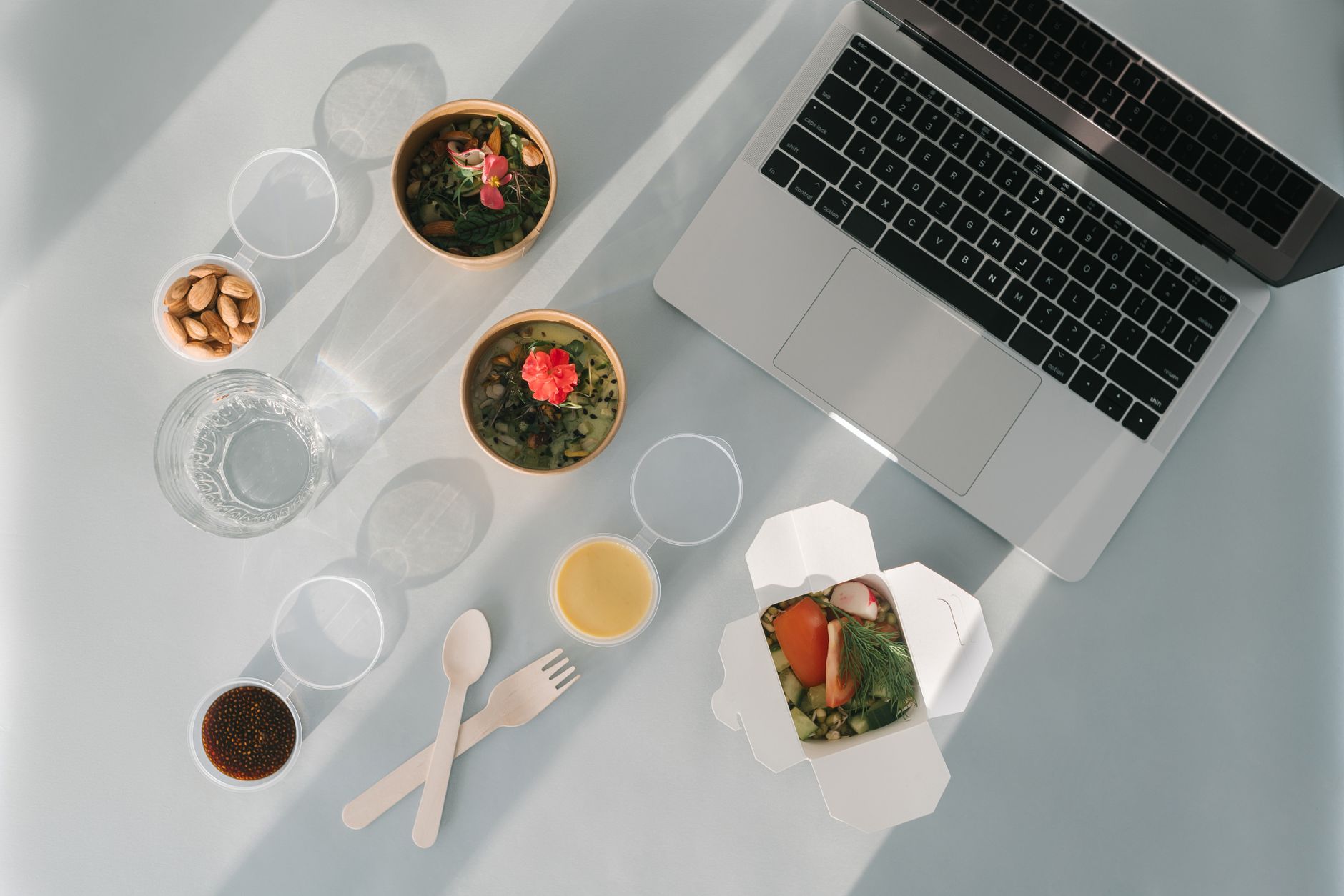
When you’re stuck at your desk, reach for snacks that combine protein, healthy fats, and fiber to keep blood sugar steady.
- Greek yogurt with berries and a sprinkle of chia seeds.
- Whole‑grain crackers with hummus and sliced cucumber.
- Almond butter on a banana slice.
- Hard‑boiled egg plus a handful of baby carrots.
These options provide roughly 150‑250 calories and the micronutrients (iron, calcium, folate) essential for fetal development.
Hydration strategies
Aim for 2.7 L (≈ 10 cups) of fluids daily, adjusted for activity level and climate. Keep a reusable water bottle at your desk and set a gentle reminder on your phone to sip every 30 minutes. Adding a splash of lemon or cucumber can make water more appealing without added sugar.
Beyond water, consider incorporating a modest amount of electrolyte‑balanced drinks if you’re experiencing frequent night sweats or live in a hot climate. The Mayo Clinic notes that excessive caffeine can increase urinary frequency, so limit coffee to two cups a day and balance it with water.
Preventing varicose veins while working at a desk pregnant
Varicose veins affect up to 40 % of pregnant women, especially those who sit for long periods. Simple circulatory tricks can reduce risk.
Compression stockings
Graduated compression socks (15–20 mmHg) support venous return. The American Heart Association recommends wearing them during pregnancy if you have a family history of varicose veins or experience leg swelling.
Leg‑elevation breaks
During your lunch break, prop your feet on a low stool or step for 5‑10 minutes. This encourages blood flow back toward the heart.
Movement cues
Every hour, stand up, march in place for 30 seconds, or do a quick calf‑raise routine. These micro‑movements keep the calf muscle pump active.
If you notice a sudden change in vein appearance—such as bulging, darkening, or pain—consult a vascular specialist promptly. Early intervention can prevent more severe complications later in pregnancy or postpartum.
How to discuss pregnancy accommodations with your boss
Having a clear, respectful conversation can set the tone for a supportive work environment.
Timing the conversation
Most experts suggest informing your employer after the first trimester, unless you have a high‑risk pregnancy that requires early adjustments. A 2026 survey by the Society for Human Resource Management (SHRM) found that 78 % of employees who disclosed early reported better accommodation outcomes.
What to request
- Ergonomic chair or footrest.
- Option to use a standing desk for short periods.
- Flexible break schedule (e.g., 5‑minute breaks each hour).
- Possibility to work from home one or two days per week, if your role permits.
Legal rights and ADA considerations
Pregnancy is a protected condition under the U.S. Pregnancy Discrimination Act (PDA) and the Americans with Disabilities Act (ADA) when a medical provider recommends accommodations. In the UK, the Equality Act 2010 offers similar protections. Knowing your rights empowers you to negotiate confidently.
When you present your request, bring a brief note from your OB‑GYN outlining recommended adjustments. This medical endorsement often speeds up HR approval and reduces the chance of miscommunication.
Maternity leave policies for desk job employees in 2026
Leave policies vary by country, company size, and employment type. Below is a snapshot of typical offerings in the United States, United Kingdom, and Canada for a full‑time desk employee.
Check your employee handbook for the exact breakdown and any “return‑to‑work” program. Many companies now provide a “transition plan” that outlines phased‑in hours after maternity leave, which can ease the shift back to full‑time duties.
When planning your leave, also consider the timing of any prenatal appointments or ultrasounds that may require time off. Some employers allow “appointment time” separate from regular leave, so ask HR about that option early.
Managing mental health and stress while pregnant at a desk
Pregnancy hormones can amplify stress, anxiety, and mood swings, especially when deadlines loom. Prioritizing mental wellbeing is as important as physical ergonomics.
Mind‑body practices you can do at work
- Box breathing: Inhale for 4 seconds, hold for 4, exhale for 4, hold for 4. Repeat for 2 minutes during a break.
- Progressive muscle relaxation: Starting at the toes, tense each muscle group for 5 seconds, then release. This can be done seated with eyes closed.
- Mini‑journaling: Keep a small notebook to note one thing you’re grateful for and one stressor each day. Writing helps externalize worries.
The American Psychological Association (APA) recommends that pregnant employees aim for at least 10 minutes of intentional relaxation daily. Even a brief practice can lower cortisol, improve sleep quality, and reduce the risk of perinatal mood disorders.
Building a support network at work
Identify a trusted colleague or supervisor who can serve as a “wellness ally.” Sharing a simple update—“I’m feeling a bit fatigued today, could we shift this meeting?”—creates a culture of openness and can lead to informal accommodations that benefit everyone.
Many large employers now offer Employee Assistance Programs (EAPs) that include confidential counseling sessions. Check your benefits portal to see if virtual or in‑person therapy is covered, and schedule a session early in your pregnancy to set a proactive mental‑health plan.

Travel and commuting tips for pregnant desk workers
Whether you’re commuting by train, bus, or car, travel can add extra strain to an already busy day. Planning ahead reduces discomfort and keeps you feeling safe.
Choosing the right mode of transport
- Public transit: Opt for off‑peak hours when possible to avoid crowded cars and standing for long periods.
- Driving: Use a seat‑belt positioned low on the hips and a lumbar cushion to support the lower back.
- Walking or cycling: Generally safe in the first two trimesters, but keep routes flat and avoid heavy backpacks.
The CDC advises pregnant travelers to stay hydrated, move their legs every 1–2 hours, and wear compression stockings on longer trips. If you’re traveling across time zones, aim for gradual adjustments to your sleep schedule to minimize jet‑lag‑related fatigue.
Preparing a travel kit
Pack a small bag with the following essentials:
- Water bottle (at least 1 L).
- Healthy snacks (nuts, dried fruit, protein bars).
- Compression socks.
- Prenatal vitamin (in case you forget your office drawer).
- Copy of your prenatal care plan and emergency contacts.
Having these items within reach helps you stay comfortable and reduces the need to search for snacks or restrooms in unfamiliar locations.
Myth vs. fact
Here are a few common misconceptions about working while pregnant.
Myth: You must stop working as soon as you find out you’re pregnant.
Fact: Most women can continue desk work safely throughout pregnancy with proper ergonomics and regular breaks, as confirmed by ACOG.
Myth: Standing desks are dangerous for pregnant women because they increase fall risk.
Fact: When used correctly—short intervals, stable footwear, and a sturdy desk—standing desks are safe and can reduce back pain and swelling.
Myth: You need to eat extra calories at every office snack to support the baby.
Fact: Caloric needs increase by only about 300 kcal per day in the second and third trimesters. Choose nutrient‑dense snacks rather than high‑sugar treats.
Key takeaways
- Set up an ergonomic workstation: monitor at eye level, feet flat, lumbar support.
- Take a 5‑minute movement break each hour; incorporate seated leg lifts, ankle circles, and shoulder rolls.
- Consider a supportive chair or a standing‑desk hybrid, and use compression stockings to prevent varicose veins.
- Snack on protein‑rich, fiber‑filled foods and stay hydrated (≈ 2.7 L water daily).
- Communicate early with your boss about accommodations; know your legal rights under PDA/ADA.
- Review your company’s maternity‑leave policy now—2026 trends favor more paid weeks and flexible return‑to‑work plans.
- Prioritize mental health with brief breathing or journaling practices and use your EAP if needed.
- Plan travel and commuting with comfort items like compression socks, water, and easy snacks.
Frequently asked questions
Can I work at a desk throughout my entire pregnancy?
Yes, most women can safely continue desk work until delivery, provided they follow ergonomic guidelines, take regular movement breaks, and address any emerging discomforts with their provider. If you develop a pregnancy‑related complication (e.g., preeclampsia), your doctor may advise reduced activity.
What is the recommended amount of sitting for pregnant women?
Aim to break up sitting every 30–60 minutes. No more than 4–5 continuous hours of sitting is advisable; each break should include standing, walking, or simple stretches.
How often should I take breaks when pregnant and working a desk job?
Take a 5‑minute micro‑break at least once per hour. During the break, stand, walk, or perform a quick desk exercise (e.g., leg lifts). This keeps blood circulating and reduces fatigue.
Are standing desks safe for pregnant employees?
Yes, when used in moderation. Limit standing to 15‑20 minutes at a time, wear supportive shoes, and keep a stable surface. The American Pregnancy Association notes standing for up to 2 hours per day is generally safe for healthy pregnancies.
What foods should I keep at my desk to support a healthy pregnancy?
Protein‑rich snacks (Greek yogurt, cheese sticks, boiled eggs), fiber‑filled options (whole‑grain crackers, fresh fruit), and healthy fats (nut butter, avocado slices) are ideal. Pair them with a water bottle to stay hydrated.
Most professionals choose to share the news after the first trimester (around 12‑14 weeks), when the risk of miscarriage declines. If you need early accommodations for medical reasons, inform your HR department as soon as possible.
What should I do if I notice sudden swelling, severe back pain, or signs of preterm labor at work?
These are red‑flag symptoms. Call your OB‑GYN or go to the nearest urgent care immediately. Keep a list of emergency contacts and a copy of your prenatal records at work for quick reference.
Can I take prenatal vitamins at work, and do I need a special storage place?
Yes, you can take prenatal vitamins during the workday. Store them in a clean, dry place—your desk drawer or a small pill organizer works well. If you’re concerned about forgetting a dose, set a phone reminder timed with a regular break.
What should I do if I need to use the restroom frequently during pregnancy?
Frequent urination is normal as the uterus presses on the bladder. Keep a discreet “bathroom pass” policy with your manager if needed, and try to schedule short, regular breaks rather than waiting until you’re uncomfortable.
When to see a doctor / specialist
If you experience any of the following, schedule a prompt appointment:
- Sudden, severe swelling in one leg or both legs.
- Sharp, persistent lower‑back pain not relieved by rest or gentle stretching.
- Bleeding, spotting, or fluid leakage.
- Frequent contractions (more than four in an hour) before 37 weeks.
- Headaches accompanied by visual changes or swelling.
For ergonomic concerns, a physical therapist or occupational therapist can provide personalized adjustments. For vein issues, a vascular specialist may be consulted. Always treat this article as general information—not a substitute for personal medical advice.
References
- American College of Obstetricians and Gynecologists. “Physical Activity and Exercise During Pregnancy and the Postpartum Period.” ACOG Committee Opinion, 2020.
- National Health Service (UK). “Pregnancy and work – advice for pregnant women.” NHS, 2022.
- American Pregnancy Association. “Standing Desk Use During Pregnancy.” 2023.
- Society for Human Resource Management (SHRM). “Pregnancy Disclosure and Workplace Accommodations Survey.” 2026.
- American Heart Association. “Compression Stockings for Pregnancy.” 2021.
- Harvard T.H. Chan School of Public Health. “Nutrition During Pregnancy.” 2024.
- U.S. Department of Labor. “Family and Medical Leave Act (FMLA) Overview.” 2023.
- National Institute for Health and Care Excellence (NICE). “Maternity Leave Guidance.” 2025.
- Centers for Disease Control and Prevention (CDC). “Maternal Health and Workplace Safety.” 2022.
- World Health Organization. “Guidelines on Maternal Health and Workplace Exposure.” 2024.
- American Psychological Association. “Perinatal Mental Health: Recommendations for Employers.” 2025.
- Centers for Disease Control and Prevention (CDC). “Travel Recommendations for Pregnant People.” 2023.



