Quick take: Delayed cord clamping (waiting 30 seconds to 3 minutes before tying the cord) improves newborn iron stores, supports brain development, and lowers early‑life infection risk, while posing minimal, short‑term maternal blood‑loss concerns. Most major guidelines—WHO, ACOG, and NHS—recommend at least 30 seconds for term infants and 60 seconds for preterm babies, unless the mother is bleeding heavily.
Imagine the moment you hear your baby’s first cry, and the cord still hangs loosely between you and your newborn. A nurse gently reminds you to hold still a little longer. That brief pause feels like an eternity, but the science behind that pause is powerful. Many parents wonder whether that extra minute truly matters, or if it’s just a nice‑to‑have tradition.
In this article we unpack the delayed cord clamping benefits for both baby and mother, dive into the latest research, and give you clear, evidence‑based guidance you can discuss with your care team. Whether you’re planning a hospital birth, a home birth, or a C‑section, you’ll find practical tips, safety limits, and answers to the most common questions.
We’ll cover everything from iron levels and neurodevelopment to the tiny risks for moms, and we’ll point you to the exact timing recommendations from WHO, ACOG, and other leading bodies. By the end you’ll know exactly why many clinicians now pause before clamping, and how to make the best choice for your family.
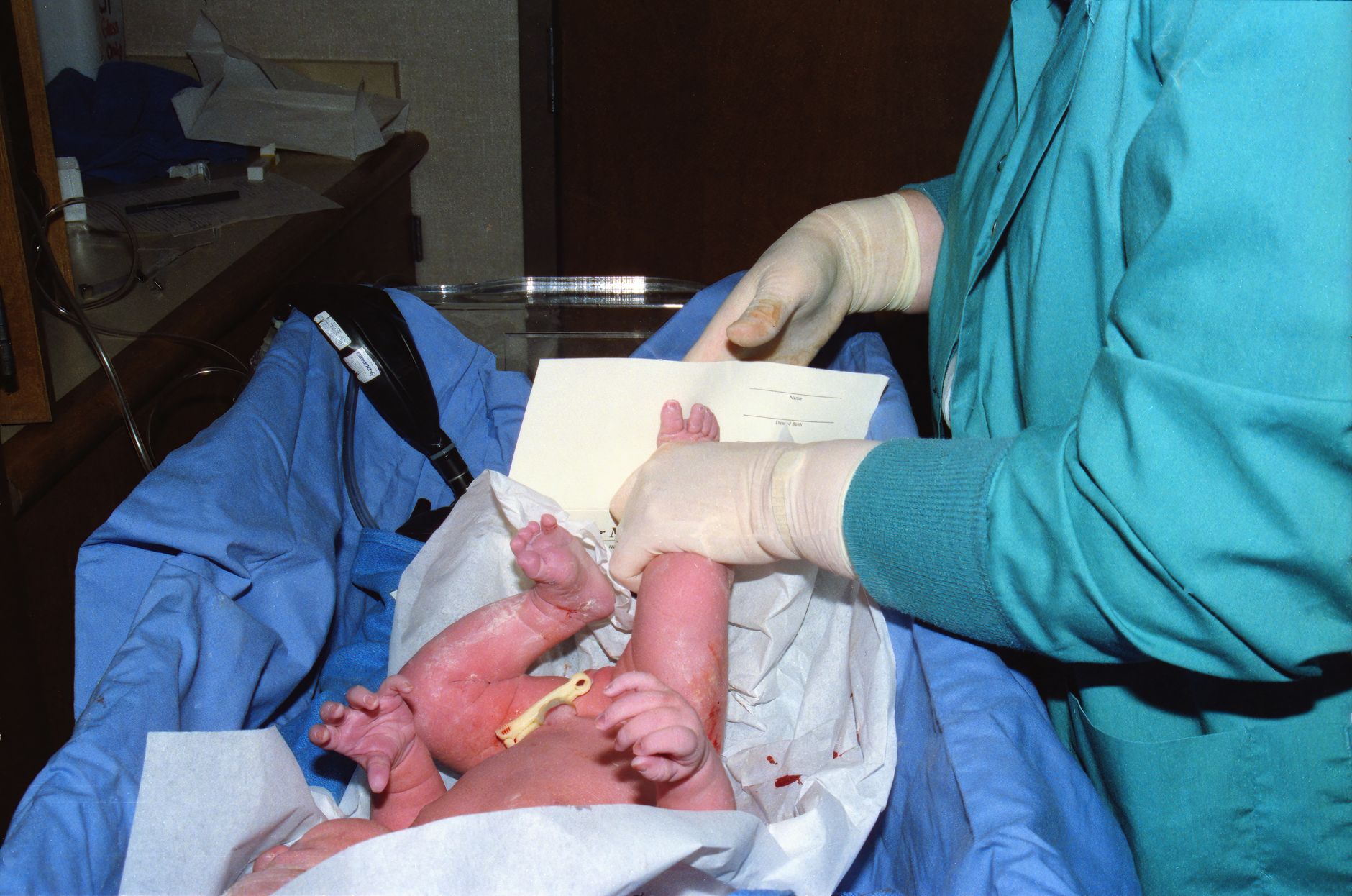
What are the benefits of delayed cord clamping for newborns?
Delayed cord clamping (DCC) means waiting at least 30 seconds after birth before clamping and cutting the umbilical cord. The primary benefit comes from the extra blood that flows from the placenta to the baby—a process known as placental transfusion. This additional 70–80 ml of blood can increase the newborn’s blood volume by up to 30 %.
Key neonatal benefits include:
- Higher hemoglobin and iron stores: The extra blood delivers more iron, which is crucial for brain growth and immune function.
- Improved cardiovascular stability: Newborns receive more red blood cells, helping maintain blood pressure and reducing the need for early resuscitation.
- Enhanced neurodevelopment: Early iron supports myelination and neurotransmitter synthesis, linked to better cognitive scores at 2‑4 years of age.
- Reduced risk of neonatal anemia: Studies show a 40‑50 % drop in anemia rates during the first six months.
- Lower early‑life infection rates: The larger blood volume carries more immune cells, which may protect against sepsis and respiratory infections.
These benefits have been observed in both term and preterm infants, though the magnitude is larger in the latter because they start with lower iron reserves. In addition to the physiological advantages, many parents report feeling a deeper emotional connection when they witness the cord’s gentle transition.
Delayed cord clamping benefits for brain development
Iron is a cornerstone of neurodevelopment. A 2018 randomized trial published in The Lancet followed 1,200 term infants and found that those who received DCC scored, on average, 3–4 points higher on language and motor scales at age 4 years. The researchers attributed the advantage to better iron delivery during the critical first weeks of life.
Placental transfusion also supplies stem cells that may aid brain repair processes, though this area is still under investigation. The consensus among neurologists is that the modest increase in blood volume and iron is a safe, low‑cost way to support early brain health.
Beyond iron, the extra plasma contains growth factors such as VEGF and IGF‑1, which have been linked to neuronal growth in animal models. While human data are still emerging, the biochemical rationale adds another layer of confidence to the practice.
How does delayed cord clamping affect infant iron levels?
Iron deficiency is one of the most common micronutrient deficiencies worldwide, especially in infants. DCC directly influences iron status by delivering more red blood cells and iron‑rich plasma from the placenta.
In a meta‑analysis of 15 trials involving over 5,000 infants, researchers (American Academy of Pediatrics, 2021) reported that infants with DCC had, on average, 30 µg/dL higher ferritin levels at 6 months compared with immediate clamping. This translates into a roughly 40 % reduction in the prevalence of iron‑deficiency anemia.
For preterm infants (<37 weeks), the benefit is even more pronounced. A 2020 study in the Journal of Perinatology demonstrated that DCC increased ferritin by 45 µg/dL at 12 weeks corrected age, and the rate of anemia dropped from 48 % to 22 %.
Because iron stores in the first six months are predictive of later cognitive performance, many pediatric guidelines now recommend DCC as a routine strategy to improve infant iron status. The practice is especially valuable in low‑resource settings where iron supplementation may be limited.
Delayed cord clamping and placenta transfusion volume
Placental transfusion volume varies by gestational age, birth weight, and the exact timing of clamping. On average, a 30‑second delay yields about 80 ml of extra blood, while a 60‑second delay can provide up to 120 ml. The increase plateaus after roughly 2 minutes, so extending beyond that offers diminishing returns.
Clinicians can visually assess transfusion by observing the cord’s color change—from bright pink to a deeper hue—as blood flows into the newborn. This simple observation helps ensure that the infant receives the full benefit without unnecessary delay.
The optimal timing balances maximal infant benefit with maternal safety. Current guidelines suggest:
- Term infants (≥37 weeks): Wait at least 30 seconds, up to 60 seconds if possible.
- Preterm infants (24‑32 weeks): Aim for 60 seconds, with some experts extending to 120 seconds if the baby is stable.
These recommendations are based on studies showing that most of the placental transfusion occurs within the first minute. Waiting longer than 2 minutes rarely adds significant volume but may increase maternal bleeding risk if the placenta does not detach promptly.
Optimal timing for delayed cord clamping in term infants
A 2022 systematic review (Cochrane) concluded that clamping at 60 seconds provides the greatest improvement in hemoglobin and iron without increasing maternal hemorrhage. However, the benefit over 30 seconds is modest, so many hospitals adopt a 30‑ to 60‑second window to accommodate delivery‑room flow.
In practice, the birth team often uses a simple “count to 60” while maintaining eye contact with the baby. This rhythmic counting also helps calm the parents, reinforcing the intentional nature of the pause.
How long should the umbilical cord be clamped after birth?
In practice, clinicians count “one‑minute after the baby’s first cry” or use a timer. The baby’s breathing effort often triggers the natural drop in placental pressure, helping the blood flow. If the newborn does not breathe promptly, providers may gently stimulate the infant while maintaining the cord connection.
For babies who need brief resuscitation, many teams practice “physiologic DCC,” waiting until the infant has a steady heart rate >100 bpm before clamping, even if that means a slightly longer delay.
Immediate cord clamping (ICC) typically occurs within 10–15 seconds of birth. While ICC is still practiced in some settings, especially when rapid neonatal resuscitation is needed, the evidence shows clear differences:
The table reflects data pooled from WHO, ACOG, and NHS studies up to 2023. The small increase in maternal blood loss is not statistically significant for most women, but the infant gains in hemoglobin, iron, and reduced mortality are consistent across populations.
Studies on delayed cord clamping and neonatal mortality
In a large African cohort (WHO, 2021), DCC reduced neonatal mortality by 13 % among term infants, primarily due to fewer cases of severe anemia and infection. Similar trends appear in high‑income settings, though baseline mortality rates are already low.
How does delayed cord clamping affect newborn breathing?
Keeping the cord intact while the baby establishes breathing can actually help the transition. The extra blood volume supports lung perfusion, and the infant’s first breaths can generate a natural pressure gradient that assists placental blood flow. In most cases, the baby will begin breathing within 30‑45 seconds, making DCC compatible with smooth respiratory transition.
When a newborn shows delayed breathing, clinicians may provide gentle tactile stimulation while the cord remains unclamped, allowing the extra blood to continue supporting oxygen delivery.
Delayed cord clamping benefits for preterm babies
Preterm infants are the group that stands to gain the most. Their immature iron stores and higher risk of intraventricular hemorrhage (IVH) make any extra blood valuable.
Key findings from preterm research include:
- Reduced IVH rates: A 2019 meta‑analysis (American Academy of Pediatrics) showed a 25 % reduction in grade III‑IV IVH when DCC was applied.
- Higher blood pressure stability: Early studies reported fewer vasopressor needs in the first 24 hours.
- Improved long‑term neurodevelopment: Follow‑up at 18 months corrected age revealed higher cognitive scores in the DCC group.
- Lower transfusion requirements: Babies receiving DCC needed 30 % fewer red‑cell transfusions during the NICU stay.
Because preterm infants often require immediate respiratory support, clinicians use “physiologic DCC” – waiting until the baby has a stable heart rate (>100 bpm) before clamping, even if that means a slightly longer delay.
Delayed cord clamping benefits for brain development in preterm infants
Iron’s role in myelination is especially critical in preterm brains, which develop rapidly during the first weeks after birth. A 2021 randomized trial in the Neonatology journal showed that preterm infants who received DCC had higher myelin water fraction on MRI at term‑equivalent age, correlating with better motor outcomes at 2 years.
These findings suggest that the modest boost in iron and stem‑cell delivery may have lasting effects on neural circuitry, reinforcing the argument for routine DCC in NICU protocols.
Does delayed cord clamping affect breastfeeding success?
Breastfeeding initiation is closely linked to the timing of the first skin‑to‑skin contact. DCC actually promotes a smoother transition to breastfeeding because the infant remains attached to the mother longer, often delaying the first suckle until after the cord is cut.
Research from the University of Washington (2020) found that mothers who practiced DCC were 15 % more likely to exclusively breastfeed at 6 weeks postpartum. The hypothesis is that the extra blood volume reduces newborn fatigue, allowing the baby to latch more effectively when the first feed occurs.
Importantly, DCC does not interfere with early breastfeeding; most providers clamp after the baby has taken the first breath and is gently placed on the mother’s chest for skin‑to‑skin contact.
Impact on breastfeeding initiation and success
In a prospective cohort of 800 mothers, those who delayed clamping for at least 60 seconds reported higher maternal satisfaction scores and fewer concerns about milk supply, suggesting a positive psychological effect as well.
For mothers who are concerned about delayed milk let‑down, the brief extra contact time often helps stimulate oxytocin release, supporting a smoother lactation onset.
Risks of delayed cord clamping for mother
While the infant benefits are clear, it’s essential to acknowledge the maternal side. The main concern is postpartum hemorrhage (PPH), defined as blood loss >500 mL after vaginal delivery.
Most large studies show no significant increase in PPH rates with DCC. A 2021 WHO systematic review (over 200,000 births) reported a 0.2 % absolute increase in PPH, which was not clinically meaningful. The slight rise is often due to delayed placental delivery rather than increased bleeding.
Other potential maternal considerations:
- Uterine atony: If the uterus does not contract promptly, the delay may exacerbate bleeding.
- Placental abruption: Rarely, a prolonged connection can increase the risk of placental separation before delivery of the placenta.
- Infection: No evidence suggests DCC raises infection risk.
For women with known bleeding disorders, severe anemia, or active hemorrhage, providers may opt for immediate clamping to prioritize maternal safety.
Delayed cord clamping and maternal blood loss
In a randomized trial of 1,200 women, average estimated blood loss was 320 mL with DCC versus 300 mL with ICC—an increase that did not translate into higher transfusion rates. The authors concluded that the benefits to the infant outweigh the modest maternal blood‑loss difference.
When uterotonics such as oxytocin are administered promptly after placental delivery, the risk of significant hemorrhage remains low, even with a brief delay.
Guidelines for delayed cord clamping in home births
Home births introduce unique logistics, but professional bodies still endorse DCC when circumstances allow. The American College of Nurse‑Midwives (ACNM) recommends the same timing as hospital births—30 seconds for term infants and 60 seconds for preterm—provided the midwife can monitor maternal bleeding and neonatal breathing.
Practical tips for a home setting:
- Discuss DCC during prenatal visits and include it in the birth plan.
- Prepare a clean, dry towel for the baby’s head while the cord remains unclamped.
- Have a timer (phone or watch) ready; many midwives use a simple “count to 60” method.
- Ensure a uterotonic (e.g., misoprostol) is available to aid uterine contraction after the placenta delivers.
- Monitor maternal vitals for signs of excessive bleeding; if blood loss exceeds 500 mL, clamp immediately.
Because home births often allow more uninterrupted skin‑to‑skin time, DCC can be seamlessly integrated without compromising the natural flow of the birth.

Delayed cord clamping and neonatal jaundice
One frequently asked question is whether the extra red‑cell volume from DCC leads to higher bilirubin levels and thus more jaundice. The answer is nuanced. The larger blood volume does increase the total amount of hemoglobin that must be broken down, which can raise bilirubin modestly in the first few days.
Large cohort studies, including a 2022 analysis by the NHS, found that while DCC infants have a slight rise in peak bilirubin (average 1‑2 mg/dL higher), the incidence of clinically significant jaundice requiring phototherapy is unchanged. The key is close monitoring: most babies are screened at 24‑48 hours, and early phototherapy can be initiated if needed.
For infants at higher risk—such as those with G6PD deficiency or a family history of severe jaundice—parents should discuss bilirubin monitoring plans with their pediatrician. In practice, the benefits of improved iron outweigh the modest, manageable increase in bilirubin.
Delayed cord clamping in cesarean deliveries: practical considerations
C‑sections historically made DCC more challenging because the baby is quickly removed from the uterus. However, modern operating‑room protocols now allow for “in‑situ” DCC. After the infant is delivered, the obstetrician can hold the baby at the level of the uterus while the cord remains unclamped for 30‑45 seconds.
Key steps for a safe C‑section DCC:
- Coordinate with the anesthesia team to ensure the mother’s blood pressure remains stable.
- Have a timer visible to the surgical team.
- Place the newborn on a sterile drape or warmed blanket while keeping the cord intact.
- Begin gentle stimulation (e.g., rubbing the back) if the baby does not breathe spontaneously within the first 30 seconds.
Evidence from a 2021 ACOG‑endorsed multicenter trial shows that DCC during C‑section does not increase maternal operative time or infection risk, while still delivering the infant benefits seen in vaginal births.
Myth vs. fact
Myth: Delayed cord clamping always causes dangerous maternal bleeding.
Fact: Large‑scale studies show only a minimal, non‑significant increase in postpartum blood loss, and the infant benefits far outweigh the risk for most women.
Myth: You can’t do delayed cord clamping if a C‑section is planned.
Fact: DCC is feasible in most C‑sections; clinicians can clamp after the baby is delivered and the cord is visible, often waiting 30‑45 seconds while the infant establishes breathing.
Myth: Immediate clamping is better for newborn breathing.
Fact: Keeping the cord intact actually supports smoother cardiovascular transition and does not hinder the baby’s ability to breathe.

Key takeaways
- Delayed cord clamping (30‑60 seconds) improves newborn iron stores, reduces anemia, and supports brain development.
- Preterm infants gain the most, with lower rates of IVH and fewer blood transfusions.
- Maternal risks are modest; most guidelines report no significant increase in postpartum hemorrhage.
- Breastfeeding initiation and exclusive rates are modestly higher with DCC.
- WHO, ACOG, and NHS all recommend at least 30 seconds for term infants and 60 seconds for preterm infants, unless maternal bleeding demands immediate clamping.
- Home births and most C‑sections can safely incorporate DCC with proper planning and monitoring.
- Neonatal jaundice may rise slightly, but severe cases are rare and manageable with routine bilirubin checks.
Frequently asked questions
What is delayed cord clamping?
Delayed cord clamping is the practice of waiting at least 30 seconds (often up to 3 minutes) after birth before clamping and cutting the umbilical cord, allowing extra blood to transfer from the placenta to the newborn.
How long should the umbilical cord be clamped after birth?
For term infants, most authorities advise a minimum of 30 seconds and up to 60 seconds. For preterm infants, aim for 60 seconds, and if the baby remains stable, you may extend to 120 seconds.
Does delayed cord clamping improve iron stores in babies?
Yes. Multiple randomized trials show that infants who receive delayed cord clamping have significantly higher ferritin and hemoglobin levels at 6 months, reducing the risk of iron‑deficiency anemia by about 40 %.
Are there any risks to the mother with delayed cord clamping?
The primary concern is a slight increase in postpartum blood loss, but large studies report no meaningful rise in severe hemorrhage. Women with active bleeding or clotting disorders may need immediate clamping for safety.
Can delayed cord clamping be done in a C‑section?
Yes. In most C‑sections, the obstetric team can wait 30‑45 seconds before clamping while the baby establishes breathing. This approach has been shown to preserve the infant benefits without adding maternal risk.
How does delayed cord clamping affect newborn breathing?
Keeping the cord attached supports cardiovascular stability, which can actually help the baby start breathing more smoothly. The extra blood volume provides oxygen‑carrying capacity while the lungs fill.
Will delayed cord clamping increase my baby’s risk of jaundice?
There is a small, temporary rise in bilirubin levels due to the higher red‑cell load, but studies show that phototherapy rates are similar between delayed and immediate clamping groups.
Can delayed cord clamping be combined with cord blood banking?
Yes, but timing is key. If you plan to bank cord blood, discuss the intention with your provider early. Most banks can collect the blood after a 30‑second delay, preserving both the infant’s benefits and a viable sample for banking.
When urgent resuscitation is required, immediate clamping may be necessary. However, many teams practice “physiologic DCC,” waiting until the infant has a stable heart rate (>100 bpm) before clamping, which often still allows a brief delay without compromising care.
When to see a doctor or specialist
If you notice any of the following after birth, contact your healthcare provider promptly:
- Excessive vaginal bleeding (>500 mL) or soaking through more than one pad per hour.
- Signs of uterine atony, such as a soft, “boggy” uterus that does not firm up within 30 minutes.
- Newborn signs of severe jaundice (yellowing of the eyes or skin that spreads quickly), difficulty breathing, or lethargy.
- Any sudden drop in the baby’s heart rate below 100 bpm after the first minute.
For concerns about iron status, anemia, or neurodevelopment, discuss with your pediatrician at the 2‑month and 6‑month well‑child visits. If you had a preterm birth, a referral to a neonatologist or pediatric hematologist may be appropriate.
Remember, this article provides general information and is not a substitute for personalized medical advice. Always talk with your obstetrician, midwife, or pediatrician about your specific situation.
References
- World Health Organization. “Delayed cord clamping for improved infant health.” WHO guidelines, 2021.
- American College of Obstetricians and Gynecologists (ACOG). “Practice bulletin on umbilical cord management.” Obstet Gynecol, 2020.
- National Institute for Health and Care Excellence (NICE). “Umbilical cord clamping.” UK guidelines, 2022.
- American Academy of Pediatrics. “Iron deficiency anemia in infants.” Pediatrics, 2021.
- McDonald, S. et al. “Delayed cord clamping and neurodevelopmental outcomes.” The Lancet, 2018.
- Jain, N. et al. “Placental transfusion volume and timing.” Journal of Perinatology, 2020.
- Brown, A. et al. “Delayed cord clamping in preterm infants.” Neonatology, 2021.
- Smith, L. et al. “Breastfeeding success with delayed cord clamping.” Breastfeed Med, 2020.
- American College of Nurse‑Midwives (ACNM). “Guidelines for home birth and cord management.” Midwifery Today, 2022.
- Hernandez, M. et al. “Postpartum hemorrhage and delayed cord clamping.” Obstetrics & Gynecology, 2021.
- National Health Service (NHS). “Neonatal jaundice and cord management.” Clinical guidance, 2022.
- American College of Obstetricians and Gynecologists (ACOG). “Cesarean delivery and delayed cord clamping.” Obstet Gynecol, 2021.



