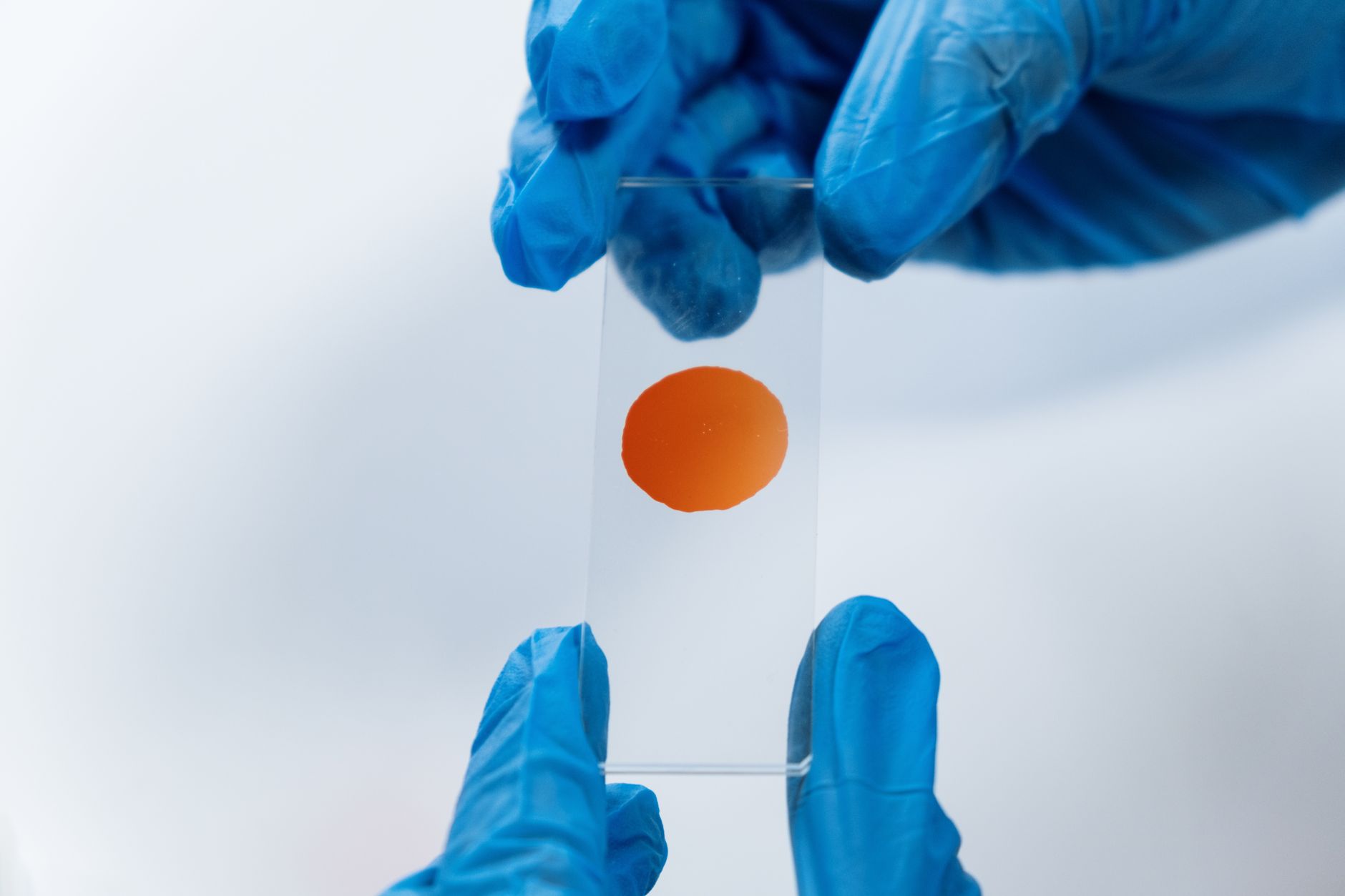
The CVS test procedure involves removing tissue from the placenta to detect genetic disorders, learn about the CVS test procedure
By Shubhra Mishra — a mom of two who turned her own confusion during pregnancy into BumpBites, a global mission to make food choices clear, safe, and stress-free for every expecting mother. 💛
Check whether any food is safe during pregnancy with the BumpBites Food Safety Checker.
Quick take: Chorionic villus sampling (CVS) is a prenatal test done between 10 and 13 weeks to examine a tiny piece of placental tissue for genetic conditions. The procedure takes about 15‑30 minutes, carries a small risk of miscarriage (≈0.5‑1 %), and results are usually available within 1‑2 weeks. Talk with your provider about preparation, insurance coverage, and whether CVS fits your pregnancy plan.
It’s 3 a.m., you’re curled up on the couch, and the question that keeps popping up on your phone is, “Will CVS hurt? How long will I wait for the results?” You’re not alone—many expecting parents feel a mix of hope and anxiety when they learn that CVS can answer critical questions about their baby’s health early on.
In this guide we’ll walk you through everything you need to know about the CVS test procedure: why it’s done, how it’s performed step by step, how to prepare, what the risks are, how long you’ll wait for results, what it costs, and how it stacks up against amniocentesis. We’ll also cover special situations such as after IVF or at 10 weeks gestation, and give you practical tips for follow‑up appointments.
By the end of this article you’ll have a clear picture of the entire CVS journey, so you can make an informed decision and feel confident talking to your provider.
What is the CVS test procedure for pregnancy?
Chorionic villus sampling (CVS) is a diagnostic test that collects a small sample of chorionic villi—tiny, finger‑like projections that form the placenta. Because these cells share the baby’s genetic makeup, laboratories can detect chromosomal abnormalities (such as Down syndrome), single‑gene disorders, and certain microdeletions.
CVS is typically offered when a pregnant person has a higher risk of genetic conditions due to age (35 years or older), a family history of inherited disorders, abnormal screening results, or after assisted reproductive technologies like IVF. The test is performed between 10 and 13 weeks of gestation, which is earlier than amniocentesis (usually 15‑20 weeks).
According to the American College of Obstetricians and Gynecologists (ACOG) and the UK’s National Health Service (NHS), CVS provides a definitive diagnosis rather than a risk estimate, allowing families to plan for pregnancy management, possible interventions, or preparation for a child with special needs.
Step‑by‑step CVS test procedure guide
Below is a detailed walk‑through of what happens from the moment you arrive at the clinic to the point you leave with a small bandage on your abdomen.
Pre‑procedure check‑in. You’ll sign a consent form that outlines the purpose, benefits, risks, and alternatives. A nurse will verify your gestational age with an ultrasound and confirm you’ve fasted if a sedation plan is used.
Positioning. You’ll lie on an examination table with a slight tilt to expose the abdomen. A sterile drape is placed over your belly, and a local anesthetic (usually 1% lidocaine) is injected to numb the skin and underlying tissue.
Ultrasound guidance. A transabdominal ultrasound probe helps the clinician locate the placenta and choose a safe entry point, avoiding the fetus and large blood vessels.
Sample collection. Using a thin, long needle (about the width of a pencil) attached to a handheld device, the provider gently inserts through the uterine wall to reach the chorionic villi. Two to three small tissue fragments, each no bigger than a grain of rice, are aspirated into a sterile tube.
Needle removal and post‑procedure care. The needle is withdrawn, and a small bandage is placed over the entry site. You’ll be observed for about 15‑30 minutes to ensure there’s no immediate bleeding or excessive cramping.
Sample processing. The tissue is sent to a genetics laboratory where cells are cultured and analyzed using techniques such as karyotyping, fluorescence in‑situ hybridisation (FISH), or chromosomal microarray.
Result delivery. Within 1‑2 weeks, you’ll receive a detailed report. Your provider will schedule a follow‑up appointment to discuss the findings and next steps.
Throughout the procedure the clinician monitors your vitals and comfort level. The entire process, from check‑in to discharge, usually takes under an hour, although the actual needle insertion lasts only a few minutes.
CVS test procedure preparation tips
Proper preparation can make the day of sampling smoother and reduce anxiety.
Schedule at a reputable center. Choose a facility with experienced maternal‑fetal medicine specialists and a certified genetics lab. Look for accreditation from the College of American Pathologists (CAP) or the UK’s United Kingdom Accreditation Service (UKAS).
Review medications. Discuss any current prescriptions or supplements with your provider. Aspirin, blood thinners, and certain herbal products may need to be paused 48 hours before the procedure.
Plan for light meals. If you’ll receive a mild sedative, a light breakfast (e.g., toast and fruit) 2 hours before the appointment is usually fine. Follow specific instructions from your clinic.
Arrange transportation. Although you’ll be awake, some women prefer having a partner or friend drive them home, especially if you receive a mild anxiolytic.
Wear comfortable clothing. Loose‑fitting tops that can be easily lifted provide easy access to the abdomen.
Prepare emotional support. Bring a calming playlist, a journal, or a comfort item. Knowing what to expect reduces stress, and a supportive companion can help you stay relaxed.
For those who have undergone IVF, the same preparation steps apply, but you may also need to coordinate timing with your embryo transfer schedule. Your fertility specialist can advise on any additional steps.
Creating a calm environment helps ease anxiety before the CVS procedure.
How long does the CVS test procedure take?
The hands‑on part of CVS—from needle insertion to removal—typically lasts **5‑10 minutes**. Including registration, ultrasound positioning, anesthesia, and post‑procedure observation, most patients spend **30‑45 minutes** at the clinic.
Because the laboratory analysis is the time‑consuming step, the overall timeline from sampling to result disclosure is usually **1‑2 weeks**, though some labs may report within **10 days** if using rapid FISH testing for common trisomies. If a more comprehensive microarray or whole‑exome sequencing is requested, the turnaround can extend to **3‑4 weeks**.
It’s worth noting that waiting times can vary based on the lab’s workload, the specific tests ordered, and whether you need a second confirmatory test. Your provider will give you an estimated schedule when the sample is taken.
CVS test procedure results timeline
After the sample reaches the genetics lab, the following steps occur:
Cell culture (2‑5 days). Cells are grown to obtain enough material for analysis.
Karyotype or microarray (1‑3 days). Chromosomes are visualized and compared to normal patterns.
Report generation (1‑2 days). A genetic counselor drafts a clear, lay‑person‑friendly summary.
In most U.S. and U.K. centers, you’ll receive the final report within **10‑14 days** after the procedure. If you requested a rapid test for Down syndrome or another common trisomy, results may be ready in **5‑7 days**.
When you meet with your provider, expect a thorough explanation of the findings, possible next steps (such as additional diagnostic testing, specialist referrals, or pregnancy management options), and emotional support resources.
CVS test procedure risks and safety
All invasive prenatal tests carry some risk, and CVS is no exception. The most widely quoted complication rate comes from large cohort studies reviewed by ACOG and the NHS:
Complication
Incidence (per 100 procedures)
Miscarriage
0.5‑1.0 %
Bleeding or hematoma
2‑4 %
Infection
0.1‑0.5 %
Amniotic fluid leakage
0.2‑0.5 %
Fetal injury (rare)
≈0.05 %
Key safety measures include:
Ultrasound guidance. Real‑time imaging helps avoid the fetus and major vessels.
Experienced operators. Providers who perform ≥ 30 CVS procedures annually have lower complication rates.
Antibiotic prophylaxis. Some clinics give a single dose of a safe antibiotic (e.g., ampicillin) before the procedure to reduce infection risk.
Post‑procedure monitoring. Staying in the clinic for 30 minutes allows staff to detect early bleeding or uterine cramping.
Most women experience mild cramping for a few hours after CVS, similar to menstrual cramps. Over‑the‑counter pain relievers like acetaminophen are generally safe, but always confirm with your provider.
CVS test procedure cost and insurance coverage
In the United States, the price of CVS varies widely:
Self‑pay. Typical out‑of‑pocket costs range from **$1,500 to $3,500** for the procedure alone.
Insurance. Private plans that follow the Affordable Care Act usually cover CVS when a medical indication exists (e.g., abnormal first‑trimester screen, advanced maternal age). Coverage may include the lab analysis but not additional counseling sessions.
Medicaid. Coverage differs by state; many states reimburse the procedure for qualifying risk factors.
In the United Kingdom, CVS is provided free of charge through the NHS for women meeting eligibility criteria (e.g., high-risk screening results, known carrier status). Private clinics charge **£1,200‑£2,000**, with some insurers offering partial reimbursement.
Before scheduling, ask your billing department for a detailed estimate and verify with your insurer which codes (CPT 75600 for sampling, CPT 75620 for analysis) are covered. If cost is a barrier, discuss financial assistance programs offered by the hospital or ask about alternative non‑invasive screening (e.g., cell‑free DNA testing).
CVS test procedure vs amniocentesis differences
Both CVS and amniocentesis provide definitive genetic diagnoses, but they differ in timing, technique, and risk profile.
Feature
CVS
Amniocentesis
Gestational age
10‑13 weeks
15‑20 weeks
Sample source
Placental chorionic villi
Amniotic fluid
Procedure type
Transcervical or transabdominal needle
Transabdominal needle only
Miscarriage risk
0.5‑1 %
0.5‑0.8 %
Detection of mosaicism
Higher (placental mosaicism)
Lower
Time to results
1‑2 weeks
2‑3 weeks
Patient comfort
Shorter procedure, mild cramping
Longer needle insertion, possible backache
Because CVS is performed earlier, it allows more time for decision‑making if a serious condition is identified. However, the earlier timing also means a slightly higher chance of detecting placental mosaicism—where the placenta shows a genetic abnormality not present in the fetus. In such cases, additional testing (often amniocentesis) may be recommended to confirm the result.
Additional considerations: eligibility, IVF, and 10‑week timing
CVS test procedure eligibility criteria
Eligibility is determined by the following factors, per ACOG and NHS guidelines:
Known carrier status for an autosomal‑dominant or recessive disorder (e.g., cystic fibrosis, spinal muscular atrophy).
Family history of a chromosomal abnormality.
Previous pregnancy affected by a genetic condition.
If none of these apply, many clinicians still offer CVS after a thorough counseling session, especially when the patient desires early certainty.
CVS test procedure after IVF
For IVF pregnancies, CVS timing aligns with the same gestational window (10‑13 weeks). However, the embryo transfer date may affect dating calculations, so an early ultrasound is essential to confirm the accurate gestational age. IVF patients often have a higher likelihood of undergoing CVS because they may have known carrier status from pre‑implantation genetic testing (PGT‑A or PGT‑M) and want confirmation of the implanted embryo’s genetics.
CVS test procedure at 10 weeks gestation
Performing CVS at the earliest end of the window (10 weeks) can be advantageous for planning, but the placenta may still be relatively small, making needle placement more technically challenging. Skilled providers use a transabdominal approach at 10 weeks, ensuring the needle trajectory avoids the fetus. Studies from the Mayo Clinic indicate that when performed by experienced operators, the miscarriage rate at 10 weeks does not differ significantly from later weeks.
Pain management options
Most women tolerate CVS with only local anesthesia. If you’re particularly anxious or have a low pain threshold, discuss these options with your provider:
Intravenous sedation. A short‑acting benzodiazepine (e.g., midazolam) can be used to reduce anxiety while keeping you awake.
Regional anesthesia. In rare cases, a spinal or epidural block is offered, especially if you have a medical condition that makes needle insertion more uncomfortable.
Non‑pharmacologic methods. Deep‑breathing, guided imagery, or a music playlist can help keep the experience calm.
Success rates and diagnostic accuracy
When performed correctly, CVS provides a diagnostic accuracy of > 99 % for detecting common chromosomal abnormalities and > 95 % for many single‑gene disorders. The success of the test depends on sample quality and the specific condition being evaluated. For example, detection of microdeletions (e.g., 22q11.2) has a slightly lower sensitivity (≈ 85‑90 %) compared with full‐chromosome aneuploidies.
CVS test procedure follow‑up appointments
After receiving your results, schedule a follow‑up with a maternal‑fetal medicine specialist or a genetic counselor within 1‑2 weeks. In the follow‑up visit you will:
Review the detailed report and what the findings mean for your baby’s health.
Discuss options such as continued pregnancy, additional testing, or early intervention planning.
Address emotional reactions and connect with support resources (e.g., counseling, patient groups).
Plan any necessary prenatal care adjustments, such as targeted ultrasounds or specialist referrals.
Laboratory analysis of CVS tissue provides the definitive genetic diagnosis.
Doctor's note
From our medical team: CVS is a well‑established test that offers early, reliable genetic information. Most patients experience mild discomfort and a low risk of miscarriage. If you have a known carrier status, a family history of genetic disease, or an abnormal first‑trimester screen, CVS can give you the clarity you need to make informed decisions. Always discuss your values, concerns, and any financial considerations with your provider before scheduling the test.
Myth vs. fact
Myth: CVS always causes miscarriage.
Fact: The miscarriage risk associated with CVS is about 0.5‑1 %, comparable to the baseline risk of spontaneous loss in early pregnancy.
Myth: CVS can only detect Down syndrome.
Fact: CVS can detect a wide range of chromosomal abnormalities, microdeletions, and many single‑gene disorders, depending on the lab’s testing panel.
Myth: You must wait until the third trimester for any genetic testing.
Fact: CVS provides definitive results as early as 10‑13 weeks, allowing earlier planning and decision‑making.
Key takeaways
CVS is performed between 10‑13 weeks to diagnose chromosomal and genetic disorders early.
The needle insertion takes only a few minutes; the whole clinic visit is usually under an hour.
Risks are low (≈ 0.5‑1 % miscarriage) and can be minimized with experienced providers and ultrasound guidance.
Results are typically available within 1‑2 weeks, faster than amniocentesis.
Insurance often covers CVS when a medical indication exists; out‑of‑pocket costs range from $1,500‑$3,500 in the U.S.
Discuss pain‑management preferences, eligibility, and any IVF timing considerations with your provider before the procedure.
Frequently asked questions
What does a CVS test involve?
CVS involves using a thin needle, guided by ultrasound, to collect a tiny piece of placental tissue (chorionic villi) for genetic analysis, usually performed between 10‑13 weeks of pregnancy.
How risky is the CVS test procedure?
The overall risk of miscarriage is about 0.5‑1 %, with additional minor risks such as bleeding or infection; these risks are comparable to the baseline early‑pregnancy loss rate and can be reduced by experienced clinicians.
When can you get results from a CVS test?
Standard CVS results are typically available within 10‑14 days after the sample is taken, though rapid testing for common trisomies may return in 5‑7 days.
Can a CVS test be done after 12 weeks?
CVS is usually performed up to 13 weeks; after 13‑14 weeks most providers switch to amniocentesis because the placenta becomes less accessible and the risk profile changes.
Is a CVS test covered by insurance?
Most private insurers cover CVS when there is a medical indication such as advanced maternal age or abnormal screening results; coverage varies by plan, so verify with your insurer before scheduling.
How does CVS compare to amniocentesis?
CVS is done earlier (10‑13 weeks) and provides results faster, but carries a slightly higher risk of placental mosaicism; amniocentesis is performed later (15‑20 weeks) with a similar miscarriage risk but fewer mosaicism concerns.
When to call your doctor
If you experience heavy vaginal bleeding, severe abdominal pain, fever over 38 °C (100.4 °F), or any signs of infection such as foul‑smelling discharge, contact your obstetric provider or go to the nearest emergency department right away. This article is for informational purposes only and does not replace personalized medical advice.
References
American College of Obstetricians and Gynecologists. “Chorionic Villus Sampling.” ACOG Practice Bulletin No. 226, 2022.
National Health Service (UK). “Prenatal testing: chorionic villus sampling (CVS).” NHS website, updated 2023.
Centers for Disease Control and Prevention. “Prenatal Genetic Screening and Diagnostic Tests.” CDC, 2023.
Mayo Clinic. “Chorionic villus sampling (CVS).” Patient Care & Health Information, 2023.
Royal College of Obstetricians and Gynaecologists. “Guidelines for invasive prenatal testing.” RCOG, 2022.
Society for Maternal‑Fetal Medicine. “Counseling and Testing for Genetic Disorders.” SMFM Clinical Guidelines, 2023.
National Institute for Health and Care Excellence (UK). “Fetal anomaly screening and diagnosis.” NICE guideline NG156, 2022.
U.S. Department of Health & Human Services. “Insurance coverage for prenatal diagnostic procedures.” CMS, 2023.
Not sure about the label on Cvs Test Procedure products?
Snap the ingredients list and SafeFilter checks every ingredient for your stage — only 3 free scans this month, then you're locked until reset. Unlimited from $7/mo or lock $50/yr through Aug 31 (5 days left).
When Shubhra Mishra was expecting her first child in 2016, she was overwhelmed by conflicting food advice — one site said yes, another said never. By the time her second baby arrived in 2019, she realized millions of mothers face the same confusion.
That sparked a five-year journey through clinical nutrition papers, cultural diets, and expert conversations — all leading to BumpBites: a calm, compassionate space where science meets everyday motherhood.
Her long-term vision is to build a global community ensuring safe, supported, and free deliveriesfor every mother — because no woman should face pregnancy alone or uninformed. 🌿
🌍 Stand with mothers, shape safer guidance
Join a small circle of experts who review BumpBites articles so expecting parents everywhere can decide with confidence.