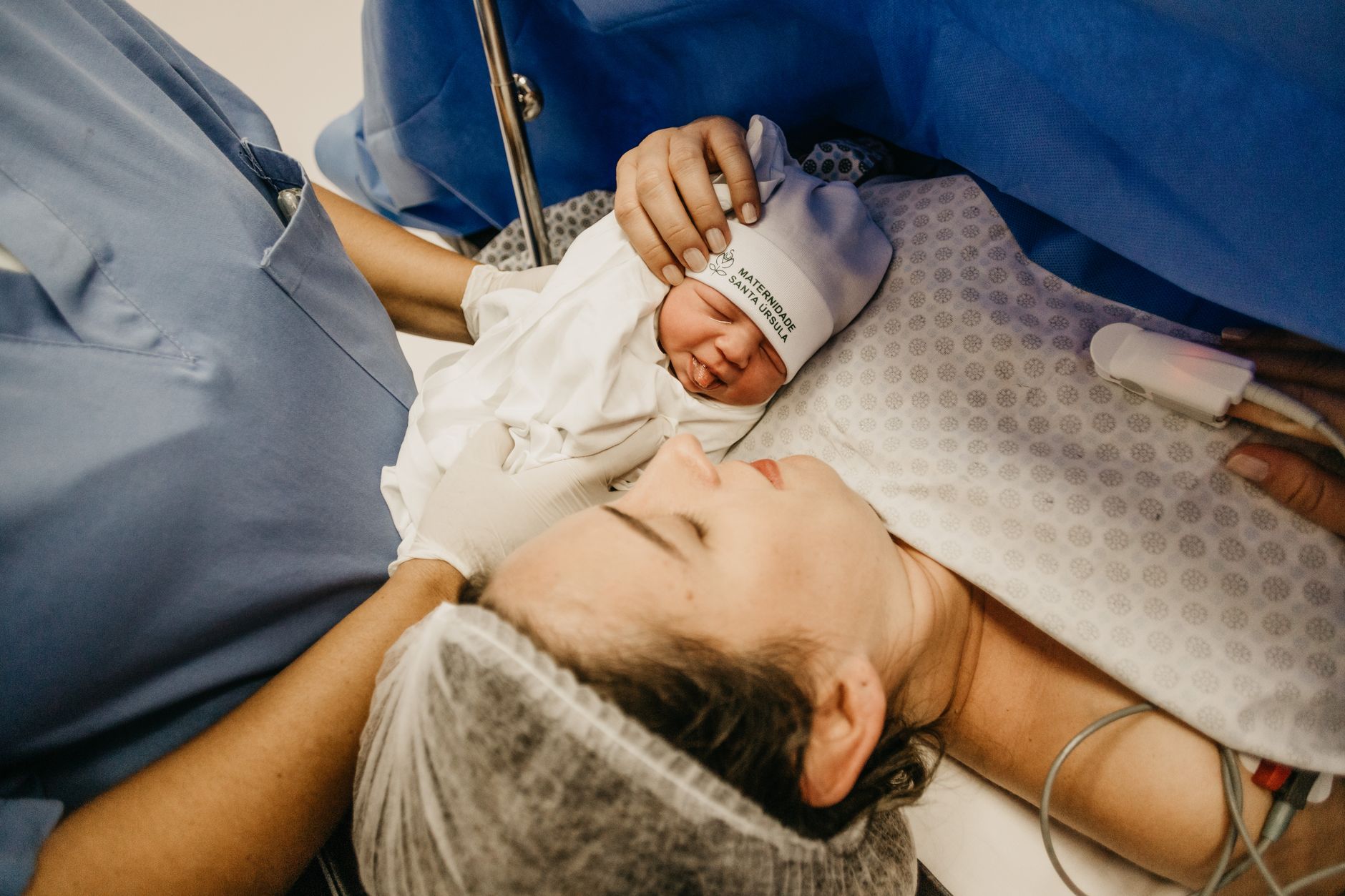
here’s a myth that cutting off family is a sign of failure. But the truth? It’s often a sign of survival. The American Psychological Association notes that postpartum mental health struggles—like anxiety and depression—are linked to unsupportive environments. When your family drains you emotionally, it’s not just about their behavior; it’s about your ability to thrive as a parent.
Here are the most common reasons new moms decide to create distance:
One mom shared: "After my daughter was born, my mother kept saying she ‘knew best’ and would criticize my feeding choices. I started crying every time she visited. I realized I wasn’t just tired—I was being emotionally manipulated."
It’s also worth noting that toxicity isn’t always intentional. Some family members are unaware of how their behavior affects you. But that doesn’t make it any less harmful. If you’re feeling drained, anxious, or resentful after interactions, it’s a sign you need to reassess your boundaries.
For context, research from the American Psychological Association highlights that unsupportive family dynamics can exacerbate postpartum depression. If you’re struggling, symptoms like irritability or exhaustion might not just be "new mom blues"—they could be a response to a toxic environment. Protecting your peace now is an investment in your long-term mental health and your child’s secure attachment to you.
The Physiological Impact of Toxic Stress on New Moms
The emotional toll of toxic family dynamics isn't just "in your head"—it has real, measurable physical consequences, especially for new mothers. Chronic stress, often a byproduct of these relationships, leads to elevated levels of cortisol, the body's primary stress hormone. High cortisol can impair your body's ability to heal after childbirth, whether you had a vaginal delivery or a C-section, by suppressing immune function and increasing inflammation.
Beyond physical recovery, persistent stress can significantly impact your mental well-being, increasing the risk of postpartum depression (PPD) and postpartum anxiety (PPA). The constant vigilance and emotional labor required to manage toxic interactions can deplete your energy reserves, making it harder to bond with your baby, maintain a milk supply if breastfeeding, or even get restorative sleep. The American College of Obstetricians and Gynecologists (ACOG) emphasizes the importance of a supportive environment for maternal mental health, recognizing that external stressors can impede a new mother's recovery and well-being.
Practical Steps for Setting Boundaries with Toxic Relatives After Baby
Boundaries aren’t about being mean—they’re about protecting your peace. The key is to start small and escalate as needed. Here’s how to do it without guilt:
Step 1: Start with Soft Boundaries
Soft boundaries are low-pressure ways to reduce contact without going full "no-contact." These are often useful when you're testing the waters or if the toxicity is more subtle. Examples:
- Limit visits to one hour or fewer, and always have a firm end time ("We need to put baby down for a nap at 2 p.m., so we'll wrap up then").
- Set a phone rule: "I’ll call you on Sundays at 3 p.m. for a quick chat," clearly defining the duration and frequency.
- Delegate specific tasks (e.g., "You can help with laundry, but not baby care"), being clear about what you need and what you don't.
- Use neutral language when declining: "We’re adjusting to life at home—let’s chat next week," or "That doesn't work for us right now."

Step 2: Use the "Gray Rock" Method
If someone is manipulative, they often thrive on drama and your emotional reactions. The "gray rock" method involves making yourself as uninteresting and unreactive as possible. Give them boring, uninteresting responses to their probing questions or criticisms. The goal is to make them lose interest in "fishing for a reaction." Example:
"How’s work?" → "Fine."
"Why aren’t you breastfeeding?" → "It’s personal."
Keep your responses brief, factual, and devoid of emotional investment. This strategy helps you disengage without directly confronting, which can sometimes escalate the situation with a toxic individual.
Step 3: Escalate to Firm Boundaries
If soft boundaries aren’t working and the toxic behavior persists, it’s time to get more direct and explicit. This requires clear, concise communication and a willingness to enforce your limits:
- "I need to focus on my baby’s sleep routine right now—can we postpone visits?"
- "I’ve decided to take a break from family gatherings for a while."
- "I’m not comfortable discussing my parenting choices—let’s talk about something else."
It's important to state your boundary as a decision, not a request, and to avoid over-explaining or justifying, which can invite further debate.
Step 4: Prepare for Pushback
Toxic family members often test boundaries, sometimes aggressively. They may resort to guilt-tripping, victimhood, or even escalating their behavior. If they guilt-trip you ("Are you abandoning me?"), stay calm and repeat your boundary without engaging in the argument:
"I care about you, but I need to prioritize my baby’s needs right now."
You might need to end a conversation or leave a situation if the boundary is repeatedly violated. Remember: consistency is paramount. Each time you enforce a boundary, you're teaching them how you expect to be treated.
Remember: boundaries are not selfish. They’re necessary for your well-being—and your baby’s. As Healthline notes, consistent boundaries help children feel secure, even if their grandparents can’t visit. You are modeling self-respect and healthy relationships for your child from day one.
No-contact isn’t a decision to take lightly. But sometimes, it’s the only way to protect your mental health and your child’s emotional safety. This step is usually considered when all other boundary-setting attempts have failed, and the relationship continues to cause significant distress or harm. Here’s how to know if it’s time:
- They refuse to respect boundaries (e.g., showing up unannounced, ignoring your requests, continuing to criticize despite clear communication).
- They’re verbally abusive (yelling, name-calling, threats, constant put-downs).
- They’re narcissistic or manipulative (e.g., "If you loved me, you’d do this," using guilt to control your decisions).
- They’re enabling unhealthy behavior (e.g., criticizing your partner’s parenting, encouraging substance abuse, or ignoring your child's safety).
- You’re in danger (emotional, psychological, or physical abuse that jeopardizes your safety or your baby's).
One mom shared: "My husband’s family kept saying, ‘You’re not a real dad if you don’t work.’ They made me feel like I was failing as a partner. Eventually, I had to go no-contact to protect my marriage—and my sanity."
If you’re considering no-contact, start with a written plan to give yourself clarity and conviction:
- Decide what contact looks like (e.g., no calls, no texts, no social media interaction, no visits).
- Set a start date (e.g., "Effective immediately," or "After this upcoming holiday").
- Prepare a brief, neutral message, if you choose to send one (e.g., "I need to focus on my family’s well-being right now. I’ll check in when things settle."). This isn't an invitation for debate, but a statement of your decision.
- Block their number and avoid engaging if they reach out through other channels. Inform trusted friends or family members about your decision to prevent them from becoming unwilling intermediaries.
No-contact isn’t necessarily forever—it’s temporary protection, a space for you to heal and regain strength. Some moms find they can rebuild relationships later when they’re more stable and the toxic person has shown genuine willingness to change. Others realize they don’t need them in their lives at all. There’s no right or wrong answer—only what’s best for you and your baby. This decision is about your well-being, not punishing anyone else.
Coping with Guilt and Grief After Estranging Family Post-Baby
Guilt is the biggest emotional hurdle for moms who cut off family. "But what about them?" you might ask. "Won’t they feel abandoned?" The truth? They might—until they realize they’re not getting what they want. And you deserve peace.
Here’s how to manage the guilt:
- Acknowledge your feelings but don’t let them dictate your actions. Write them down, talk to a therapist, or journal to process these complex emotions.
- Remind yourself why you’re doing this. You’re not abandoning them—you’re protecting your family, your mental health, and modeling healthy boundaries for your child.
- Focus on the relief. Many moms report feeling lighter, happier, and less anxious after setting boundaries, as the emotional burden lifts.
- Find a support group. Connecting with other moms who’ve gone through similar experiences can help normalize your feelings and provide validation.
One reader wrote: "I felt terrible when I went no-contact with my mother. But after a few weeks, I realized I was finally sleeping through the night—something I hadn’t done in months. The guilt faded when I saw how much better I was functioning."
Grief is also normal. You might grieve the loss of the "family you wished you had," or the idealized version of the relationship. You might miss their presence, their advice, or even their criticism, particularly during significant life events. But grief doesn’t mean you’re doing it wrong—it means you cared, and that’s okay. Allow yourself to feel these emotions without judgment, and remember that creating space for healing is a powerful act of self-love.
Navigating Holidays and Special Occasions After Estrangement
Holidays and special occasions can be particularly challenging after estranging from family. The cultural emphasis on "family togetherness" can amplify feelings of guilt, loneliness, or regret. It's normal to feel a pang of sadness or longing for what could have been, or anxiety about how to spend these days without your usual family traditions.
To navigate these times, planning is key. Create new, intentional traditions with your chosen family—your partner, children, close friends, or even a supportive community group. This might mean hosting a Friendsgiving, going on a special trip, or simply enjoying a quiet day at home focused on your immediate family. Prepare for potential social media triggers by muting or unfollowing certain accounts, and have a plan for how to respond if questions arise from well-meaning acquaintances. Prioritize activities that bring you genuine joy and peace, and remember that your well-being is the most important gift you can give your family.
How to Protect Your Newborn from Toxic Family Members' Influence
One of the hardest parts of cutting off family is worrying about how it affects your baby. Will they miss their grandparents? Will they feel confused? The good news? Children are resilient—especially when their parents provide stability and a loving, secure environment.
Here’s how to protect your baby’s emotional well-being:
- Be honest (but age-appropriate). For little kids, explain that some people are "too busy" to visit right now or that "we have different ways of showing love." For older kids, you might explain that you’re making choices to keep your immediate family happy and safe, without badmouthing the absent relatives.
- Create new traditions. Replace family gatherings with family dinners, park visits, or playdates with supportive friends who can become positive role models.
- Avoid triangulation. Don’t let your baby hear you badmouthing family members—it confuses them and can create internal conflict. Focus on the positive relationships you *do* have.
- Use media to stay connected (if you choose). If you want your baby to know grandparents, send photos or videos occasionally—but don’t make them a replacement for in-person time or feel obligated to facilitate contact if it's harmful.
- Watch for signs of distress. If your baby seems anxious, clingy, regresses in sleep/eating, or expresses confusion, it might be time to reassess your approach or seek professional guidance.

Research from the APA shows that secure attachments (like the bond between you and your baby) are more important than external relationships. As long as your baby feels loved, safe, and has consistent caregivers, they’ll adapt. Children thrive in environments where their primary caregivers are emotionally available and well-regulated, which is precisely what you are fostering by removing toxic influences.
How to Get Partner Support When Cutting Off Toxic Family
Your partner’s support (or lack thereof) can make or break your ability to set boundaries. If they’re unsupportive, it can feel like you’re fighting alone, adding another layer of stress to an already difficult situation. Here’s how to navigate that:
- Frame it as a team effort. Say: "I need us to protect our family’s peace and our mental health. Can we agree on this together?" Emphasize "our" family unit.
- Avoid blame. Instead of "Your family is toxic," try "I’m feeling overwhelmed and drained after interactions, and I need to focus on our baby’s needs and my recovery."
- Share your plan. Explain your boundaries clearly and ask for their help in reinforcing them. Discuss specific scenarios and agree on how you will both respond.
- Find common ground. If they’re worried about your mental health, connect it to their love for you: "I need this for us to be happy and present as a family. When I'm stressed, it affects all of us."
- Consider couples therapy if they’re resistant. A neutral third party can help them understand your perspective, validate your feelings, and facilitate communication about the impact of these relationships on your new family unit.
If your partner is toxic themselves, that’s a separate and more complex issue. In that case, seek support from a therapist or trusted friend for individual guidance. Re-entering the workforce or building a new support network can also help you regain independence and a stronger sense of self, which may be crucial in such situations.
One mom wrote: "My husband didn’t get why I needed to cut off his family. But when I explained that I was exhausted and depressed, and that their behavior was impacting my ability to care for our baby, he finally understood. He even helped me block their number." A united front is incredibly powerful in reinforcing boundaries and protecting your peace.
Finding New Support Systems After Cutting Off Toxic Family
When you cut off toxic family, you’re not just losing them—you’re gaining a chance to build a new village, one that genuinely supports and uplifts you. The key is to surround yourself with people who understand, uplift, and support you, fostering relationships based on mutual respect and care. Here’s how:
- Join a parenting group. Whether online (like Facebook groups for specific parenting styles or local communities) or in-person (like local mom meetups, new parent classes, or stroller groups), these communities offer empathy, shared experiences, and practical advice.
- Lean on friends. Call a friend for a walk, a coffee date, or just to vent. You don’t need family—you need people who show up for you, listen without judgment, and offer practical help when you need it.
- Try therapy or support groups. Organizations like Postpartum Support International offer safe spaces for moms to share their experiences and process the complex emotions surrounding family estrangement and new motherhood. Individual therapy can also provide coping strategies and emotional processing.
- Create new traditions. Replace family gatherings with family dinners with chosen friends, book clubs, hobby groups, or community volunteer activities. Focus on creating moments of joy, connection, and genuine belonging, not obligation.
- Be open to new relationships. Some moms find their most supportive friends through parenting classes, playgroups, or even online forums. Be proactive in reaching out and nurturing these new connections.

One reader said: "I thought I’d miss my family forever. But when I started going to mom groups, I realized I had a whole new community cheering me on. It’s better than I ever imagined." Building a supportive network takes time and effort, but the peace and authentic connection you gain are invaluable for your well-being and your baby's development.
Healing and Reclaiming Your Motherhood Journey
Cutting off toxic family members isn't just about removing negativity; it's a profound act of self-reclamation. It creates space for you to heal, to rediscover your own identity as a mother, and to define what "family" truly means to you. This journey involves recognizing the strength it took to make such a difficult decision and allowing yourself to fully step into your role as the primary protector and nurturer of your child.
As you move forward, focus on nurturing the relationships that bring you joy and peace. This is an opportunity to build a family culture based on respect, empathy, and unconditional love – values you choose, rather than those inherited. Embrace the freedom to parent authentically, trusting your instincts without the constant shadow of judgment or manipulation. This healing process allows you to model resilience and self-worth for your child, teaching them the importance of healthy boundaries and self-preservation from a young age.
Myth vs. Fact: Cutting Off Toxic Family After Baby
There are a lot of misconceptions about cutting off family. Let’s set the record straight:
Myth: "If I cut off my family, my baby will grow up without roots."
Fact: Roots aren’t just about blood—they’re about love, stability, and connection. A child with secure attachments to their parents thrives, regardless of grandparents’ involvement. Healthy roots are grown in fertile, supportive soil.
Myth: "I’m being selfish for prioritizing my mental health."
Fact: Self-care isn’t selfish—it’s essential. You can’t pour from an empty cup. A happy, healthy mom is better for her baby, better for her partner, and better for herself. Prioritizing your well-being is an act of responsible parenting.
Myth: "No-contact is permanent."
Fact: No-contact is temporary protection. It can be a pause, a reset, or a permanent shift. You can always reassess and rebuild relationships later when you’re in a stronger place, or if the toxic person demonstrates genuine change. The duration is entirely up to you.
Myth: "My family will never forgive me."
Fact: Some people won’t, especially if they are invested in maintaining the toxic dynamic. But that’s okay—you’re not responsible for their emotions or reactions. You are responsible for your own well-being and that of your child.
Key Takeaways
- Toxicity isn’t about love—it’s about control. Recognize the red flags early, even if subtle.
- Toxic stress has real physiological impacts on postpartum recovery and mental health.
- Start with soft boundaries (limited visits, phone rules) before escalating to firm boundaries or no-contact.
- Guilt is normal, but your peace is worth it. Focus on the relief and positive changes, not just the loss.
- Your baby’s emotional well-being comes first. Secure attachments with you matter more than external relationships.
- Build a new support system—friends, therapy, or parenting groups can fill the void and provide genuine connection.
- If your partner is unsupportive, seek couples therapy or individual support to create a united front.
- No-contact isn’t failure—it’s self-preservation. You’re not abandoning them; you’re protecting your family and reclaiming your motherhood journey.
Frequently Asked Questions
Is it normal to cut off family after having a baby?
Absolutely. Your mental health and your baby’s well-being come first. If your family is toxic, draining, or unsupportive, cutting off contact is a healthy act of self-preservation. Many moms find they sleep better, feel less anxious, and even bond more deeply with their babies once they’ve set boundaries. This decision is often a sign of strength, not weakness.
How do I deal with toxic family members after having a baby?
Start with small, clear boundaries—like limiting visits to specific times or setting phone rules. If they continue to cross lines, escalate to more firm boundaries, using direct statements, or even the "gray rock" method to disengage. If their behavior is abusive, manipulative, or gaslighting, your priority should be protecting your peace, which may mean moving to no-contact. Remember: you don’t owe anyone your energy.
What is the impact of toxic family on a child?
The impact depends on the child’s age and your ability to buffer their exposure. For infants, constant parental stress due to toxic interactions can indirectly affect their sleep, feeding, and emotional regulation. For older kids, direct exposure might lead to anxiety, confusion, or unhealthy relationship modeling. However, secure attachments with you can mitigate these effects. If you set boundaries, explain them in age-appropriate terms, and create new traditions, your child will adapt well and learn valuable lessons about self-respect.
How do I set boundaries with toxic family members?
Start with neutral, firm language. Examples:
- "I need to focus on my baby’s sleep routine—can we postpone visits?"
- "I’ve decided to take a break from family gatherings for a while."
- "I’m not comfortable discussing my parenting choices—let’s talk about something else."
If they push back, stay calm and repeat your boundary without engaging in debate. Consistency is key—don’t waver, and be prepared to end conversations or visits if boundaries are violated.
How do I protect my baby from toxic grandparents?
You don’t need to completely isolate your baby from family, but you do need to protect them. Instead:
- Be honest (but age-appropriate) about why visits are limited or non-existent.
- Create new traditions with supportive friends or partners who can become positive influences.
- Avoid triangulation—don’t let your baby hear you badmouthing family members.
- Use media (photos, videos) to stay connected without replacing in-person time if you choose, but never feel obligated.
Watch for signs of distress in your baby (anxiety, clinginess, sleep regressions) and adjust as needed. Your child’s emotional safety is paramount.
What are the signs of a toxic family member?
Toxic behavior often includes:
- Gaslighting ("You’re overreacting—babies don’t sleep through the night.")
- Conditional love ("I’ll help if you stop breastfeeding.")
- Shaming ("You look exhausted—maybe you shouldn’t have had a baby.")
- Triangulation (pitting you against your partner or other family members)
- Narcissistic entitlement ("I need to stay for a week—you’ll manage.")
- Diminishing your role ("Your partner should handle this.")
If someone’s behavior consistently leaves you feeling drained, anxious, resentful, or questioning your reality, it’s a strong sign you need to reassess your boundaries and the nature of the relationship.
How do I explain to my child why they don't see certain family members?
Keep your explanation simple, age-appropriate, and focused on your family's peace. For young children, you might say, "Grandma isn't visiting right now because we need some quiet time as a family," or "Sometimes grown-ups need space to get along, and that's okay." For older children, you can be slightly more direct, explaining that you made a choice to protect your family's happiness and well-being. Avoid blaming or badmouthing the absent family members, and always reassure your child that they are loved and that the decision is not their fault.
This is often referred to as "flying monkeys" behavior. Prepare your trusted friends and family in advance by explaining your decision to go no-contact and asking them not to relay messages or information. If someone tries to act as an intermediary, you can calmly state, "I appreciate you trying to help, but I've made a decision for my family's well-being, and I'm not discussing it further." You are allowed to set boundaries with intermediaries too to protect your peace.
When to See a Doctor or Specialist
If cutting off family is causing you severe anxiety, depression, or guilt that interferes with your daily life, sleep, or ability to care for your baby, it may be time to seek professional support. A therapist can help you:
- Process your emotions in a safe space, including grief, anger, and guilt.
- Develop healthier coping strategies for managing stress and emotional triggers.
- Reconnect with your support system and strengthen new relationships.
- Explore whether your feelings are tied to postpartum depression, postpartum anxiety, or another mental health concern.
If you’re struggling with parenting guilt, grief, identity shifts, or relationship challenges with your partner due to these family dynamics, a therapist or counselor can also help you navigate these changes. Many moms find that talking to a professional makes the process feel less isolating and provides invaluable tools for building a healthier future.
Remember: You’re not failing as a mom for setting boundaries. You’re doing the hard but necessary work of protecting your family’s well-being and creating a peaceful, nurturing environment for your child to thrive.
References
- American Psychological Association (APA) – Research on postpartum mental health and unsupportive family dynamics.
- Healthline – Guide on setting boundaries with toxic family members.
- Postpartum Support International – Resources for moms experiencing emotional distress after cutting off family.
- APA – Study on secure attachments and child development.
- Mayo Clinic – Guide to postpartum depression and family support.
- American College of Obstetricians and Gynecologists (ACOG) – Information on maternal mental health and the importance of supportive environments.