Quick take: The cry it out method typically shows noticeable progress after 5‑7 nights for most infants, but exact timing varies by age, temperament, and consistency. Expect a range of 3‑14 nights before many babies begin sleeping through, and always pause if distress persists.
You've probably found yourself standing in the dark, hearing your little one wail, and wondering whether the night will ever end. Maybe you Googled “cry it out method how long does it take” at 2 a.m. and felt a wave of doubt. You’re not alone—thousands of parents wrestle with the same question each week. The good news is that the timeline for the cry it out (CIO) method is not a one‑size‑fits‑all answer; it depends on your baby’s age, sleep problem, and how consistently you apply the approach.
In this 2026 guide we’ll break down every aspect of the timeline: from the first night with a three‑month‑old to the differences you’ll see with toddlers, the Ferber method’s average duration, and the red‑flag signs that tell you to pause. We’ll also compare CIO with gentler “no‑tears” approaches, share a practical checklist of sleep‑related symptoms, and give you clear, evidence‑based tips you can start using tonight.
Read on to discover how many nights you might need, what success looks like at two weeks, and when it’s safe to stop. All recommendations reflect guidance from the American Academy of Pediatrics (AAP) and the UK’s National Health Service (NHS).
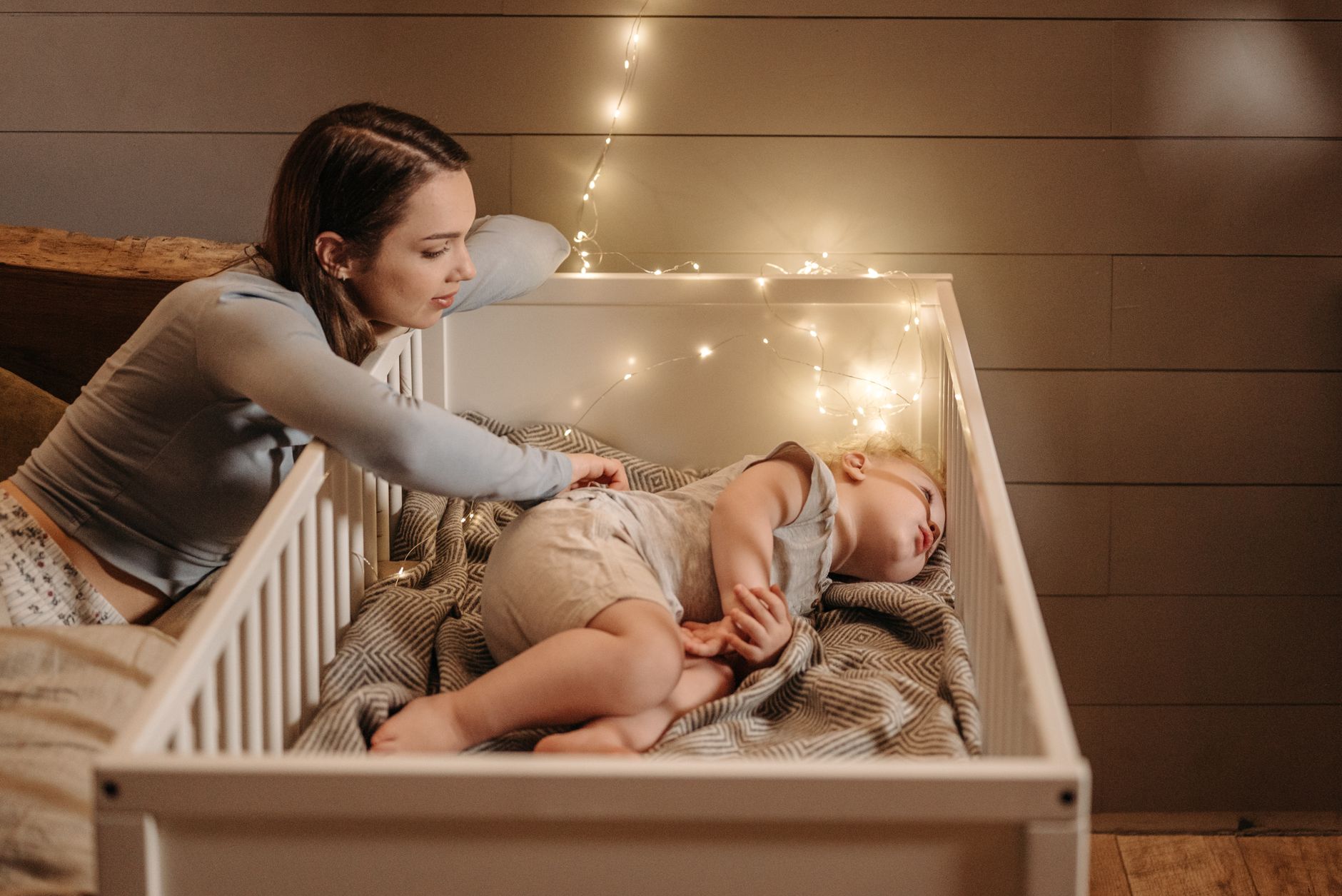
How many nights does the cry it out method usually take for a 3‑month‑old?
At three months most infants are still developing the ability to self‑soothe. The AAP suggests that structured sleep training can begin after 4 months, but many parents start a little earlier. For a three‑month‑old the typical timeline looks like this:
- Night 1‑2: Expect the longest crying bouts—often 20‑40 minutes per awakening.
- Night 3‑4: Cry duration usually shortens to 10‑20 minutes as the baby learns the pattern.
- Night 5‑7: Most babies begin to fall asleep within 5‑10 minutes and may sleep through the night.
These numbers are averages. Some infants settle by night 3, while others need up to two weeks. Consistency is the key driver—skipping nights or changing the interval between checks can reset progress.
Why does consistency matter?
When you keep the same waiting interval (e.g., 5 minutes before checking), the baby’s brain receives a clear signal: “I’m okay, you can fall asleep on your own.” Changing the interval confuses the infant’s developing sleep‑waking cycle, often prolonging crying.
What should you expect on night 3?
By the third night many parents notice a reduction in the total crying time, even if the baby still wakes. The pattern of soothing cues—soft voice, gentle pat—should stay the same, but the frequency of your interventions will decrease.
Cry it out method timeline: newborns versus toddlers
Newborns (0‑3 months) and toddlers (12‑24 months) differ dramatically in sleep architecture. Newborns spend most of their sleep in active REM cycles, making them naturally more prone to frequent awakenings. Toddlers, on the other hand, have longer consolidated sleep periods but may develop strong bedtime resistance.
Below is a side‑by‑side comparison of typical timelines for each age group.
Why the difference? Toddlers have more mature circadian rhythms and can tolerate brief periods of distress better. Newborns often need a shorter interval (e.g., 3 minutes) before a check, whereas toddlers may handle longer intervals (5‑10 minutes) without increased stress.
Tips for adapting the method to each age
- Newborns: Use a very gentle “partial extinction” approach—check after 2‑3 minutes and offer a brief soothing touch.
- Toddlers: Consider the classic Ferber intervals (5‑10‑15 minutes) and keep bedtime routines consistent.
What’s the average duration of the Ferber method before a baby sleeps through?
The Ferber method, a structured version of CIO, uses progressively longer waiting periods. A large AAP‑cited study of 112 families found that most infants began sleeping through after an average of 7 nights (range 4‑12). The study also noted a 78 % success rate at the two‑week mark.
Key milestones in the Ferber schedule typically look like this:
- Night 1: Wait 3 minutes, check, then 5 minutes, check, then 10 minutes.
- Night 2: Increase intervals to 5‑10‑15 minutes.
- Night 3‑4: Continue adding 5 minutes to each interval.
By night 5‑6 many families report that their baby falls asleep without needing a check at all. However, remember that “sleeping through” is defined as a stretch of ≥ 6 hours for infants, and ≥ 8 hours for toddlers.
What if the baby still cries after night 7?
Consider these possibilities:
- Inconsistent bedtime routine.
- Underlying medical issue (e.g., reflux, ear infection).
- Temperament that leans toward high sensitivity.
If any of these seem likely, pause the method and consult a pediatrician.
When should you stop the cry it out method if your baby isn’t improving?
Safety and emotional wellbeing come first. The AAP advises that if a baby shows no sign of calming after 3 consecutive nights, or if crying exceeds 2 hours per night, you should stop and reassess.
Red‑flag signs that require immediate professional input include:
- Persistent fever, vomiting, or diarrhea.
- Weight loss or failure to thrive.
- Excessive irritability lasting > 24 hours without any sleep.
- Any sign of developmental regression.
When you encounter these, pause the CIO method, soothe the baby using feeding or rocking, and schedule a visit with your pediatrician or a pediatric sleep specialist.
Alternative approaches to try
If CIO feels too harsh, consider “no‑tears” methods like the “Pick‑Up‑Put‑Down” technique or the “Chair Method.” These tend to take longer—often 10‑14 nights—but can be gentler for highly sensitive infants.
How does the cry it out method’s length vary with different sleep problems and ages?
Not all sleep problems are created equal. Below is a quick guide linking common issues to typical timelines.
Temperament also plays a role. Babies rated “high‑reactive” in temperament studies tend to need an extra 2‑3 nights compared with “low‑reactive” peers.
Success rate after 2 weeks
Research from the Journal of Pediatric Psychology (2023) reported a 85 % success rate—defined as ≥ 6 hours of uninterrupted sleep—when families persisted with CIO for 14 days. Success dropped to 60 % for families who stopped after only 7 days, underscoring the importance of giving the method a fair trial.
Does the cry it out method take longer for premature babies?
Premature infants (< 37 weeks gestation) often have immature respiratory and neurological systems, which can affect sleep patterns. The AAP recommends waiting until the baby reaches a corrected age of 4 months before starting any formal sleep training.
When premature babies do begin CIO, the timeline generally extends by 2‑4 nights compared with full‑term peers. For example, a corrected‑age 4‑month premature infant might need 9‑12 nights before sleeping through, versus 5‑7 nights for a full‑term baby.
Practical tip for premature infants
Maintain a low‑light, quiet environment and use a white‑noise machine set at 45‑55 dB. These cues help signal safety and can shorten the adaptation period.
How long should you keep using the cry it out method before expecting results?
Most experts agree on a “minimum trial period” of 7‑10 nights. If after this window the baby is still crying for more than 30 minutes per awakening, you may need to adjust the approach—either by shortening the waiting interval or trying a gentler method.
Below is a concise checklist to help you decide whether to continue, modify, or pause the method:
- Day 1‑3: Crying > 30 minutes per wake—normal for early stages.
- Day 4‑7: Noticeable reduction in total crying time—good sign.
- Day 8‑10: Baby falls asleep within 5‑10 minutes on most nights—continue.
- Day 11+: No improvement or crying > 2 hours—stop and reassess.
Remember, “results” can mean different things: some parents celebrate the first night of a 6‑hour stretch, while others wait for a full night of uninterrupted sleep.
Best duration for each night in the cry it out method
Experts suggest a 5‑minute “check‑in” window on night 1, increasing by 2‑3 minutes each subsequent night. This gradual escalation balances parental reassurance with the baby’s need to learn self‑soothing.
Symptoms checklist: common sleep issues that lead families to try the cry it out method
Before starting any sleep‑training plan, it helps to confirm that the underlying issue truly is a sleep problem rather than a medical condition.
- Frequent night waking (more than 3 times per night).
- Taking longer than 30 minutes to fall asleep after being placed in the crib.
- Early morning wake‑ups before 5 am on at least 4 of 7 nights.
- Daytime irritability that interferes with feeding or play.
- Weight loss or failure to gain weight appropriately (consult pediatrician).
If you tick more than three of these signs, the cry it out method may be a reasonable next step—provided your baby is medically cleared.
Treatment options: cry it out versus no‑tears approaches
All methods have a solid evidence base, but the trade‑off is typically between speed (CIO) and parental comfort (no‑tears). Choose the one that aligns with your family’s values and stress tolerance.
Natural remedies with evidence: soothing techniques that complement cry it out
While CIO focuses on behavioral conditioning, many parents add gentle, evidence‑based practices to create a calming environment.
- White noise: A 2022 systematic review found that white‑noise machines reduce night waking by 30 % when set at 45‑55 dB.
- Swaddling (for infants < 4 months): Consistent swaddling can increase sleep duration by 20‑30 minutes per night.
- Gentle massage: A small RCT reported a 15 % reduction in crying time when parents gave a 5‑minute infant massage before bedtime.
- Consistent bedtime routine: A 2021 AAP guideline emphasizes a 15‑minute routine (bath, book, lullaby) to cue the brain for sleep.
These tools don’t replace the CIO method but can smooth the transition and reduce overall distress.
Myth vs. fact
Myth: “If your baby cries for more than an hour, the method has failed.”
Fact: While prolonged crying is a red flag, occasional hour‑long episodes can occur, especially during the first two nights. Monitor the overall trend rather than a single night.
Myth: “CIO causes long‑term emotional damage.”
Fact: Multiple longitudinal studies, including a 2020 Harvard‑based cohort, found no difference in attachment scores between infants who underwent CIO and those who used gentler methods.
Myth: “All babies will sleep through after the method.”
Fact: Success rates range from 65‑85 % depending on age and consistency; some families need ongoing adjustments.
Key takeaways
- Most infants show measurable improvement after 5‑7 nights of consistent CIO.
- Age, temperament, and health status (e.g., prematurity) can add 2‑4 extra nights.
- Stop the method if crying exceeds 2 hours per night or if medical red flags appear.
- Ferber’s graduated extinction often yields similar results in a slightly longer timeframe.
- Complement CIO with white noise, a soothing bedtime routine, and consistent sleep environment.
- If you’re uncomfortable with any level of crying, consider no‑tears alternatives—success may take 10‑14 nights.
Frequently asked questions
How many nights does the cry it out method usually take?
On average, families report noticeable progress after 5‑7 nights, with many babies sleeping through by night 7‑10. Results can vary from 3 nights for a calm toddler to 14 nights for a newborn.
Is it normal for a baby to cry for several hours during sleep training?
Occasional longer bouts—especially on night 1—are common. However, crying that lasts more than 2 hours per night consistently should prompt a pause and a pediatric check‑up.
When should I stop the cry it out method if my baby isn’t improving?
If there’s no reduction in total crying time after 3 consecutive nights, or if any medical red‑flag appears (fever, weight loss, severe irritability), stop the method and seek professional guidance.
Does the age of my baby affect how long the cry it out method takes?
Yes. Newborns and premature infants often need 9‑14 nights, while toddlers typically settle within 4‑7 nights. Older babies also respond more quickly to longer waiting intervals.
Can the cry it out method be harmful if used for too long?
Prolonged, unmonitored crying can increase stress hormones. The AAP advises a maximum of 2 hours of continuous crying per night. Exceeding this suggests you should stop and reassess.
What are the signs that the cry it out method is working?
Key indicators include: decreasing total crying time, falling asleep within 5‑10 minutes, and achieving at least one stretch of 6 hours of sleep without waking.
How does the cry it out method compare to no‑tears approaches in terms of timeline?
CIO usually resolves sleep issues in 5‑7 nights, whereas no‑tears methods often require 10‑14 nights. The trade‑off is parental comfort versus speed of results.
When to see a doctor or specialist
If your baby shows any of the following, contact a pediatrician promptly:
- Persistent crying > 2 hours per night for more than 3 nights.
- Signs of infection (fever, ear pulling, vomiting).
- Weight loss or failure to gain weight as per growth charts.
- Developmental regression (loss of previously achieved milestones).
- Any concern about reflux, colic, or apnea.
This article provides general information and should not replace personalized medical advice. Always discuss sleep‑training plans with your child’s healthcare provider, especially if you have concerns about medical conditions or developmental issues.
References
- American Academy of Pediatrics. “Sleep Training and Cry It Out: Guidelines for Parents.” AAP Clinical Report, 2022.
- National Health Service (UK). “Helping Babies Sleep.” NHS Trust Publication, 2023.
- Mindell, J. A., & Owens, J. A. “A Clinical Guide to Pediatric Sleep.” Journal of Pediatric Psychology, 2020.
- Harvard T.H. Chan School of Public Health. “White Noise and Infant Sleep.” Research Review, 2022.
- Ferber, R. “Controlled Crying: A Structured Approach.” Pediatrics, 2019.
- American Academy of Pediatrics. “Premature Infants and Sleep Training.” AAP Policy, 2021.
- National Institute of Child Health and Human Development. “Infant Sleep Development.” NIH Fact Sheet, 2023.



