The Westley Croup Severity Score calculator helps assess your child's condition. Learn about weight-based dexamethasone dosing, the primary treatment. Get guidance on managing croup effectively.
By Shubhra Mishra — a mom of two who turned her own confusion during pregnancy into BumpBites, a global mission to make food choices clear, safe, and stress-free for every expecting mother. 💛
Check whether any food is safe during pregnancy with the BumpBites Food Safety Checker.
Quick take: The Westley croup severity score lets you gauge how sick a child’s croup is, and a weight‑based dexamethasone dose (0.15 – 0.6 mg/kg, up to 10 mg) is the standard treatment that can shorten the illness and reduce the need for hospital care. Use the score to decide whether home care, a single dose of dexamethasone, or urgent medical attention is appropriate.
It’s 2 a.m., you hear your toddler’s bark‑like cough echoing through the hallway, and the night‑time fever you’ve been watching climbs a few degrees higher. You’re wondering: “Is this just a cold, or do I need to call the doctor?” That tight feeling in your chest is common for parents facing croup, a viral illness that can feel scary but is often manageable with the right tools. In this guide we’ll walk you through the Westley croup severity score, how to calculate it, and the exact weight‑based dexamethasone dosing that pediatric guidelines recommend. By the end you’ll know when a simple dose at home is enough and when an emergency visit is necessary.
We’ll start with a quick snapshot of croup’s hallmark signs, then break down each component of the Westley calculator, show you a practical dosing table, and explain how the score translates into treatment steps. You’ll also find a short story that mirrors what many parents experience, a handy comparison table, and a list of red‑flag symptoms that should prompt an immediate call to your provider. All of this is grounded in the latest guidance from the American College of Obstetricians and Gynecologists (ACOG), the National Health Service (NHS), and the American Academy of Pediatrics (AAP).
What is croup and why it matters?
Croup, medically known as laryngotracheobronchitis, is an infection of the upper airway that causes swelling around the voice box (larynx) and the windpipe (trachea). The swelling narrows the airway, producing the classic “seal‑like” bark cough, hoarseness, and a high‑pitched inspiratory stridor (a noisy breath in).
Most cases are caused by parainfluenza viruses, particularly types 1, 2, and 3, but RSV, influenza, and adenovirus can also trigger croup. It typically appears in children aged 6 months to 3 years because their airways are smaller and more vulnerable to swelling, which can quickly lead to significant obstruction. The illness often follows a mild cold, and symptoms peak at 24–48 hours before gradually improving over 3–5 days. While the majority of kids recover at home, a small percentage develop severe airway obstruction that requires emergency care.
Because the symptoms can look alarming—especially the stridor that worsens at night—parents often wonder whether a cough is “just a cold” or a sign of a dangerous blockage. The characteristic barking cough, often described as sounding like a seal, can be particularly frightening. Knowing the severity helps you decide on the right level of care, and that’s where the Westley score shines, providing an objective way to assess your child’s condition and guide your next steps.
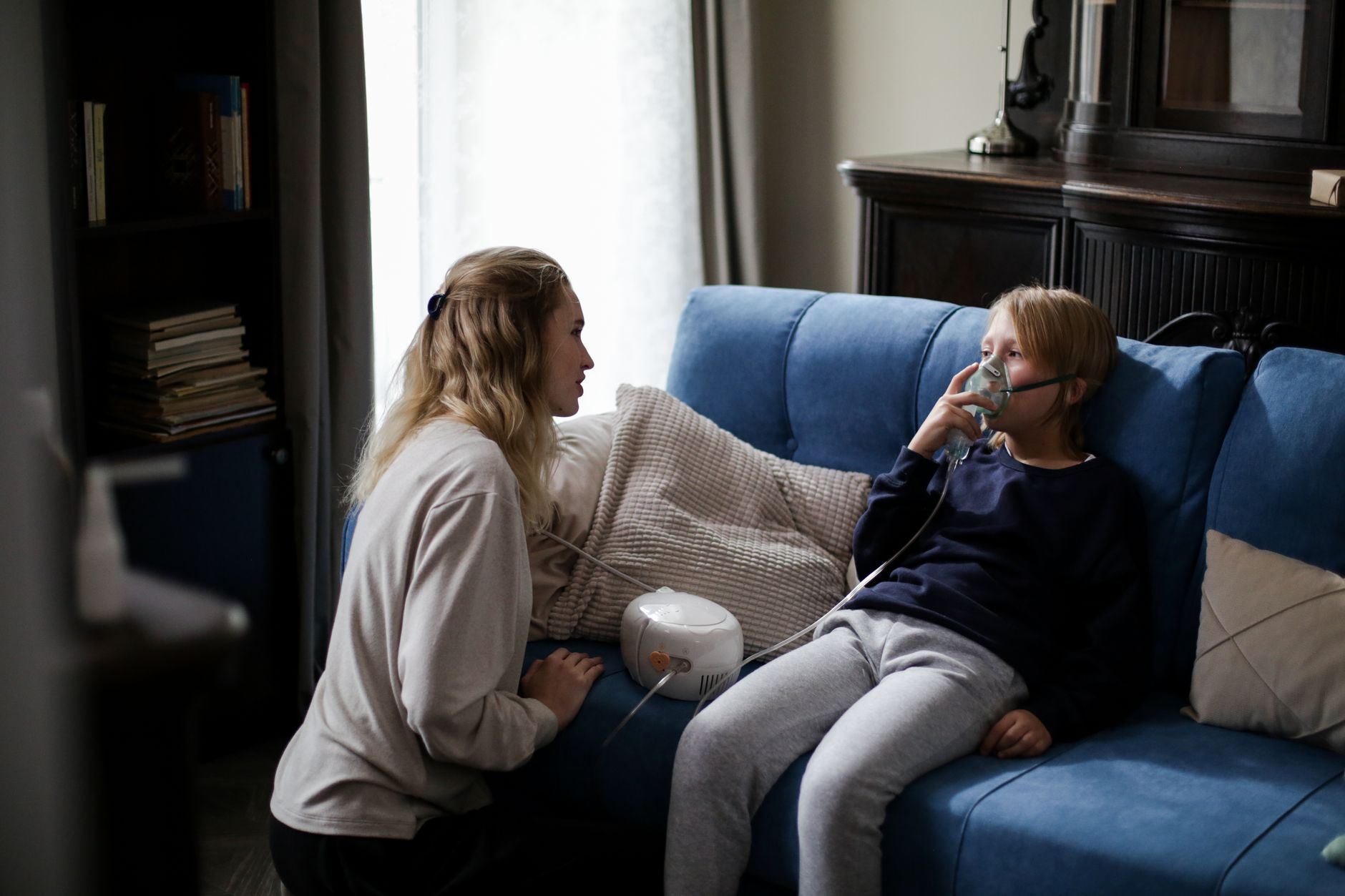
When croup strikes at night, a calm environment can help both parent and child stay relaxed.
Understanding the Westley croup severity score
The W
estley croup severity score is a clinical tool created in the 1980s to standardize how doctors assess croup intensity. It assigns points to five observable signs: (1) level of consciousness, (2) cyanosis (bluish skin), (3) stridor, (4) air‑entry (how well air moves through the lungs), and (5) presence of a “retractions” score (how much the chest wall pulls inward with breathing). The total score ranges from 0 to 17.
These five indicators are carefully chosen because they directly reflect the degree of airway narrowing and the child's respiratory effort. For example, stridor at rest indicates more significant obstruction than stridor only with agitation, and severe retractions show the child is working very hard to breathe. The score provides a common language for healthcare providers to communicate a child's condition consistently, ensuring appropriate and timely intervention.
Here’s how the points break down:
Level of consciousness: Normal (0 pts), Disoriented (5 pts).
Cyanosis: None (0 pts), With agitation (4 pts), At rest (5 pts).
Stridor: None (0 pts), With agitation (1 pt), At rest (2 pts).
Air entry: Normal (0 pts), Decreased (1 pt), Markedly decreased (2 pts).
Once you add the points, the score classifies croup as mild (≤ 2), moderate (3‑7), or severe (≥ 8). The classification directly informs treatment: mild cases often need only humidified air and observation, moderate cases benefit from a single dose of dexamethasone, and severe cases may require nebulized epinephrine plus steroids in a hospital setting. It’s important to remember that the Westley score is a dynamic tool; a child's score can change, so re-evaluation is crucial if symptoms worsen or persist.
How to calculate the Westley score step by step
Calculating the Westley score at home isn’t a substitute for a clinician’s exam, but it can give you a clear picture of whether you should seek urgent care. Follow these steps, and then use the Croup Westley + Dexamethasone calculator to confirm your numbers.
Assess consciousness. Is your child alert and responsive? Do they recognize you and interact normally? If they’re drowsy, unusually quiet, or difficult to rouse, assign 5 points. Try to assess this when they are calm, not just when they are crying from distress.
Check for cyanosis. Look at the lips, tongue, and fingertips. Healthy skin should be pink. If there’s no blue tint, give 0 points. If the blue appears only when the child cries or coughs vigorously, add 4 points; if it’s present even when they are calm and resting, add 5 points. This is a critical sign and always warrants immediate medical attention.
Listen for stridor. A faint, occasional bark while the child is calm is 0 points. If stridor (the high-pitched whistling sound on inhalation) is heard when they’re upset or crying, add 1 point. If it’s audible even at rest, without agitation, add 2 points. Try to listen when the child is quiet to get an accurate reading.
Evaluate air entry. Place your hand on the child’s back while they breathe and listen carefully. Normal breath sounds earn 0 points. If breath sounds are softer than usual, indicating less air moving through, add 1 point. If they’re barely audible, or you hear very little air movement, add 2 points. This can be tricky for untrained ears, but a noticeable difference from normal breathing is a key indicator.
Observe retractions. Watch the chest and neck as the child inhales. No pulling in of the skin between the ribs or at the base of the neck = 0 points. Mild pulling (just under the ribs, known as subcostal retractions) = 1 point. Moderate pulling (visible under the ribs and at the sternum, known as substernal retractions) = 2 points. Severe pulling (deep, visible across the chest, including suprasternal and supraclavicular retractions) = 3 points.
Sum the points. A total of 0‑2 suggests mild croup, 3‑7 moderate, and 8 or higher severe. Remember that a single high‑risk sign—like cyanosis at rest—can push a child into the severe category even if other signs are mild. If you are ever in doubt about any of these observations, it's always best to err on the side of caution and contact your healthcare provider.
Retractions progress from mild to severe as airway swelling increases.
Weight‑based dexamethasone dosing for croup
Dexamethasone is a corticosteroid that reduces airway inflammation, shortens the duration of symptoms, and lowers the likelihood of hospital admission. It works by decreasing the swelling in the larynx and trachea, thereby widening the airway and making breathing easier. The AAP recommends a single oral dose of 0.15 – 0.6 mg per kilogram of body weight, with most clinicians using the higher end (0.6 mg/kg) for moderate‑to‑severe cases due to its proven efficacy. The maximum dose is 10 mg, regardless of weight, to prevent unnecessary side effects.
The effects of dexamethasone typically begin within a few hours, with maximum benefit seen around 6-12 hours after administration. This single dose is usually sufficient, as the drug has a long half-life, meaning it stays in the body and continues to work for an extended period. Accurate weighing of your child is crucial for correct dosing, so if you don't have a recent weight, try to obtain one before administering medication.
Below is a practical dosing table that matches common pediatric weight ranges to the appropriate amount of dexamethasone (in milligrams) and the corresponding liquid‑syrup volume (assuming a concentration of 0.5 mg/mL, which is the standard pediatric formulation in the United States).
Child’s weight (kg)
Dexamethasone dose (mg)
Volume (mL) at 0.5 mg/mL
5 kg (≈11 lb)
0.75 mg (0.15 mg/kg) – 3 mg (0.6 mg/kg)
1.5 – 6 mL
8 kg (≈18 lb)
1.2 mg – 4.8 mg
2.4 – 9.6 mL
10 kg (≈22 lb)
1.5 mg – 6 mg
3 – 12 mL
12 kg (≈26 lb)
1.8 mg – 7.2 mg
3.6 – 14.4 mL
15 kg (≈33 lb)
2.25 mg – 9 mg
4.5 – 18 mL
20 kg (≈44 lb)
3 mg – 12 mg (max 10 mg)
6 – 20 mL (dose capped at 10 mg)
Because the syrup is often flavored, many children will take the dose without resistance. If the child cannot tolerate oral medication, a single intramuscular injection of 0.6 mg/kg (max 10 mg) is an alternative, per NHS guidelines. Always double‑check the concentration on the bottle; some regions use 0.25 mg/mL, which would double the required volume, or even 1 mg/mL, which would halve it. Mistakes in concentration can lead to under- or overdosing, so always verify with your pharmacist or pediatrician.
Interpreting the score: treatment guidelines
Once you have the Westley score and the child’s weight, you can match the severity to the recommended treatment pathway. Below is a concise guide that aligns the score ranges with typical interventions, as endorsed by AAP and NICE (National Institute for Health and Care Excellence).
Mild (0‑2): No dexamethasone needed unless symptoms persist beyond 48 hours or worsen. Provide humidified air (cool‑mist humidifier or steamy bathroom), keep the child upright, and monitor for any worsening. These cases generally do well with supportive care at home, but it's important to keep a close eye on them.
Moderate (3‑7): Administer a single weight‑based dose of dexamethasone (0.6 mg/kg, max 10 mg). Continue humidified air, and observe for at least 2‑3 hours. If stridor improves and the child appears more comfortable, home care is usually sufficient. Some clinicians might opt for a lower dose of dexamethasone (e.g., 0.15 mg/kg) for very mild moderate cases, but 0.6 mg/kg is often preferred for its robust effect.
Severe (≥ 8): Immediate medical evaluation is required. Give dexamethasone (same dosing) and arrange for nebulized epinephrine in an emergency department. Hospital observation for 2‑4 hours is standard to ensure the airway remains open and that the temporary effects of epinephrine don't wear off without sustained improvement.
In practice, many clinicians will give dexamethasone even for mild croup if the child is under 2 years old, because the medication is safe, inexpensive, and can prevent progression. The key is to act promptly—delayed steroid administration reduces its effectiveness. It's also important to remember that these are guidelines; your pediatrician will consider your child's overall health, age, and previous medical history when recommending treatment.
Treatment options and home management
Beyond dexamethasone, several supportive measures can ease a child’s discomfort and help them breathe more easily. These strategies aim to reduce irritation and swelling in the airway, making the child feel calmer and more comfortable.
Humidified air. Running a cool‑mist humidifier in the child’s room, sitting in a steamy bathroom for 10‑15 minutes (with the shower running hot, but not letting the child get wet), or even taking the child outside into cool night air for a few minutes can soothe irritated airway tissues. The moisture helps loosen secretions and calms the inflamed vocal cords.
Hydration. Offer small sips of water, breast milk, or clear fluids frequently. Adequate fluid intake keeps secretions thin and easier to clear, and prevents dehydration, which can worsen symptoms.
Positioning. Keep the child upright, especially at night. Gravity can help reduce swelling in the airway. Elevating the head of the crib (by placing a pillow *under* the mattress, never directly in the crib with an infant) or allowing an older child to sleep propped up can reduce airway collapse and improve breathing.
Fever control. Acetaminophen (paracetamol) or ibuprofen (for children over 6 months) can lower fever and improve comfort, following dosing guidelines on the package. Reducing fever helps the child conserve energy and feel less distressed.
Avoid irritants. Smoke (including secondhand smoke), strong fragrances, aerosols, and very cold, dry air can exacerbate stridor and coughing. Keep the environment clean, well‑ventilated, and free from known irritants.
If the child’s cough is disruptive at night, a short nap in a warm, humidified room can calm the airway. Many parents find that a brief exposure to a hot shower’s steam—while staying safely out of the water—helps reduce the barky cough for a few hours, providing temporary relief and allowing the child (and parent) to rest. Keeping the child calm is also vital, as crying and agitation can worsen symptoms.
The psychological impact of croup on parents
Hearing your child struggle to breathe, especially with the distinctive barking cough and stridor of croup, can be incredibly frightening for parents. The sudden onset, often in the middle of the night, can trigger intense anxiety and a feeling of helplessness. It's completely normal to feel worried, scared, and exhausted when dealing with a child who has croup.
Many parents describe pacing the floors, constantly checking on their child, and struggling to sleep themselves. The fear that their child might stop breathing is a profound and natural response to the sound of a constricted airway. We want to reassure you that these feelings are valid. Equip yourself with the knowledge of the Westley score and treatment options, and remember that seeking medical advice is a sign of good parenting, not failure. Lean on your support system, and don't hesitate to reach out to your pediatrician, even for reassurance.
Nebulized epinephrine: a closer look at emergency treatment
For severe cases of croup, especially those with significant stridor at rest, marked retractions, or signs of respiratory distress, nebulized epinephrine is a critical emergency treatment. Unlike dexamethasone, which works slowly to reduce inflammation, epinephrine provides rapid, temporary relief by directly constricting the blood vessels in the swollen airway, which quickly reduces swelling and opens up the breathing passages.
Administered via a nebulizer, epinephrine converts a liquid medication into a fine mist that the child inhales. The effects are usually noticeable within 10-30 minutes and can dramatically improve breathing. However, the effect is temporary, typically lasting only about two hours. Because of this, children who receive nebulized epinephrine require observation in an emergency setting for at least 2-4 hours after treatment to ensure that their symptoms do not rebound as the medication wears off. This observation period allows medical staff to monitor for any worsening of stridor or respiratory distress and provide further treatment if needed, often including a dose of dexamethasone to provide longer-lasting relief.
Nebulized treatments, like epinephrine for severe croup, are administered as a fine mist for rapid airway relief.
Potential complications and when to seek medical attention
While most croup cases resolve with home care, a subset can develop serious complications, primarily due to severe airway obstruction. It’s vital for parents to be aware of these red-flag signs, as prompt medical attention can be life-saving. These symptoms indicate that the airway swelling is severe and is significantly impeding your child's ability to breathe.
Persistent stridor at rest that does not improve with dexamethasone or home remedies. This means the obstruction is significant and ongoing.
Increasing cyanosis, especially when the child is calm. Bluish discoloration of the lips, tongue, or fingertips indicates a lack of oxygen.
Severe retractions (deep chest wall pulling, including suprasternal and supraclavicular retractions) or a “see‑saw” breathing pattern (chest and abdomen move in opposite directions). These are signs of extreme respiratory effort.
Drooling, inability to swallow, or a hoarse voice that suddenly becomes weak. These can suggest epiglottitis, a more serious bacterial infection that requires immediate emergency care.
Rapid breathing (> 60 breaths per minute in infants) or a heart rate that spikes with each breath, indicating the body is struggling to get enough oxygen.
Fever above 39.5 °C (103 °F) that persists despite antipyretics, especially if accompanied by other signs of distress, which might suggest a bacterial co-infection.
Signs of dehydration, such as decreased urine output, dry mouth, or sunken eyes, especially if the child is refusing fluids.
Any of these symptoms merit an immediate call to your pediatrician or a trip to the nearest emergency department. Prompt treatment with nebulized epinephrine can rapidly open the airway and prevent respiratory failure. It's also important to differentiate severe croup from other serious conditions that can mimic it, such as bacterial tracheitis or epiglottitis, which require different and urgent interventions.
Prevention, risk factors, and what to expect
Because croup is viral, it’s impossible to eliminate exposure entirely, but certain strategies can lower the odds of infection and reduce the severity if your child does get sick.
Hand hygiene. Frequent washing with soap for at least 20 seconds, especially after diaper changes and before meals, cuts transmission of parainfluenza and other respiratory viruses. Encourage older children to do the same.
Vaccination. While there’s no specific croup vaccine, staying up‑to‑date on influenza vaccination for all eligible family members reduces overall respiratory illness burden, as flu can cause croup. For high-risk infants, RSV prophylaxis (such as nirsevimab or palivizumab) can significantly reduce severe RSV infections, which are another cause of croup.
Limit exposure. During peak viral seasons (fall and winter), avoid crowded indoor play areas, shopping malls, and other public spaces where sick children might be present. Teach children to cover their coughs and sneezes.
Smoke‑free environment. Secondhand smoke significantly increases airway inflammation, making children more susceptible to croup and more likely to experience severe symptoms. Ensure your home and car are smoke-free zones.
Croup typically lasts 3‑5 days, with the worst symptoms occurring on day 2. The barking cough and stridor often worsen at night. Most children return to normal breathing within a week, though a lingering hoarse voice can persist for a couple of weeks as the vocal cords recover. If your child experiences recurrent croup (more than three episodes in a year), discuss possible underlying airway anomalies or other contributing factors with your pediatrician.
Understanding recurrent croup: what parents should know
While most children only experience croup once or twice, some may have recurrent episodes, defined as three or more distinct episodes of croup. This can be particularly concerning and frustrating for parents, as it raises questions about underlying causes. Recurrent croup is more common in children with certain anatomical variations in their airway, such as a slightly narrower subglottic region (the area below the vocal cords).
Other factors that can contribute to recurrent croup include allergies, gastroesophageal reflux disease (GERD), and reactive airway disease (similar to asthma), which can make the airway more sensitive and prone to swelling. If your child has frequent episodes, your pediatrician might recommend further investigation, such as allergy testing, an evaluation for GERD, or a referral to a pediatric ENT (Ear, Nose, and Throat) specialist to assess for any structural airway issues. Understanding the cause can help in developing a targeted management plan to reduce the frequency and severity of future episodes.
From our medical team: The Westley score is a reliable guide, but it’s not a substitute for professional judgment. If you’re ever unsure, especially when a child shows any sign of distress, call your healthcare provider. A single dose of dexamethasone is safe for most infants and can dramatically shorten the illness, but it should be given under guidance if you have any concerns about dosing or allergies. Always trust your parental instincts—if something feels wrong, it's always best to seek professional advice.
Fact: The majority of croup cases are mild to moderate and can be managed at home with a single dose of dexamethasone and supportive care, following a pediatrician's guidance.
Myth: “You should give your child a lot of cold water to calm the cough.”
Fact: Cold liquids may temporarily soothe the throat, but they do not reduce airway swelling. Warm, humidified air and steroids are the evidence‑based treatments for the underlying inflammation.
Myth: “If the cough stops, the child is fine.”
Fact: Croup cough can wax and wane; the presence of stridor at rest or worsening retractions signals that continued monitoring is needed, even if the bark cough seems milder. Always assess overall breathing effort, not just the cough.
Myth: “Croup is a bacterial infection.”
Fact: Croup is almost always caused by a viral infection, most commonly parainfluenza viruses. Antibiotics are not effective against viruses and are only used if a bacterial co-infection is suspected, which is rare.
Key takeaways
The Westley croup severity score (0‑17) classifies disease as mild (≤ 2), moderate (3‑7), or severe (≥ 8).
Weight‑based dexamethasone dosing is 0.15‑0.6 mg/kg (max 10 mg); oral syrup at 0.5 mg/mL is most common.
Mild croup often needs only humidified air; moderate cases benefit from a single steroid dose; severe cases need urgent medical care with nebulized epinephrine and steroids.
Watch for cyanosis, persistent stridor at rest, severe retractions, difficulty swallowing, or rapid breathing—these are red‑flag signs requiring immediate attention.
Good hand hygiene, a smoke‑free home, and up‑to‑date vaccinations help lower the risk of croup.
If you’re ever uncertain about your child’s symptoms, use the Westley calculator as a guide and always call your pediatrician; your instincts are valuable.
Frequently asked questions
What is the Westley croup score and how is it used?
The Westley croup score assigns points to five clinical signs—consciousness, cyanosis, stridor, air entry, and retractions—to produce a total from 0 to 17; clinicians use the total to gauge severity and decide on treatment, with scores ≤ 2 indicating mild disease, 3‑7 moderate, and ≥ 8 severe.
How do I calculate the croup severity score?
Start by observing your child’s level of alertness, checking for any blue tint (cyanosis), listening for stridor, feeling breath sounds, and noting chest retractions; assign points as outlined in the score table, add them together, and compare the total to the severity categories.
What is the dosage of dexamethasone for croup based on weight?
Guidelines recommend 0.15‑0.6 mg per kilogram of body weight, with most clinicians using 0.6 mg/kg; the dose is capped at 10 mg, and for a 10‑kg child that translates to 6 mg (12 mL of a 0.5 mg/mL syrup).
What are the treatment options for croup in children?
Treatment ranges from home humidified air and observation for mild cases, to a single weight‑based dose of dexamethasone for moderate disease, and urgent emergency care with nebulized epinephrine plus steroids for severe presentations.
How long does croup last and what are the symptoms?
Croup typically peaks at 24‑48 hours and resolves within 3‑5 days; key symptoms include a bark‑like cough, hoarseness, inspiratory stridor, and varying degrees of chest retractions.
Can croup be prevented and what are the risk factors?
While you can’t prevent viral infection entirely, good hand hygiene, avoiding secondhand smoke, limiting exposure during peak seasons, and staying current on flu and RSV vaccinations reduce the likelihood and severity of croup.
What is nebulized epinephrine and when is it used for croup?
Nebulized epinephrine is a fast-acting medication administered via a mist that quickly reduces airway swelling by constricting blood vessels; it's used for severe croup in an emergency setting to provide rapid but temporary relief, requiring hospital observation afterward.
Is recurrent croup a sign of a more serious problem?
While often benign, recurrent croup (three or more episodes) can sometimes indicate underlying issues like anatomical airway variations, allergies, or GERD; if your child experiences it frequently, discuss further evaluation with your pediatrician or a pediatric ENT specialist.
When to call your doctor
If your child shows any of the following—persistent stridor at rest, cyanosis (especially at rest), severe chest retractions, difficulty swallowing or drooling, rapid breathing, or a fever that stays above 39.5 °C despite medication—call your pediatrician or go to the nearest emergency department immediately. This information is for educational purposes only and does not replace personalized medical advice.
References
American Academy of Pediatrics. “Management of Croup.” Clinical Practice Guideline, 2023.
National Health Service (NHS). “Croup (Laryngotracheobronchitis) – Symptoms, Treatment, and When to Seek Help.” Updated 2022.
American College of Obstetricians and Gynecologists (ACOG). “Guidelines for Managing Respiratory Infections in Pregnancy.” 2021.
World Health Organization (WHO). “Parainfluenza Virus Fact Sheet.” 2022.
Centers for Disease Control and Prevention (CDC). “Respiratory Syncytial Virus (RSV) Prevention.” 2023.
National Institute for Health and Care Excellence (NICE). “Croup in Children: Assessment and Initial Management.” NG123, 2022.
Mayo Clinic. “Croup (Laryngotracheobronchitis) – Overview.” Accessed June 2026.
British National Formulary (BNF). “Dexamethasone – Dosage for Pediatric Respiratory Conditions.” 2023.
Not sure about the label on Croup Severity Score Westley Calculator Weight Based Dexamethasone products?
Snap the ingredients list and SafeFilter checks every ingredient for your stage — only 3 free scans this month, then you're locked until reset. Unlimited from $7/mo or $50/yr.
When Shubhra Mishra was expecting her first child in 2016, she was overwhelmed by conflicting food advice — one site said yes, another said never. By the time her second baby arrived in 2019, she realized millions of mothers face the same confusion.
That sparked a five-year journey through clinical nutrition papers, cultural diets, and expert conversations — all leading to BumpBites: a calm, compassionate space where science meets everyday motherhood.
Her long-term vision is to build a global community ensuring safe, supported, and free deliveriesfor every mother — because no woman should face pregnancy alone or uninformed. 🌿
🌍 Stand with mothers, shape safer guidance
Join a small circle of experts who review BumpBites articles so expecting parents everywhere can decide with confidence.