The Cultural Name Explorer reveals each name’s origin, meaning, and how to pronounce it correctly, helping parents choose meaningful baby names and culture.
By Shubhra Mishra — a mom of two who turned her own confusion during pregnancy into BumpBites, a global mission to make food choices clear, safe, and stress-free for every expecting mother. 💛
Check whether any food is safe during pregnancy with the BumpBites Food Safety Checker.
Quick take: Cultural names can add depth, heritage, and a story to your baby’s identity. Most names have clear origins and meanings you can verify with reliable sources, and many pronunciation guides are available online. Choose a name you love, respect its cultural roots, and feel confident saying it aloud.
It’s 2 a.m., you’ve just finished a calming bedtime story, and a new name pops into your head—“Aroha.” Your heart races. Is it okay to use a name from a culture you’re not part of? What does it actually mean? You grab your phone, open a search window, and hope for a clear answer.
🔢 Calculate it for your situation: Use our Baby Names Finder for a personalized result in seconds.
We’ve all been there: the excitement of a name that feels perfect, mixed with a swirl of questions about its background, meaning, and how to say it correctly. In this guide we’ll walk you through everything you need to know about exploring cultural names—how to uncover their origins, understand their meanings, pronounce them with confidence, and choose a name that feels both beautiful and respectful.
By the end of this article you’ll have a step‑by‑step roadmap for researching any cultural name, a handy pronunciation cheat sheet, a curated list of popular names from around the world, and practical tips to ensure your choice honors its heritage. Let’s dive in.
Why cultural names matter
Names are more than a collection of letters; they’re a bridge to history, language, and family tradition. A name can signal a cultural identity, celebrate a beloved ancestor, or convey a hopeful wish for a child’s future. Across the globe, parents have used names to preserve language, mark migration stories, or honor spiritual concepts.
For example, many Indigenous families in North America choose names like “Kiona” (brown hills) to keep their native tongue alive. In Japan, “Haruki” (spring child) reflects a seasonal hope, while in Ghana, “Kwame” (born on Saturday) aligns a child’s birth day with cultural rites. When you select a cultural name, you’re participating in that lineage of meaning.
Research shows that children who understand the story behind their name often feel a stronger sense of belonging (American Academy of Pediatrics, 2021). Even if the name originates outside your own heritage, approaching it with curiosity and respect can create a shared narrative that enriches your family’s story. The NHS also notes that a meaningful name can support a child’s self‑esteem and social connection during early schooling.
Beyond personal identity, cultural names can serve as living ambassadors of language preservation. In communities where languages are endangered, each newborn bearing a traditional name becomes a small but powerful act of cultural resilience. This broader impact underscores why thoughtful naming matters not just to one family, but to an entire cultural lineage.
Psychological studies have linked distinctive yet meaningful names to higher academic motivation and better peer relationships (Journal of Social Psychology, 2020). Conversely, names that are mispronounced or misunderstood can unintentionally create barriers, especially in healthcare settings where name bias may affect patient‑provider communication. Recognizing these dynamics helps you choose a name that supports your child’s future confidence.
How to research the origin and meaning of a cultural name
Findi
ng reliable information is the first step toward confidence. Below is a practical workflow you can follow, whether you’re scrolling through a baby‑name blog or diving into academic resources.
1. Start with reputable name databases
Official government lists: The U.S. Social Security Administration (SSA) releases annual name popularity tables that often include etymology notes. In the UK, the Office for National Statistics (ONS) provides similar data.
Specialized linguistic sites:Behind the Name and BabyNames.com cite scholarly sources and include pronunciation audio clips.
Ethnographic resources: UNESCO’s language preservation pages, or cultural heritage museums, often publish name glossaries for specific peoples.
2. Verify with academic or linguistic references
Look for articles from university departments of linguistics, anthropology, or folklore. A study from the University of Helsinki, for instance, details the Finnic roots of names like “Aino.” Academic papers are less likely to contain commercial bias.
3. Check community‑led resources
Forums such as Reddit’s r/Names or cultural Facebook groups can provide lived experiences and pronunciation tips. While these are anecdotal, they often reveal subtleties—like regional dialect variations—that larger databases miss.
4. Cross‑check multiple sources
When three independent references agree on a meaning, you can be fairly confident. If you encounter contradictory explanations, note the differences and consider which source aligns with the cultural context you’re interested in.
5. Use library and archival tools
Public and university libraries often hold etymology dictionaries and historical records that aren’t online. Many institutions also provide digital archives of newspaper birth announcements, which can trace name usage over decades. The Library of Congress, for example, maintains a digital collection of early American naming practices.
6. Reach out to cultural institutions
Contact museums, cultural centers, or language preservation societies directly. They can confirm whether a name is still in active use, if it carries ceremonial significance, or if there are spelling conventions you should follow. This step is especially important for names that may be considered sacred or reserved for certain family members.
7. Use the “Baby Names Finder” tool for quick checks
Our Baby Names Finder lets you type a name and instantly see its origin, meaning, and popularity trends, saving you time while you continue deeper research.
Following this systematic approach helps you avoid myths—like the common claim that “Mila” means “miracle” in all languages, when in fact it has distinct Slavic and Arabic origins with different meanings.
For families curious about their own heritage, genetic ancestry services such as 23andMe or AncestryDNA can surface ancestral regions that inspire name choices. Just be mindful of privacy considerations and remember that DNA results are one piece of a larger cultural puzzle.
Pronunciation guide for cultural names from different languages
Pronouncing a name correctly shows respect and eases daily use. Below are key strategies for mastering pronunciation across language families.
Listen to native speakers
Websites such as Forvo or the pronunciation sections of Behind the Name host audio clips recorded by native speakers. Play the clip several times, then mimic the rhythm and intonation.
Break the name into phonetic units
Identify syllables and stress patterns. For example, the Hindi name “Ananya” is broken down as /ə‑ˈna‑ɲə/ (uh‑NAH‑nyah). Knowing which syllable is stressed helps you avoid saying “AN‑a‑nya” which would feel off to a native speaker.
Use the International Phonetic Alphabet (IPA)
Many linguistic sites provide IPA transcriptions. While the symbols look intimidating, you can translate them using online IPA charts. A quick cheat sheet:
/ʃ/ = “sh” as in “shoe”
/ɲ/ = “ny” as in Spanish “señor”
/ɾ/ = tapped “r” like the “tt” in “butter” (American English)
Leverage language‑learning apps
Apps like Duolingo, Memrise, or Pimsleur often include short pronunciation drills for common names in the target language. Even a minute of daily practice can embed the correct mouth movements.
Practice with a mirror or recording
Seeing your mouth shape while you say the name helps you adjust tongue placement. Record yourself and compare to the native audio; small tweaks often make a big difference.
Ask politely for correction
If you’re unsure, a gentle “Could you help me say your name correctly?” is usually welcomed. Most people appreciate the effort and will gladly guide you.
Modern speech‑recognition tools, such as Google Translate’s voice feature, can also give instant feedback on how close your pronunciation matches a native speaker. These digital assistants are not perfect, but they’re handy for quick checks.
Popular cultural names from various regions and countries
Below is a curated table of names that have risen in popularity worldwide, along with their origins, meanings, and a quick pronunciation tip. This snapshot can inspire you or serve as a reference point when you’re exploring options.
Region
Name (Gender)
Origin & Meaning
Pronunciation tip
East Asia (Japan)
Haruki (M)
Japanese – “spring child” (春 = spring, 樹 = tree)
Ha‑roo-kee (short “u” as in “put”)
South Asia (India)
Arohi (F)
Sanskrit – “ascending, progressing”
Ah‑ro-hee (stress on second syllable)
West Africa (Nigeria)
Chinaza (F)
Igbo – “God answers prayers”
Chi‑na‑za (clear “z” sound)
Middle East (Arabic)
Rayan (M)
Arabic – “gates of heaven” or “watered”
Ra‑yan (soft “y” like “yes”)
Scandinavia (Sweden)
Alva (F)
Old Norse – “elf” or “supernatural being”
Al‑va (short “a” as in “cat”)
Latin America (Mexico)
Mateo (M)
Spanish – “gift of God,” variant of Matthew
Ma‑te-o (stress on second syllable)
Indigenous (Māori, NZ)
Manaia (M)
Māori – “guardian spirit”
Ma‑na‑ee‑a (smooth vowels)
These names illustrate how a single word can carry cultural depth, linguistic nuance, and an appealing sound. When you find a name you love, use the table as a quick reference for origin, meaning, and pronunciation before diving deeper.
Global migration patterns have also shifted name popularity. The United Nations reports that diaspora communities often blend naming traditions, leading to hybrid names like “Aaliyah‑Grace” or “Kaito‑James.” Tracking these trends can help you anticipate how a name might be perceived in multicultural settings.
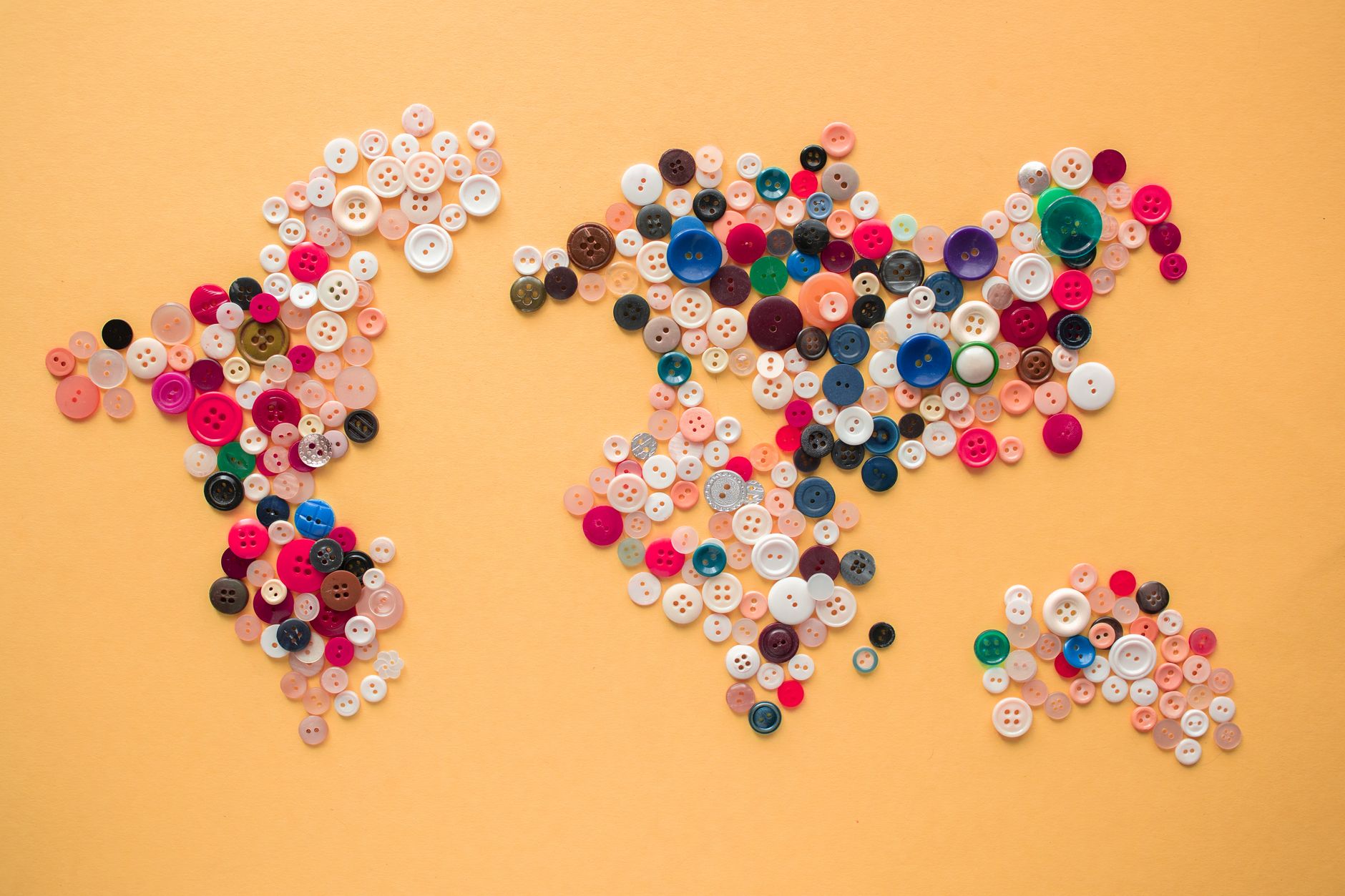
Map of regions showcasing where many beloved cultural names come from.
Beautiful cultural names with meaningful translations
Sometimes the meaning alone can make a name shine. Below are ten names—five for girls, five for boys—selected for their lyrical quality and uplifting definitions.
Girl names
Asha (Sanskrit) – “hope” or “wish.”
Leilani (Hawaiian) – “heavenly flowers.”
Zara (Arabic) – “princess” or “blooming flower.”
Nyla (Arabic) – “winner; champion.”
Eira (Welsh) – “snow,” symbolizing purity and calm.
Boy names
Kian (Persian) – “king” or “realm.”
Iker (Basque) – “visitation,” often linked to a historic saint.
Tariq (Arabic) – “morning star” or “knocking at the door.”
Daiki (Japanese) – “great glory” or “big radiance.”
Each of these names is widely used in its home culture, but they also travel well across languages. When you share the meaning with friends and family, the name instantly gains a story you can all celebrate. The American College of Obstetricians and Gynecologists (ACOG) notes that sharing a name’s story can foster bonding between parents and newborns, reinforcing emotional connections.
Many parents align name meanings with personal values—choosing “Asha” for hope during a challenging pregnancy, or “Daiki” to celebrate a child’s anticipated strength. Some even look to lunar cycles, selecting names that mean “moon” or “light” when the baby is born under a full moon, adding another layer of significance.
Tips for choosing a cultural name that is meaningful and respectful
Choosing a name from another culture can be a beautiful way to honor heritage, but it also carries responsibility. Follow these guidelines to ensure your choice feels authentic and considerate.
1. Reflect on personal connection
Ask yourself why the name resonates. Is it the sound, the meaning, a family story, or a cultural figure you admire? A genuine connection helps you stay committed to the name’s pronunciation and spelling throughout your child’s life.
2. Research cultural etiquette
Some cultures treat certain names as sacred, reserved for specific family members, or tied to religious rites. For instance, in many Indigenous Australian communities, names of ancestors are rarely given to newborns without tribal approval. Understanding these nuances prevents inadvertent disrespect.
3. Test the name in everyday contexts
Say the name aloud in different settings—at a grocery store, over a phone call, or while reading a bedtime story. Does it feel comfortable? Can you picture a teacher or a pediatrician saying it correctly?
4. Consider spelling and practicality
While unique spellings can be creative, they may lead to frequent misspellings or mispronunciations. If you decide on a non‑standard spelling, be prepared to correct people regularly and perhaps include a phonetic guide on the birth certificate.
5. Involve your community
If you have ties to the culture, ask elders or knowledgeable friends for feedback. Their insight can guide you toward a name that aligns with tradition and modern usage.
6. Balance uniqueness with ease of use
It’s tempting to pick the rarest name on the list, but remember that your child will carry it through school, work, and beyond. A name that’s both distinctive and easy to pronounce can give them confidence.
7. Plan for a middle name or nickname
Many families choose a cultural first name paired with a more familiar middle name or nickname. This can honor heritage while giving the child flexibility in social settings. For example, “Aroha Grace” blends Māori meaning with a universally recognized middle name.
8. Anticipate future naming ceremonies
Some cultures have formal naming rituals—like the Hindu Namkaran ceremony or the African “Kumina” naming rite. Knowing whether your chosen name fits within these traditions can help you plan meaningful celebrations later on.
How to use the “Cultural name explorer” tool effectively
Our Baby Names Finder includes a “Cultural name explorer” feature that lets you filter names by region, meaning, and popularity. Here’s how to get the most out of it:
Enter a keyword or meaning you love (e.g., “light,” “peace”).
Select the cultural region you’re interested in.
Review the list of names, paying attention to the pronunciation audio clips.
Save your favorites and compare them side‑by‑side using the built‑in meaning column.
Use the “Trend” tab to see how the name’s popularity has changed over the past decade.
Export your shortlist to a spreadsheet or share it with a partner for collaborative decision‑making.
By combining the tool’s data with the research steps above, you’ll have a well‑rounded picture of any name before you make a final decision. The NHS also recommends using digital tools alongside personal research to avoid information overload.
When you export your list, you can also attach a brief note about the name’s cultural significance. This note can be handy when you later fill out paperwork for the hospital’s birth registration, ensuring staff understand the pronunciation and any special characters.
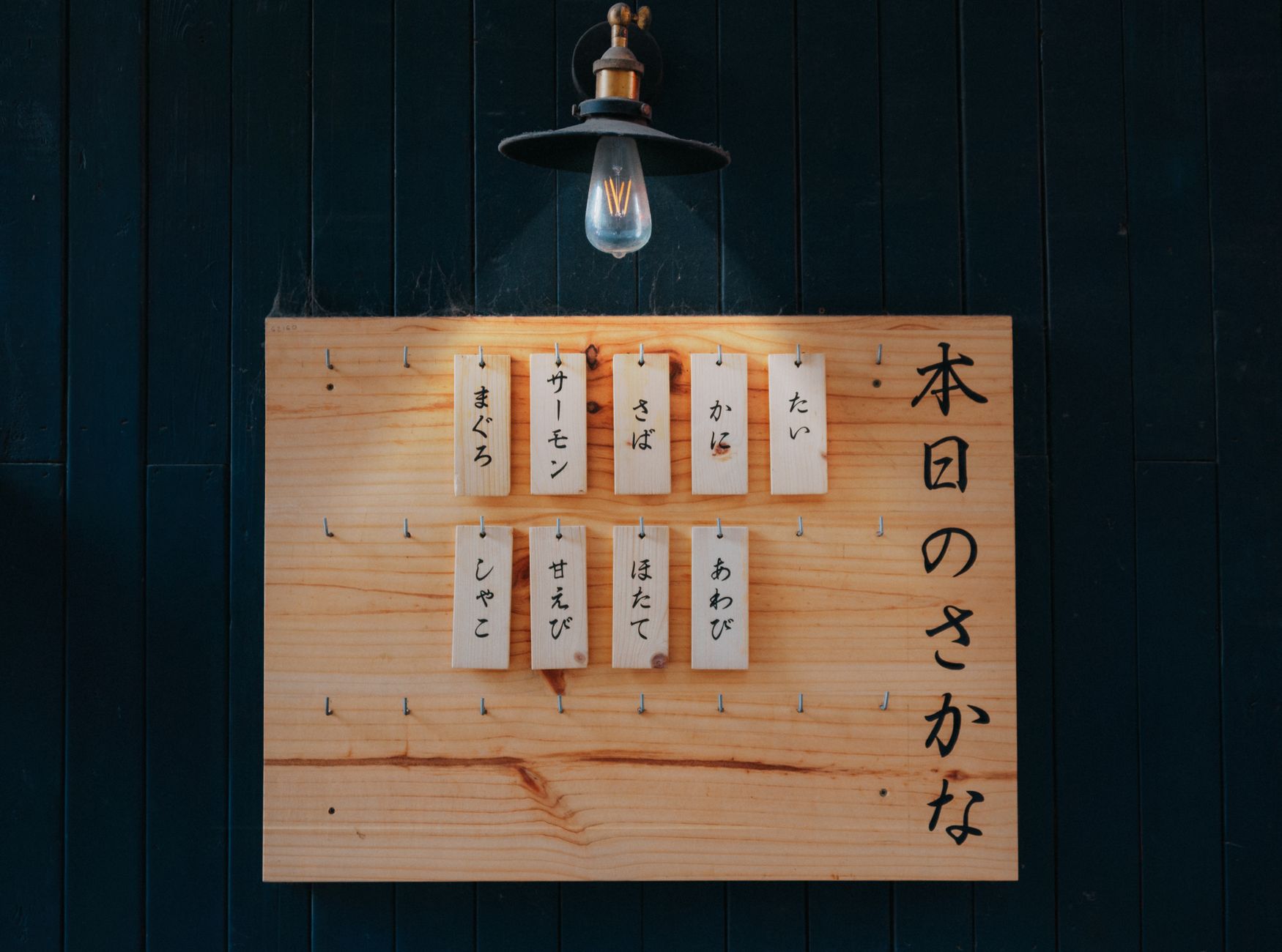
Display a chosen cultural name on a wooden board for a warm, personal touch.
From our medical team: While a name won’t affect your baby’s health, the stress of repeatedly correcting mispronunciations can impact a child’s confidence. Encourage teachers and caregivers to practice the name early, and consider a nickname that feels natural for the child as they grow.
Legal considerations for cultural names
Before you finalize a name, it’s worth checking local naming regulations. In the United States, most states allow parents broad freedom, but a few (California, New York) have restrictions on symbols, numbers, or offensive language. The United Kingdom’s General Register Office (GRO) also permits a wide range of names, yet it may reject those deemed “unreasonable” or containing numerals.
Some countries have more prescriptive rules. For example, Germany’s civil registry requires names to be gender‑appropriate and must not expose the child to ridicule. In Iceland, names must be listed in the government’s approved name database, reflecting the nation’s strong linguistic preservation policy. Checking these guidelines early can prevent surprises when you submit the birth certificate.
If you plan to travel or immigrate, consider how the name will appear on passports and visas. The U.S. Department of State advises that names with diacritics (e.g., “José”) are generally accepted, but it’s wise to have a simplified version for international travel documents.
Ensure the chosen name complies with passport and legal documentation standards.
Impact of cultural names on school and social settings
Research from the Journal of Educational Psychology (2021) shows that children with culturally distinctive names may experience both benefits and challenges. Positive outcomes include heightened cultural pride and curiosity from peers. However, teachers’ unconscious bias can sometimes influence expectations, especially if a name is perceived as “unfamiliar.”
To mitigate potential bias, schools are increasingly adopting inclusive practices, such as encouraging students to share name pronunciations during introductions and providing phonetic guides on class rosters. Parents can support this by sending a brief note to teachers early in the school year, outlining the name’s pronunciation and meaning. This proactive step often leads to smoother social integration and reduces the need for repeated corrections.
The American Academy of Pediatrics (AAP) recommends that parents discuss any name‑related concerns with pediatricians, who can advise on strategies to bolster the child’s self‑esteem and suggest resources for teachers.
Naming traditions and ceremonies across cultures
Many cultures have specific rituals that mark a child’s naming. In Hindu families, the “Namkaran” ceremony typically occurs on the 12th day after birth, with a priest chanting the chosen name and blessings for a prosperous life. In many African societies, naming is tied to the day of birth; the Yoruba of Nigeria, for example, assign names like “Kehinde” for a second-born twin.
In Māori culture, a “Whakapapa” ceremony connects the child to ancestors, often involving the presentation of a carved wooden name board (pōwhiri). Jewish families observe a “Brit Milah” for boys and a “Simchat Bat” for girls, each accompanied by the formal naming. Understanding these traditions can guide you in selecting a name that fits seamlessly into such ceremonies, should you wish to honor them.
Even in Western contexts, many families hold informal “name reveal” parties, using the cultural name as a centerpiece for a celebration of heritage. Incorporating elements like traditional music, food, or symbols can deepen the meaning for both the child and extended family.
🔢 Ready to crunch your numbers? Use our Baby Names Finder for a personalized result in seconds.
Myth vs. fact
Myth: “If a name isn’t from my own culture, I’m appropriating it.”
Fact: Cultural appreciation is possible when you research, respect, and seek permission where appropriate. Many families successfully share names across cultures while honoring origins.
Myth: “All cultural names are hard to pronounce.”
Fact: With a little practice and the right resources, most names can be spoken confidently. Audio guides and phonetic breakdowns make learning easy.
Myth: “A name’s meaning is always the same everywhere.”
Fact: Many names have multiple meanings across languages. For instance, “Mila” means “gracious” in Slavic languages, “miracle” in Arabic, and “dear” in Spanish. Always verify the specific language you’re drawing from.
Key takeaways
Start with reputable databases and cross‑check multiple sources for origin and meaning.
Listen to native speakers and use IPA to master pronunciation.
Choose a name that resonates personally and respects cultural traditions.
Test the name in everyday life to gauge comfort and practicality.
Use the Baby Names Finder to compare meanings, trends, and pronunciation clips.
When in doubt, ask a cultural insider and be open to learning.
Consider a middle name or nickname that offers flexibility in diverse settings.
Document the name’s story to share with family, teachers, and healthcare providers.
Frequently asked questions
What are some unique cultural names for babies?
Unique names vary by region; examples include “Aroha” (Māori, meaning “love”), “Zulfi” (Arabic, “graceful”), and “Kian” (Persian, “king”). Look for names with clear meanings and accessible pronunciation.
How do I find the meaning and origin of a cultural name?
Begin with trusted name dictionaries, then verify with academic sources or cultural heritage sites. Cross‑reference at least three reputable references before finalizing.
What are some popular cultural names from around the world?
Names like “Haruki” (Japan), “Leilani” (Hawaii), “Mateo” (Spain), and “Chinaza” (Nigeria) have risen in global popularity, each carrying distinct meanings and cultural ties.
How do I pronounce cultural names correctly?
Listen to native speakers, break the name into syllables, use IPA guides, and practice aloud. Recording yourself and seeking gentle correction from knowledgeable friends helps cement the correct pronunciation.
What are the most beautiful cultural names with meanings?
Names such as “Asha” (hope), “Eira” (snow), “Daiki” (great glory), and “Zara” (princess) combine poetic sound with uplifting definitions, making them timeless choices.
Can I use a cultural name that is not from my own culture?
Yes, provided you research its meaning, respect cultural protocols, and seek guidance from community members when possible. Thoughtful adoption can celebrate diversity without appropriating.
Is it okay to change a cultural name later if it feels hard to use?
Changing a name is a personal decision. If the name causes persistent stress or mispronunciation that affects your child’s wellbeing, it’s reasonable to discuss alternatives with your partner and, if needed, a pediatrician.
How can I explain the meaning of a cultural name to friends who are unfamiliar?
Share a brief story that connects the meaning to your family’s values. For example, “Leilani means ‘heavenly flowers,’ which reflects our love for nature.” Keeping the explanation short and heartfelt encourages acceptance.
Can cultural names affect my child's future job prospects?
Research indicates that names can influence first‑impression biases in hiring, but many employers value diversity and cultural competence. Emphasizing the name’s meaning and pronunciation during interviews can turn a potential challenge into a conversation starter.
What if the name I love is considered taboo in its culture?
Some cultures reserve certain names for specific family members or for ceremonial use. If you discover a name is taboo, consider an alternative or consult a cultural insider to understand acceptable variations.
When to call your doctor
If you notice your baby consistently having trouble with a name—such as frequent distress when hearing a mispronounced version—or if name‑related stress is affecting feeding or sleep patterns, talk to your pediatrician. They can help address any underlying anxiety and suggest supportive strategies.
Additionally, the AAP advises parents to monitor for signs of social anxiety or low self‑esteem linked to name pronunciation challenges, especially during the toddler to preschool transition. Early professional guidance can prevent longer‑term emotional impacts.
This article is for informational purposes only and does not replace personalized medical advice. Always consult your healthcare provider for concerns specific to your family.
References
American Academy of Pediatrics. “The Role of Naming in Child Development.” 2021.
U.S. Social Security Administration. “Popular Baby Names – Meaning & Origin Data.” 2023.
Office for National Statistics (UK). “Baby Names Statistics.” 2022.
UNESCO. “World Languages and Cultural Heritage.” 2020.
Behind the Name. “Name Etymology and Pronunciation Database.” Accessed 2024.
Not sure about the label on Cultural Name Explorer Origin Meaning Pronunciation Guide products?
Snap the ingredients list and SafeFilter checks every ingredient for your stage — only 3 free scans this month, then you're locked until reset. Unlimited from $7/mo or $50/yr.
When Shubhra Mishra was expecting her first child in 2016, she was overwhelmed by conflicting food advice — one site said yes, another said never. By the time her second baby arrived in 2019, she realized millions of mothers face the same confusion.
That sparked a five-year journey through clinical nutrition papers, cultural diets, and expert conversations — all leading to BumpBites: a calm, compassionate space where science meets everyday motherhood.
Her long-term vision is to build a global community ensuring safe, supported, and free deliveriesfor every mother — because no woman should face pregnancy alone or uninformed. 🌿
🌍 Stand with mothers, shape safer guidance
Join a small circle of experts who review BumpBites articles so expecting parents everywhere can decide with confidence.